
Review · TOKYO CITY TOURS
Tokyo War History Tour: Yasukuni Shrine & War Museum
War history in Tokyo hits different.
This private tour helps you make sense of how Japan remembers modern conflict, starting at Yasukuni Shrine and moving into the Yushukan War Museum. I love the structure here, you get guided context instead of random wandering. I also like the tone, the explanations aim for balance and help you understand how memory shapes daily life. The one drawback to plan for is that this subject matter is sensitive, and the museum’s narrative may feel uncomfortable if you want only a single viewpoint.
You’ll walk, you’ll read signs and exhibits, and you’ll talk things through with your English-speaking guide. Expect moderate walking and time inside a museum, not just a quick photo stop. If you’re the type who likes history to be more than dates, this is a strong half-day choice.
Key takeaways before you go
- Private pacing: you get a licensed English guide for your group, so questions actually get answered.
- Shrine plus museum: you compare religious memorial space with a museum’s wartime storyline.
- A built-in lens: you learn how war memory connects to modern Japanese society and identity.
- Optional contrast stop: the extended option adds Chidorigafuchi National Cemetery to show state memorial practices.
- Practical tour guidance: you get help understanding both history and everyday etiquette on the way.
Where this tour starts: Yasukuni’s first torii and the tone check
Most Tokyo tours start with temples and street views. This one starts with a bigger question: how a nation remembers war.
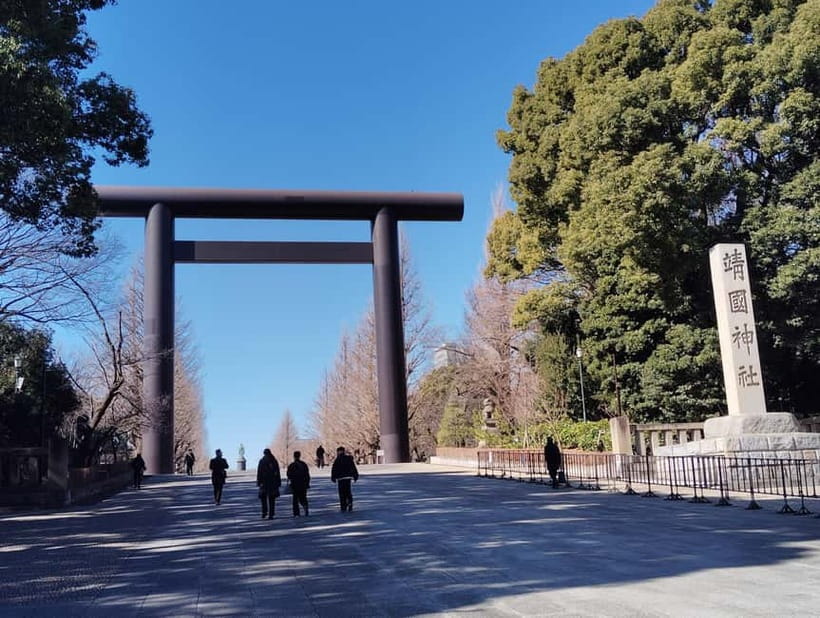
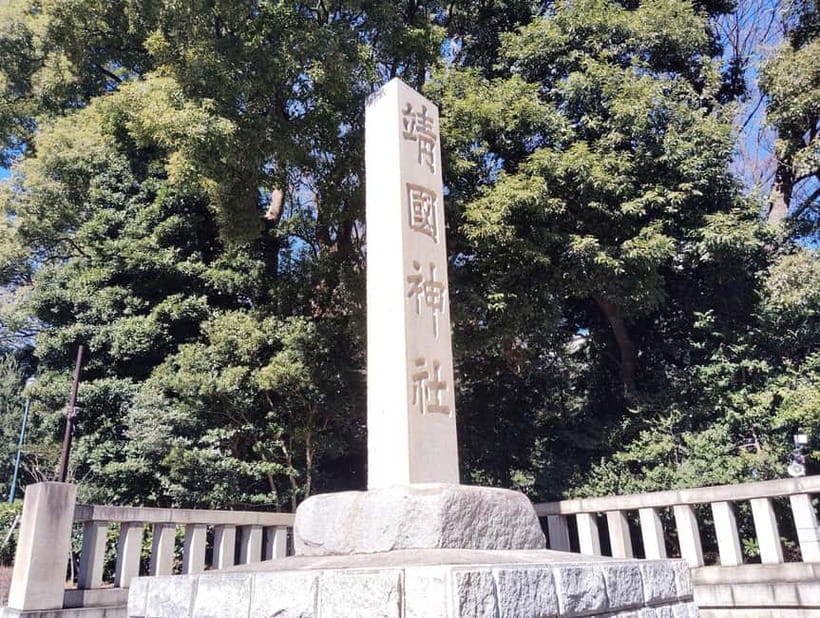
You meet at the first torii gate at Yasukuni Shrine. From the first step into the shrine grounds, the atmosphere signals that this isn’t casual sightseeing. The guide sets expectations and keeps the visit respectful, which matters here because the site is debated internationally and personally for many families.
Even if you arrive with mixed feelings, the tour format helps you slow down. You’re not just looking at buildings. You’re learning what they are, and why they matter to people in Japan.
If you’re comfortable walking for about 150 to 210 minutes total, you’ll have time to absorb each stop without racing.
The Yasukuni Shrine walk: religion, state, and war dead in one place
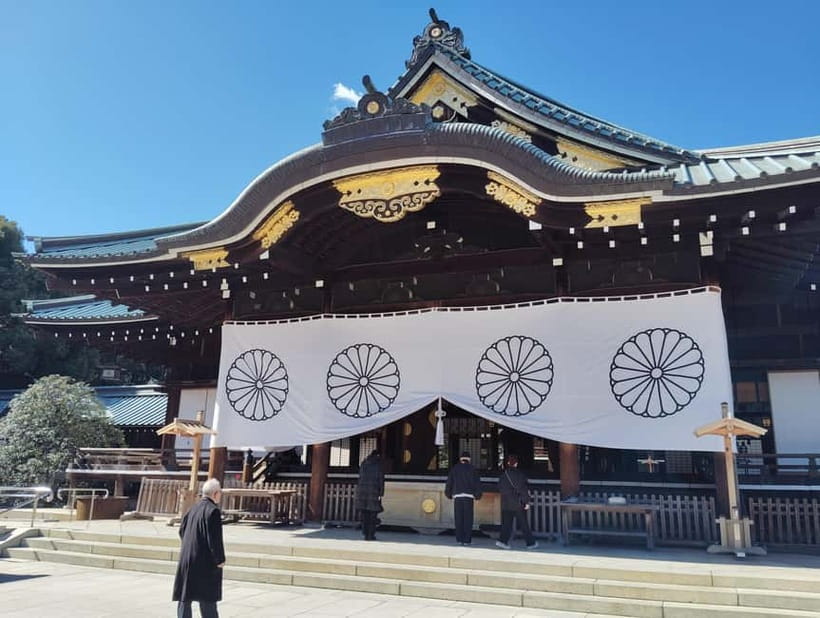
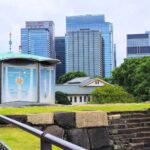
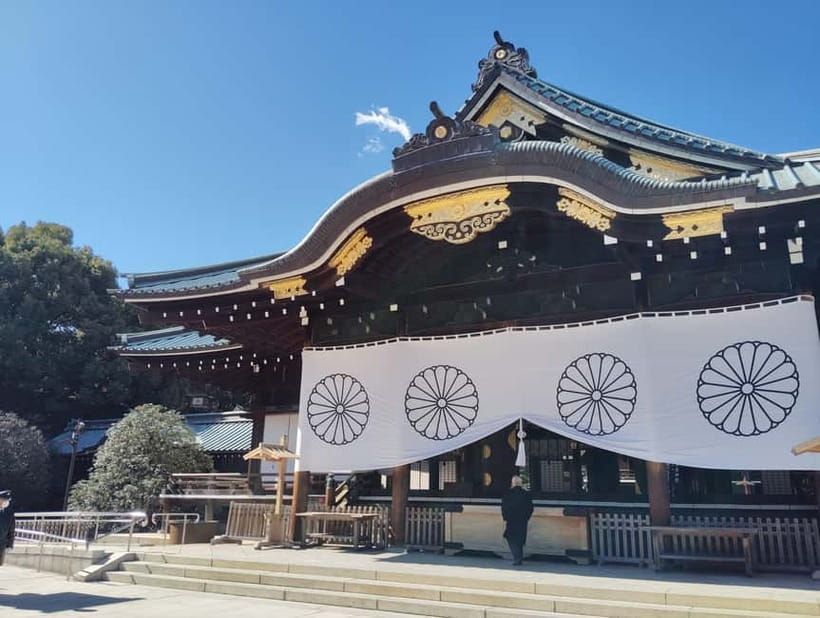
Yasukuni Shrine was founded in 1869. Its purpose is also clear: it commemorates those who died in conflicts from the Meiji Restoration through the Asia-Pacific War.
Here’s what makes the place unusual. Most Shinto shrines are centered on a deity. Yasukuni enshrines the spirits of war dead instead. That swap, from deity-focused worship to war-soul commemoration, puts the shrine in a tricky intersection of religion, national identity, and public memory.
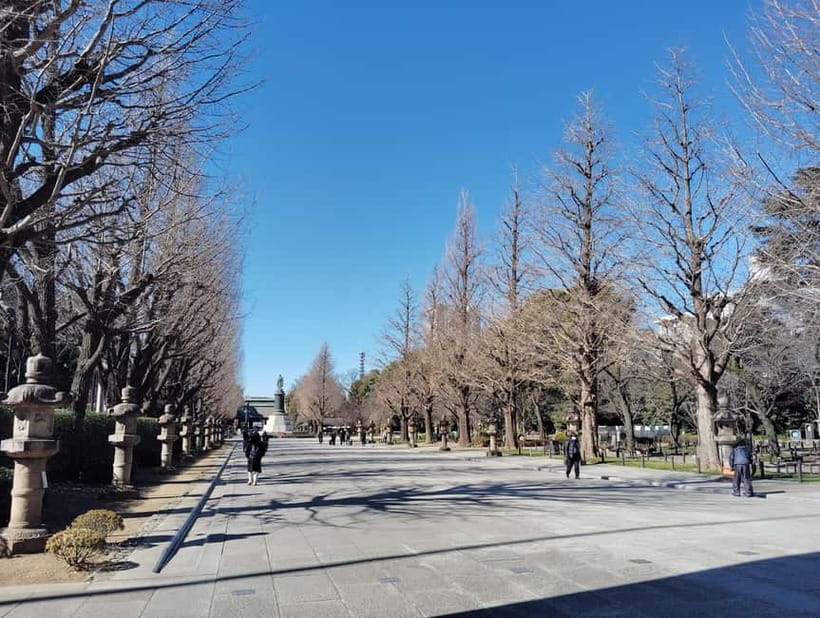
You start at the torii, then walk through the shrine grounds with your guide. You’ll follow traditional etiquette for the visit, and you’ll also hear how ritual practice links present-day visitors to the past. That sounds abstract until you’re standing there and paying attention to what the actions are meant to express.
You can also read our reviews of more historical tours in Tokyo

Why your guide’s framing matters here
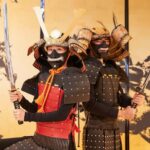
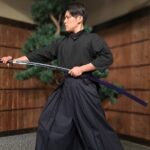
A big part of the value is the way your guide connects historical change to what you see. You’ll hear about Japan’s transformation from feudal society to a modern nation-state. You’ll also get explanations that touch on samurai ethics, imperial ideology, and how modernization shaped Japan’s military development.
That matters for you because it turns the shrine from a political headline into a human system of belief and remembrance. You begin to see how one country can hold mourning practices and national narratives in the same space.
A small practical note you’ll appreciate
This is the kind of tour where your guide tends to answer the sideways questions too. On one visit, I saw a guide named Tatsuo explain details that help you understand Japan’s everyday order, like why people walk on the left side of the pavement and stand on the left side of escalators. It’s not directly about Yasukuni, but it connects the idea that social rules often have long roots. That kind of practical context makes the whole experience feel more grounded.
Yushukan War Museum: a single story, plus context to think critically
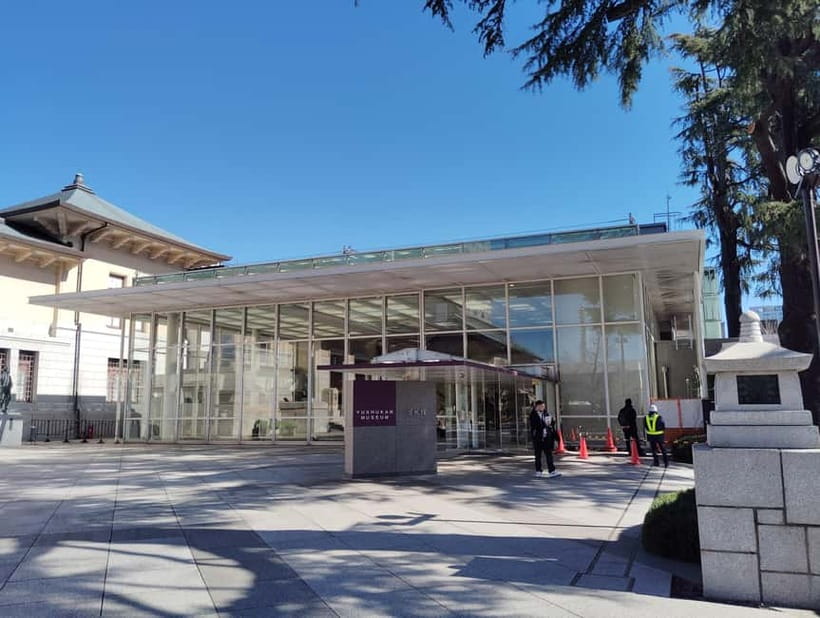
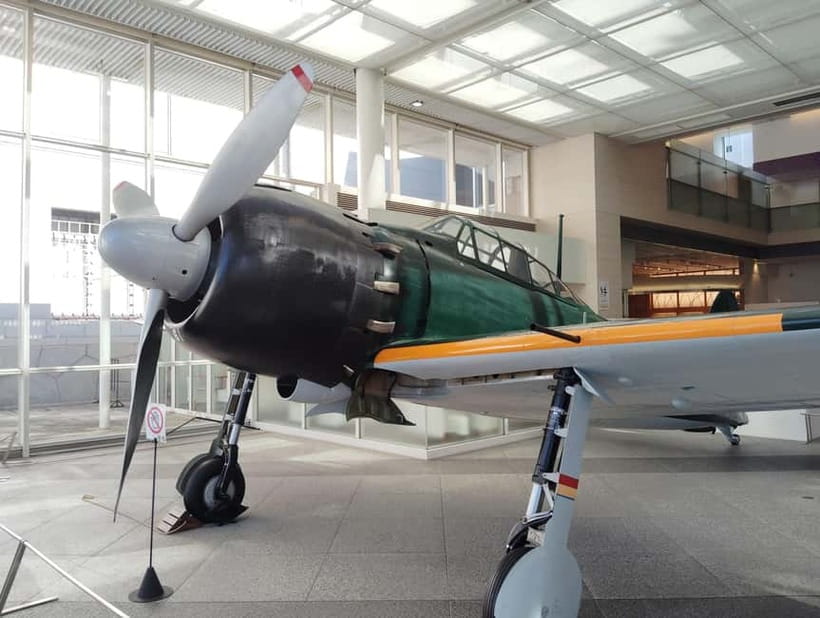
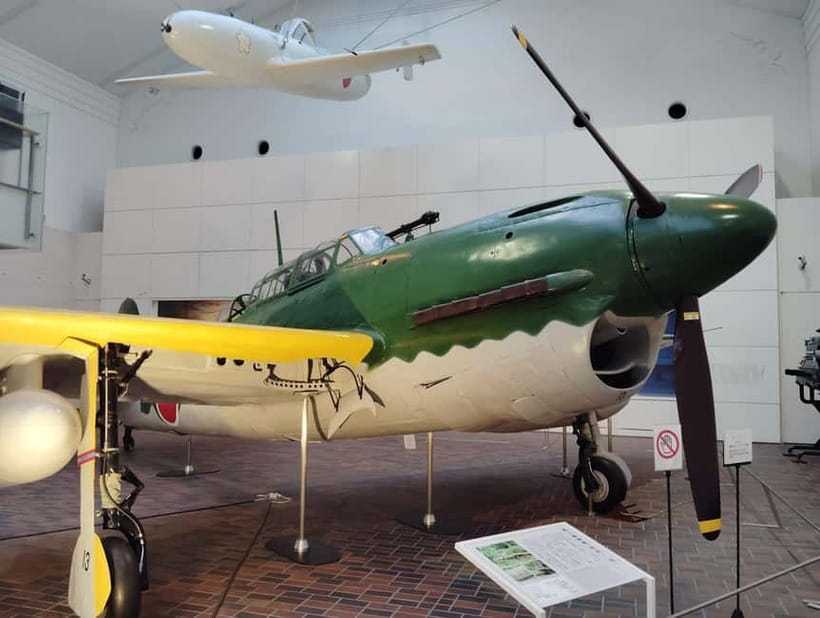
After the shrine walk, you head to the Yushukan War Museum for about 110 minutes.
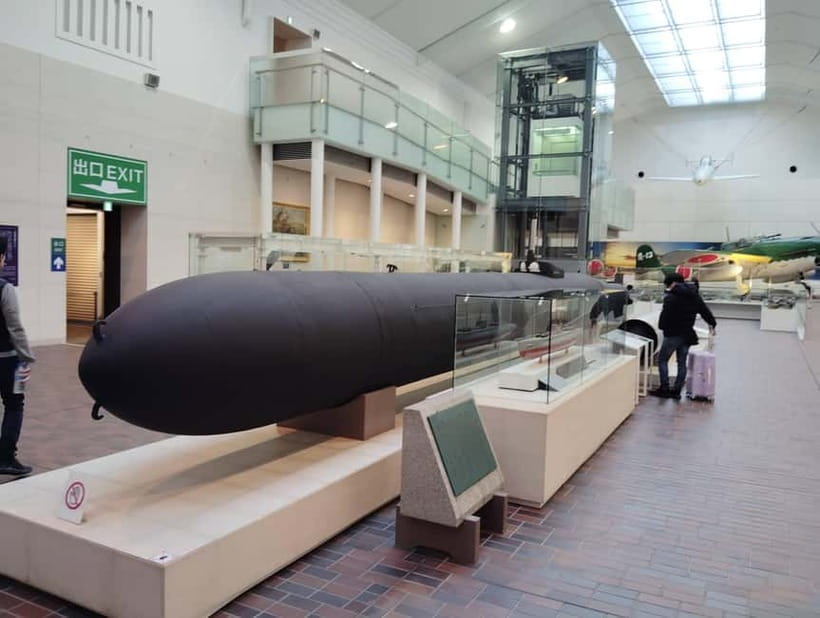
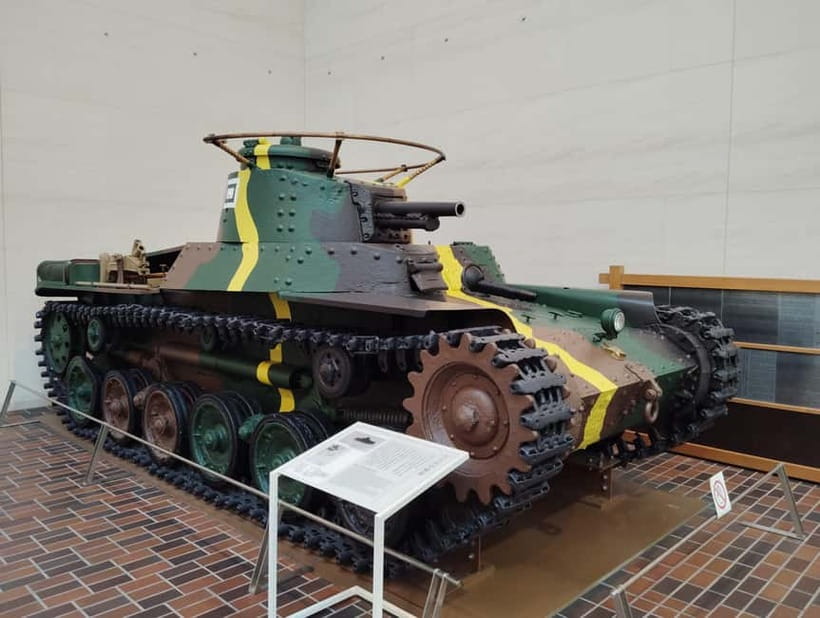
This museum focuses on Japan’s military history, tracing developments from the late Tokugawa period through World War II. It presents Japan’s wars using a narrative style that includes the Pacific War and an era often referred to domestically as the Greater East Asia War.
Now, the important part for your expectations: this tour does not ask you to accept one interpretation. Your guide gives context and encourages critical engagement with how wartime events are presented and remembered.
What you’ll actually do inside
You’re not just browsing at random. Your guided visit gives you a pathway through exhibits so you can understand the themes the museum chooses to emphasize and how it frames key events.
You’ll see historical materials like artefacts, photographs, and documents. The guide helps you connect these items to the broader story being told.
And because the tour is structured, you’ll leave the museum with better questions than you arrived with. That’s a win, because war history is never just about what happened. It’s also about what gets emphasized, what gets softened, and what stays at the edges.
You can also read our reviews of more museum experiences in Tokyo


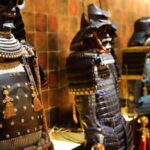
A balanced approach you can feel in the pacing
Yushukan can feel emotionally heavy. The helpful thing is that the guide’s explanations are described as balanced and rooted in historical scholarship, with multi-perspective context.
You don’t need to agree with every framework to benefit. You need clarity on the language being used. You need help spotting what’s being claimed, what’s implied, and what’s left out.
That’s the kind of thinking that makes the rest of your Tokyo trip easier too. You’ll notice how this history shows up in museums, monuments, and even casual conversation.
The extended stop at Chidorigafuchi: secular state memorial vs shrine enshrinement
If you book the extended option, you continue to Chidorigafuchi National Cemetery for about an hour.
This is a strong contrast stop because it’s secular and state-administered. Established in 1959, the memorial honors unidentified war dead repatriated from overseas battlefields.
So you get a built-in comparison:
- Yasukuni is a religious shrine that enshrines spirits of war dead.
- Chidorigafuchi is a government-run cemetery honoring war dead in a more secular memorial form.
Standing in each place, you start to feel how different institutions create different kinds of meaning. One emphasizes ritual and spiritual commemoration. The other emphasizes state memory, classification, and national remembrance practices.
For many travelers, the biggest takeaway is this: both places are about grief, but they operationalize grief differently. That difference is key to understanding postwar Japanese society without reducing it to a single political argument.
And yes, you’ll likely notice how your own emotions and reactions change from stop to stop. That’s normal. It’s also why you want a guide, so you can keep your thinking clear.
Price and value: what $87 buys you in Tokyo time
The price is $87 per person, and the duration runs about 150 to 210 minutes.
Let’s talk value like a planner, not a brochure. You’re paying for:
- a private guided tour (your group only)
- a licensed English-speaking guide
- guided visits at Yasukuni Shrine
- guided entry inside Yushukan War Museum, including admission
- historical commentary with balanced, multi-perspective context
- optional inclusion of Chidorigafuchi for the extended route
What’s not included is transportation to and from the meeting point and food and drinks. In Tokyo, that can be a small variable depending on where you start.
But for most people, the real value is not the museum ticket. It’s the fact that someone is guiding your attention. War history is easy to misunderstand if you only skim. This tour helps you read the site and exhibits with context, and that typically saves you time and confusion later.
If you’re traveling with a partner or a small group, private format also helps your schedule. You don’t have to listen to a loud group question stream. You can ask your specific curiosity and get answers in the moment.
Who this tour is perfect for, and who should think twice
This tour fits best if you’re one of these types:
- You like modern history and want the context behind monuments, not just photos.
- You’re interested in international relations, memory studies, or how public narratives form.
- You prefer a serious, structured visit with time to ask questions.
- You want cultural understanding that includes the difficult parts, not only the pretty parts.
It may not be your best match if you:
- want a light, carefree half-day with no sensitive topics
- dislike museums that present a distinct historical narrative even with added context
- prefer minimal walking or very short indoor time
A useful mindset for this tour is simple: treat it like an academic field trip, not a political rally. Your guide is there to clarify history and help you interpret what you see and hear.
How the guide turns etiquette into understanding
One reason these sites can feel confusing is that visitors often focus only on the big obvious elements, like torii gates and war-related exhibits. But war memory is carried in rituals, wording, and the rhythm of how spaces are used.
Your tour includes shrine etiquette, and your guide explains how ritual connects the present to the past. That’s more than ceremonial detail. It tells you how commemorations become social practice.
Inside the museum, your guide’s role is similar. You’re not just reading captions. You’re being guided through a story, with commentary that helps you evaluate presentation and emphasis.
And again, the practical side matters too. When guides explain everyday behavior, like left-side walking and escalator standing, you end up feeling less like you’re dropped into a problem. You feel coached.
In a way, it’s part of what makes Tokyo travel work. Understanding the rules of the place helps you read the meaning of the monuments.
What to bring, and what rules to respect
This is a walk-and-visit plan, so pack for comfort more than fashion.
Bring:
- comfortable shoes
- a hat
- sunscreen
- a camera
- water
Don’t do:
- smoking
- flash photography
Also note that photography may be restricted in certain museum areas. If you like taking pictures, plan to be respectful about what’s allowed.
For your schedule, remember the tour includes moderate walking and a substantial museum block. If you pack heavy bags, you’ll feel it.
My quick decision guide: should you book it?
Yes, book it if you want a serious Tokyo history experience with structure, context, and a guide who can explain the “why,” not just the “what.”
Skip or reconsider if you’re on the fence about sensitive war topics or you strongly prefer one-sided narratives. Even with balanced commentary, Yasukuni and Yushukan are institutions that represent real, contested memory.
Also, if you’re short on time in Tokyo and want one focused half-day that touches shrine commemoration, museum storytelling, and optional state memorial contrast, this tour is a smart way to do it in one block.
FAQ
How long is the Tokyo War History Tour?
The duration is about 150 to 210 minutes, depending on the option you choose.
Is this a private tour?
Yes. It’s a private group tour, so only your group participates.
What does the tour cost?
The price is $87 per person.
Which places are included in the standard option?
The standard plan includes Yasukuni Shrine and a guided visit inside the Yushukan War Museum.
What does the extended option add?
The extended option continues to Chidorigafuchi National Cemetery for about one hour.
Is the Yushukan War Museum admission included?
Yes. Admission to the Yushukan War Museum is included.
Is the guide available in English?
Yes. The tour includes a licensed English-speaking guide.
What is the meeting point?
The meeting point may vary depending on the option booked. Starting points include the first torii gate at Yasukuni Shrine.
What should I bring?
Bring comfortable shoes, a hat, camera, sunscreen, and water.
What are the rules about photography and smoking?
Smoking is not allowed. Flash photography is not allowed, and photography may be restricted in some museum areas.
Is there a cancellation option?
There is free cancellation up to 24 hours in advance for a full refund.
More Historical Tours in Tokyo
More Tours in Tokyo



More Tour Reviews in Tokyo
Not for you? Here's more nearby things to do in Tokyo we have reviewed





Tokyo City Tours, side by side.
 ★ 5.01-Day Tokyo Bus TourFrom $12914,250 reviews
 ★ 4.5TOKYO SKYTREE® Admission ticketFrom $1311,192 reviews
 ★ 4.6teamLab Planets TOKYO Digital Art Museum Entry TicketFrom $259,779 reviews
 ★ 4.0Mt Fuji & Hakone Cruise, Drum Show Bullet Train 1 Day from TokyoFrom $1497,413 reviews
 ★ 5.0Shinjuku Food Tour (13 Dishes at 4 Local Eateries)From $866,603 reviews
 ★ 4.4Tokyo Mt Fuji 5th St & Hakone Cruise Bus Tour w/Bullet TrainFrom $1545,024 reviews
 ★ 5.0Flagship 2-Hours Official Street Go-Kart Tour – Tokyo Bay ShopFrom $644,974 reviews
 ★ 4.5From Tokyo: Mount Fuji Full-Day Sightseeing TripFrom $684,970 reviews
This tour also belongs to