
Review · TOKYO FOOD TOURS
Tokyo: Allstar Food Tour
Ginza and Yurakucho taste nothing alike. That contrast is the heart of this 3-hour Tokyo food tour, and I love the way it mixes regional flavors with real eating customs, not just random samples. One thing to plan for: it is still a walk and you will want comfy shoes, especially near the Ginza Station area with stairs and crossing streets.
I also like the pacing and group size. It’s capped at 10 participants, so your guide can actually answer questions about how Japanese menus work and how an izakaya night typically flows. Plus, you get two drinks included, which makes it easier to relax and focus on tasting without doing extra math.
The best part, for me, is how the stops feel anchored in Tokyo culture. You’ll start in upscale Ginza, wander into Yurakucho’s older laneway vibe, then end with a sweet finish. Guides are English-speaking, and examples of past guides include Motoko, Sandra, Josh, Ryan, and Anne, which is a good sign you are in for clear explanations.
Key things that make this tour worth your time
- Ginza to Yurakucho in one night, so you see two sides of Tokyo food culture fast
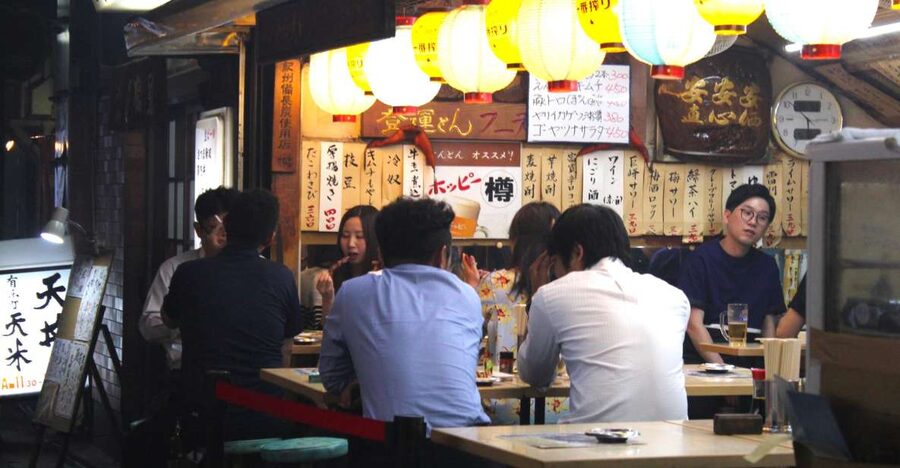
- Showa-era izakaya lessons, with cultural tips alongside the eating
- A specialty snack shop with 300+ years of history, including a secret-recipe cracker
- Taste seasonal, regional flavors instead of repeating the same “tourist standard”
- Two included drinks, plus a dessert finale to round it out
Why this 3-hour food walk is a smart first Tokyo plan
If this is your first night in Tokyo, this tour is a practical choice. Tokyo food can feel like a maze when you land, especially if you’re unsure what to order, how much to share, or what “normal” looks like in local places. A guided walk through Ginza and Yurakucho gives you context in real time. You don’t just eat, you learn what you’re seeing and why it’s eaten that way.
The duration is also right. Three hours is long enough to make real progress through two neighborhoods, but short enough that you still have energy for dinner afterward. That matters on jet lag days.
And you are not paying for a full meal. You’re paying for variety, guidance, and access to spots you might not stumble into on your own. At $181 per person, it’s not cheap, but it can feel reasonable when you add up multiple food stops, two included drinks, and the fact that it’s a small group capped at 10.
You can also read our reviews of more food & drink experiences in Tokyo

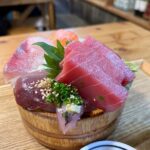
Meeting at Ginza Wako Building, and getting oriented quickly
Your meeting point is straightforward: in front of the Ginza Wako Building, about a one-minute walk from Ginza Station. The directions start you off at Exit A9 after you follow signs for Ginza 4 chome Crossing Gate and pass the fare gate.
I like this because Ginza is a major hub. You can usually get there without a complicated route, and once you’re at the building, you are in the right district for the rest of the evening. If you are arriving by train and want to avoid stress, this is a win.
Practical tip for you: give yourself a little buffer. Ginza station is efficient, but it is still big. If you show up right on time, you might have to sprint through a level change, and nobody enjoys a tour that starts with panting.
Also note that a copy of passport information is required for participants aged 10 and over. That’s the kind of detail that can slow you down if you forget it at home.
Ginza to Yurakucho: the contrast you taste as you walk
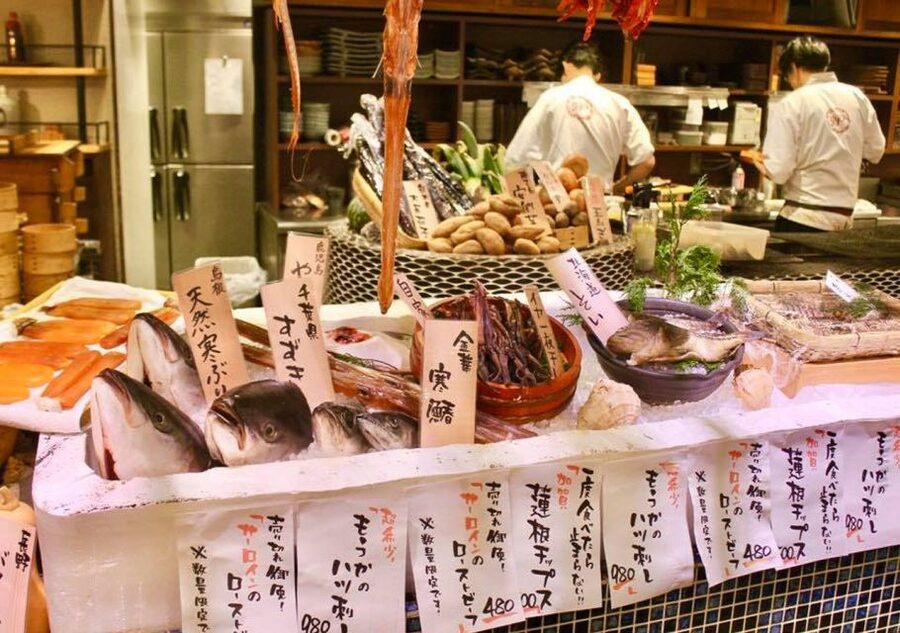
This tour is built around a simple idea that I really enjoy: the neighborhoods change your expectations, and that affects what you eat and how you eat it.
Ginza represents polish and high-end dining culture. The streets have that expensive, photo-ready feel where history and luxury sit next to each other. Even if you are not shopping, walking those blocks tells you a lot about how Tokyo treats food as something precise and carefully presented.
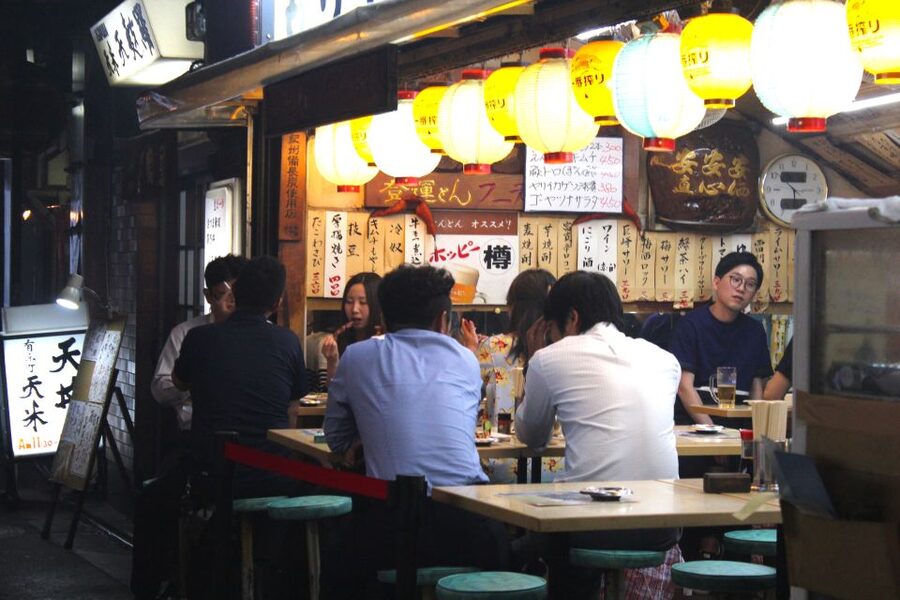
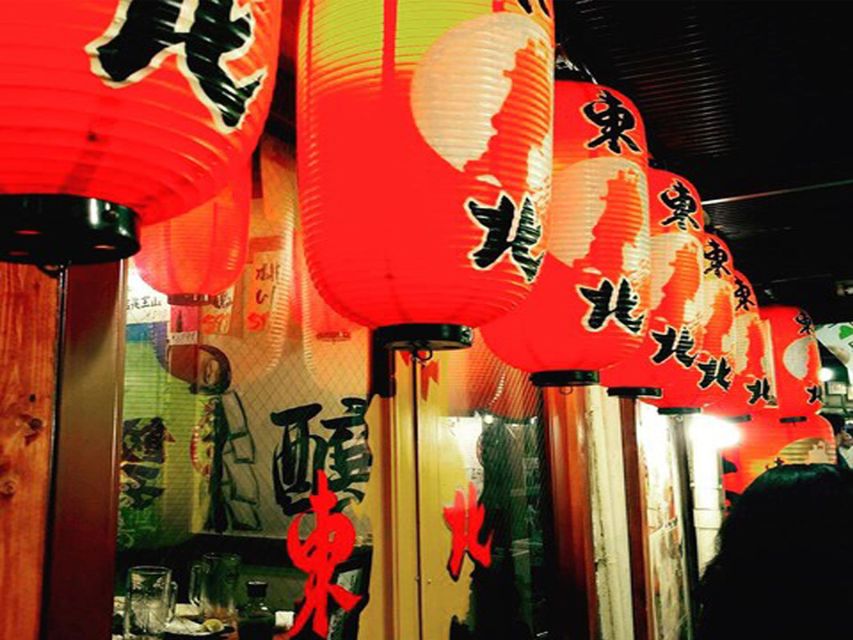
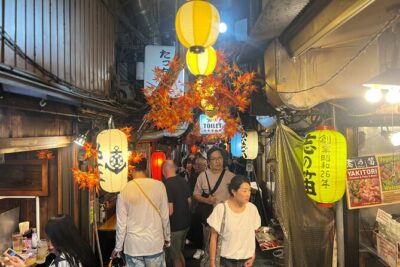
Then you head into Yurakucho, with its retro charm and cozy alley energy. The vibe shifts fast. Think narrow lanes, old-style atmosphere, and the kind of dining where conversation matters as much as the plate. As you move, you’ll notice how the food culture changes from “grand storefront energy” to “small-room comfort.”
If you like eating by atmosphere, not just by menu, you will get a lot out of this section. It’s also a good way to learn what different parts of Tokyo feel like after dark, when lights come on and people actually use the streets for food.
Showa-era izakaya culture: what the guide helps you notice
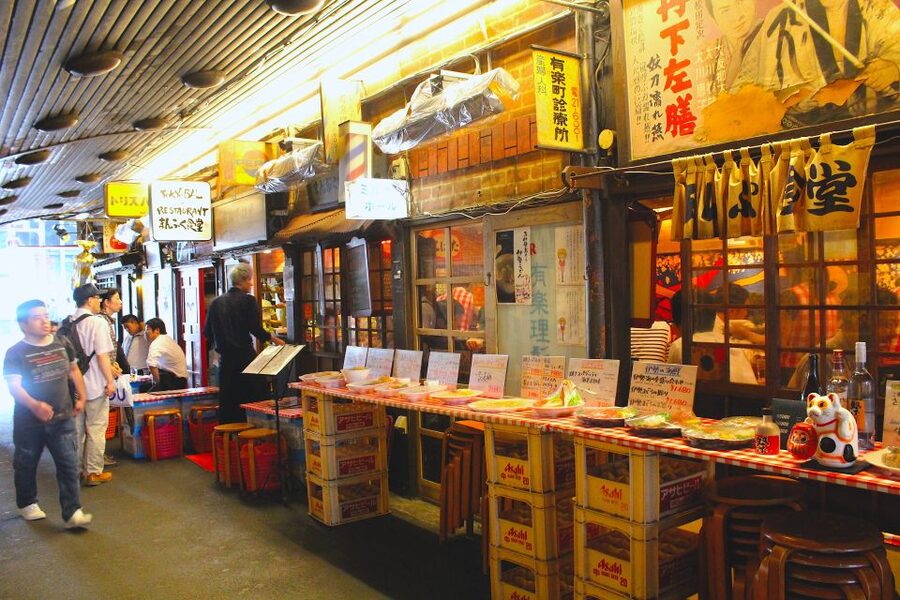
The heart of the experience is learning about Japan’s special izakaya culture. These are Japanese pub-style spots, and they are central to casual social eating. The tour uses a Showa era angle, meaning you get historical context and a more grounded explanation of why izakaya feel the way they do.
This matters because izakaya can be intimidating if you don’t know the rhythm. You might wonder:
- What are you supposed to order?
- How do people share dishes?
- How do drinks fit into the meal flow?
A good English-speaking guide can translate that into practical behavior you can copy. The tour also includes two drinks, so you can actually try the format rather than just talk about it. That’s a key value point for you, because the drink is not just a freebie. It gives you the social pacing that makes izakaya feel like izakaya.
One more plus: a small group helps here. If you are eating and drinking in a narrow space, it’s easier for the guide to keep everyone together and explain things without turning it into a lecture.
The snack shop stop: 200-year secret recipe and 300+ years of tradition
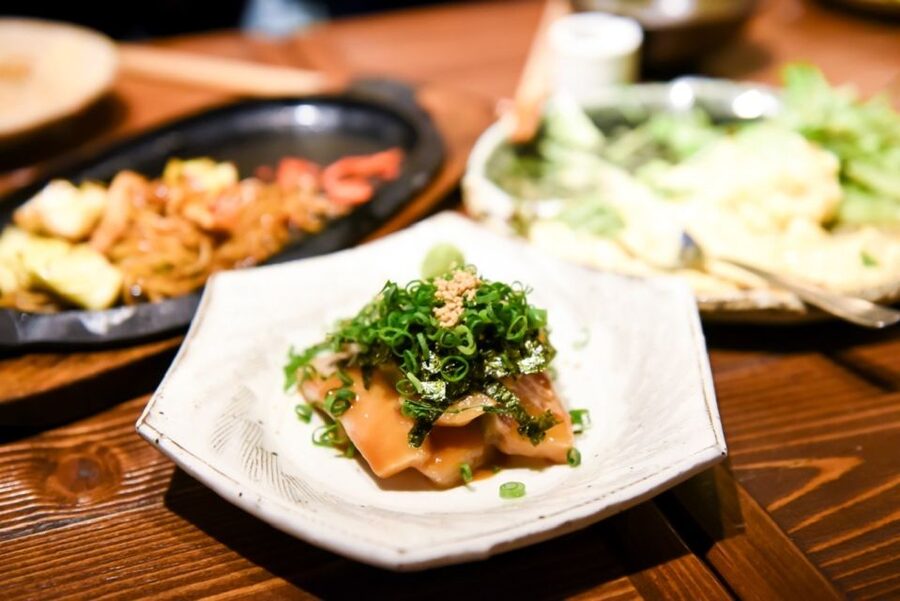
One of the most memorable parts is the specialty snack shop with more than 300 years of history. That kind of longevity is a clue that the place has a stable reputation, not just a trendy product line.
You are also promised crisp rice crackers made with a secret recipe dating back over 200 years. In practice, what I like about stops like this is that they are not about one fancy dish. They are about craft. You learn that Japanese snack culture can be built on long-running recipes, tight quality control, and a focus on texture.
You’ll likely see how the shop sells in a way that feels familiar to locals: packaged options, easy take-home portions, and flavors that match the broader regional theme of the tour. For you, this is ideal if you want souvenirs that are actually edible and tied to a specific food story.
A practical consideration: expect you might want to buy more after the tasting. The tour does not include additional food or drinks, but you can purchase at your expense. If you know you snack lightly, set a budget so you can enjoy the moment without going overboard.
More Tokyo tours and experiences for the shortlist

Desserts and the sweet end you’ll actually remember
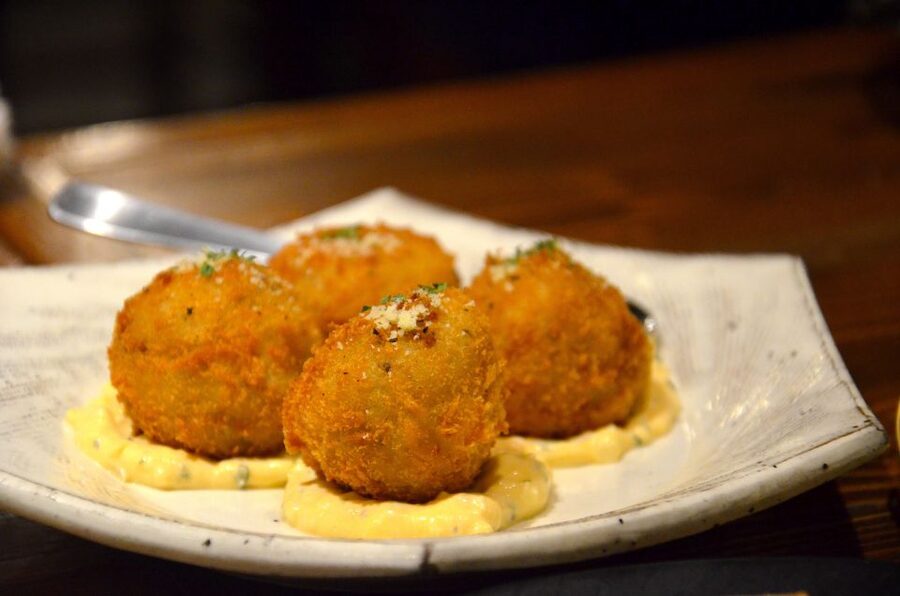
Every Tokyo food crawl needs a sweet finish, and this one closes with dessert. I like dessert at the end because it acts like a reset. After savory dishes, drinks, and the salty crunch of snacks, the dessert helps your taste buds reset so the whole evening feels complete.
Even if you are the kind of traveler who usually skips dessert, this is one area where I’d pay attention. A dessert stop also gives your guide a chance to explain something about seasonality and how Japanese sweets differ from what you might expect at home. It’s not just sugar. It’s another layer of local food logic.
If you have dietary needs, the tour says dietary options are available. Still, it helps to message ahead so you are not trying to sort it out in the middle of a crowded street food stop.
Price and value: what you really get for $181
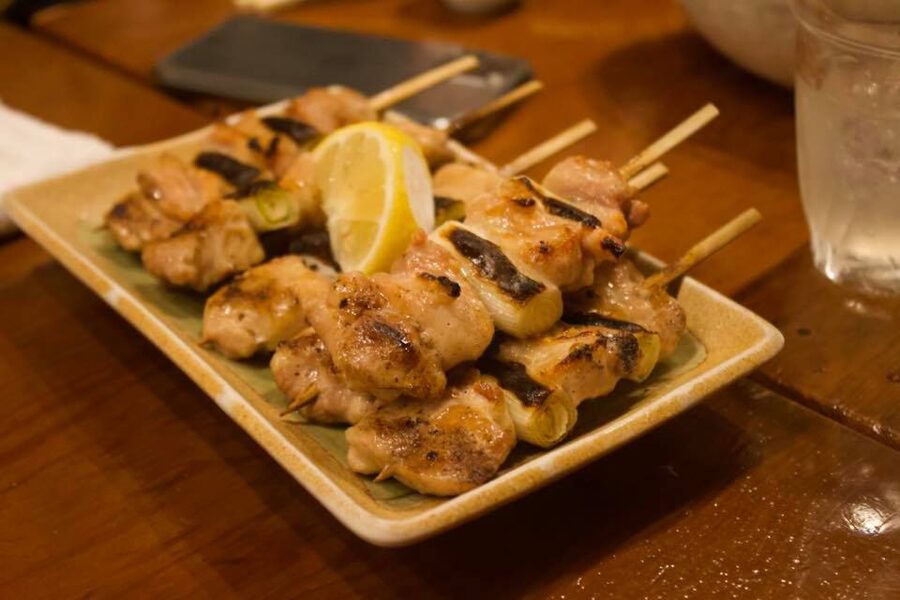
Let’s talk money without pretending it’s a bargain. At $181 per person, you are paying for a guided evening plus multiple tastings and two included drinks. You are not paying for a full independent dinner where you control everything, and that difference matters.
Here is why the value can work anyway:
- You get variety across multiple stops, not one restaurant with a set menu.
- You get cultural and food-custom context, especially around izakaya behavior.
- It’s a small group (10 max), so you aren’t stuck behind a big pack.
- You get at least two drinks included, which makes it easier to experience the pub-style pace.
What could make it feel less worth it? If you already know exactly what you want to eat and you enjoy planning every meal yourself, you might prefer buying a few items and exploring on foot without a guide. But if you want fast orientation and help ordering in real local settings, this tour is a strong shortcut.
Also keep in mind what is not included: transportation costs and any additional food or drinks you choose to buy. Hotel pickup is not included, though it can be arranged for an additional charge. And gratuity is not included.
Who this tour fits best
This is a great match for:
- First-timers in Tokyo who want an easy, guided start to local food culture
- Food lovers who want variety, not just one signature meal
- Travelers who enjoy learning how customs shape what you eat
- People who like walking neighborhoods and noticing how atmosphere changes your choices
If you are very sensitive to walking distance or you prefer fully seated, minimal-stairs plans, you may find it a bit too active for your taste. The tour is only three hours, but city walking is city walking.
If you are traveling solo, the tour says you should email the supplier before booking. That’s not unusual in Japan, and it can help the operator plan for group logistics.
If you’re deciding right now, should you book?
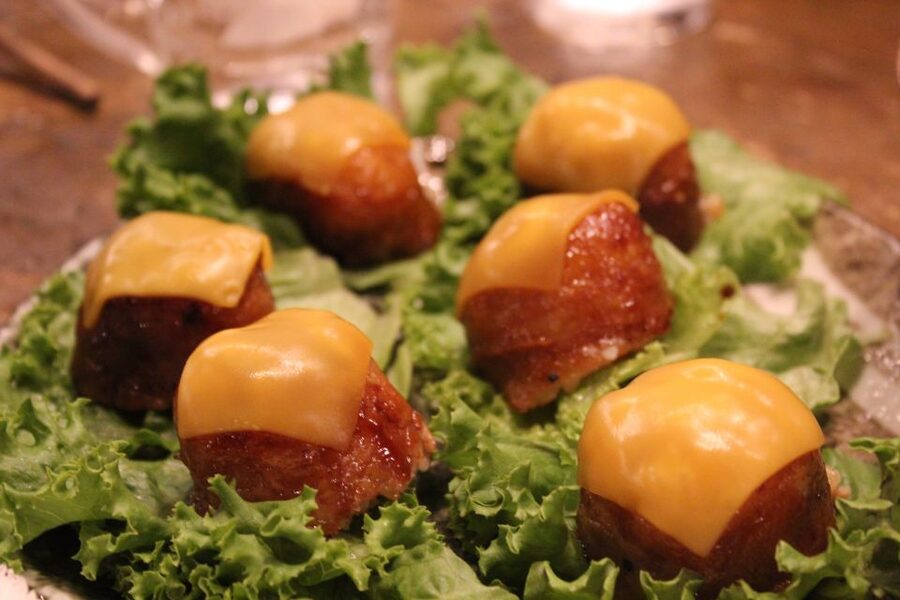
I think you should book this tour if your goal is to understand Tokyo food culture quickly, with structure and strong guidance. The Ginza and Yurakucho contrast is a smart pairing because it shows how the city’s food identity shifts from upscale polish to alleyway comfort. Add in the Showa-era izakaya context, plus a long-history snack stop with that secret-recipe cracker story, and you get more than just eating.
I would hold off or reconsider if you want total control over every meal, or if your schedule is tight and you don’t want any walking at all. Also, if your diet is complicated, reach out early since dietary options exist, but you want confirmation before you arrive.
If you book, do one small thing that improves everything: wear comfortable shoes, and come hungry enough to enjoy multiple tastes, not just sample bites. Then let the guide do the heavy lifting.
FAQ
How long is the Tokyo Allstar Food Tour?
The tour lasts 3 hours.
Where does the tour start?
It starts in front of the Ginza Wako Building, about a minute’s walk from Ginza Station.
Which neighborhoods are covered?
You’ll explore Ginza and Yurakucho.
What food and drinks are included?
You get a variety of dishes at multiple food stops, plus 2 drinks, and unique desserts and snacks.
Is the tour a small group?
Yes. It is limited to 10 participants.
Are dietary options available?
Yes, dietary options are available.
Do I need hotel pickup?
Hotel pickup is not included. It can be arranged for an additional charge.
Are transportation costs included?
No. Transportation costs are not included.
Is gratuity included?
No, gratuity is not included.
What information do I need to provide when booking?
A copy of your passport information is required for all participants aged 10 and over.
What if I’m traveling alone?
If you join as a single traveler, you need to email the supplier before booking.
More Food & Drink Experiences in Tokyo
More Tours in Tokyo





More Tour Reviews in Tokyo


Not for you? Here's more nearby things to do in Tokyo we have reviewed












Tokyo Food Tours, side by side.
 ★ 5.0Shinjuku Food Tour (13 Dishes at 4 Local Eateries)From $866,603 reviews
 ★ 5.0Tokyo Bar Hopping Tour in Shinjuku (All-You-Can-Drink + Dinner)From $1063,587 reviews
 ★ 4.9Shinjuku Food Tour (15 Dishes and 4 Eateries)From $852,033 reviews
 ★ 5.0Best of Shinjuku: Izakaya Food Tour (4 Stops, 14+ Tastings)From $921,863 reviews
 ★ 5.0Shibuya Meltdown Nightlife Tour: All-You-Can-Drink Bar HoppingFrom $1061,058 reviews
 ★ 5.0Eat and Drink Like a Local: Tokyo Ueno Food Tour-Taverns&RamenFrom $95957 reviews
 ★ 5.0Ramen & Gyoza Cooking Class in Tokyo with Local Supermarket VisitFrom $122823 reviews
 ★ 5.0Shibuya Food Tour (13 dishes and 4 Eateries)From $77770 reviews
This tour also belongs to