
Review · AKIHABARA TOURS
Akihabara: Anime & Gaming Adventure Tour (Group or Private)
Akihabara feels like a video game itself. This 3-hour tour is for people who want the backstreets and the set pieces, not just the main strip, and it starts with the maid cafe experience that usually feels intimidating to do on your own. You also get guided time for retro gaming culture, so the whole area stops being random and starts making sense.
I especially like the balance here: you get classic game nostalgia plus modern merch shopping in one tight loop. The included Purikura photo booth is also a smart win, because it turns a quick stop into an actual souvenir moment instead of a missed opportunity.
One drawback to think about: the route can be tight and some stops are not wheelchair or stroller friendly. Also, the pace is designed for 3 hours, so wear comfy shoes and be ready to move on schedule.
Key highlights

- Guaranteed maid cafe seating, plus a drink included (vegan menu available)
- Purikura photo booth included, with optional polaroid photos with a maid for purchase
- Super Potato and retro gaming shopping with help finding what’s worth your yen
- Akiba Cultures Zone and Gachapon Hall time to shop without aimless wandering
- Local café stop with a dance show and coffee tasting
- English or Japanese live guide, with tour flexibility for smaller groups
Akihabara in 3 hours, without the usual chaos
Akihabara can overwhelm you fast. The streets are packed, the shop signs multiply, and half the fun is walking in and realizing you need a shopping game plan. This tour makes it easier because it puts you on a guided route that mixes older gaming culture with today’s anime and figure obsession.
You’re not just “seeing Akihabara.” You’re getting a guided circuit with stops that match real interests, from retro game stores to the photo experiences. If you’re the type who wants to ask questions as you go, the guide format is the difference between wandering and actually understanding why these shops exist.
You can also read our reviews of more private tours in Tokyo

Why the route feels practical
This is a classic half-day structure: a big neighborhood walk first, then targeted shopping blocks, then two major “experience” stops that are hard to organize solo. That sequencing matters. You get momentum early, then you shift into slower, more interactive moments later.
Meeting point and first impressions at JR Akihabara
You meet at the Travel Service Center area, specifically in front of the Ticket Office right outside the Electric Town Gate of JR Akihabara Station. Your guide will be holding a red or orange sign that says Magical Trip.
This is a good meeting spot because you’re centered in the Electric Town area. If you’ve never used Akihabara stations before, the guide takes away the first-stress problem: finding where to start, and not losing time on the wrong exit. Do plan to arrive a bit early. The tour starts on time, and if you’re late and miss the group, you won’t be able to join later.
The retro video game store stop, plus that 8-bit music moment

The tour begins with a retro video game store that the guide uses as a starting point for people who want the “where it all started” feeling. The setup here is part museum, part collector’s playground. You’ll get help spotting retro machines and disks, and you’ll even get a rare-feeling detail: 8-bit video game keyboard music that you won’t normally stumble across by accident.
Why this stop is valuable: it gives context. Akihabara today can feel like a mash-up of figures, cosplay goods, and brand-new releases. This early stop pulls you back to the era that built the fan culture you’re seeing now.
A practical tip: if you think you might buy retro items, ask your guide how to evaluate condition and what to look for at that specific store. The tour time is short, and this is the moment where guidance can prevent a “sounds cool, doesn’t work” purchase.
Electric Town walking block: shopping with direction (not just footsteps)
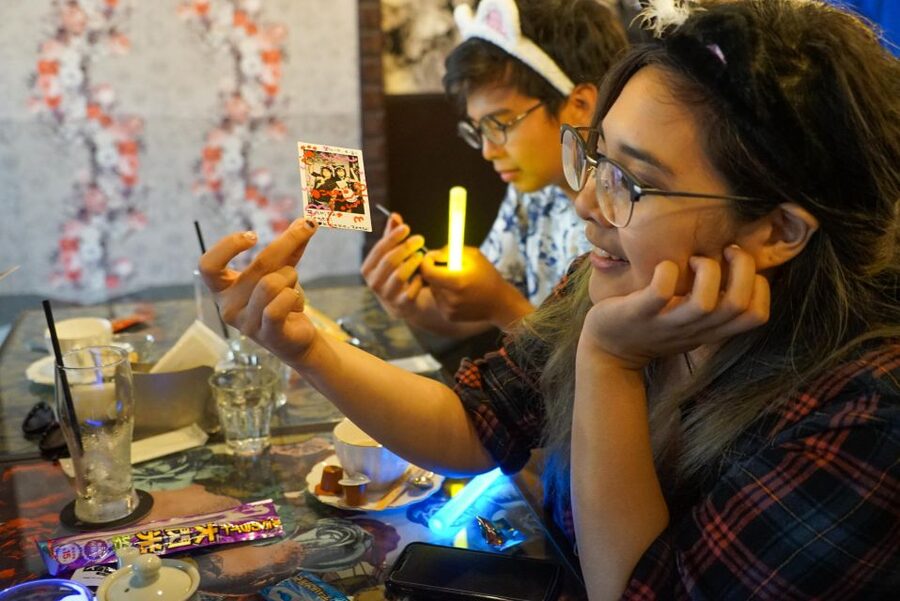
Next you spend about 70 minutes in Akihabara Electric Town. This is the stage-setting walk. You’ll see what most people picture when they think of the district, but your guide’s job is to steer you toward shops that match your interest level instead of treating every sign like it must be visited.
The smart part of this segment is that it’s long enough to make shopping real, not just a quick “look and go.” If you’re into older games, you’ll notice how the retro vibe pulls into the surrounding blocks. If you’re more into anime merch, you’ll see how those stores cluster too.
The main downside of any walking block in Akihabara is just logistics: you’ll be on your feet, and you’ll be moving. Bring water and expect the weather to matter a lot, especially in summer. The tour notes that Japan’s summer heat and humidity can be intense, so bring water and a hat.






Super Potato: where retro fans go to hunt

Super Potato gets a dedicated 30-minute shopping stop. This is one of the places you typically want to explore slowly because it’s the kind of shop where you can lose track of time looking for specific releases, systems, or collectibles.
With a guide, you’re less likely to wander in circles. They help you focus on what you care about and point out what’s worth your time. Based on how guides are described in past bookings, the experience here often comes down to search skills: helping you find the exact type of retro stuff you’re hoping to see.
One consideration: 30 minutes is not long if your goal is deep collecting. If you’re a serious retro hunter, treat this as a “find and narrow your wishlist” stop. You can always return later on your own if you fall in love with something you didn’t have time to fully inspect.
Akiba Cultures Zone and Gachapon Hall: playful shopping breaks

After Super Potato, you get shorter shopping blocks: Akiba Cultures Zone for about 20 minutes, and Akihabara Gachapon Hall for about 30 minutes.
These segments matter because not every part of Akihabara shopping needs to be heavy or serious. This is where you pick up fun, small buys. It’s also where you can feel the local culture of pop-capsules and collectible objects without needing deep language skills or perfect product knowledge.
For first-timers, this is also the sanity saver. Without these dedicated breaks, a tour can feel like constant browsing with no payoff. Here, you get structured time for “grab something fun” energy.
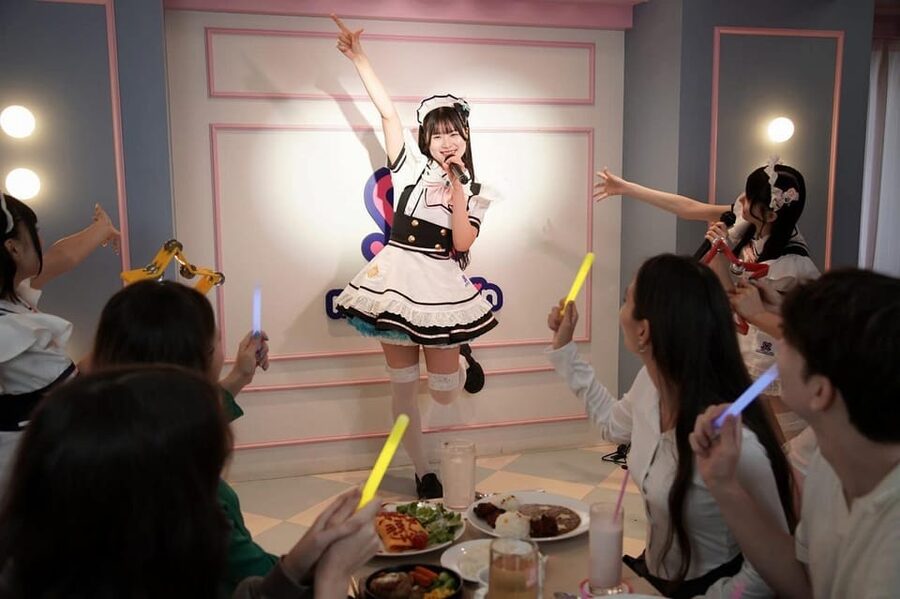
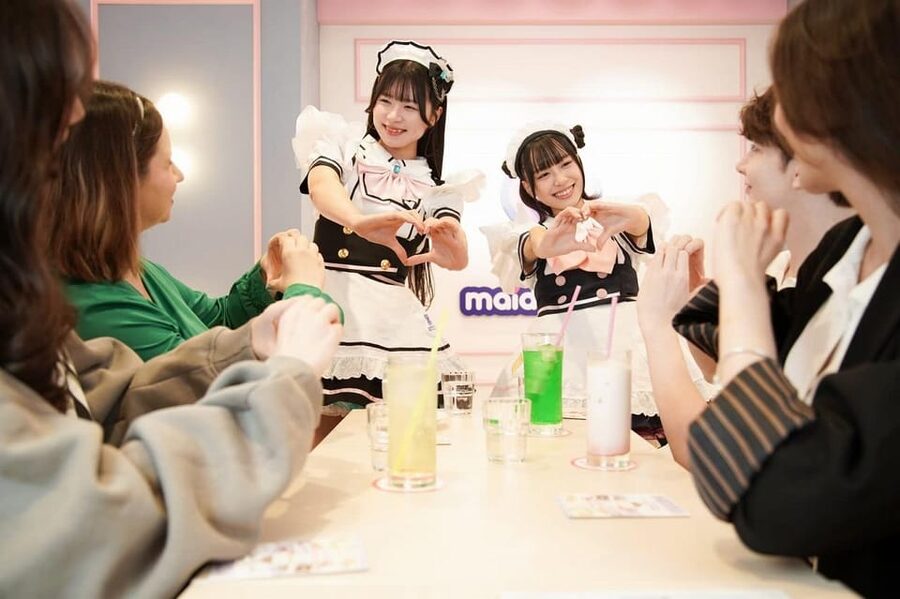
Maid cafe stop: guaranteed seating and the full experience

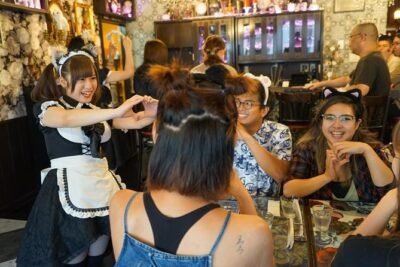
The maid cafe is the moment most people either feel excited about or worry they won’t know what to do. The tour solves the biggest problem by making it a guaranteed seating experience, with the maid cafe entrance fee included.
You’ll also get a drink included, and the tour states there’s a vegan menu available. The experience itself includes playful interactions, like spells cast on your food, which is part of the cultural script you came to see.
What to do if you feel nervous: go in with curiosity, not perfection. This is a performance experience as much as it is a meal. Even if you’re not a huge roleplay person, the guided entry and timing help you avoid the awkward “what now” feeling.
A food note worth taking seriously: the tour cannot guarantee allergy-free dining or fully accommodate every dietary restriction, because the food is prepared in kitchens not controlled by the tour operator. They also note substitutions may not always be possible, though they’ll try to compensate at different stops.
Purikura photo booth and the optional polaroid with a maid
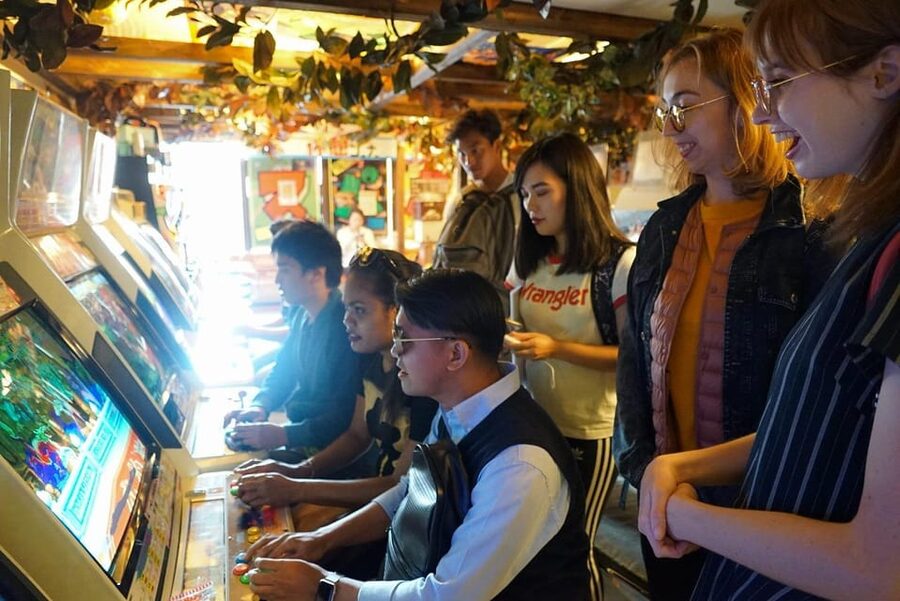
Photo moments are built into this tour in two ways. First, you get the Japanese photo booth experience, Purikura, as part of the included activities. It’s included for a reason: it turns Akihabara’s photo culture into something you actually do, not something you think about later.
Second, there’s an optional polaroid photo shooting with a maid that you can purchase. Even though it’s extra, it can be a strong add-on because it’s the one souvenir type you’ll remember instantly. You won’t need a spreadsheet to decide if it’s worth it. You’ll either want it in the moment, or you won’t.
Practical photo planning: wear something you feel good in for pictures, and keep a little cash or payment flexibility in mind for optional add-ons. You’ll be glad you did when the moment arrives.
Local café stop: dance show and coffee tasting

The final major activity block is a local café stop for about one hour. You can expect a dance show and coffee tasting as part of this stop.
This is a useful pacing choice. After shopping and photos, it gives you a social, seated reset. It also gives a taste of everyday café culture in an area that can feel purely retail.
What’s not included here is extra food and drinks, beyond what’s specifically listed in the included items. So if you want more than the included maid cafe drink, budget for it.
Guides and what makes this tour feel smooth
The tour lives or dies on the guide. The good news is that many past bookings specifically praised strong English and a fun, helpful style. Names that come up include Yuki, Kenji, Minnie, Max, Seina, Joey, Tommy, Jeff, Jim, and others.
Here’s what that usually means in practice: you spend less time guessing where to go and more time asking the questions that actually matter. People often come to Akihabara with a loose idea, then get specific help finding the kinds of anime merchandise or retro game items they want.
It can also mean the tour feels less like a scripted checklist. In at least one case, a Sunday slot ended up being just the couple on the booking, and the guide tailored the experience to anime and gaming interests. That’s the kind of flexibility you’ll appreciate if you don’t fit into a one-size-fits-all category.
Price and value: what $88 buys in real terms
At $88 per person for a 3-hour tour, the value isn’t just the walking. It’s what’s wrapped into the price.
Included items you’re essentially paying for upfront:
- Guide service throughout
- Maid cafe entrance fee plus one included drink (vegan menu available)
- Purikura photo booth experience
- Optional polaroid photo with a maid is available for purchase, not included
That combination can easily be more expensive if you try to arrange everything yourself in the right order, especially the photo elements. And you’re buying time, not just access. Without a guide, it’s easy to spend your limited hours bouncing between stores, then realize you skipped the photo experience or waited in lines longer than planned.
So I think the pricing makes sense if:
- you’re new to Akihabara and want structure
- you care about the maid cafe and photos
- you want help finding the “right” retro and anime shops quickly
If you’re already a confident Akihabara pro who can navigate everything solo, the guide’s value might feel smaller. But even then, the built-in maid cafe and Purikura can still make the tour feel efficient.
Who should book, and who might prefer going solo
This tour is a great match if you:
- want a starter-friendly route through Electric Town and major stops
- want retro gaming culture plus anime merch, without doing all the research
- enjoy structured photo experiences like Purikura
- feel awkward entering a maid cafe without context
You might skip this tour if:
- you need extra time for slow shopping, because the route is designed for 3 hours
- you rely on wheelchair or stroller access, since some stops are not accessible
- you have strict allergy needs, because the tour can’t guarantee allergy-free or fully specified dietary accommodations
Should you book this Akihabara anime and gaming adventure tour?
I’d book it if your goal is to experience Akihabara in a guided way that gets you to the key moments quickly: retro game shopping, the maid cafe with guaranteed seating, and the Purikura photo booth. The included elements reduce the biggest “first-timer” stress, and the guide support seems consistently praised, including strong English.
If you do book, go in ready for a short, active route. Wear comfortable shoes, plan for heat in summer, and keep an eye on your timing so you don’t miss the group.
FAQ
How long is the Akihabara anime and gaming adventure tour?
The tour lasts 3 hours.
Where is the meeting point for the tour?
Meet in front of the Ticket Office right outside the Electric Town Gate of JR Akihabara Station. Your guide will be holding a red or orange sign that says Magical Trip.
What is included in the tour price?
Included items are the guide, the maid cafe entrance fee, 1 drink at the maid cafe (vegan menu available), the Japanese photo booth experience (Purikura), and Purikura-style photo fun that can be expanded with a polaroid photo shooting with a maid available for purchase.
Is vegan food available at the maid cafe?
The maid cafe includes 1 drink, and the tour states a vegan menu is available for that maid cafe drink.
Is the tour wheelchair or stroller accessible?
The itinerary includes some locations that are not accessible by wheelchair or stroller, so it may not work for everyone with mobility needs.
What is the cancellation policy?
You can cancel up to 24 hours in advance for a full refund.
More Private Tours in Tokyo

More Tours in Tokyo


More Tour Reviews in Tokyo
Not for you? Here's more nearby things to do in Tokyo we have reviewed








Akihabara Tours, side by side.
 ★ 5.0Official Street Go-Kart Tour – AkihabaraFrom $611,578 reviews
 ★ 5.0Tokyo Go Kart: Asakusa, Skytree, and Akihabara **IDP MUST**From $99988 reviews
 ★ 5.0Akihabara Anime & Game Adventure Walking Tour (Group or Private)From $90404 reviews
 ★ 5.0Gameboy Mod Workshop at AkihabaraFrom $360253 reviews
 ★ 5.0Akihabara Tailor-made Private Tour for Anime FansFrom $132142 reviews
 ★ 5.0Original Street Kart Experience from AkihabaraFrom $51111 reviews
 ★ 5.0Ramen Making from Scratch +Akihabara Tour –Tokyo Cooking ClassFrom $123107 reviews
 ★ 5.0Tokyo’s Must-Sees: 5-hour Tsukiji, Akihabara & Asakusa TourFrom $10188 reviews
This tour also belongs to