
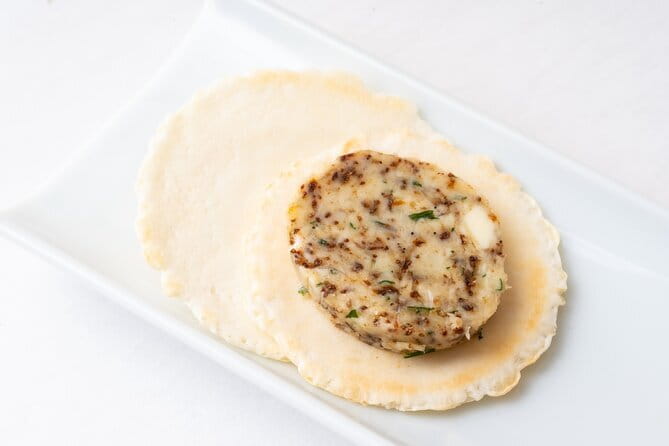
Review · SAKE TASTING
Experience a western twist on Japanese sake snacks
Tokyo runs on coffee, trains, and tiny food miracles. This private tsukudani tasting turns preserved seafood snacks into a guided flavor lesson. I love the pairing angle with sake or wine, and I love that you sample both traditional and modern styles. The only drawback to plan for is that it is built around seafood, so if you avoid it, you may want to skip this.
If you like your food experiences practical and hands-on, this one fits. At Shinbashi Tamakiya, established in 1782, you get explanations of the shop and the dish, then tastings that move from classic to creative. You also get a private setup, so questions and dietary preferences can actually be heard.
The price is $36.24 per person for about 1 hour 30 minutes, and it includes tastings, snacks, and alcohol. That is what makes it feel fair value, because you are paying for the guided sampling, not just buying a few bites on the street.
Key things to know before you go
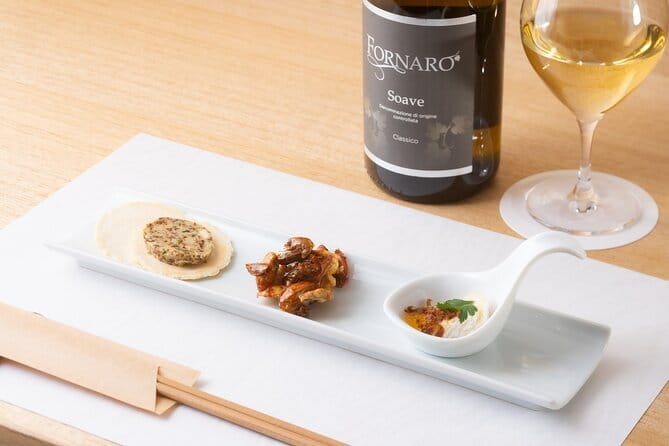
- 1782 Shinbashi Tamakiya: you taste at a long-running shop, not a pop-up.
- Traditional and modern tsukudani: the menu is meant to show how the flavors evolved.
- Sake or wine pairings included: pairing is part of the experience, not an optional add-on.
- Private tasting: only your group, so you get a more personal pace.
- More than seafood bites: you also have rice with tsukudani and furikake seasonings, plus creative variations like pasta and nuts.
Shinbashi Tamakiya, 1782, and the west-meets-snack approach
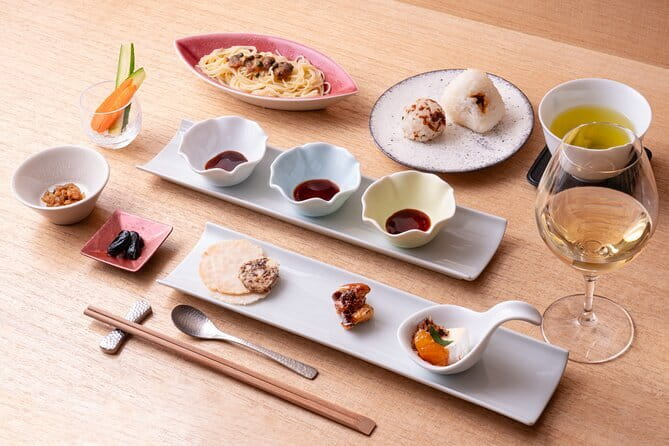
This experience is built around one of Japan’s most old-school food ideas, preserved seafood called tsukudani, served in a way that feels approachable even if you have never ordered it before. The setting matters. Shinbashi Tamakiya has been around since 1782, so when you hear the story, it is not theoretical.
What I like about this tour setup is that it gives you two things at once. You get the cultural context, plus you get a clear taste path. Many food tours either focus on history or focus on food. Here, the shop’s background and the dish’s background work like the map, and the tastings are the stops.
The tone you should expect is warm and welcoming, with real teaching. You are not left standing there staring at small plates. The format is designed so you can ask how to eat things, and you learn what makes one style different from another. That matters because tsukudani can taste like a few different flavor categories depending on how it is prepared and paired.
Practical note: the meeting point is inside Shinbashi, at Shinbashi, 4-chome 25-4 Ishida Building 1F. It is near public transportation, so getting there is usually straightforward.
You can also read our reviews of more food & drink experiences in Tokyo

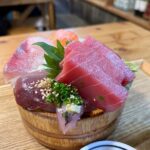
What tsukudani actually is, and why you should care
Tsukudani is preserved seafood cooked down with seasonings, typically to concentrate flavor and extend shelf life. In Japan, it is the kind of pantry logic that becomes comfort food. Instead of throwing away the idea of preservation, tsukudani turns it into something you happily eat with rice and small plates.
The tour frames this as both traditional and evolving. You will learn about tsukudani’s roots and then taste how the concept shows up in modern versions. That helps you understand something important: preserved seafood is not automatically salty and one-note. The seasonings, texture, and pairing choices can make it feel surprisingly layered.
I also like the tour’s emphasis on “how to eat it.” That sounds simple, but it is a huge difference between tasting as a tourist and tasting as someone who understands the bite. You will get specific guidance on arranging flavors, and you will hear how the shop thinks about pairing.
And yes, it can be a bit of a soul food moment. You are taking home the habit of thinking of preserved seafood as a meal ingredient, not just an odd specialty you tried once.
A 1 hour 30 minute private tasting, step by step
This is about 1 hour 30 minutes and stays focused, which is a good match for Tokyo. You are not bouncing across the city for crumbs. You are doing a single-shop, paced tasting that builds from familiar to adventurous.
Here is the typical flow you can expect:
Start at Shinbashi Tamakiya
You begin at Shinbashi Tamakiya in Shinbashi. You will settle into the tasting setup, and then the teaching starts with the shop and the dish. Because it is a private experience for only your group, you are not competing for time while someone else rushes through questions.
Learn the shop and dish story
You get an explanation of the shop’s history and tsukudani’s history. The information is meant to give you a lens before you taste. That is the best way to do food history because it prevents that common problem where you forget the facts as soon as the plates arrive.
You can also read our reviews of more drinking tours in Tokyo
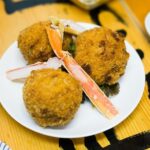


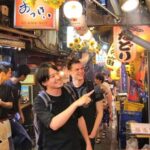

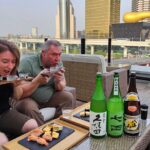
Secret sauce, then the first signatures
Next comes tasting the shop’s secret sauce and then trying the three signature tsukudani. This is usually where things click. Signature bites tend to show the shop’s approach, and the secret sauce reference signals that the flavor is tuned, not just basic seasoning.
Rice with tsukudani and furikake
Then you move to rice with tsukudani and furikake seasonings. This is an important step because furikake helps you understand why tsukudani often belongs in a comfort bowl. The goal is to show the difference between eating tsukudani as a standalone snack versus eating it as part of a rice rhythm.
Creative variations: pasta and nuts
Finally, you try tsukudani with various ingredients, including pasta and nuts. This is where the tour earns its modern twist. It also tells you that preserved seafood can play with textures beyond the classic rice sidekick.
The full experience stays snack-sized and paced. You will be eating several small portions, plus rice, not one heavy dish, which makes it easier to work into a morning or afternoon schedule.
Traditional vs modern tsukudani: what changes in the bite
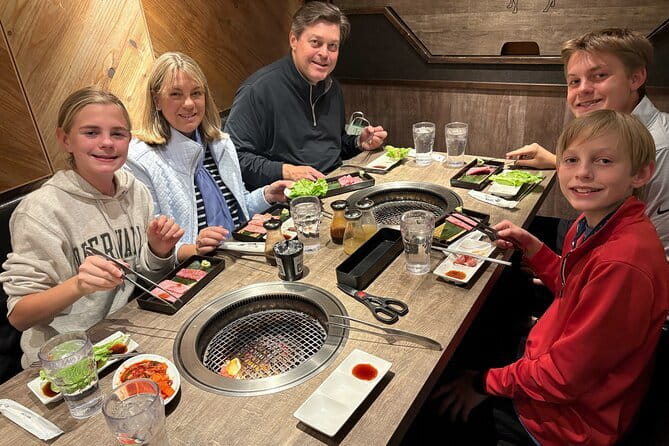
The heart of the experience is sampling both traditional and modern versions of tsukudani. That is not just a menu difference. It is a flavor lesson.
In a traditional approach, tsukudani often leans into deep salty-sweet seasoning and a concentrated seafood character. The preservation angle means the texture can be tender, dense, or slightly sticky depending on preparation. You may also notice how seasoning is doing a lot of the work, because tsukudani is about transforming seafood into something pantry-friendly.
Modern versions in this tasting are designed to demonstrate creativity while keeping the preserved seafood foundation. You see this in the pairing concepts and in the variety of ingredients. When tsukudani shows up next to pasta or nuts, the flavors have to behave differently. That is how you learn what the base flavor actually is, separate from the usual rice setting.
This is also where the “private” part matters. If you are curious about what you are tasting, you can ask and get direct answers. That makes the differences more memorable.
Sake or wine pairings: the practical part of the lesson
Pairing is included, and you get to choose between sake or wine pairings. That choice is more than a drink option. It changes how you interpret the snack.
Sake pairings tend to complement salty umami flavors and can help cut through richness, depending on the style. Wine pairings, on the other hand, can make you pay attention to acidity and how it interacts with concentrated seasoning. Either way, you are learning a method, not just following a rule.
One of the best parts is that you are not handed pairings without context. The experience includes guidance on arranging tsukudani to match wine, and it includes suggestions for how to eat it. In plain terms, you learn the “when” and “how” of each bite.
This is ideal if you usually eat in a rushed way. You walk out with a more deliberate habit, like taking a sip first, then trying a bite, and then noticing how the flavors shift.
And because tastings are included, you do not have to make decisions in the moment. That is real value in Tokyo, where menus can be intimidating.
Price and value: $36.24 for snacks, brunch, and alcohol
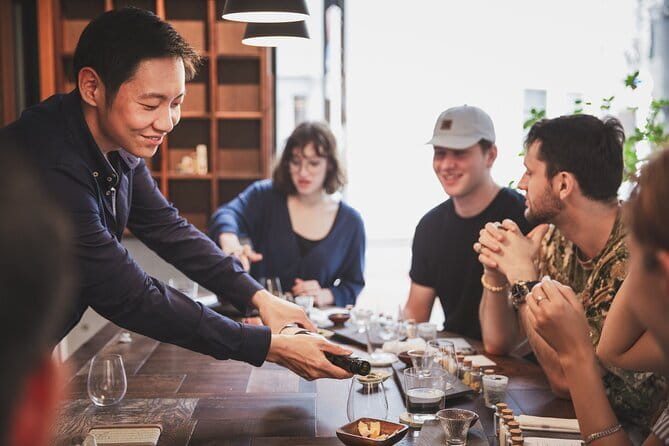
Let’s talk value honestly. At $36.24 per person, this can feel low compared to what you might spend if you tried to replicate it on your own. But the key is that it includes brunch, snacks, and alcoholic beverages, plus all tsukudani tastings.
You are paying for:
- access to a long-established shop
- guided history and explanations
- structured tastings that include multiple signatures
- pairings that are part of the lesson
- rice with tsukudani and furikake, plus additional variations
Duration is about 1 hour 30 minutes, so you are not paying for time that drags. You are also not juggling a bunch of separate stops. One shop means you can focus and actually remember what you ate.
The timing also helps your planning. The experience offers morning or afternoon options, so it is easier to stack with the rest of your day without turning your meal into a whole day project.
One more practical clue: it is commonly booked about 59 days in advance on average. That does not guarantee it will sell out, but it does suggest demand. If you have dates in mind, you should lock in the time slot early.
Logistics that actually matter in Tokyo
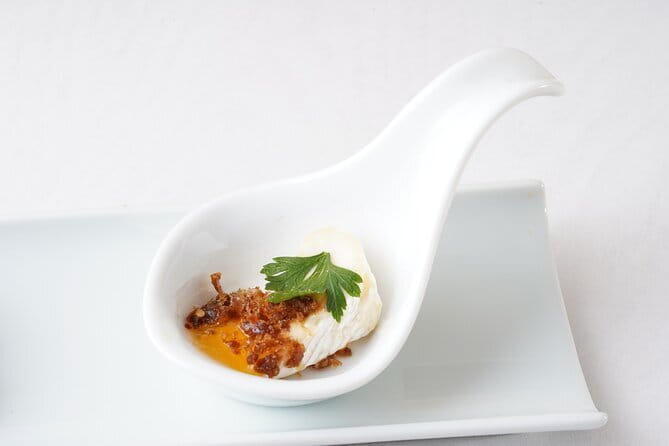
This tour uses a mobile ticket, and it runs from Shinbashi Tamakiya back to the meeting point. That keeps things simple. You do not need to worry about ending in the middle of nowhere with hungry legs.
It is also near public transportation. In a city where transit can be a maze, “near” is a comfort. Most people can participate, and service animals are allowed.
Because it is a private tour, only your group participates. That often means you get a steadier pace, and the guide can respond to questions instead of splitting attention.
Also, confirmation is typically received within 48 hours of booking, subject to availability. If your plans are tight, booking early gives you more freedom.
Who this tsukudani snack tour fits best
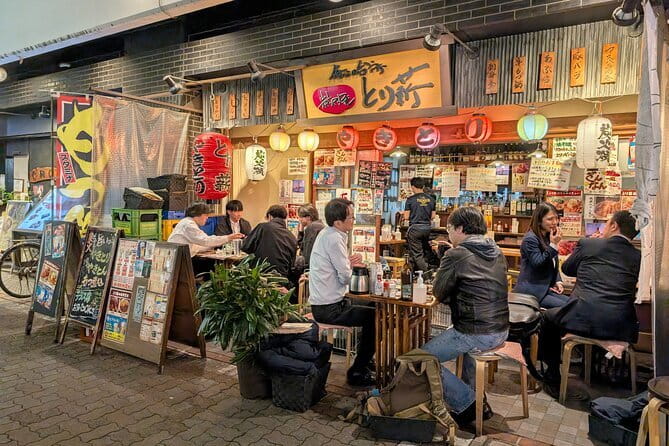
This is a great fit if you want a food experience that is more than just tasting. You want to understand what you are eating, and you want the help of pairing guidance.
It is also a good choice if you like “small bites with a purpose.” The tastings are designed to show differences between classic and modern tsukudani, and the rice and furikake step gives you a way to connect flavors to how locals eat.
You should think twice only if seafood is a hard no for you. Since tsukudani is preserved seafood, you are likely to encounter flavors and textures that are not for everyone.
If you enjoy pairing alcohol with food, this is also a solid evening alternative, even though it is described as brunch-style. You can pick morning or afternoon and still get the alcohol part without ruining your day.
For couples, friends, and solo travelers who want something structured but not overwhelming, this private format is a strong option. If you like asking questions, this setup makes that easier.
Should you book Shinbashi Tamakiya’s private tsukudani tasting?
Book it if you want a guided, private way to understand tsukudani, including both traditional signatures and modern variations, with sake or wine pairings included. The fact that rice and additional ingredient styles are part of the tasting makes it feel like a real meal segment, not just a snack stop.
Skip it if you do not eat seafood, or if you are looking for a big walking tour across multiple neighborhoods. This is focused on one shop and one tasting rhythm. That is the strength, but it is also the limitation.
Finally, if you enjoy experiences with clear teaching and a welcoming vibe, this one is built for that. You walk in tasting small plates. You walk out with better instincts for how to eat tsukudani, and how it can work with both Japanese sake and Western-style pairings.
FAQ
What is included in the tsukudani tasting?
The experience includes brunch, alcoholic beverages, and snacks. You also get all the tsukudani tastings offered during the private session.
How long does the tour take?
The activity lasts about 1 hour 30 minutes.
Where does the tour start?
It starts at Shinbashi Tamakiya, Shinbashi, 4-chome 25-4 Ishida Building 1F, Minato City, Tokyo 105-0004, Japan. It ends back at the meeting point.
Do I get to choose sake or wine?
Yes. The experience includes wine or sake pairings, and you can choose based on what you want for your tasting.
Can I select a morning or afternoon time?
Yes. You can choose from morning or afternoon tastings to fit your schedule.
Is this a private tour?
Yes. It is a private tour or activity, and only your group will participate.
How do I receive my ticket?
This tour uses a mobile ticket. Confirmation is typically received within 48 hours of booking, subject to availability.
More Drinking Tours in Tokyo


More Food & Drink Experiences in Tokyo

More Tour Reviews in Tokyo





Not for you? Here's more nearby things to do in Tokyo we have reviewed











Sake Tasting, side by side.
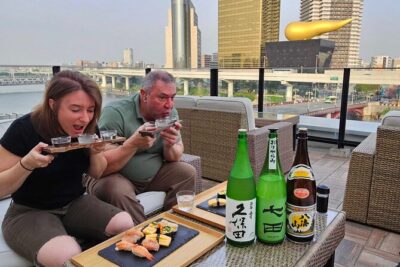 ★ 5.0Ramen and Sushi Cooking Class with Sake Pairing Set in TokyoFrom $79291 reviews
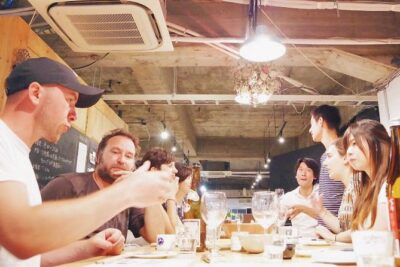 ★ 5.0Sake Tasting Masterclass in Shinjuku (8+ Varieties with a Pro)From $72271 reviews
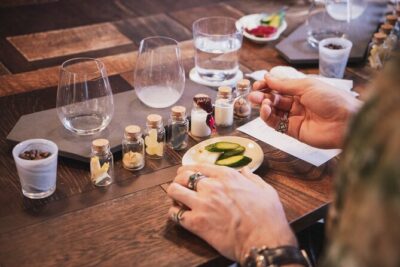 ★ 5.0Sake Omakase in Tokyo: Guided Tasting by Certified SommeliersFrom $79239 reviews
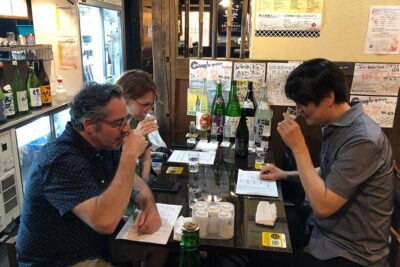 ★ 5.0Tasting All Types of Sake with SommelierFrom $62151 reviews
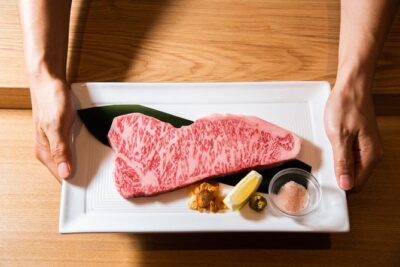 ★ 5.0Wagyu & Sake Pairing in Shinjuku – Steak, Shabu-Shabu & MoreFrom $148112 reviews
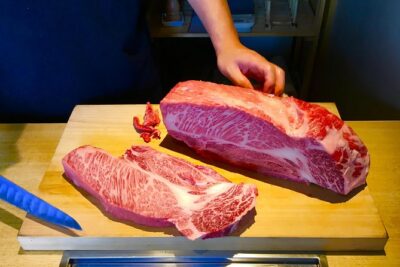 ★ 5.0Tokyo Wagyu & Sake Pairing Tasting Experience with Local FlavorsFrom $151108 reviews
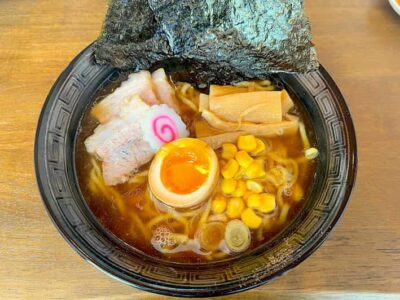 ★ 5.0Sushi and Ramen Cooking Class with Sake Pairing SetFrom $12981 reviews
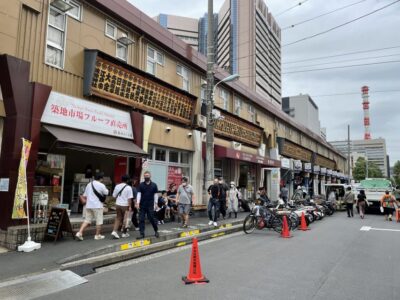 ★ 4.9Tsukiji: Outer Market Walking Tour & Sake Tasting ExperienceFrom $7081 reviews
This tour also belongs to