
Review · TOKYO SUMO EXPERIENCES
the SUMO show
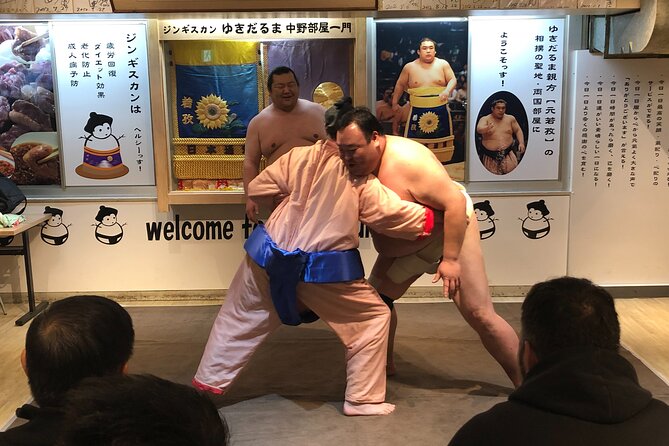
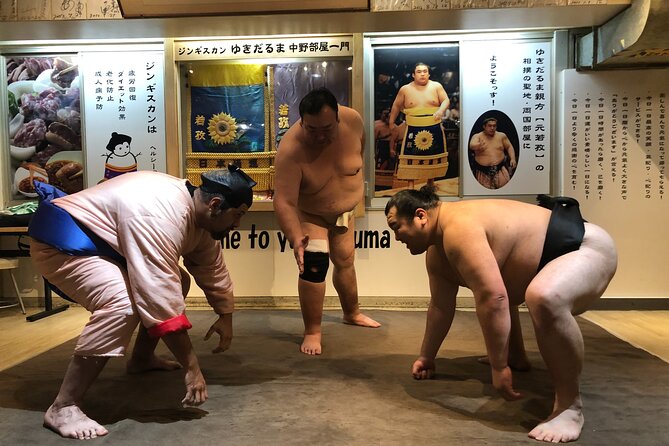
Sumo is funny, fast, and strangely moving. This 1.5-hour session puts you face to face with retired wrestlers, then lets you try moves, pose in a costume, and even step into a bout. I love how hands-on it is, and I really appreciate that your lunch is included, tonkatsu and chanko soup, made for you.
The main thing to think about is that the room is shared and your table may be set so you need to stand at times for the best view.
Key Takeaways Before You Go
- Retired sumo wrestlers lead the experience, with a sparring-style demo and lots of audience interaction
- Friendly bout time means you can participate, not just watch
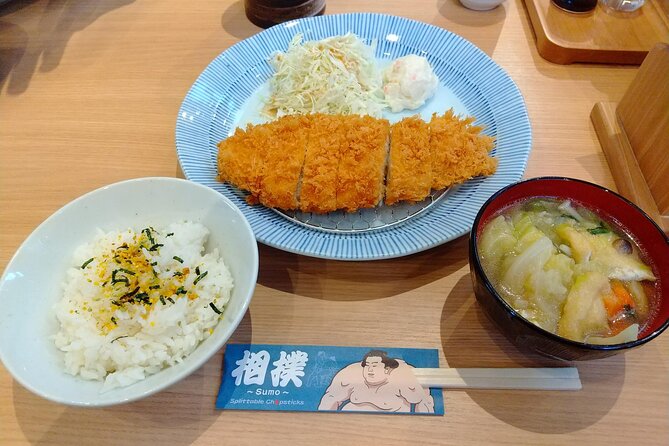
- Tonkatsu and chanko nabe lunch is included, and dietary requests are supported if you plan ahead
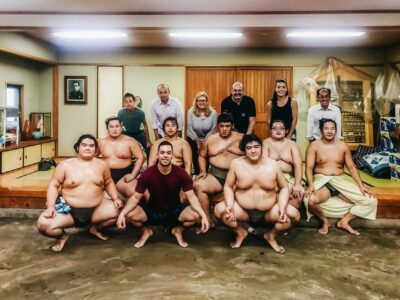
- Photo-friendly format includes time with the wrestlers and traditional sumo costume shots
- Small-group feel inside a cap of 60 people, but seating distance can affect sightlines
- No drinks included, so plan your water or other beverages separately
Sumo in 90 Minutes, Led by Retired Wrestlers
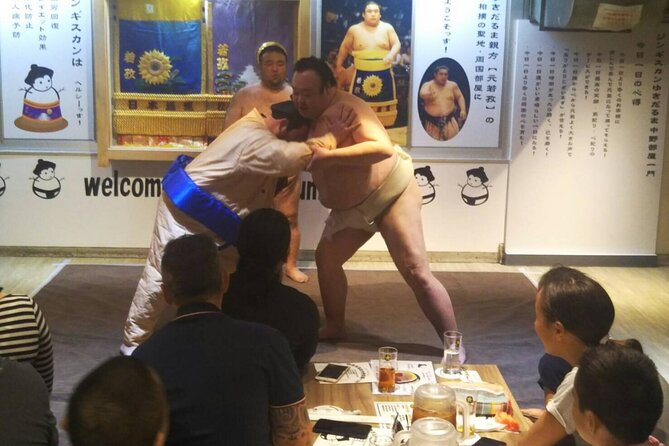
If you only know sumo from TV, you will get a reality check here. The big takeaway is that sumo is not just power. It is technique, timing, ritual, and stubborn practice, all explained in a way you can actually follow.
I like that the event is built around interaction, not a lecture. You get a demonstration of a few key sumo moves and techniques, then an explanation of history, basic rules, and training rituals as the show moves along. And if you feel brave, you can challenge one of the wrestlers to a bout, which turns the experience from entertainment into a true once-in-a-lifetime try.
One more point that helps the whole thing land: the retired wrestlers have a performer’s comfort level with the crowd. Expect friendly energy, humor, and lots of moments where the group becomes part of the act.
More Tokyo tours and experiences for the shortlist
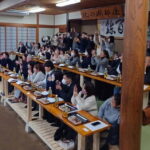
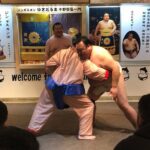
Finding Yokozuna Tonkatsu for a 1:00 pm Start
The meeting point is Yokozuna Tonkatsu for the Sumo lunch, at 3-chōme-1-11 Tatekawa, Sumida City, Tokyo 130-0023. The start time is 1:00 pm, and the activity ends back at the meeting point.
You do not have to worry about a complicated pickup. After booking, your host gives details on the Tokyo location, then you make your own way there, meet up with your small group, and get started with the wrestlers. The venue is near public transportation, so I would aim to arrive a little early to settle in, find your group, and get ready to hear explanations over the room noise.
Because seating is decided by reservation order, arriving earlier does not automatically guarantee the best view. That matters if you have kids, or if you know you prefer clear sightlines without standing.
What Happens During the Sumo Show, Moves, Rules, and Sparring
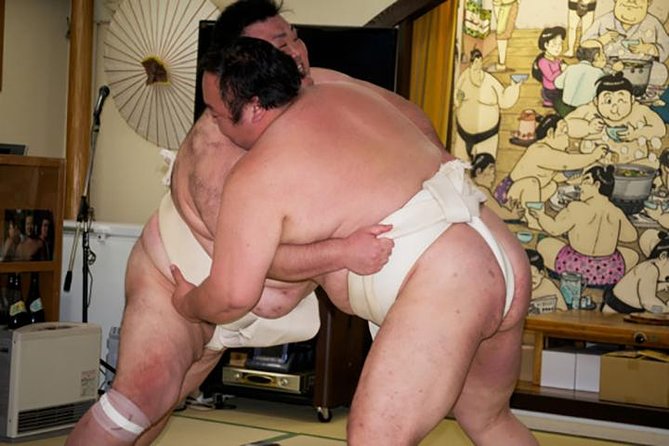
The main “show” section is structured so you learn while you watch. It begins with a demonstration of a few sumo moves and techniques. This is where you start understanding why sumo matches look like a dance until suddenly it is not.
Then the wrestlers walk you through history and rules, including the convoluted parts that usually confuse first-timers. You will also hear about training rituals, the kind of behind-the-scenes routines that shape a wrestler’s life. The goal is not to turn you into a scholar, it is to help you see what you are watching and why it matters.
After that comes the live sparring demonstration. This is the moment where you should watch the feet and the grips, not just the bodies. In a short event, this is where you absorb the most, because the explanation connects directly to what happens on the floor.
A practical note: sound can be a factor in some setups. One tip from a real-world visitor was that it can be hard to hear the host during video portions. If that is an issue for you, plan to look up and focus on the wrestlers when they speak, not just when screens are going.
Your Friendly Bout and the Costume Photo Time
Here is what makes this more than a typical cultural show: you can participate. After you pick up some basics, the option to challenge a wrestler is right there. You are not facing a full match of serious competition. Think of it as a friendly bout that still shows you how much skill and balance matter.
For me, the value is psychological. It is one thing to admire sumo. It is another to feel how hard it is to hold position, get footing, and apply a move without slipping. Even if you do not win (likely), you learn fast by trying.
Then you get time for photos. This includes pictures with the wrestlers and a chance to wear a traditional sumo costume for photos. If you enjoy silly-dramatic travel photos that still feel culturally respectful, this part is usually the one you will be glad you did.
If you are traveling with kids, this is often the best payoff. The interactive format turns the event into a shared memory rather than a sit-and-watch obligation.
Lunch at Sumo Speed, Tonkatsu and Chanko Nabe
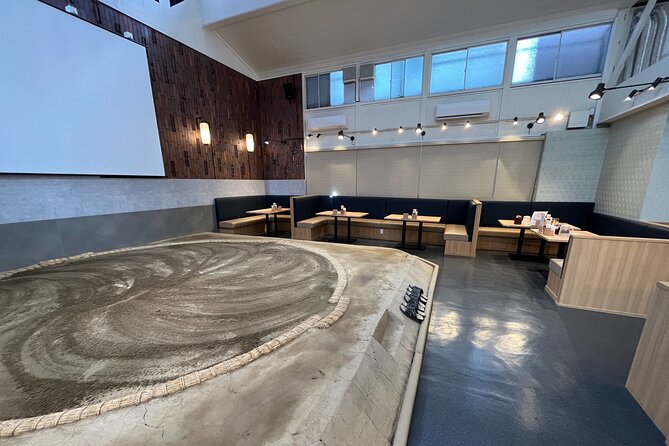
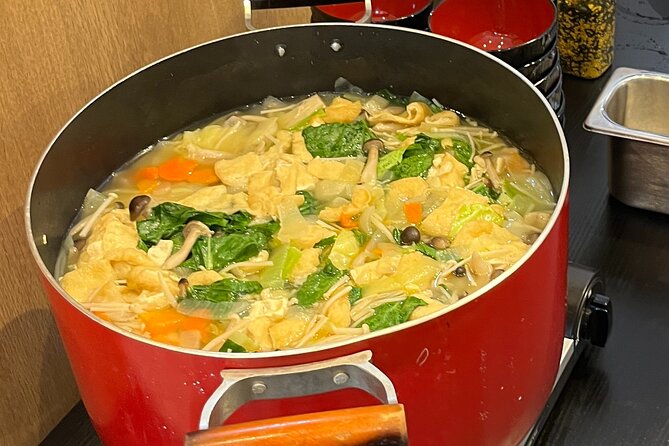
Your ticket includes lunch: tonkatsu and chanko soup. Drinks are not included, so if you want tea, soda, or anything beyond water, you will need to plan for that separately.
In a 1.5-hour overall experience, the pacing matters. The meal is part of the event, not an optional restaurant stop. You eat like a sumo wrestler, which sounds like a theme, but it actually helps the whole story click. You spend time learning about training life, then you eat a wrestler-style meal, right there with the group.
There is also support for dietary needs. Vegetarian and dietary accommodations are available upon request, but you need to add restrictions or allergies in the special notes when you reserve. Requests received less than five days before the event date may not be possible, so do not wait until the last minute.
Food quantity is worth calling out. One visitor said they wished there were more soup, while others praised the flavor. Your best expectation is that you will have a full lunch that feels satisfying, but it may not be the kind of huge bowl meal you get at a dedicated restaurant known for massive portions.


Price and Logistics: Is $89.54 Worth It?
At $89.54 per person, this is not a budget activity. But it is also not just a ticket to watch someone perform.
You are paying for:
- retired wrestlers running the experience and interacting with your group
- time for photos, including traditional costume shots
- participation options (including challenging a wrestler to a bout)
- a full included meal: tonkatsu and chanko soup
- a structured, short-format event that runs about 1 hour 30 minutes
So the value depends on what you want from Tokyo. If your goal is to watch one more show with minimal effort, you might feel the cost. But if you want something memorable that mixes culture, sport, and real interaction, the price starts to look fair.
Also consider what you save by having lunch included. You would otherwise pay for a meal and hunt for something that fits a tight schedule. Here, the event solves that problem for you.
Group Size, Seating, and Viewing What You Actually Came For
The event has a maximum of 60 travelers. That helps keep the tone lively without becoming a chaotic stadium.
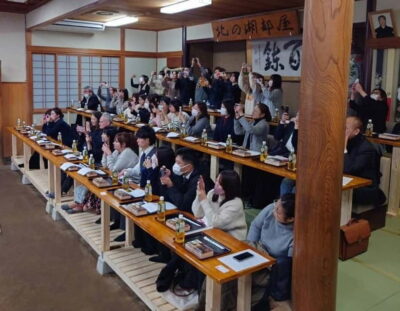
Still, seating can vary. The experience notes that you may share a table with another group to ensure the maximum number of guests can enjoy the hall. You also should know that tables can end up far from the dohyo area, and you may need to stand for a better view.
Here is how I would handle it:
- If you care about viewing, position yourself early when allowed.
- Expect some standing during the demonstration parts.
- If you have mobility limitations, I would still go, but plan to tell your host if your sightline needs adjustment, since seating can be arranged in a way that is not ideal.
No matter where you sit, the show includes moments designed to keep the crowd involved, not just the front rows. But sightlines are the one variable you cannot fully control.
Who Should Book This SUMO Show, and Who Might Skip It
I would book this if you:
- want an interactive cultural activity, not passive sightseeing
- like sports and enjoy learning how rules work in real context
- travel with kids who thrive on participation
- want an included lunch that feels part of the experience
I might skip it if you:
- want a longer, deeper sumo training-style workshop
- hate any chance of being asked to participate (the option exists, so you can choose not to, but the atmosphere is geared toward audience involvement)
- are sensitive to sitting arrangements that may not put you closest to the action
If you come in curious, you will leave with a clearer sense of what sumo is beyond muscle. And you will have photos that make good bragging rights.
Should You Book the SUMO Show?
Yes, I think you should book it if you want a fun, structured sumo experience that mixes education with real participation and a satisfying included meal. The highest-praise aspects are consistent in the experience format: retired wrestlers who are friendly and engaging, the chance to get involved, and the surprisingly strong meal payoff with tonkatsu and chanko soup.
If your main goal is value, be honest about what you expect at $89.54. This is best when you treat it as an event, not just lunch and a show. The short 1.5-hour timing also makes it a strong fit for a Tokyo itinerary when you want something memorable that does not swallow your whole day.
FAQ
Where is the SUMO show meeting point?
It starts at Yokozuna Tonkatsu for the Sumo lunch, 3-chōme-1-11 Tatekawa, Sumida City, Tokyo 130-0023, Japan.
What time does it start?
The start time is 1:00 pm.
How long does the experience last?
Sumo demo plans including the meal run about 1.5 hours.
What is included in the price?
You meet retired sumo wrestlers, and you get lunch with tonkatsu and chanko soup. Mobile ticket is also part of the experience.
Are there vegetarian options?
Vegetarian and other dietary accommodations are available upon request. Add restrictions or allergies in the special notes when you reserve, ideally at least five days before the event.
Are drinks included?
No. Drinks are not included.
Is the venue easy to reach?
Yes, it is near public transportation.
How much is it?
The price is $89.54 per person.
What is the cancellation refund window?
Free cancellation is available up to 24 hours before the experience start time for a full refund.
More Shows & Entertainment in Tokyo
More Tour Reviews in Tokyo
Not for you? Here's more nearby things to do in Tokyo we have reviewed




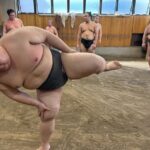
Tokyo Sumo Experiences, side by side.
 ★ 4.8Sumo Show and Dining ExperienceFrom $792,742 reviews
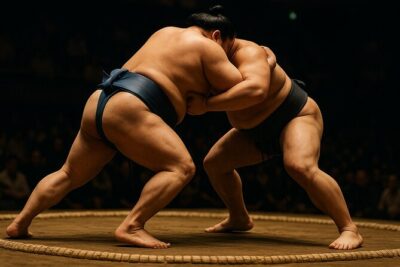 ★ 5.0Tokyo Shinjuku Sumo Show & Experience with PhotoFrom $791,750 reviews
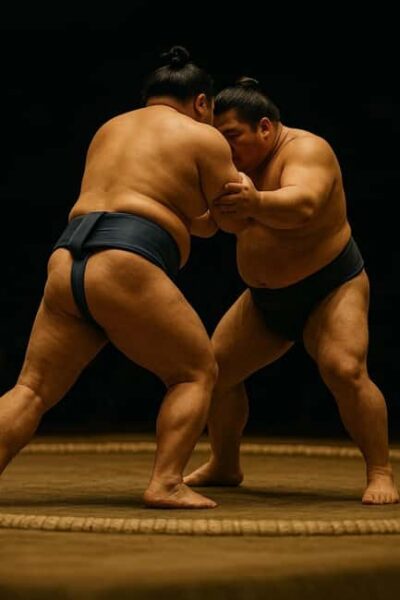 ★ 4.8Sumo Show and Experience in ShinjukuFrom $691,001 reviews
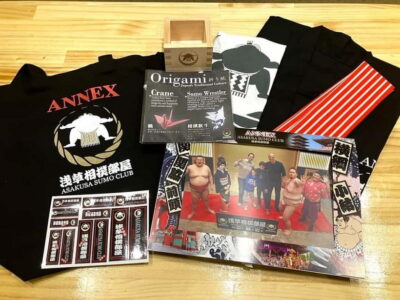 ★ 4.7Luxury Sumo Show Experience & Japanese cuisine & DrinkFrom $103577 reviews
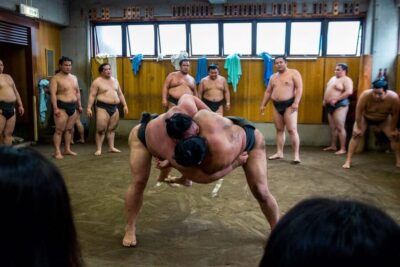 ★ 4.8Sumo Morning Practice Viewing TourFrom $81570 reviews
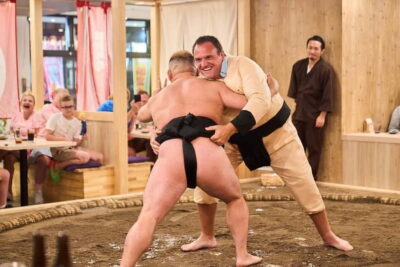 ★ 4.8Tokyo Sumo Experience: Chanko & Mochi with a Former ProFrom $103567 reviews
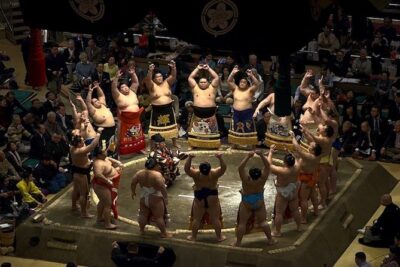 ★ 5.0Ultimate Sumo Tournament: Tokyo, Osaka, Nagoya, FukuokaFrom $184468 reviews
 ★ 4.4Sumo Morning Training VisitFrom $77370 reviews
This tour also belongs to