
Review · KAMAKURA DAY TRIPS
Kamakura Day Trip from Tokyo with a Local: Private & Personalized
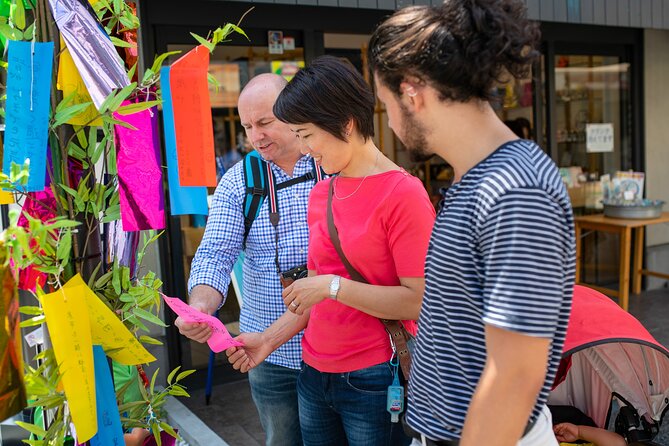
Kamakura feels like a world outside Tokyo. With a local host and a custom itinerary, you can shape the day around temples, forests, ocean air, and iconic sights like the Great Buddha. I especially like that the tour includes a round-trip JR train ride, so you spend less time figuring out logistics and more time walking streets that actually feel old.
Two things I’d put at the top of my list are the chance to get personal guidance in a place that can be confusing on your own, and the way your route can shift based on your interests (nature, shrines, history, or just a slow wander). One consideration: you should plan for a lot of walking, and some areas have stairs, slopes, and tight paths, so it helps to tell your host what pace works for you.
This is a private and personalized day (about 8 hours) with an itinerary that can flex at the last minute. You start in central Tokyo at the JR EAST Travel Service Center, then head out to Kamakura where medieval Japan still shows up at every turn, from Komachi Street to Zen temples in the hills.
Key things to know before you go
- Private, host-shaped routing: your stops can change to fit your pace and interests
- Round-trip JR train tickets included: less hassle before you even reach Kamakura
- Forest + seaside atmosphere: shrines tucked into greenery and views tied to the ocean
- A bamboo stop with a break: Hokokuji’s bamboo grove includes a tea-house pause for matcha
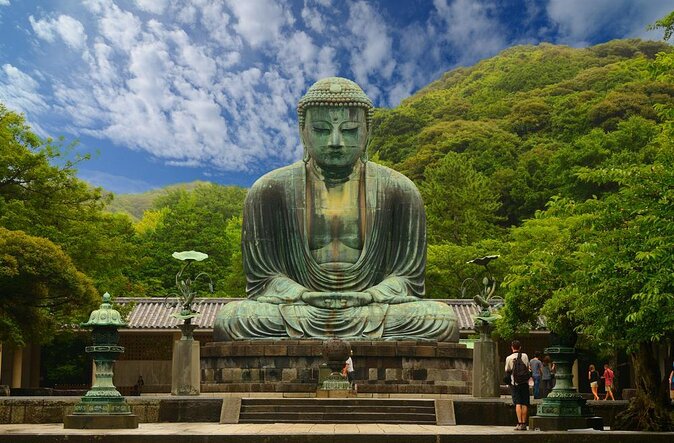
- Iconic medieval landmark: the Great Buddha (Amida Buddha) anchors the day
Why Kamakura Works So Well as a Tokyo Day Trip
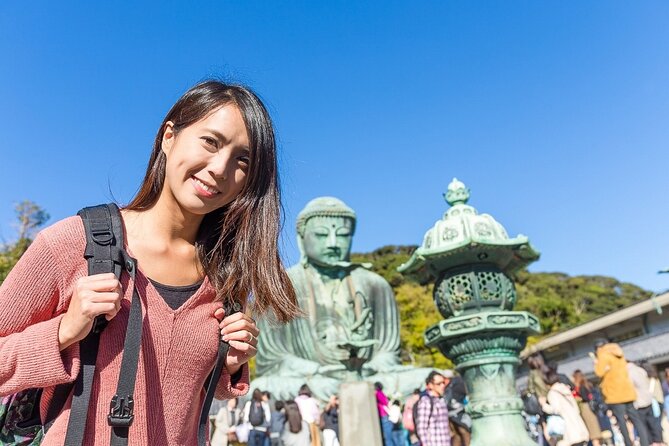
Kamakura is close enough to feel like a true break, but different enough that you don’t end up doing the same Tokyo routine again. The city sits where forested hills meet the ocean, so even if you only do a few key sights, the scenery changes fast.
The best part is how the medieval vibe shows up without effort. You’re moving through areas that connect feudal-era worship and Zen practice with today’s street life, so the day has variety. One moment you’re walking shrine grounds with trees overhead, and the next you’re looking at coastal scenery or strolling Komachi Street’s shops and food stalls.
If you’re traveling with a tight schedule, Kamakura also makes sense. An 8-hour format gives you the classic highlights while still leaving room for your host to adjust the route so you can slow down or skip what you’re not into.
You can also read our reviews of more private tours in Tokyo
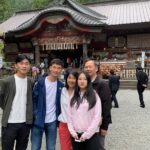
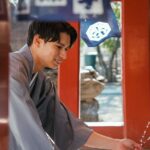
Private, Custom Itinerary: How the Local Host Changes the Day
This tour isn’t a fixed checklist where you’re marched through stops in the same order as everyone else. After booking, you fill out a short questionnaire so your local host can match you with someone whose interests align with yours. That matters because Kamakura can be “shrines and more shrines” if you don’t have a plan.
What I like about the custom approach is that it can protect your day from decision fatigue. Your host can choose which temples hit your interests most, and the route can shift if weather changes or if you want more nature time. The itinerary notes even hint at this flexibility, with stops like forest shrines, temple highlights, and bamboo scenery all fitting into different possible routes.
From the guide examples shared, it looks like hosts often do more than point at buildings. Guide Kay, for instance, helped a visitor enjoy bamboo and the Great Buddha and also worked in an art gallery stop plus lunch udon. Another guide, Martin, is described as giving cultural insight, not just facts about the sights. Marc shows up in a family story as the kind of host who pays attention to movement options like elevator locations, which is a big deal if you want a smoother day.
So your best takeaway here is simple: if you tell your host what you like, you can get a day that feels personal, not generic.
Getting There with JR Train Tickets, Then Letting Tokyo Fade Away
The tour includes round tickets via JR train to Kamakura, which is a practical win. You do not need to research train connections on the fly, and that alone can save you stress. It’s also part of why the schedule works as a true day trip: you can get out of Tokyo efficiently and still have time for multiple stops.
You meet at JR EAST Travel Service Center Tokyo Station, Marunouchi North Gate, address listed as 1-chōme-9-1 Marunouchi, Chiyoda City. The end point brings you back to the same meeting point. That helps if you prefer the clarity of a start and finish in central Tokyo.
One more smart option: the meeting point is flexible. You can request meet-up at your hotel or accommodation, or your host will meet you at a convenient location near the start. If you’re staying outside Tokyo Station, that can make the day much easier.
The walking portion is built in, and while the tour is primarily a walking experience, other transport can be arranged for an additional cost. If you want fewer uphill climbs or you have mobility concerns, bring that up early so your host can shape the route.
Komachi Street and Hachimangu: Start in the Old Town Groove
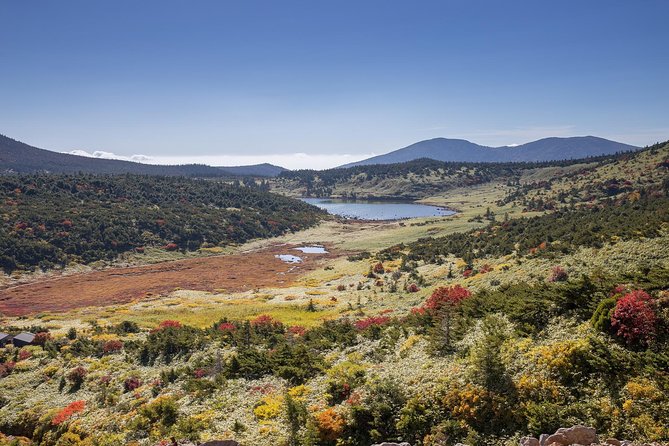
A strong first impression helps, and Komachi Street delivers it fast. This is the strip of shops and casual food stalls right in the center of ancient city life. You get modern energy, but it sits right at the edge of old religious spaces.
Then you head to Hachimangu shrine, one of the most famous shrines in Kamakura. It worships Hachiman, the patron god associated with the Minamoto family and samurai culture. This is the kind of stop where your host’s framing matters. Without context, it can be easy to treat shrines as scenic photo spots. With guidance, you start noticing how these places connect to power, protection, and identity in Japan’s feudal past.
A practical tip: Komachi Street is the type of area where you’ll want to pause. It’s not just about walking through; it’s about grabbing a snack or simply taking in the vibe before things turn calmer at the shrine and temple sites.
Forest Shrines and Zen Temples in Kita-Kamakura
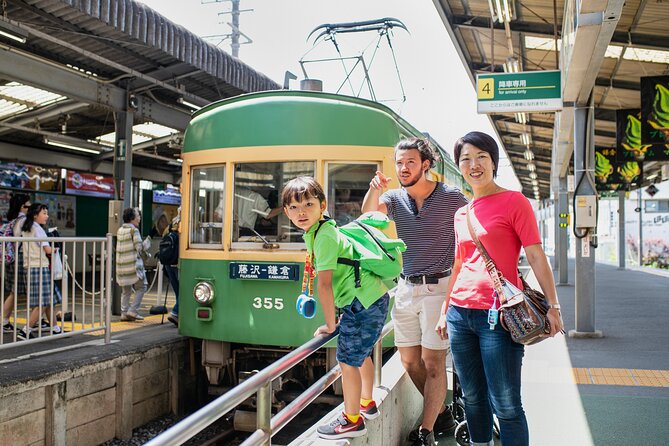
Kamakura’s geography does half the work for you. Temples and shrine grounds are often built into slopes and forest edges, so you naturally slow down. The itinerary includes Engakuji, described as one of the leading Zen temples in eastern Japan, and it fits perfectly in the “hills and silence” part of the day.
Engakuji is also a good reminder that Zen temples are not only about big names. The day can shift from bright street life to something more grounded and still. You may find that the walk up and around the grounds feels less like sightseeing and more like moving through a calm neighborhood of ritual spaces.
The itinerary also lists Hokokuji Temple as a special stop, and that’s where the day gets quietly memorable. Hokokuji is known for a small bamboo grove behind the main hall, with a narrow path through the bamboo leading toward a tea house where you can sit for matcha. This is the kind of stop that breaks up the temple-to-temple rhythm with nature and a built-in pause.
If you like atmosphere more than checklists, these forest and Zen moments are the heart of Kamakura.
More Tokyo tours and experiences for the shortlist




Hase-dera in June, Bamboo and Matcha Breaks
If you’re visiting in June, you have a bonus. Hase-dera is highlighted as a must-do in June because hydrangea blooms appear around the temple grounds. Hydrangeas bring color to the slopes and paths, and they make a huge difference in how a temple day feels. Even if you’ve seen temples before, flowering grounds can make this one feel uniquely seasonal.
Then comes Hokokuji’s bamboo grove, which is often the emotional payoff of a Kamakura day. Bamboo has a way of changing your speed. The narrow path through the grove creates a tunnel effect, and it’s easier to feel like you’re stepping into a different pace of life, away from city noise.
The tea-house stop matters, too. You’re not just walking for views, you’re given a moment to sit and have matcha. That’s a smart travel rhythm for Japan. It also helps if your group includes people who need frequent breaks.
One practical consideration: this kind of stop often means you’ll be standing, walking on uneven ground, and potentially going up short stairs. Tell your host if you need an easier route or more frequent pauses. The family story involving Marc and elevator routes suggests hosts can be attentive to practical walking needs.
The Great Buddha: Kamakura’s Iconic Amida Buddha Moment

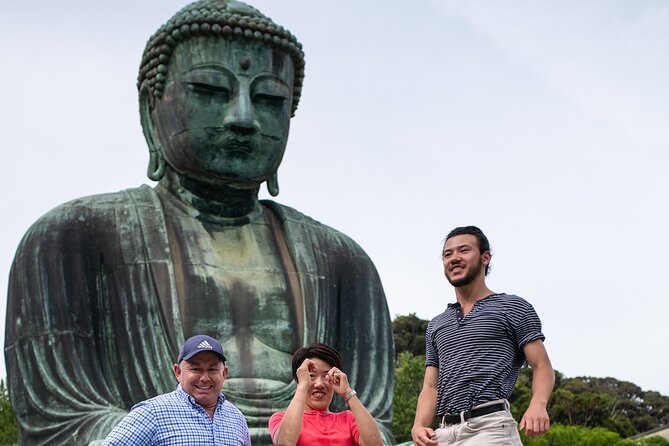
No Kamakura day is complete without the Great Buddha. The tour focuses on this landmark as one of the area’s most iconic attractions, describing it as a massive bronze sculpture of Amida Buddha that is nearly 800 years old.
What makes the Great Buddha more than a big statue is how it anchors the whole theme of the day. Your earlier shrine and temple stops connect to worship, tradition, and spiritual practice. Then you reach the Great Buddha and the scale hits you. Bronze on that scale, built to last, changes your sense of time.
For planning your day, I’d think about this as your keystone stop. If you’re deciding where to spend the energy, put your “most important to me” focus here. The Great Buddha is also a natural point for photos, but don’t forget to look beyond the main subject. The surrounding temple area, approach paths, and the way people move around the statue can be part of the experience too.
Because you’re on a private tour, you can also ask your host for a route that minimizes backtracking. That’s a small detail, but it can make a big difference over 8 hours.
Shoes, Snacks, and Costs: Getting Value from the $323.38 Price
Let’s talk money in a way that helps you decide.
At $323.38 per person for an about-8-hour private experience, the biggest value driver is what’s included: private time with a local host plus round-trip JR train tickets to Kamakura. You’re paying for guidance, time, and reducing friction. When you add in that the tour is private (not just an add-on to a group), the price starts to make sense, especially if you care about customization.
What is not included matters for budgeting:
- Food and drinks
- Tickets to any attractions
- Transportation costs other than the round trip train to Kamakura
So your cost can rise depending on what you choose to pay for on-site, and whether you stop for meals during the day. If you like to snack often, plan for that. If you want a sit-down lunch, plan for that too.
Walking is also part of the cost of being in Kamakura. You’ll likely want comfortable shoes you can trust on slopes and uneven ground. Bring layers. Even in a day trip, weather can shift between coastal air and forest shade.
On the plus side, hosts seem to recognize real-day needs beyond sightseeing. Marc’s story includes elevator navigation support, and Kay’s day includes food and an art stop, suggesting the day can cover both comfort and variety.
If you’re comparing to cheaper group tours, remember this price covers private time plus train tickets. If you’re traveling as a couple or small group and want a tailored day, it can feel like good value.
Who Should Book This Tour, and Who Might Skip It
This tour fits best if you want a guided day that feels like Kamakura, not like a rushed tour bus route. You’ll enjoy it if you like:
- shrines and temples, especially ones set in natural surroundings
- a flexible itinerary based on your interests
- a local host who can adapt the route and pace
It’s also a strong pick for travelers who appreciate practical help, like finding easier walking options. The family-centered story around elevator navigation suggests the host can pay attention to movement and route choices.
You might consider another option if:
- you strongly dislike walking, slopes, and changing terrain
- you prefer a totally self-guided trip with no personal guidance
- you’re only interested in one or two sights and nothing else
But if you’re aiming for the “greatest hits” plus a bit of atmosphere and nature, a private host is often the best way to get it in one day.
Should You Book This Kamakura Day Trip from Tokyo?
If you’re going to Kamakura only once, I think this is an easy yes. The included JR tickets take away a big logistical chore, and the private host makes the day feel shaped to you instead of copied from a generic itinerary.
Book it if you want shrines and temples with context, bamboo-and-forest scenery with a break for matcha, and an anchor stop at the Great Buddha. Also book it if your group has mixed interests. One person might want hydrangeas and temple grounds, another might want the bamboo grove mood, and your host can juggle those priorities.
Pass or consider an alternative if you want zero walking or you already feel confident building your own Kamakura route. Self-guided travel can be great here if you’re comfortable with transit planning and you don’t need help deciding which temples to prioritize.
FAQ
How long is the Kamakura day trip?
It runs for about 8 hours.
Is this tour private?
Yes. It’s a private and personalized experience, with only your group participating.
What’s included for transportation?
You get round-trip JR train tickets to Kamakura. Other transport besides the round trip train can be arranged for an additional cost.
Where do we meet in Tokyo?
The listed start point is the JR EAST Travel Service Center Tokyo Station, Marunouchi North Gate. The meeting point is flexible and can be agreed with your local host.
What attractions or tickets are included?
A walking experience is included. Tickets to attractions are not included.
What should I budget for besides the tour price?
Food and drinks are not included, and you may need to pay attraction tickets depending on which stops you choose.
Is there a cancellation option?
There is free cancellation up to 24 hours in advance for a full refund.
More 1-Day Tours in Tokyo
More Private Tours in Tokyo
More Tour Reviews in Tokyo



Not for you? Here's more nearby things to do in Tokyo we have reviewed












Kamakura Day Trips, side by side.
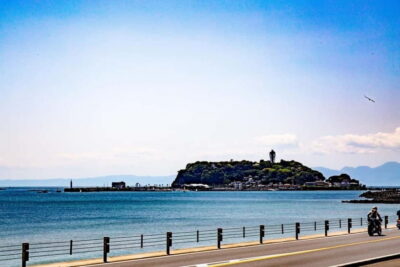 ★ 4.5Kamakura & Enoshima Day Trip including Temple TicketsFrom $581,375 reviews
 ★ 4.5Mt. Fuji, Kamakura, Big Buddha, & Lake Ashi Day TripFrom $49867 reviews
 ★ 4.5From Tokyo: Kamakura & Enoshima 1-Day Bus TourFrom $66189 reviews
 ★ 5.0Kamakura Historical Walking Tour with the Great BuddhaFrom $98129 reviews
 ★ 5.0Kamakura Private Tour: Temples, Nature, and the Great BuddhaFrom $98121 reviews
 ★ 5.0Kamakura Walking Tour – The City of ShogunFrom $35100 reviews
 ★ 5.0Kamakura 8 hr Private Walking Tour with Licensed Guide from TokyoFrom $20180 reviews
 ★ 4.1Kamakura & Enoshima Day Tour with Pickup & Train RideFrom $1361 reviews
This tour also belongs to