
Review · SAKE TASTING
Tasting All Types of Sake with Sommelier
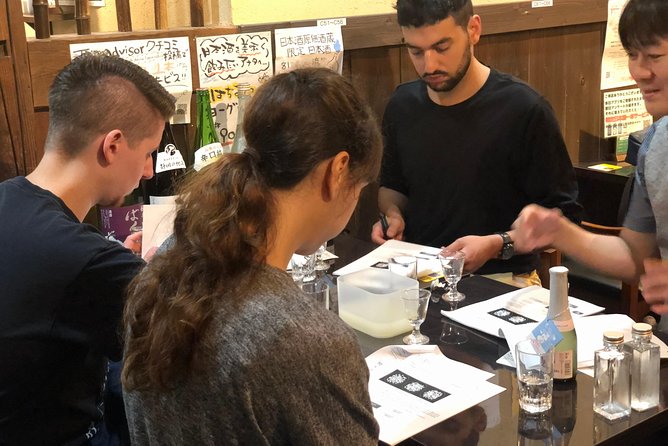
Sake labels make sense fast. This Shinjuku session with sommelier Akira turns confusing Japanese bottle terms into real buying and ordering confidence, while you sample 6-7 styles of sake and ask questions along the way. I especially like the practical angle, you are not just drinking, you are learning how to connect flavor to what is on the label.
I also like how the experience is paced for a short afternoon slot. You start with quick local context in Shinjuku and Shinjuku 3-chome, then move to a sake bar right by Louis Vuitton Shinjuku, with food pairing tips as you taste. The only drawback to consider is focus: this is a concentrated bar tasting, about 1 hour 30 minutes total, so it is not a long night-out crawl.
Key takeaways before you go
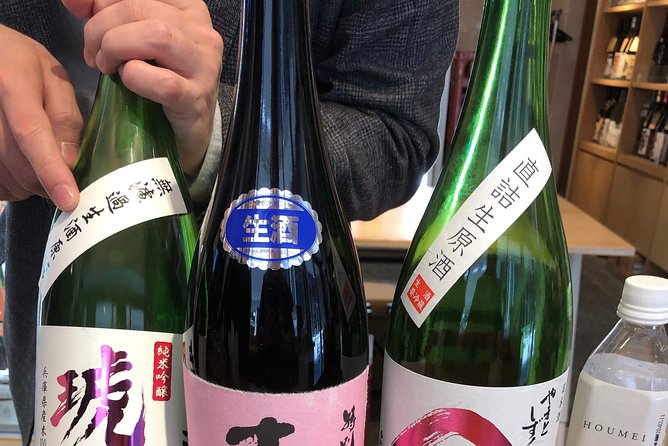
- Decode a sake label fast with the exact terms that matter for flavor and serving style
- Taste 6-7 different sake types plus an introductory welcome pour
- Ask Akira anything about production, categories, and how to drink each style
- Try Japan-only choices you will likely struggle to find back home
- Get pairings you can use immediately, not just theory
- Small group size (max 12) keeps the Q and A feeling personal
Meeting in Shinjuku and Shinjuku 3-chome, then into Golden Gai energy
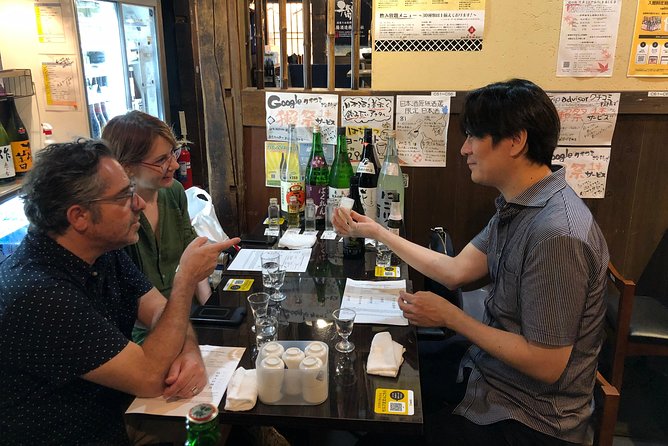
You meet in central Shinjuku at 4:00 pm, at Frente Shinjuku San-chōme, 3-chōme-4-8, Shinjuku, Tokyo. From there, the tour flows in short stages: a brief intro around Shinjuku, then a quick stop in Shinjuku 3-chome. It is a small walking shuffle, not a long hike, and it helps you shake off jet lag and get your bearings in a part of Tokyo that can feel chaotic if you wander on your own.
One neat touch is that the guide keeps it tied to Tokyo nightlife. You get some talk around Kabukicho and Golden Gai, so the tasting does not feel like an isolated drinking lesson. It feels like you are learning about sake while also understanding the neighborhood where people actually go to drink, snack, and socialize after dark.
This is also a practical choice time-wise. Late morning and mid-afternoon in Shinjuku can be crowded and busy for shopping. A 4:00 pm start slots nicely between lunch and dinner plans, and you end back at the meeting point, which makes it easy to continue your evening without playing map games.
You can also read our reviews of more food & drink experiences in Tokyo

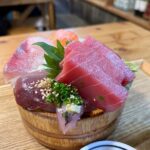
Akira’s label lesson: how to order sake like you belong
The core value here is simple: outsiders get stuck with labels because the categories do not match how they are used in casual English conversations. Akira’s approach is to give you the tools to read a sake bottle the way Japanese drinkers do, then connect those clues to taste.
In practice, this means you get a structured explanation before, during, and between pours. The guide shares tips to decode a sake label, and he does it in a way that helps you make choices on the spot. You learn what to look for so you can answer questions like: Do I want something light or bold? Dry or sweet? Clean and crisp, or more rounded? Served warm or chilled?
You also receive a leaflet/pamphlet that supports the lesson. Some people say it is great for getting the basics down quickly, especially if you want to remember terms after the tasting. If you are the kind of traveler who likes notes, I would bring a pen or take photos on your phone so you can capture what you liked and what the label said.
The biggest thing I like about this label-focused format is that it turns the tasting into a skill. After 90 minutes, you are not just thinking, That was good. You are thinking, I know what to look for next time.
The sake bar pours: what 6-7 tastings really teaches your palate
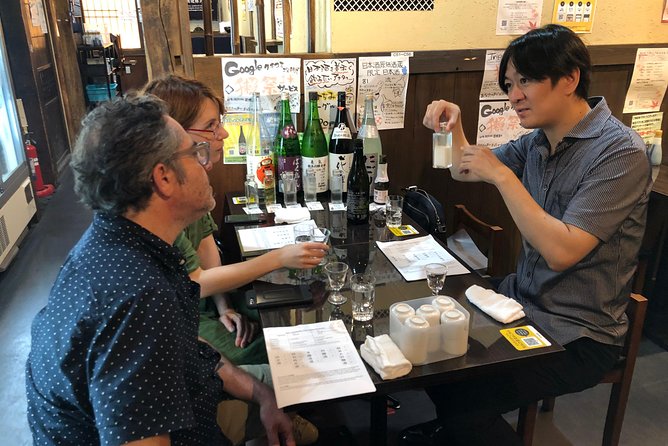
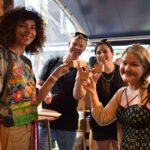
Once you arrive at the sake bar right next to Louis Vuitton Shinjuku, the session shifts from explanation into flavor. You taste all different types of sake, typically 6-7 options, and the guide talks through what he feels from each one. That matters, because sake changes dramatically with production choices, serving temperature, and even how the liquid is treated after fermentation.
From the experience outline and the kinds of styles described in feedback, you can expect a mix rather than one-note variety. People highlight that the tasting can include hot and chilled pours, dry and sweet profiles, and even sparkling sake. You also get discussion of things like pasteurized vs unpasteurized styles, which is one of those topics that sounds technical until someone explains what it tends to do to texture and aroma.
Here is what that teaches you as a practical traveler:
- You learn how temperature changes the experience. Warm sake often tastes rounder and more fragrant, while chilled sake can feel sharper and cleaner.
- You learn that dry does not mean flavorless. Dry can still have body, just with less sugar sensation.
- You learn to spot your preferences quickly. After a few pours, you can usually identify whether you lean toward fruity aromas, rice-forward softness, or crisp, clean dryness.
And you are not doing this in silence. You can ask Akira questions throughout, and that is a big deal. Sake labels come with terms that sound similar, but taste different. Asking now is far easier than trying to figure it out later while standing in a shop.
Pairing tips that make your next meal easier
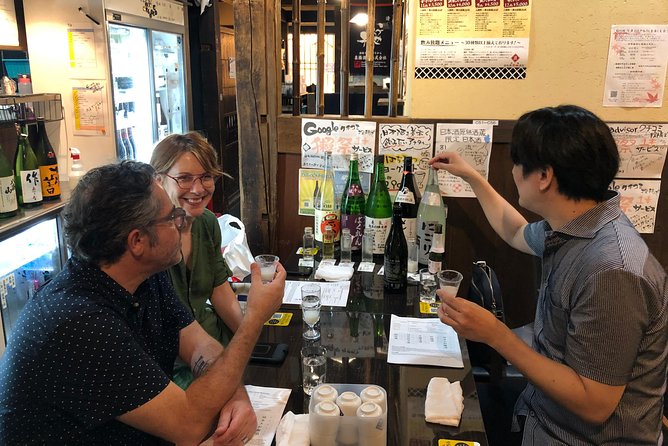
One promise of this tour is that you will not just learn sake, you will learn what to pair it with. That is exactly how you turn the tasting into real value on the rest of your trip.
Sake can work with more than people expect. If you like a dry style, it often pairs well with salty and umami-heavy foods. If you prefer sweeter or fruitier notes, it can complement richer dishes in a way that feels balanced instead of clashing. The guide’s pairing advice gives you a starting point for ordering in Japan, where menus can be simple but flavor pairing choices still matter.
Even if you end up experimenting on your own afterward, the tasting sets your mental map. Instead of guessing, you get a shortlist of directions:
- Pick a sake style first, then match to the dish intensity
- Use dryness to cut through fat or grilled flavors
- Use warmer serving for comfort foods and deeper savory bites
If you want to get the most out of these pairing tips, I suggest doing one small thing during the session: take a quick note on which pour you liked and how you felt it worked with the concept of food. That makes it easier to translate to dinner tonight, not two days from now.
Price and value: why $62.76 can be fair in Shinjuku
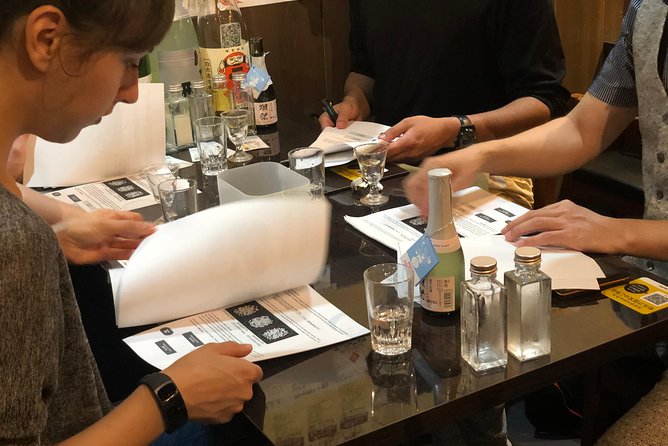
At $62.76 per person, you might wonder if this is overpriced for 90 minutes. In Tokyo, you pay for two things here: (1) the expert-guided format and (2) multiple sake tastings served in a real bar setting.
The value case is strong because you are not paying just to drink. You are paying to learn how to buy and order. If you plan to eat and drink in Japan anyway, the label skill can pay you back fast. One good restaurant order can be worth the lesson alone, and it also helps you avoid the frustrating mistake of buying a bottle you cannot tell how to enjoy.
Also consider the time you save. If you try to DIY sake selection without the label decoding, you can waste time in shops and still end up uncertain. This tour compresses that learning into a short afternoon session with structured explanations, a leaflet, and live Q and A.
The small group size, max 12 travelers, is another value point. With a larger crowd, your questions can get stuck in the shuffle. Here, the format makes it easier to get your specific curiosity answered.
You can also read our reviews of more drinking tours in Tokyo


Timing matters: doing this early changes your whole trip
There is a good travel strategy behind tasting lessons like this. If you do it early in your visit, you get better orders for the rest of the trip. People who start with a session like this typically find the biggest upgrade is confidence, not just knowledge.
Because the tour ends back at the meeting point in Shinjuku, it is easy to treat it like an early evening anchor. You finish while the rest of Tokyo is still opening up, then you can walk into dinner knowing what style you like and what to look for on a menu.
One more practical tip from the overall vibe of the experience: pace yourself. It is a tasting with multiple pours, so have lunch first. You do not want your first Shinjuku plan to turn into a nap. You want energy for the rest of your evening, especially if you are the type who likes to wander, snack, and keep exploring.
Practical tips for your sake session with Akira
A few small things make a real difference for how smooth your experience feels:
- Bring curiosity and questions. This is set up for Q and A, so use it. If you want to know why one style tasted sweeter or why another felt cleaner, ask.
- Use the leaflet as a guide, not a test. You will still learn the most by tasting and reflecting on what you like.
- Drink slowly and switch your attention between aroma and taste. Sake has aromas that can shift across styles, and noticing that helps you remember what to order later.
- Plan your day so you are not rushed. This runs about 1 hour 30 minutes, and the pacing is tight enough that a rushed schedule can make it feel like you are only half paying attention.
One logistical plus: the meeting area is described as near public transportation, so you should not have to fight Tokyo’s transit map just to start.
Who this is best for, and who might want a different plan
This experience fits best if you:
- Want to learn how to read a sake label and not just memorize facts
- Like tastings that teach you how to order afterward
- Enjoy Tokyo neighborhoods and want a bit of Shinjuku nightlife context alongside the lesson
- Prefer a small group format where you can actually ask questions
It may feel less ideal if you:
- Want a long, moving nightlife crawl with multiple venues
- Are looking for a purely food-driven tour or a full meal experience (this is centered on sake tasting)
- Are very sensitive to alcohol and plan to sip only, since the session is built around sampling multiple styles
If you are new to sake, this is a great on-ramp. If you already like sake, it can still be fun because you get variety and a better language for what you are tasting.
Should you book this sake tasting in Shinjuku?
My take: if you want a Tokyo experience that pays you back quickly, book it. For $62.76, you get a tight 1 hour 30 minutes format, 6-7 tastings, Japan-only style options, and a guide, Akira, who helps you connect label terms to real flavors you can remember.
Do it early enough in your trip that you can use the label skills at restaurants and shops. And go hungry in the smart way, meaning have lunch first so you can enjoy the session without feeling sloppy.
If your goal is to taste widely and learn how to order confidently, this is a strong fit. If you only want a casual drink without learning, you might feel impatient with the structured label talk. For everyone else, it is one of the easiest ways to make sake make sense fast in Tokyo.
FAQ
What is the starting time of the tour?
The tour starts at 4:00 pm.
Where is the meeting point?
The meeting point is Frente Shinjuku San-chōme, 3-chōme-4-8, Shinjuku City, Tokyo 160-0022, Japan.
How long does the experience last?
The duration is about 1 hour 30 minutes.
How many sake tastings should I expect?
You will try 6-7 types of sake.
What does the tour include?
It includes sake tastings, guidance on decoding a sake label, time to ask a sommelier questions, and special sake that is only available in Japan.
Is this experience a large group tour?
No. It has a maximum group size of 12 travelers.
What ticket type will I receive?
It is a mobile ticket.
Is the meeting point near public transportation?
Yes, it is near public transportation.
When will I get confirmation after booking?
Confirmation will be received at the time of booking.
Can I get a full refund if I cancel?
Yes. You can cancel for a full refund if you cancel at least 24 hours before the experience’s start time. Free cancellation is available up to 24 hours in advance.
More Drinking Tours in Tokyo
More Food & Drink Experiences in Tokyo

More Tour Reviews in Tokyo





Not for you? Here's more nearby things to do in Tokyo we have reviewed












Sake Tasting, side by side.
 ★ 5.0Ramen and Sushi Cooking Class with Sake Pairing Set in TokyoFrom $79291 reviews
 ★ 5.0Sake Tasting Masterclass in Shinjuku (8+ Varieties with a Pro)From $72271 reviews
 ★ 5.0Sake Omakase in Tokyo: Guided Tasting by Certified SommeliersFrom $79239 reviews
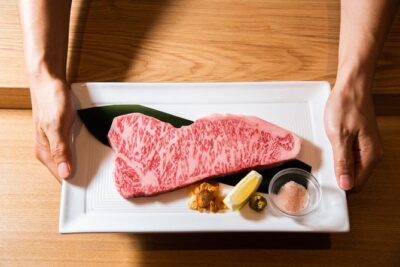 ★ 5.0Wagyu & Sake Pairing in Shinjuku – Steak, Shabu-Shabu & MoreFrom $148112 reviews
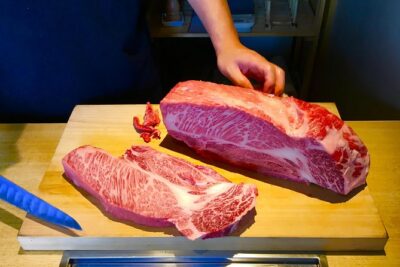 ★ 5.0Tokyo Wagyu & Sake Pairing Tasting Experience with Local FlavorsFrom $151108 reviews
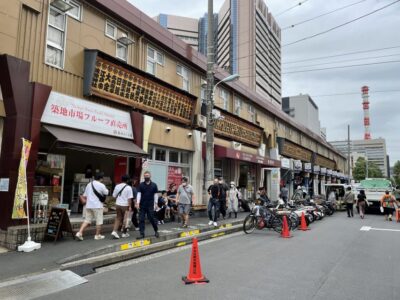 ★ 4.9Tsukiji: Outer Market Walking Tour & Sake Tasting ExperienceFrom $7081 reviews
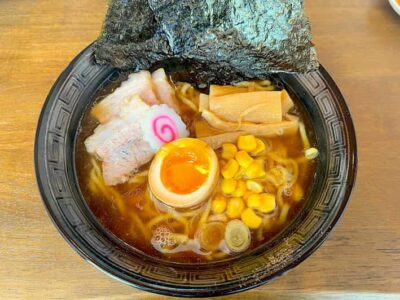 ★ 5.0Sushi and Ramen Cooking Class with Sake Pairing SetFrom $12981 reviews
 ★ 5.0Cozy Tokyo Class: Ramen, Sushi, Sake Pairing & Cultural ExchangeFrom $7974 reviews
This tour also belongs to