
Review · TOKYO FOOD TOURS
Flavors of Japan Food Tour in Tokyo
Tokyo has a lot of food tours. This one has a plan.
What I like is that it teaches by eating, starting with wagashi and moving through the building blocks of Japanese flavor like dashi, pickles, and tamagoyaki. You also get a real lunch, with multiple options, so the tour does not feel like endless sampling with no pay-off.
I also like the variety of stops in central Nihonbashi, where you bounce from food to tools and ingredients, like a long-running knife shop and a tea stop built around the drink itself. One possible drawback is the format: it is a walking tour, about 3 hours, and you should expect to keep moving through a dense part of the city, plus the included drink and lunch choices have to be decided ahead of time.
If you want Tokyo food without getting stuck with menus you cannot decode, this kind of guided day helps a lot. With a small group size (up to 10) and a very strong rating (4.8 from 39 reviews, 92% recommended), it is one of those tours that sells because it is practical.
Key things that make this food tour work
- Wagashi focus with tastings that connect sweet flavor to ingredients and technique
- Regional bites at multiple food stops, including staples like dashi, tsukemono, and tamagoyaki
- Washoku lunch with choices (soba, tempura, sashimi, grilled fish, chicken, or sukiyaki)
- Real Nihonbashi context, with shrine and bridge sights mixed into the food route
- Depachika time after lunch, so you can keep snacking without guessing
Nihonbashi start point: an easy base for learning Tokyo food
You start in the Nihonbashi area, meeting at Starbucks Coffee in the Nihombashi Suruga Building (Japan, 103-0022). From there, you are set up for a smooth, mostly walkable stretch through one of Tokyo’s more old-and-new neighborhoods.
Why that matters: Nihonbashi is where Tokyo’s food culture shows up in layers. Big department-store energy is right next to more traditional streets and little religious landmarks. You get the sense that eating here is not just about one restaurant, it is about how daily life runs.
The tour includes a guided walk through key spots like Nihonbashi Bridge, plus shrines such as Suitengu Shrine and Fukutoku Shrine. You do not need to be a shrine expert to enjoy it. The landmarks help break up the food stops, and they give the route shape so you do not feel lost between tastings.
Two timing notes to keep in mind: the tour is listed for about 3 hours, and the start time is shown as 10:30am, while other details say you meet around 10am between the COREDO Muromachi buildings. Your confirmation will show the final, correct start. Either way, arrive a few minutes early. Tokyo moves fast, and meeting points get busy.
You can also read our reviews of more food & drink experiences in Tokyo
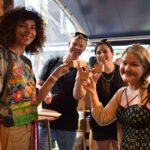
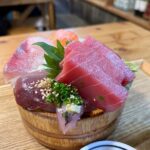
Wagashi and tea: Japanese sweets taught by taste, not trivia
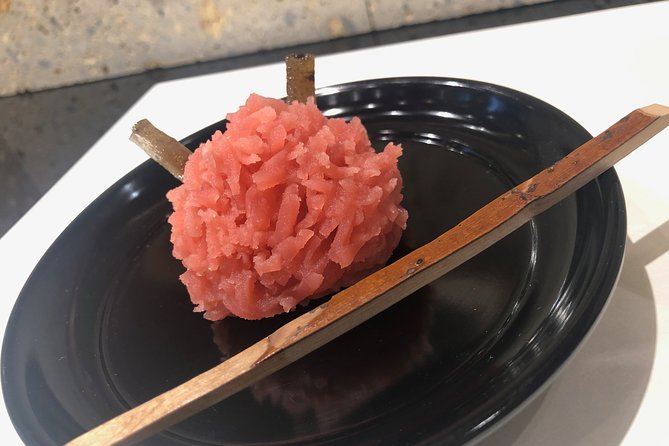
The tour’s sweet star is wagashi, Japanese sweets. You learn the art behind them and get to see how they are made, then you taste them in a way that makes the technique feel meaningful.
This is one reason I would pick this tour over a generic tasting walk. Wagashi is easy to misunderstand if all you do is buy one wrapped sweet. The tour frames it as food design, seasonal thinking, and ingredient-driven flavors. Even if you only remember a few takeaways, it changes how you recognize and choose wagashi later.
You also get green tea as part of the experience. Tea here is not just a beverage between bites. It is a partner to the sweetness, and it can help you understand why Japanese meals often feel balanced, not heavy or random.
What you should expect from the tastings: you will sample items that include wagashi desserts, plus other snack-style food stops. The idea is that sweets show up as one piece of a larger food language, not an isolated treat.
The knife shop, the fruit shop, and why tools matter for flavor
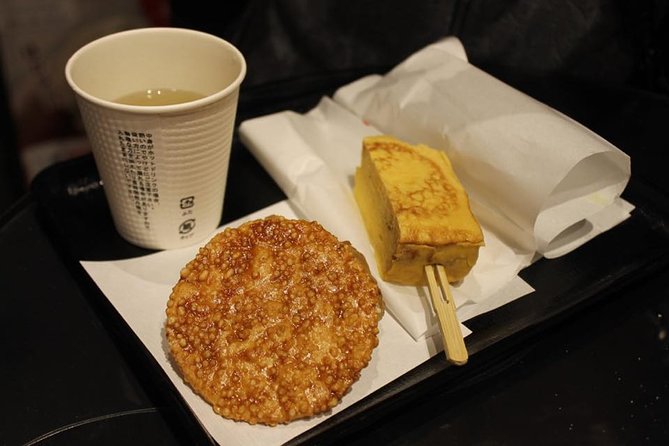
One of the most fun parts of this tour is that it does not act like food starts at the plate. You visit places connected to ingredients and craft, including Japan’s oldest fruit shop and a 300-year-old knife shop, plus a unique tea shop.
You might wonder, why is a knife shop in a food tour? Here is the practical answer. Japanese cooking relies on ingredient prep. Better tools make it easier to handle things cleanly, shape ingredients for texture, and respect how different items behave during cooking. Even if you are not buying a blade, you get a window into why Japanese food can feel so precise.
The fruit shop stop matters too. Japanese sweets and savory bites lean on quality produce, and you will taste seasonal and ingredient-driven differences along the way. That is not just a marketing claim. The tour is built around the flavors people associate with specific regions, and fruit and produce are part of that story.
Tea shop time rounds out the triangle. If wagashi is about sweetness and presentation, and knives are about prep, tea is about pairing and aroma. You start seeing a meal as a system.
Regional building blocks you can spot in real meals
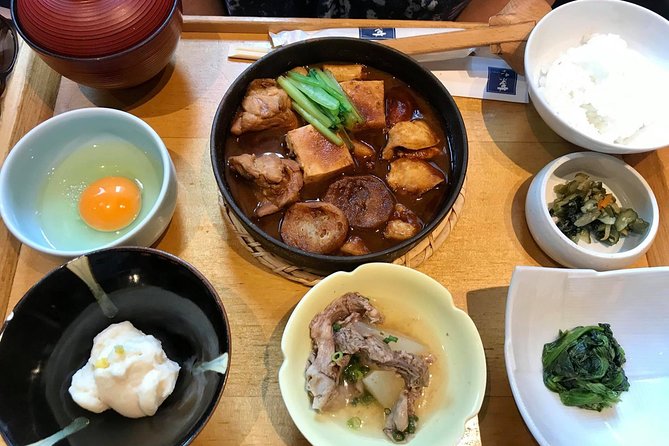
A big goal of this tour is to teach you the building blocks that show up in everyday Japanese dishes. You sample several of them, and the tastings are designed to make common items easier to recognize later.
Here are some of the core “building block” flavors you will try:
- Dashi (soup stock): the base for so much Japanese cooking, even when you do not realize it
- Tsukemono (pickled vegetables): a sharp, salty-sour counterpoint that keeps meals from feeling flat
- Satsuma imo (fried sweet potatoes): simple, comforting, and a great early taste of sweetness plus crunch
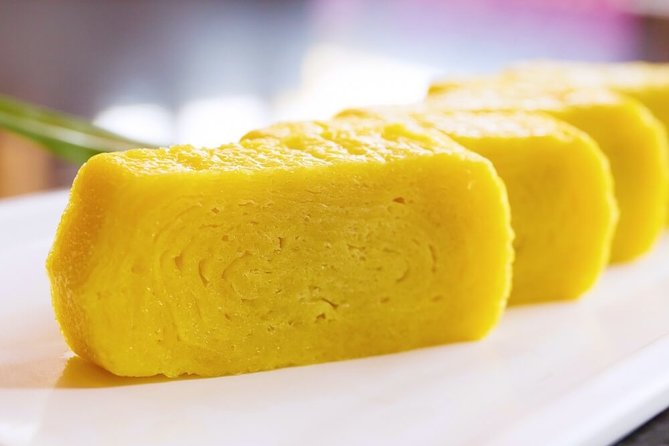
- Tamagoyaki (egg roll): a snack-level classic that teaches you how Japanese eggs can be both soft and structured
- Fish cakes from Kagoshima, plus eel sushi and other specialty bites
This kind of spread is valuable because it builds recognition. After a tour like this, you are less likely to order blindly. You can translate what you see on a menu into what it will taste like. You also start understanding why certain flavors show up together, like savory stock with pickles or egg and dashi-adjacent flavors.
One more detail I appreciate: the tour frames food by region. You do not just taste one random bite. You learn the idea that Japanese cuisine has different traditions depending on where it comes from, and the tour tries to connect the dots while you eat.
Walking route with shrines and shopping streets
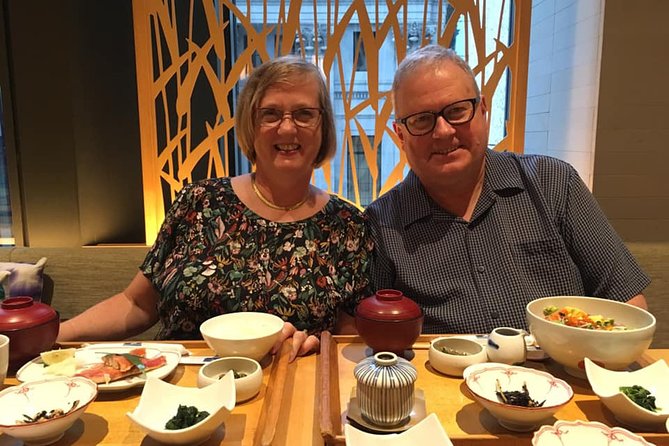
The tour blends food stops with sight stops, which keeps it from becoming a pure line-waiting exercise.
Along the way, you pass through areas like COREDO Muromachi 1 and move toward other key Nihonbashi landmarks. You also visit stops like Nihonbashi Takashimaya, which helps anchor you in the department-store world that is a major part of how Tokyo presents food.
Then there are the bridges and shrines. Suitengu Shrine and Fukutoku Shrine are not just photos. They break the walk into chunks so you can reset between tastings. And honestly, it makes the day feel like Tokyo, not just a shopping circuit.
Practical consideration: dress for walking. Even though the tour is only about 3 hours, you will be on your feet most of that time. Comfortable shoes matter more than you think, especially if rain makes the pavement slick.
More Tokyo tours and experiences for the shortlist


Washoku lunch with real choice: where the tour pays off
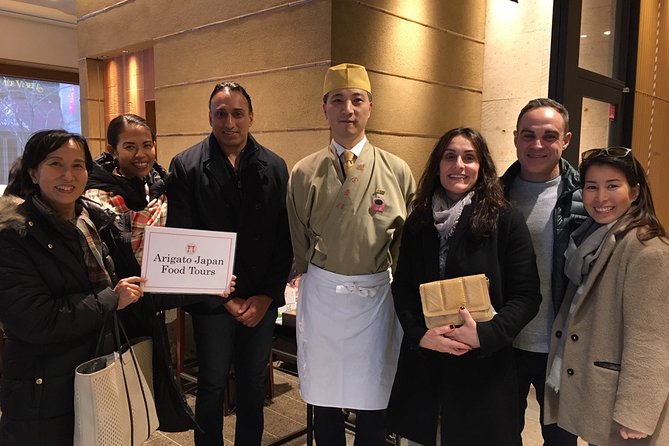
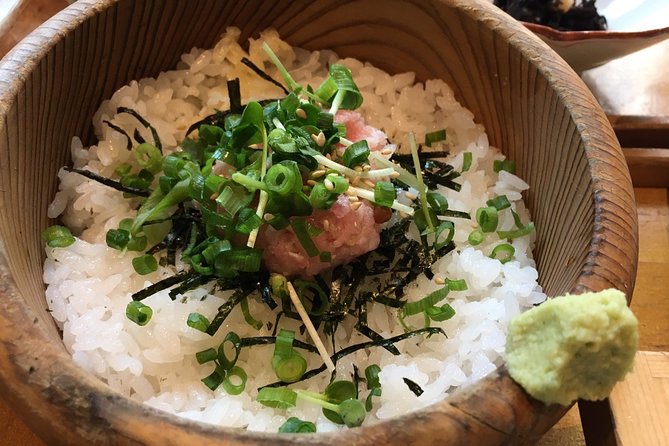
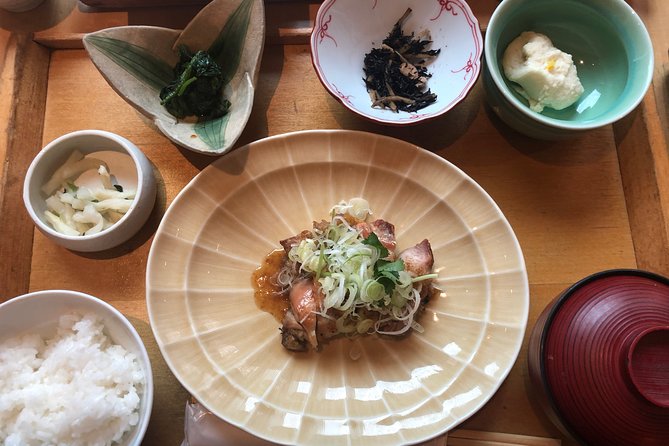
The best “anchor moment” on this kind of tour is lunch, and this one does not treat it like an afterthought. You get a Washoku lunch with a choice of meals made for groups, not random individual scraps.
Your lunch options include choices such as:
- soba, tempura, and sashimi sets
- grilled fish
- chicken
- sukiyaki
You choose at booking. That matters because a smart pick can help you connect the tastings you already had to the main dish. For example, if you have been sampling dashi and pickles, a set meal that includes structured components like tempura or sashimi tends to make the whole flavor map click.
This lunch component is also where value shows up. You are paying for a guided experience, and lunch is a major part of what you get. A tour that only offers small bites is usually overpriced for what it includes. Here, you get enough food for a satisfying reset, and you still continue on afterward.
One more reason this works: over the meal, you discuss what you learned during the tastings. That simple conversation step can turn random sampling into something you actually use later when you pick restaurants on your own.
Depachika after lunch: keep eating, but eat smarter
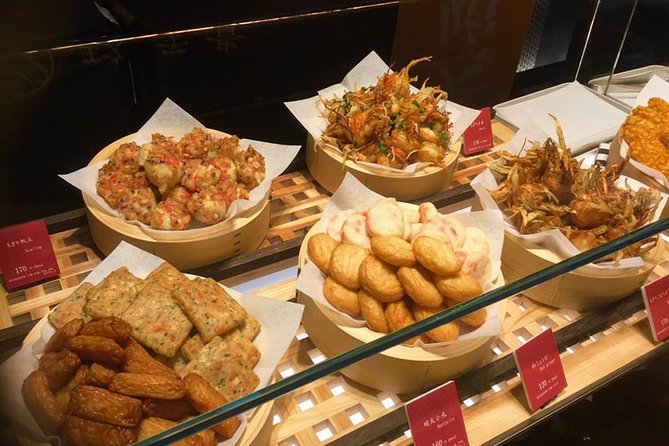
After lunch, you head into the Depachika, the underground market style area in Japan’s department stores. This is where Tokyo people go for snacks, sweets, and small take-home foods.
The guide points you in the right direction to find the best after-lunch snacks, then you are free to explore further on your own. I like this structure. You get help with the tricky part, picking what is worth your time, and then you can follow your own tastes without being herded.
You should expect more temptation than decisions. Depachika is set up to make you want everything. If you want to make it pay off, set a small plan for yourself. Choose one savory snack plus one sweet, or choose items you can carry easily back to your hotel.
Also, because you already ate lunch, focus on variety instead of volume. You do not want to spend the rest of the day feeling stuffed and regretting the apple tart you bought for the third time.
Pacing, group size, and what your feet will feel
The tour runs for about 3 hours and visits nine shops along the way, with local tastings at 7 food stops. That is a lot of tasting density for a short walk.
The group size is capped at 10 travelers, which usually helps in two ways. First, you are less likely to get stuck behind a huge crowd at each stop. Second, a small group gives the guide more ability to explain flavors instead of just rushing from one place to another.
One practical thing: there is no hotel pickup or drop-off. You are responsible for getting to the meeting point and for transportation costs. That is normal for walking food tours, but it does affect the true cost of the experience.
What I recommend you bring:
- comfortable shoes
- a light layer for Tokyo weather swings
- a willingness to snack more than you planned
And yes, the tour is family-friendly. Children must be accompanied by an adult, and passport information copy is required for kids 10 and above, according to the tour details.
Who should take this Tokyo food tour
This is a good match if you want structure and guidance but still want to eat widely. It is especially helpful if:
- you feel nervous ordering from Japanese menus
- you want to learn key flavors like dashi and tsukemono through taste
- you want to try both savory bites and sweets like wagashi
- you like the idea of mixing food with a little cultural walking route through Nihonbashi
It is also listed as suitable for many diets, including pescetarian, vegan, and vegetarian friendly. That does not mean every single item is guaranteed to match your needs, but it signals the tour is set up to handle common dietary categories. When in doubt, confirm your preferences during booking.
If you hate walking, or if you need a fully seated meal with zero mobility, then this tour might not be the right format. The upside is that the walk is short enough to stay comfortable for most people if you wear good shoes.
Value and price: $209 in the context of what you get
At $209 per person, this is not a budget tasting. It is priced like an experience that includes a guided route, multiple tastings, and a real lunch.
So is it worth it? For me, it checks the main boxes:
- you get a local guide and multiple food stops
- you receive regional tastings plus a meal with real choices
- you also get one included drink and time in Depachika with direction
And the small group helps. A max of 10 travelers suggests the guide attention will not vanish into a crowd. Plus the tour rating is strong, with 4.8 out of 5 and 92% recommendation.
Booking timing is another clue. It is booked on average 29 days in advance. If you are traveling in peak weeks, do not wait until the last minute.
One more value note: you get a mobile ticket. That makes the start smoother once you are in the right building.
A quick heads up on the included drink and tea culture
The tour includes one drink. The details also state a minimum drinking age of 21.
If you are under 21, you should plan for the drink to be non-alcoholic, but the tour data does not spell out that detail. The safe move is to ask what the included drink options are for your booking.
Also, tea is part of the tastings, and you will be around tea shops during the route. Even if you do not want alcohol, you will still get a tea component that supports the flavors of sweets and savory items.
Should you book this Tokyo wagashi and regional flavors tour?
If your goal is to understand Japanese food by tasting the building blocks, I think this tour is a smart use of a half day. The wagashi focus plus a guided Washoku lunch choice makes it feel like more than random bites.
Book it if:
- you want a guided path through Nihonbashi food culture
- you want to learn flavors like dashi and tsukemono through actual tastings
- you like small group tours with lots of food stops
Skip it if:
- you need zero walking
- you want a fully independent DIY itinerary with no guide explanations
- your lunch choice timing does not work with your schedule
If you do book, arrive a few minutes early, wear comfy shoes, and think of the tour as your menu decoder. After three hours of guided tasting, you will feel more confident picking dishes on your own in Tokyo.
FAQ
How long is the Flavors of Japan Food Tour in Tokyo?
It is approximately 3 hours.
How much does the tour cost?
The price is $209.00 per person.
Where do I meet for the tour?
The start meeting point is Starbucks Coffee – Nihombashi Suruga Building in the Nihonbashi area. The end point is in the Nihonbashi area.
What time does the tour start?
The start time is shown as 10:30am. Another detail notes meeting around 10am between Coredo Muromachi 1 and Coredo Muromachi 2. Check your confirmation for the correct timing.
What food is included?
The tour includes regional food tastings at 7 food stops, one drink, and a local Japanese lunch. You can also expect items such as wagashi, satsuma imo, tsukemono, dashi, tamagoyaki, fish cakes from Kagoshima, eel sushi, and green teas as part of the tastings listed.
What lunch options are available?
Lunch choices include soba, tempura, and sashimi sets, grilled fish, chicken, or sukiyaki. Lunch choice is made upon booking.
Is the tour suitable for vegans or vegetarians?
The tour is listed as pescetarian, vegan, and vegetarian friendly.
How many people are in the group?
There is a maximum of 10 travelers.
Is it good for rainy days?
Yes, it is listed as good for rainy days.
What is the cancellation policy?
You can cancel for a full refund up to 24 hours in advance. If you cancel less than 24 hours before the start time, the amount paid is not refunded.
Is there an age limit for the included drink?
The tour lists a minimum drinking age of 21 years.
More Food & Drink Experiences in Tokyo
More Tours in Tokyo



More Tour Reviews in Tokyo

Not for you? Here's more nearby things to do in Tokyo we have reviewed







Tokyo Food Tours, side by side.
 ★ 5.0Shinjuku Food Tour (13 Dishes at 4 Local Eateries)From $866,603 reviews
 ★ 5.0Tokyo Bar Hopping Tour in Shinjuku (All-You-Can-Drink + Dinner)From $1063,587 reviews
 ★ 4.9Shinjuku Food Tour (15 Dishes and 4 Eateries)From $852,033 reviews
 ★ 5.0Best of Shinjuku: Izakaya Food Tour (4 Stops, 14+ Tastings)From $921,863 reviews
 ★ 5.0Shibuya Meltdown Nightlife Tour: All-You-Can-Drink Bar HoppingFrom $1061,058 reviews
 ★ 5.0Eat and Drink Like a Local: Tokyo Ueno Food Tour-Taverns&RamenFrom $95957 reviews
 ★ 5.0Ramen & Gyoza Cooking Class in Tokyo with Local Supermarket VisitFrom $122823 reviews
 ★ 5.0Shibuya Food Tour (13 dishes and 4 Eateries)From $77770 reviews
This tour also belongs to