
Review · TOKYO CITY TOURS
Tokyo: Hama-rikyu Gardens tour with Japanese Tea & Sweets
A quiet garden, plus matcha, in Tokyo. This guided visit to Hama-rikyu Gardens blends Edo-period garden design with a proper tea break in the park, so you get both scenery and meaning. I love that you get to see the Karesansui dry garden concept and the Kaiyushiki circular garden, plus seasonal plants that change the feel of the place. I also like that matcha green tea and Japanese sweets are included, served in a tea ceremony room inside the gardens.
One thing to keep in mind: the full outing runs about 1 hour 30 minutes to 2 hours 30 minutes, and the extra stops are optional, so if you want only gardens time, you’ll need to plan around that. Comfortable walking shoes really do matter here.
Key Highlights You’ll Care About
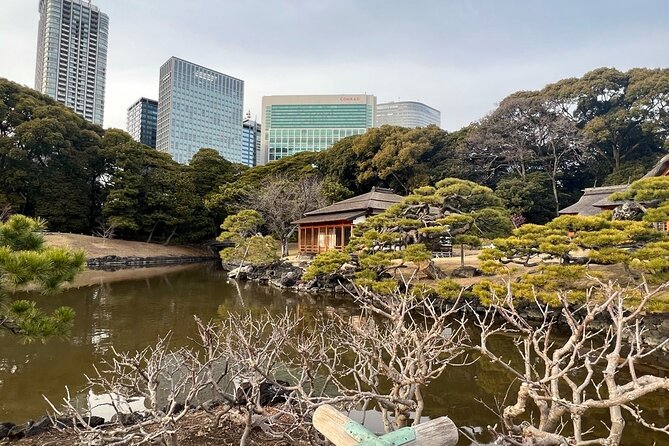
- Edo-period Daimyo garden setting in Tokyo’s Hama-rikyu Gardens
- Karesansui and Kaiyushiki garden styles you can spot and discuss with your guide
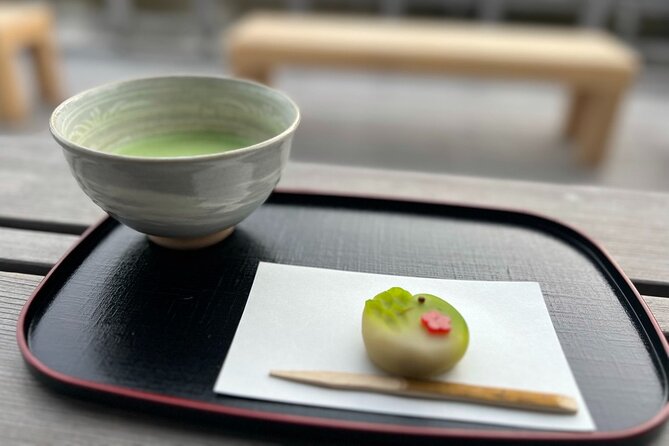
- Matcha green tea and Japanese sweets included at the in-garden tea ceremony room
- Small group size (max 4 travelers) for a more relaxed pace
- Optional add-ons nearby if you want a break from pure garden time
- Tour ends at Shiodome Station, easy to keep moving afterward
Hama-rikyu Gardens: An Edo-era garden you can actually follow
Hama-rikyu Gardens are built in the Edo period style, and the setting feels like it belongs to a different pace than the office towers and shopping streets nearby. The garden is often described as one of Tokyo’s largest Daimyo gardens, and that matters because Daimyo gardens were not casual stroll parks. They were part of the culture of powerful families, built within their estates, where nature, views, and design choices all carried meaning.
What makes this tour click is that you are not just walking around taking photos. You are given a framework for what you are seeing. The guide will explain the history of the garden and the background of the design, so the spaces make more sense while you’re still there. That turns the garden from a pretty place into a place you can read.
You’ll spend the bulk of your time at the gardens, and the main visual anchors are the Karesansui dry landscape garden and the Kaiyushiki circular garden. Even if you are not a garden expert, those names help you track the layout and the intent. And since the gardens include plants and trees whose beauty changes with the seasons, each visit has its own mood. In other words, even if you come back later, it won’t feel like the same walk again.
More Tokyo tours and experiences for the shortlist



Getting value from the guide, not just the admission ticket
Here’s the practical difference between a garden visit with a guide and one without: you spend less time wondering what you’re looking at. During this tour, your guide does more than point and smile. They explain how the garden came to be and why the design works the way it does.
I like this approach for two reasons. First, it respects the fact that Japanese garden culture has layers. Second, it helps you notice details you might otherwise skip. You end up learning how design choices can shape your experience, including how different sections create different feelings as you move through them.
Also, the group stays small. The experience has a maximum of 4 travelers, which usually means you get more direct attention if you have questions. In one of the past tours I reviewed, the guide was named Nori, and the feedback highlighted how helpful she was. That lines up with what you want in a garden tour: someone who can explain without rushing you through the scenery.
If you prefer structured sightseeing where explanations make your photos better, this guided format is a good match. If you prefer total freedom and long unbroken wandering, you might feel more satisfied by a self-guided visit, because the tour timing keeps things moving.
The tea ceremony room: matcha and sweets in the right setting
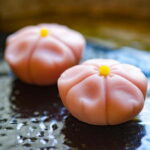
The best part of this experience for many people is not the garden alone. It’s the tea break, and it happens inside the gardens. You’ll have time at a tea ceremony room where you can experience matcha green tea and Japanese sweets. Since the tea and sweets are included in the tour fee, you avoid the common Tokyo problem of “I thought it was included, but now I’m paying extra for the moment I actually wanted.”
What I like about doing tea here, instead of after the fact in a café, is that the pause feels earned. The garden is visual and slow by nature, so the tea room works like a reset button. Even if you’re not a matcha superfan, the included tasting gives you a concrete cultural experience tied to the place you’re in.
Practical tip: plan your time so you’re not arriving at the gardens already hungry or rushed. This tea stop is part of the rhythm of the tour, not an add-on you can sprint through.
And yes, it’s also a great photo moment, but the real value is that it gives you a break from walking while still staying in the garden atmosphere.
Optional stops near Ginza and Shiodome, for when you want variety
This tour is anchored by Hama-rikyu Gardens, but it can also include optional add-ons nearby. These are free and each one is short, so they work as quick palate cleansers if you’re happy to add a bit of extra sightseeing.
Advertising Museum Tokyo (optional)
One optional stop is the Advertising Museum Tokyo. The focus is practical and specific: it shows exhibits about Japanese advertising, including how advertising has changed over time and how Japanese ads can differ from foreign advertising.
This is a smart choice if you like seeing how culture shows up in everyday media. It’s also ideal when the day’s weather makes you want a break from lots of outdoor walking. The time here is about 35 minutes, so you won’t lose half your tour.
If you’re not interested in advertising history, skip it and save your energy for the garden.






Hayao Miyazaki’s Nippon Television giant clock (optional)
Another optional stop is a quirky Tokyo landmark tied to animation culture, even if you’re not going deep into fandom. It’s described as a steampunk-style copper karakuri clock created as a giant clock by Nippon Television, by design association with Hayao Miyazaki. When the timing hits, the lights come on and the karakuri mechanism starts moving with music.
It’s only about 10 minutes, so think of it as a fun intermission. If you like whimsical design and motion, it’s worth the quick stop. If you prefer quiet and atmosphere, it may feel like a detour compared with the serenity of Hama-rikyu.
Hibiya Shrine (optional)
If you want one more traditional stop, there’s Hibiya Shrine. It has a history of about 400 years and it enshrines the god of agriculture, plus a god that drives away the impure. This is a good pick if you like stepping into a calmer pocket of Tokyo for a short visit.
It’s about 15 minutes, so it works without turning the day into a marathon.
How the timing and route shape your day
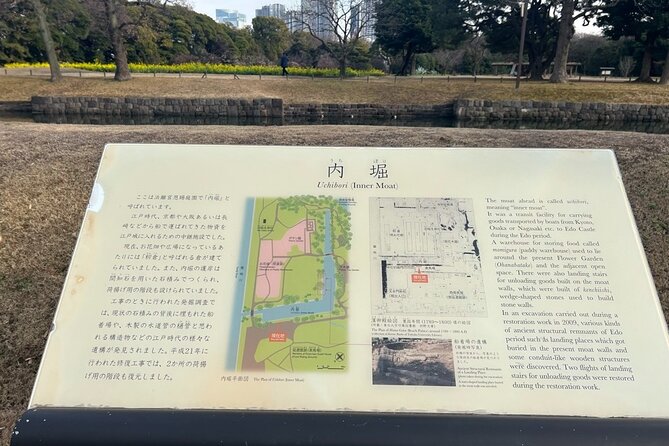
The tour generally runs from 1 hour 30 minutes to 2 hours 30 minutes, depending on what you choose to include. Because the garden visit is the core, the optional stops should not be treated like guaranteed add-ons. You can pick and choose based on your interests and your energy level.
You start at Otemon Bridge in Ginza, at the location listed as Otemon Bridge MQ77+9G, 8 Chome-21 Ginza, Chuo City, Tokyo. The tour ends at Shiodome Station, at 1 Chome-7 Higashishinbashi, Minato City, Tokyo 105-0021, and it notes that you’ll finish at Shiodome Station with access to the Yurikamome and Toei Oedo Line.
That end point is useful. Shiodome is a convenient hub, so you can keep moving to another part of Tokyo without backtracking. If you’re planning dinner, you can also time it so you’re near your next reservation rather than fighting your way across town right after a walk.
Also, the tour uses a mobile ticket, which is a modern convenience in Tokyo. You can keep things simple, especially if you’re juggling other reservations that also use phone-based tickets.
One more small planning note: the tour is designed as a walking experience, and the recommendation is clear about comfortable walking shoes. Even if you expect a calm garden walk, you’ll still be doing enough walking that footwear matters.
Finally, it’s usually booked about 49 days in advance on average. That’s not panic-level early booking, but it is a sign that this is a popular way to do Hama-rikyu without getting stuck figuring things out on your own.
Price and value: what $85.84 gets you
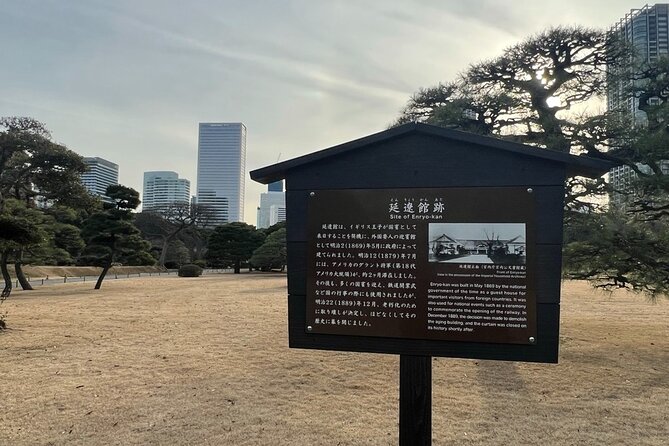
At $85.84 per person, this is not a budget-only activity. But you are not just paying for garden admission.
Your fee covers:
- Entry to the gardens (the garden stop includes an admission ticket)
- A guided explanation of the garden’s history and design background
- Matcha green tea and Japanese sweets in the in-garden tea ceremony room
- A small group experience with a maximum of 4 travelers
When you look at it this way, the value is stronger. The tea and sweets being included changes the math immediately. In Tokyo, a sit-down tea experience can add up quickly, and here it’s folded into the overall price. Then the guide component matters because the garden is easier to appreciate when you understand what you’re looking at.
Could you do Hama-rikyu by yourself for less? Sure, you can often pay only for admission and spend your time wandering. But this tour gives you structure, context, and a built-in cultural pause. If you enjoy learning and want a smooth experience without having to plan every piece, the price starts to feel fair.
If you are the kind of traveler who loves long solitary time and doesn’t want explanations, you might find it pricey for the format. If you want the garden experience plus the tea moment plus a guide to connect dots, it’s a solid value.
Who should book this Hama-rikyu tea and sweets tour
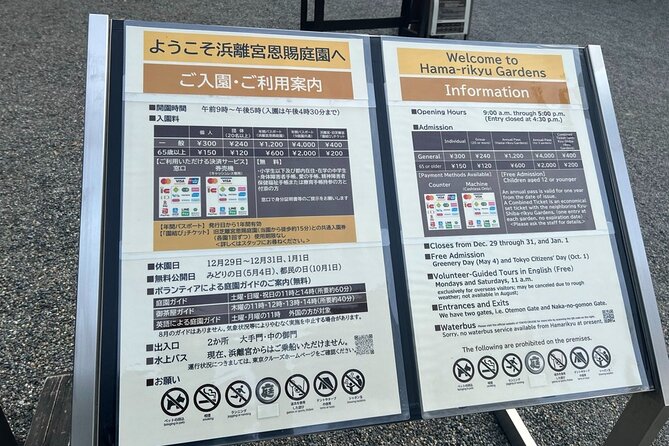
This tour fits best if you:
- Want Japanese garden culture but don’t want to spend your time researching before you arrive
- Like guided walking tours when the guide explains design and history in a way you can use while you’re looking
- Enjoy matcha and sweets as part of your travel rhythm, not as an afterthought
- Prefer small groups. With a max of 4 travelers, it’s less of a cattle-call experience.
- Are looking for something that starts in Ginza and lets you finish at Shiodome, which is handy for a later plan
It might be less ideal if you:
- Only want freeform garden wandering with no structured timing
- Are uninterested in optional museum and shrine stops and would rather use the time for something else
- Have very limited mobility or long-term walking constraints. The tour is described as a walking tour, and the advice is to wear comfortable shoes.
Should you book this tour?
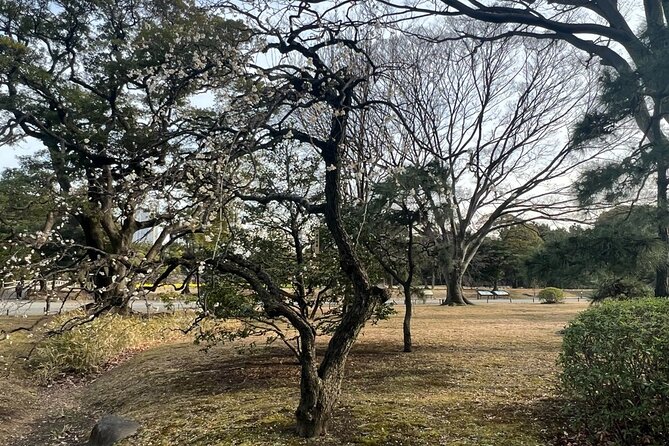
I’d book it if you’re trying to get the most out of a short window in Tokyo and you want both atmosphere and context. The biggest wins are the guided understanding of Hama-rikyu’s Edo-era design, plus the included tea ceremony room break with matcha and Japanese sweets. With a maximum of 4 travelers, it also has the feel of a calmer, more personal experience than many city tours.
If your priority is hours of independent wandering or you’re traveling with someone who dislikes guided stops, a self-guided visit might be a better fit. But if you want your garden visit to feel meaningful, this one is a strong choice.
FAQ
What is included in the tour fee?
Matcha green tea and Japanese sweets are included, and the garden admission ticket is included for the Hama-rikyu Gardens stop.
How long does the tour take?
The duration is approximately 1 hour 30 minutes to 2 hours 30 minutes.
Where does the tour start and where does it end?
It starts at Otemon Bridge in Ginza and ends at Shiodome Station.
Are there optional stops besides the gardens?
Yes. Advertising Museum Tokyo, Hayao Miyazaki’s Nippon Television giant clock, and Hibiya Shrine are listed as optional stops.
How many people are in a group?
The tour has a maximum of 4 travelers.
Can I cancel for a full refund?
Yes. Free cancellation is available up to 24 hours in advance for a full refund.
More Dessert Tours in Tokyo


More Tours in Tokyo


More Tour Reviews in Tokyo
Not for you? Here's more nearby things to do in Tokyo we have reviewed












Tokyo City Tours, side by side.
 ★ 5.01-Day Tokyo Bus TourFrom $12914,250 reviews
 ★ 4.5TOKYO SKYTREE® Admission ticketFrom $1311,192 reviews
 ★ 4.6teamLab Planets TOKYO Digital Art Museum Entry TicketFrom $259,779 reviews
 ★ 4.0Mt Fuji & Hakone Cruise, Drum Show Bullet Train 1 Day from TokyoFrom $1497,413 reviews
 ★ 5.0Shinjuku Food Tour (13 Dishes at 4 Local Eateries)From $866,603 reviews
 ★ 4.4Tokyo Mt Fuji 5th St & Hakone Cruise Bus Tour w/Bullet TrainFrom $1545,024 reviews
 ★ 5.0Flagship 2-Hours Official Street Go-Kart Tour – Tokyo Bay ShopFrom $644,974 reviews
 ★ 4.5From Tokyo: Mount Fuji Full-Day Sightseeing TripFrom $684,970 reviews
This tour also belongs to