
Review · ASAKUSA TOURS
Private Japanese Sample Food Making and Asakusa History Tour
Fake food becomes hands-on craft.
This 3-hour Japanese sample food making tour turns a viral street-side curiosity into something you can actually make, then pairs it with a walk through classic Asakusa history. I love that you do both the art and the neighborhood context, so the fake-food obsession finally makes sense. I also like the small-group feel, capped at 15, which keeps the workshop from feeling rushed and makes it easier to ask questions.
You’ll get a hands-on sampuru workshop (with a take-home model), plus guided time at Sensoji Temple and the shopping streets around it. I like the practical structure: make a model first, then go see the tools and displays that inspire the craft on Kappabashi Street. One consideration: you do put your hands into wax, so if you are careful about nail polish or nail art, plan ahead.
If you want to understand why Asakusa is packed with tiny food miracles, this is a smart way to spend a morning.
Key things to know before you go
- Make a sampuru model you take home, including the sample food you form during the class
- Small group, capped at 15, with English-speaking guidance throughout
- Kappabashi Street (Kitchen Town) is built for sample food and kitchen tool shopping, and you’ll walk it with context
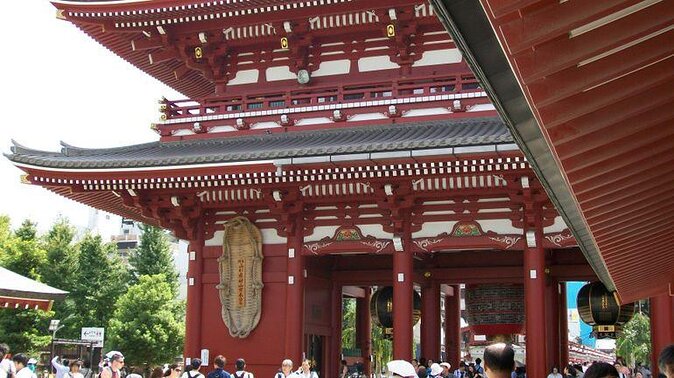
- Sensoji Temple lasts about 30 minutes with an included admission ticket
- Nakamise Dori shopping street gives you the classic Asakusa street atmosphere right after the temple stop
- Wax-based workshop tips matter, because the process can affect nail polish or nail art
Sample Food Magic in Asakusa, the 3-Hour Version
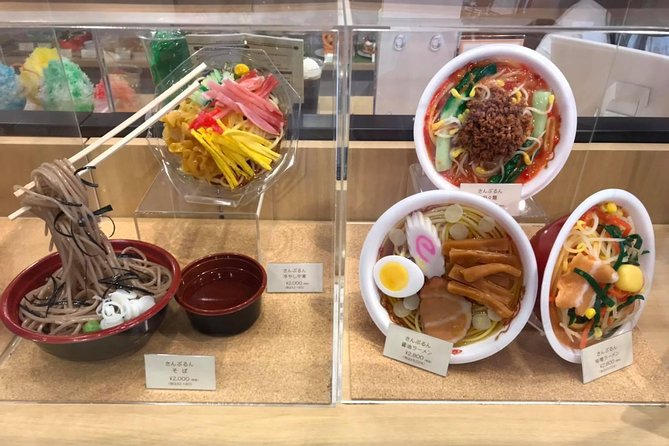
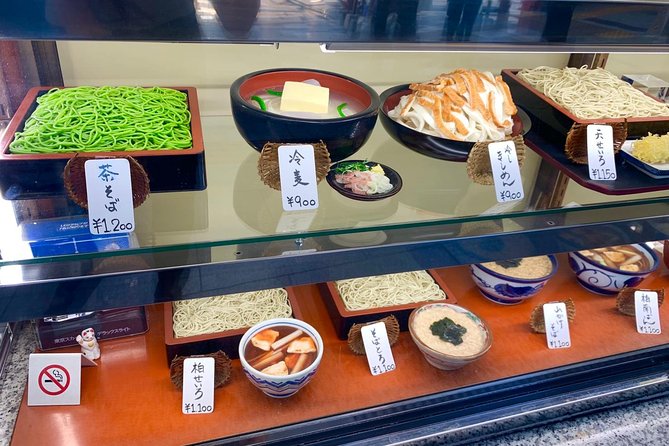
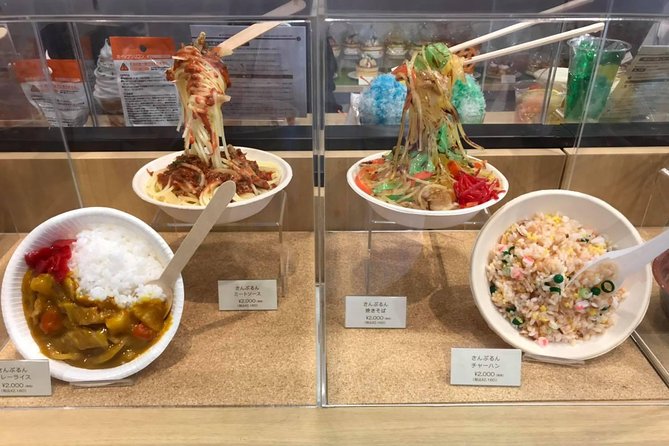
Tokyo does fake food well. You’ve seen it outside restaurant windows, those shiny plates that look almost too real. What I like about this tour is that it treats that detail like real culture, not just a funny tourist trick.
You start with a hands-on Japanese sample food making workshop, then you walk through Kappabashi Street, also called Kitchen Town, where the craft lives all around you. Finally, you close with Sensoji Temple and the shopping street Nakamise Dori. It’s a tight loop, and the pacing matters: you learn the “how” first, then see the “why” and “where” right afterward.
The group stays small (up to 15), which means your guide can actually slow down when someone needs help with the mold, the shaping, or the techniques. It’s also a good fit for families, since the tour is suitable for age 7 and up.
That “small but packed” feel is also the main reason this works so well. In 3 hours, you get a souvenir, a temple visit, and a meaningful neighborhood walk, without trying to cram in every possible stop in Asakusa.
You can also read our reviews of more food & drink experiences in Tokyo

Meeting at Tawaramachi and Timing That Actually Works
The tour meets at APA Hotel Asakusa Tawaramachi Station Mae. You’ll meet at 9:45 AM, then the experience begins at 10:00 AM. It runs about 3 hours, and it ends back at the meeting point, so you are not left figuring out how to stitch the rest of your day together.
This timing is smart for Asakusa. You get to Sensoji early enough to enjoy the area before it turns into a full-on crowd wave. And because the tour includes photo opportunities, you’re not constantly asking strangers to take your picture at awkward moments.
Availability is also clear. It runs Tuesdays, Thursdays, and Sundays from 10:00 AM to 12:00 PM (with some holiday exceptions). If you’re planning a tight itinerary, that matters. A tour that only runs certain days can be a dealbreaker, unless the schedule fits your trip.
The route is built for real walking. You’re going from the workshop into neighborhood streets, then through the temple area and Nakamise Dori. This is not a sit-and-watch activity. On the flip side, it’s not an all-day endurance test either.
And yes, the tour is stroller accessible and wheelchair accessible. The small-group cap at 15 also helps here, because larger groups make narrow sidewalks feel tight fast.
Hands-On Sampuru Workshop: Making a Tempura Model You Can Keep
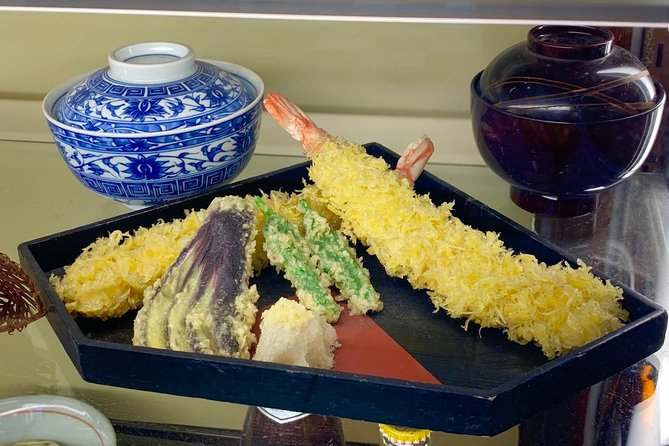
This is the heart of the experience: a workshop where you make your own sampuru (Japanese sample food model). The tour specifically mentions a hands-on class with tempura sample food, and you take your creation home as a souvenir.
Here’s why this part is so satisfying. Sample food isn’t just plastic candy. The realistic look takes careful handwork. The tour explains the craft and history behind why these displays exist in Japan, so you know what you are looking at later on Kappabashi Street.
During the workshop, you put your hands into the material used to create the model. The tour recommends you avoid nail art or nail polish, because the wax may remove some of it during the making process. That small warning is worth taking seriously. It’s the difference between enjoying the class and worrying about your manicure.
In terms of difficulty, the tone of the experience is set up for beginners and families. The key is that you have an English-speaking guide, plus hands-on coaching during the workshop. This matters because technique is easier when someone shows you how to handle the shape and details, step by step.
Also, the takeaway is not just a vague sticker. You’re leaving with a real model you made in class. That makes the whole morning feel more personal. You’re not just collecting photos, you’re collecting proof that you can do the same basic process that artisans do at a higher level.
And if you like stories, there’s plenty to connect this craft to the real world. The tour includes context on how fake food is made, and it shares that the craft has roots going back to the 1930s, with Takizo Iwasaki from Gujo Hachiman. The details also explain that the realistic displays can take hours to entire entrees, and artisans can spend years perfecting the process. Even if you only catch the highlights, it gives your model a backstory.
Bottom line: the workshop is where this tour earns its value. You leave with something you made, and you understand why it looks the way it does.
Kappabashi Street (Kitchen Town) Shopping With Craft in Your Head
After the workshop, you head to Kappabashi Street, often called Kitchen Town. This is where the tour does a clever thing: it turns your new “hands-on” knowledge into better sightseeing.
Once you’ve shaped a small sampuru model yourself, you start noticing details you would normally skip. You’ll see the tools, the displays, and the way vendors and workshops present sample food. Instead of treating it as random shop windows, you can read it like a craft neighborhood.
This is also where the tour earns extra points for how it fits the kinds of souvenirs people actually want. If you like kitchen tools, you can look for things that match the theme. If you are more into the food-display look, you can hunt for items related to sampuru craft.
The tour includes photo opportunities here too. That matters because Kappabashi Street is visually busy. Having a guide help you find good angles means you spend less time wandering and more time getting shots you actually want.
One practical note: Kappabashi Street is a shopping area. If you’re traveling with kids or you hate shopping, you can still enjoy it as a craft walk. The key is you already know what you’re seeing thanks to the workshop. That makes browsing feel less like a chore.
Sensoji Temple and Nakamise Dori: Asakusa’s Classic Scene, Guided
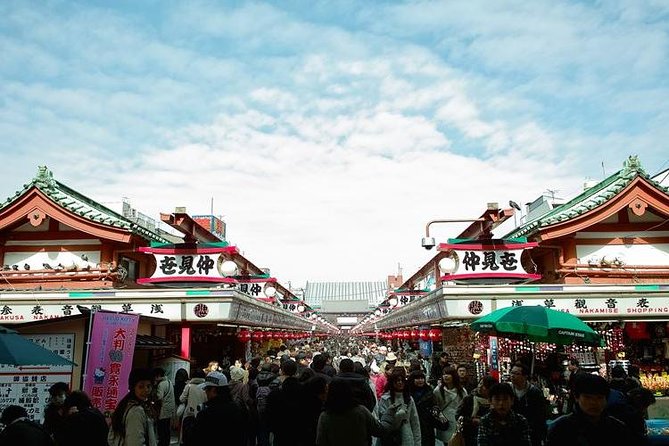
Then you shift gears to Sensoji Temple, also known as Asakusa Kannon Temple. This is described as Tokyo’s most popular and oldest temple. Your guided visit is about 30 minutes, and the tour includes an admission ticket.
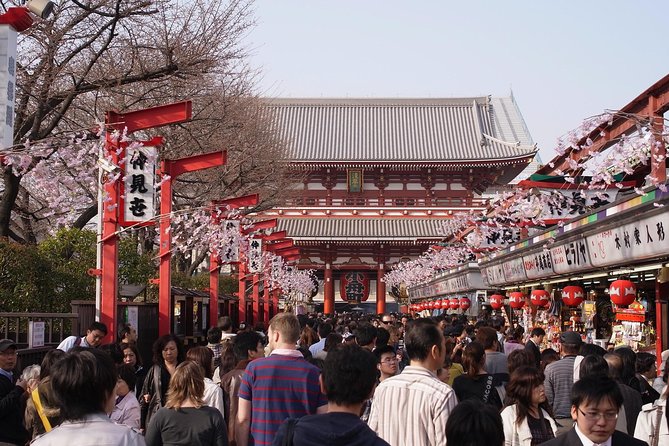
A short temple visit can feel too quick, but in this case, it works because it’s paired with the surrounding street life. You get to see the landmark, then immediately transition into the atmosphere of Nakamise Dori, the bustling shopping street that connects the main gate of Sensoji Temple with the main hall.
Nakamise Dori is where Asakusa becomes real for most people. You smell snacks, spot traditional souvenirs, and feel the constant flow of visitors. The guide helps you connect what you’re seeing to the broader Asakusa identity, rather than treating it like a generic souvenir strip.
Because the tour format is guided and timeboxed, you are not stuck for hours at a single point. You can enjoy the temple space and then still have energy for street browsing without turning it into a half-day stress festival.
Photos here are also a strong reason to go. Sensoji is designed for camera angles, and Nakamise Dori provides the busy, layered backdrop that makes Asakusa photos look like Asakusa.
More Tokyo tours and experiences for the shortlist



Price and Value: Why $172.66 Can Make Sense
The price is listed at $172.66 per person, and on a 3-hour schedule, that might feel high at first glance. Here’s the value equation I see in what’s included.
You’re paying for:
- An English-speaking guide
- A hands-on sampuru workshop
- A take-home sample sampuru you make in class
- Guided walking time for Kappabashi Street
- Sensoji Temple admission included
- Photo opportunities
- Explanations of the history and craft behind sample food displays
Also, the group cap at 15 matters. Smaller groups can mean less waiting and more personal help during the workshop, especially when you’re shaping something with your hands.
What’s not included is also clearly stated: meals and drinks, plus any other optional costs. So if you want lunch, you’ll likely need to plan it separately unless you choose an add-on.
Speaking of add-ons, there is an option for additional Tokyo time, either 4 hours or 6 hours, with transportation and an English-speaking guide. Optional activity costs and guest costs are not included, but it can be a helpful way to extend the day with one planning framework.
If you are the type of traveler who likes a hands-on memory you can hold, this price can be fair. If you just want to walk streets and take photos, it may feel expensive compared to a self-guided temple and shopping outing.
Who This Tour Fits Best (And When to Skip It)
This tour is a great match if you:
- Want a hands-on activity in Tokyo that isn’t just a museum ticket
- Love food culture and want to understand what’s behind the fake-food displays
- Like structured neighborhood walking, not random wandering
- Travel with kids (the tour is suitable for age 7 and up, and children ages 7 to 14 must be accompanied by a guardian age 20 or older)
It also works well for people who care about accessibility. The tour is described as wheelchair and stroller accessible, and the group size stays small.
I’d skip or reconsider if:
- You hate hands-on workshops, especially ones involving materials like wax
- You are very sensitive about nail polish or nail art and don’t want to risk it being affected
- You want lots of free time to shop. There is shopping time and browsing, but it is still guided and timeboxed
Also consider the weather. The tour operates in all weather conditions except when there is a typhoon or extreme situations, and the itinerary may adjust slightly for weather. In Tokyo, that flexibility is useful.
Should You Book This Sample Food Making and Asakusa Tour?
I’d book it if you want a morning that blends craft, culture, and a real Tokyo landmark without feeling like you are running an obstacle course. The workshop gives you a souvenir you made, and Kappabashi Street turns that souvenir into a bigger story. Then Sensoji Temple plus Nakamise Dori gives you the classic Asakusa ending.
This is especially worth it if you are traveling with family or anyone who learns best by doing. A guided approach helps you get more meaning from the streets than you would on your own.
If you’re on a tight budget, or you only want sightseeing and shopping, you might prefer a self-guided Asakusa plan. But if you want the best kind of Tokyo souvenir, the kind that sparks questions back home, this one has an edge.
FAQ
How long is the tour?
The tour lasts about 3 hours.
What age is the tour suitable for?
The tour is suitable for ages 7 and up. Children ages 7 to 14 must be accompanied by a guardian aged 20 or older.
Where does the tour start and when?
It starts at APA Hotel Asakusa Tawaramachi Station Mae. Meeting time is 9:45 AM, and the start time is 10:00 AM.
Is the tour accessible for wheelchairs and strollers?
Yes. The tour is described as wheelchair accessible and stroller accessible.
What is included in the tour price?
Included are an English-speaking guide, a hands-on Japanese sample food making workshop, a take-home sample sampuru made in class, a walking tour of Kappabashi Street, a visit to Sensoji Temple, photo opportunities, and insight into the history and craft of sampuru food displays.
What do I take home from the workshop?
You take home the sample sampuru you make during the class.
What should I avoid wearing for the workshop?
The tour recommends you do not have nail art or polish on your hands, because the wax may remove some polish or nail art during the making process.
More Food & Drink Experiences in Tokyo
More Tours in Tokyo





More Tour Reviews in Tokyo


Not for you? Here's more nearby things to do in Tokyo we have reviewed












Asakusa Tours, side by side.
 ★ 4.8Japanese Dance Cabaret Theater Asakusa-Kaguwa TicketFrom $492,270 reviews
 ★ 4.7Meiji Shrine, Asakusa, Skytree Bus Tour and CruiseFrom $1221,986 reviews
 ★ 4.9Roll and Authentic Sushi Making Class in AsakusaFrom $581,957 reviews
 ★ 4.8Asakusa Walking Tour with Sensoji Temple VisitFrom $221,583 reviews
 ★ 5.0Tokyo Asakusa Rickshaw TourFrom $421,375 reviews
 ★ 4.5Tokyo Panoramic 1 Day: Meiji Shrine, Asakusa, Odaiba and SKYTREE®From $851,222 reviews
 ★ 5.0Tokyo Go Kart: Asakusa, Skytree, and Akihabara **IDP MUST**From $99988 reviews
 ★ 4.7Asakusa, Skytree & Akhihabara Go-Kart City ExperienceFrom $96761 reviews
This tour also belongs to