
Review · MOUNT FUJI TOURS
Mt. Fuji, Oishi Park & Arakurayama Pagoda Bus Tour with Lunch
Fuji in one stress-free day. This tour packs Mt. Fuji 5th Station views and Oishi Park lake photographs into a tight, guided day, with round-trip bus service from Shinjuku. The catch is weather: if you cannot see Fuji, the tour still runs and refunds are not given for that reason.
I also like how the day stays simple, with a licensed English guide interpreter handling the story and logistics. You get lunch with Japanese or vegetarian options, and then you earn the postcard view by climbing up to the Chureito Pagoda. One watch-out: the pagoda stop involves stairs, so you’ll want decent mobility.
Key things to know before you go
- Round-trip from Shinjuku saves time and stress versus planning buses and trains on your own
- 5th Station at about 2,300 meters means big views, colder air, and a quick taste of high altitude
- Oishi Park is a fast photo stop built around a classic Fuji and lake composition
- Lunch is included at a designated hotel meal venue, with Japanese or vegetarian choices
- Arakurayama Sengen Park includes a stair climb (about 398 steps) for the Chureito Pagoda shot
- Weather and road changes can happen your route may shift if the 4th or 5th station is unreachable
From Shinjuku to Mt. Fuji, with a real plan
This is a bus tour designed for people who want the highlights without wrestling with transfers. You meet at Shinjuku Station West Exit area (West1, Chome 5, Nishishinjuku) and return to the same Shinjuku Station West Exit area near the end of the day around 5:30 PM. The tour runs about 9 hours, with sightseeing stops that are long enough to enjoy, but not long enough to slow down.
What makes it feel smoother is the guide setup. You get a National Government Licensed English Guide Interpreter, and that matters on Mt. Fuji day trips, where the “what am I seeing” part can make or break the experience. Guides like Makoto are praised for being thorough and informative. Others, like Saiki-Sun, are known for teaching simple Japan context and even little language moments, which makes the day feel more alive than just commuting through viewpoints.
The group size is capped at 40, which usually keeps things moving. Still, it is a bus group, so expect some waiting while the bus unloads and loads again. In addition, the bus company is Hato Bus Co., Ltd. and they turn off the engine and cooling or heating while waiting, which can affect comfort if the day is very hot or very cold.
More Tokyo tours and experiences for the shortlist


The value of the price tag: what you actually get
At $99.10 per person, you are not just paying for transportation. You’re paying for three things that add up fast if you go solo: round-trip transfers from central Tokyo, a guided day on a tight schedule, and lunch.
Most of the major sightseeing stops on this itinerary list free admission. So the money is really buying the organizer power, the timing, and the guide time. If you priced out bus tickets plus the cost of your own day planning, plus lunch, the total often rises quicker than you think.
Do keep expectations realistic. You are seeing a lot of highlights, not living in one location all day. If you want slow travel, long walks, and lots of unplanned stops, this format might feel a bit “checklist.” If you want a clean overview with Fuji views as the main event, this is strong value.
Mt. Fuji 5th Station: your first real altitude test
The day starts with a climb up the Subaru Line to Mt. Fuji 5th Station, sitting around 2,300 meters (about 7,546 feet). Even if you do not hike further, the station area gives you a close-up sense of what makes Fuji special. The air is thinner, visibility can shift quickly, and the views tend to hit harder than you expect from lower viewpoints.
You get about 40 minutes at this stop. That is enough to take pictures, look around, and get a feel for the station environment. It is not enough to do a long walk or linger for hours. If it is cold, prioritize warmth and layered clothing over one last photo. At altitude, you will feel it.
A practical tip: keep your plans flexible if visibility is poor. The tour’s operating rules note that weather can reduce Fuji views and that the tour will still run. On a day when Fuji is hidden, the 5th Station stop can still be interesting as an altitude experience, but do not count on dramatic mountain silhouettes.
Oishi Park: quick time, iconic Fuji and lake framing
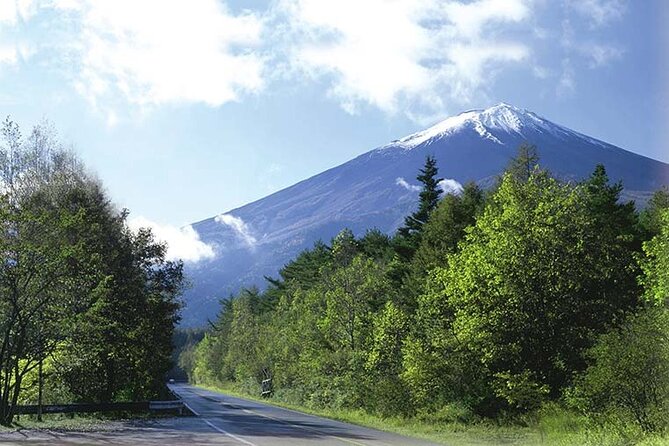
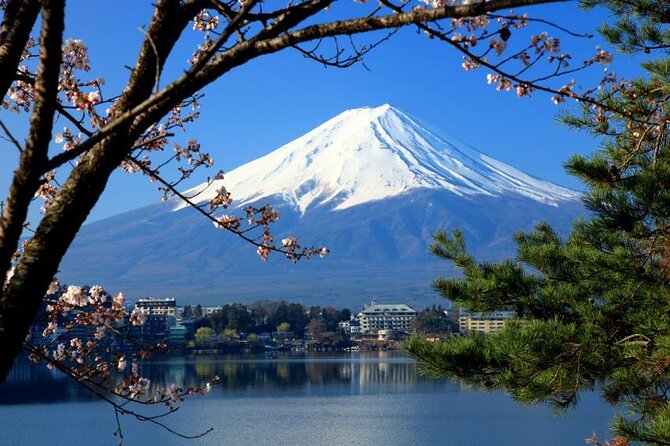
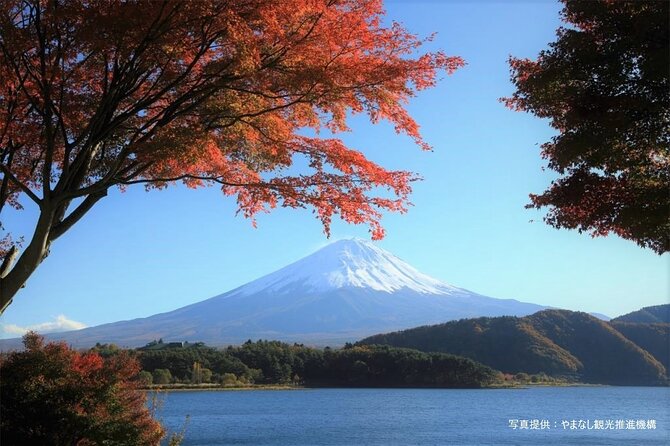
After Mt. Fuji 5th Station, you head to Oishi Park for about 30 minutes. This is one of those stops built around a specific kind of photo: Mt. Fuji towering beyond the lake. You do not need a photography degree here. If conditions are decent, the view does the work for you.
The short time window is a benefit and a limitation. It is a benefit because you stay efficient and avoid getting stuck when weather shifts. It is a limitation because if you want to wander far, you might feel rushed. I recommend you treat this as a “set your eyes, shoot smart, move on” stop.
If you are traveling with someone who cares about photos, this is likely the checkpoint you will both enjoy. The tone from people who loved the tour tends to focus on Oishi Park’s view quality, and that makes sense. It is the kind of place where even a casual snapshot looks right.
Fujikawaguchiko and lunch: the break that makes the day work
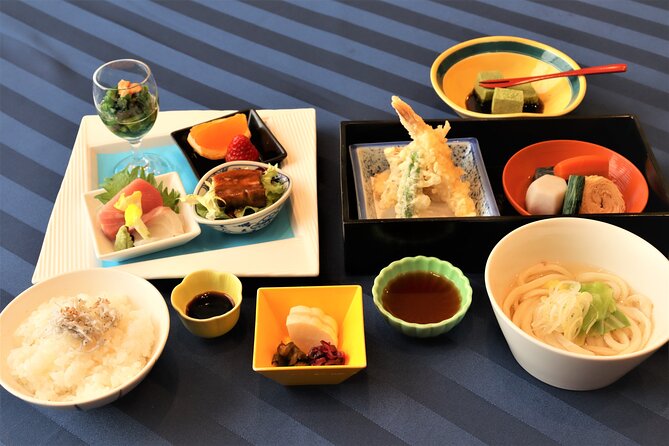
Next you reach Fujikawaguchiko, with lunch served at Hotel Regina Kawaguchiko or Highland Resort Hotel & Spa. The meal venue may change depending on restaurant circumstances, but lunch time is planned at about 50 minutes.
You get a choice: Japanese cuisine with meat and fish or a vegetarian meal option. Just note the important constraint: the data states that Muslim-friendly meals, allergy-friendly meals, gluten-free meals, and other special diets are not available. Also, you should not expect last-minute switches. If you need the vegetarian option, choose the correct tour code in advance.
I like lunch here because it breaks up the day in a realistic way. A Mt. Fuji trip is mostly waiting, walking, and looking. You need a scheduled reset that is not just convenience food from a station vending machine.
One more thing to keep your expectations right: lunch is included, but it is still a set-time stop. If you want to explore shops around the lake before the bus departs, you will likely have to wait for earlier or later free time, since the schedule is designed around getting you to the big pagoda viewpoint.

Lake Kawaguchi bridge crossing: window views without the hike
Between lunch and the final park, you cross the Lake Kawaguchi Ohashi Bridge. You may get glimpses of the lake from the bus window. This is not a long stay stop, so you do not control angles like you would at a waterfront walk.
Still, it is a useful moment. The bridge ride acts like a “visual buffer” between lunch and the steps. When you look out and see the lake stretch, you start understanding the geography around Fuji. A lot of Fuji photography is less about the mountain alone and more about the relationship between the peak and the water.
If the weather turns, the bridge ride can also be when you first notice. Fuji days can swing quickly, so keep your camera ready even if you think you already saw the best view.
Arakurayama Sengen Park and the Chureito Pagoda stairs
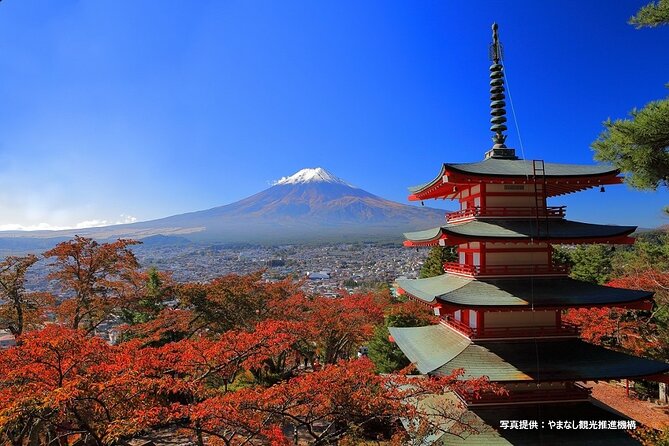
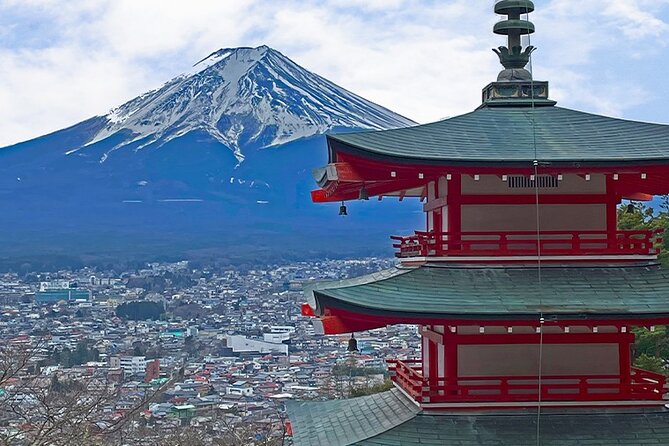
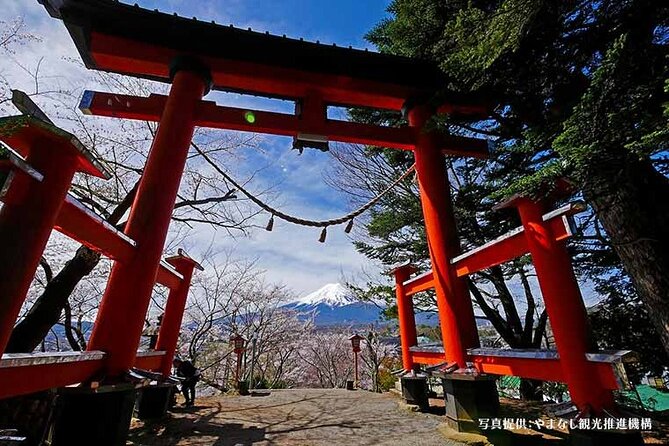
This is the spiritual and scenic payoff. You go to Arakurayama Sengen Park, also called Sengen Park, with about 1 hour 20 minutes on site. The main icon is the Chureito Pagoda, reached after climbing the stairway.
The stair count is specific: you climb about 398 steps to reach the scenic spot. The data also estimates about 15 minutes one way for the climb. That means your total time on site can vanish quickly if you go slow and stop often for photos. It is worth managing your pace.
The good news: the park gives you viewpoints even if you do not want to push all the way up. The tour notes that those not confident in stamina may have to wait for a few minutes at Sengen Shrine. That gives you an option, but you should think of the pagoda viewpoint as optional for mobility needs.
Seasonal context matters too. The itinerary notes cherry blossom timing as a highlight when in bloom. If you are visiting during seasonal peak, this stop can look like an entirely different place than on a grey day.
Weather rules you must know before you trust the forecast
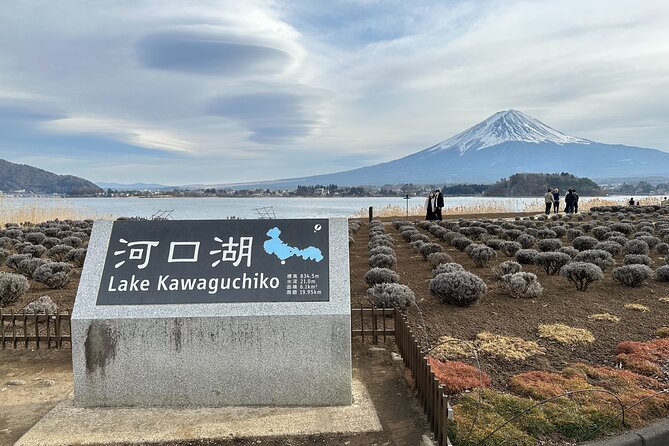
Mt. Fuji tours are at the mercy of weather, and this one is honest about it. The data states that Mt. Fuji may not be visible due to conditions, and the tour will not be canceled and refunds will not be issued for that reason.
There is also a road contingency plan. If Mt. Fuji’s 4th or 5th Station cannot be reached due to freezing road surface, an accident on the Fuji Subaru Line, weather conditions, or other reasons, the tour will be guided to Oshino Hakkai or the Fujisan World Heritage Center instead.
That matters for your planning mindset. Do not treat the 5th Station and views as guaranteed. Treat the itinerary as “Fuji region highlights, with adjustments.” If the substitute stops are unfamiliar to you, that is actually good. It means you still get cultural and scenic context even when Fuji hides behind clouds.
If you want the best odds, dress for cold and wind and bring a camera strap so you are not juggling gloves and gear. And keep a realistic attitude. The mountain is a living weather system, not a postcard machine.
Transportation comfort and how to handle the bus day
This is a long bus day, so comfort is not minor. The bus turns off heating and cooling while waiting, which can matter on a chilly Fuji day even if Tokyo feels mild.
You also might experience shared seating if the group has an odd number of members, according to the tour notes. That is not a deal breaker, but it helps to know you could be paired with someone at your stop. Keep your seatbelt fastened and get your essentials ready early, because you will likely be off and on the bus several times.
Also remember: the itinerary order can change due to road conditions or other reasons. Plan your schedule around the day’s start and end times, not around exact minute-by-minute location transitions.
Who this tour fits best
This is a strong match for:
- You want a one-day highlights tour without transit stress from Tokyo
- You like having a guide explain what you are seeing, not just dropping you at viewpoints
- You want lunch included with a straightforward Japanese or vegetarian choice
- You are physically okay with stairs at Arakurayama Sengen Park
It is less ideal if:
- You need a fully accessible route with no stair climbs
- You want lots of free time wandering without a schedule
- You are extremely sensitive to cold, since altitude and weather can shift fast
Price-wise, it also makes sense if you value your time. Paying a set fee for round-trip transport and guide interpretation can be easier than piecing together your own itinerary when you are juggling train schedules, transfer time, and timing around Fuji viewing windows.
Should you book this Mt. Fuji day trip?
Book it if you want a structured, guided day that hits the main icons: 5th Station, Oishi Park, Lake Kawaguchi area, and the Chureito Pagoda viewpoint. The value comes from the total package, lunch included, plus the licensed English interpreter handling the story so you are not guessing.
Skip or reconsider if you have mobility limits for stairs, or if you are the type who only enjoys a trip when Fuji is perfectly visible. This tour is clear that Fuji sight is weather dependent, and it will still run.
If you decide to go, my best advice is to treat it as a Fuji region experience, not just a mountain photo hunt. With the right attitude, you still get a lot, even on a day when the clouds play games.
FAQ
Is lunch included, and what options are available?
Yes. Lunch is included, with a Japanese cuisine meal option with meat and fish or a vegetarian meal option. The meal is served at Hotel Regina Kawaguchiko or Highland Resort Hotel & Spa, and the venue may change depending on restaurant circumstances.
What is the duration of the tour?
The tour lasts about 9 hours.
Where do I meet, and where do I return?
You meet at Shinjuku Station West Exit (West1, Chome 5, Nishishinjuku). The tour also returns with drop-off only at Shinjuku Station (West Exit), near around 5:30 PM.
Do I need to buy tickets for the sightseeing stops?
Admission tickets are listed as free for the main stops in the itinerary. Lunch and round-trip bus fare are included in the tour.
What happens if Mt. Fuji is not visible or the 4th or 5th station cannot be reached?
The tour may still run even if Mt. Fuji is not visible, and refunds are not given for that reason. If the 4th or 5th station cannot be reached due to conditions like freezing roads or other issues, the tour will be guided to Oshino Hakkai or the Fujisan World Heritage Center.
What is the cancellation deadline for a full refund?
You can cancel up to 24 hours in advance for a full refund. If you cancel less than 24 hours before the experience starts, the amount paid is not refunded.
More Lunch Experiences in Tokyo


More Tours in Tokyo

More Tour Reviews in Tokyo
Not for you? Here's more nearby things to do in Tokyo we have reviewed



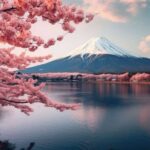
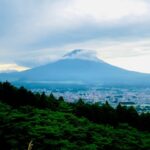


Mount Fuji Tours, side by side.
 ★ 5.0Mt Fuji and Hakone 1-Day Bus Tour Return by Bullet TrainFrom $16326,383 reviews
 ★ 4.0Mt Fuji & Hakone Cruise, Drum Show Bullet Train 1 Day from TokyoFrom $1497,413 reviews
 ★ 4.4Tokyo Mt Fuji 5th St & Hakone Cruise Bus Tour w/Bullet TrainFrom $1545,024 reviews
 ★ 4.5From Tokyo: Mount Fuji Full-Day Sightseeing TripFrom $684,970 reviews
 ★ 4.7Mt. Fuji Tour, Hakone Ropeway, Owakudani, Lake AshiFrom $544,002 reviews
 ★ 4.2Mt. Fuji 5th Station & Hakone Cruise 1-Day Bus TourFrom $1292,381 reviews
 ★ 4.7Mt Fuji Top 5 Spots Day Tour: Arakurayama Park,Oshino HakkaiFrom $532,066 reviews
 ★ 5.0Private Tour to Mt. Fuji and Hakone (Fully Licenced Operator)From $4971,910 reviews
This tour also belongs to