
Review · NIKKO DAY TRIPS
Nikko World Heritage 1 Day Tour
Nikko in a single day is a fast hit of gold, water, and mountain air. This tour takes you to the Toshogu Shrine tomb of Tokugawa Ieyasu and the famous 100-meter Kegon Falls, then adds a breather at Lake Chuzenji. It is built for people who want the highlights without spending your whole day planning trains.
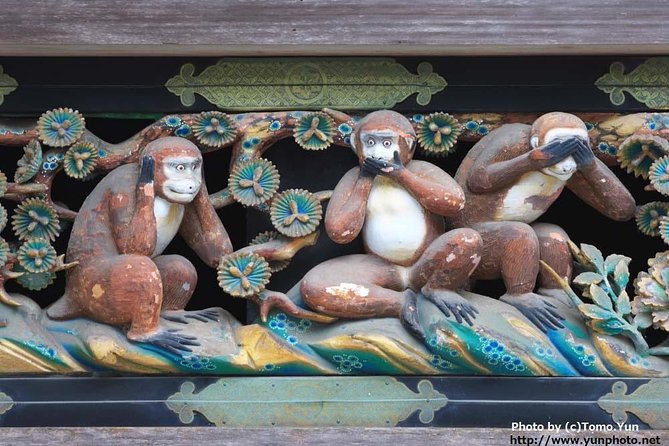
Two things I really like: first, you get guided context at Toshogu Shrine, including the Three Wise Monkeys and the shrine’s legends, so it feels more than just pretty buildings. Second, the day is structured, not chaotic, with a comfortable ride out of Tokyo and timed stops that keep you moving. One thing to consider, especially in bad weather: Nikko’s walkways and temple areas can mean lots of steps and slippery surfaces, and the schedule can shorten if traffic hits.
Key points to know before you go
- Toshogu Shrine is the star, with admission included and enough time to actually see the details
- Kegon Falls is quick, about 20 minutes, but it is still the kind of waterfall that sticks with you
- Lake Chuzenji is a scenic reset, also about 20 minutes, with a volcano-at-your-feet setting
- Tour comfort is real, with an air-conditioned bus and restroom breaks on the way (not on-board)
- Guides matter a lot, and the reviews mention strong storytelling from guides like Hide, Yumi, Kaori, Harry, Cozumi, and Toshio
- Rain can change the day, since the tour keeps running unless you are told otherwise, and walking can get tough
One-Day Nikko: What This Tour Gets Right
If you only have one day and want the best of Nikko, this plan is practical. You are not trying to time buses and tickets on your own. Instead, you are handed a clear route, with the big-ticket spots grouped into a single day trip.
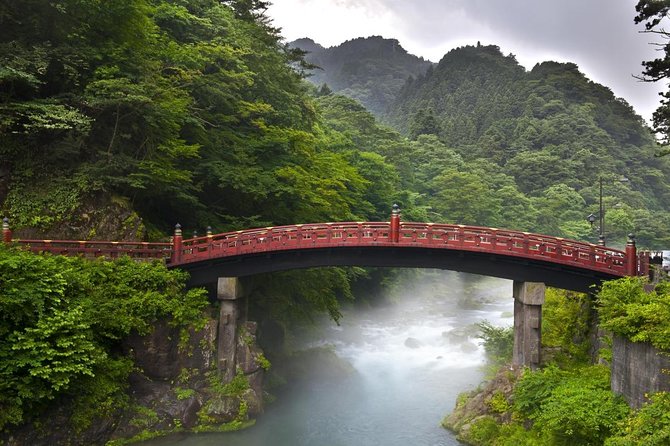
I like that the day is built around three very different Nikko moods. Toshogu Shrine is all crafted detail and symbolism. Kegon Falls is pure force and height. Lake Chuzenji is a calmer pause by the water, at the foot of Mt. Nantai. That mix keeps the day from feeling repetitive, even if you are on the move.
The trade-off is time. Your stops are short by design, and the tour is about doing the highlights efficiently. If you want hours to wander each area at your own pace, this may feel a bit brisk. Also, the tour depends on real-world timing. Traffic or weather can cause schedule adjustments, and those adjustments can cut down how long you get at each sight.
You can also read our reviews of more historical tours in Tokyo

Starting in Shinjuku: The LOVE Meeting Point and Bus Reality
The meeting point is in Shinjuku, at the Robert Indiana sculpture LOVE (6-chōme-5-1 Nishishinjuku, Shinjuku City). The tour starts at 8:30 am, so you are looking at an early morning if you are staying somewhere other than central Tokyo.
You ride in an air-conditioned vehicle. Seat belts are required, since Japanese law applies on the bus. There is a mobile ticket, so you should plan to have your phone charged and ready for check-in.
One practical note: there is no restroom on the board. That means you need to treat restroom planning seriously. A review described rest stops about halfway there and back, around 15 minutes, for quick breaks and snacks. That is a good sign, but you should still pack your own basics because the tour does not include on-board convenience.
Group size can vary. The tour lists a maximum of 80 travelers, and in smaller groups you may ride in a mini van for part of the transport. In one review, the group was about 10 people, which is a reminder that your experience can feel more personal depending on how many people book.
The Ride From Tokyo: Comfortable, But Build Your Day Around It
This is a 10 hours 30 minutes tour, about an entire day. Reviews mention around a 2.5 hour bus ride each way, which matches the general feel of Tokyo to Nikko planning. Plan your timing as a “go early, come back late” kind of day.
The upside of the bus format is stress-free logistics. You do not need to swap trains, find platforms, and calculate connections with limited time. Plus, the guide fills the travel time with history and directions, which helps you arrive at Toshogu Shrine with your bearings.
The downside is that you are sharing the road with traffic, weather, and the limits of group pacing. The tour says it may shorten sightseeing time if traffic causes delays, and shopping time, if any, can get cut too. In other words, the itinerary is fixed enough to guide you, but flexible enough to keep the group moving.
Toshogu Shrine: Gold, Three Wise Monkeys, and Tokugawa Ieyasu
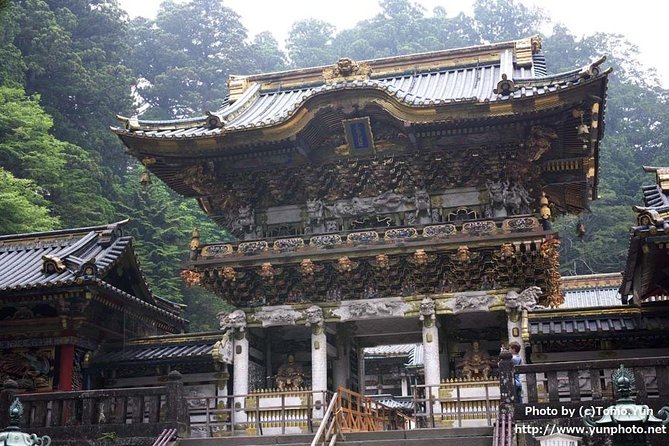
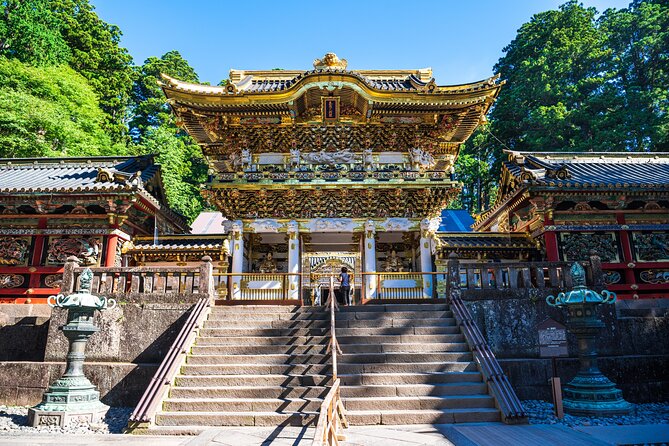
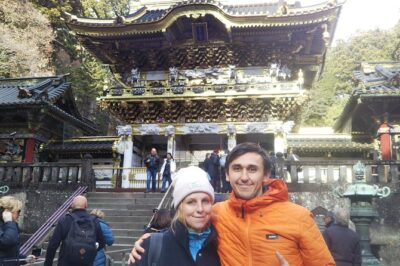
Toshogu Shrine is the reason most people make the trip. Admission is included, and the scheduled time at the shrine is 2 hours. That sounds short until you experience how much is packed into the grounds. You will want those two hours because the site is dense with carvings, color, and architectural details.
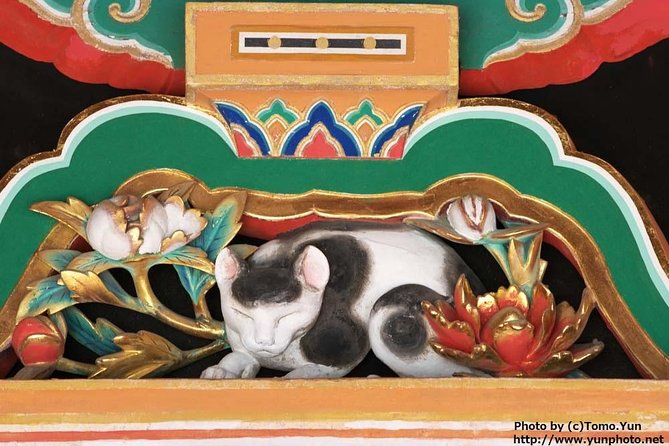
The shrine is described as one of Japan’s most gorgeous shrines, and the focus makes sense. Expect gold leaf decorations, animal carvings, and the tomb area of Tokugawa Ieyasu, one of the most famous shogun figures in Japanese history.
One of the most recognizable details is the set of Three Wise Monkeys, which often becomes a quick photo stop. What makes it more satisfying is having context from your guide. Multiple reviews highlighted how guides did more than point out sights. They told stories that made the symbols easier to notice and understand, with named guides like Hide, Yumi, Kaori, Harry, Cozumi, and Toshio mentioned in feedback.
A practical reality check: this is a shrine visit with walking and stairs. One review warned clearly to be ready for lots of steps. Another review had a rough day due to heavy rain, with a long walk to the temple area, steep sections, and steps that can get slippery. If mobility is limited, or if you know you struggle on uneven ground, plan accordingly. You might still enjoy Toshogu, but you should set expectations for movement.
Also, if you are worried about hearing your guide, take advantage of positioning. On days with crowds, sound can be spotty. Reviews included one mention of the guide being hard to hear at times. Standing closer to the front during explanations can help you catch the key points.
Kegon Falls: A 20-Minute Punch of 100-Meter Power
Kegon Falls is listed as one of Japan’s top waterfalls, and the headline is simple: 100 meters. Your time here is about 20 minutes, and the admission is free.
Because it is short, treat this stop like a focused mission. Go in with a photo plan, pick a viewing spot quickly, and then take a few minutes to really watch the flow. You will get more value if you do not spend the entire window figuring out where to stand.
In rain, the experience can shift from awe to caution. The tour keeps running in weather unless you are notified otherwise, so you may face wet steps or crowded paths when everyone shows up with umbrellas. If the weather looks rough, pack something grippy for your shoes. Shoes that let you walk smoothly are specifically recommended, and it matters here.
The good news: even if you only see it briefly, Kegon Falls is the kind of sight that registers immediately. You do not need a long meditation session to appreciate height and power.
More Tokyo tours and experiences for the shortlist




Lake Chuzenji: Quick Breath by the Water Under Mt. Nantai
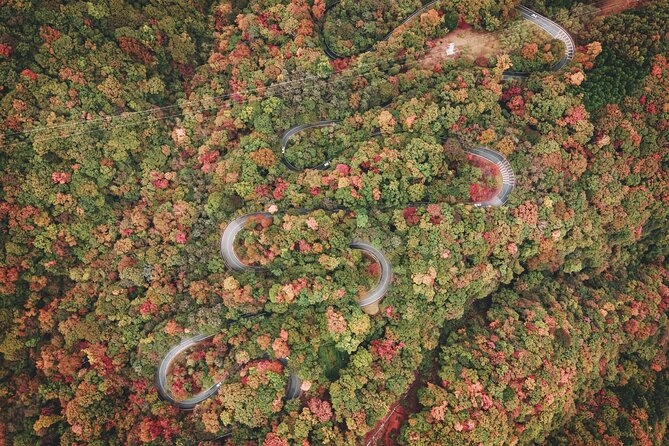
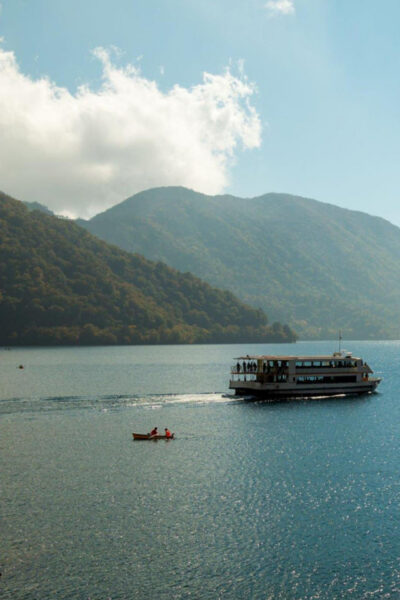
After the waterfall rush, you get a break at Lake Chuzenji for about 20 minutes. Admission is free here as well, and the setting is a big part of why people love the Nikko region.
The lake is described as iconic, at the foot of Mt. Nantai, an active volcano. You are also told there is a temple and former embassies by the shore. Even with only a short stop, the point is to swap thunder for calm and get your eyes onto something wider than shrine carvings and waterfall mist.
What can you do with 20 minutes? Think of it as a stretch and reset. Walk a bit to get a view, breathe for a moment, and then head back before your group moves on. This short pause can make the rest of the day feel less rushed when you get back on the bus.
If the sky is clear, this stop tends to feel extra worth it. If it is cloudy or rainy, you still get the mood change, but plan for fewer outdoor linger moments.
Lunch Options: When +Lunch Changes the Value
Lunch is included only if you select the +Lunch option. The tour says the included lunch is a Japanese-style lunch, and that means the meal is part of the package if you want it.
In one review, the bento lunch was enjoyed enough that the writer felt it was part of the experience. In another, the writer skipped the organized lunch and found food on their own, which suggests you have flexibility if you prefer local choices.
Here is my practical take: if you want to keep the day simple, choose +Lunch. When timing is tight, a provided meal can prevent the “we need to eat right now” scramble. If you have dietary needs or you love specific foods and you can navigate quickly, skipping lunch can work, but you should be ready to find something near where you are and not lose time.
Also, bring your own water if you can. One review specifically said no water was provided and to bring a lot of your own. Even if your tour provides snacks at rest stops, water is one of those small comforts that can make a big difference when you are walking and waiting.
Timing, Return Location, and Traffic That Can Cut the Day
The tour runs regardless of weather or traffic conditions unless you are told otherwise by the local operator. That is a big deal in Nikko. A “keep going” approach can be great when the day is clear. It can also be brutal when rain hits hard.
Schedule changes are possible. The tour notes that if there is traffic congestion or other uncontrollable reasons, the route or sightseeing times can be shortened. That also includes the possibility of cutting shopping time in an outlet if delays occur. The goal is to keep the day moving, even if it means you lose a few minutes at a stop.
Return logistics matter too. The tour ends in a different location than where you start, and you cannot change the scheduled return location after the tour. If you plan to stay in Nikko overnight, you can request getting off in front of Tobu Nikko Station at the end. That is a nice option because it turns this day trip into a smoother multi-day plan.
Bottom line: this tour is best if you accept that a group day trip is part planning, part reality check.
Price and Value: Is $118.36 a Good Deal?
At $118.36 per person, this is not a cheap outing. But it is also not just a bus ride. You are paying for guided narration, transportation out of Tokyo and back, and included admissions at Toshogu Shrine.
The value argument is strongest if you do not want to manage logistics yourself. Tokyo to Nikko is doable by public transit, but it takes work to coordinate, and the day gets long fast. Paying for the tour buys back time, clarity, and less stress.
You are also buying the structured “highlight loop.” Many day trips fall apart because you spend too long commuting and not enough time actually seeing the sites. This one is intentionally built around Toshogu, Kegon Falls, and Lake Chuzenji.
The only reason the price might feel off is if the weather tanks the day or if traffic squeezes the shrine time. Reviews include negative experiences tied to late departures and shortened time at Toshogu Shrine. That is not something you can control, so your best defense is planning for rain and being flexible about the pace.
Who This Tour Fits Best (and Who Might Want to Skip)
This tour fits best if:
- you are short on time in Tokyo and want a one-day Nikko highlights hit
- you like the idea of guided context at Toshogu Shrine, not just wandering on your own
- you want a comfortable vehicle and a day plan that handles the big decisions for you
It may not fit as well if:
- you hate walking on steps and uneven surfaces, especially in rain
- you need restroom access on the bus itself (since it is not provided)
- you want long, slow time for each site rather than quick “see the main sights” windows
- you are sensitive to schedule changes caused by traffic
For first-time Nikko visitors, this is a strong way to get your bearings. Even if you return later for deeper exploring, this tour helps you understand what each place is for.
Practical Tips: What to Bring for Rain, Steps, and Cold
Nikko can be colder than Tokyo, and in colder season you should bring winter clothes. Even if the city forecast looks mild, Mt. Nantai region weather can feel different once you are moving into the hills.
Wear shoes that enable walking smoothly and easily. This is not a “dress up” day. It is a “sturdy shoes and calm nerves” day.
If rain is possible, pack:
- a compact rain jacket or poncho
- grippy footwear (or at least non-slippery soles)
- a small bag you can keep dry for your phone and ticket
Umbrellas can get annoying in crowds, and rain can make steps slick. You will do better if you protect your footing first, then worry about photos.
Finally, bring water. One review called it out directly. You may have restroom breaks and snack stops, but water is one of those essentials you should not rely on.
Should You Book This Nikko World Heritage Day Tour?
I would book this tour if you want a guided, efficient day to see Toshogu Shrine, Kegon Falls, and Lake Chuzenji without turning your trip into a transit puzzle. The highlights are exactly the kind of places you want to hit in a single loop, and the guides listed in reviews, like Hide and Yumi, sound like they can make the stories land.
Skip or reconsider if you have limited mobility, you need a restroom on the bus, or you know you get miserable in rain and crowds. This is a day with steps, walking, and outdoor time, and the tour keeps moving unless you are notified.
If you are deciding right now, my advice is simple: check the weather, pack for slippery steps, and go in expecting a highlight tour pace. If you do that, you stand a great chance of leaving Nikko with photos you genuinely care about and stories you can explain later.
FAQ
What time does the Nikko World Heritage 1 Day Tour start, and how long is it?
The tour starts at 8:30 am and runs for about 10 hours 30 minutes.
Where is the meeting point in Tokyo?
You meet at the Robert Indiana sculpture LOVE at 6-chōme-5-1 Nishishinjuku, Shinjuku City, Tokyo 160-0023, Japan.
Is admission to Toshogu Shrine included?
Yes. Toshogu Shrine admission is included in the tour.
Is lunch included, and what type is it?
Lunch is included only if you select the +Lunch option. The included meal is a Japanese-style lunch.
Is there a restroom on the bus?
No. The tour does not include a restroom on board.
Can I get a full refund if I cancel?
Yes. You can cancel up to 24 hours in advance of the experience for a full refund. If you cancel less than 24 hours before, the amount paid is not refunded.
More Historical Tours in Tokyo
More Tours in Tokyo



More Tour Reviews in Tokyo

Not for you? Here's more nearby things to do in Tokyo we have reviewed












Nikko Day Trips, side by side.
 ★ 4.6Nikko: Kegon Falls, Lake Chuzenji & Toshogu TempleFrom $891,577 reviews
 ★ 4.5Nikko Toshogu Shrine and Kegon Waterfall TourFrom $841,266 reviews
 ★ 5.0Nikko Full-Day Private Tour with Government-Licensed GuideFrom $155259 reviews
 ★ 4.9From Tokyo: Nikko World Heritage Site Private Full-Day TripFrom $483243 reviews
 ★ 4.3Nikko: Edo Wonderland Edomura Cultural Theme Park TicketFrom $35205 reviews
 ★ 4.8Nikko World Heritage Private Day Trip Hotel Pick-upFrom $390145 reviews
From Tokyo: Nikko World Heritage Sight Full Day Private TourFrom $362127 reviews
★ 4.8Nikko World Heritage Private Day Trip Hotel Pick-upFrom $390145 reviews
From Tokyo: Nikko World Heritage Sight Full Day Private TourFrom $362127 reviews
 ★ 4.9Nikko – Beautiful Full-Day Personal and Private TourFrom $364119 reviews
This tour also belongs to