
Review · NIKKO DAY TRIPS
Explore the Culture and History of Nikko with this Private Tour
Nikko is history you can walk through. This private trip takes you from Tokyo into UNESCO World Heritage Nikko, where shrines, emperors, and mountain scenery all share the same day. You’ll also get time for big nature hits like Lake Chuzenji and Kegon Falls, famous in any season.
I especially like how Nikko Toshogu Shrine turns Tokugawa-era power into something you can see up close, not just read about. I also really enjoy the pacing that mixes sacred stops with views from the Irohazaka area, plus a proper break at Lake Chuzenji before you reach the waterfall.
One thing to consider: major entrance fees are not included (Toshogu and Kegon Falls), and lunch is on your own, so you’ll want a bit of extra budget for the day.
Quick hits you will feel right away
- Private pacing for 8 to 10 hours: your schedule stays flexible within the route.
- Toshogu’s Tokugawa focus: a memorial to Tokugawa Ieyasu, enshrined at the shrine as Tosho Daigon.
- Tamozawa Imperial Villa: 106 rooms and a blend of Edo and early Meiji architecture.
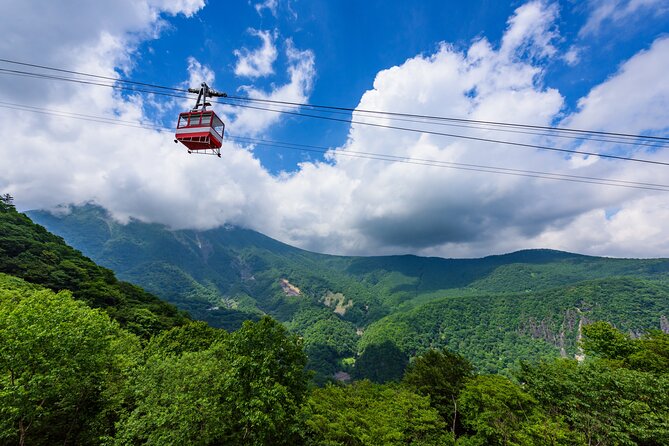
- Scenic stop at Akechidaira: quick views over the Irohazaka winding road and the valley.
- Chuzenji at altitude: a high natural lake (1,269 meters) with a long perimeter trail, even if you only have a short visit.
- Kegon Falls: nearly 100 meters tall, one of Japan’s best-known waterfalls.
Why Nikko matters, beyond the photo stops
Nikko has a special pull because it sits at the crossroads of religion and nature. For a long time, Buddhist and Shinto practitioners have been coming here, attracted by mountains, water, and the sense that the environment has meaning.
Then there’s the Tokugawa connection. Nikko is also the final resting place tied to Tokugawa Ieyasu, the founder and first shogun of the Tokugawa shogunate. That matters because it explains why the shrine complex is so grand. You’re not just visiting a historic building, you’re stepping into a deliberate statement of authority and devotion that lasted centuries.
And yes, the scenery helps. Nikko is famed for fall foliage, but it’s also impressive in other seasons. Even if you’re not there for autumn color, you’ll still get big mountain views, lake air, and the kind of waterfall drama that makes people stop mid-sentence.
You can also read our reviews of more private tours in Tokyo
Traveling in a private group: the value math you should do first
This is priced at $877.92 per group for up to 9 people. That sounds high on paper, but private day trips in Japan add up fast once you factor in car time, comfort, and a guide who can handle logistics.
The value question is simple: divide the group price by how many people are in your group.
- 2 people: about $439 each, before entrance fees and lunch
- 4 people: about $219 each
- 6 people: about $146 each
- 9 people: about $97 each
Your cost is also more controlled than with public transport because the tour includes private transportation, air-conditioned comfort, WiFi on board, plus snacks and bottled water. You still pay the site entrance fees separately, and lunch is not included, but you avoid the annoying parts of DIY travel like timing buses, transfers, and finding the right doors once you get there.
This is also the kind of tour where your small requests can matter. In practice, guides have a habit of adjusting to what you actually want to see and how much walking you feel like doing that day. The private setup is what makes that possible.
Stop 1: Nikko Toshogu Shrine and Tokugawa Ieyasu made visible
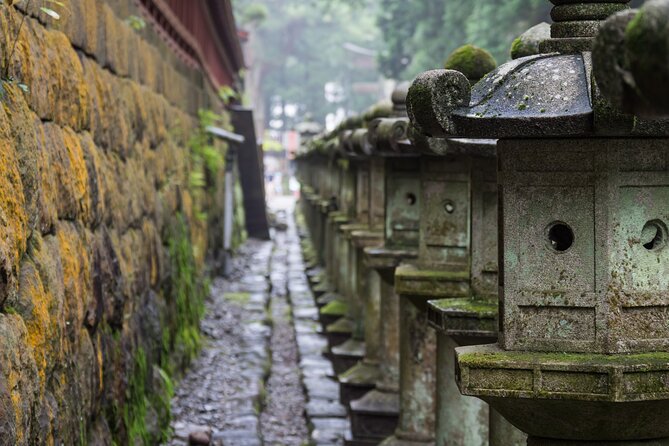
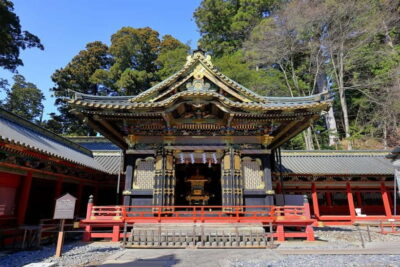
Your first real anchor is Nikko Toshogu Shrine, with about 1 hour 30 minutes on site. This is the big name for a reason. Toshogu is a magnificent memorial tied directly to Tokugawa Ieyasu, who ruled through the Tokugawa shogunate for over 250 years until 1868. At Toshogu, Ieyasu is enshrined at Tosho Daigon, so the whole complex reads like devotion plus political symbolism.
What makes this stop feel worthwhile is how concentrated it is. You don’t spend a lifetime drifting through random historic buildings. You’re focused on one place that compresses a lot of meaning into a walkable shrine experience. If you care about Japanese history, this is the moment where dates stop being abstract.
Practical note: the shrine entrance fee is ¥1,600 per person and it is not included in the tour price. Plan to pay that on the day. Also, budget energy for slow walking and photo pauses. Even in good weather, you’ll likely be sharing paths with others, so go in expecting a steady flow rather than quiet solitude.
Stop 2: Tamozawa Imperial Villa Memorial Park for Edo and Meiji contrasts
Next up is Nikko Tamozawa Imperial Villa Memorial Park, with around 40 minutes. This stop is a good counterweight to Toshogu because it shifts from shogunate religious symbolism to imperial residence life.
Tamozawa Imperial Villa blends traditional Edo and early modern Meiji Period architecture, spread across 106 rooms. It was erected in Nikko in 1899, and parts were built using elements from a residence that originally stood in Tokyo. That detail matters, because it explains why the villa feels like more than one time period at once.
What I like about adding this stop is that it widens the story. Even if your main interest is Tokugawa history, the villa helps you see how the area kept evolving as Japan changed. It’s also a relief if you want something slightly less intense than shrine crowds and detailed ceremonies.
Watch the time here. Forty minutes goes quickly if you want photos, a slow look at architectural features, and time to read plaques. If you tend to linger, this is the stop where you might choose fewer rooms and focus on what you find most striking.
Stop 3: Akechidaira Observation Area above Irohazaka
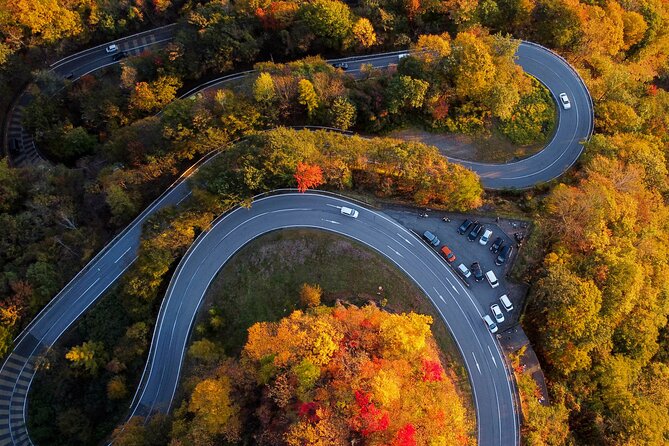
After the cultural stops, you get a viewpoint moment at Akechidaira Observation Area, about 30 minutes. It sits near the top of the ascending Irohazaka Winding Road, and there’s a free observation area by a parking lot.
The payoff is the angle. From here, you get views onto the Irohazaka curves and the valley below. It’s the kind of scene that makes you understand why this region became a destination for worship and retreat. Mountains and water are not background. They shape the whole experience.
This stop is also practical if you have limited time for hiking. You get a strong view without needing to commit to a long trail, which is important because the rest of the day includes shrine walking and another stop with entrance fees.
You can also read our reviews of more historical tours in Tokyo

Stop 4: Lake Chuzenji at 1,269 meters, with a short reset
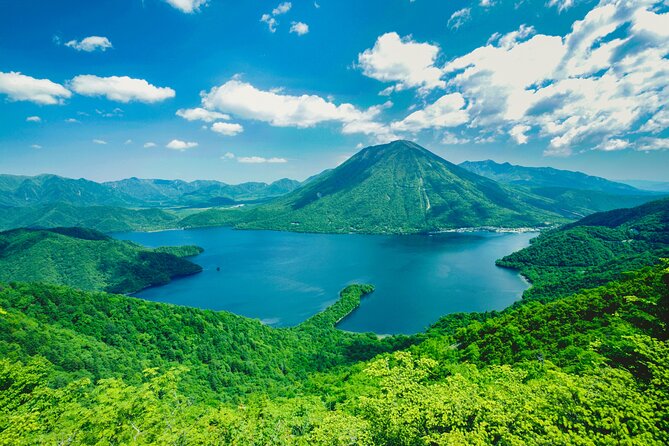
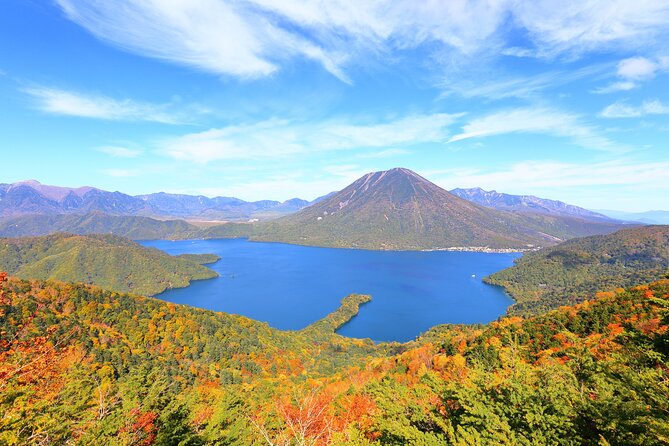
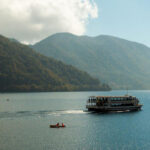
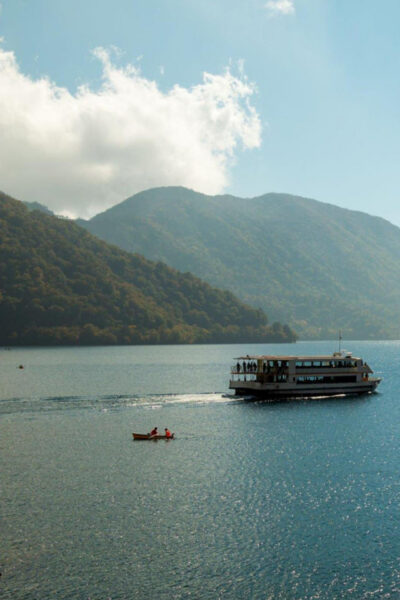
Then comes Lake Chuzenji for about 30 minutes, and it’s included at no extra ticket cost. This is Japan’s highest natural lake at an altitude of 1,269 meters. The lake was formed about 20,000 years ago by an eruption of Mt. Nantai, which gives the scenery a deeper origin story than it first appears.
There’s also a 25-kilometer hiking trail along the perimeter. You won’t cover that in a half-hour, but even a short walk or a lakeside pause can change how you feel about the region. You’re not just rotating between monuments anymore. You’re letting the mountain atmosphere catch up with you.
What I find smart about this stop is the pacing it creates. After shrine and villa walking, it gives you a breather. It’s also a good place to regroup if weather shifts. Cloud cover, sunlight breaks, and mist can all change how the lake and surrounding slopes look in a single hour.
Stop 5: Kegon Falls, nearly 100 meters of impact
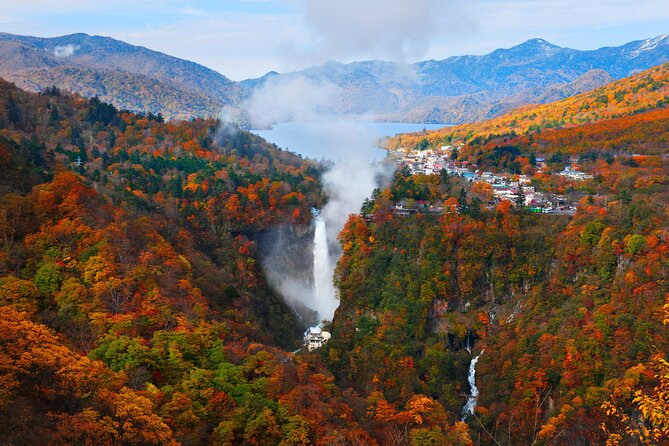
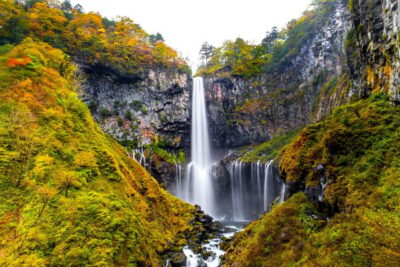
The last major visual stop is Kegon Falls, around 30 minutes. The waterfall is almost 100 meters tall and is one of Nikko’s most famous falls. It’s often mentioned alongside other legendary Japanese waterfalls such as Nachi Waterfall in Wakayama Prefecture, which tells you this is not a small roadside stop.
The entrance fee for Kegon Falls is ¥600 per person and is not included. If you have a group budget, add this in now so it doesn’t surprise you later at the ticket gate.
Why this stop works even for short visit times: waterfalls are honest. You don’t need perfect explanations to know what you’re seeing. But timing matters. If the water flow is strong, it feels dramatic and powerful right away. If it’s low, the experience can still be memorable, but the “wow” depends more on your angle and the day’s conditions.
If you’re someone who likes quick photo strategy, you’ll probably want to arrive ready. A thirty-minute window means you should pick your viewpoint quickly and then use the rest of the time for relaxed photos and a slow soak of the atmosphere.
The food side: plan for yuba and trout, but know lunch is on you
Nikko is known for local cuisine like yuba (tofu skin) and Rainbow trout. This tour includes snacks and bottled water, so you’re not relying on finding something immediately between stops.
However, lunch is not included. In practice, a strong guide can still help you make good choices when lunch time arrives, such as steering you toward a satisfying spot nearby. The key is simple: treat lunch as part of your personal schedule and be ready to pay separately.
If you have dietary needs, decide ahead of time how strict you need to be. Yuba and trout are common, but restaurants vary. A quick message before the day can help your driver or guide pick a safer option.
Guides and driver insight: what “private” really changes
Private tours sound like a checkbox, but the difference is what happens during the ride. You’re in a vehicle with WiFi, air-conditioning, and snacks, so you start the day with less stress. More importantly, you can ask questions and get real-world guidance instead of relying on guesswork.
Some guides associated with this service have stood out for hands-on planning and useful context. For example, Hitoshi has contacted guests in advance to understand what they care about, then adjusted the day accordingly. Roberto, in at least one case, used fluent English and added historical background plus interesting vignettes while keeping the day moving. Ryoko (listed as Riley in one booking) was also praised for being phenomenal and for making seasonal details feel personal.
Even if you don’t get any particular guide, the pattern is clear: the best experience comes when you communicate two things early. Tell your guide what you most want, and tell them your pace. Then they can shape the day around you within the fixed stop structure.
What a full day in 8 to 10 hours feels like
The tour runs about 8 to 10 hours total. That range matters because Nikko is not next door to Tokyo. You’re trading some comfort time in the car for a day packed with major highlights.
A helpful way to think about it:
- You’ll spend time walking in the cultural sites, especially around Toshogu
- You’ll have short photo and viewpoint windows at Akechidaira and Chuzenji
- You’ll finish with Kegon Falls, where the experience is quick but memorable
If you’re prone to getting tired on full-day sightseeing tours, this schedule is manageable because many stops are short. But you still need good footwear. Uneven stone, crowds near attractions, and weather changes can make a difference over several hours.
Price and logistics, the part you should not ignore
Let’s translate the price into what you’re actually buying. The group rate covers private transportation, bottled water, snacks, WiFi on board, and the tour itself. The two major extra costs are:
- Toshogu Shrine entrance fee: ¥1,600 per person
- Kegon Falls entrance fee: ¥600 per person
- Lunch (not included)
So the true cost depends on your group size and your lunch choices. If you’re traveling with 5 to 9 people, this can be very efficient compared to paying for separate taxis or trying to stitch together trains and buses plus entrance management. If you’re traveling as a couple, it’s still a workable premium for comfort and control, especially if you hate rushing.
Also, your tour uses mobile tickets, which is helpful for avoiding lost paper and last-minute confusion. You’ll still pay the site entrances separately, but the day itself should feel smoother.
Who this Nikko private tour suits best
This is a great fit if you:
- Want a focused day in Nikko without spending your time sorting out transport
- Care about the historical anchors like Tokugawa Ieyasu and Nikko’s religious landscape
- Like nature stops that actually match the region’s reputation, not just quick roadside photo breaks
- Prefer a private car and the option to ask questions in real time
It may be less ideal if you want long hiking time or a slow museum-style pacing. The structure is strong for highlights, not for deep study at each stop.
If you’re visiting Japan for the first time and Nikko is on your must-see list, this tour gives you a lot of the famous hits in one day, while still leaving room for scenic pauses.
Should you book this Nikko tour?
I’d book it if your goal is a high-value day that blends Toshogu Shrine, an imperial-villa counterpoint, and real nature moments at Chuzenji and Kegon Falls. The private setup, snack and water support, and guided context make it feel easier than DIY, especially when you’re trying to hit several top sights in one go.
I’d think twice if your budget is tight because entrance fees and lunch add on. Also, if you want silence and long wandering time, be aware that major Nikko attractions draw crowds, and the schedule is built for efficient viewing rather than solitude.
If you like well-paced sightseeing where the big cultural landmarks and the mountain scenery both matter, this is a smart way to experience Nikko in a single day.
More Private Tours in Tokyo
More Tours in Tokyo





More Tour Reviews in Tokyo


Not for you? Here's more nearby things to do in Tokyo we have reviewed












Nikko Day Trips, side by side.
 ★ 4.6Nikko: Kegon Falls, Lake Chuzenji & Toshogu TempleFrom $891,577 reviews
 ★ 4.5Nikko Toshogu Shrine and Kegon Waterfall TourFrom $841,266 reviews
 ★ 5.0Nikko Full-Day Private Tour with Government-Licensed GuideFrom $155259 reviews
 ★ 4.9From Tokyo: Nikko World Heritage Site Private Full-Day TripFrom $483243 reviews
 ★ 4.3Nikko: Edo Wonderland Edomura Cultural Theme Park TicketFrom $35205 reviews
 ★ 4.8Nikko World Heritage Private Day Trip Hotel Pick-upFrom $390145 reviews
From Tokyo: Nikko World Heritage Sight Full Day Private TourFrom $362127 reviews
 ★ 4.9Nikko – Beautiful Full-Day Personal and Private TourFrom $364119 reviews
This tour also belongs to