
Review · MOUNT FUJI TOURS
Mt. Fuji, Hakone Full-Day Private Tour with English Driver Guide
Mt. Fuji day trips can be a circus. This one is built for hassle-free private touring, with hotel pickup, an English driver guide, and a route that hits both Fuji Five Lakes and Hakone in one long day. The big appeal is that you’re not stuck with trains and station transfers, and you can move at a pace that fits your group.
I especially like the practical side: one vehicle between sights means less waiting around for taxis and less time lost figuring out where to stand and when. Another win is the variety, because you’ll see Fuji up close from the 5th station area, then switch to lakes, volcanic steam, and shrines, and even get an included hour at Fuji-Q Highland. One caution: it’s a 10-hour day with lots of short stops, and the best views depend heavily on weather, so you’ll want to plan for gray skies and quick photo windows.
From what I’ve learned, guide quality can make a big difference. Some guides, like Hussain and Nomi, are praised for being flexible, while others (including Rana, Hassan, Sunny, Adeel, and Ali Zain) are remembered for either strong explanations or friendly momentum like early starts and good timing. If you’re the type who expects a full, on-your-feet guided tour at every location, you’ll want to set that expectation clearly, because this can run more like chauffeur-led touring than a hands-on docent tour in some cases.
Key things to know before you go
- Hotel pickup and drop-off from the Tokyo area saves you the hardest part, getting out and back.
- Private group up to 7 makes it workable for families and small groups that want control over pacing.
- Fuji 5th Station plus Fuji Five Lakes gives you both a classic climbing viewpoint and lake views.
- Hakone volcanic valley and Lake Ashi shrines turn the day from sightseeing into atmosphere.
- Optional ropeway and cruise on Kawaguchiko can replace indoor time if the weather is kind.
- Tour success depends on weather and timing, because most stops are short.
Private Tokyo-to-Fuji-and-Hakone touring, without the transfers headache
This is the kind of trip that makes Tokyo feel smaller. You start with pickup, then spend the day in an air-conditioned vehicle moving efficiently between major areas. That matters because a Fuji-and-Hakone combination is difficult with public transit unless you like slow connections, station hunting, and strict timetables.
The “private” part is also more than a marketing word. You’re not herded into a fixed bus schedule with everyone chasing the same photo angle. Instead, the driver guide can suggest the best fit spots as the day unfolds, and you can often tweak the plan to match what your group cares about most. I like that this flexibility is built in, not promised in a vague way.
The tradeoff is that you still have a fixed 10-hour block. Even with a private car, you can’t beat physics: it takes time to drive between Fuji and Hakone, and most stops are built around quick windows rather than long wandering sessions.
You can also read our reviews of more guided tours in Tokyo

Price and logistics: how $495.51 per group can work (or not)
The price is $495.51 per group, up to 7 people. That means your per-person cost changes a lot depending on how many of you book. If you fill most of the car, it can start to feel like a smart way to buy convenience. If you’re only 2 or 3 people, it’s still a legitimate private day, but you’re paying more per person for the comfort and the direct door-to-door pickup.
Also pay attention to what’s included and what’s not:
- Included: air-conditioned vehicle, highway toll tax, gasoline, and an English-speaking driver guide.
- Included: pickup and drop-off in the Tokyo area, and you can also be dropped in the Mt. Fuji or Hakone area.
- Included: mobile ticket.
Not included costs can quietly add up:
- Mt. Fuji 5th Station admission: ¥2,100 per person.
- Ropeway cable car or ship cruise: listed as not included, with a $15 per person note for activities like these.
- Lunch and dinner are not included.
If your priority is seeing Fuji clearly and making time for one or two paid activities, this pricing structure can still be fair. Just go in knowing you’ll likely pay a few entry fees and add-ons, especially at the viewpoints and lake activities.
Finally, there’s a practical limit: overtime costs 5,000 yen per extra hour after the 10-hour window. In other words, if you’re aiming for a late lunch stop or you get slowed by weather, plan to keep the day moving.
Your day’s route in plain English: what each stop feels like
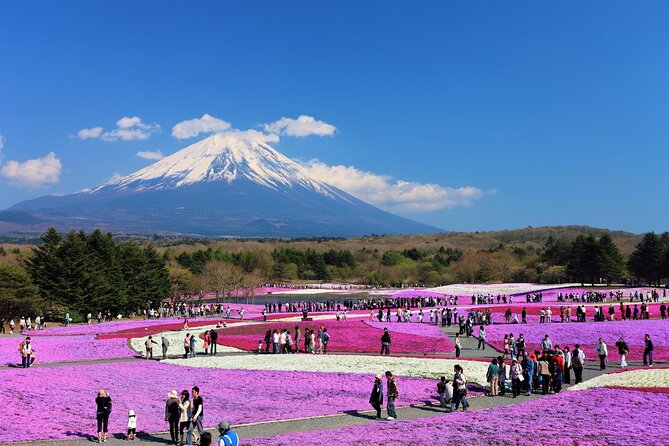
This tour is packed, and that’s the point. You’re essentially doing a greatest-hits tour across two regions that usually need separate days.
Stop 1: Mt. Fuji Subaru Line 5th Station
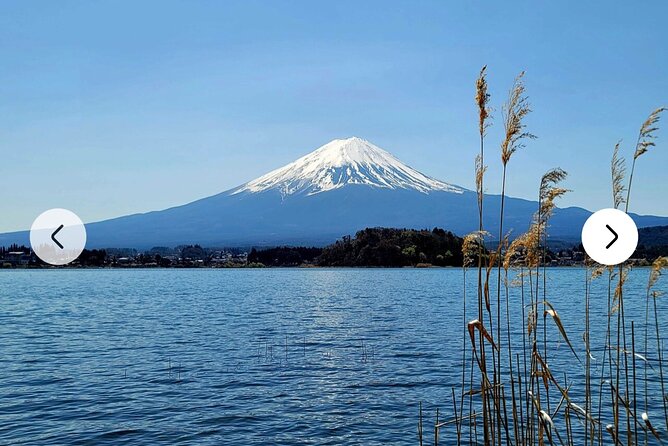
This is your “classic” Fuji moment. You’ll reach the Subaru Line 5th Station area at about 2,300 meters altitude. If the weather is cooperative and not rainy, you get a close view of Fuji and you’ll see plenty of souvenir shopping.
This is also a natural checkpoint for anyone who’s thinking about what it would be like to climb. The trip is not about hiking, but it helps you understand why climbers treat this zone as a gateway.
The drawback is visibility. Fog and cloud cover can swallow the view fast, so treat this as a photo and orientation stop, not a guaranteed masterpiece.
Stop 2: Lake Kawaguchiko
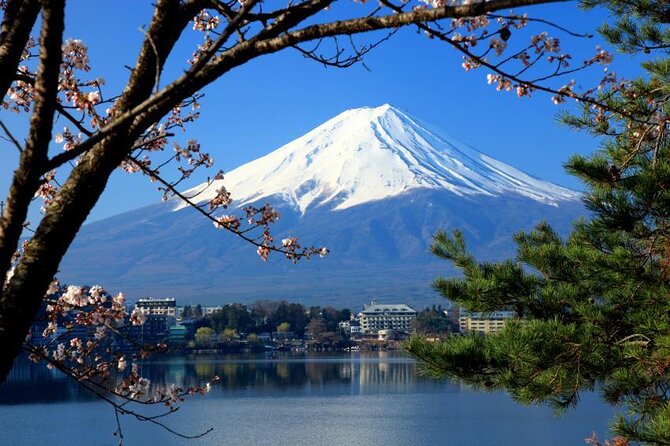
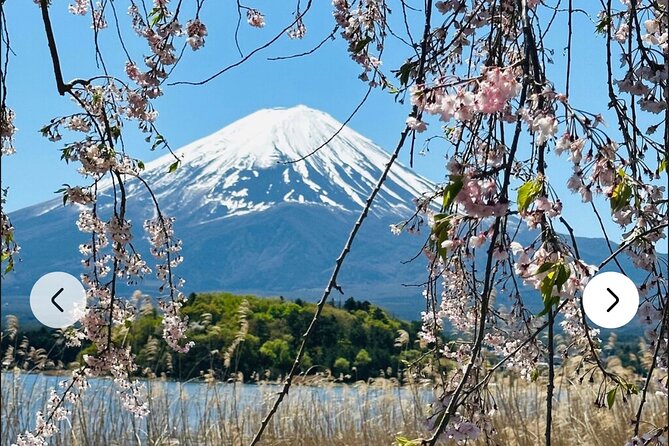
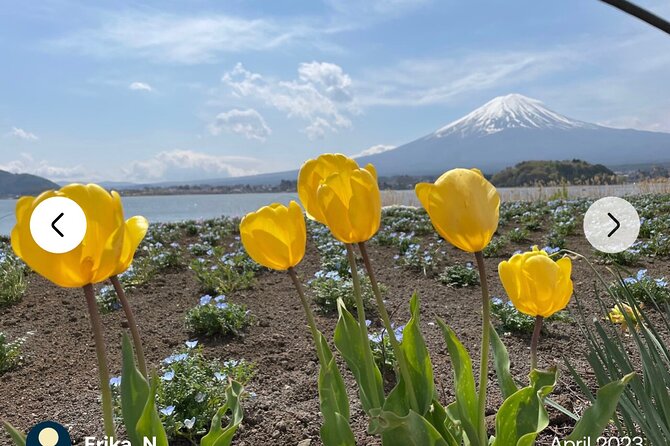
Lake Kawaguchiko is the gateway into the Fuji Five Lakes region. You’ll have about 1 hour here, enough time to take in the waterfront, grab snacks, and decide whether you want the optional paid experiences.
This is a nice break because the day shifts from altitude and station energy into water views and slower strolling.
You can also read our reviews of more private tours in Tokyo
Stop 3: Ensoleille Excursion Ship or Mt. Fuji Panoramic Ropeway
This is where Kawaguchiko can turn from scenic into special. The plan gives you time for either a ship cruise or the Mt. Fuji Panoramic Ropeway up toward Kachi Kachi Mountain.
Both options are weather-dependent, but they’re also built for different moods. The cruise suits you if you want open-air time on the lake. The ropeway option can help you hunt for better sightlines if the shoreline clouds are rolling in.
Plan for this stop to feel like a mini-decision point. If Fuji pops from the viewpoint, you’ll be glad you left room for it.
Stop 4: Oshino Hakkai (Eight Seas of Oshino)
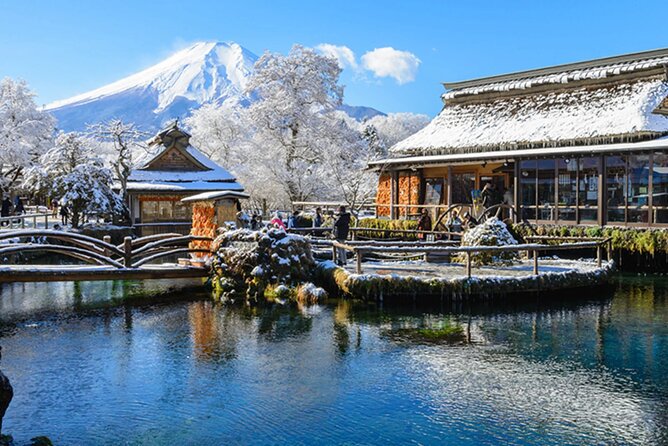
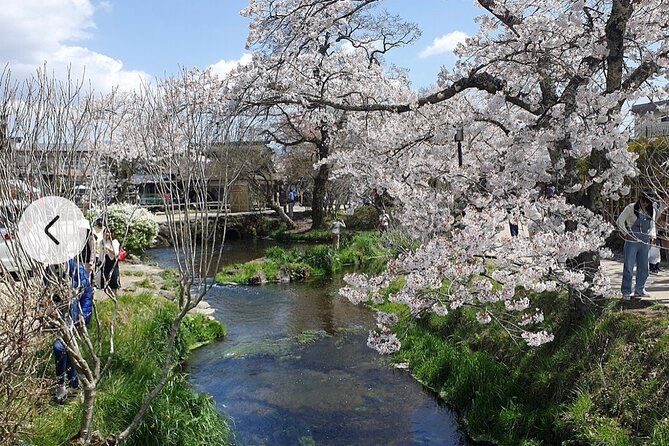
Oshino Hakkai is a set of eight ponds in the Fuji Five Lakes area, fed by snowmelt from Mount Fuji. It’s about 30 minutes, which means it’s best approached with light expectations and good shoes.
The ponds are a calm contrast after Lake Kawaguchiko and the station. If the day has been rainy or misty, this stop can still feel pleasant because it’s not only about a single panoramic angle.
Stop 5: Owakudani and Kurotamago (black eggs)
Owakudani is the volcanic valley where you’ll see steaming sulfur vents. The black eggs boiled in sulfur water are a big part of the experience, and the stop is about 30 minutes.
This stop is memorable because it’s sensory. Steam, heat, and that unmistakable volcanic smell. Even if you don’t eat an egg, you’ll probably enjoy watching the steam rise and taking quick photos without fighting a crowd.
Note: this is listed with a free admission note, but you may still want to budget for any food you choose to buy there.
Stop 6: Lake Ashi and Hakone Shrine torii
Now you’re in Hakone territory. You’ll spend time at Lake Ashi with the famous red torii gate along the shore, associated with Hakone Shrine. The torii is called the Gate of Peace (heiwa no torii) in your materials.
You’ll also get a short shrine stop later, but this is the “look for the torii in the water” moment. It’s typically quick, about 30 minutes, and it’s best when the air is clear enough for Fuji to show up in the distance.
Stop 7: Kitaguchi Hongu Fuji Sengen Jinja Shrine
This shrine is tied to the deity of volcanoes and Mount Fuji, and it’s part of the Mount Fuji UNESCO World Heritage area. You’ll get about 30 minutes.
Shrine visits can feel either meaningful or rushed, depending on the day. Here, it’s your brief cultural pause in between viewpoints and boats.
Stop 8: Arakurayama Sengen Park and the Chureito Pagoda area
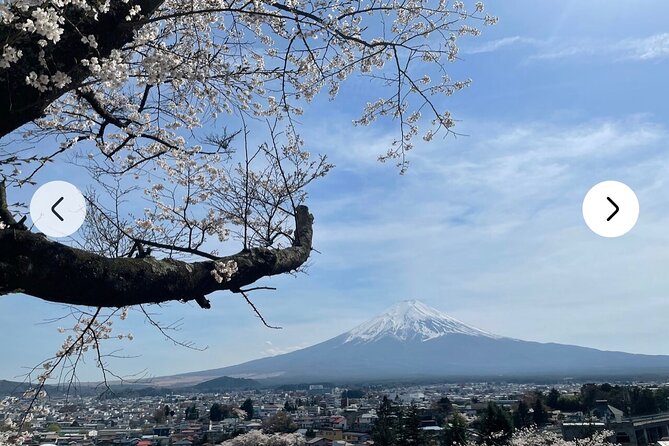
Arakurayama Sengen Park is famous for the view with the Chureito Pagoda and Fuji in the frame. You’ll have about 1 hour for this zone, plus the next stop focuses even more on the pagoda itself.
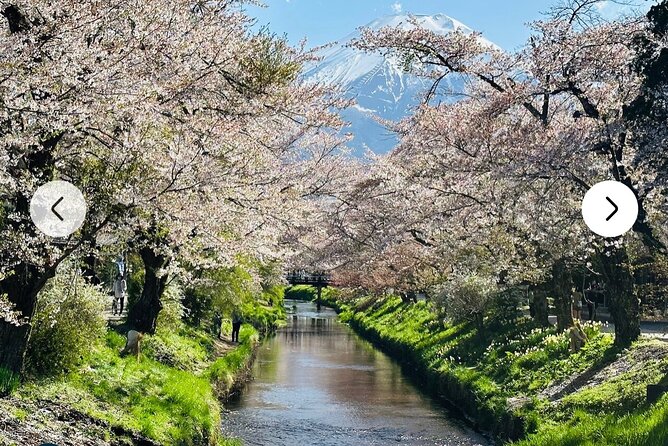
If Fuji cooperates with a clear background, this is one of the most “postcard” moments on the itinerary. If not, you can still enjoy the viewpoint and the structure.
Stop 9: Saiko Iyashi no Sato Nenba
Saiko Iyashi-no-Sato Nenba is a reconstructed traditional village on the shores of Lake Saiko. You’re looking at about 30 minutes here, and the village is described as having over 20 restored thatched-roof buildings.
This stop helps balance out the more dramatic mountain and volcanic scenes. It’s cultural and calmer, but because your time is short, you’ll want to focus on the exterior feel, a quick walk-through, and a few photos rather than trying to see everything.
Stop 10: Chureito Pagoda
This is the pagoda-focused stop, and it’s about 1 hour. The pagoda overlooks Fujiyoshida City and Mount Fuji in the distance, and it is part of Arakura Sengen Shrine.
Yes, this is slightly redundant after Arakurayama Park, but it works if you want time to reposition for photos. I’d treat this like a “repeat the shot, change the angle” moment.
Stop 11: Fuji-Q Highland (admission included)
You’ll get about 1 hour at Fuji-Q Highland, and admission is listed as included. This is the amusement park hour.
It’s a smart inclusion for families and anyone who wants energy rather than quiet walking. One practical note: amusement parks can be more time-consuming than you expect because lines and movement take time. Your driver’s job here is staying on schedule, so you’ll want to be ready to hop out and move quickly.
Stop 12: Hakone Shrine
Finally, there’s a short stop at Hakone-jinja shrine, listed as 15 minutes and noted as dating back to 757.
This is basically your closing ceremonial moment. Don’t expect a long, deep visit. Expect a chance to stretch, take a quick look, and then head back.
Driver-guide quality: the single biggest variable
This tour is marketed as having an English-speaking driver guide, and a lot of the best experiences hinge on that person’s style.
Some guides are praised for being friendly, personable, and genuinely helpful with timing and suggestions. Hassan is repeatedly noted for communication, flexibility, and being an excellent driver, with mentions of good photo moments. Sunny is remembered for explaining locations and making the best of rainy conditions. People also talk about early starts, including a driver suggestion to begin around 6:30 AM to beat traffic.
At the same time, there are reports that some people experienced more of a “drop off and wait” approach, with limited engagement at each site. One theme in the negatives is that the driver may not do much interpreting of what you’re seeing, and a few groups said they expected more hands-on guiding.
So here’s how you protect yourself:
- Ask up front what kind of guiding you’ll get, explanations while you’re walking versus mostly driving.
- Be clear about your must-see items, like Fuji views at the 5th station or the exact Kawaguchiko activity you want.
- If you care about learning details and context, tell the driver you’d like quick briefings at each stop.
With the right guide, this tour can feel like a great day that’s both fun and well-paced. With the wrong fit, it can feel more like a chauffeur-driven checklist.
Weather is not a footnote, it’s the plot
The tour materials say the experience requires good weather, and if it’s canceled because of poor weather, you’ll be offered a different date or a full refund.
Even when it isn’t canceled, weather controls what you actually see. If it’s rainy or cloudy, Fuji can disappear at the most important moments, especially at the 5th station and the pagoda viewpoints. On misty days, you may still get atmosphere at places like Oshino Hakkai and Owakudani, but the “Fuji in the distance” magic depends on visibility.
My practical advice is to treat sunrise-to-morning plans as your best bet. If your pickup time can be early, take it. Multiple experiences in the feedback emphasize that an early start helps with traffic and improves your odds of reaching viewpoints in better conditions.
Is this tour worth it for your kind of trip?
This is best for you if:
- You want one private car to cover both Fuji and Hakone in a single day.
- Your group values convenience and pacing control over slow, deep time in each town.
- You can handle short stops, quick photos, and optional paid activities like the ropeway or cruise.
- You’re traveling with family members or mixed ages who will enjoy Fuji-Q Highland’s amusement park hour.
This may be a mismatch if:
- You hate rushing. A lot of stops are around 30 minutes, which can feel like a quick hit rather than a relaxed day.
- You’re the type who wants a guide who walks you through every site with rich interpretation, not just driving and waiting.
- You’re on a strict budget and want every entrance included. Several key fees are not included, including the Fuji 5th Station and optional lake experiences.
Should you book this Mt. Fuji and Hakone private tour?
I’d book it if you’re optimizing for convenience, and you’re comfortable with a packed route where the payoff is seeing a lot of iconic Fuji-and-Hakone sights in one day. The value improves as your group size fills the car, because $495.51 per group can turn into a very workable private option.
But do your homework on expectations. Confirm what “English driver guide” means in practice for your tour style, and tell them what you want most: the clearest Fuji views, the Kawaguchiko activity you care about, or more time for shopping and wandering. If you ask smart questions and go in flexible, this can be a fun day with memorable scenery and an easier logistics load than you’ll get on public transit.
FAQ
How long is the Mt. Fuji and Hakone full-day private tour?
The tour runs about 10 hours.
Is hotel pickup and drop-off included?
Yes. Pickup and drop-off are included. You should send your pickup address in the booking requirements, and after the tour the provider can drop you back in the Tokyo area or in the Mt. Fuji or Hakone area.
How many people can join the private group?
The tour is private for your group, with a maximum of up to 7 people.
What is included in the tour price?
Included are an air-conditioned vehicle, highway toll tax, the pickup and drop-off, gasoline, and an English-speaking driver guide. Mobile ticket is also provided. Fuji-Q Highland admission is included for the stop at the amusement park.
What is not included in the price?
Lunch and dinner are not included. Entrance fees and activities are also not included, including Mt. Fuji 5th Station admission (¥2,100 per person) and activities like ropeway cable car or ship cruise (listed as $15 per person). Other entrance fees may also be not included depending on the site.
Can I choose what to do between Hakone and Mt. Fuji?
Yes. You can choose 1 place surrounding Hakone or Mt. Fuji, or the driver guide can suggest the best place to go.
Is there an extra charge if the tour goes past 10 hours?
Yes. There is an overtime charge of 5,000 yen per extra hour after 10 hours, hotel to hotel time.
Are service animals allowed?
Yes. Service animals are allowed.
Should I book this tour?
If you want a single-day, private way to see Mt. Fuji and Hakone without juggling transit, it’s a strong option. If you’re very sensitive to rushing or you need heavy, on-foot guiding at every stop, ask detailed questions up front so your day matches your expectations.
More Guided Tours in Tokyo
More Tours in Tokyo





More Tour Reviews in Tokyo


Not for you? Here's more nearby things to do in Tokyo we have reviewed












Mount Fuji Tours, side by side.
 ★ 5.0Mt Fuji and Hakone 1-Day Bus Tour Return by Bullet TrainFrom $16326,383 reviews
 ★ 4.0Mt Fuji & Hakone Cruise, Drum Show Bullet Train 1 Day from TokyoFrom $1497,413 reviews
 ★ 4.4Tokyo Mt Fuji 5th St & Hakone Cruise Bus Tour w/Bullet TrainFrom $1545,024 reviews
 ★ 4.5From Tokyo: Mount Fuji Full-Day Sightseeing TripFrom $684,970 reviews
 ★ 4.7Mt. Fuji Tour, Hakone Ropeway, Owakudani, Lake AshiFrom $544,002 reviews
 ★ 4.2Mt. Fuji 5th Station & Hakone Cruise 1-Day Bus TourFrom $1292,381 reviews
 ★ 4.7Mt Fuji Top 5 Spots Day Tour: Arakurayama Park,Oshino HakkaiFrom $532,066 reviews
 ★ 5.0Private Tour to Mt. Fuji and Hakone (Fully Licenced Operator)From $4971,910 reviews
This tour also belongs to