
Review · TOKYO FOOD TOURS
Private Tokyo Food Tour – A Journey Through Time Through Food
Tokyo tastes better with a timeline. This private Tokyo food tour strings together 14 tastings and Edo-to-today food stories across Nihonbashi, Ginza, and Akihabara. I love how it starts with the backbone of Japanese flavor, dashi, using kelp and katsuobushi, then compares that foundation to newer styles like curry udon and fusion desserts. One consideration: the price is per person, and you will pay for two short subway rides yourself.
What makes this tour feel worth your time is the structure. You get a local guide to connect what you’re eating with what was happening in Japan at the time, and you get pickup to make day-one Tokyo logistics easier. It ends in Akihabara, so you can roll right into electronics and anime neighborhoods after you finish.
Key points to know before you go
- 14 tastings that walk through past, present, and future food in Tokyo
- Private format for your group, with a guide who can tailor questions and pacing
- Nihonbashi dashi focus using kelp and katsuobushi, then classic snack staples
- Salaryman-era flavor stops around Ginza and Yurakucho with izakaya-style bites
- Tokyo Station commute foods like tamagoyaki and fruits sando
- Akihabara fusion dessert angle plus modern food culture through an electronics/anime lens
A 5.5-hour Tokyo food timeline, from Edo snacks to Akihabara fusion
This is a half-day plan that feels like a curated walk through Japan’s food evolution. The tour is about 5 hours 30 minutes, and it’s built around three main districts: Nihonbashi, Ginza, and Akihabara. Along the way, you also hit major landmarks like Fukutoku Shrine, Tokyo International Forum, Kitte, and parts of Tokyo Station and Daimaru, so you get food plus real orientation around the city core.
The private setup matters. Tokyo can be overwhelming when you’re tired, hungry, and trying to figure out where to eat. Here, you show up at the start point near Nihonbashi, and a guide keeps the day moving from tasting to tasting. Several guide names show up in standout feedback, including Yasu, Paiva, Keiko, Miko, and Rohan, and the common theme is practical storytelling plus a friendly, problem-solving attitude (even help with navigating the train system).
The best way to enjoy this tour is to come hungry and ready to learn. You are not just sampling snacks. You’re getting the reasoning behind the flavors, from early ingredients like kelp and katsuobushi to modern “salaryman” convenience meals and newer fusion desserts.
You can also read our reviews of more food & drink experiences in Tokyo

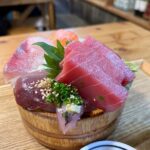
Nihonbashi’s dashi lesson and Edo-era snack lineup
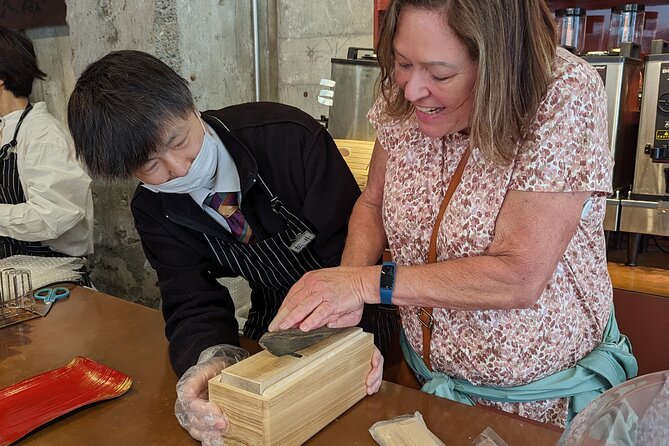
Your day kicks off in Nihonbashi, and the tour starts with the flavor foundation: dashi, described as the stock that forms the base of many Japanese dishes. The guide then zooms in on two key components: katsuobushi and kelp. Even if you have eaten Japanese food before, this first stop helps you understand what’s doing the heavy lifting in a lot of comforting, savory flavors.
After that, you move into classic snack territory, with offerings that have been eaten for generations. This is the part I like most because it’s tangible. You’re not learning in the abstract. You’re tasting small, traditional items right where they belong.
Expect a lineup such as:
- Satsuma-age (fried fish cake)
- Amazake (a healthy fermented rice drink)
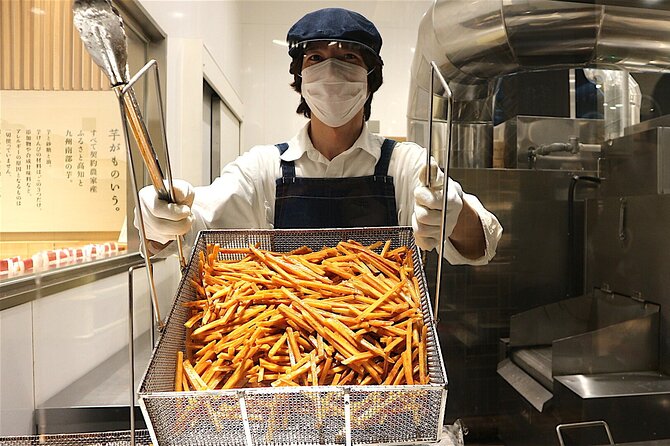
- Imo Kenpi (sweet potato chips)
- Daifuku (glutinous rice mochi with a sweet filling)
- Plus a choice that can include Dorayaki depending on the day
One smart detail here: the shops are described as carefully chosen, with many over 100 years old, and some dating back to the Edo period. That doesn’t just make for a fun story. It means you’re tasting things in settings that match the original context of the food.
A small drawback to flag: Nihonbashi is where your taste buds begin fresh, so if you arrive late, you may feel rushed at the start. If you can, arrive a few minutes early. It makes the dashi lesson less stressful and more enjoyable.
Fukutoku Shrine: temples vs shrines and a quick spiritual reset
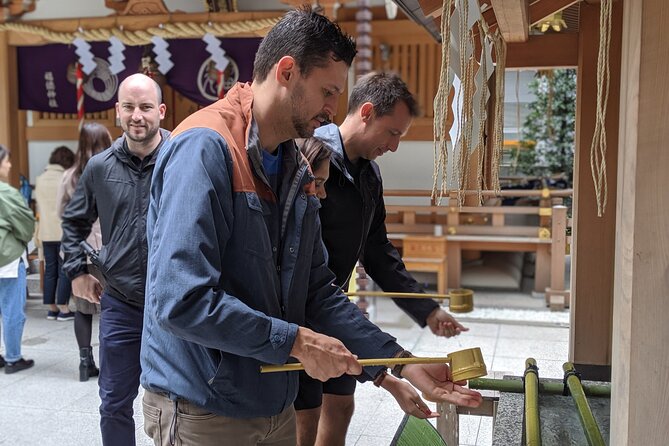
From the Nihonbashi food focus, you take a short step into culture at Fukutoku Shrine. This stop is brief, about 10 minutes, but it has a clear purpose. The guide explains the differences between shrines and temples, then covers what people do at a shrine, including cleansing the spirit and praying.
Why include this in a food tour? Because Japanese food culture is not separate from everyday rituals. Even when the stop is short, it helps you see that food, faith, and daily life have always overlapped in Japan. It also gives your group a mental reset between heavier tastings.
If you’re sensitive to spiritual spaces, keep in mind this is an active shrine area. Quiet, respectful behavior is the norm, and you’ll move on quickly after the explanation.
Ginza and Yurakucho: salaryman-era izakaya bites under the tracks
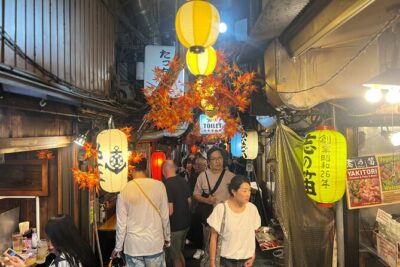
Next comes the jump from older culinary roots to the more modern, working-life story of Tokyo. You arrive in Ginza / Yurakucho, and the tour frames this era through industrialization after the war. The guide connects that shift to salarymen, and then to the kind of small food spots that served them before their commute home, including places built under railway tracks.
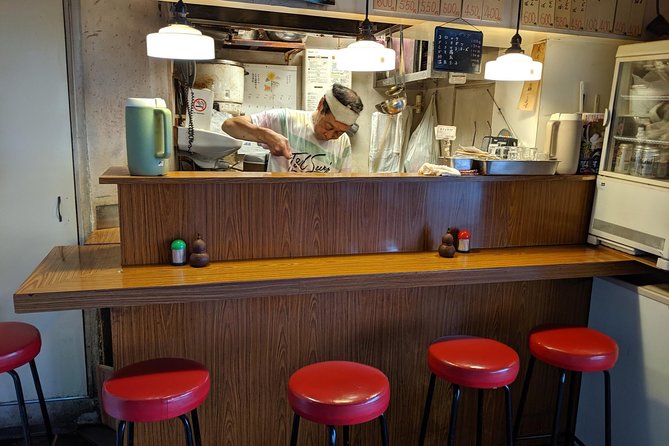
This is where the tour starts feeling like a night out, even though it’s daytime. You’ll eat and drink like salarymen at an izakaya and a noodle stall under the tracks.
The menu choices you can expect include:
- Yakitori (grilled meat on skewers)
- A Lemon Sour, noted as a unique Japanese alcoholic drink
- Tempura soba or Curry udon (noodle soup dishes)
I like this stop because it’s practical and comforting. Curry udon in particular is a great bridge dish if you’re not sure what you’ll like. You get heat, sauce comfort, and a filling meal style that feels very Tokyo.
One consideration: this portion includes alcohol (the lemon sour). If you do not drink, you should still go for the food, but you may want to let the guide know your preference when you meet. The tour is built around tastings, so it’s usually easiest when you’re clear early.
Tokyo International Forum, Kitte, and Tokyo Station foods you eat on the move
Between meal vibes, the tour includes major city landmarks, and the route is designed for an easy walking rhythm. You’ll stroll from the railway-track area toward Tokyo Station, with a call-in at Tokyo International Forum along the route. Then you stop briefly at Kitte Marunouchi.
These stops are not the main event for your stomach, but they do two things:
- They keep the day flowing through the city’s “center stage” zones.
- They give context. You’re learning food history while watching Tokyo’s modern shape.
Then you get two classic “commute home” style bites at Tokyo Station and nearby shopping areas:
- Tamagoyaki (Japanese omelette)
- Fruits Sando (Japanese milk bread sandwich filled with fresh fruits and whipped cream)
You’ll try these at spots around Tokyo Station, including the Marunouchi area and Daimaru Tokyo. The second stop is short, but tasting a similar theme twice helps you notice texture and sweetness differences, and it also keeps your energy steady for the final leg.
Practical tip: because these are handheld, grab-and-go style foods, you can usually pace yourself without feeling like you have to sit still for a long meal. That makes the tour easier if you have limited time to spare.
More Tokyo tours and experiences for the shortlist
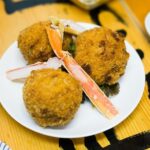

Akihabara’s future of food: fusion desserts and modern subcultures
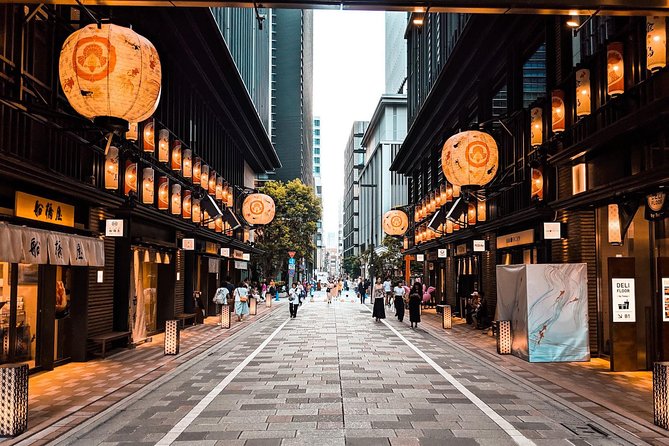
Finally, the tour lands in Akihabara, a district known for electronics shops, maid cafes, and anime culture. The food theme flips from “how we got here” to “where it might go next,” and you’ll consider the future of Japanese food through the lens of that tech-driven, idea-driven neighborhood.
This stop is about 45 minutes, and the focus is desserts that combine traditional flavors or ingredients with a modern fusion twist. The included list also points to dessert-friendly items that may show up during this portion, such as:
- Matcha (green tea) bubble tea or ice-cream
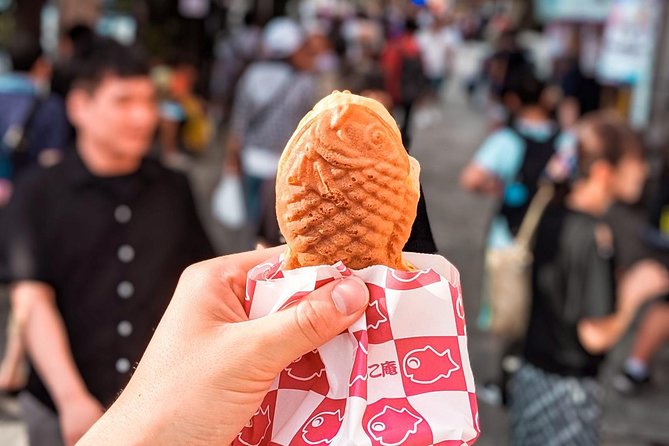
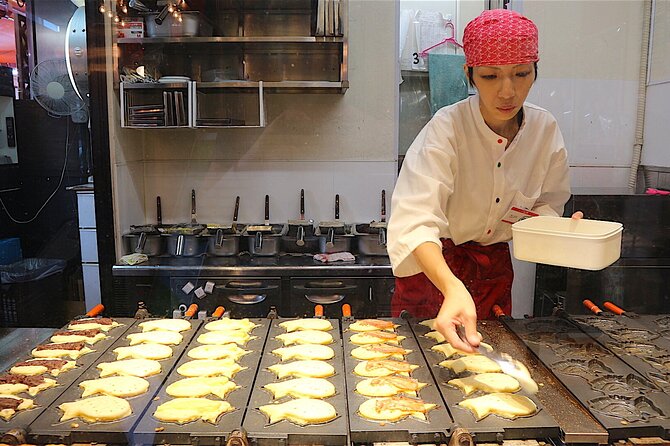
- Pokemon Taiyaki
- Fusion desserts connected to those modern flavor experiments
Even if you’re not into anime, the food angle is still fun. Akihabara is an easy place to understand why food trends move quickly. New subcultures, new products, and new flavor pairings all show up here first.
If you are sensitive to sweets, pace yourself. The Akihabara portion is dessert-heavy, and you’ve already had savory tastings earlier. I’d treat this as your payoff, but keep water handy and save your favorites for last.
Price and logistics: what $327.75 buys you, plus the subway cost
At $327.75 per person, this is not a bargain-basement snack walk. You’re paying for a few things that matter in Tokyo:
- Private tour for your group (exclusive time with your guide)
- Pickup offered from your Tokyo accommodations
- A structured route across multiple districts and landmarks
- 14 included tastings plus lunch-style bites and one alcoholic drink (a lemon sour)
The tour duration and food count also help the value equation. You’re not just paying for food, you’re paying for the story, the timing, and the access to places you might not find on your own, especially for older Nihonbashi shops.
Logistics-wise, two things to plan for:
- Transport is not included. You take two short subway rides, and those rides are payable by you.
- The tour uses a mobile ticket, and the meeting points are near public transportation.
Also consider booking timing. It’s commonly booked around 41 days in advance, so if you’re traveling during a busy season, earlier planning helps.
What to eat before and after, so you get the best experience
This is a come-hungry tour. You have 14 tastings, plus a lunch component that includes items like yakitori, tempura soba, tamagoyaki, and fruits sando. If you eat a heavy breakfast right before, you may feel food fatigue before Akihabara.
My advice:
- Have a light meal before you start, not a big one.
- Take your time with the dashi-based tasting early. If you rush that, you miss the comparison later.
- Treat the lemon sour as an optional bonus. If you’re drinking, sip slowly and keep an eye on pacing.
When you finish in Akihabara, you’ll likely be in a great mood for browsing. Your route ends at Akihabara Station, specifically around 1 Chome Sotokanda, which makes it easy to continue your day without needing to backtrack.
Who this private Tokyo food tour fits best
This tour is a strong match if you want Japanese food culture with a storyline. It’s also a great fit for first-time visitors who want a guide to help with both taste and wayfinding. Several guide names show up in high praise, including Yasu for a funny, informative approach, Paiva for being organized and prompt, Keiko for helping with the train system, Miko for going above and beyond, and Rohan for giving a great overview while you eat.
You’ll probably enjoy it most if:
- You like food learning with real examples, like dashi foundations and Edo-era snacks.
- You want to see Tokyo districts with a purpose, not just hop between random stops.
- You appreciate a private format where your group can ask questions and keep the pace comfortable.
You might want to skip it if:
- You want a purely sit-down, restaurant-style meal day.
- You dislike spending time walking between snack stops.
- You are very price-sensitive, since $327.75 per person is a premium for Tokyo.
Should you book this Tokyo food tour of Edo-to-future flavors?
If you like your Tokyo days planned around flavor and meaning, I think this is an easy yes. The combo of 14 tastings, a guide-led timeline from Nihonbashi to Akihabara, and pickup to reduce day-one stress makes the experience feel efficient and memorable. You also get a nice balance, classic dashi-based foundations, salaryman-era comfort foods, and modern fusion desserts.
Book it if you are hungry for variety and want a private, guided walkthrough of Tokyo’s food evolution. Skip it only if you already know exactly what you want to eat and you prefer to self-navigate with no tastings counted on a schedule.
FAQ
How long is the Private Tokyo Food Tour?
It’s approximately 5 hours 30 minutes.
Is the tour private?
Yes. It’s a private tour/activity, and only your group participates.
How many tastings are included?
The tour includes 14 tastings.
Where does the tour start and end?
It starts at Nihonbashi 1-chome Mitsui Building and ends at Akihabara Station (1 Chome Sotokanda area).
Do you get a pickup?
Pickup is offered from your Tokyo accommodations.
Are admission fees included for stops?
The stops listed show admission ticket free.
What food and drinks are included?
Included items include dashi and ingredients like katsuobushi and kombu, snacks such as satsuma-age, amazake, imo kenpi, daifuku or dorayaki, plus items like Pokemon taiyaki and matcha bubble tea or ice-cream. Lunch items include yakitori, tempura soba, tamagoyaki, and fruits sando. An alcoholic drink included is lemon sour.
Do I need to pay for transportation during the tour?
Yes. Transport is payable by you for two short subway rides.
What is the price?
The price is $327.75 per person.
Can I cancel for a refund?
This experience is non-refundable and cannot be changed for any reason. If you cancel, the amount you paid will not be refunded.
Is a mobile ticket used?
Yes, the tour uses a mobile ticket.
Who this tour is best for
Families, couples, and small groups who want a guided, private Tokyo food education with plenty of tastings and clear district-to-district storytelling will likely be happiest with this plan.
More Food & Drink Experiences in Tokyo
More Tours in Tokyo




More Tour Reviews in Tokyo


Not for you? Here's more nearby things to do in Tokyo we have reviewed












Tokyo Food Tours, side by side.
 ★ 5.0Shinjuku Food Tour (13 Dishes at 4 Local Eateries)From $866,603 reviews
 ★ 5.0Tokyo Bar Hopping Tour in Shinjuku (All-You-Can-Drink + Dinner)From $1063,587 reviews
 ★ 4.9Shinjuku Food Tour (15 Dishes and 4 Eateries)From $852,033 reviews
 ★ 5.0Best of Shinjuku: Izakaya Food Tour (4 Stops, 14+ Tastings)From $921,863 reviews
 ★ 5.0Shibuya Meltdown Nightlife Tour: All-You-Can-Drink Bar HoppingFrom $1061,058 reviews
 ★ 5.0Eat and Drink Like a Local: Tokyo Ueno Food Tour-Taverns&RamenFrom $95957 reviews
 ★ 5.0Ramen & Gyoza Cooking Class in Tokyo with Local Supermarket VisitFrom $122823 reviews
 ★ 5.0Shibuya Food Tour (13 dishes and 4 Eateries)From $77770 reviews
This tour also belongs to