
Review · TOKYO FOOD TOURS
Tokyo: Food Tour in Ueno with 10+ Tastings of Japanese Classics
Ueno snacks start at the station. This short Tokyo food tour threads Japanese classics through markets and landmark stops, so you leave with full hands and a clearer sense of place. Expect a small-group walk in the Ueno area with guided tastings designed to feel local, not touristy.
I like the way the food is built around real hits you want to order once you learn the basics. You get sushi, crispy gyoza, grilled yakitori, seasonal fruit, and a creamy finish like matcha ice cream. I also like the guide factor, with English-speaking hosts such as Harumi, Natsumi, Yumi, and Mari called out for being upbeat and for sharing context as you eat.
The main tradeoff is that it is a fair amount of walking, and the menu and stops can shift based on availability and weather. Wear comfortable shoes, and if you have diet needs, contact them in advance so you are not stuck guessing.
Key things I’d bet on before you go
- 10-plus tastings packed into 3 hours 30 minutes, so you get variety without a whole day.
- Guide-led context with local English support, so you know what you are eating and why it fits the neighborhood.
- Ueno landmarks on the same route: Ueno Park, a Shinto shrine tied to Tokugawa Ieyasu (built 1627), and a Buddhist worship center.
- Included drinks: one draft beer, two different teas, plus water.
- Small group size capped at 15, which helps you ask questions and actually hear the answers.
- A real food workload, so you may want to skip breakfast and let the tour do the work.
Ueno in a food-safe sprint: why 3 hours 30 minutes works
This is the kind of tour that makes sense early in a trip, or any day when you do not want to spend the whole afternoon figuring out where to eat. The pacing is built around a half-day loop in Ueno, with tastings along the way rather than one big meal at the end.
In practice, that means you can try multiple styles and textures of Japanese classics in one go. You sample sushi, gyoza, and yakitori, then you move toward dessert with seasonal fruit and traditional matcha ice cream. It is a smart format because you get to calibrate your taste preferences fast, then you can order confidently on your own later.
It is also a good fit if your Japanese is limited. The guide helps you navigate menus and customs while you are there, instead of forcing you to decode everything alone at the counter.
You can also read our reviews of more food & drink experiences in Tokyo

Starting at Ueno Station 7 Chome-1: easy meeting, then off you go
You meet at Ueno Station, 7 Chome-1, in Taito City. This is convenient because it is right in the Ueno transport area, which matters when you are juggling train lines and time.
From the start, you are walking. The tour notes call for comfortable shoes for a reason. You are moving between markets and religious sites, and you will be on your feet long enough to feel it the next morning if your shoes are not up to the job.
The tour also uses a mobile ticket. That is helpful if you travel light and prefer not to carry printed documents around city streets.
Stop at the indoor-outdoor market: snacks plus browsing energy
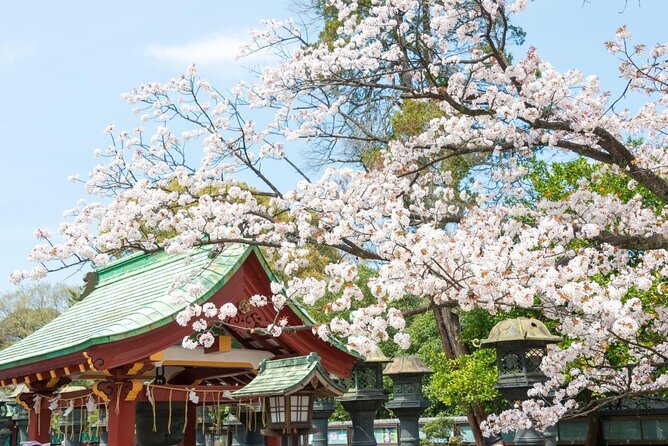
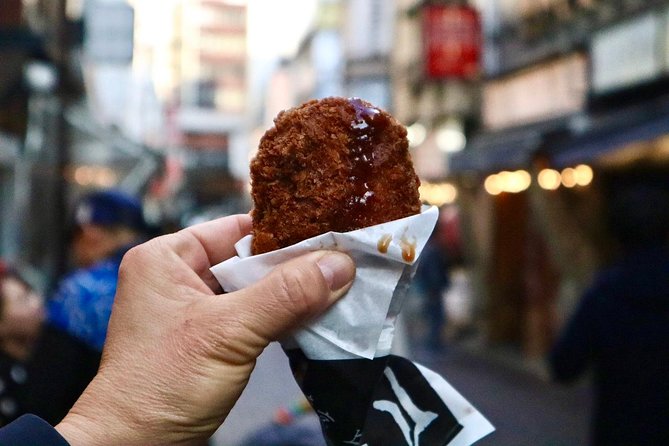
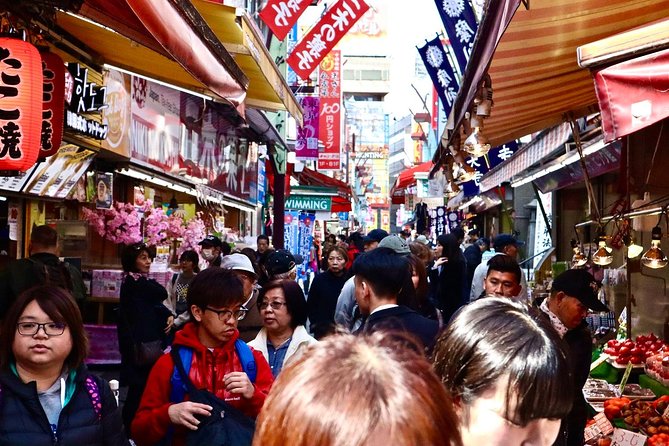
One of the first stops is a popular indoor-outdoor market where you can find food, gifts, and even apparel. That mix matters. You are not only buying food, you are getting a feel for how this area supports everyday life.
For the tour itself, this is a great place to start tasting because markets are built for variety and small bites. The vibe also helps you loosen up. Even if you do not know what something is, the guide can steer you toward the right order, then explain the basics while you eat.
One practical note: markets often have crowds and shifting layouts. If you are the type who hates tight spaces, expect to pause and wait for your turn to move through.
Under elevated train tracks: the Shitamachi feel
Next comes an area under the elevated train tracks, described with the Japanese term for under the girders. This is classic Tokyo character. It is not a postcard view, but it is a real one.
Why it belongs on a food tour: neighborhoods like this usually have long-standing eating habits, and the guide’s route helps you access places you might not stumble into on your own. It also ties the meal stops to how people live between transit lines and daily errands.
This stop is more atmosphere than monument. It helps you understand why Ueno is not just about parks and museums. It has street-level food culture, and that culture is what you are sampling as you go.
Ueno Park and the spring anchor: nature breaks the eating rhythm
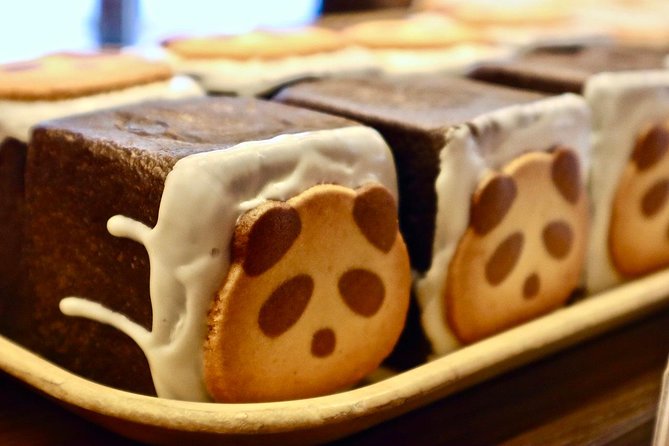
Then you reach Ueno Park, in the Taitō district. Even if you are not in cherry-blossom season, the park stop does two useful things.
First, it gives your legs a short reset. You go from dense food streets into open space. Second, it adds a seasonal note to Ueno’s identity. The area is celebrated in spring for cherry blossoms and hanami, so the guide can connect the park’s role to how locals experience the city.
You might not eat here in the same way as at the market, but the park stop helps make the overall tour feel less like a strict checklist. It breaks up the sensory load so the later shrine and Buddhist sites do not feel rushed.
More Tokyo tours and experiences for the shortlist


The Shinto shrine built in 1627 for Tokugawa Ieyasu
A Shinto shrine is next, built and dedicated in 1627 in memory of Tokugawa Ieyasu, the founder of the Tokugawa Shogunate. This is a meaningful stop, and it matters that it is tied to a specific person and date.
Food tours often skip the context that makes people care about a neighborhood. Here, the shrine adds a framework. You are tasting Japanese food, but you are also walking through the religious and cultural threads that shaped how communities gathered and lived over time.
Practical reality check: shrine grounds can be cool and quiet, and they can also involve stairs or uneven pathways depending on where you walk. If you have mobility concerns, keep an eye on your comfort level early in the tour and pace yourself.
Buddhist worship center calm, then the surprise stop
After the shrine, you move to a center for Buddhist worship and prayer, with tranquil landscaping. This part of the route is designed to slow you down. After market noise and train-track energy, you get a more grounded space.
Then comes the tasting momentum again. You are working toward the tour’s included desserts and drinks, and there is also a Secret Dish. Since the exact dish is not spelled out, the best way to think about it is as a bonus that the guide times with the day’s food availability.
This is one of the smartest tour elements. If everything were announced in advance, it would feel less like Tokyo and more like a script. The Secret Dish keeps you flexible, and it can be a memorable way to try something you might never order alone.
What you actually eat: sushi, gyoza, yakitori, matcha, and tea
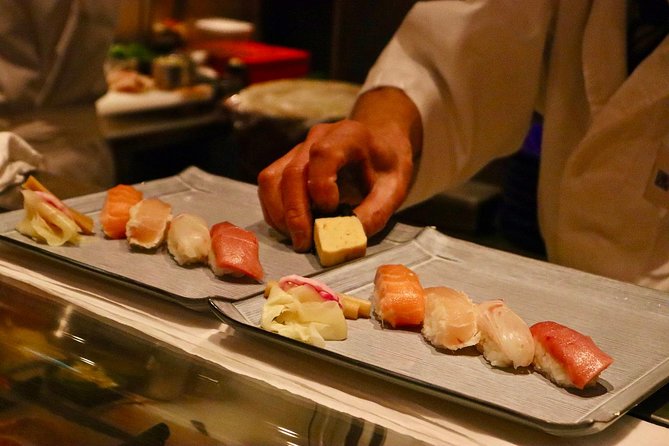
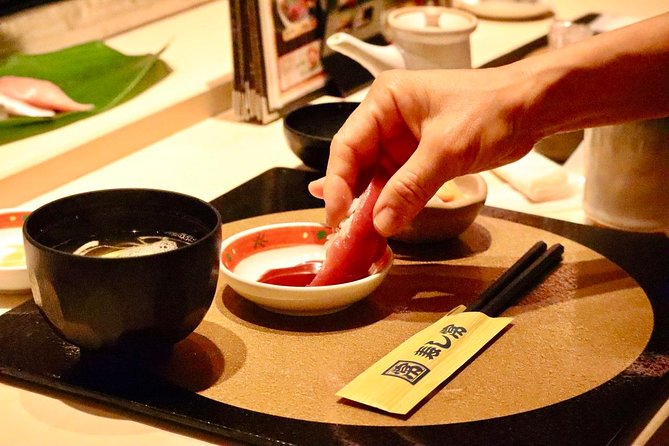
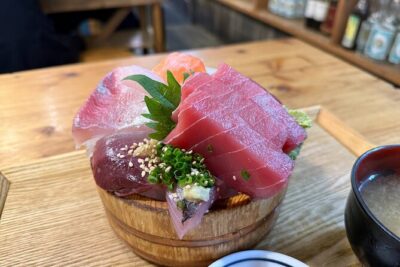
Let’s talk specifics, because this is a food tour. Included items are fresh, authentic Japanese sushi; crispy, flavorful gyoza (a local favorite); yakitori grilled Japanese skewered chicken; seasonal fresh fruits; creamy traditional matcha ice cream; and two different types of tea.
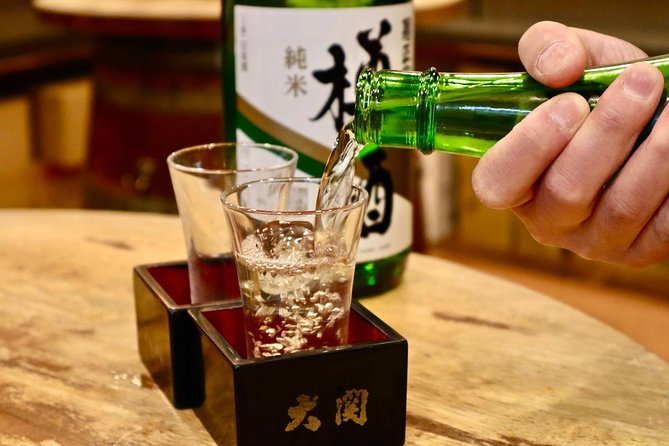
You also get one draft beer, plus water. That drink line is practical. Tea helps you cleanse the palate between bites, and beer pairs naturally with grilled items like yakitori.
The tastings are also paced so you are not just chewing dry bar snacks. The mix of items matters because each one teaches you something different:
- Sushi gives you texture and balance, and it tends to be a good baseline for what Japanese rice and flavor restraint taste like.
- Gyoza is a crunchy-soft contrast, and it helps you understand why Japanese dumpling shops are often crowd magnets.
- Yakitori adds smoky char and salty savor. Even if you think you already know it, grilled skewers taste different when done well.
And yes, the matcha ice cream can be the moment you remember later. It is included, and it shows up as a personal favorite in multiple guide-led experiences.
Value check: is $142 worth it for a 10-plus tasting day?
$142 for a 3 hours 30 minutes, small-group guided tasting tour is not a budget price. But value is not just the sticker. It is what you get for the total.
Here is what you are paying for, based on what is included:
- A local English-speaking guide (not just a map)
- Multiple real meal stops rather than one restaurant
- Tastings that add up to 10-plus Japanese classics
- Drinks: one draft beer, two types of tea, plus water
- Dessert via seasonal fruit and matcha ice cream
- Access to places you might not find quickly in Ueno
If you tried to do this yourself, you would spend time locating each place, translating menus, and comparing prices across multiple spots. This tour collapses that work into one route, with someone who can steer you toward good options while you are walking.
The price feels more justified if you are hungry enough to enjoy variety. People also note that skipping breakfast helps, because the tour does give you real amounts of food across stops, not just tiny samples.
Small group energy: better conversations, easier pacing
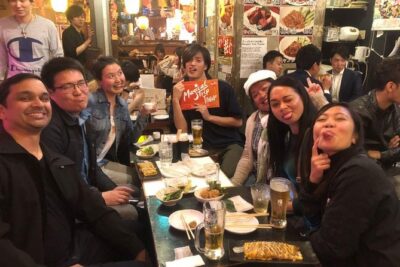
The tour caps at a maximum of 15 travelers. That size is a big deal for a food tour. It means you are not fighting a crowd at every counter, and you can ask questions without shouting over everyone.
It also helps when you want practical Tokyo tips. Some guide experiences are praised for explaining Ueno and Tokyo generally, not only what the next bite is. That is the stuff that makes your later self-guided meals easier.
If you are traveling with kids, this also tends to work well because the schedule moves, the food is familiar enough to sample, and the guide keeps things simple. Still, since there is a fair amount of walking, bring a “break and breathe” mindset.
Planning tips that make this tour easier on you
A few habits help you get the most out of this kind of loop:
- Skip breakfast or go light if you can. Between sushi, gyoza, yakitori, fruit, dessert, and drinks, you will feel it.
- Bring a small bottle mindset. Water is included, but you may still want a way to stay comfortable on the route.
- If you have dietary requirements, contact them in advance. The tour notes specifically say they want to accommodate best when you communicate early.
- Expect menu and stop changes based on weather and availability. That can be a normal part of live food sourcing, so do not plan your day as if every bite will match a perfect script.
Also, if you prefer more detail on how dishes are made or where specific ingredients come from, you should ask your guide questions early. The tour is heavy on tasting, and the more you prompt, the more you can guide the conversation.
Should you book this Ueno food tour?
Book it if you want a time-efficient way to learn Ueno through food, not just through sightseeing. It is ideal for first-time visitors, people who like trying multiple classic dishes in one sitting, and anyone who wants guided help with Japanese ordering and customs.
Skip it if you hate walking, have very strict dietary needs that you cannot communicate ahead of time, or you want only one big meal in a sit-down setting. This is a route, not a restaurant marathon.
Bottom line: if you like the idea of eating your way through Ueno while stopping at places like Ueno Park and a shrine connected to Tokugawa Ieyasu, this tour is a strong match for a hungry half-day in Tokyo.
FAQ
How long is the Tokyo food tour in Ueno?
It runs for about 3 hours 30 minutes.
What does the tour cost?
The price is $142.00 per person.
Where is the meeting point?
The tour starts at Ueno Station, 7 Chome-1 Ueno, Taito City, Tokyo 110-0005, Japan.
Is hotel pickup or drop-off included?
No, hotel pickup and drop-off are not included.
What is included in the tastings?
Included are fresh, authentic Japanese sushi, crispy gyoza, yakitori, seasonal fresh fruits, matcha ice cream, two different types of tea, a Secret Dish, one draft beer, and water.
How many people are in the group?
The tour has a maximum of 15 travelers.
Is there a lot of walking?
Yes, it involves a fair amount of walking, and comfortable shoes are recommended.
Can the tour accommodate dietary requirements?
You should contact the tour in advance about dietary requirements so they can cater to them as best as possible.
If I cancel, do I get a refund?
Yes. You can cancel for free up to 24 hours in advance for a full refund.
What happens if the tour is canceled due to poor weather?
If it is canceled because of poor weather, you will be offered a different date or a full refund.
More Food & Drink Experiences in Tokyo
More Tours in Tokyo





More Tour Reviews in Tokyo


Not for you? Here's more nearby things to do in Tokyo we have reviewed





Tokyo Food Tours, side by side.
 ★ 5.0Shinjuku Food Tour (13 Dishes at 4 Local Eateries)From $866,603 reviews
 ★ 5.0Tokyo Bar Hopping Tour in Shinjuku (All-You-Can-Drink + Dinner)From $1063,587 reviews
 ★ 4.9Shinjuku Food Tour (15 Dishes and 4 Eateries)From $852,033 reviews
 ★ 5.0Best of Shinjuku: Izakaya Food Tour (4 Stops, 14+ Tastings)From $921,863 reviews
 ★ 5.0Shibuya Meltdown Nightlife Tour: All-You-Can-Drink Bar HoppingFrom $1061,058 reviews
 ★ 5.0Eat and Drink Like a Local: Tokyo Ueno Food Tour-Taverns&RamenFrom $95957 reviews
 ★ 5.0Ramen & Gyoza Cooking Class in Tokyo with Local Supermarket VisitFrom $122823 reviews
 ★ 5.0Shibuya Food Tour (13 dishes and 4 Eateries)From $77770 reviews
This tour also belongs to