
Review · TOKYO FOOD TOURS
Flavours of Tokyo: A Journey Through Time – Small Group Food Tour
Tokyo tastes like a time travel show.
On this small-group tour, you trace Japanese food from Edo-era foundations to postwar salaryman snacks, then end with dessert trends in Akihabara. I like that it is structured like a walk with a story, not a string of random bites, and you sample flavors you actually connect to ingredients and lifestyle.
What I love most is the small-group size (maximum 9), which makes it easier to ask questions and keep pace with your guide. I also love the breadth of food for a half-day, including dashi basics, tempura soba, yakitori, tamagoyaki, fruit sando, and fun sweets like Pokemon taiyaki.
One consideration: you will walk about 6.5 km and hit a lot of subway stairs. If you do not like stair-heavy routes, or if you want a very slow, seated food experience, this may feel like more moving than you expected.
Key highlights worth planning around
- 14 dish tastings plus a lunch spread that includes yakitori, tempura soba, tamagoyaki, and fruits sando
- Three districts with a clear theme: Nihonbashi, Ginza plus Yurakucho, and Akihabara
- Dashi focus early on, so you understand the flavor base behind many Japanese dishes
- Non-food context stops that explain how Tokyo’s food culture formed over time
- A guide who sets the pace for small questions and quick explanations, not a lecture parade
A half-day Tokyo food tour with a real storyline
Tokyo can feel like a million restaurant signs. This tour gives you a framework instead. You start in Nihonbashi, where you build the flavor logic behind Japanese cooking, then move through business-era neighborhoods and end in Akihabara, where food shows its future-facing side.
It is also built for people who want more than just eating. The guide connects dishes to ingredients and to the city’s changes over time, which helps you remember what you tasted and why it matters.
You can also read our reviews of more food & drink experiences in Tokyo

Starting in Nihonbashi, where dashi explains a lot
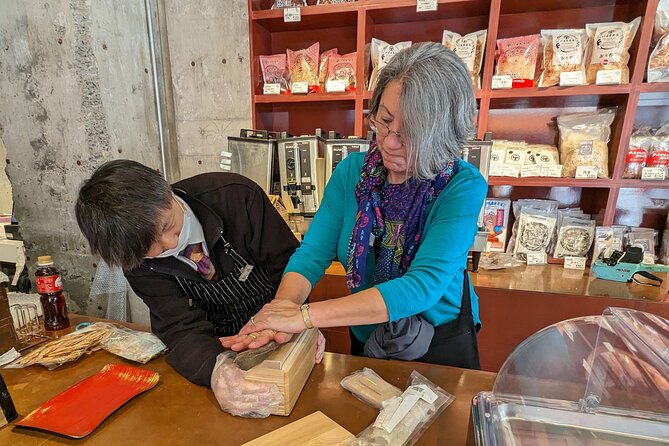
Your tour kicks off in Nihonbashi, a starting point that makes sense for learning Tokyo food culture. One of the best early moves is the emphasis on dashi. You get hands-on understanding of what goes into the stock base, including tastes connected to katsuobushi (bonito flakes) and kombu (kelp).
Practically, this sets you up for the rest of the day. When you later taste brothy items like noodles or small savory bites, you can trace the flavor back to the stock logic you learned at the start. Instead of guessing, you understand.
You also get key ingredients and snack-style tastings that are meant to be quick but meaningful, like satsuma-age and other small bites that make it easier to sample without feeling stuffed immediately.
Fukutoku Shrine: a short cultural stop with a purpose
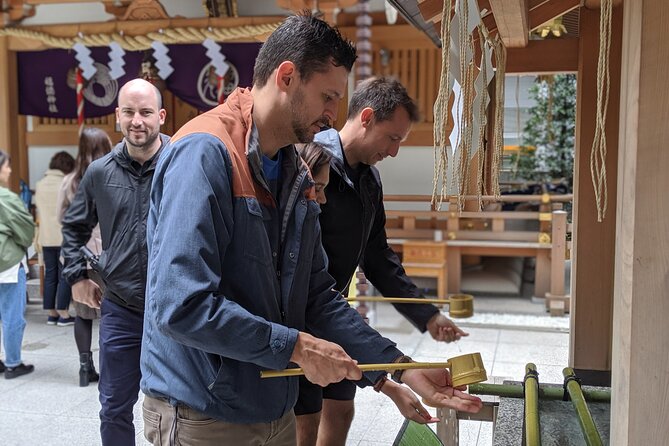
Between food districts, the route includes Fukutoku Shrine. This is a brief stop, but it adds context. You learn the difference between shrines and temples, plus what it means to cleanse your spirit and pray at a shrine.
Why it matters on a food tour: Japan’s food traditions are not only culinary. They connect to everyday rituals and the idea that places have spiritual and cultural weight. Even a ten-minute pause can change how you read the streets around you.
Ginza and Yurakucho: postwar Tokyo and the gado-shita idea
From Nihonbashi, you move into Ginza and then Yurakucho. The tone shifts from foundational ingredients to the way Tokyo people ate as the city modernized.
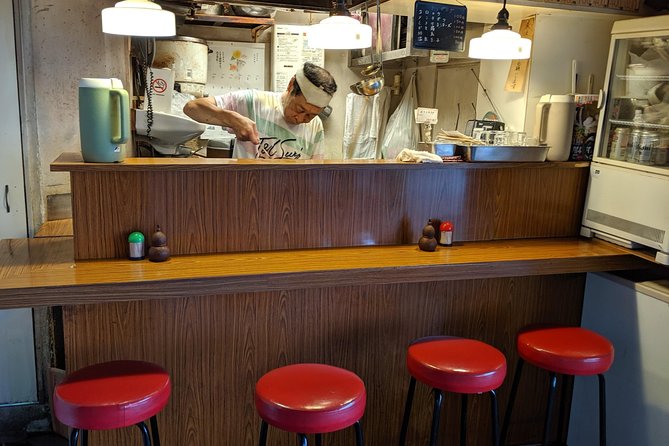
Here is what makes the story interesting. You learn how industrialization after the war shaped daily life, and you connect that to the rise of salarymen culture. Then your guide brings in the idea of gado-shita small bars and restaurants built under railways, which explains why “easy to access” food became part of the rhythm.
You are not just walking through famous streets. You are learning why the city’s layout influenced dining habits. You get a feel for the places where people went to grab something fast, something hot, or something with a drink, without turning it into a major detour.
The International Forum and Kitte: Tokyo Station’s orbit
Midway through the walk, you head toward big landmarks tied to rail and commerce. The route includes a stroll past the Tokyo International Forum building, then moves into the Kitte Marunouchi area.
These stops help you connect the dots between Tokyo’s food culture and its infrastructure. Tokyo’s train network is not just transport. It shapes what people eat on their way to work, on their breaks, and on their commute home.
Even if you are not a “buildings person,” these are useful waypoints because they keep you oriented and make the big-city scale feel navigable instead of overwhelming.
More Tokyo tours and experiences for the shortlist


Tokyo Station commute snacks: tamagoyaki and fruits sando
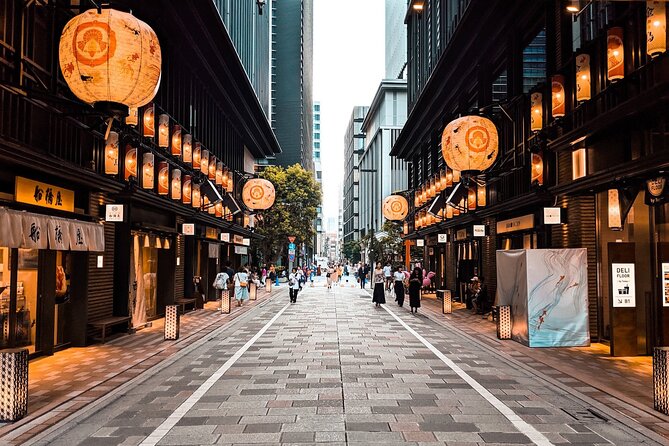
When you reach the station area, the tour leans into a very Tokyo idea: food for the commute. At Tokyo Station Marunouchi Ekimae Hiroba and again at Daimaru Tokyo, you try foods that are popular when people are heading home.
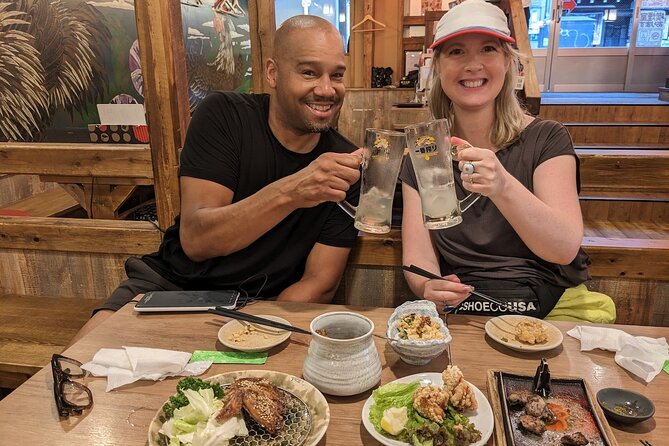
The two key standouts here are tamagoyaki (Japanese omelette) and fruits sando, the milk-bread sandwich filled with fresh fruit and whipped cream. This part is fun because it is not trying to be “street food rugged.” It is snack culture with polish.
You also get lunch here as part of the included meal plan: yakitori and tempura soba, plus the other lunch items mentioned above. For a 5.5-hour tour, this is a smart setup. You are not just grazing all day. You get a real meal component before the tour pivots to sweets and future food in Akihabara.
Akihabara’s food future: electronics meets dessert culture
You finish in Akihabara, a neighborhood many people know for electronics, anime, and themed experiences. On this tour, the focus stays on food, but the ending fits the area.
You learn about the future of food in Japan, then you try dessert selections that combine traditional ideas with modern pop culture styling. If you like playful presentation, this is where the tour turns lighter and more whimsical.
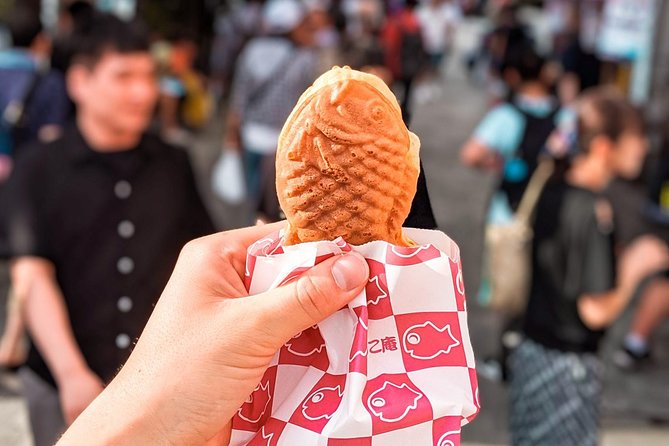
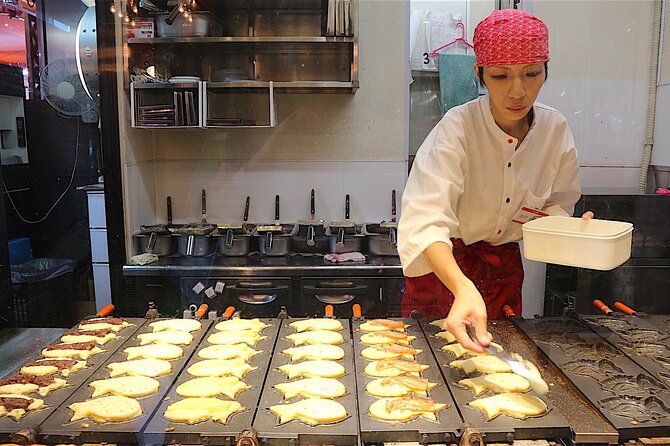
Included sweets include items like daifuku or dorayaki and Pokemon taiyaki, plus a drink option such as matcha bubble tea or matcha ice-cream. This is also a good moment to grab something photogenic without worrying you picked a gimmick. The flavors are rooted in familiar Japanese sweets, just served with a modern theme.
What you actually eat: 14 tastings plus lunch and a drink
The tour includes a long snack list and a full lunch component, which is one of the big reasons it feels like good value. Here is how the included food fits together:
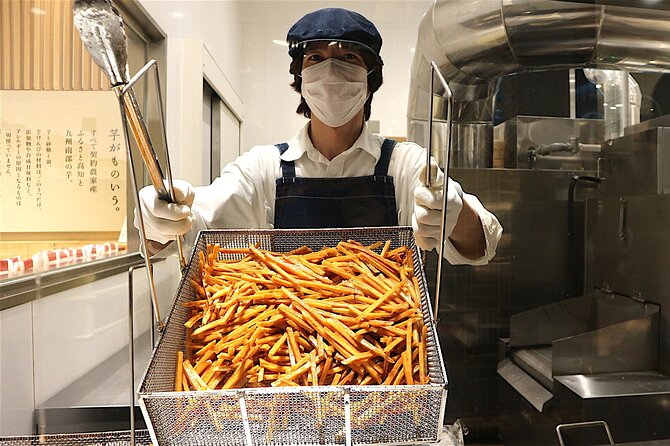
- Early and mid-morning style bites: tastes connected to dashi, katsuobushi, kombu, satsuma-age, amazake, imo kenpi, and sweets like daifuku or dorayaki
- Lunch: yakitori and tempura soba, plus tamagoyaki and fruits sando
- Dessert and fun ending in Akihabara: Pokemon taiyaki, plus matcha bubble tea or matcha ice-cream
You also get an alcoholic drink included: lemon sour. If you do not want alcohol, you might still enjoy the idea of this being a meal with a social feel. Just keep in mind lemon sour is listed as included, so it is part of the flow.
One practical note: the tour is designed for tastings, not a single massive plate per stop. You may find the best strategy is to go in hungry but also accept that some items are small by design. By the time you hit Tokyo Station, you should feel ready for the lunch portion.
Pace, walking, and the subway reality
This is a real walking tour. Expect about 6.5 km over roughly 5.5 hours, plus stairs at subway stations. That matters more than the distance number suggests because stairs can feel like the hardest part.
It is also why the max group size matters. With a maximum of 9, the guide can keep people moving while still stopping long enough to explain ingredients and history. A crowded group would turn this into a slow jam. Here, it stays manageable.
If you want to do this while sightseeing other areas later the same day, plan for a bit of recovery. By the end, Akihabara is energetic, and your legs will feel it. On the flip side, the walk is not a punishment. It is the way the tour stitches the story together.
Price and value: $176 for a story-driven tasting day
At $176 per person, this is not a budget snack crawl. But the value is in the mix and the structure.
First, you get 14 dish tastings, plus lunch that includes both protein-focused items like yakitori and comfort-food style noodles with tempura soba. That is a lot of “covered meals” for one ticket.
Second, you are paying for access and explanation. You are not just buying food at famous spots. You are learning what ingredients like dashi components mean and how Tokyo’s neighborhoods and schedules shaped what people ate.
Third, it is small-group by design. Maximum 9 matters for comfort, questions, and pace control. It also keeps the day from feeling like you are being marched.
What is not included is transport. The tour uses two short subway rides, and you pay those yourself. For most visitors, that is a minor add-on, but it is still something to keep in mind when you budget.
Who this tour is perfect for
This is a strong fit if you want:
- Food that comes with context, not just a list of dishes
- A manageable group size and an organized route across central Tokyo
- A mix of traditional staples and fun modern sweets
- A way to understand Tokyo’s change over time through everyday eating
It also works well if you are traveling solo or as a couple. The group stays small enough that conversation and questions are easy, and the route covers major areas without turning into a frantic hop.
When you should think twice
Consider skipping or choosing another format if:
- You cannot handle stairs in subway stations or you dislike longer walking days
- You prefer a food tour that is mostly eating with minimal stops that are not food related
- You want zero alcohol and worry the lemon sour flow will affect how you pace the meal
The tour is designed to teach as much as it feeds. If you want only taste sensations with little narrative, this may feel like it has too much “story stops” compared to pure food crawls.
Guides and the small touches that make it feel personal
A major reason people rate this tour so highly is the guide style. Names you might encounter include Yasu, Keiko, Miko, and Paiva, and the common theme is that they are warm, attentive, and good at turning history into something you can taste.
The best part is the practical help. When small glitches happen, like transit pass issues or finding the meeting point, the guide role is not passive. They help the group stay on track and keep the day smooth. That matters because Tokyo is efficient, but it also has enough systems that a small hiccup can snowball.
Should you book Flavours of Tokyo?
Yes, if you want a half-day that combines real Tokyo districts, a strong ingredient foundation like dashi, and a mix of lunch food plus fun dessert culture in Akihabara. It is also a smart choice when you want to do one organized route instead of building three separate food plans on your own.
Hold off if stairs and walking are a deal-breaker, or if you are looking for a tour that is almost entirely eating with minimal cultural stops. In that case, you may prefer a shorter, mostly seated tasting format.
If you are on the fence, use this rule: if you enjoy learning why food looks and tastes the way it does in different parts of Tokyo, this tour fits your travel style.
FAQ
How long is the tour?
The experience runs for about 5 hours 30 minutes.
What neighborhoods does the tour cover?
You’ll visit three main areas: Nihonbashi, Ginza plus Yurakucho, and Akihabara, with additional route stops around Tokyo Station, Tokyo International Forum, and Kitte Marunouchi.
What food and drinks are included?
The tour includes snacks such as dashi tastes and items like katsuobushi, kombu, satsuma-age, amazake, imo kenpi, daifuku or dorayaki, Pokemon taiyaki, and matcha bubble tea or matcha ice-cream. Lunch is included with yakitori, tempura soba, tamagoyaki, and fruits sando. A lemon sour is included as the alcoholic drink.
Is transportation included?
No. Transport costs are paid by you, and the tour includes two short subway rides.
How much walking is involved?
You should expect to walk about 6.5 km (4 miles) total over 5.5 hours, plus you’ll need to walk up and down many subway station stairs.
What if the tour is canceled?
If canceled due to poor weather, you’ll be offered a different date or a full refund. If canceled because the minimum traveler requirement is not met, you’ll be offered a different experience/date or a full refund. This experience itself is described as non-refundable and cannot be changed for any reason.
More Food & Drink Experiences in Tokyo
More Tours in Tokyo




More Tour Reviews in Tokyo


Not for you? Here's more nearby things to do in Tokyo we have reviewed












Tokyo Food Tours, side by side.
 ★ 5.0Shinjuku Food Tour (13 Dishes at 4 Local Eateries)From $866,603 reviews
 ★ 5.0Tokyo Bar Hopping Tour in Shinjuku (All-You-Can-Drink + Dinner)From $1063,587 reviews
 ★ 4.9Shinjuku Food Tour (15 Dishes and 4 Eateries)From $852,033 reviews
 ★ 5.0Best of Shinjuku: Izakaya Food Tour (4 Stops, 14+ Tastings)From $921,863 reviews
 ★ 5.0Shibuya Meltdown Nightlife Tour: All-You-Can-Drink Bar HoppingFrom $1061,058 reviews
 ★ 5.0Eat and Drink Like a Local: Tokyo Ueno Food Tour-Taverns&RamenFrom $95957 reviews
 ★ 5.0Ramen & Gyoza Cooking Class in Tokyo with Local Supermarket VisitFrom $122823 reviews
 ★ 5.0Shibuya Food Tour (13 dishes and 4 Eateries)From $77770 reviews
This tour also belongs to