
Review · TOKYO FOOD TOURS
Eat and Drink Like a Local: Tokyo Ueno Food Tour-Taverns&Ramen
Ueno food can feel chaotic. That is exactly why this Tokyo Ueno food tour works so well, you get a guided walk to local standing bars, izakaya-style spots, and a proper ramen finish, plus food tastings and drinks are built in. I especially like the way you learn how to order and eat Japanese fare without getting stuck guessing, and I like the small group size that keeps the night moving at a comfortable pace. One watch-out, you’ll be walking and sampling a few different dishes, so go in hungry and ready for foods that may be unfamiliar.
The vibe is casual, local, and very eat-your-way-through-it. You’ll also get quick orientation around Ueno Park and even the Ueno Zoo area as you head into dinner mode, which helps first-time visitors understand why this neighborhood is such a food magnet.
Key highlights you will feel right away
- No language barrier by design, your guide handles translating so you can focus on eating
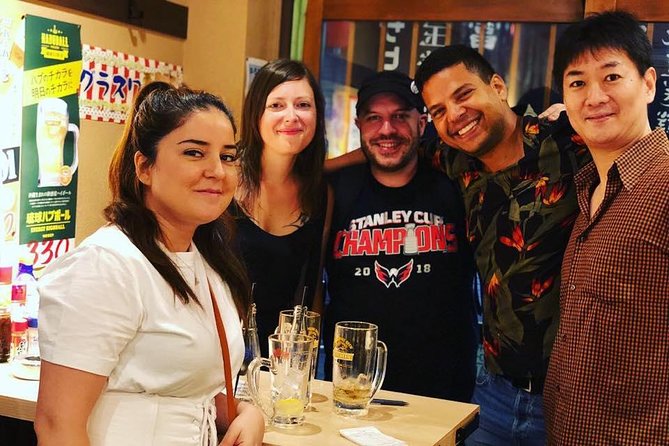
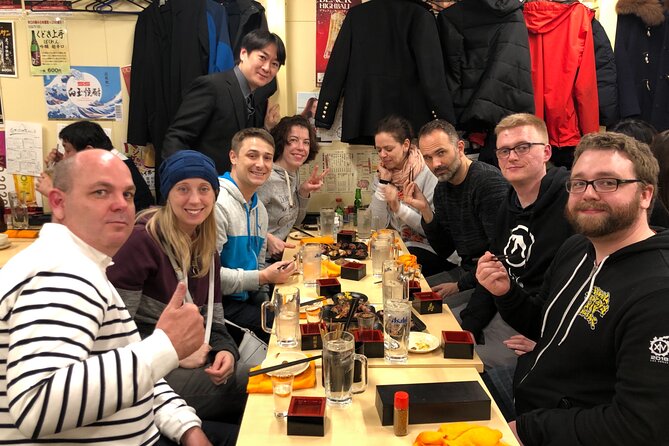
- Small-group max 10, so questions stay easy and the pace feels human
- Standing bar and tavern stops, a very Japanese way to dine that you can copy later
- Ramen how-to at the last stop, so you know what to order and how to eat it
- Ameya Yokocho to Okachimachi connection, a classic Ueno route for food and drink culture
Why Ueno is the perfect place to start eating like a local
Ueno is one of those Tokyo neighborhoods where you can go from sightseeing mode to dinner mode fast. The streets around Ameya Yokocho and Okachimachi are where locals peel off for snacks, drinks, and quick meals, and that matters because a food tour is not just about taste. It is about knowing where you are, what kind of place you are walking into, and what the locals expect you to do.
This tour is built for that. You do not spend the whole night in one polished restaurant with a menu printed in English. Instead, you experience the kind of informal, counter-style dining that you might hesitate to try on your own.
You can also read our reviews of more food & drink experiences in Tokyo

Meet at atre Ueno, then get your bearings fast
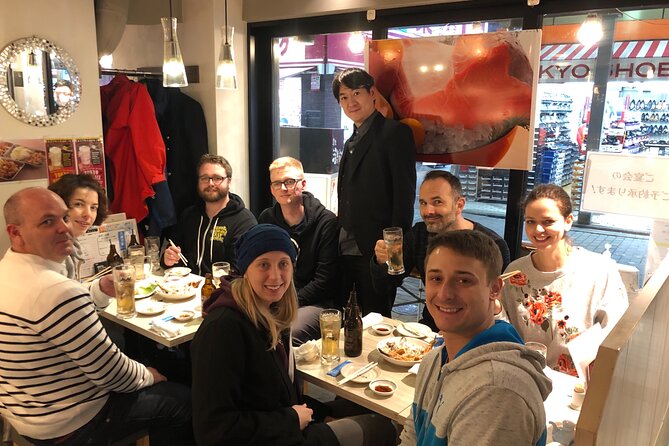
You start right at Starbucks Coffee inside atre Ueno (1F). It is an easy landmark when your brain is still adjusting to Tokyo train navigation. From there, you get a quick orientation about Tokyo and what makes Ueno tick before you hop into food mode.
This early setup is practical. If you understand the basics, you can relax once the night gets busy. And from the comments in the provided information, guides like Aki, Akira, and Shota tend to keep things friendly and upbeat, which is exactly what you want when everyone is walking into new food situations together.
Ueno Park and Ueno Zoo context, then straight to dinner energy
Along the way you learn about Ueno Park and Ueno Zoo as part of the area introduction. Even if you do not plan to visit the zoo that night, this kind of quick background gives the neighborhood shape.
Then it is off to the first real stop, where you start eating right away rather than spending the night “warming up.” That timing is smart for first-time visitors because Tokyo can be overwhelming. You get momentum early.
Stop 1 in Ueno: four dish tastings and a quick Japanese food lesson
Your first meal stop is in the Ueno area. You get four dishes at that first spot, and the guide explains what you are eating. This matters because Japan has a lot of variations on similar ingredients, and knowing what you are tasting makes everything more fun.
Also, the stop is designed for a “start here” style of dining. It is not about ordering a full meal and hoping it lands. You sample, learn the basics, and move on. That keeps the night from feeling like one long decision.
A small note on the logistics you’ll feel: you’ll likely be walking and shifting between places often, and that first stop is meant to set the tone quickly. So if you hate surprises, this is still okay, but you should be comfortable trying multiple items in one evening.
Ameya Yokocho to Okachimachi: the route that locals actually use
Once you head through Ameya Yokocho, the night starts to feel more like the neighborhood itself. This street is famous for snacks, casual food stalls, and people grabbing a bite between errands or before heading home.
You also get conversation centered on drinking culture in the izakaya world around Okachimachi. If the idea of an izakaya makes you nervous, this is where the fear usually fades. Your guide can translate what you need, explain how ordering works in small places, and help you understand what you should do when the space is crowded and loud.
This section is also great for photos, but the bigger win is confidence. You learn how Tokyo bar-dining flows, so later, when you see a similar place on your own, you know how to walk in.
More Tokyo tours and experiences for the shortlist


Stop 2 by Okachimachi Ekimae Street: izakaya-style dishes and drink culture
At Okachimachi Ekimae Street, the focus stays on dishes and the way people drink and snack in this area. The time here is set for a simple rhythm, around 30 minutes, and there is no dragging the group.
Why that matters: Tokyo neighborhoods can be intense. Quick, structured stops let you keep your energy up and avoid the fatigue that can kill a food tour by the third or fourth location.
From the feedback included with the tour, guides tend to smoothly handle group energy, keep things moving, and make room for questions. That is a big deal on this kind of night, because when everyone feels comfortable, you actually enjoy the food instead of managing anxiety.
A brief Tokyo train system lesson you will use later
There is a stop where the guide explains the train system in Tokyo. It might sound random during a food night, but it is not. If you are staying in a different neighborhood, understanding the transit basics can save you time and stress on the rest of your trip.
Even a short orientation helps you stop overthinking which line to take. Then your Tokyo days feel more like you planned them, not like you survived them.
Stop 3 in the Ueno District: how Japanese taverns work and what to order
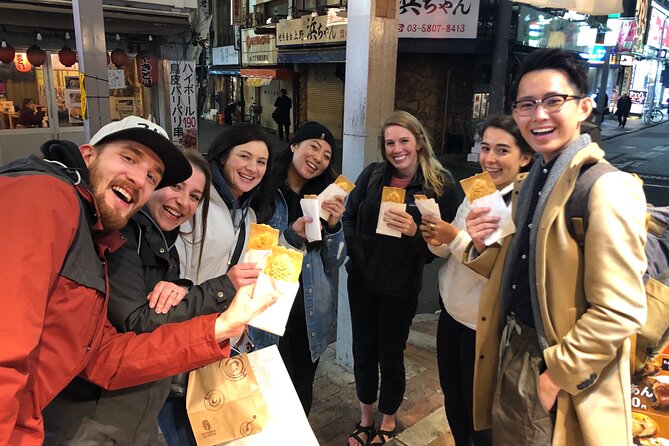
By the time you reach the Ueno District part of the route, the tour shifts into a more focused “tavern experience.” You learn about Japanese alcoholic drinks and the kind of food you can expect in local taverns.
This stop is especially valuable if you want more than just eating. You want to understand how Japanese bar culture works, what pairing makes sense, and what kind of ordering habits locals follow.
In the provided information, there’s also mention of first drink moments, like a small sake shot and a proper kampai start. That kind of ritual is small, but it sets you up to feel like part of the scene, not like an outsider watching from the sidewalk.
Also, one recurring theme in the feedback is how accommodating guides can be with dietary needs. In one case, a vegetarian option was handled by checking ahead. So if you have restrictions, tell the guide clearly, and ask for what you can safely eat.
Stop 4 near Okachimachi Panda Hiroba: ramen, ordering help, and the real finish
The last stop brings you to a ramen store near Okachimachi Panda Hiroba. This is where the tour earns its name. You get ramen at the end, and the guide explains how to order and how to eat it.
Ramen is one of those dishes where your first bowl can be either exciting or confusing. You might not know what “normal” looks like, how toppings work, or how to adjust based on your taste. This stop fixes that.
You also get about 30 minutes here, which is long enough to eat comfortably, but short enough that the group stays together. That timing is important because ramen places can be busy, and you do not want to be stuck waiting around after you are already hungry.
And since this is a food tour, the goal is not just to say you had ramen. It is to leave with a template you can use the next time you walk into a ramen shop on your own.
Price and value: what $95.21 buys you in real Tokyo time
At $95.21 per person for about 3 hours, you are paying for three things that add up fast in Tokyo.
First, you are paying for access and decision-making help. Without a guide, you can spend a lot of time guessing where to go, especially around izakaya and standing bar spaces where you might not know the customs.
Second, you are paying for food and drinks included. Since the night includes multiple tastings across several stops and a ramen finale, you are basically buying a guided “taste passport” through Ueno.
Third, you are paying for group efficiency. This tour is designed around short, timed stops, not long sitting. You get to cover key parts of Ueno in one evening instead of turning your first night into an inefficient search mission.
Now the balanced take: this is not a premium, multi-course restaurant night. Some people want Michelin-style dining at every stop. This tour is more about local bar culture and variety. If that is what you want, the price usually feels fair. If you only want the most familiar dishes, you might need to bring extra patience for the less common items.
Who this Tokyo Ueno taverns and ramen tour suits best
This fits you if:
- you want a first-night Tokyo food plan that reduces stress
- you are curious about standing bars and izakaya culture, not just one restaurant
- you want help with ordering and eating ramen without feeling lost
- you like small-group walking nights with time for questions
It might not fit as well if:
- you hate walking and shifting locations often
- you strongly prefer one specific dish type and nothing else
- you expect a fully quiet, sit-down dining experience
Should you book this tour?
I think you should book it if you want a confident start to eating in Ueno. The combination of tavern culture, guided translating, multiple tastings, and a ramen ending is exactly what most first-time visitors need. It also has a strong track record in the provided info, with a very high rating and frequent notes about fun, laughter, and guides who keep things moving smoothly.
If you do book, here is my practical advice before you go:
- show up hungry, this is a sampling night
- tell the guide about any dietary needs clearly
- come ready to try unfamiliar items, but ask questions if anything looks confusing
If your goal is to learn how to eat and drink like locals in Tokyo’s Ueno area, this is a very solid way to do it in one evening.
More Food & Drink Experiences in Tokyo
More Tours in Tokyo





More Tour Reviews in Tokyo


Not for you? Here's more nearby things to do in Tokyo we have reviewed












Tokyo Food Tours, side by side.
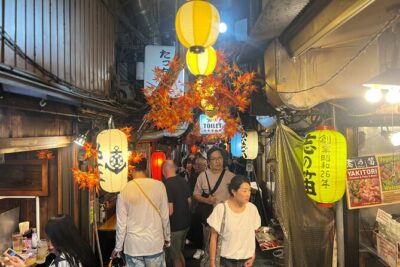 ★ 5.0Shinjuku Food Tour (13 Dishes at 4 Local Eateries)From $866,603 reviews
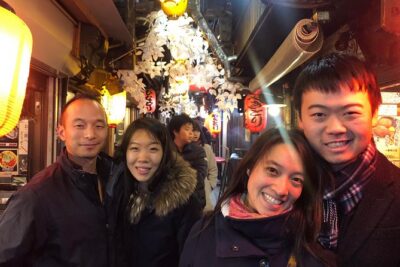 ★ 5.0Tokyo Bar Hopping Tour in Shinjuku (All-You-Can-Drink + Dinner)From $1063,587 reviews
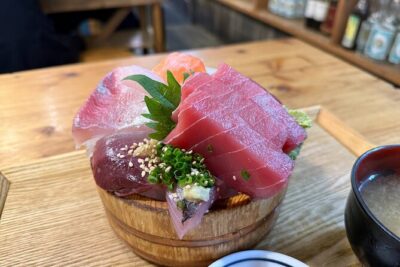 ★ 4.9Shinjuku Food Tour (15 Dishes and 4 Eateries)From $852,033 reviews
 ★ 5.0Best of Shinjuku: Izakaya Food Tour (4 Stops, 14+ Tastings)From $921,863 reviews
 ★ 5.0Shibuya Meltdown Nightlife Tour: All-You-Can-Drink Bar HoppingFrom $1061,058 reviews
 ★ 5.0Ramen & Gyoza Cooking Class in Tokyo with Local Supermarket VisitFrom $122823 reviews
 ★ 5.0Shibuya Food Tour (13 dishes and 4 Eateries)From $77770 reviews
Shinjuku Food Tour – 15 Dishes, 3 Drinks, 4 EateriesFrom $72629 reviews
★ 5.0Shibuya Food Tour (13 dishes and 4 Eateries)From $77770 reviews
Shinjuku Food Tour – 15 Dishes, 3 Drinks, 4 EateriesFrom $72629 reviews
This tour also belongs to