
Review · SHIBUYA TOURS
Shibuya Electric Bike Tour of Tokyo’s Most Expensive Neighborhood
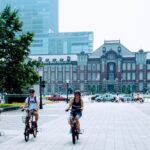
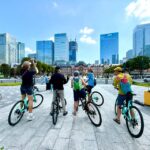
Tokyo slows down on this Shibuya e-bike ride. I love how the route slips from Shibuya Crossing energy into calmer Shōtō and Oku-Shibuya streets, and I also like the practical, photo-friendly stops like the Former Marquis Maeda Teahouse and Yoyogi shrines. One drawback to plan around: this tour needs good weather, and rainy days can mean a date change or refund.
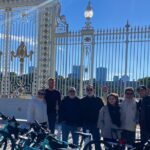
You get a small-group experience, capped at 6 people, with an English-speaking guide. The pace fits a 2.5-hour window, and there are built-in moments to park the e-bikes, stretch your legs, and grab a quick bite or coffee on your own time.
A name that shows up in the positive feedback is Leo, with people appreciating that the ride feels easy and friendly. Still, if you expect a long sit-down meal or a full food-focused tour, note that food and drink aren’t included, and there’s also a separate note that tips are not part of the package.
Key highlights you should care about
- Small group (max 6) means less waiting and more chances to ask questions
- English-speaking guide helps you understand shrine manners and local culture
- Toilet design stops at Nabeshima Shoto Park and Yoyogi Fukamachi Mini Park are weird in the best way
- Teahouse visit included at the Former Marquis Maeda Teahouse with no extra admission charge
- Quiet neighborhoods near Shibuya feel like local Tokyo, not a tourist loop
- Food stops are optional since drinks and meals are not included
From Shibuya chaos to quiet Shōtō and Komaba streets
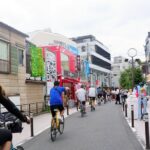
This is the kind of Tokyo tour that fixes a common problem. You land in Shibuya, you see the big scramble, and then you realize there is way more city beyond the main intersection. This ride starts in Shibuya and heads into quieter nearby areas like Shōtō, Komaba, and Yoyogi, including the trendy stretch around Oku-Shibuya.
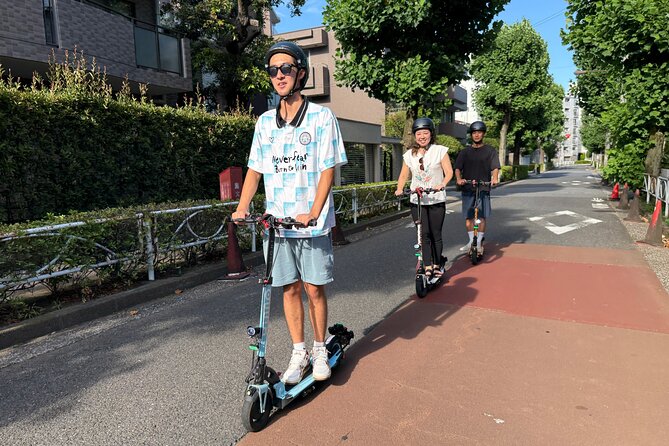
What I like about the design of this tour is the rhythm. You get to move quickly by electric bike, then you slow down at the exact moments that make Tokyo feel human. Expect calmer residential lanes, pockets of traditional houses beside more modern design, and streets where you actually feel like you are passing through a real neighborhood.
You can also read our reviews of more cycling tours in Tokyo
Price and what about $52 actually buys you
At $52.03 per person for about 2 hours 30 minutes, the value is strongest when you factor in what’s covered. The tour includes the electric bike with pedals, an English-speaking guide, and admission to the Former Marquis Maeda Teahouse. On top of that, multiple listed stops are free to enter, so you are not paying admission over and over.
This is not an all-inclusive food tour. Food and drink are not included, and tips are not included either. So think of it as a guided route plus a handful of culture and architecture moments, with optional snack and coffee breaks where you can choose what works for you.
One more practical note: it is commonly booked about 130 days in advance on average. That does not mean you must book that far ahead, but it does mean you should not wait until the week of if your schedule is fixed.
Meeting point, ride logistics, and the max-6 feel
The meeting point is at LIQUOR SHOP MATSUMOTO Japan, Shibuya, Maruyamachō, 10-15, Matsumotoya Saké Building (150-0044 Tokyo). The tour ends back at the same place, so you do not have to figure out a new pickup point after the ride.
You get a mobile ticket, and the start location is near public transportation. Group size is capped at 6 travelers, which matters more than it sounds. With fewer people, the guide can slow down for questions, and you spend less time watching everyone catch up.
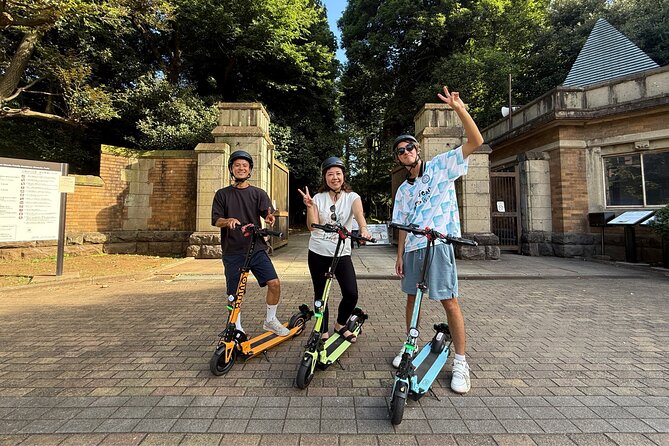
The bike is an electric bike with pedals. That combination is usually a sweet spot because you can assist when you want, and you still control your effort with pedaling. Most travelers can participate, but you should still be comfortable riding and making basic turns, especially in neighborhood streets.
Stop 1, Nabeshima Shoto Park and the Toilet designed by an architect
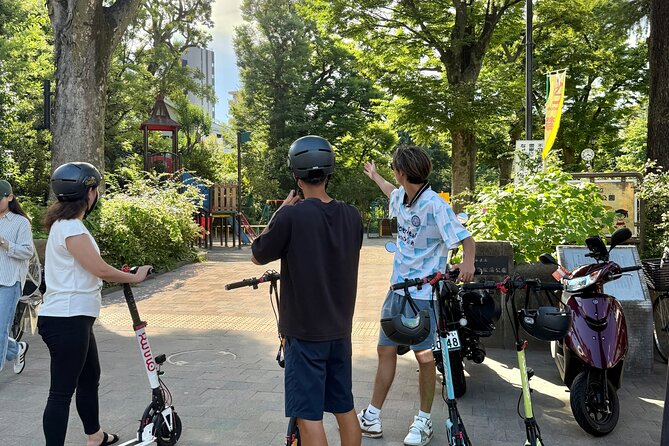
The first stop is Nabeshima Shoto Park, around 10 minutes. You do not just pass through. You get a quick sense of the park’s background and a chance to see a famous toilet design by a well known Japanese architect.
This kind of stop is a very Tokyo trick. It turns something ordinary into something you want to photograph, and it gives you a glimpse of how design thinking shows up in public spaces. If you like odd but meaningful details, this is a great opener.
The drawback is time. It is short, so do not expect a long stroll. If you want extra time for photos, you can take them quickly, then circle back later if you are in the area after the tour.
Stop 2, Former Marquis Maeda Teahouse for calm in the middle of the day
Next comes the Former Marquis Maeda Teahouse for about 30 minutes, and admission is included. This is the “reset” stop where you park the e-bike and walk in to a classic Japanese teahouse setting.
Even without turning it into a big lecture, this pause helps you understand the contrast of the neighborhoods you are riding through. You are in Shibuya on paper, but the tour is aiming you toward the quieter side of Tokyo culture, where manners and pacing matter.
A consideration here is attention span. If you are the type who hates structured quiet stops, 30 minutes can feel like a lot. If you like a slow break, this is one of the most valuable built-in inclusions because you do not have to pay separately for entry.
More Tokyo tours and experiences for the shortlist
Stop 3, Panamaboy Co., Ltd. in Tomigaya for vintage accessories
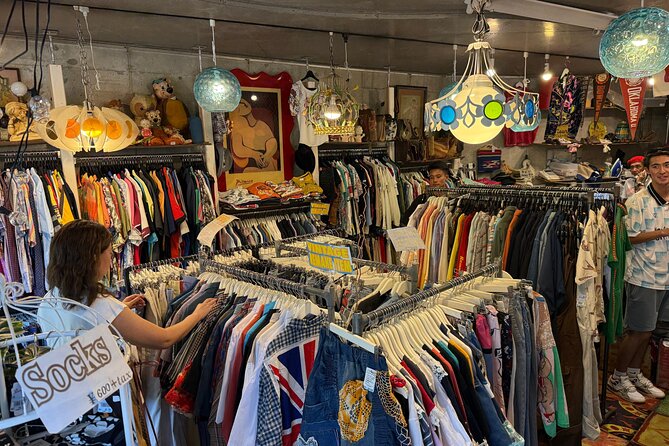
Panamaboy Co., Ltd. is a quick 10 minute stop in the Tomigaya area. The idea here is simple: a cozy vintage thrift and accessories shop tucked into a calmer side street.
This is one of those moments that turns the tour from “sights” into “you are living like locals.” If you enjoy browsing small shops, you will probably like this stop more than you expect. If shopping is not your thing, it will feel brief, but it still adds variety to the route.
Tip for enjoyment: go in with curiosity. Even if you do not buy anything, you can see the kinds of items and styles that fit the neighborhood vibe around you.
Stop 4, Yoyogi Hachimangu Shrine and practical Shinto manners
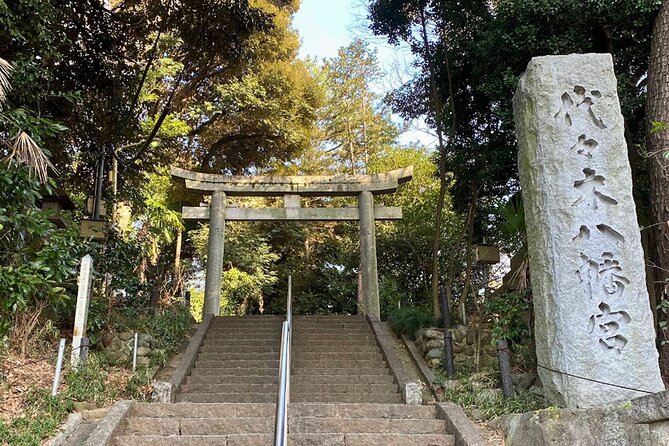
Then you head to Yoyogi Hachimangu Shrine for about 20 minutes. This is a walk with your guide, focused on Shinto and shrine etiquette.
This stop is valuable because it is not just a photo stop. Shrine manners are one of those things that can feel confusing when you are on your own. With a guide pacing you and explaining what matters, you can enjoy the place without worrying that you are doing it wrong.
The practical downside is that shrine stops require respect and quiet attention. If you are trying to multitask with loud talking or constant phone scrolling, you might feel out of sync. Best approach: put your phone away for a bit and just follow what the guide indicates.
Stop 5, Little Nap Coffee Stand for a quick local break
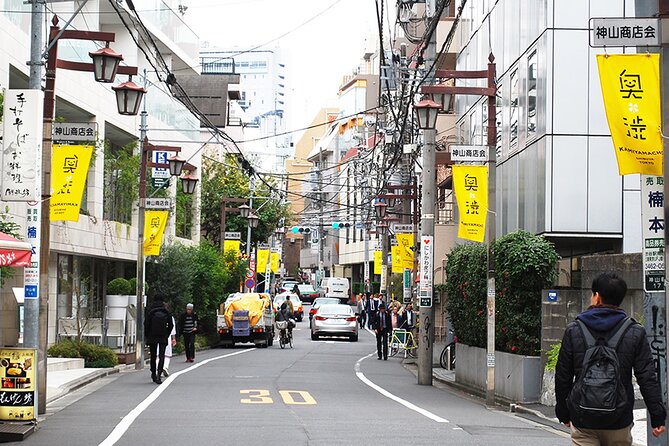
After the shrine, you get a 15 minute break at Little Nap Coffee Stand. This is where you can grab a coffee or something simple, but food and drink are not included, so you pay out of pocket.
I like this kind of stop because it keeps the tour from turning into nonstop walking and riding. A short coffee pause also helps you reset for the later parks and the final food stop.
For planning, decide early how you want to handle your caffeine and snacks. Since you are paying separately, it’s smart to set a rough budget so the quick breaks stay fun, not stressful.
Stop 6, Yoyogi Fukamachi Mini Park with light-control public toilets
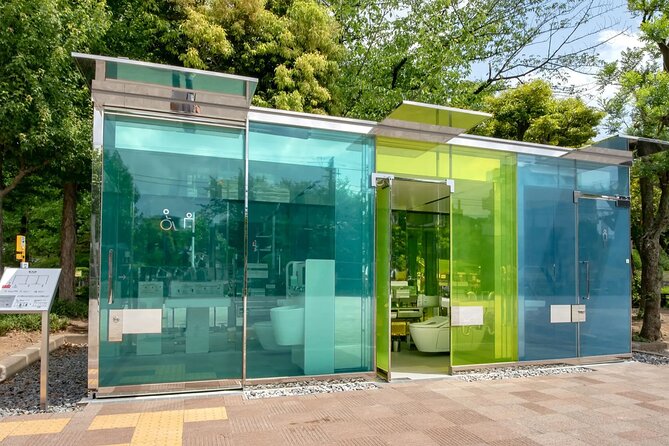
Yoyogi Fukamachi Mini Park is about a 10 minute stop and another architecture and design moment. The focus here is Japan’s first public toilet using light control film, which becomes transparent and opaque when you switch the button.
This is a strong example of what makes Tokyo outside the big highlights so interesting. The city turns even small public facilities into thoughtful design, and this stop makes you notice things most people walk past.
The only caution is that this is still a brief stop. You will see the key point, but you should not expect a long exploration or detailed explanation of how it works.
Stop 7, CAMELBACK sandwich and espresso for an egg sandwich story
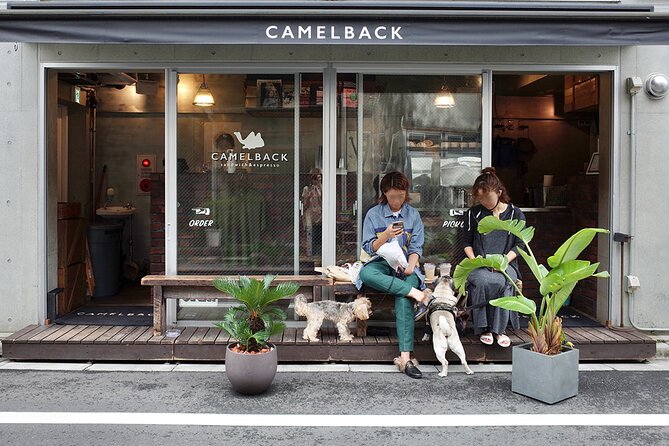
The final stretch includes CAMELBACK sandwich and espresso for about 15 minutes. You can take a breather, and you can grab the signature Egg Sandwich made by a former sushi-chef. Drinks are not included, so any coffee or beverages are on you.
This last stop is a nice way to end because it ties culture into everyday life. Instead of ending with another viewpoint, you end with something you can actually eat, and you get a bit of personality behind the food.
If you are sensitive to timing, keep in mind the tour is only 2 hours 30 minutes total. That means your snack choice needs to be fairly quick. If you want the egg sandwich, order promptly and then finish your photos after you’ve eaten, not before.
Why the route around Yoyogi and Oku-Shibuya feels different
The big promise here is exploring neighborhoods that sit near famous Shibuya but do not feel like the main attraction. Shōtō, Komaba, and Yoyogi can feel like cozy Tokyo suburbs, and Oku-Shibuya adds a trendy edge without becoming chaotic.
What makes this work as an experience is the balance between “see” and “understand.” Shrines come with manners guidance. Teahouse time comes with a calm walking rhythm. Parks and public design are explained just enough to make them meaningful, not just weird objects for a quick photo.
The bike also changes the quality of what you notice. Walking would limit how far you can go in 2.5 hours. By e-bike, you can stitch together multiple micro-worlds, from traditional houses to minimalist modern architecture, without feeling rushed on foot.
Who should book this e-bike tour, and who should skip it
This tour fits best if you want a low-stress way to cover more than one neighborhood near Shibuya. It is also a good match if you like small-group energy, are curious about shrine etiquette, and enjoy quirky design details like public toilet architecture and light-control film.
It might not be the best choice if you want a museum-heavy itinerary or a long sit-down cultural program. Also note that good weather is required, so if your dates are fragile due to rain, you will want a plan B.
Since food and drink are not included, it helps if you are comfortable paying for snacks and coffee yourself at the stops. If you need fully included meals, this is probably not the right fit.
Quick practical tips so you enjoy every stop
The tour is short, around 2 hours 30 minutes, and includes several stops with walking time. Wear comfortable shoes you can walk in and ride in. Bring a small amount of cash or card for the coffee and sandwich choices since food is not included.
If you care about photos, move efficiently. The stops are brief, and the best approach is to take your main shots, then relax for a minute when you can. At shrines and teahouse spaces, keep your behavior respectful and follow your guide’s rhythm.
Finally, take advantage of the guide time. The ride tends to feel friendly and conversational, and having your questions answered is part of the value, not a bonus.
Should you book this Shibuya e-bike tour?
I’d book this tour if you want Tokyo that feels local fast. The route gives you quiet neighborhoods close to the city’s loudest corner, plus a guide who helps you understand what you are seeing. The small group size is a real quality upgrade, and the included teahouse admission makes the price feel more grounded.
Skip it if you want a food-heavy, fully guided tasting experience or if you are worried about weather. Because the tour requires good weather, you should choose dates you can be flexible with.
If you like mixing design oddities, shrine etiquette, and neighborhood browsing into one easy ride, this one is an efficient way to see Tokyo beyond the obvious sights.
FAQ
What is the duration of the Shibuya electric bike tour?
The tour runs about 2 hours 30 minutes.
Where does the tour start and end?
It starts at LIQUOR SHOP MATSUMOTO Japan, in Shibuya (Maruyamachō, 10-15, Matsumotoya Saké Building), and it ends back at the same meeting point.
What is included in the price?
The price includes an electric bike with pedals, an English-speaking guide, and admission to the Former Marquis Maeda Teahouse.
Is food or coffee included?
Food and drink are not included. There are stops where you can buy coffee or snacks on your own.
How many people are on the tour?
The group size is capped at a maximum of 6 travelers.
Do I need good weather for this tour?
Yes. The experience requires good weather. If it is canceled due to poor weather, you will be offered a different date or a full refund.
What is the cancellation policy?
You can cancel for free up to 24 hours in advance for a full refund. If you cancel less than 24 hours before the start time, the amount paid is not refunded.
Is this tour easy for most visitors to join?
The activity notes that most travelers can participate, and the meeting point is near public transportation. Confirmation is received at booking time.
More Cycling Tours in Tokyo
More Tours in Tokyo





More Tour Reviews in Tokyo


Not for you? Here's more nearby things to do in Tokyo we have reviewed












Shibuya Tours, side by side.
 ★ 5.0Official Street Go-Kart in ShibuyaFrom $763,435 reviews
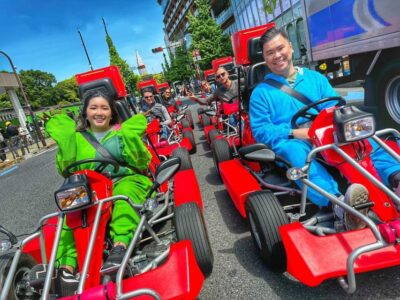 ★ 4.9Street Kart Experience in ShibuyaFrom $741,484 reviews
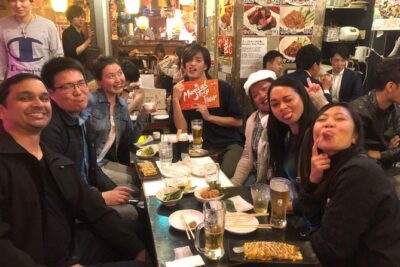 ★ 5.0Shibuya Meltdown Nightlife Tour: All-You-Can-Drink Bar HoppingFrom $1061,058 reviews
 ★ 5.0Shibuya Official Street Go-Kart in Shibuya AnnexFrom $69972 reviews
 ★ 5.0Shibuya Food Tour (13 dishes and 4 Eateries)From $77770 reviews
 ★ 5.0Best of Shibuya Food TourFrom $217612 reviews
 ★ 4.8Shibuya Highlights Walking TourFrom $19601 reviews
 ★ 4.7Premium Go-Kart Tour with Tower & Shibuya CrossingFrom $116528 reviews
This tour also belongs to