
Review · TOKYO SUMO EXPERIENCES
Tokyo Sumo Morning Practice Tour w/ Ring-Side Seat + Photo Shoot
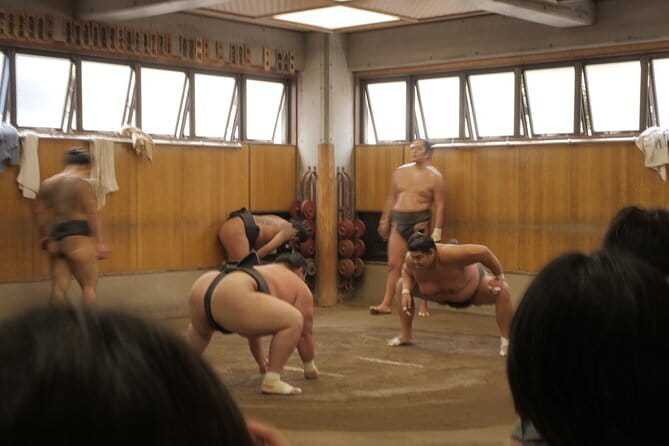
Sumo practice at dawn feels serious. This Tokyo tour gets you into a sumo stable for a real morning training session, with a guide who explains what you’re seeing and an included photo session. The group stays small, capped at 10, so the whole experience feels more like a guided visit than a big bus stop.
I really like two things here. First, the chance to watch rikishi training up close during a morning session, not a staged performance. Second, the added context from guide Marie, including time for questions after you’ve seen the workout up close.
The one drawback to keep in mind is rules. Each stable sets its own photography limits, and only tatami areas are accessible inside the stable, so you may have to accept restrictions on where you can stand and what you can film.
Key things to know before you go
- Small-group experience (max 10), which helps you see what’s happening without constant shoulder checks
- Morning practice timing for the most authentic look at how training runs in a heya
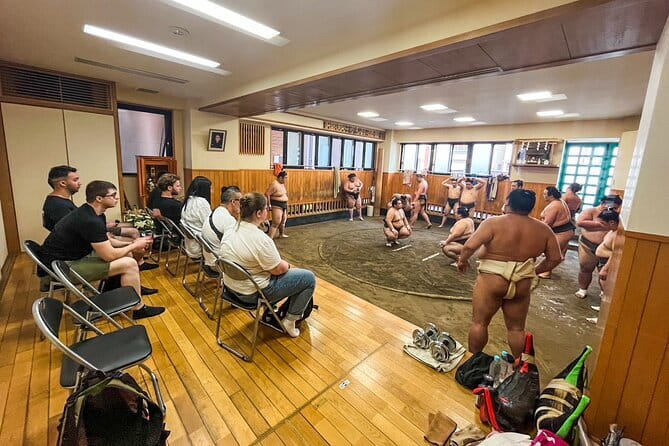
- Ring-side style viewing, with seating on a first-come, first-served basis if the group is split
- Guide commentary with Q&A, including hands-on explanations by Marie
- Photo session included, but stable policies can limit what photos are allowed
- Kiyosumi Gardens stop after practice, a calm way to cool down and reset
Tokyo sumo morning practice, and why it starts to feel real fast
If you think sumo is just tournaments and giant personalities, this tour corrects that fast. Morning practice shows you the grind behind the spectacle. It’s stretching. It’s repetition. It’s the rhythm of training before the day gets busy.
What makes this experience click is that you’re not waiting for a match day. You’re watching how the stable routines shape the wrestlers’ bodies and focus. The whole vibe is quiet, controlled, and intensely physical, even when you’re standing close enough to feel the power of each movement.
I also like that the experience is built around understanding. The guide accompanies you, answers questions, and gives commentary so you can connect what you see to the traditions behind it. And because the group is limited to 10, that explanation actually lands. You’re not stuck listening through a fog of other people’s questions.
More Tokyo tours and experiences for the shortlist

Meet-up at Kiyosumi Shirakawa Station, then walk to the stable
The tour starts at 8:30 am with a meet-up at 3-chōme-11-1 Kiyosumi, Koto City, Tokyo. From there, the guide takes you to the sumo stable. Plan to arrive early enough to find the meeting spot without stress. The tour starts promptly, and if you’re late, you may not be able to join, with no refund or rescheduling for missed tours.
This area is practical for public transportation, so you’re not dealing with a complicated transfer. Still, Tokyo mornings can make you feel rushed, especially if you’re also trying to get coffee and a train connection. Treat this like a check-in day, not a casual stroll.
Also, use the restroom before you go in. Restroom access may not be available during practice. It’s a small detail, but it makes the visit smoother once you’re inside the stable.
Watching sumo training up close: what you actually see at the stable
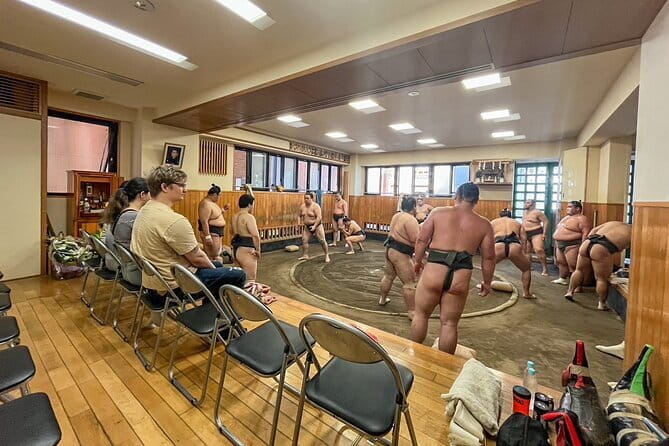
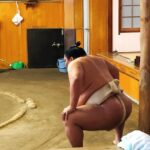
The first stop is the stable at 3-chōme-6-2 Kiyosumi. You’ll watch a training session for about 1 hour 30 minutes. This is where the tour earns its value.
In a stable, you get more than just a few highlight moments. You see the full structure of practice. Expect a mix of warmups, repeated drills, and practice bouts. The workouts are focused. The wrestlers stay locked in. You’ll notice how much reverence and order there is in the way they move and follow training routines.
And the “ring-side seat” idea matters here. You’re not watching from a far-off angle where everything looks like tiny figures. Seating in the stables can be close, and it’s chosen on a first-come, first-served basis. If your group gets split between stables based on participant numbers, you might end up farther from the front if you arrive after others.
One more practical thing: group size stays small, but stables still run their own schedules. The practice session length can vary, and stables can adjust schedules last minute based on wrestlers’ condition or tournament commitments. If the stable cancels, you get a full refund.
Stable rules you need to follow, especially inside the tatami areas
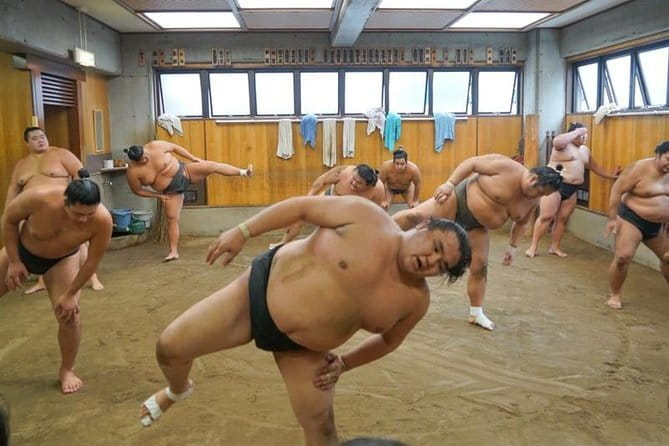
This is not a museum visit with open access. You’re entering a working space with strict boundaries.
Here’s what you should know before you show up:
- Only tatami areas are accessible inside the stable. Other areas are off-limits.
- Photography follows stable policy. Depending on the day, taking photos of the wrestlers, or photos with the wrestlers, may be restricted.
- If you act disruptively or disrespect stable regulations, the stable can refuse entry or participation, and you would not receive a refund.
- You can leave the stable before practice ends if you need to, but re-entry is not permitted once you exit.
So yes, this is close and exciting. But it’s also structured. Think of it like visiting a temple service where phones and movement are handled carefully. If you keep your energy calm and follow instructions, the experience stays smooth for you and respectful for the stable.
Ring-side viewing and why first-come seating matters
This tour’s selling point is being close to training, and that depends on seating logistics inside the stable. The tour notes that seating is first-come, first-served. Later arrivals may end up seated farther from the front.
So do yourself a favor: be on time at the meet-up and be ready to move right when the group arrives. In a stable, you cannot “hover and rearrange” like you might at a normal venue. Once everyone’s in position, the space is what it is.
Also remember that groups may be divided and assigned to different stables depending on participant numbers. Even with a max of 10, you might not all sit in the exact same arrangement at the front. This is still a great experience, just don’t assume you’ll always get the absolute closest spot if you’re running late or lingering.






The photo shoot: included, but don’t assume unlimited filming inside practice
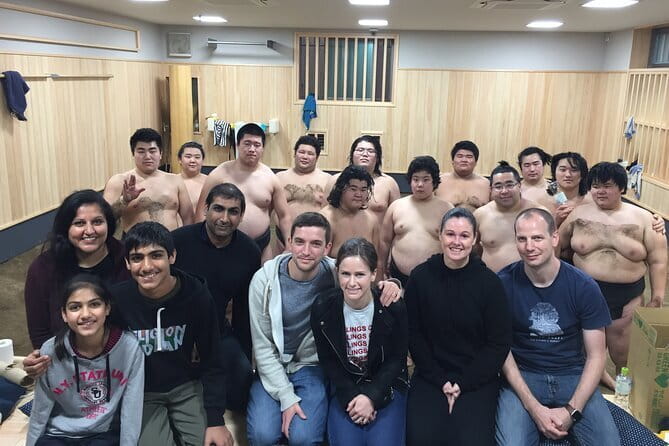
The tour includes a photo session, and the tour title promises a photo shoot with sumo wrestlers. That can be a huge part of the fun because it turns the experience into something you can take home, not just something you watched and forgot by dinner.
But here’s the reality check the stable rules bring: photography during practice is subject to each stable’s policy. On some days, photos of the wrestlers, or photos with the wrestlers, may not be allowed.
How I’d handle this as a traveler: go in expecting the photo session is part of the plan, but stay flexible on what exactly is permitted once you’re inside. Your best move is to follow your guide’s instructions during the stable portion. If the stable says limits, those limits come first.
Also, keep in mind that you might be seated in a way where you can see well, but you still have to respect where cameras and movement are allowed. You can still take in the training with your eyes. The wrestlers are moving fast, and the action is where the real memory forms.
Kiyosumi Gardens cool-down: a gentler ending after hard training
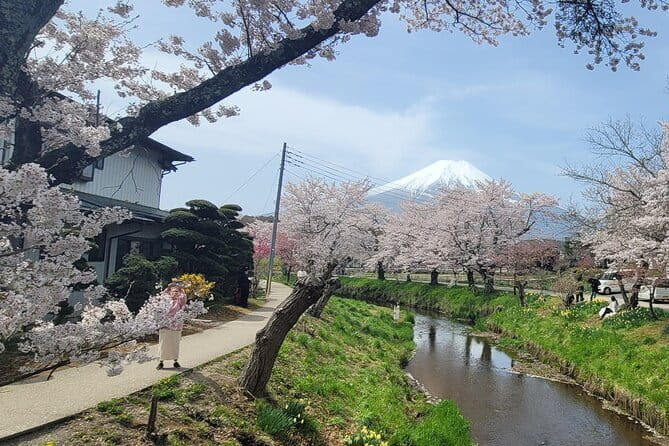
After practice, the tour ends at Kiyosumi Gardens for about 30 minutes. This is a nice pivot from intense physical effort to a calmer environment.
That ending matters more than it sounds. If you’ve been watching exertion for 90 minutes, your brain needs a slower pace to digest what you saw. The gardens give you a chance to walk, stretch your legs, and process the contrast between the formal order of stable life and the relaxed feel of a garden space.
It’s also a practical way to close the tour without immediately jumping back into the rush of Tokyo transit. You get a buffer, which helps especially if you have plans later that day.
Price and value: is $99.10 a fair deal for a sumo morning?
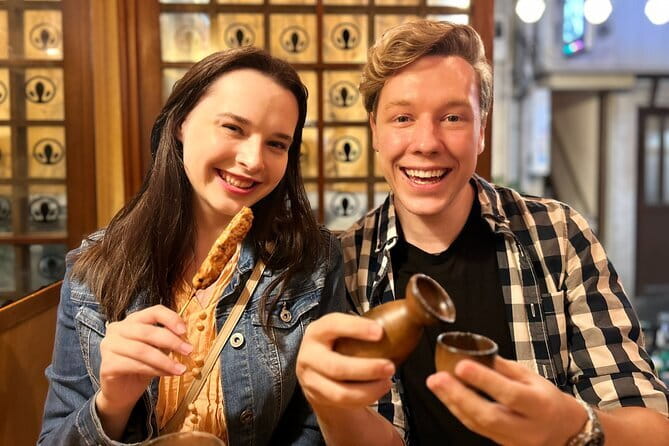
At $99.10 per person, you’re paying for access to a real training session, plus a guide, plus a photo session, in a small group limited to 10.
This can be good value if you care about authenticity. You’re not paying for a generic “do a thing with performers” setup. You’re paying for a morning routine in a sumo stable, where the wrestlers train seriously. The guide’s role also justifies part of the cost, because you’re not left to guess what’s happening or why it matters.
It’s also a practical trade. Morning access like this can otherwise take work to arrange, and you might not know where to stand or what rules apply. Having someone accompany you makes the whole experience less stressful.
That said, remember the tour is subject to stable scheduling changes, and the stable controls photography rules. If you’re the type who needs unlimited photos and zero restrictions, you might feel annoyed. If you’re mainly there to watch and learn, the price starts to make a lot of sense.
Weather and what to wear for a Tokyo morning practice
The tour notes that Japan’s weather can be extreme. Summers can hit up to 40°C (110°F), and winter lows can drop to -5°C (20°F). That means your outfit matters more than usual.
I’d plan for layers and comfort. You may be outside during the meet-up and walk, then inside a stable where you need to stay quiet and follow rules. Comfortable shoes help since you’re moving between locations.
Also, because the tour starts promptly at 8:30 am, you do not want to be stuck re-finding layers or adjusting gear at the last second.
Who should book this sumo tour, and who might not love it
This is a strong fit for:
- Sumo fans, especially if you’re skipping tournament days and want the training side of the sport
- People who want a real, traditional experience, not a gimmick
- Anyone who likes small-group guided moments where questions can actually happen
- Families who can meet the age rule and follow stable directions
The tour has an age limit: only guests aged 12 and over can enter the sumo stable. Guests under 12 are not permitted inside, and the tour may deny participation without refund if a younger guest is found.
If you hate rules, or you’re hoping for a free-for-all photo session during practice, this might be stressful. If you’re respectful, patient, and excited to watch training closely, it’s exactly the kind of Tokyo morning that sticks with you.
Should you book the Tokyo sumo morning practice tour?
Yes, if your priority is authenticity and close viewing. The combination of real morning training, a guide like Marie who explains what you’re seeing, and a small-group setup is a great package for learning sumo beyond match day.
Maybe skip it if your main goal is lots of unrestricted photography or you can’t handle venue rules like tatami-only access. Also skip if you need an ultra-flexible schedule, because stables can adjust practice timing and the session length can vary.
If you’re a sumo fan or even a curious first-timer, this is one of the more grounded ways to experience the sport in Tokyo. It’s not about spectacle. It’s about discipline.
FAQ
How long is the Tokyo Sumo Morning Practice Tour?
The tour runs about 2 hours (approx.). Practice is about 1 hour 30 minutes, and Kiyosumi Gardens is about 30 minutes.
Where do we meet, and what time does the tour start?
You meet at 3-chōme-11-1 Kiyosumi, Koto City, Tokyo 135-0024, Japan. The start time is 8:30 am.
Is there an age limit for entering the sumo stable?
Yes. The tour is available only to guests aged 12 and over. Guests under 12 are not permitted inside the sumo stable.
Is the photo shoot included, and can I take photos during practice?
A photo session is included. However, photography during the practice is subject to each sumo stable’s policy, and photos of the wrestlers or with the wrestlers may not be allowed depending on the day.
What areas can we access inside the stable?
Only tatami areas are accessible inside the stable. Other areas are off-limits, and you must follow the stable’s rules.
What’s the cancellation policy if plans change?
Free cancellation is available. You can cancel up to 24 hours in advance for a full refund. If you cancel less than 24 hours before the start time, the amount paid is not refunded.
More Morning in Tokyo
More Tours in Tokyo


More Tour Reviews in Tokyo
Not for you? Here's more nearby things to do in Tokyo we have reviewed












Tokyo Sumo Experiences, side by side.
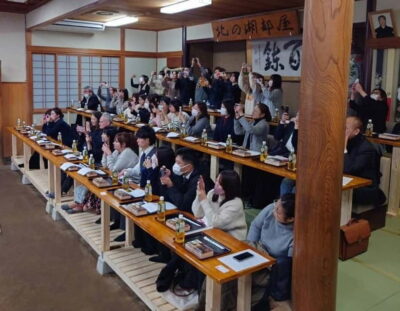 ★ 4.8Sumo Show and Dining ExperienceFrom $792,742 reviews
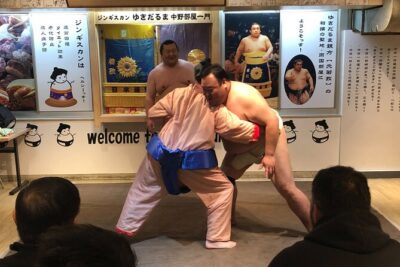 ★ 5.0the SUMO showFrom $891,960 reviews
 ★ 5.0Tokyo Shinjuku Sumo Show & Experience with PhotoFrom $791,750 reviews
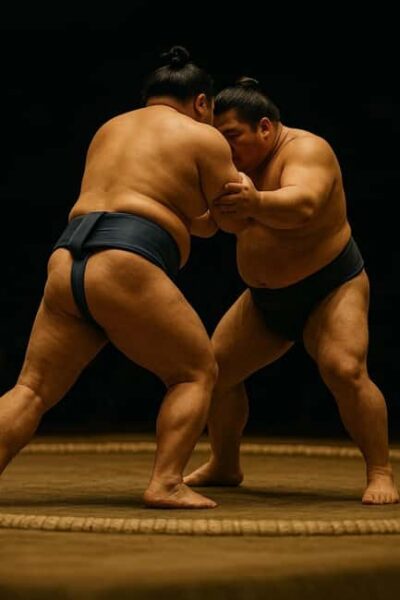 ★ 4.8Sumo Show and Experience in ShinjukuFrom $691,001 reviews
 ★ 4.7Luxury Sumo Show Experience & Japanese cuisine & DrinkFrom $103577 reviews
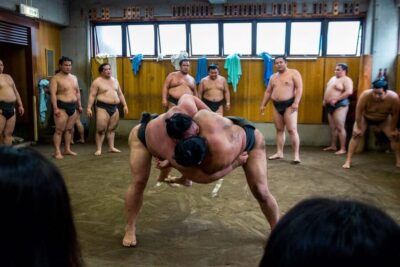 ★ 4.8Sumo Morning Practice Viewing TourFrom $81570 reviews
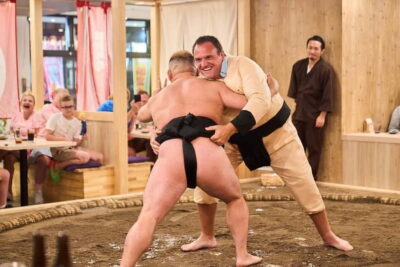 ★ 4.8Tokyo Sumo Experience: Chanko & Mochi with a Former ProFrom $103567 reviews
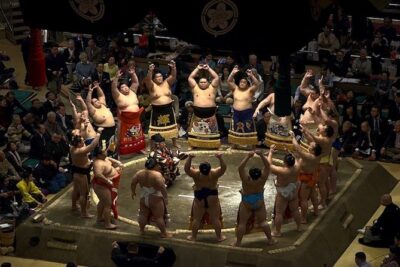 ★ 5.0Ultimate Sumo Tournament: Tokyo, Osaka, Nagoya, FukuokaFrom $184468 reviews
This tour also belongs to