
Review · MEIJI SHRINE TOURS
Tokyo Meiji Shrine & Harajuku: Walk Through Japanese Culture
Tokyo has two faces, fast. One moment you are in Harajuku’s style lane, then you step into the calmer world of Meiji Shrine. I love how this route ties together the street scene with the Meiji era, including the story of Harajuku fashion influence in pop culture like Lady Gaga. The group stays small (max 10), and it runs with mobile tickets, so you are not stuck figuring things out.
My favorite part is the human touch. Guides like Mika, Lakki, and Nicolas come across as warm and upbeat, and they focus on explaining what you are seeing without making you feel rushed. At Meiji Shrine Imperial Garden, you get practical, hands-on Shinto moments like water purification, offering prayers, and trying omikuji fortune slips.
One drawback to plan for: this is about 2 hours of walking, including time through areas that can feel crowded and then into a peaceful, forested space. If you prefer minimal walking, you may want to go slower and skip the street stops.
Key takeaways (the stuff that matters)
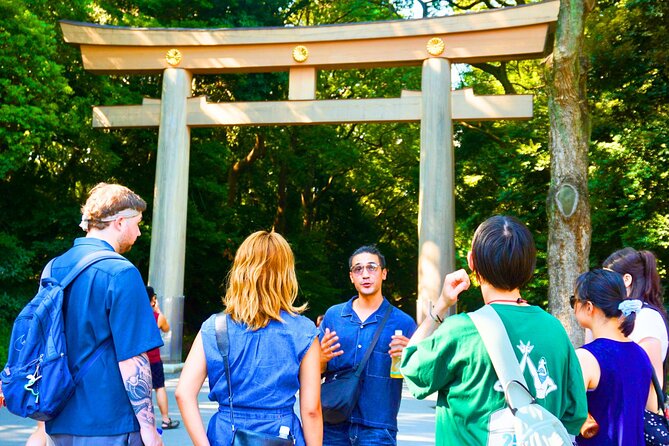
- Harajuku to Meiji Jingu contrast: You get Tokyo’s modern pop energy, then the sudden calm of a giant torii gate.
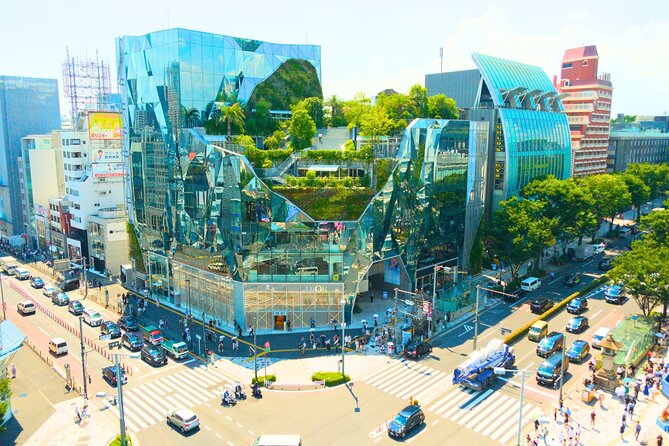
- Photo-friendly Omotesando moments: Tokyu Plaza’s mirrored entrance plus a rooftop terrace view over Omotesando.
- Real Shinto practice, not just photos: water purification, prayers, and omikuji with meaning explained.
- Small group size: capped at 10 travelers for better questions and a more relaxed pace.
- Practical meeting point: start at UNIQLO Harajuku and end back near the same spot, near public transportation.
A 2-hour route that flips Tokyo from pop to prayer
This walk is short enough to fit into a packed Tokyo schedule, but it is built around a real emotional shift. You start in Harajuku’s youth culture zone, where style and shopping are the main event. Then you move toward Meiji Jingu, where the atmosphere quiets down fast as you enter a forest setting.
I like that the tour does not treat the sacred and the modern as separate worlds. You will hear how they connect, from the Meiji era background to the way Harajuku fashion became part of global pop culture. That theme keeps the stops from feeling random.
Because the tour is limited to a maximum of 10 people, you can ask questions and actually get answers. The guides highlighted in past tours, like Mika, Lakki, and Nicolas, are praised for being kind and for taking time with guests rather than rushing through facts.
You can also read our reviews of more walking tours in Tokyo


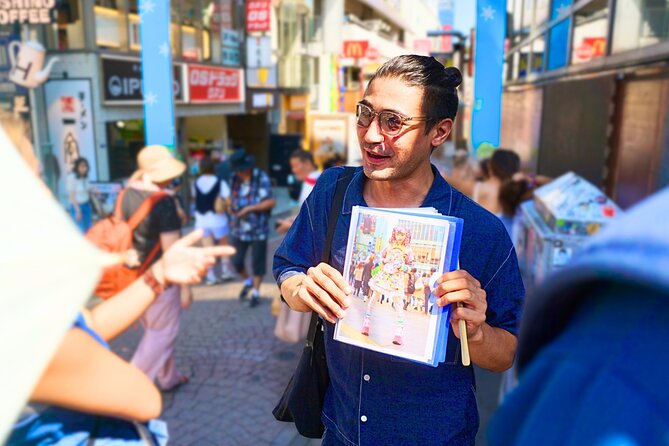
Takeshita Street: youth fashion, sweet breaks, and quick sensory overload
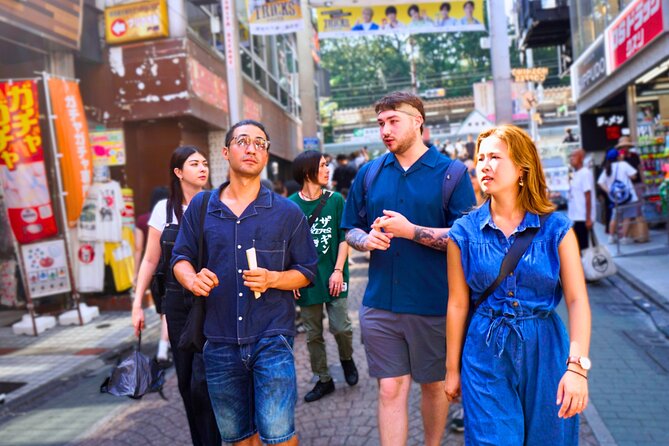
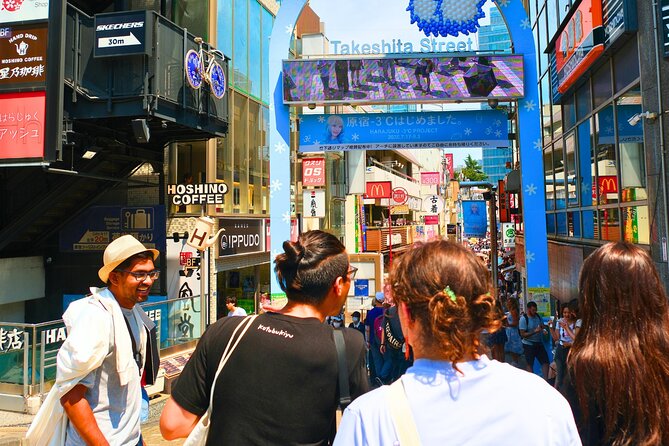
Takeshita Street is the kind of place that grabs you by the collar. In about 15 minutes, you get a concentrated hit of colorful fashion, unusual shops, and quick treats that define Tokyo’s pop style. It is pedestrian-friendly, which makes it ideal for a guided walk where you can look, listen, and orient yourself.
Here is the practical angle: Takeshita Street can feel lively and crowded. If you are the type who gets overstimulated in dense shopping areas, plan for that going in. The tour’s value is that you are not just walking through it blindly, the guide helps you understand why this street matters culturally.
Also, this is one of your easiest “reset” stops. If you came to Tokyo expecting temples only, this is a reminder that culture also lives in clothing, design, and everyday trends.
Omotesando at Tokyu Plaza Harajuku: mirrors and rooftop views
Next you shift into Omotesando territory, which feels more stylish and polished than Harajuku. The stop at Tokyu Plaza Harajuku centers on something very “Tokyo” for photos: a kaleidoscope-style mirrored entrance. You get a fun moment to frame the scene, and the guide helps you time the view so you are not just snapping randomly.
Then you head to the rooftop terrace for a broader look over Omotesando. I like this part because it changes your perspective. Harajuku feels close and chaotic, but Omotesando lets you see the wider rhythm of tree-lined streets and architecture.
This stop is also a good chance to notice how Tokyo’s “modern” can still feel intentional and designed. You are starting to see the same city, but with very different design goals.
Omotesando Hills: a tree-lined stroll between eras
After rooftop views, you walk through Omotesando Hills, described as Tokyo’s tree-lined version of the Champs-Élysées. In about 15 minutes, you get a calmer promenade feel, with international influence and stylish architecture taking center stage.
What I like about this segment is the contrast. The tour deliberately uses this stretch as a bridge between modern street culture and the sacred space ahead. If you only visit shrines, you might miss how Tokyo frames tradition beside style.
The downside is simple: it is still a walking stop through an active central area. If you are sensitive to foot traffic, give yourself a little mental buffer and stay flexible with the pace.
Meiji Jingu Shrine: the torii gate moment and forest quiet
Then you hit the “movie scene” moment. You pass under a massive torii gate, and the city vibe fades fast. Walking into the forest area around Meiji Jingu can feel like switching stations on a radio. It is not just scenic, it is a change in sound, light, and pace.
This is where the guide storytelling really matters. You will learn about Shinto beliefs and how the shrine setting works in practice, not just as a background postcard. The guides mentioned in past experiences, including Lakki and Nicolas, are specifically praised for explaining the significance of what you are seeing so it clicks.
In other words, you are not only learning where to stand for photos. You are learning what you are walking through and why the space is arranged the way it is.






Meiji Shrine Imperial Garden: purification, prayers, and omikuji
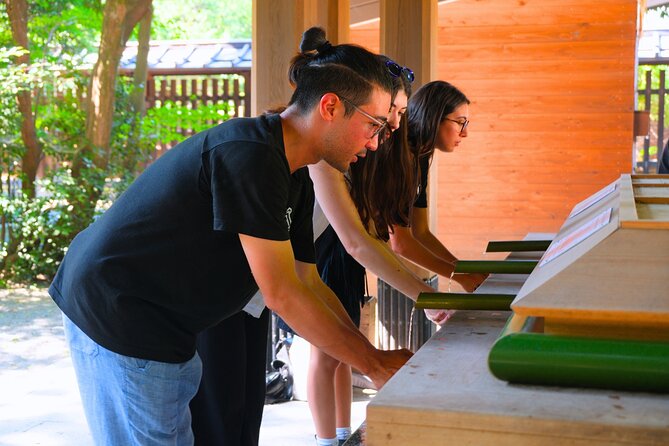
The longest and most meaningful portion is Meiji Shrine Imperial Garden, where you try Shinto traditions firsthand. You will do three key things: purify with water, offer prayers, and try omikuji fortune slips. You also learn what the fortune slips mean and the background behind them.
I like that this part is not treated as a novelty. Guides keep it grounded in explanation, including the meaning and history behind omikuji. That takes it from, I got a slip, to, I understand what this practice is for.
There is also a practical payoff. If you have ever felt temple visits were too abstract, this gives you a structured way to participate without guessing. You are following cues while learning the context.
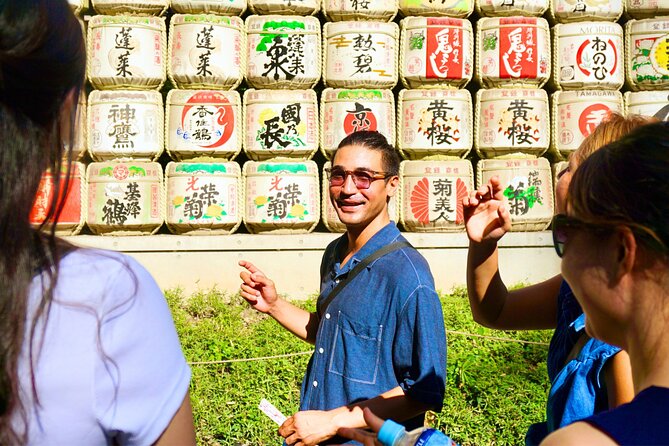
The tour ends along a path lined with barrels of sake, which adds a final, distinctly Japanese touch and a nice “wrap” to the experience before you head back out.
Price and value: why $39.02 can make sense
At $39.02 per person for about 2 hours, the value depends on what you want out of Tokyo. If you want a quick checklist of sights, you could DIY. But if you want connections, context, and a guide who can answer questions, the price starts to look fair.
Here is what you are getting that is hard to replicate alone:
- A small group size (max 10), which keeps questions from getting lost.
- Guided cultural framing, from Harajuku street context to Meiji era storytelling.
- Hands-on Shinto participation in the Imperial Garden, including purification, prayers, and omikuji.
- Multiple photo moments without spending your whole time searching for the perfect angle.
The guide praise pattern is consistent: people liked that the guide took time, explained significance clearly, and stayed helpful and kind. That matters because Tokyo’s most famous spots can otherwise feel like chaos, and a good guide turns that chaos into understanding.
Who this walk is best for
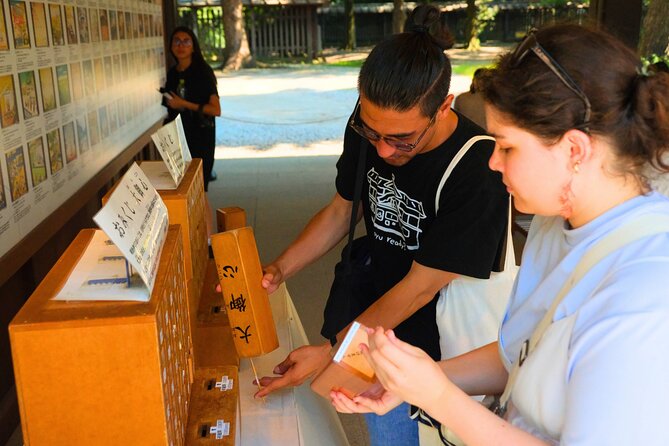
This is a strong pick if you like your Tokyo travel with contrast. You want street culture and temple calm in one smooth arc, instead of splitting them into separate days.
It is also a good match for first-timers who feel overwhelmed by Tokyo’s neighborhoods. Starting at UNIQLO Harajuku gives you an easy anchor point, and ending back near the same spot means you are not stranded far from convenience.
If you are traveling as a couple, solo, or with family, the setup works because the group stays small and the route is straightforward: street stops, architecture views, then shrine time.
One more note: most travelers can participate, but you should still expect a fair amount of walking. Plan for that energy level going in.
Practical start: where to meet and how the tour is paced
You start at UNIQLO Harajuku Japan, in Shibuya near Jingūmae, and you end back at the meeting point. It is also listed as near public transportation, which makes it easier to plug into the rest of your day.
The tour runs on a mobile ticket, so you should have your confirmation ready on your phone. The pacing is built around short stops of about 15 minutes each, plus a longer stretch for Meiji Shrine Imperial Garden.
Because the total time is about 2 hours, I suggest treating it like a “core” experience. Don’t schedule it back-to-back with something that requires you to be elsewhere immediately. Give yourself buffer time for wandering, photos, and the shift into that shrine calm.
Should you book this Harajuku and Meiji Shrine tour?
If you want Tokyo as a real feeling, not just a photo feed, I think this is worth booking. The biggest reason is the structure: Harajuku to Meiji Jingu in one guided walk, with hands-on Shinto moments and plenty of context along the way.
Book it if you care about understanding the meaning behind what you see, especially at the Imperial Garden. Skip it if you dislike crowds or you want a slower, unstructured day with minimal walking and minimal guidance.
If your ideal Tokyo day is contrast, this tour is built for that exact mood swing.
FAQ
How long is the Tokyo Meiji Shrine and Harajuku walk?
The tour lasts about 2 hours.
What does the tour include at Meiji Shrine Imperial Garden?
You can purify with water, offer prayers, and try omikuji (fortune slips). You also learn the meaning and history of omikuji.
Is there an admission fee for the main stops?
The stops listed for the tour show admission ticket free.
Where do I meet the guide, and where does it end?
The meeting point is UNIQLO Harajuku Japan. The tour ends back at the meeting point.
What is the group size limit?
The experience has a maximum of 10 travelers.
Do I get a mobile ticket?
Yes, the tour uses a mobile ticket.
What is the cancellation policy?
You can cancel for free up to 24 hours before the experience starts for a full refund.
More Walking Tours in Tokyo


More Tour Reviews in Tokyo
Not for you? Here's more nearby things to do in Tokyo we have reviewed












Meiji Shrine Tours, side by side.
 ★ 4.7Meiji Shrine, Asakusa, Skytree Bus Tour and CruiseFrom $1221,986 reviews
 ★ 4.5Tokyo Panoramic 1 Day: Meiji Shrine, Asakusa, Odaiba and SKYTREE®From $851,222 reviews
 ★ 4.9Meiji Shrine Walking Tour — Shinto & Imperial SystemFrom $23266 reviews
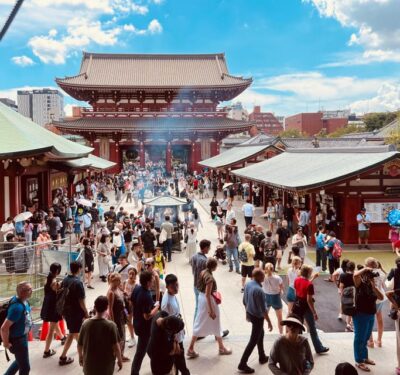 ★ 5.0Meiji Jingu Shrine and Shinto Culture Walking TourFrom $19245 reviews
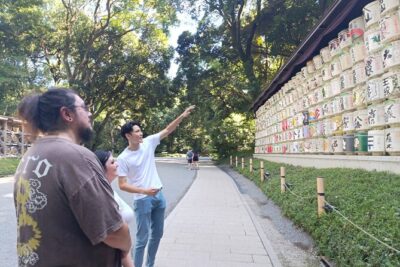 ★ 5.0Meiji Shrine and Shinto Culture Walking TourFrom $18225 reviews
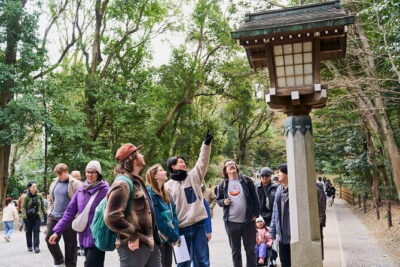 ★ 5.0Meiji Shrine Walking Tour — Shintoism & Imperial SystemFrom $21209 reviews
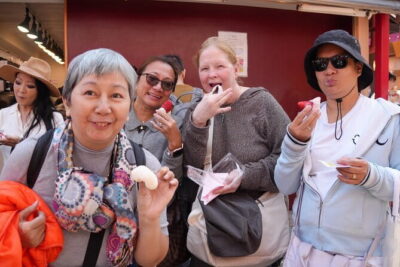 ★ 5.0Tokyo Morning Tour : Meiji Shrine, Asakusa and Fish MarketFrom $72102 reviews
 ★ 5.0Full Tokyo: Meiji Shrine, Imperial Palace, Asakusa & SkytreeFrom $3978 reviews
This tour also belongs to