
Review · TOKYO SUMO EXPERIENCES
Tokyo Sumo Morning Practice Tour at Stable
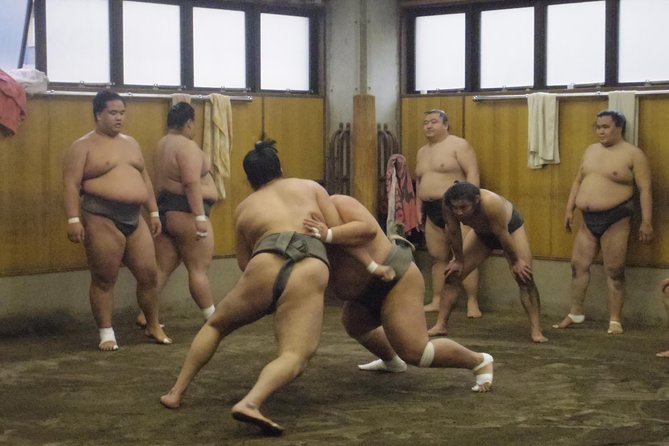
Morning sumo feels like time travel. This Tokyo tour takes you into a working sumo stable in Ryogoku, where you watch training up close and connect it to Shinto traditions. You also get the bigger picture of Japan’s yearly sumo tournament calendar while the action is happening right in front of you.
I love the small-group feel (max 20), which keeps things respectful and makes the sightlines better. I also love the English guide commentary, with names you might hear like Seiji, Yumi, Noriko, Cameo, and Nobu, all praised for explaining what you’re seeing.
One possible drawback: the audio can make or break it, and a few past visitors reported headset sound issues or the narration getting distracting at the wrong moments.
Key Highlights to Expect
- Inside access to a working stable in Ryogoku, not a staged tourist show
- Morning practice viewing designed for quiet, close observation
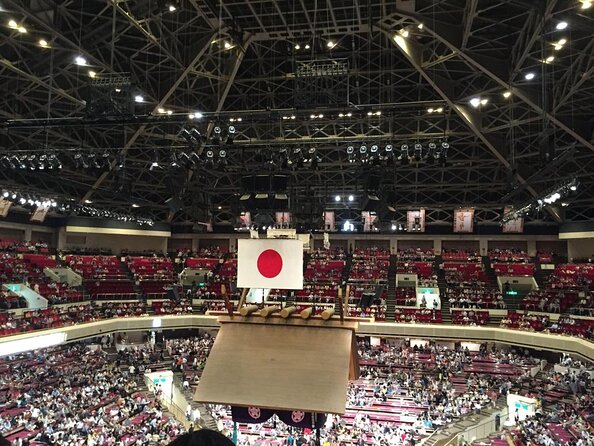
- English narration that ties training to sumo tradition and the six annual grand tournaments
- Strong focus on etiquette, like where not to step and how to behave around the ring
- Photo time at the end in many sessions, but it can be brief
Why Ryogoku and a Stable Morning Beats Tournament-Only Watching
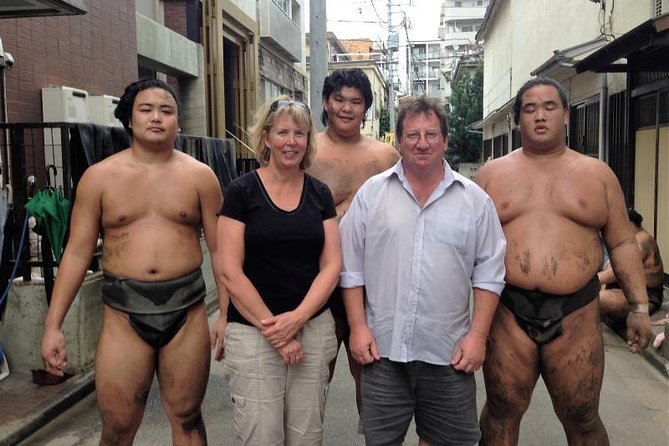
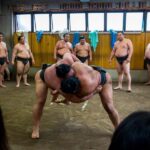
If you only ever see sumo on TV during a tournament, you miss the day-to-day work that builds a wrestler. This morning practice is the opposite of ceremony. It is repetition, resets, and hard training, with you watching the routine as it unfolds at a local stable in Tokyo.
Ryogoku is sumo country. It is where you naturally feel the sport’s presence, and it is also the most practical base for a stable visit. You are going to spend your time on the sport itself, not wandering through museum-style exhibits or waiting for staged performances.
And since this is a stable, not an arena, you get a different kind of “wow.” It is not just muscle. It is the craft: grappling timing, pushing, pulling, getting set, and trying again.
More Tokyo tours and experiences for the shortlist
Meeting Early: What 7:45am Does for Your Experience
This tour starts early, with a meet-up around 7:45am at the nearby train station area (Ryogoku Station Gallery). From there, you head toward the stable, sometimes by a short train ride depending on the plan.
That early start is not only about fitting the schedule. It also helps you get better positions. Some reviews specifically mention that arriving early supports better seating, with a front section reserved for sponsors. Even if you are not in the front row, early arrival helps you settle before practice fully gets going.
You should also plan your body for a quiet morning. The stable visit works best when you are calm and still, because the athletes need focus and you need time to actually watch.
Stop 1: Ryogoku Station Gallery Briefing and the Shinto Angle
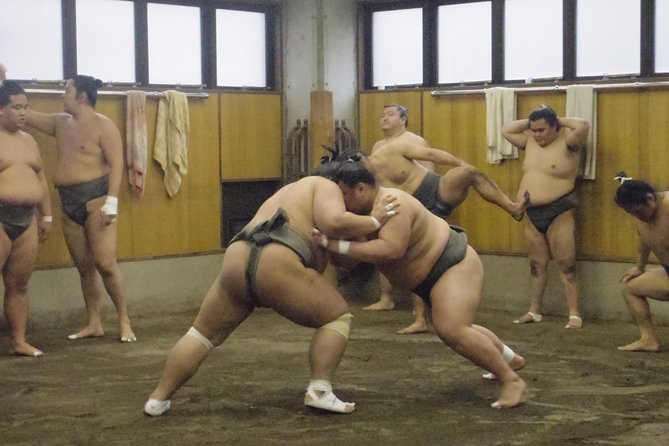
Your first stop is a short orientation at Ryogoku Station Gallery. This part is mainly about getting your bearings before you enter the stable. You learn how sumo is tied to Japanese spiritual roots, including connections to Shinto traditions that date back centuries.
You also get the tournament framework that makes practice easier to understand. The guide explains that sumo is structured around six annual Grand Tournaments, each typically run as a 15-day event. The tour also points out where the tournaments are hosted, with multiple in Tokyo plus stops in Osaka, Nagoya, and Fukuoka.
Why this matters: if you walk into practice without context, you might only see sparring. With the tournament calendar in mind, you start noticing what training looks like when athletes are preparing within a larger yearly rhythm.
Stop 2: Inside the Stable, Where Manners Matter
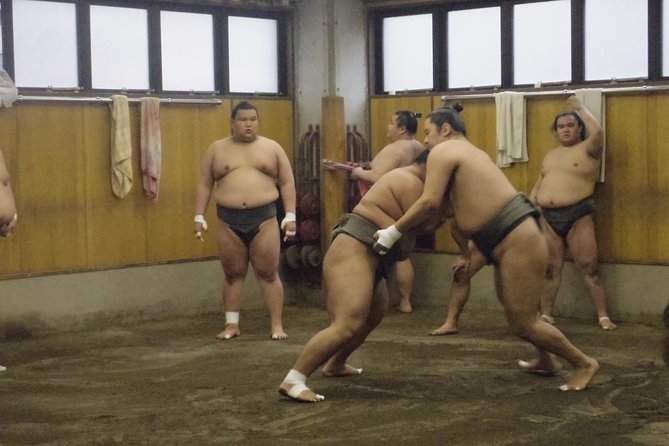
The big moment is the practice itself in Ryogoku. This segment runs about 1 hour 30 minutes, and it is your chance to watch real training exchanges at a local stable.
What you will likely see
The practice includes bouts and repeated training sequences. You may see multiple wrestlers rotating through drills and sparring. Reviews highlight that you can catch dozens of exchanges during the visit, so you are not stuck watching one long drill without changes.






How you sit and how it affects your view
Seating is reported as stools rather than floor mats in some sessions. That can sound minor, but it changes everything. Stools help you keep your posture stable while you watch lots of movement.
Also, views can vary depending on where you sit. If you care about seeing faces clearly during pushes and grapples, arrive early at the meeting point and try for the best available placement once you arrive.
The stable rules are not “decorations”
You must keep the mood respectful. The tour asks you to watch quietly and follow stable instructions. Key rules include:
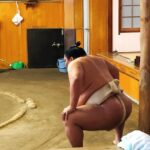
- No stepping onto the ring or sandy ground area (the ring is sacred for wrestlers)
- Avoid gesturing with your feet toward the ring or showing soles toward the wrestlers
- Photos are allowed only without flash or shutter sound, and videos are not allowed
- Cellphones must be on silent
- Eating and drinking is not allowed inside the stable, with an important summer exception for water and sports drinks
These rules can feel strict, but they are the point. You are not there to perform as a tourist. You are there to observe training the way regular visitors and fans should.
The Six Grand Tournaments: Turn Practice Into Understanding
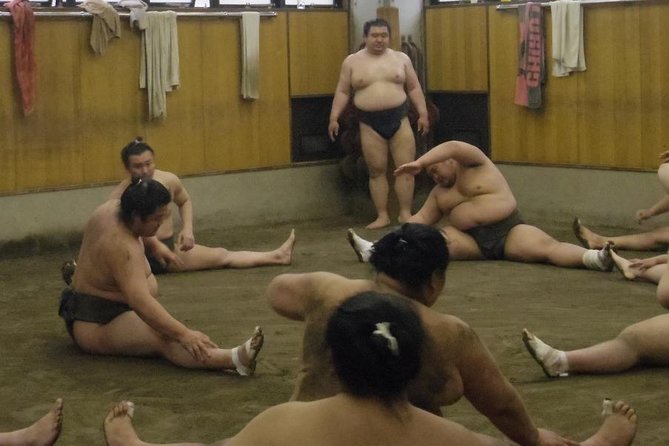
This tour does something helpful: it gives you a map. Once you know the six annual Grand Tournaments, you can connect the training you are seeing to the pressure athletes face across the year.
The tour explains that these tournaments are typically hosted in Tokyo, Osaka, Nagoya, and Fukuoka, and that they are run for 15 days each. Even if you do not know the ranking system yet, this context makes the practice feel like preparation for something real, not just traditional sport theater.
If you are watching sumo later on TV, the calendar context also helps you remember that wrestlers are always moving through cycles. Practice is not random. It is a training response to upcoming competition.
Guides Make or Break the Narration
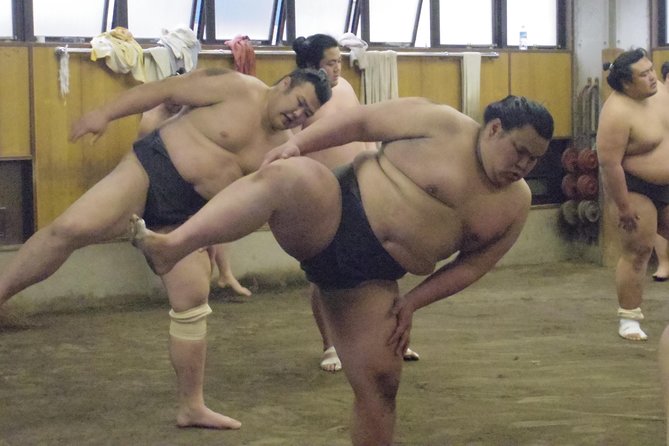
One of the most praised parts of this experience is the guide. Reviews repeatedly call out guides who speak excellent English and stay enthusiastic, including Seiji, Yumi, Noriko, Cameo, and Nobu. The common thread is explanation quality: the guide talks through what you are seeing so that training moves from blurry wrestling to something you can follow.
You should know, though, that the narration experience can vary. A few reviews mention headset audio issues like static or difficulty hearing. Another complaint says the commentary timing can be distracting if you want to focus only on the action.
What you can do: treat the narration as a guide, not a substitute for watching. When athletes square up, glance at them first, then listen for the explanation that matches the moment.
Also, keep your expectations realistic. This is not a wrestling clinic with Q and A during the practice. You are there to observe. Any questions you have are best kept for moments when the guide allows it, or after the practice if the session format provides that time.
Price and Value: Is $83.57 Worth It?
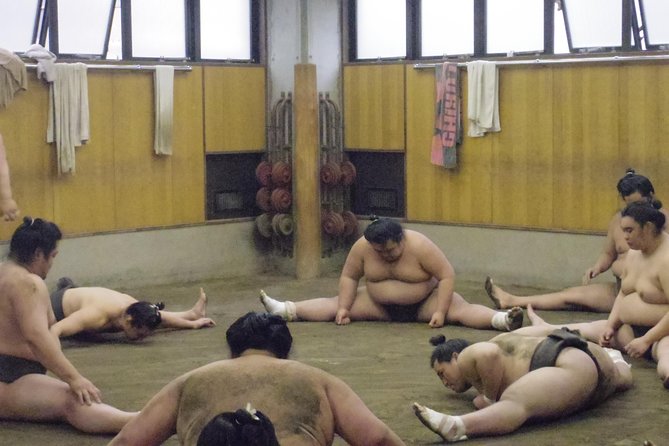
At $83.57 per person for about 2 hours, the value depends on what you want from your Tokyo sumo day.
Here is the value logic:
- You are paying for stable access to watch morning practice, which is harder to do on your own than it sounds.
- You get small-group support (max 20) and a guide who explains what you are watching.
- You also get a structured, low-chaos experience with a clear start time and return to the original meeting area.
Where the price might feel off is when you are sensitive to audio clarity or if you expected a longer session. Some reviews complain that the commentary felt engaging for about an hour but not as much afterward, and others felt photo time at the end was rushed or too short. If those things matter a lot to you, factor that in.
My practical take: if you want an authentic backstage-style view without dealing with complex logistics, this price can make sense. If you are expecting an all-day deep training experience, you may feel the time is too short.
Photos, Heat, and Comfort Tips You Can Use Immediately
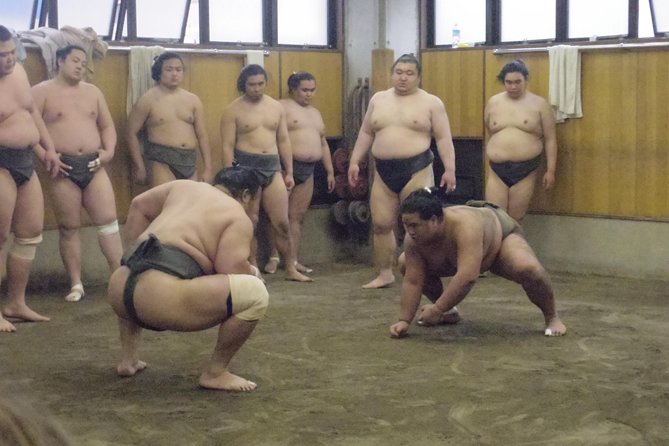
This is where planning pays off, because stable rules are specific and Tokyo mornings can still be warm depending on the season.
Photo expectations
Photos are allowed without flash, and you must follow rules about privacy and authorized use. Several reviews say there is a brief photo opportunity at the end, but it may be limited in time.
For the best results:
- Have your camera settings ready before practice starts
- Remember videos are not allowed
- Follow the guide’s instructions closely when the photo moment begins
Summer heat note
The tour specifically warns that Tokyo can be hot in summer and there is no air conditioning. You are allowed to drink water and sports drinks inside the stable during summer. If you travel in hot months, bring something to help you cool, like a cold towel or small ice pack, since the tour recommends it.
What to wear
Avoid sunglasses and hats in the stable. Wear something you can keep calm and quiet in, and plan for sitting on stools. Cellphones stay silent, and you will want full attention on the stable environment.
Who This Tour Is Best For
This is a strong match if:
- You are a first-time sumo fan and want more than just watching random matches
- You want a backstage feel without the confusion of navigating a stable visit alone
- You like guided context, especially explanations of the tournament calendar and Shinto connections
It might be less ideal if:
- You need clear audio to understand anything, since some past visitors reported headset/static issues
- You expect a long Q and A or extended interaction with wrestlers during practice, because the rules keep the focus on quiet observation
Should You Book This Morning Sumo Practice Tour in Tokyo?
Book it if your goal is to see sumo as a working sport, not a show. The combination of stable access, small-group viewing, and guide narration that explains what you are watching is exactly what most visitors say they came for.
Skip or rethink if audio quality and longer interaction are top priorities for you. A couple of reviews flagged headset problems and wished for a clearer rules explanation or more interactive time.
If you do book, set yourself up to succeed: arrive early, bring a cooling plan for summer, and treat the stable like a sacred workplace. Do that, and you will get the most important thing from this tour, a genuine look at how wrestlers train for the sport they live.
FAQ
Where do I meet the guide?
You meet in the morning at Ryogoku Station Gallery, around 7:45am. Your exact meeting location can differ depending on the plan, so check your confirmation email.
How long is the tour?
The total experience is about 2 hours, with the practice portion lasting about 1 hour 30 minutes.
What is the minimum age to enter the stable?
The minimum age is 12 years old. Kids 11 and under cannot enter the stable.
Can I take photos during the practice?
Yes, photos are allowed without flash or shutter sounds. Videos are not allowed.
Can I eat or drink during the tour?
Eating and drinking is not allowed in the stable. In summer, guests are allowed to drink water and sports drinks inside the stable.
Are there any rules about how I should behave?
Yes. You must watch quietly and respectfully, keep cellphones on silent, and follow instructions like not stepping onto the ring or sandy ground area.
Is this tour a large group?
No. The tour has a maximum of 20 travelers.
What if the audio is hard to hear?
The tour uses a guided narration format, but you should be prepared that headset audio quality can vary. If audio clarity is essential for you, consider this when deciding.
More Morning in Tokyo
More Tours in Tokyo

More Tour Reviews in Tokyo
Not for you? Here's more nearby things to do in Tokyo we have reviewed












Tokyo Sumo Experiences, side by side.
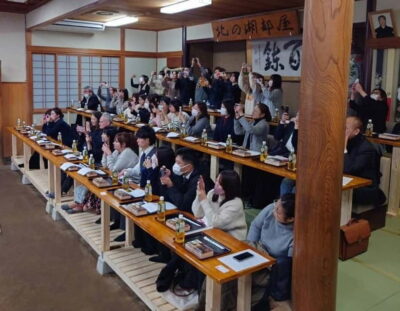 ★ 4.8Sumo Show and Dining ExperienceFrom $792,742 reviews
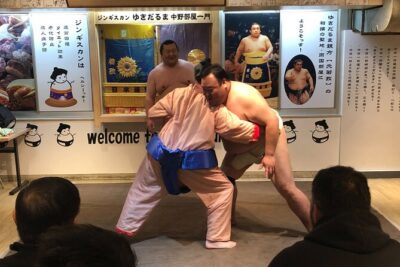 ★ 5.0the SUMO showFrom $891,960 reviews
 ★ 5.0Tokyo Shinjuku Sumo Show & Experience with PhotoFrom $791,750 reviews
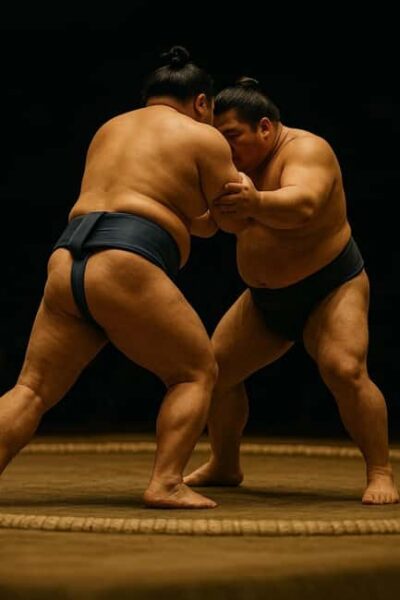 ★ 4.8Sumo Show and Experience in ShinjukuFrom $691,001 reviews
 ★ 4.7Luxury Sumo Show Experience & Japanese cuisine & DrinkFrom $103577 reviews
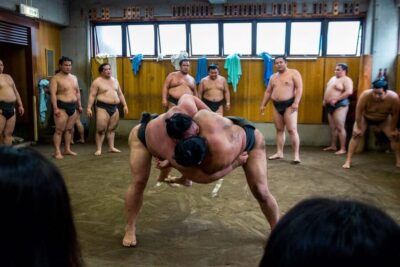 ★ 4.8Sumo Morning Practice Viewing TourFrom $81570 reviews
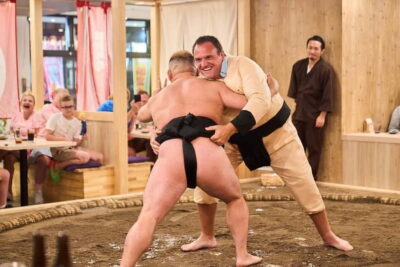 ★ 4.8Tokyo Sumo Experience: Chanko & Mochi with a Former ProFrom $103567 reviews
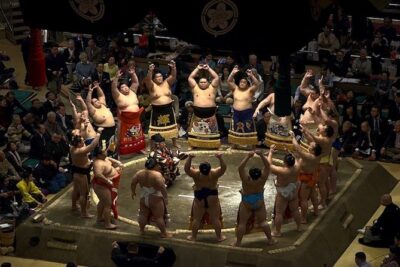 ★ 5.0Ultimate Sumo Tournament: Tokyo, Osaka, Nagoya, FukuokaFrom $184468 reviews
This tour also belongs to