
Edible art meets matcha in stylish Omotesando. You’ll love the small-group pace and the friendly step-by-step teaching, plus the chance to make and take home multiple Nerikiri shapes. One thing to consider, though, is that it runs at fixed times and is limited to just four people, so you need to plan your day around the schedule.
This 90-minute workshop in Shibuya includes a table-style tea moment, matcha, and a tasting of premium Japanese sweets. It’s priced at $46 per person, and it’s the kind of activity that feels more personal than sitting through a demo, especially if you want to understand what makes wagashi tick beyond the looks.
Key things to know before you go
- You make 4 Nerikiri styles, not just one. You’ll shape three from examples, then create an original design.
- Tea is table-style, so you’re not juggling the formal, standing posture of a full ceremony.
- Matcha plus premium wagashi lets you compare flavors, not just sample one sweet bite.
- A written recipe is included, so you can recreate the basics later at home.
- Small group size (4 participants) keeps the instruction hands-on and unhurried.
- English and Japanese support means you can follow the techniques and the cultural context clearly.
Finding the studio fast in Omotesando, then walking 20 seconds
The meeting point is at CHUMS Omotesando, in front of the Brown building area. From there, you meet your instructor and take a short walk together, about 20 seconds, to the studio space.
This location matters. You’re in Omotesando, which is one of Tokyo’s most stylish neighborhoods, and you’re also close to Shibuya and Harajuku. Translation: you can do this workshop and still keep your day flexible for sightseeing after.
Timing also helps. Sessions start at 9:00 AM, 1:00 PM, and 3:30 PM, and the total duration is about 90 minutes. That makes it easy to slot in between a morning shrine visit and afternoon shopping for Harajuku energy.
More Tokyo tours and experiences for the shortlist


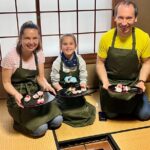
Your Nerikiri workshop: bean paste, rice flour, and edible art
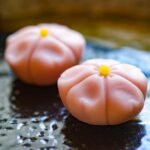
Nerikiri is a traditional Japanese confection, commonly enjoyed alongside tea. The core ingredients are typically sweet white bean paste mixed with glutinous rice flour or yam, which gives it that soft, smooth feel that’s easy to shape by hand.
Here, you don’t just watch. You get guided through the process, including shaping techniques that turn dough into something that looks like it belongs on a seasonal tea table. You’ll start by choosing from sample designs, which gives you a clear starting point even if you’ve never shaped wagashi before.
The workshop style is practical and step-by-step. You begin by creating three different shapes based on what you pick from the examples. Then you get to make a fourth piece, which is your chance for an original design.
And yes, the motifs are a big deal. Nerikiri is often molded into seasonal elements like flowers and leaves, and these shapes can also be playful, with fun characters or seasonal themes. The result is sweet that tastes great, but also teaches you how Japanese sweets communicate with seasons and occasions.
Choosing your 3 shapes, then designing your 4th Nerikiri
The most satisfying part of this experience is how it balances structure and freedom.
First, you select from sample designs. This takes out the guesswork, so you can focus on technique rather than staring at paste and wondering what to do with it. Next, you shape three different pieces. This repetition is useful because it lets your hands learn the rhythm quickly, and it also gives you variety to compare at the tasting table later.
Then comes the part that makes it feel personal: you design your own Nerikiri. You’ll shape your own concept while still benefiting from your instructor’s guidance. The workshop is designed so that even with no prior experience, you can create something that looks intentional rather than accidental.
You also get to take everything home. That’s a major value point here. Many food activities end with eating on the spot. This one ends with edible souvenirs you can share later, or keep as a memory of your Shibuya day.
The table-style tea ceremony and how the matcha tasting works
After you finish shaping, you move into the tasting portion: a table-style tea ceremony. Instead of the more formal setup you might see in classic ceremony settings, this is designed to be comfortable and approachable in a workshop context.
Your instructor serves matcha along with a selection of premium Japanese sweets sourced from all over Japan. The idea is simple and smart: you get to compare flavors across different wagashi styles, not just repeat what you made.
This comparison is where the experience becomes more than craft time. Nerikiri has a distinctive texture and flavor profile because of the sweet bean paste and the shaping dough. When you then taste other premium sweets, you start picking up differences in sweetness level, texture, and how tea changes the way sugar tastes on your tongue.
If you like food that has texture as much as taste, you’ll probably enjoy this part. Wagashi isn’t only about sweetness. It’s about mouthfeel, aroma, and balance with matcha.
Premium Japanese sweets from across Japan: what to pay attention to
The sweet selection is part of the value here, especially since you’re paying for the full session, not just the Nerikiri making.
Since you’ll be tasting multiple premium sweets, I’d treat it like a mini flight. Start with smaller bites so you can reset your palate between flavors. Pay attention to three things:
1) Texture: some wagashi are smoother, some more chewy, some more delicate.
2) Sweetness direction: it can feel more bean-forward, more flour-forward, or more lightly sweet depending on the type.
3) Matcha pairing: matcha can make some flavors pop while cooling down others.
This is also where having an instructor who can explain what you’re tasting becomes useful. One past participant highlighted that the host has a background connected to Japanese history, and that kind of framing can help you understand why wagashi designs and flavors show up the way they do. You’re not memorizing facts for a test, you’re learning what to notice.






Why the teaching style feels worth it (and what you get in writing)
What stands out most across the experience is how the instruction lands on real people with real questions.
The teaching is described as friendly and step-by-step, with an atmosphere that makes you feel comfortable right away. For a hands-on food class, this matters more than you might think. If the guidance is vague, shaping can turn stressful fast. Here, the flow is set up so you can follow along at your pace.
Another practical perk is that you receive a written recipe. That’s a small thing, but it’s the difference between taking photos and actually remembering how something works. After the workshop, you can look back at the steps and try to recreate the basics later, even if your first attempt is more lopsided than the studio version.
And since the activity runs in English and Japanese, you can expect explanations to match your language comfort level. That helps a lot when you’re learning shaping technique, where small differences change the final look.
Price and value: what $46 buys you in Shibuya
At $46 per person for about 90 minutes, you’re paying for a full package: materials, instruction, and tasting.
Here’s why that price can feel fair:
- You’re not only making one bite. You create four Nerikiri styles, and you can take them home.
- You get matcha and a selection of premium sweets, which turns the class into a tasting experience too.
- The group is limited to 4 participants, which typically means more time with the instructor versus bigger classes.
Also, Omotesando is not cheap real estate, so part of the value is that you’re using a good location without it feeling like a showroom purchase. The class setup gives you a reason to be there, not just a reason to stand near it.
If you’re comparing this to buying wagashi at stores, think less about exact pricing and more about what you get for the money: hands-on shaping, instruction, a tea pairing moment, and a written recipe.
Timing your day around Shibuya, Harajuku, and Meiji Shrine
This is a smart half-day block if you want Tokyo that feels lived-in.
You’ll be based in Omotesando, and after the workshop you can easily connect to popular sights like:
- Meiji Shrine
- Takeshita Street in Harajuku
- Shibuya Crossing
Since you have fixed start times (9:00 AM, 1:00 PM, 3:30 PM), build your day around your energy level. The morning option is nice if you like calm museum or shrine time afterward. The afternoon slots work well if you want to browse Harajuku style shopping after your sweets workshop, not before it.
One practical note: because you’re making sweets and then tasting, plan for a light snack earlier in the day if you’re hungry. The session includes sweets and matcha, so going in starving can make the tasting feel heavy.
Who should book this Nerikiri and matcha class
This experience is designed to work for a wide range of people, as long as you can meet the basic age requirement. It’s not suitable for children under 5, but it is described as enjoyable for young children to seniors.
It also says it’s suitable for vegans and vegetarians, which is a helpful detail if you’re managing dietary needs. You’ll still want to ask if you have strict allergies, since the data doesn’t list ingredients for every sweet on the table.
The workshop is especially good for you if:
- You want a hands-on cultural activity instead of a passive tour
- You like food craft that produces an edible souvenir
- You enjoy matcha and want to compare it with different wagashi styles
- You’re shopping around for a meaningful gift, because the experience can feel personal and memorable
Should you book it? My straightforward call
Book this workshop if you want something practical, tactile, and distinctly Japanese, without needing any prior experience. The best reasons are the combination of 4 Nerikiri styles you can take home, a table-style matcha ceremony, and a guided tasting with premium sweets.
Skip it only if you hate hands-on food activities, you can’t work around fixed start times, or you’re traveling with very young kids under 5. With those caveats handled, this is a solid choice for a Shibuya or Omotesando day when you want culture that you can actually hold.
FAQ
What is the duration of the Nerikiri and matcha experience?
The experience lasts 90 minutes.
What start times are available?
Start times are 9:00 AM, 1:00 PM, and 3:30 PM.
What will I make during the Nerikiri session?
You’ll make three different Nerikiri shapes from sample designs, plus you’ll create one original Nerikiri design. This is described as a 4-style session.
What is included besides the sweet-making?
You’ll also have a table-style tea ceremony with matcha and a selection of premium Japanese sweets from all over Japan.
Can vegans and vegetarians join?
Yes, the experience is listed as suitable for vegans and vegetarians.
Is it appropriate for young children?
It is not suitable for children under 5 years.
Where do we meet?
You meet at CHUMS Omotesando, in front of the Brown building area. The address given is 5-2-21 Jingumae, Shibuya City, Tokyo.
How big is the group?
It’s a small group limited to 4 participants.
Is smoking allowed?
No, smoking is not allowed.
More Dessert Tours in Tokyo

More Tour Reviews in Tokyo


Not for you? Here's more nearby things to do in Tokyo we have reviewed












Shibuya Tours, side by side.
 ★ 5.0Official Street Go-Kart in ShibuyaFrom $763,435 reviews
 ★ 4.9Street Kart Experience in ShibuyaFrom $741,484 reviews
 ★ 5.0Shibuya Meltdown Nightlife Tour: All-You-Can-Drink Bar HoppingFrom $1061,058 reviews
 ★ 5.0Shibuya Official Street Go-Kart in Shibuya AnnexFrom $69972 reviews
 ★ 5.0Shibuya Food Tour (13 dishes and 4 Eateries)From $77770 reviews
 ★ 5.0Best of Shibuya Food TourFrom $217612 reviews
 ★ 4.8Shibuya Highlights Walking TourFrom $19601 reviews
 ★ 4.7Premium Go-Kart Tour with Tower & Shibuya CrossingFrom $116528 reviews
This tour also belongs to