
Review · WALKING TOURS
Eat Like a Local in Yokohama Walking Tour with Local Expert Guide
Four hours can fix your appetite for Yokohama.
I like the Chinatown food focus and the way the tour includes both ticketed Chinatown stops and a long neighborhood walk in Noge-cho. You also get local help before and after the tour, like restaurant reservations and help with hotel or train bookings, which is a big quality-of-life win. One possible drawback: the tour runs in an afternoon window, and it is a private group format, so if your timing is tight that day, you will feel it.
This is the kind of walking tour that treats eating as a plan, not a random scavenger hunt. You get a guided route that moves you through different food settings, and you are not left guessing where to go once you hit crowded streets. The pace is built for sampling, not stuffing, and it is designed so you can still enjoy the neighborhoods around you.
Because it is a private activity for your group and transportation is not included, it helps to arrive ready to walk from the start area. You also should plan on a midday to early evening start, since the operating hours run from 12:00 PM to 6:00 PM.
Key Highlights You Should Actually Care About
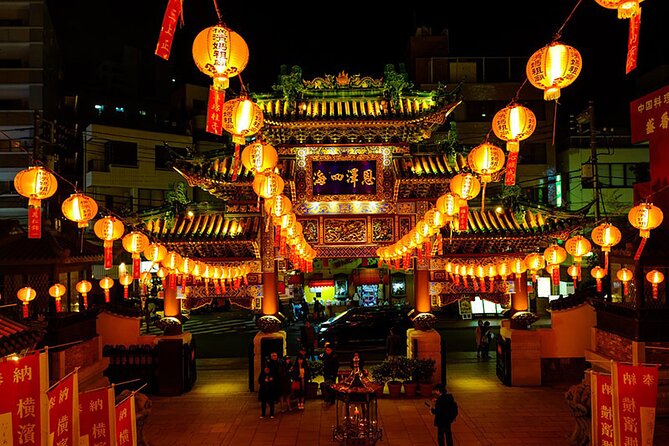
- Chinatown sampling at two different moments means you see more than one side of the area, not just one street corner.
- Noge-cho gets the longest stop so you spend real time with a more local-feeling neighborhood pace.
- Admission fees and entry costs are included where required, so you are not paying extra mid-walk.
- Pickup and a mobile ticket reduce friction, especially if you are new to the city.
- Your guide sticks around for planning help before and after, including restaurant and travel-booking support.
- Private group format keeps the experience tailored to your group and food preferences.
Where the Tour Fits in Your Yokohama Day (12:00 PM to 6:00 PM)
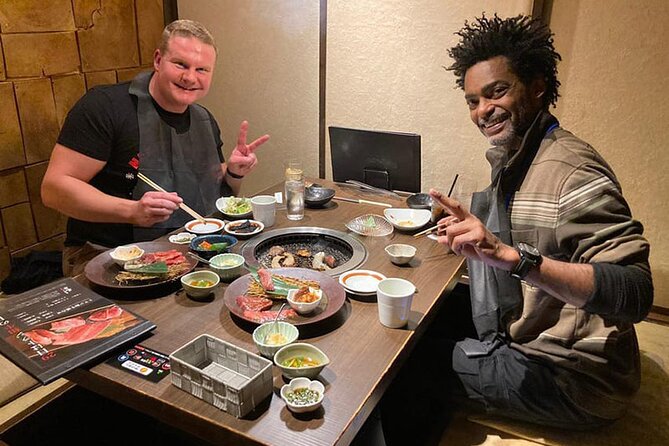
This tour is built for an afternoon food mission. It runs every day between 12:00 PM and 6:00 PM, which is handy because Yokohama’s rhythms often make morning sightseeing feel rushed and late-night eating feel limited. An early start in that window also gives you room afterward for dessert hunting or a sit-down meal, instead of sprinting all day.
The meeting point is in Yokohama, Kanagawa, and the activity ends back at the meeting point. That matters because it reduces decision fatigue at the end of the walk. You are not trying to map a new route while you are full.
Pickup is offered, which can be a real savings of energy on day one. And you’ll have a mobile ticket, which helps if you are bouncing between stations and need something quick and simple to show. The tour is also described as near public transportation, which is useful even if you use pickup.
Also note the basic structure: about four hours total. That is long enough to eat several stops and walk through multiple neighborhoods, but short enough that you should still feel like you’re in control of your day.
You can also read our reviews of more walking tours in Yokohama
Chinatown Stop 1: Steamed Buns, Dumplings, and a Food-Lover’s Flow
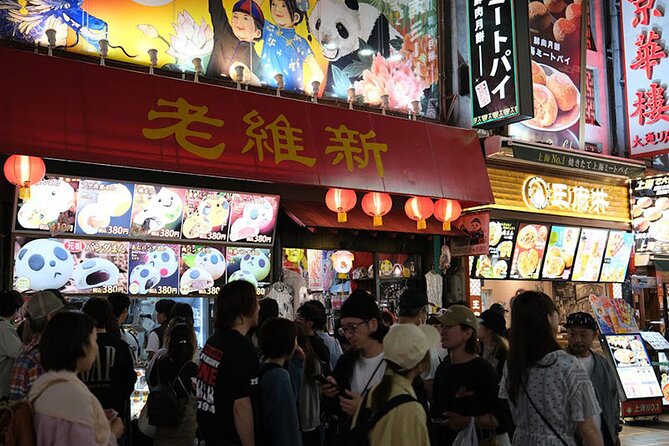
The first major stop is Yokohama Chinatown. You start here for a reason: Chinatown is dense, loud, and food-first. The tour time here is about 30 minutes, and it includes an admission ticket.
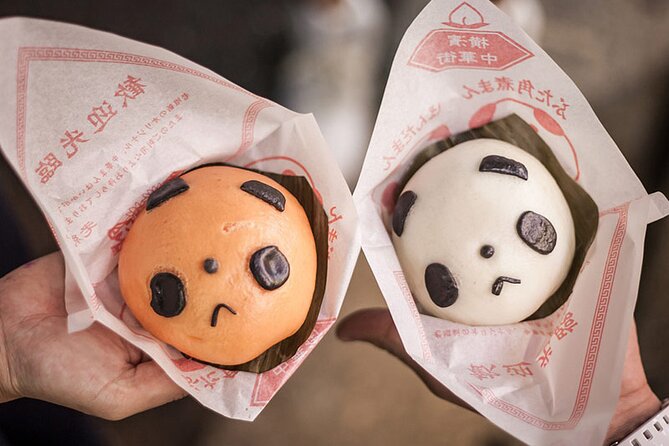
What you can expect is exactly what you hope for when a tour commits to Chinatown. You get guided access to the kinds of snacks and small dishes that are hard to find if you only rely on a map. The food theme is a mix of classic street-eat categories: freshly steamed buns, savory dumplings, and sweet treats. If you have ever tried to follow your own nose in a crowd, you already know the difference a guide makes.
Why this first stop works: it gives you fast orientation. You start in the most concentrated food zone, so you can learn what to look for, how ordering usually feels, and what you might want to slow down for later. Then, later in the walk, you can compare what you liked most in your first taste.
A practical consideration: Chinatown gets packed. Even with a guide, expect the kind of close quarters where you need to be aware of your space. If you hate crowds, tell your guide early so they can steer you toward easier-to-eat choices.
A Free Interlude in Yokohama: Snacks, Layout, and Getting Your Bearings
After that first Chinatown hit, the tour shifts into a Yokohama segment that is about 30 minutes with admission listed as free.
This is the part that helps you connect the dots. Instead of treating the tour as four disconnected food stops, this middle chunk often functions like a transition. You’ll likely be moving toward the next food zone while the guide times your stops so you are not eating every five minutes.
Think of it as the practical reset: a chance to catch your breath, adjust what you want to try next, and notice how different food streets feel from place to place. It is also a good point to mention any dietary needs, since later stops are longer and you want the guide to keep your preferences in mind.
One reason I like this format: it prevents the tour from turning into a nonstop snack buffet. You still get plenty of food, but the pacing gives your brain time to remember what you liked.
Chinatown Stop 2: Main Street Atmosphere and the Shoronpo Moment
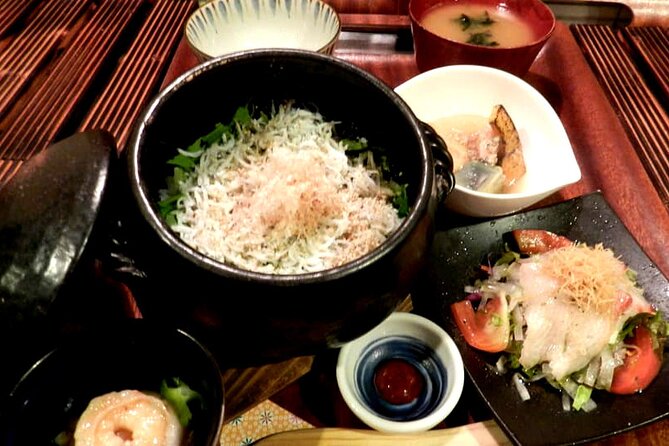
Next comes a second Chinatown stretch, again with admission ticket included, this time for about 45 minutes.
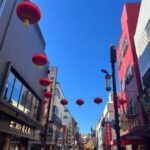
If Stop 1 is about learning the layout and sampling, Stop 3 is more about atmosphere. You walk down the main street, where food stalls and restaurants line the area. This is where the food scene feels most theatrical, and it’s also where you get the most “I’m in Chinatown” moments.
The tour food focus continues with the usual crowd favorites: dumplings, buns, and that famous shoronpo reference that pops up in the description. The key is that you’re not just repeating the same menu items. With a different time block and a different walk section, you get a better sense of what Chinatown offers overall.
What to watch for here: if you ate a lot at Stop 1, you may want to slow down your selection at Stop 2. A good guide will help you avoid the trap of ordering everything because you are excited. If you love one style of dish, ask for more of that flavor direction rather than just more items.
Nogecho for Two Hours: Slower Neighborhood Energy and Local Comfort Food
The longest stop is Noge-cho, and it lasts about two hours. Admission is listed as free here, so you’re paying for time with a guide and access to food choices, not extra entries.
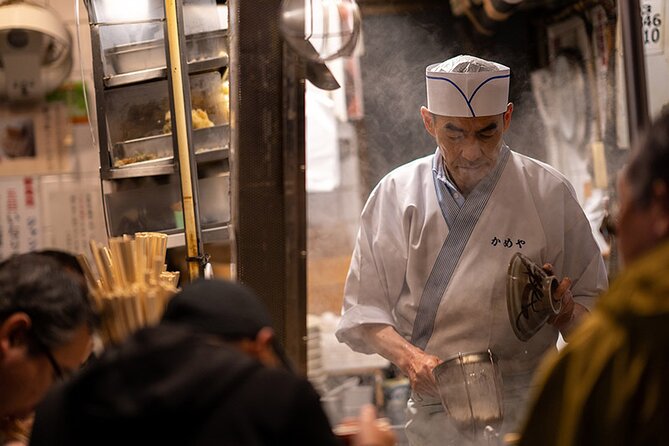
Noge-cho is described as one of Yokohama’s more authentic and beloved neighborhoods. That’s exactly what you want at this point in the tour. Chinatown is intense. Noge-cho lets the day breathe. It also changes the kind of food you’re likely to encounter, shifting from the hyper-concentrated tourist zone to a more everyday neighborhood vibe.
This part tends to be where a walking food tour becomes a real story of a city. You get to see how people actually move through streets, where small eateries fit into daily life, and how food is part of the neighborhood routine rather than only a destination.
Why the long time matters: two hours gives your guide room to keep things flexible. If your group wants to linger over one dish or adjust around your preferences, there is enough time to do it without derailing the whole afternoon.
A consideration: because this segment is longer, wearing comfortable shoes matters more than anywhere else on the walk. You will likely be standing, stepping aside for other pedestrians, and moving through smaller storefront areas.
More Tokyo tours and experiences for the shortlist

Your Local Guide Makes the Difference: Brian, Mika, and Francesco Styles
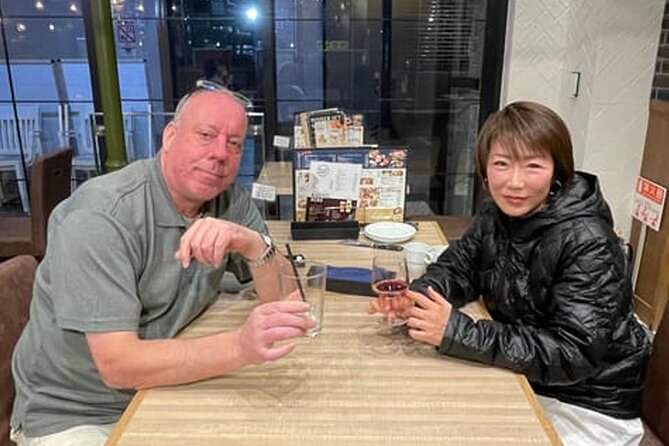
The tour is powered by local guides who choose to live in Yokohama because they genuinely like the city. You can feel the difference when a guide treats food as both taste and context.
From the guide-name examples associated with the experience, I’d expect three things from many guide styles:
- Deep Chinatown know-how, including where to go for specific dumpling styles.
- Thoughtful pacing, meaning you are not rushing your bites or cutting off your time too early.
- Preference handling, so the food route can fit your group.
One guide name that comes up is Brian, praised for knowledge of the Chinatown area and for bringing people to places with “secret gems” energy. Another guide name is Mika, who is singled out for picking top food stops, including standout soup dumplings, and for accommodating food preferences. A third guide name is Franchesco, who is mentioned for pickup from a hotel and for working around your desired pace, especially when you have only just arrived.
Even if your guide is different, the pattern is clear: the best value comes when you engage. Ask questions while you walk. Mention what you love, and also what you want to avoid. If you care about a specific type of dumpling or bun, speak up early, because the guide can steer choices as you go.
Price and Value: What $116.22 Buys in Real Terms
At $116.22 per person, this tour isn’t cheap, but it also isn’t just a label on a group walking route. The value comes from a few concrete features:
- Multiple dish stops across different settings
Chinatown two times plus Noge-cho gives you a broader food experience than a single-street snack loop.
- Variety of local dishes
The inclusion list specifically calls out local dishes at different locations. That matters because it reduces the risk of paying for a tour where you only sample one food type.
- Any entry fees included
The tour description says entry fees are included, and Chinatown segments are marked with admission ticket included. That helps you avoid surprise costs at key moments.
- Pickup offered and a private group
A private format for only your group can be great if you want the guide to slow down or adapt. Pickup offered can also save time and stress, depending on where you’re staying.
- Support before and after the tour
This is the hidden value. If your guide helps with restaurant reservations and even hotel or train bookings, you may save money in wasted effort and avoid the stress of last-minute planning.
The practical math: you are paying for guided access, included tastings, and built-in city problem solving. If you love food and want to get oriented fast, the cost can feel fair.
What to Expect to Eat (and How Not to Overdo It)
The food categories mentioned are straightforward, and that’s a good thing when you don’t want surprises. Expect a mix of:
- Steamed buns
- Savory dumplings
- Sweet treats
- Soup dumplings as a standout item in the guide feedback
- The Chinatown signature reference shoronpo
If you are wondering about portion size, aim for “sample pace.” These are walking stops, so the goal is variety, not a full sit-down meal at each place.
How to eat smart during the walk:
- Start with the dish you’re most excited about at the first Chinatown stop, then let your second stop confirm or refine your favorite.
- If soup dumplings are on your route and you love them, consider keeping your selection simple elsewhere so you don’t feel stuffed too early.
- If you have dietary restrictions, raise them before you order at the first stop. A guide who has handled food preferences well can steer you toward options that fit.
You should also remember that walking tours add motion to eating. If you snack and walk without taking a moment, you can feel “too full, too fast.” A good guide will space things, but you still play a role.
Logistics That Matter: Walking Time, Transportation, and Comfort
The listing notes what is not included: public transportation and private transportation. That means you should plan how you will get to the meeting point. Pickup is offered, so you might not need to arrange a transit plan for the tour itself, but the general guidance is still to be ready to handle local getting-there.
Also, the tour is near public transportation, so if pickup is not available for your exact situation, you are not totally stuck.
A key detail: confirmation is received at booking, and service animals are allowed. Most travelers can participate.
Comfort checklist:
- Wear shoes you can walk in for an afternoon, especially for the two-hour Noge-cho stretch.
- Bring water, since food + walking can dry you out fast.
- If you get motion-sick or sensitive to crowds, tell your guide early so you can be routed more gently through tighter streets.
Who This Yokohama Food Walk Is Best For
This tour is especially good if you:
- Want a structured way to eat in a dense city neighborhood.
- Like Chinatown but also want time outside it, which Noge-cho delivers.
- Appreciate a guide who can handle preferences and help you plan other meals and logistics.
It also fits well if you are short on time. In one afternoon, you get a Chinatown-heavy introduction and then a neighborhood shift that helps you understand how Yokohama feels beyond the famous streets.
If you hate crowds or you only want “quiet food,” you might find Chinatown challenging. In that case, tell your guide, and be honest about how you want the pacing.
Should You Book This Tour?
Book it if you want a real-food Yokohama afternoon with Chinatown tastings and a longer Noge-cho neighborhood walk, plus the added bonus of guide help for reservations and travel planning. The included tastings and admission support make it easier to focus on eating instead of budgeting every stop.
Skip it or rethink your timing if you are very sensitive to crowds, or if your day is already so packed that an afternoon schedule could stress you out. Also, since this is a private group format, it helps if your group is ready to walk and share the route without wanting to constantly break away.
If your goal is orientation plus memorable food, this tour is a solid bet.
FAQ
How long is the Yokohama walking food tour?
It lasts about four hours.
Is pickup available?
Yes, pickup is offered.
What is included in the price?
The tour includes a variety of local dishes at different locations, and any entry fees are included where applicable. It also includes support during your time in Japan before and after your tour.
What does not come with the tour?
Public transportation and private transportation are not included.
Are there different neighborhoods covered during the walk?
Yes. The tour includes stops in Yokohama Chinatown and also a longer neighborhood segment in Noge-cho.
Is free cancellation available?
Yes. You can cancel up to 24 hours in advance for a full refund. If you cancel less than 24 hours before the experience start time, you will not receive a refund.
More Walking Tours in Yokohama
More Tours in Yokohama

More Tour Reviews in Yokohama
Not for you? Here's more nearby things to do in Yokohama we have reviewed
Walking Tours, side by side.
 ★ 5.0Tokyo Tsukiji Fish Market Food and Culture Walking TourFrom $993,184 reviews
 ★ 5.0Imperial Palace and Shogun Historical Walking TourFrom $222,251 reviews
 ★ 4.9Shinjuku Local Bar and Izakaya Guided Walking TourFrom $341,794 reviews
 ★ 5.0Tsukiji Fish Market Food and Walking tourFrom $301,724 reviews
 ★ 4.8Asakusa Walking Tour with Sensoji Temple VisitFrom $221,583 reviews
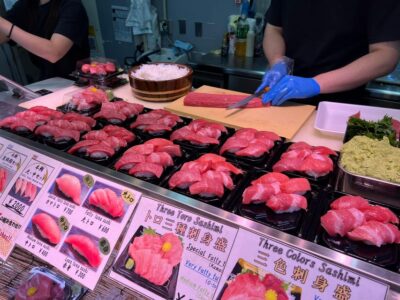 ★ 4.9Tsukiji Fish Market Guided Walking TourFrom $221,397 reviews
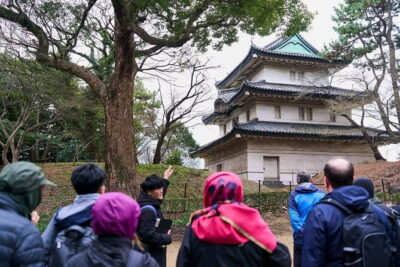 ★ 4.7Tokyo Castle & Imperial PalaceーShogun Walking TourFrom $231,068 reviews
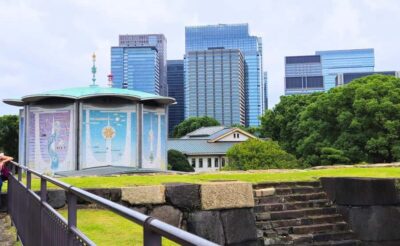 ★ 4.9Imperial Palace Japanese History Walking TourFrom $32987 reviews
This tour also belongs to