
Review · MOUNT FUJI TOURS
Mt. Fuji Heritage Tour: Traditional Villages, Lakes & Shrine
Fuji looks different in every frame. This 10-hour group tour strings together thatched-roof village charm, big shrine viewpoints, and quiet spring ponds around Lake Kawaguchi, with a guide keeping you on track when the weather shifts. Photo stops are the main event, and the pacing is built around getting you there before crowds move in.
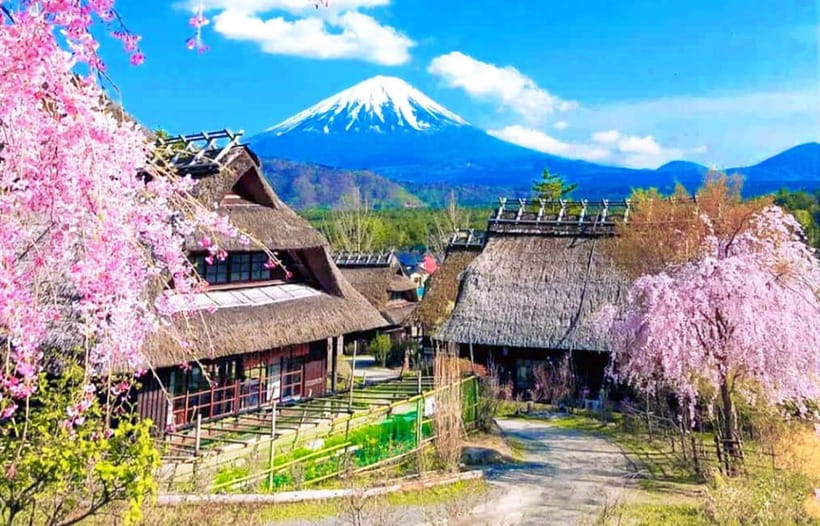
I especially love Saiko Iyashi no Sato Nenba, with its classic thatched houses and Mt. Fuji backdrops that are easy to frame. I also love the Arakura Sengen Shrine plus Chureito Pagoda segment, because you get the iconic shot, then you earn the view by climbing the steps and walking through the shrine approach.
The one possible drawback is simple: you may not get clear Mt. Fuji every day. And during peak autumn, the itinerary swaps where you spend your time, including a note that the Maple Corridor plan does not go with Oishi Park in that date window.
Key highlights worth the $50
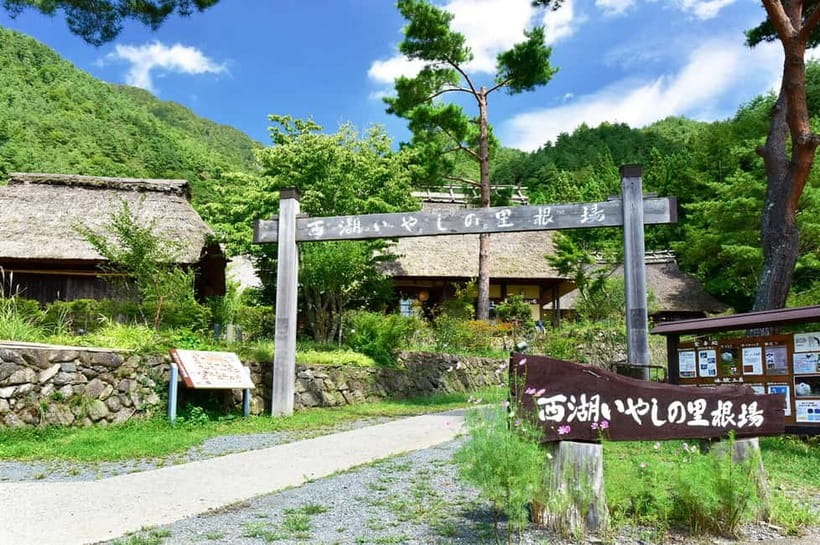
- Saiko Iyashi no Sato Nenba entry is included, and you get an actual guided visit plus a focused photo stop
- Arakura Sengen Park, Chureito Pagoda, and the shrine are treated like the main photo mission of the day
- Oishi Park vs Maple Corridor depends on dates, with peak autumn (Oct 26 to Nov 20) tied to Maple Corridor timing
- Oshino Hakkai gives you eight spring ponds for calm reflections and easy, scenic strolling
- Bring cash, since credit cards may fail at some locations and souvenir spots are often independent
- Guides vary, but English support is real, with frequent standouts like Sia, Kazi, Wanting, Alex, and Rachel mentioned in recent comments
Getting to Fuji from Tokyo, and why the bus ride matters
This is a long day, but it is the right kind of long. You leave Tokyo by coach, then you settle into the rhythm of a structured route: ride, photo stop, short walk, ride again. The coach time is about 2.5 hours each way, and your sightseeing blocks are meant to balance “see a lot” with “actually enjoy what you see.”
I like that this format saves you from rail transfers and parking headaches. For Mt. Fuji area days, logistics can be more stressful than the sightseeing. With pickups and drop-offs at designated meeting points, you can focus on the day instead of building a plan from scratch.
One practical thing to know: it is a shared group tour, so you should expect stops to be timed, not open-ended. That is good for first-timers who want the highlights, and it can feel a bit tight if you hate waiting for others. Also, the day can run later on weekends or holidays due to Japanese traffic, so avoid putting anything important after you return to Tokyo.
You can also read our reviews of more historical tours in Tokyo

Saiko Iyashi no Sato Nenba, thatched houses and Fuji backdrops
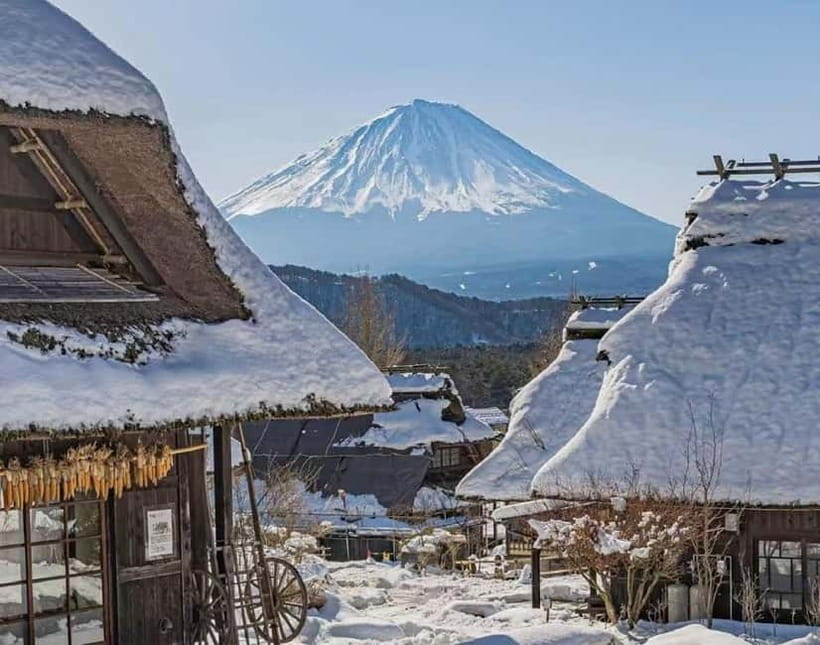
Saiko Iyashi no Sato Nenba is where the day’s “wow, I get it now” moment often happens. You have about an hour here, with admission included and a guided tour plus a photo stop. The village is famous for its traditional thatched-roof houses, and the best part is how naturally Mt. Fuji can frame the background from several angles.
This stop is also a nice change of pace because it is not just a viewpoint. You are walking through a living-style heritage area, not climbing stairs for a photo only. It is also one of the easier places to slow down and play with compositions since the setting is visually detailed and repeated across buildings.
Two smart tips here:
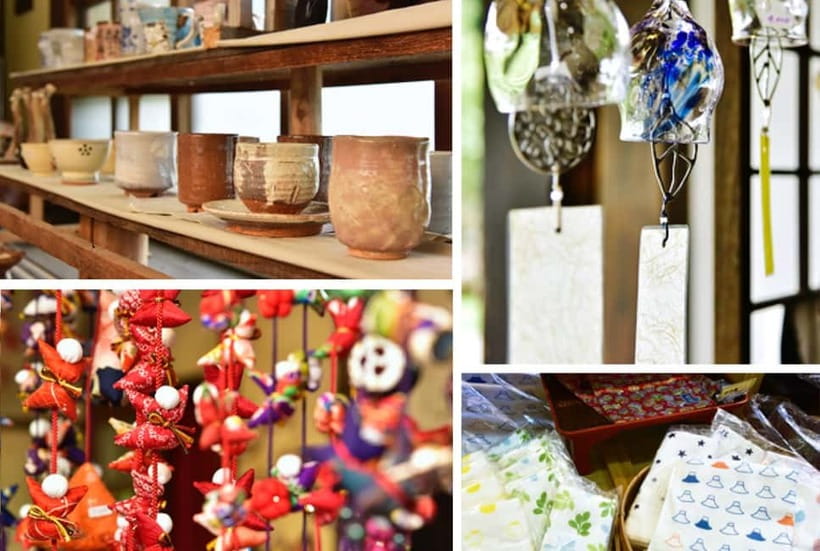
- Start your souvenir browsing quickly if that is your goal. Shop hours and stock can vary, and you do not have the entire day here.
- If you want extra-fun photos, there is a ninja costume rental option at an extra cost. It is silly in the best way, and it gives you a different look than the usual Fuji shots.
Food-wise, there are street snacks near the entrance area. Lunch is not included on the whole tour, but this village stop is one of the easiest places to grab a quick bite without derailing your day.
Lake Kawaguchi viewpoints, Oishi Park and the Maple Corridor dates game
After the village, you shift to the Lake Kawaguchi area, where the tour focuses on views and seasonal color. This is also where you should pay attention to timing. You have multiple stops near the lake, including a dedicated Oishi Park photo and sightseeing block and then another photo block at the Lake Kawaguchi Maple Corridor.
Here is the key decision point: peak autumn color is Oct 26 to Nov 20, and during that window the tour notes that it does not go to Oishi Park. In other words, the tour is not trying to give you “everything all at once.” It is trying to match your dates with the right scenery.
What to expect by season:
- In summer, Oishi Park is known for fragrant lavender fields.
- In autumn, Oishi Park can show strong color from red broom grass, depending on conditions.
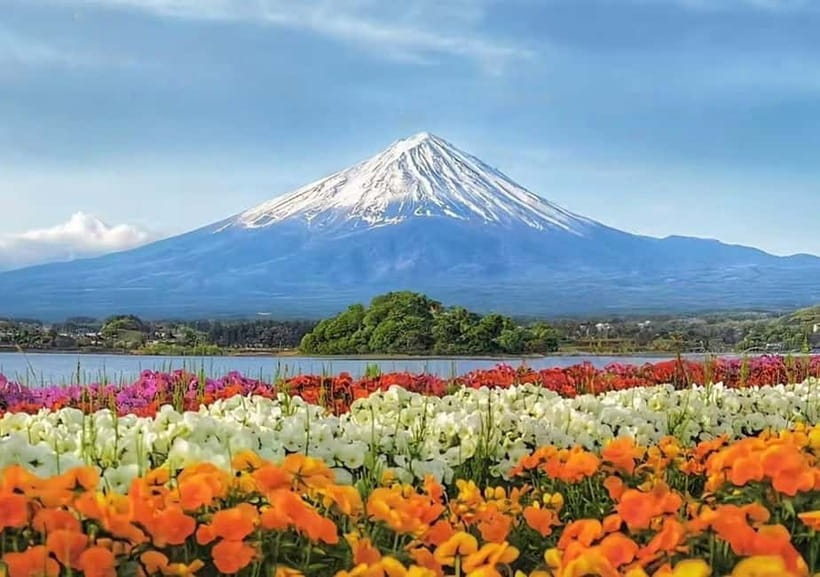
- For peak autumn dates, the Maple Corridor becomes the focus, with fiery fall foliage that can frame the snow-capped Fuji in a classic way.
Even if you do not get perfect Fuji clarity, the lake area still delivers. The parks are designed for people who walk out, look up, and take photos fast. If you come prepared with comfortable shoes and a willingness to move a little, this section of the day is one of the best “value per minute” parts of the itinerary.
Arakura Sengen Shrine and Chureito Pagoda, the Fuji photo that lives up to the hype
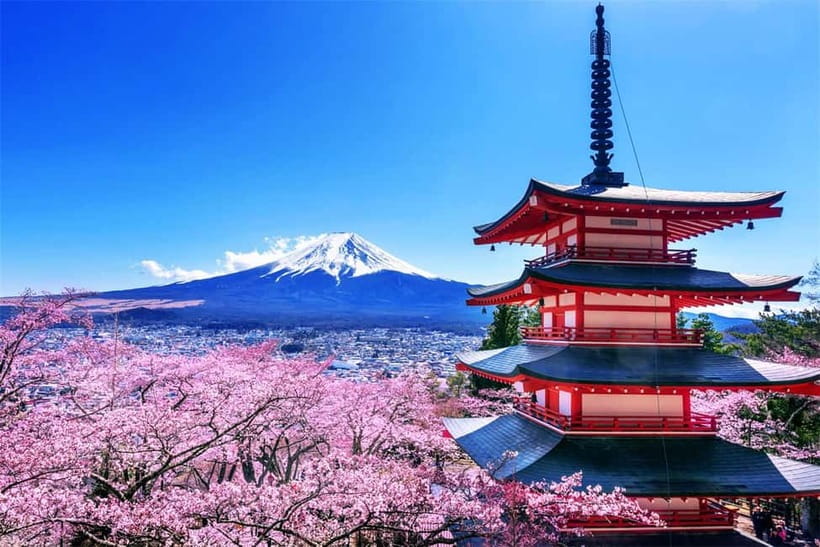
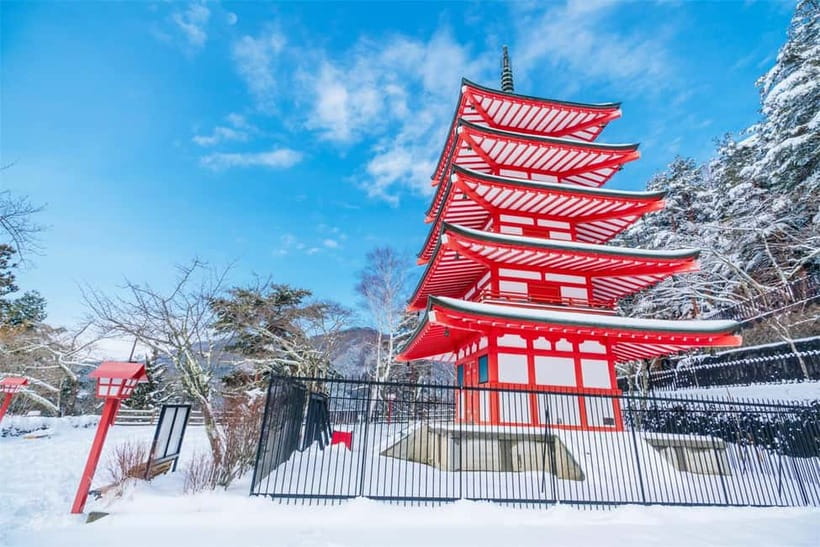
If there is a “main character” stop on this tour, it is Arakurayama Sengen Park plus the Chureito Pagoda and the Arakura Fuji Sengen Shrine. You get a combined run through this area, with time allocated for visiting and photos. The big idea is that you climb stairs, walk the shrine approach, and then you get the view that most people have seen online.
This is not just a flat photo stop. The design pulls you upward in layers. That is why it feels rewarding: you are not only photographing, you are moving through a sacred spot with a very famous backdrop.
A practical tip for anyone who cares about shrine collectibles: if you want a Goshuin (shrine seal/book), plan your timing at the right moment. One useful hint is to prepare your Goshuin book before you climb the stairs, since there can be a wait once you arrive at the top area.
What I like about this segment is that the guide usually gives clear pointers before you reach the viewpoints. That matters because the best angles are not always obvious when you are standing in a crowd.
The restaurant break, and how to handle food without messing up your day
Lunch is not included. The tour builds in a break time of about 40 minutes at a local restaurant, but you are paying for what you order. This is one of those “convenient but not guaranteed to be your favorite meal” setups.
I think it is still a smart inclusion. After multiple photo stops, you need a reset, and the group timing is built around getting you back out to the next major site. If you have dietary needs, I suggest bringing a simple snack for backup. That way, you are not stuck waiting for the group pace if the restaurant option is not your style.
Also, bring cash. The tour specifically flags that credit cards may not be accepted at some locations, and restaurant choices and souvenir stands can vary.






Oshino Hakkai, eight ponds, calm reflections, and small edible souvenirs
Oshino Hakkai is the calm finish. You get about 70 minutes here, which is generous compared to many “photo-only” stops. This area is made of eight spring ponds fed by Mt. Fuji’s melted snow. The result is a still, reflective atmosphere that is a welcome change after bus rides and crowds.
This stop works year-round because the ponds themselves are the attraction, not only seasonal blossoms. Even when visibility is mixed, Oshino Hakkai can still feel peaceful and worth your time.
Two practical ways to enjoy it:
- Walk slowly and let your eyes rest on the reflections. If you rush, you miss the best angles.
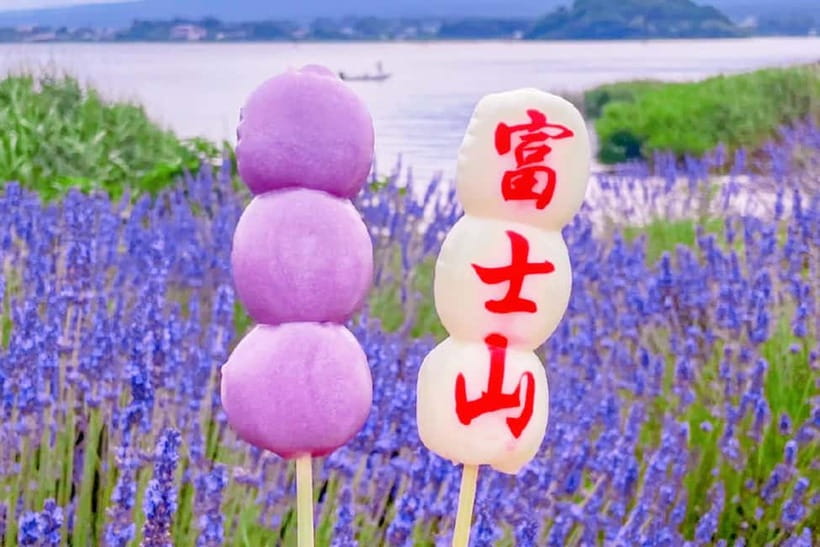
- Look for nearby local treats. The tour notes options like freshly made rice crackers and wasabi ice cream, which can be fun, light souvenirs you eat immediately.
If you are traveling with kids, this is often the easiest stop to keep everyone engaged since it is mostly walking and looking, not climbing long stair routes.
Weather reality checks, and how to still get a good Fuji day
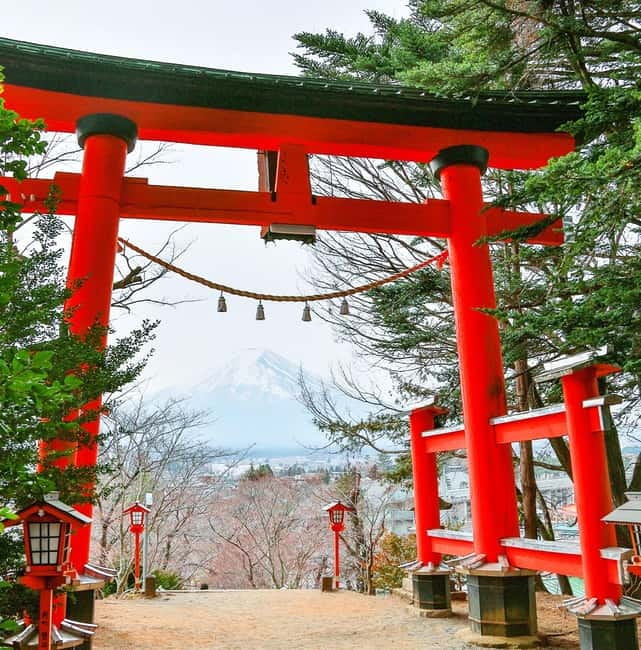
Mount Fuji is famous, and also famous for playing hide-and-seek. The tour clearly warns that weather can block clear views, and that is a real factor.
Here is the strategy that usually works:
- Assume Fuji might show up in windows, not all day.
- Use your time to chase the “best likely angles” at each stop instead of getting emotionally stuck if the mountain disappears at one place.
- Keep your schedule smooth. If you run late, you lose the tight photo timing the route is built on.
A helpful detail from recent experiences: clear conditions have happened at multiple stops in a single day, so your odds are not zero even if the first sighting is cloudy. The guides often keep people organized on exact meet-up points and timelines, which helps you avoid the most frustrating scenario of all, getting lost during a timed photo block.
Price and value at $50, what’s included and what you must budget
At $50 per person for a 10-hour day trip, the value depends on two things: what you would pay to get there on your own, and how much stress you want to manage.
What you get:
- Guide, driver, and parking fee covered
- Pickup and drop-off at two designated meeting points
- Admission to Saiko Iyashi no Sato Nenba
What you should budget separately:
- Lunch is not included
- Personal expenses, including souvenirs
When I look at value, I think about time. The long coach ride is unavoidable from Tokyo, so having the route planned for you is what makes the price feel reasonable. You are also buying the guide’s job, which is timing, group control, and helping you find the right spots fast.
If your priorities are strict solitude, you may find this format feels too scheduled. But if your priority is “hit the real highlights without turning the day into a logistics project,” this price is hard to beat.
What to bring for comfort, photos, and easy spending
This tour is simple on paper, but your day goes better when you prepare for the small annoyances.
Bring:
- Comfortable shoes. You walk at villages and viewpoints, and you climb steps at the shrine area.
- Water. You will spend long chunks outdoors.
- Cash. Credit cards may not work at all stops, and you will likely want snacks or small souvenirs.
Photo-wise, you should also be ready to move. Many stops are timed, and you will do better if you treat each location like a quick photo mission followed by a short walk.
Who this tour is best for, and who may want to skip it
This is best for:
- First-timers who want the Mt. Fuji area highlights in one shot
- People who value a guided route and clear timing
- Anyone who wants famous photo spots plus a calmer finish at Oshino Hakkai
It may be a poor fit if:
- You use a wheelchair. The tour notes it is not suitable for wheelchair users.
- You hate group pacing. This is a shared tour, so you will be following a schedule and meet-up points.
Family check: at least one recent experience described traveling with a very young child and baby, and it sounded manageable. Still, the day includes walking and steps, so for strollers and mobility needs, use your own judgment.
Should you book this Mt. Fuji Heritage Tour?
I would book it if your goal is a well-paced, high-visibility day around Mt. Fuji, with Saiko Iyashi no Sato Nenba, Arakura Sengen and Chureito Pagoda, and Oshino Hakkai all in one route. The included entry at Saiko and the guide-led timing help justify the price, especially if you do not want to figure out transport and parking on your own.
I would skip it if you need long, free-form time at a single location or if you are very sensitive to schedule changes from traffic or weather. Also, if your dates fall in peak autumn, go in knowing the tour’s plan may shift from Oishi Park to Maple Corridor to match the best colors.
If you do book, do one thing that pays off fast: check the weather before you leave and dress for outdoor walking. Fuji is the prize, but comfort keeps you enjoying the hunt.
FAQ
How long is the Mt. Fuji Heritage Tour?
The tour duration is listed as 10 hours.
Where are the pickup and drop-off locations?
Pickup and drop-off happen at two designated meeting points, and one option is 東京MODE學園, 1-chōme-5-1 Marunouchi. The exact meeting point may vary depending on the option booked.
Is lunch included in the tour price?
No. Lunch is not included, and you are encouraged to bring food or purchase lunch at attractions or at a local restaurant suggested by the guide.
What languages does the tour guide speak?
The live guide offers commentary in English, Japanese, and Traditional Chinese.
What’s included in the $50 price?
Included items are admission to Saiko Iyashi no Sato Nenba, a tour guide, a driver, pickup and drop-off at meeting points, and the parking fee.
What should I bring?
The tour advises bringing comfortable shoes, water, and cash.
Is credit card payment always available?
No. The tour notes that credit cards may not be accepted at certain locations, so cash is important.
Will I definitely see Mount Fuji clearly?
Not guaranteed. Weather can prevent clear views, and the tour recommends checking the forecast.
Is this tour wheelchair accessible?
No. It is listed as not suitable for wheelchair users.
Is there free cancellation?
Yes. The tour lists free cancellation up to 24 hours in advance for a full refund.
More Historical Tours in Tokyo
More Tours in Tokyo

More Tour Reviews in Tokyo
Not for you? Here's more nearby things to do in Tokyo we have reviewed












Mount Fuji Tours, side by side.
 ★ 5.0Mt Fuji and Hakone 1-Day Bus Tour Return by Bullet TrainFrom $16326,383 reviews
 ★ 4.0Mt Fuji & Hakone Cruise, Drum Show Bullet Train 1 Day from TokyoFrom $1497,413 reviews
 ★ 4.4Tokyo Mt Fuji 5th St & Hakone Cruise Bus Tour w/Bullet TrainFrom $1545,024 reviews
 ★ 4.5From Tokyo: Mount Fuji Full-Day Sightseeing TripFrom $684,970 reviews
 ★ 4.7Mt. Fuji Tour, Hakone Ropeway, Owakudani, Lake AshiFrom $544,002 reviews
 ★ 4.2Mt. Fuji 5th Station & Hakone Cruise 1-Day Bus TourFrom $1292,381 reviews
 ★ 4.7Mt Fuji Top 5 Spots Day Tour: Arakurayama Park,Oshino HakkaiFrom $532,066 reviews
 ★ 5.0Private Tour to Mt. Fuji and Hakone (Fully Licenced Operator)From $4971,910 reviews
This tour also belongs to