
Review · SHINJUKU TOURS
Shinjuku: Food Tour – 15 Dishes at 4 local eateries
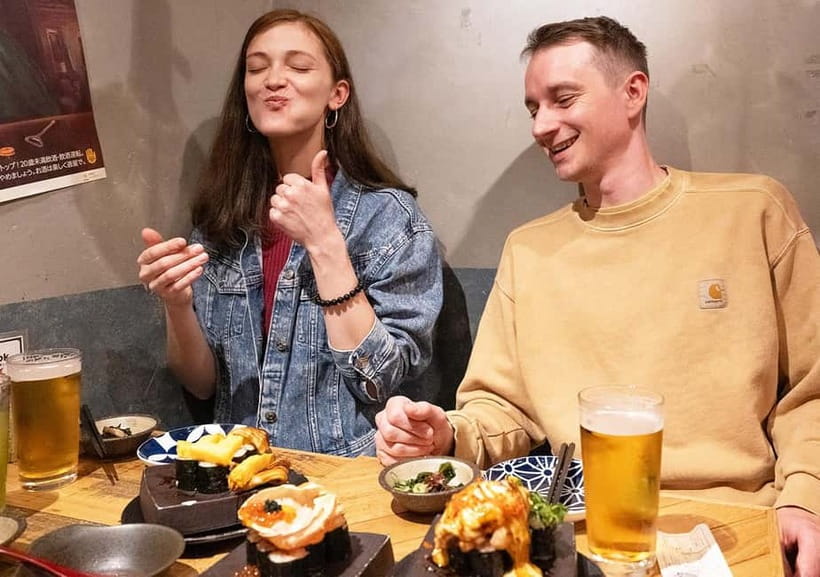
One great way to understand Tokyo is through what people actually eat at night. This Shinjuku food tour turns the city’s loudest nightlife zones into an easy, guided route with enough tastings for a real meal. You’ll hop between classic alleys and bar districts, with a local guide setting the pace and decoding the menus as you go.
I especially love the 15-dish structure. It keeps you from making the usual tourist mistake of ordering one safe thing, then calling it dinner. And the guide makes it matter, with English-speaking hosts like Sota, Sakura, Shun, and Ayaka building context as you eat, not just handing you a list of items.
The main drawback is simple: this is a walk-and-eat night in Shinjuku. You’ll cover ground between spots, and the menu can shift with season and restaurant availability, so go with an open mind.
Key things to know before you go
- 15 dishes in 3 hours means you’ll likely finish full, not just sampling.
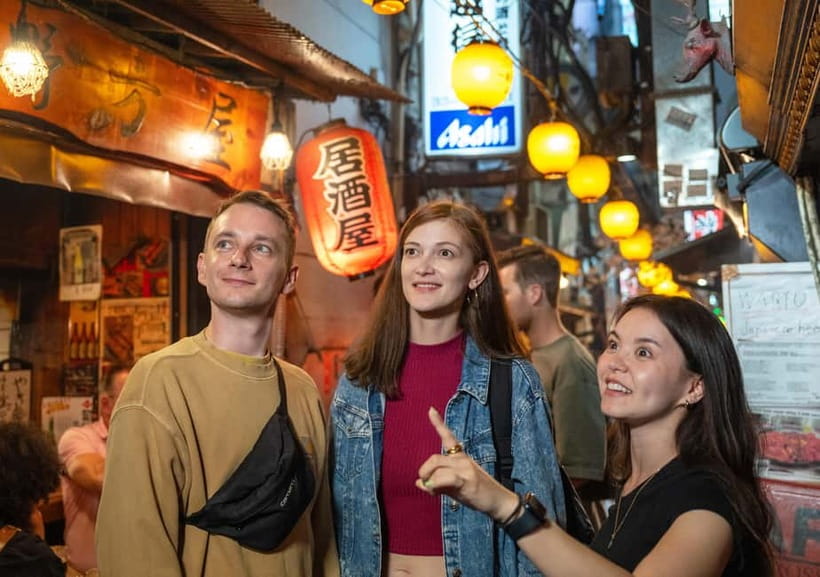
- Four local eateries scattered across Shinjuku’s nightlife areas, so you get variety without planning.
- Multiple drinks included (alcohol and non-alcohol) to match what you’re eating.
- English or Japanese live guides, with lots of help reading menus and food etiquette.
- Menu may vary by season and restaurant access, so expect a flexible tasting plan.
- WhatsApp contact is part of the workflow, so download the app ahead of time.
Price and value: what $72 buys you in Shinjuku
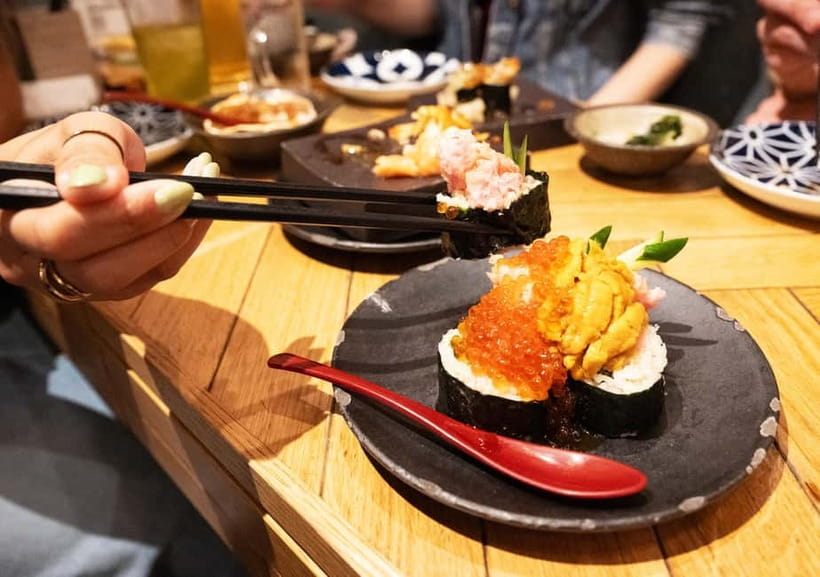
At $72 per person for a 3-hour evening, the math only works if you treat it like a meal replacement. Here, it does. You’re getting 15 dishes described as enough for a full meal, plus 3 drinks (alcohol and non-alcohol). Even if you ignore the drinks and just focus on the food, you’re paying about what you’d spend on a small set menu plus drinks, in a neighborhood where an individual dinner can quietly add up.
The other value piece is the guide’s time. Shinjuku is not hard to visit, but it is hard to navigate well at night if you don’t speak menu language or know what to order. A good guide saves you from that guessing game. In the reviews, you see the same theme again and again: guides explain what you’re eating and how to handle etiquette without making it feel like school.
One more detail that affects value: this is not framed as fine dining. The tone is casual, heartwarming, and built around comfort foods and nightlife snacks. That matters because it lowers pressure. You don’t need to dress up. You just need to come hungry and ready to walk.
You can also read our reviews of more food & drink experiences in Tokyo
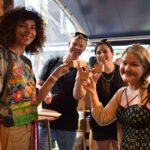
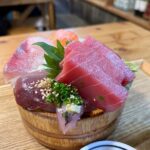
Meeting point in Shinjuku Station, East Exit, Police Box
Your meeting point is the Shinjuku Station East Exit Police Box, listed as 新宿警察署 新宿駅東口交番, at 3-38-1 Shinjuku. This is a smart choice, because Shinjuku Station is the kind of place where you can wander in circles for 20 minutes without noticing.
Plan to arrive a little early. One review even flagged that finding the meeting spot can be tricky at first because the station is so busy, and then everything becomes smooth once you’re at the correct point.
Also, make this easy on yourself: the guide will contact you via WhatsApp, so download it before your tour date. This is one of those tiny travel moves that prevents the classic end-of-day stress spiral.
How the pacing works in a 3-hour, 4-stop tasting
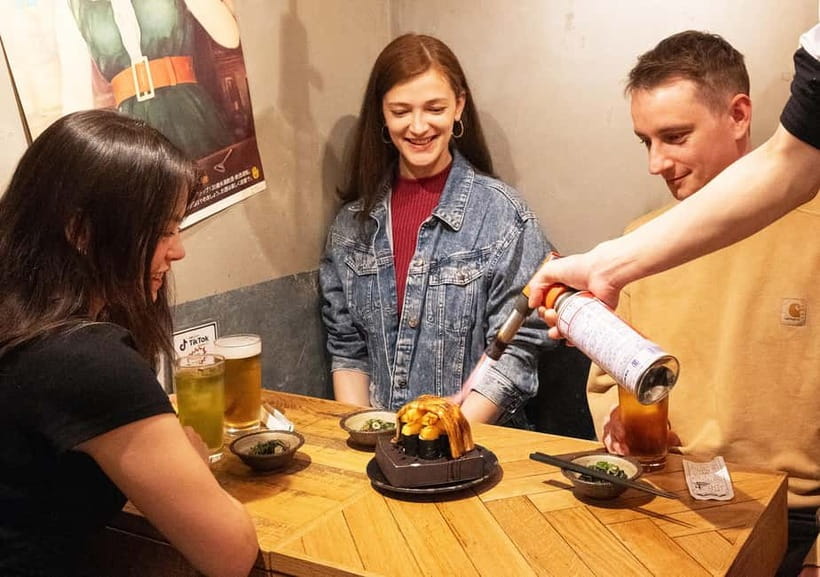
The tour runs for about 3 hours and is built around short restaurant visits plus walking time between areas. In the reviews, people praised the pace as a big part of why the night feels fun instead of rushed. You eat, digest a bit while walking, then get the next stop.
That pacing is especially helpful in Shinjuku because the neighborhoods can feel chaotic if you’re trying to do everything yourself. A guide gives you a rhythm. You know when to stop, when to order, and when to move on.
You should also expect menu assistance. When guides like Nauto, Ren and Shinji, or Mana explain what you’re about to eat, you’re more likely to enjoy everything rather than getting stuck on one dish you do or don’t recognize.
One more scheduling note: the tour includes visits to four local eateries, even though the walking route highlights three big districts. That means you’ll likely experience multiple dining spots clustered within those areas, rather than one single restaurant at each stop.
Omoide Yokocho: the first dinner wave and menu confidence
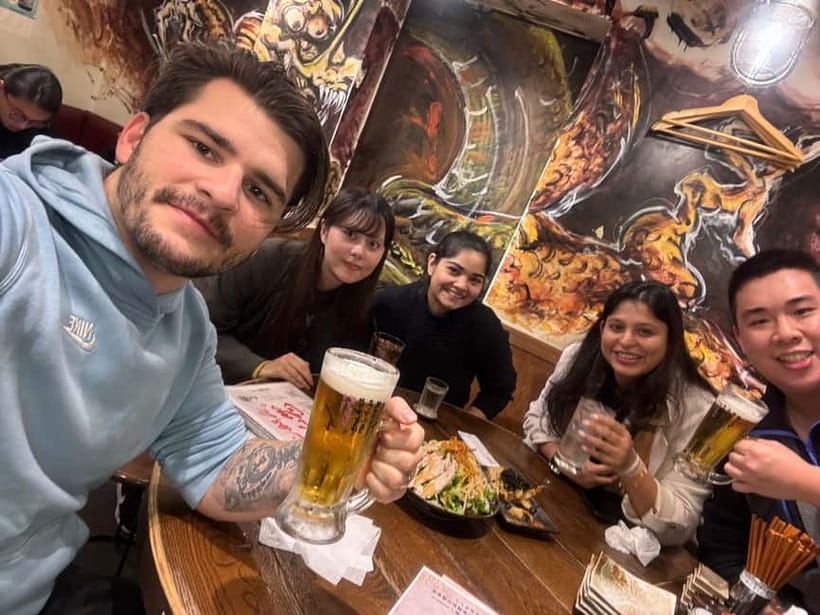
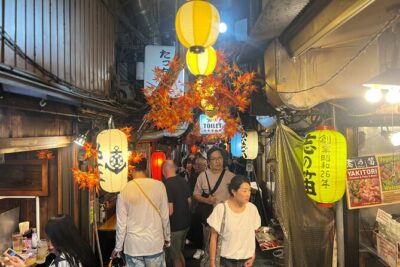
Your first major dining district is Omoide Yokocho, and you’ll start with dinner plus a guided walk time. This early stop is where the tour does two jobs at once: it feeds you right away and it gets you thinking like a local.
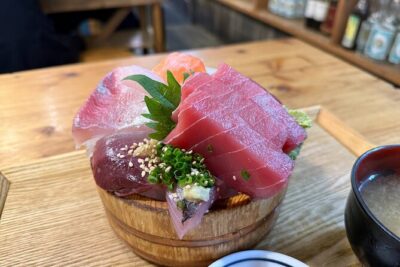
Because you’ll later taste things like fresh sushi, gyoza, takoyaki, and crispy fried items, Omoide Yokocho sets the tone. You start with comfort, then you build toward heavier flavors. Guides tend to use this stage to teach you ordering and etiquette basics, especially helpful if you’re worried about chopsticks, sharing dishes, or drinking rules.
Look for practical cues from your guide here. In reviews, guides often explain cultural etiquette and food customs as you go, so you’re not left guessing at the table. It’s the difference between eating food and understanding how the place expects you to behave.
A small drawback to keep in mind: because the menu can vary by season and availability, you might not get the exact dish list you imagined. But you will still get a balanced selection designed to hit different textures and flavors across the full tasting.
Kabukicho: nightlife walking with comfort-food momentum
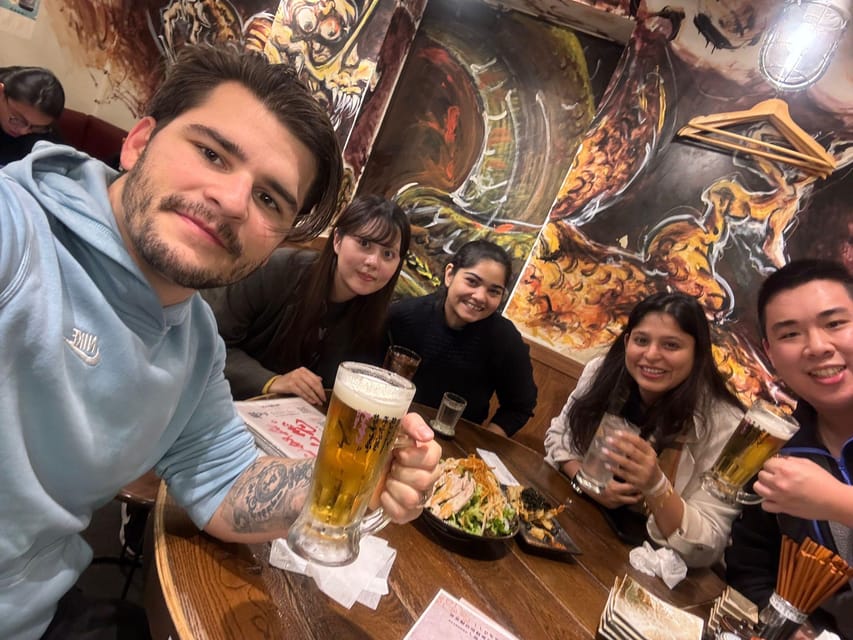
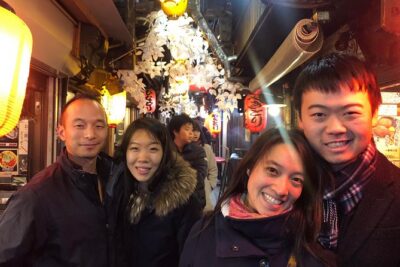
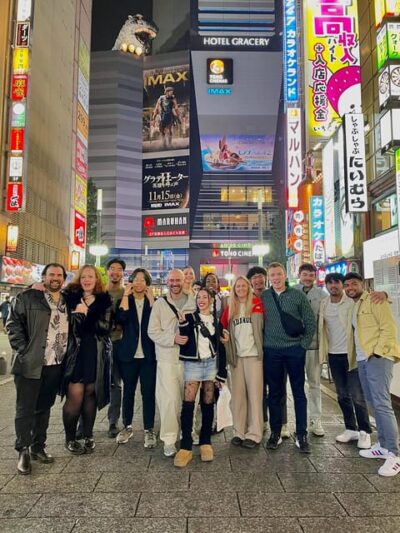
Next up is Kabukicho for another stretch of dinner and guided walking. Kabukicho is where the tour leans harder into the nightlife side of Shinjuku. Expect street energy, arcade-like distractions, and plenty of neon street scenes to look at while your guide keeps the group moving.
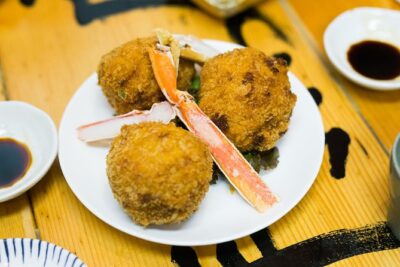
This is also a smart place in the route to keep the food satisfying. Reviews mention classic Japanese comfort foods like crispy tonkatsu, juicy dumplings, and fried skewers. Even if you’re not a super adventurous eater, the tour’s dish plan is built to balance familiar and surprising items.
What I like about this stop is that it’s not only about the food. Guides typically share context about where you are and how to interpret what you see. That turns an otherwise overwhelming district into a readable map in your head.
Another practical benefit: walking between Kabukicho venues can help your stomach settle between heavy bites. One review specifically noted how the pace let people walk, chat, listen, and digest before moving to the next stop. That is exactly the kind of detail that matters when you’re planning a night out in Tokyo, where you might otherwise get stuck in long lines or miss your best window.
More Tokyo tours and experiences for the shortlist


Golden Gai: small-bar sake moments and big atmosphere
Your final district is Golden Gai, and this is where the tour often feels most special. Golden Gai is known for tiny drinking spots and the kind of bar-hopping vibe where you get the feeling that locals know exactly what to do.
Here, the tasting leans into drinks. Reviews mention Japanese sake tastings and a spread of drink styles, including highballs, plum wine, and non-alcohol options when needed. If you want to taste sake without turning the night into a confusing crash course, this stop is one of the best ways to do it.
The guide also plays a big role in making the drinks approachable. People praised how hosts gave drink recommendations and explained what you were ordering. If you’re the type who freezes in front of menus, this is where you’ll feel most supported.
One review mentioned three different sakes at the sake bar, and the guide made it fun by adding stories about life in Tokyo. That kind of human detail is not guaranteed, but it tells you what kind of experience the best guides lean into.
The 15 dishes and 3 drinks: what you’ll likely taste
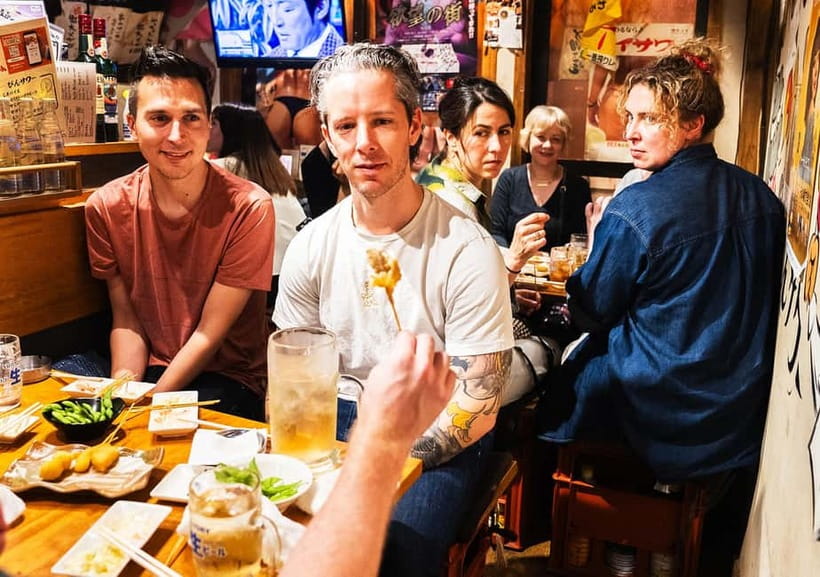
The tour experience is built around up to 15 recommended Japanese dishes and 2 drinks in the highlights, with the inclusion list stating 15 dishes and 3 drinks overall. In other words, you should plan for a lot of eating, then a lot of tasting across multiple types.
The dish categories called out in the tour notes and reflected in the reviews include:
- Fresh sushi
- Crispy kushikatsu
- Juicy gyoza (dumplings)
- Savory takoyaki
- Crispy fried pork like tonkatsu
- Plus additional dumpling, snack, and comfort-food style items that can shift with the season
On the drinks side, expect a mix of alcohol and non-alcohol. Sake is specifically mentioned, and reviews also describe lemon sour, highball, plum wine, and matcha ice cream. You’re not just drinking to drink. The plan is to pair beverages with what you’re eating, so each stop feels connected.
Two tips if you have dietary concerns: first, ask your guide. The tour is designed around a curated tasting, but guides can sometimes help you choose safer options within a venue. Second, pace yourself. With 15 dishes, you don’t need to force every bite. It’s okay to savor, then move on.
Alcohol rules: joining the tour under 20
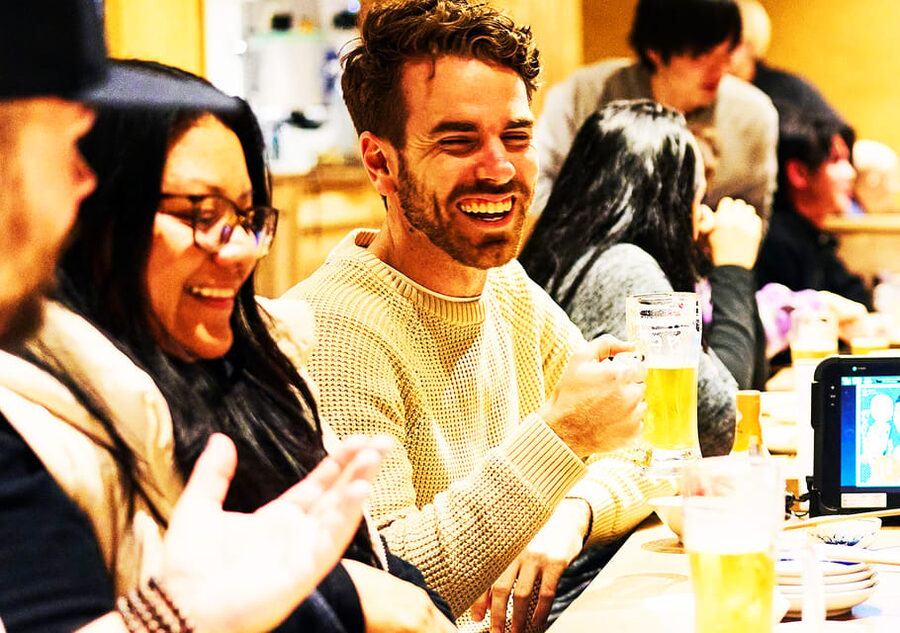
If you’re traveling with someone under 20, they can join the tour, but they are not permitted to consume alcohol. The good news is that the tour includes non-alcohol drinks too, so there should still be plenty to enjoy.
If you’re an adult who wants sake and cocktails, you’ll likely get that chance. If you prefer to skip alcohol, plan to rely on non-alcohol options at the included drink stops.
Drinks and etiquette: how guides reduce the awkward moments
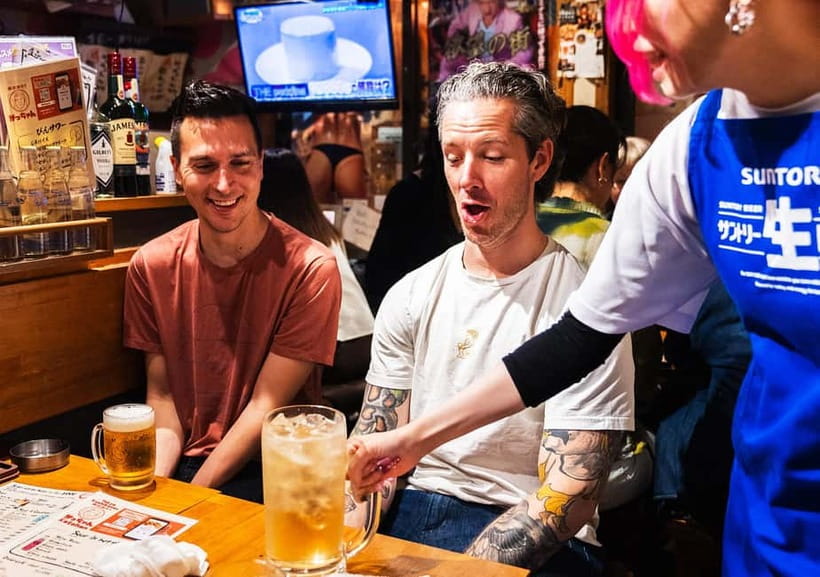
This tour gets high marks for something less obvious than food volume: it helps with cultural nuance and ordering etiquette. Multiple reviews specifically praised explanations of cultural etiquette and traditions, plus menu help.
That matters because Japan has many small table and ordering rules that can feel intimidating when you’re tired. A good guide handles that for you. You’ll be told what to do, when to do it, and why it’s done that way. It turns your meal into an experience you understand instead of a list you survive.
Also, these guides often work as hosts. You see comments about guides being welcoming and patient, and helping with practical moments like taking pictures or answering follow-up questions after the tour.
One review described a guide who provided bakery recommendations after the tour. That kind of extra help is not required, but it signals how many hosts treat the night as more than a sales pitch.
Who this Shinjuku food tour is best for
I think this tour fits best if you want:
- A high-effort, low-planning Tokyo night
- A real variety meal across sushi, dumplings, fried snacks, and sweet items
- A guided walk through Shinjuku’s nightlife districts without feeling lost
- Help reading Japanese menus and ordering with confidence
It’s also a strong pick for:
- Friends who want to try lots of dishes together
- First-time visitors to Tokyo who want a nightlife area with structure
- Food lovers who don’t want a formal restaurant experience
If you hate walking at night or you want a quiet, sit-and-stay kind of dinner, you might prefer a different style of tour. This one is active, and it’s intentionally built around multiple stops and tastes.
Should you book Shinjuku Food Tour for 15 dishes in 4 eateries?
Book it if:
- You’re hungry for a full meal plus drinks, not just a quick snack stop.
- You want the nightlife route, including Omoide Yokocho, Kabukicho, and Golden Gai, but you want someone else to do the hard navigation.
- You like learning what you’re eating and why, not only what the dish is called.
Consider passing if:
- You want a calm, low-walking evening.
- You’re extremely picky and only want one specific type of cuisine, because the tasting plan is built for variety.
If you’re on the fence, here’s my practical suggestion: compare it to the cost of planning four separate dinners and drinks on your own. For many people, the guide support plus 15 dishes is what makes the price feel fair. Add in the consistently strong reviews and the fact that guides like Sota, Sakura, Shun, and Ayaka are repeatedly praised for explanation and friendliness, and you have a pretty confident bet for a memorable Shinjuku night.
FAQ
What’s included in the Shinjuku food tour?
You’ll get 15 dishes (enough for a full meal) and 3 drinks, plus visits to 4 local eateries with a live guide. Additional food and drinks are not included.
How long is the tour?
The tour lasts 3 hours.
Where do we meet?
Meet at Shinjuku Station East Exit Police Box, 新宿警察署 新宿駅東口交番, 3-38-1 Shinjuku, Shinjuku-ku, Tokyo. Look for the guide holding a sign that says 【⛩ Local Guide Stars】.
How does the guide contact work?
The guide will contact you via WhatsApp, so download the app before your tour for smoother communication.
What languages are available?
The tour is offered with a live guide in English and Japanese.
Is alcohol included for everyone?
Alcohol and non-alcohol drinks are included. Participants under 20 are welcome to join but are not permitted to consume alcohol.
More Food & Drink Experiences in Tokyo
More Tours in Tokyo



More Tour Reviews in Tokyo


Not for you? Here's more nearby things to do in Tokyo we have reviewed






Shinjuku Tours, side by side.
 ★ 5.0Shinjuku Food Tour (13 Dishes at 4 Local Eateries)From $866,603 reviews
 ★ 5.0Tokyo Bar Hopping Tour in Shinjuku (All-You-Can-Drink + Dinner)From $1063,587 reviews
 ★ 4.9Shinjuku Food Tour (15 Dishes and 4 Eateries)From $852,033 reviews
 ★ 5.0Best of Shinjuku: Izakaya Food Tour (4 Stops, 14+ Tastings)From $921,863 reviews
 ★ 4.9Shinjuku Local Bar and Izakaya Guided Walking TourFrom $341,794 reviews
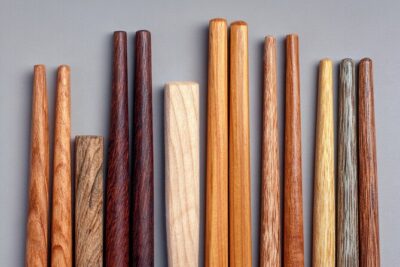 ★ 5.0Tokyo Shinjuku Chopsticks Making ClassFrom $201,763 reviews
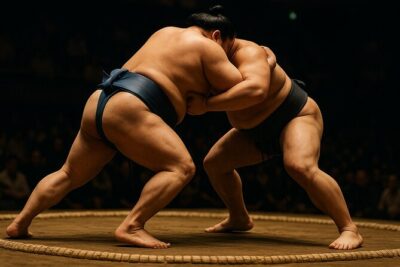 ★ 5.0Tokyo Shinjuku Sumo Show & Experience with PhotoFrom $791,750 reviews
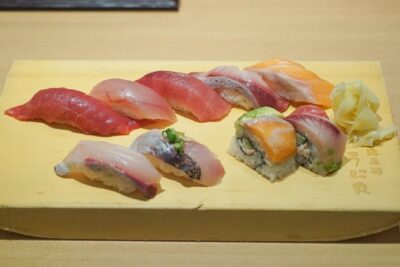 ★ 5.0Tokyo Night Foodie Tour in Shinjuku – Seasonal Sushi, Wagyu BeefFrom $1111,161 reviews
This tour also belongs to