
Shinjuku eats fast, so you should too. In this 3-hour Tokyo food tour in Shinjuku, you move through neon backstreets and crowded alleys with an English-speaking guide, hitting four local eateries and tasting a full dinner’s worth of food.
I especially like that you get 15 dishes that range from raw fish to crispy fried bites, so you are not stuck ordering the same “safe” thing twice. I also love the neighborhood mix, from Golden Gai’s tight bar lanes to Omoide Yokocho’s grilled-stall energy. One thing to plan for: you need to bring cash, and at least one stop may involve stairs with no elevator, so it can be awkward if you have mobility limits.
Quick Take: What You’ll Notice Right Away
- 15 dishes that add up to a real meal, not random samples
- Four eateries across Shinjuku districts, with a guide keeping the pacing smooth
- Golden Gai, Omoide Yokocho, and Kabukicho in one night, so you see more than just one zone
- Sake and beer options plus non-alcohol choices, depending on what’s served
- English guidance focused on food culture, not just where to stand and wait
- Cash-friendly night out, because some places are old-school
Finding Your Starting Point: α 107 and the Blue AOKI Sign
You’ll start near Nishi-Shinjuku, in front of the blue AOKI sign by Starbucks at the west exit. It’s a good choice for first-time Shinjuku visitors because it anchors you in the right area without making you wander.
You should also know the tour’s main “home base” is the α 107 Building, where you begin and end. That matters at the end of the night, when you’re stuffed and your sense of direction is gone. The walk is manageable, but you will be on your feet.
Tip: wear shoes you can handle in Tokyo backstreets. The streets are lively, and you’ll be moving between places fast enough that comfortable footwear is not optional.
You can also read our reviews of more food & drink experiences in Tokyo
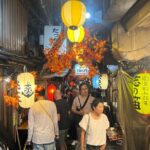
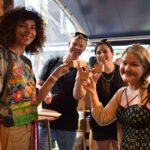
Golden Gai at Night: Tiny Bars, Big Explanations
Golden Gai is where Shinjuku turns from shopping streets into a maze of narrow lanes and small drinking spots. In this section of the tour, you’ll have dinner and a guided walk, with the guide helping you make sense of what you’re seeing.
The biggest win here is context. Golden Gai can look like a blur of signs and doorways, but the guide ties it to food and drinking culture, so it feels less like you are sightseeing and more like you are learning how locals enjoy the evening.
What you’ll get: one of your early tastings, plus food culture talk while you’re still fresh and hungry. It’s also a nice “warm-up” stop because you are not yet fully deep into the heavier fry and grill items. Think of it as setting your expectations for what comes next.
Omoide Yokocho: The Alley Meal with Real Comfort Food Energy
Then you head into Omoide Yokocho, the famous alley where the atmosphere feels like it has its own pulse. You’ll have dinner here too, with guided time for both eating and seeing.
This is where the tour leans into comfort food: smoky, savory, and built for sharing. Even if you don’t catch every detail of the explanations, you’ll still understand what’s going on because the food is doing the talking.
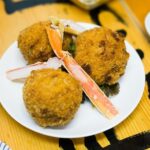
Expect a mix of textures, including items like crispy, pan-fried or grill-friendly dishes. The guide also helps you figure out what to pay attention to, like how Japanese seasoning balances salt, fat, and umami.
Practical note: alleys can get tight. The guide’s job here is making sure the group gets seated and served without turning the night into chaos. If you tend to get impatient in small spaces, this is a good tour type for you because someone else is handling the timing.
Kabukicho Food Stops: Where Shinjuku Gets Loud
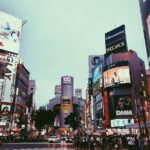
Kabukicho is the area most people associate with Shinjuku at night: neon, crowds, and a sense of speed. On this tour, you’ll stop here for more eating and guided walking.
The value of ending in Kabukicho is simple: you see the contrast between districts. Golden Gai feels intimate and compact. Omoide Yokocho feels like a focused food alley. Kabukicho feels like the loud, high-energy stage around it all.
This is also a smart “final-fuel” zone. By the time you reach Kabukicho, you’ve already learned how the night flows, and you can enjoy the last set of dishes without overthinking ordering.
One caution: if you’re sensitive to crowds or flashing signage, Kabukicho can feel intense. You’re still on a short, structured route, but it’s not a quiet walk.
What You Actually Eat: 15 Dishes That Build a Full Dinner
You’re tasting 15 dishes across four local eateries, and the tour description calls it enough for a full meal. That tracks with the way the menu types are described: you’re not just doing tiny bites of everything.
Here’s the kind of range you can expect:
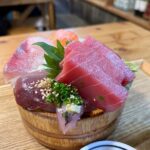
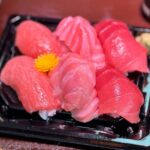
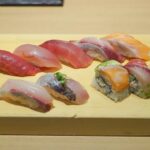
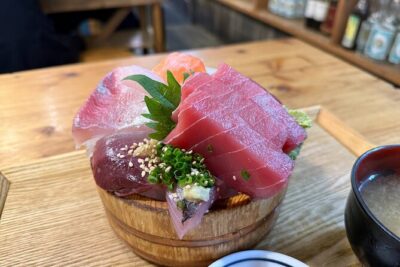
- Sashimi that’s described as melt-in-your-mouth style
- Tonkatsu with a golden-crisp coating
- Gyoza that’s pan-fried
- Plus additional Japanese comfort foods and specialty items across the stops
What makes this valuable is balance. If you tried to build this on your own, you would probably end up repeating similar flavors or you would order “one per category” and still feel like you missed the variety. This tour does the matching for you: raw and cooked, crisp and tender, savory and satisfying.
Also, having a guide helps you taste with purpose. The guide isn’t just saying what you’re eating, they’re explaining why it’s that way, and what to notice. That turns a meal into learning, without making it feel like a classroom.
Portion reality check: you can absolutely get full. Several people said the food was plentiful and sometimes even more than they expected to finish. So come hungry, but not ravenous. If you walk in starving and then you hit multiple fried items back-to-back, you might slow down faster than you planned.
More Tokyo tours and experiences for the shortlist

Drinks with the Meal: Sake, Beer, and Non-Alcohol Options
The tour includes 3 drinks in the description, but it’s smart to keep expectations flexible. One shared experience reported receiving only 2 drinks, even though the write-up listed 3. That can happen in the real world when different groups get different pours or when venues change what’s available.
What you can count on from the data provided: you’ll have drink options that include sake and beer, plus alcoholic and non-alcoholic options.
This matters because the drinks are part of the food rhythm. In Japan, sake and beer can shift how you experience saltiness and richness. A guide also helps you avoid the awkward moment of not knowing what to do with a glass in a small setting.
If you do not drink alcohol, you’re not stuck. The tour includes non-alcohol choices, so you can still enjoy the pairing energy.
Pace, Seating, and Walking Comfort in Shinjuku
This is a 3-hour evening walking experience. That sounds short, but Shinjuku is not a straight-line city. You’ll move between districts and compact streets, and you’ll spend time eating and resetting at each stop.
The guide’s role becomes more important than you might think. One person specifically noted the guide kept the group on time and found seating so everyone could sit. That’s exactly what you want in places like Omoide Yokocho, where space is tight and timing matters.
Accessibility reality check based on the provided information: at least one venue can involve stairs with no elevator. If you have limited mobility, it’s worth contacting the operator ahead of time and asking whether the route includes steps at a specific stop.
Also, carry yourself like you are walking through nightlife. Keep your phone handy but don’t stop dead in the middle of a lane. The best photos are quick grabs, then back to eating.
Pricing and Value: Is $72 Worth It?
At $72 per person for 3 hours, this tour is priced in a way that only makes sense if you value convenience plus variety. You’re paying for:
- 15 dishes across four eateries
- 3 drinks as listed
- An English-speaking guide
- And a route through three major Shinjuku districts
If you tried to build this yourself, you would have to solve ordering, pacing, and restaurant hunting all night. In Shinjuku, that can be tiring fast because many places are small, and menus can be hard to read if you do not speak Japanese.
This tour also gives you something you cannot easily buy with money alone: a guided explanation that helps you eat smarter. When you understand what a dish is trying to do, you taste more than you would while guessing.
The biggest value signal is that the food is described as full-meal amount, not a snack run. If you want dinner and a lesson rolled together, this fits.
Who This Tour Suits Best
This tour is a strong match if:
- You want a structured food night without over-planning restaurant picks
- You like seeing multiple Shinjuku districts in one evening
- You want a guide to help interpret Japanese food culture
- You’re comfortable eating a lot and moving between places
It can be a good first Tokyo night as well. Several people described it as a great way to get oriented to Shinjuku and start the trip on the right track.
If you’re picky about crowds or mobility, you should think carefully about Kabukicho and possible stairs. And if you have allergies, the provided information includes that accommodations have been made, so it’s worth sharing your needs early.
Guides You Might Meet, and Why It Matters
A food tour lives or dies on the guide. This operator’s roster has included names like Rikki, Emma, Yin, Daichi, Kei, and Shane W, and multiple people praised hosts as friendly, attentive, and able to keep the group moving.
One extra detail I like from the provided information: some guides are described as born and raised in Shinjuku, which usually means you get more than menu explanations. You tend to get street-level insight, like why a place feels the way it does and how locals think about food and nightlife.
If you get a guide who likes history and food stories, this becomes a great “learn while you eat” night. If you get a guide who keeps it practical, you still benefit from the ordering help and route management.
Should You Book This Shinjuku Food Tour?
Book it if you want a dinner-sized tasting with a guide and you’re happy to eat a lot in about 3 hours. The mix of dishes like sashimi, tonkatsu, and gyoza, plus the route through Golden Gai, Omoide Yokocho, and Kabukicho, makes it a high-effort payoff for the price.
Skip or reconsider if:
- You have mobility limitations and need an elevator-free route
- You avoid crowded nightlife areas
- You want a light snack experience instead of a full meal
My practical advice: bring cash, start the night hungry, and treat it like an organized night out. You’ll come away with a better sense of how Shinjuku eats after dark, not just what you ate.
FAQ
What’s the meeting point for the Shinjuku food tour?
You meet in front of the blue AOKI sign next to the Starbucks at the Nishi-Shinjuku west exit.
How long does the tour last?
The tour lasts 3 hours.
What’s included in the price?
It includes an English-speaking guide, city tour time, 15 dishes, and 3 drinks, plus visits to 4 local eateries.
Where does the tour go during the evening?
You visit three Shinjuku areas for guided dinner time: Golden Gai, Omoide Yokocho, and Kabukicho.
Do I need cash?
Yes. The provided info says to bring cash.
What drink options are offered?
The tour includes alcohol and non-alcohol options. The description specifically notes sake and beer as possible drinks.
Can I cancel if my plans change?
Yes. The tour offers free cancellation up to 24 hours in advance for a full refund.
More Food & Drink Experiences in Tokyo
More Tours in Tokyo


More Tour Reviews in Tokyo
Not for you? Here's more nearby things to do in Tokyo we have reviewed

Shinjuku Tours, side by side.
 ★ 5.0Shinjuku Food Tour (13 Dishes at 4 Local Eateries)From $866,603 reviews
 ★ 5.0Tokyo Bar Hopping Tour in Shinjuku (All-You-Can-Drink + Dinner)From $1063,587 reviews
 ★ 4.9Shinjuku Food Tour (15 Dishes and 4 Eateries)From $852,033 reviews
 ★ 5.0Best of Shinjuku: Izakaya Food Tour (4 Stops, 14+ Tastings)From $921,863 reviews
 ★ 4.9Shinjuku Local Bar and Izakaya Guided Walking TourFrom $341,794 reviews
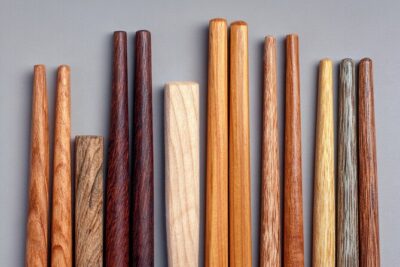 ★ 5.0Tokyo Shinjuku Chopsticks Making ClassFrom $201,763 reviews
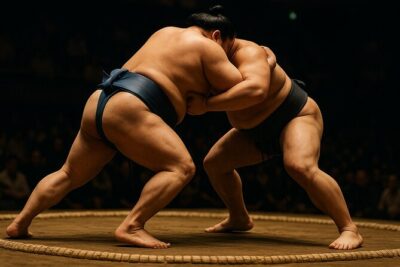 ★ 5.0Tokyo Shinjuku Sumo Show & Experience with PhotoFrom $791,750 reviews
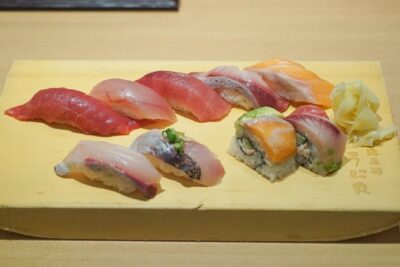 ★ 5.0Tokyo Night Foodie Tour in Shinjuku – Seasonal Sushi, Wagyu BeefFrom $1111,161 reviews
This tour also belongs to