
Review · TOKYO CITY TOURS
Tokyo: Private Japanese Cooking Class with a Local Chef
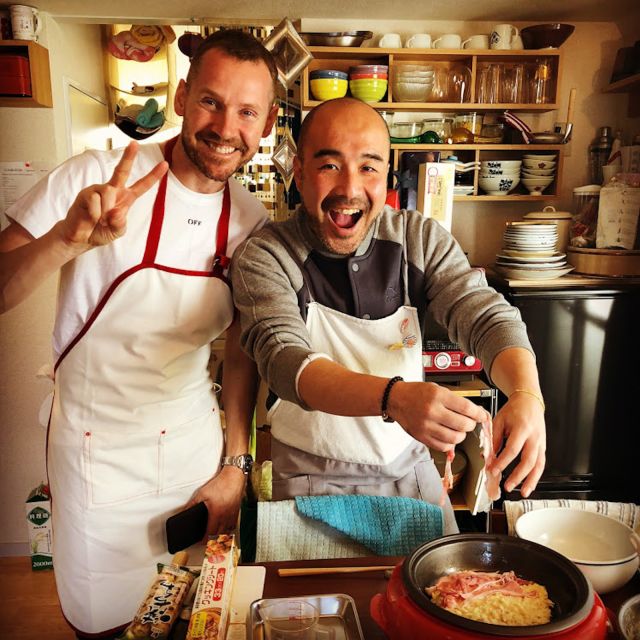
Tokyo food gets real fast. This private cooking class in Shinjuku puts you in Chef Sato’s home kitchen, where you learn practical techniques, not just watch a demo. I love that the experience is built around Japanese cooking basics and seasonal ingredients, and it also gives you that everyday Tokyo feeling. One possible drawback is that because the menu changes by day, you may not get every dish you were hoping for.
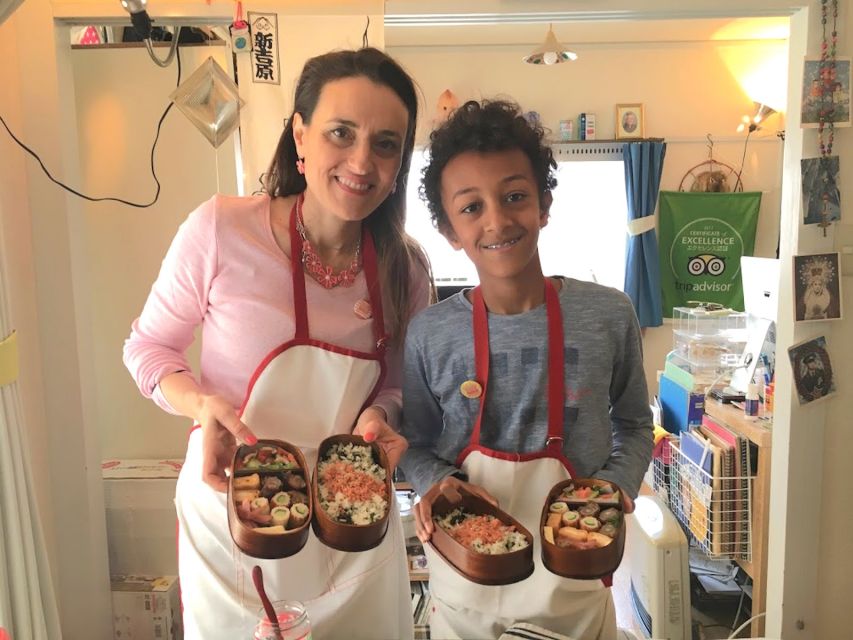
Second, I like the class format: hands-on cooking with English instruction and a relaxed pace. You’ll typically cook a small set of dishes (2 to 4 items), then sit down to eat what you made. Finally, I’m a fan of the small extras that make it feel thoughtful, like the included Japanese barley tea and recipe handouts mentioned by past students.
If you prefer a big group tour vibe, this won’t be that. It’s a private group experience in a compact apartment setting, so space and timing feel more like a home visit than a large restaurant workshop.
Key highlights you should know before you go
- Shinjuku meeting point setup makes it easy to find the start: Shinjuku Station east exit police box.
- Weekly menu system means what you cook depends on the day, with different styles for weekend versus weekday.
- Hands-on, not watch-only cooking, with multiple dishes planned for 2 to 4 items per class.
- Seasonal ingredients are the core idea, not just a marketing line, and it shapes your menu every day.
- Optional neighborhood walk (after the morning class) gives you local Tokyo context beyond food.
From Shinjuku Pickup To Chef Sato’s Apartment Kitchen
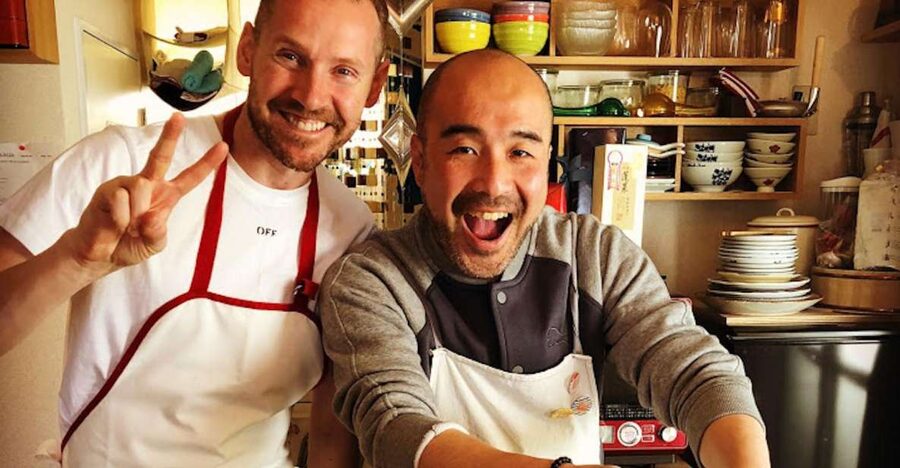
The biggest win here is how smoothly it turns a famous city into something personal. You meet at Shinjuku Station east exit police box, then you get picked up and brought to a small apartment kitchen in Shinjuku. That shift matters. It’s the difference between eating Tokyo and living Tokyo for a few hours.
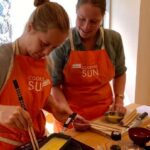
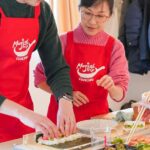
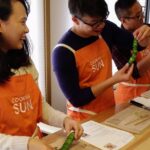
In the apartment, you’re not a customer at a counter. You’re working at a home-style setup, cooking the kind of food people make for real meals. Multiple past guests described the tone as relaxed and friendly, with Chef Sato sharing stories alongside the cooking lesson.
Because the space is an apartment, you should expect a more intimate environment. This is great if you want conversation and questions answered. If you want a roomy, hotel-like setting, you may find the quarters feel tight compared to a cooking school classroom.
You can also read our reviews of more private tours in Tokyo
What Chef Sato adds beyond recipes
Chef Sato (Sato-san) is teaching in two layers. First, he explains ingredients and what each dish is for. Second, he ties the food to culture and routines, which is why so many reviews call the class more than just cooking.
You’ll also hear practical points that help you cook at home later. Past students mentioned learning small technique details, like how to handle ingredients properly. That kind of takeaway is what turns a fun dinner into something you can repeat.
How the Weekly Menu Works, Saturday to Friday in Plain English
This class is organized around two weekly menu tracks, and it affects your whole day.
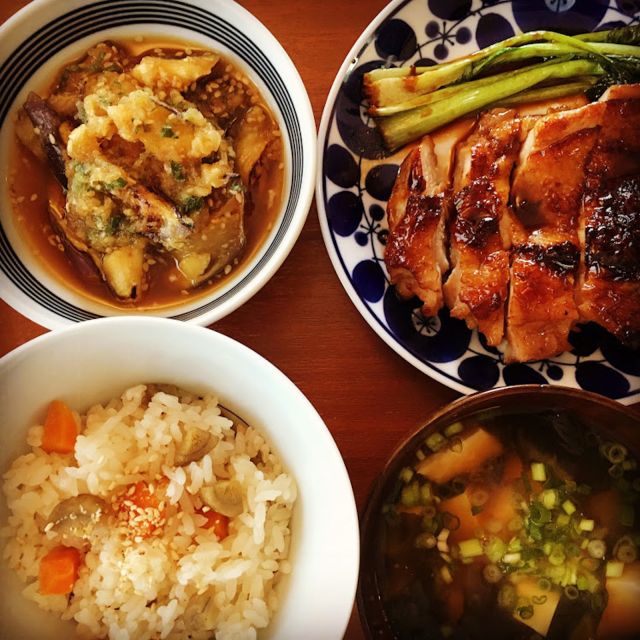
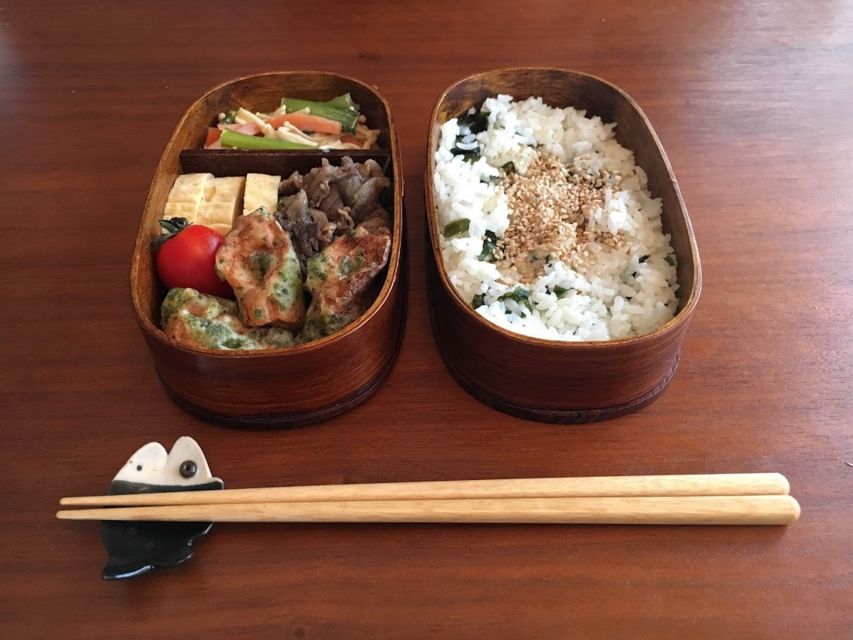
- Saturday through Tuesday (morning 10:30AM to 1PM, evening 6PM to 8:30PM): these are the more traditional meal days. The menu may include items like Teishoku (a set meal with rice, a seasonal main dish, and two seasonal side dishes), or options such as donburi, obento, tonjiru, and rice balls.
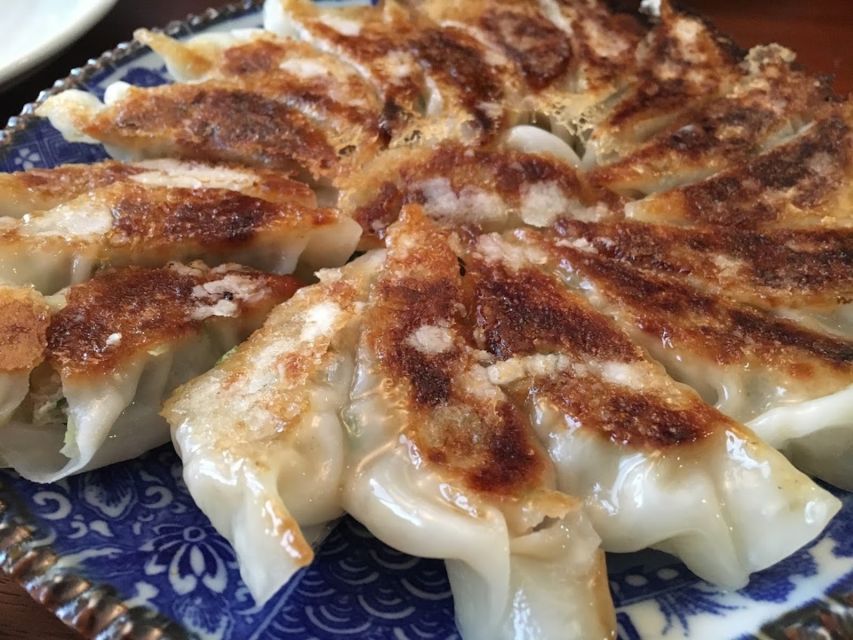
- Wednesday through Friday (same class time windows): these are popular food days, where fried and comfort-style Japanese dishes show up more often. You might cook curry rice, okonomiyaki, gyoza, ramen, rice burger, kara-age, or yakisoba.
You’ll usually cook one of those menus with 2 to 4 items. That’s a smart structure. It keeps the lesson focused, while still giving you enough variety to understand how Japanese flavors build across a meal.
One practical consideration: if you have one must-cook dish, your day of week matters. You’ll want to check what menu track your booking date falls under.
Seasonal cooking is the real theme
The information you’re given is consistent: Japanese cuisine relies on seasonal ingredients as a foundation. You’ll see that idea in what you’re cooking, and in how Chef Sato talks about why certain flavors fit certain times of year. If you’ve ever eaten Tokyo food and wondered why it tastes sharp but balanced, seasonal thinking is a big part of the answer.
The 3 Hours: What the Class Flow Feels Like
The experience is listed as 3 hours, with class windows that match either 10:30AM to 1PM (morning) or 6PM to 8:30PM (evening). Even though the calendar times vary by session, the structure stays similar: you cook, learn, then eat.
Here’s the practical rhythm you can expect:
- Start with introductions and ingredient context. Chef Sato explains what you’re making and what to watch for while cooking.
- Hands-on preparation. You’ll chop, mix, season, and assemble. Reviews repeatedly mention that you participate, not just observe.
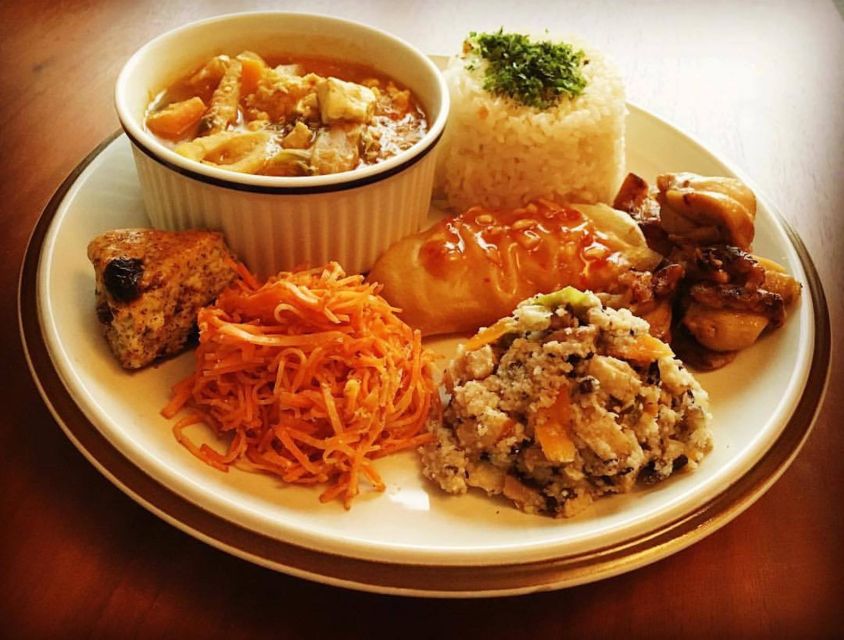
- Cooking the planned dishes. Depending on the menu day, this could include things like fried components, dumpling fillings, soup elements, or rice-based dishes.
- Sit down and eat what you cooked. Past guests described the meal as natural and unforced, like dinner with someone who truly enjoys sharing food.
Because it’s private, you can ask questions without feeling rushed. This matters if you’re a beginning cook. Many guests noted Chef Sato’s patience and clear explanations in English.
You can also read our reviews of more cooking classes in Tokyo


You’ll get tools, not just vibes
Some reviews mention recipe handouts. That’s not always standard in home cooking experiences, so it’s a useful bonus. You’ll leave with a way to repeat the dishes later, not just memories.
Also, the class includes a free drink: Japanese barley tea. It’s a small inclusion, but it helps you settle in, especially if you’ve been walking around Shinjuku all morning or all evening.
What You’ll Cook and Eat, From Teishoku Sets to Gyoza and Ramen
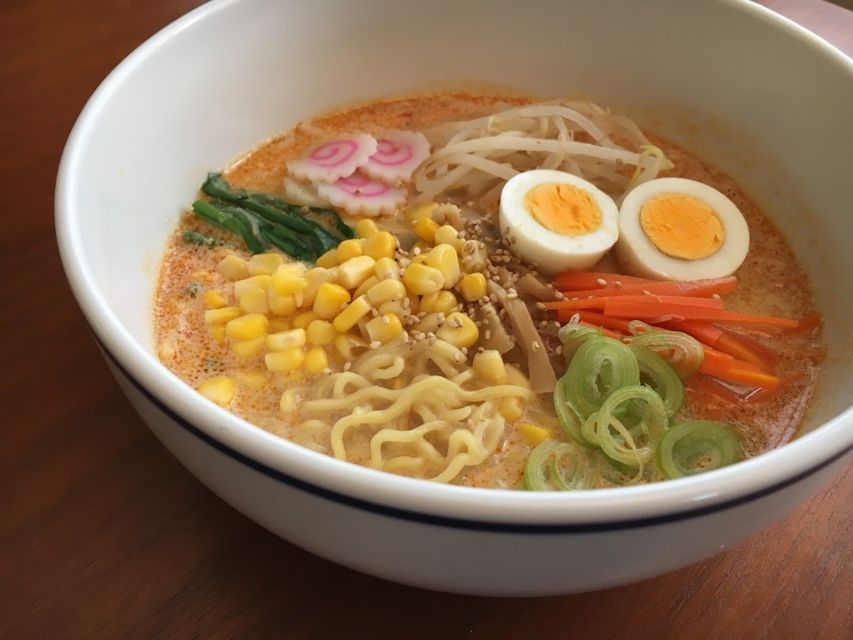
The menu changes by day, so instead of promising a single dish, this experience gives you a menu type. That’s good, because it keeps the class fresh and makes seasonal ingredients the star.
On traditional meal days, look for Teishoku style structure
If you’re booking for Saturday through Tuesday, you may cook a Teishoku style set. Teishoku typically means:
- rice as a base,
- a seasonal main dish,
- two seasonal sides.
That format helps you understand Japanese meal balance. You learn how rice supports the meal, how sides add texture and freshness, and how the main dish concentrates flavor. Even if you only cook 2 to 4 items, the set style helps you see the whole plate logic.
Other traditional possibilities include tonjiru (a pork and vegetable-style soup) or rice balls. If you’re curious about everyday Japanese comfort food, these options are usually the most approachable.
On popular food days, comfort and technique go together
On Wednesday through Friday, you’re more likely to cook dishes people crave on regular days in Tokyo. The list can include gyoza, ramen, kara-age, yakisoba, okonomiyaki, and curry rice.
Multiple reviews specifically call out ramen and gyoza as standout lessons. The key value is that you learn how Japanese home cooks get flavor without turning it into a complicated science project. That’s why guests mention being able to cook these dishes at home afterward.
You might also see fried items on these days, which means you learn how timing and temperature affect texture. That kind of lesson is hard to pick up by yourself from recipes.
One more food detail I’d plan around
You’ll almost certainly leave feeling like you had an actual meal, not just snacks. The experience includes meals with what you cook. Since you’re in the middle of Tokyo’s restaurant zone, it’s smart to plan your other meal timing around this, so you don’t end up overeating twice in one day.
The Optional 1PM to 3:30PM Neighborhood Walk After Morning Class
If you book the morning class, there’s an optional short trip listed as 1PM to 3:30PM, and it happens every day after the morning session. The idea is simple: you get taken to several amazing places not found in guidebooks.
Important note: the exact spots aren’t listed here, so I can’t promise specific landmarks. But the value is clear from how guests describe the walk. They talk about seeing Shinjuku areas and side neighborhoods that you’d likely skip if you only follow the big-name routes.
This works well because the cooking class gives you cultural context, and the walk gives you street-level context. Together, you get a fuller picture of how Japanese daily life feels.
If you hate feeling on a schedule, consider staying flexible. The class already takes a chunk of your day, and the optional walk adds more time. But if you want a deeper Tokyo memory beyond dinner, this extra block can be a good fit.
Price and Value for $120: Private Time, Meals, and Real Instruction
At $120 per person, this isn’t a budget class. But it can be good value depending on how you travel.
Here’s what you’re getting in the price:
- a private group experience,
- cooking instruction in English,
- meals (you eat what you make),
- a free drink (Japanese barley tea),
- pickup at the meeting point.
When you compare it to Tokyo dining, the value becomes easier to see. You’re paying for the chef’s time, a home-kitchen setting, and the chance to learn techniques you can recreate. If you only eat in Tokyo, you get the food once. If you learn how it’s made, you get skill plus memory.
The biggest value lever is privacy. In a small or private class, Chef Sato can answer questions in real time, adjust explanations, and keep the pace comfortable. Reviews repeatedly highlight his patient teaching style and welcoming home atmosphere, which is exactly what you want when cooking is hands-on.
Who will feel the best value
You’ll probably feel the best value if:
- you like cooking or want to level up,
- you want something more personal than a standard food tour,
- you’re visiting Shinjuku and want a story tied to where you are.
If you’re only looking for a quick taste of ramen or gyoza, you might find other food options cheaper. But if you want to learn why Japanese food tastes the way it does, this class is purpose-built for that.
Who This Cooking Class Suits Best in Tokyo
This experience fits best if your travel style leans practical and curious. It also suits a wide range of skill levels.
Great fit for
- Food lovers who want hands-on learning, especially if you’re interested in Japanese basics and seasonal meals.
- Couples or small groups who like conversation and a calm pace.
- Beginner home cooks, because many guests describe clear explanations and a supportive environment.
- People who want real Tokyo life, not just famous sights.
Less ideal if
- you want a large group atmosphere,
- you’re very sensitive to compact spaces,
- your schedule is so tight you can’t handle either the morning or evening block.
Also, because your menu depends on day-of-week, you’ll get more satisfaction if you book with that in mind. If you’re obsessed with one specific dish, choose your date based on the traditional or popular menu track.
Should You Book Chef Sato’s Tokyo Cooking Class?
Yes, I’d book it if you want more than dinner. This class is built around hands-on cooking, seasonal Japanese ingredients, and a genuinely personal home-kitchen setting. The fact that guests repeatedly mention Chef Sato as welcoming, patient, and great at explaining details in English is a strong sign you won’t just leave with full stomachs, you’ll leave with know-how.
Book it especially if you’re in Tokyo for a short time and want one experience that connects food to daily life. If the optional afternoon walk fits your energy, I’d seriously consider adding it. That extra time can help you understand Shinjuku beyond the obvious streets.
If you’re chasing a specific dish every time, you’ll want to plan your booking around the menu track. Otherwise, you may walk in expecting ramen, only to cook something on a Teishoku or side-dish focused plan.
Either way, $120 is a fair price when you factor in meals, private instruction, and the chance to cook Japanese dishes in a real home setting. For many visitors, this ends up being the most memorable food skill they take home.
FAQ
Where do I meet for the cooking class?
You meet at Shinjuku Station east exit police box, located at 3-38-38-1, Shinjuku, Shinjuku-ku, Tokyo 160-0022, Japan.
How long is the experience?
The class duration is listed as 3 hours (270 minutes), with morning sessions running 10:30AM to 1PM and evening sessions running 6PM to 8:30PM.
What language is the instruction?
The instructor provides instruction in English.
What’s included in the price?
Included items are meals, a free drink (Japanese barley tea), and pickup at the meeting point.
Do you cook different dishes depending on the day?
Yes. The menu changes depending on the day of the week. Saturday through Tuesday focuses on more traditional meal options, while Wednesday through Friday focuses on popular foods.
Is there an extra trip with the morning class?
Yes. After the morning class, there is an optional short trip from 1PM to 3:30PM that takes you to several places in the area that are not found in guidebooks.
More Cooking Classes in Tokyo
More Private Tours in Tokyo


More Tour Reviews in Tokyo






Not for you? Here's more nearby things to do in Tokyo we have reviewed












Tokyo City Tours, side by side.
 ★ 5.01-Day Tokyo Bus TourFrom $12914,250 reviews
 ★ 4.5TOKYO SKYTREE® Admission ticketFrom $1311,192 reviews
 ★ 4.6teamLab Planets TOKYO Digital Art Museum Entry TicketFrom $259,779 reviews
 ★ 4.0Mt Fuji & Hakone Cruise, Drum Show Bullet Train 1 Day from TokyoFrom $1497,413 reviews
 ★ 5.0Shinjuku Food Tour (13 Dishes at 4 Local Eateries)From $866,603 reviews
 ★ 4.4Tokyo Mt Fuji 5th St & Hakone Cruise Bus Tour w/Bullet TrainFrom $1545,024 reviews
 ★ 5.0Flagship 2-Hours Official Street Go-Kart Tour – Tokyo Bay ShopFrom $644,974 reviews
 ★ 4.5From Tokyo: Mount Fuji Full-Day Sightseeing TripFrom $684,970 reviews
This tour also belongs to