
Review · CRUISES & BOAT TOURS
Sumida River: Japanese Traditional Yakatabune Dinner Cruise
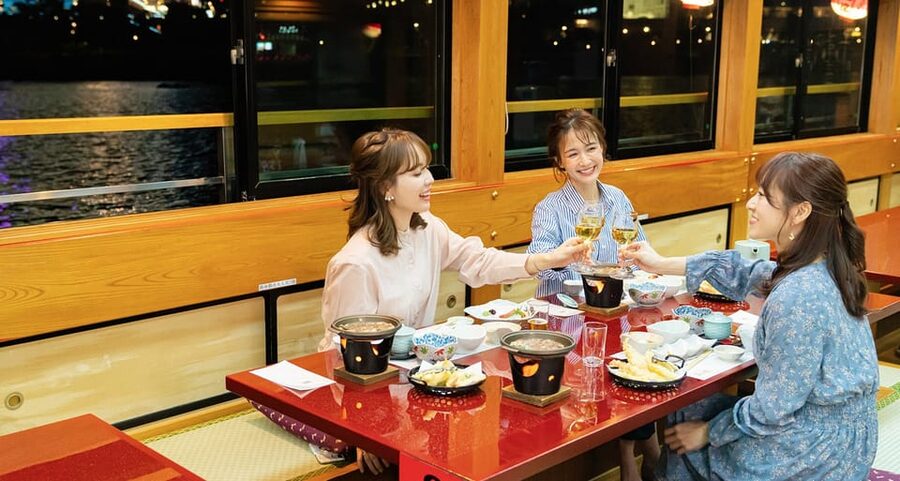
That first glide on the Sumida at night feels special. You get a traditional yakatabune dinner cruise plus big-city views you cannot replicate from a street corner.
Two things I really like: the full course Japanese dinner (about 14 dishes) and the built-in photo chances for Tokyo Bay and Tokyo Skytree. One thing to consider is that inside seating can make window views hit or miss, but you can solve that by going up on deck at the stops.
Key Takeaways
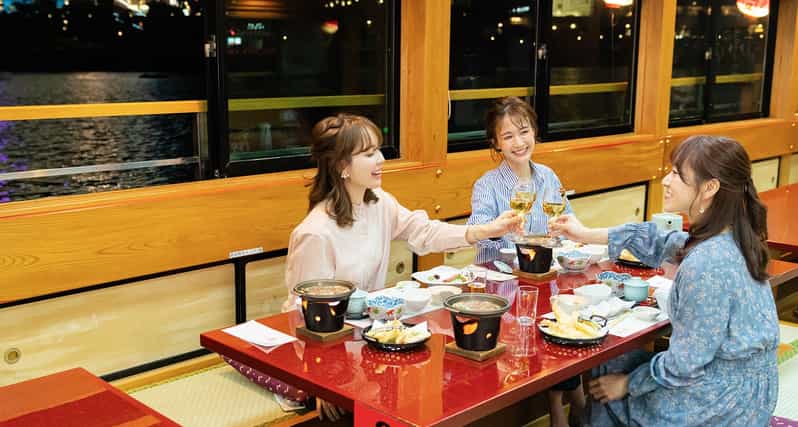
- Traditional yakatabune style dining on a river boat makes the meal feel like part of the Tokyo night
- Tokyo Bay photo stop includes illuminated sights like Rainbow Bridge and Odaiba
- Skytree viewing stop adds a second “wow” moment after the dinner is underway
- Free-flow drinks are a real part of the value, with multiple alcohol and non-alcohol options
- Attentive crew and steady service keep food and drinks moving through the evening
- Deck time matters for views, since some seating has limited sightlines
Why This Yakatabune Dinner Cruise Fits Tokyo Nights
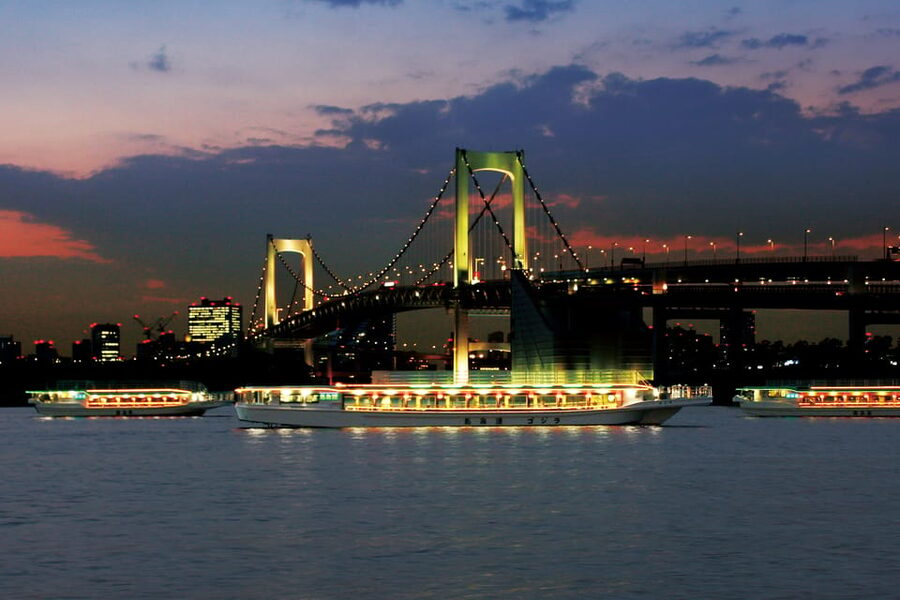
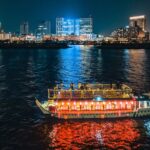
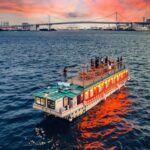
Tokyo is bright, loud, and always moving. This cruise does the opposite. It slows you down on the Sumida River, then lets Tokyo “pass by” as a night show. You start in Asakusa, move toward Tokyo Bay, and finish back near Azumabashi, all while eating a proper Japanese dinner.
I like that this is not only sightseeing. It is sightseeing while you are also doing something very Japan, traditional boat dining with tatami-style seating. And I love the pacing: you get multiple viewing moments rather than one quick look and done.
One drawback to flag early: the boat is a working dining space first. Some tables can feel darker, and you may not see much through the windows from where you sit. The good news is that the cruise includes rooftop/deck stops where the views level up fast.
You can also read our reviews of more boat tours in Tokyo


From Asakusa and Azumabashi Pier to the First River Views
The experience starts at Azumabashi, in the heart of Asakusa. After you board the yakatabune, the boat heads downriver on the Sumida. This is the stretch where Tokyo begins to look different. Buildings turn into reflections, the river smooths out the city’s angles, and night lights get “softer” as they bounce on the water.
The cruise runs for about 150 minutes. That timing matters. It is long enough to settle into dinner and drinks without feeling rushed, but short enough that you are not stuck on a boat forever.
A practical tip from what I’ve learned about how these cruises operate: give yourself extra time to find the dock area, since signage and the exact meeting point can be confusing when you arrive. Using your phone maps and planning your route in advance saves stress.
The Real Itinerary Rhythm, Dinner Starts as You Cruise
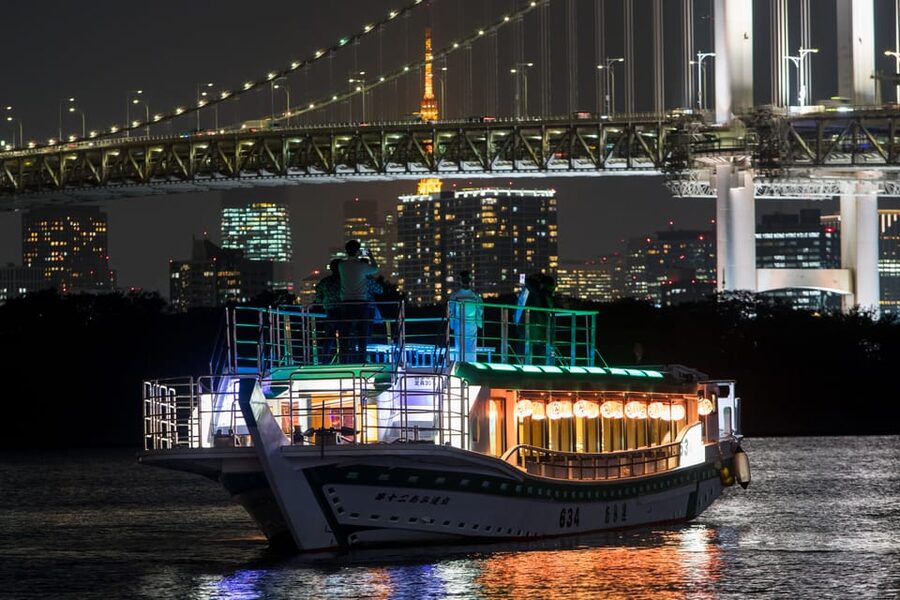
Your meal begins after boarding, while you move through the city toward Tokyo Bay. Think of it as a moving dinner, with the course flow tied to the route.
As you travel down the Sumida, your Japanese meal is served as the scenery shifts from river views to more open-water Tokyo Bay atmosphere. You then reach Tokyo Bay for a dedicated viewing moment. After that, the cruise continues with the rest of your dinner experience.
Why this pacing is valuable: you are not trying to eat in the middle of peak photo chaos. The boat builds in time for both. You can look up, eat, look up again, and take pictures during the stops.
Tokyo Bay Stop With Rainbow Bridge and Odaiba Lights
When you hit Tokyo Bay, the skyline energy changes. The water opens out and illuminated landmarks start to pop. The cruise is set up so you can see Tokyo’s nighttime look, including the Rainbow Bridge and Odaiba.
There is also a specific photo setup here. You can climb up to the roof of the boat for a panoramic look, which is a huge upgrade from trying to shoot through darker window space. If you care about photos, this is the moment to prioritize, because reflections and wide angles are better from deck level.
One more practical note: night photos on boats are easier than you think if you keep your phone steady and take a few bursts. Also, you might want to wear something with a layer you can adjust, since the deck can feel cooler even when it is warm out.
The Tokyo Skytree Viewing Moment, Second Big Photo Hit
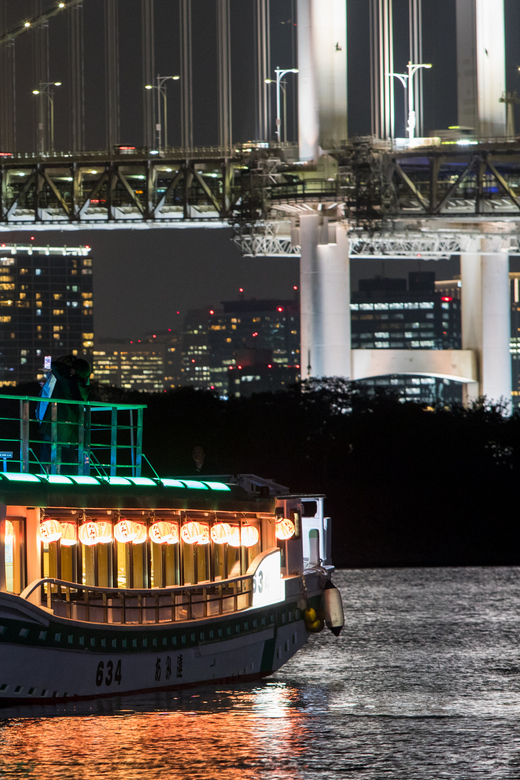
After the Tokyo Bay stop, the cruise continues and your dinner experience keeps going, with another major view stop tied to Tokyo Skytree. This is your second “checkpoint” for photos and sightseeing, and it gives the evening a sense of progression.
From the river, Skytree is not just a tower in the distance. It becomes a centerpiece, lit against the night sky with the city around it. The cruise setup gives you time to take in the view and then snap photos before heading back.
This stop is one of the main reasons the experience is worth it even if you already plan to visit Skytree during the day. Daytime gives you scale and daylight clarity. Nighttime gives you mood, reflections, and a more Tokyo-specific feel.
More Tokyo tours and experiences for the shortlist
The Full Course Japanese Dinner, About 14 Dishes on a Boat
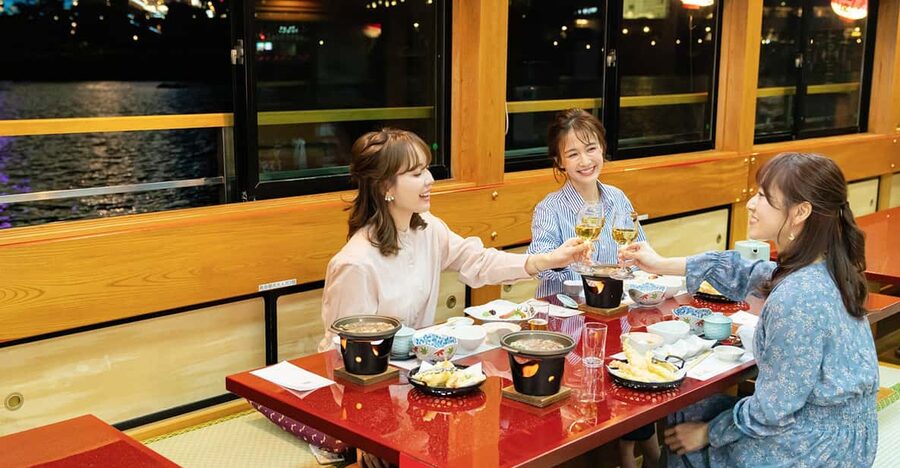
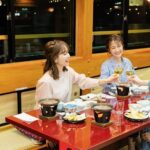
The included meal is a full course Japanese-style dinner, about 14 dishes. That matters because the biggest disappointment on cheap sightseeing food is when the “dinner” is basically snacks. Here, the meal is treated like an actual dinner service, and the number of dishes signals that you are meant to try a variety of flavors.
From the way the dinner is described and how the service plays out, it is designed to keep you eating throughout the cruise rather than dropping one plate and sending you back to boarding line patience.
Expect variety. You are not just getting one or two safe dishes. You are getting a real selection that lets you sample Japanese cuisine in small, course-style portions.
One practical consideration: there is a lot of food. Go into the cruise with an appetite, not after a heavy late lunch. Even with frequent drink refills, you will still feel the dinner in your stomach by the end.
Dietary Requests and Meal Changes
If you have dietary restrictions, you need to plan ahead. Requests for dietary restrictions or meal changes must be submitted at least two days before your reservation date. Changes on the day of the cruise are not accommodated, and there is a handling fee of ¥1,000 (tax included) per guest for dietary restriction or meal selection changes.
That matters because boat schedules are tight. If you need something specific, send the request early and confirm you have it noted.
Free-Flow Drinks, What’s Included and How It Feels
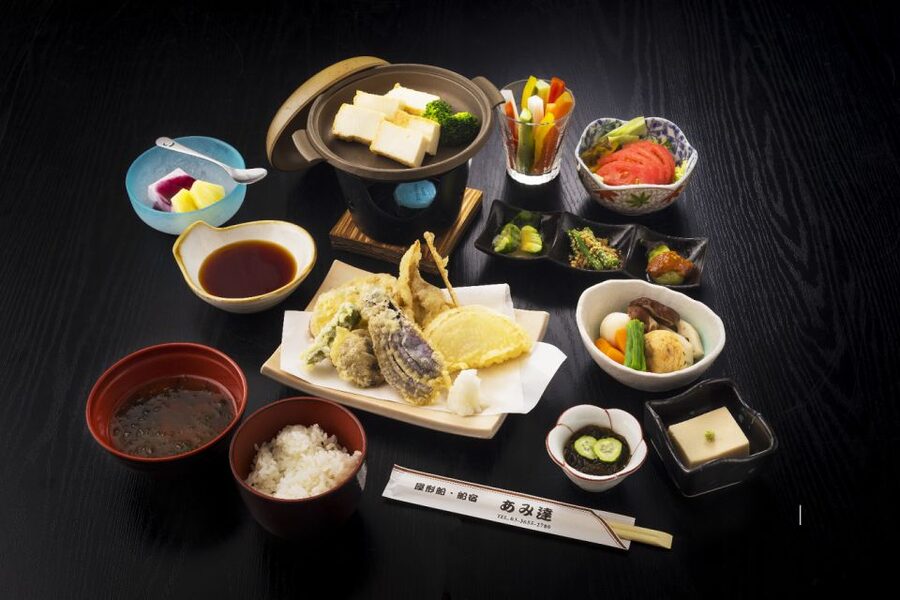
Drinks are part of the ticket value, with free-flow service that includes both alcoholic and non-alcoholic options. The list is broad: Beer, sake, whiskey, wine, plum wine, tea, and various soft drinks.
This is not a “one drink then good luck” situation. The service is frequent, and the vibe on board tends to feel more like a fun night out than a quiet, formal dinner.
One detail that can help your evening: some cruises operate with ordering through a QR code at your table, so your choices are recorded without passing a waiter back and forth. If you have trouble with data on your phone, it can help to ask the staff for Wi-Fi once you’re onboard, since you might not be able to pull up the QR ordering immediately.
Also, since you are on a moving boat, pace your drinks early if you plan to go up on deck. Night air and alcohol is a combo that can sneak up on you.
Comfort, Seating, and How to Get Better Views
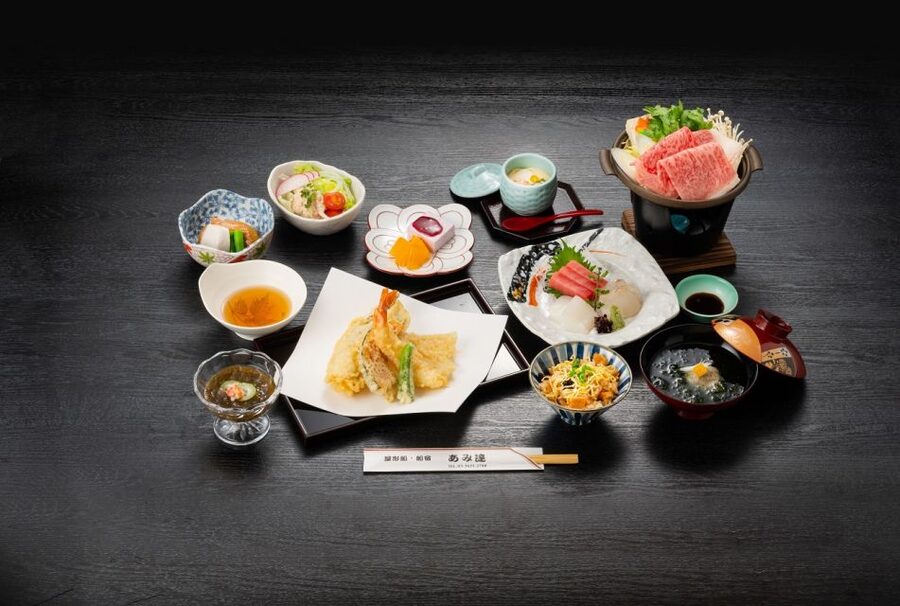
Yakatabune boats are traditional in more ways than one. Many have floor seating, and you may sit on tatami-style mats. That is part of the charm, but it means comfort depends on what your body likes.
You might notice a couple things:
- You may be seated close to other guests, since many tables are set up as groups.
- Some seats have limited visibility through windows, especially if the boat interior blocks sightlines.
The key fix is simple: use the rooftop/deck stops. That is when the city opens up visually. If you want the classic Tokyo Bay lights shot, prioritize deck time at the photo stops.
Also, keep in mind the interior can be bright. A few guests noted that the inside lighting can be too strong for ideal night-sky photos while you are still seated. So if your goal is moody city shots through the boat, shift your expectations and lean into deck shooting.
Value Check at About $103 Per Person
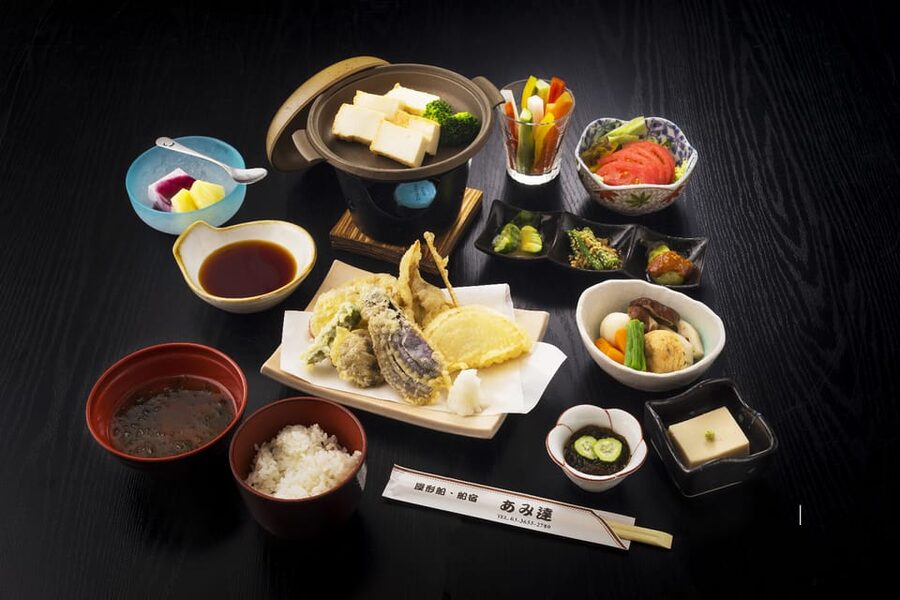
At around $103 per person, this is a splurge. The real question is: what do you get besides “being on a boat”?
You get three big value buckets:
- A full course Japanese dinner (about 14 dishes), not a token plate
- Free-flow drinks with a long list of options, which can easily be the most expensive part of a typical night out
- Multiple sightseeing moments, including Tokyo Bay and Tokyo Skytree, plus deck photo time
So the cost is not just transportation. It is meal value plus guided timing plus nighttime viewing access. If you compare it to paying for a dinner plus drinks plus separate attraction tickets, it starts to look more reasonable.
One more value note: the crew tends to be attentive and the evening is organized. That reduces wasted time, which is part of what you are paying for when you book a structured cruise instead of trying to DIY the route.
Who Should Book This (and Who Might Not)
This cruise is a great fit if you want a Tokyo highlight that feels different from train rides, temples, and busy shopping streets.
I’d especially recommend it for:
- First-time Tokyo visitors who want night views without planning multiple stops
- Couples and small groups looking for a romantic, low-effort plan
- Food lovers who want to taste a range of Japanese dishes in one sitting
- People who like photo opportunities built into the itinerary
You might want to reconsider if:
- You hate floor seating for extended periods
- You expect nonstop window views the whole time, rather than planned deck moments
- You want a very quiet, low-stimulation experience (the boat has a social, lively dinner rhythm)
Should You Book Yakatabune Amitatsu on the Sumida?
If your ideal Tokyo night includes good food, free-flow drinks, and a real “see Tokyo from the water” moment, I think you will be happy with this one. The combination is the point: you are not choosing between dinner and skyline photos. You get both in a timed package.
I’d book it when you want one special ticket that simplifies the evening. A river cruise that includes the meal flow, the landmarks, and the photo stops is an easy win.
Just go in with two expectations set: it is a dining-focused boat, and your best photos come from the roof/deck stops. If you plan around that, this becomes one of the most memorable nights on the water in Tokyo.
FAQ
FAQ
How long is the Sumida River yakatabune dinner cruise?
The cruise duration is about 150 minutes.
Where does the cruise depart from?
The boat departs from Azumabashi, located in Asakusa. The exact meeting point may vary depending on the option booked.
Is dinner included in the price?
Yes. You get a full course Japanese-style dinner (about 14 dishes).
What drinks are included?
Free-flow drinks are included, including beer, sake, whiskey, wine, plum wine, tea, and various soft drinks.
Is an English guide included?
No English guide is included. Staff use a translator.
Can the cruise accommodate dietary restrictions?
Dietary restrictions or meal changes must be submitted at least two days before your reservation. Changes on the day of the cruise are not accommodated, and there is a handling fee of ¥1,000 per guest for dietary restriction or meal selection changes.
What is the cancellation policy?
You can cancel up to 10 days in advance for a full refund.
Will the cruise run in severe weather?
The cruise may be canceled in case of severe weather such as typhoons.
More Dining Experiences in Tokyo
More Boat Tours & Cruises in Tokyo
More Tour Reviews in Tokyo




Not for you? Here's more nearby things to do in Tokyo we have reviewed












Cruises & Boat Tours, side by side.
 ★ 4.0Mt Fuji & Hakone Cruise, Drum Show Bullet Train 1 Day from TokyoFrom $1497,413 reviews
 ★ 4.4Tokyo Mt Fuji 5th St & Hakone Cruise Bus Tour w/Bullet TrainFrom $1545,024 reviews
 ★ 4.2Mt. Fuji 5th Station & Hakone Cruise 1-Day Bus TourFrom $1292,381 reviews
 ★ 4.7Meiji Shrine, Asakusa, Skytree Bus Tour and CruiseFrom $1221,986 reviews
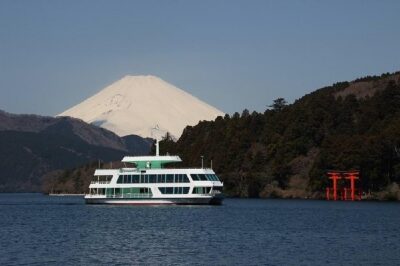 ★ 4.0Mt Fuji & Hakone Cruise, Drum Show Bus 1 Day from TokyoFrom $1221,287 reviews
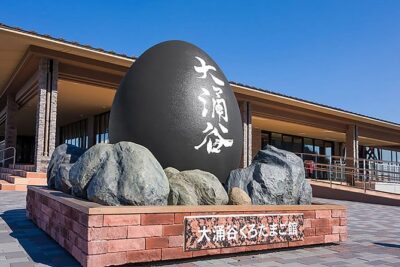 ★ 4.2Hakone Fuji Day Tour w/ Cruise, Cable Car, VolcanoFrom $98724 reviews
 ★ 4.5Dynamic Tokyo: Tokyo Tower, Tea Experience, Bay Cruise Day TourFrom $99521 reviews
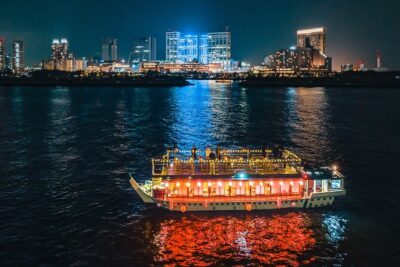 ★ 4.5Tokyo Bay Yakatabune Dinner/Day Cruise with Japan Show and DrinksFrom $65473 reviews
This tour also belongs to