
Review · ASAKUSA TOURS
Tokyo: 2-Hour Asakusa Food Hunt & Cultural Tour
Sushi lessons in Asakusa? Yes, and it works. I really like how this tour mixes standing sushi and other local bites with hands-on guidance on how to eat in Japan. You’ll also get a short, smart look at Sensoji Temple without spending your whole day waiting in lines. One thing to plan for: comfortable shoes matter, because it’s a steady 1 to 2 kilometers on foot in the middle of the day.
You meet at Hinatomaru Kaminarimon (1 Chome-20-3 Asakusa, Taito City, Tokyo) and the tour runs 150 minutes, typically 11:30 to 14:00. It’s a small group, limited to 6, with a live English-speaking guide.
The vibe is practical, food-first, and not overly “tour bus.” In the past, guides like Max, Shino, Chi, and Leigh have earned strong praise for pacing, patience, and English clarity, including making sure people had fluids during hot conditions.
Key highlights you will actually feel on this tour
- Proper sushi eating practice, not just a sample bite
- Non-touristy Asakusa stops with family-owned spots you might miss on your own
- More than 4 food vendors and multiple bites that add up to a full lunch size
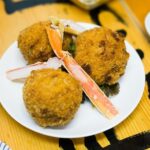
- Soba, gyoza, and classic snack culture, not only sweet treats
- Sensoji Temple included in a way that supports the food-and-culture theme
- Small-group size (max 6) keeps the experience relaxed and easy to ask questions in English
Why Asakusa is built for a food hunt, not a checklist
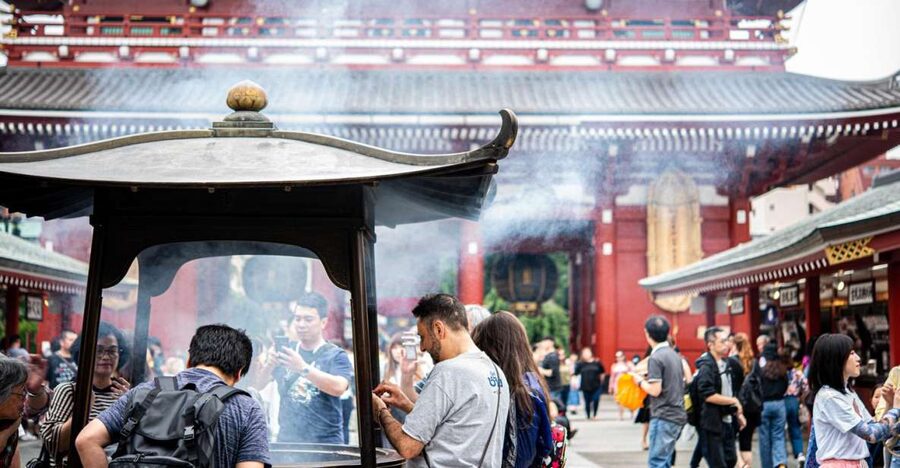
Asakusa is one of those Tokyo neighborhoods where “old” and “daily life” sit close together. You get temple energy, sure, but the real fun is walking past small storefronts and local restaurants that don’t exist to serve tourists. That’s where a food-focused tour earns its keep.
This one works because it’s not trying to cram in the entire district. It’s short, 150 minutes, and the route is designed around bites you can taste in sequence. You’re walking about 1 to 2 kilometers, which is enough to feel like you explored, but not so much that you’re exhausted before lunch ends.
And yes, Asakusa is also great for culture. You’ll finish with Sensoji Temple, one of the largest temples in Tokyo, but the temple time is meant to connect to food habits and local history, not replace the tastings.
You can also read our reviews of more food & drink experiences in Tokyo

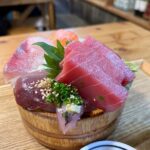
Start at Hinatomaru Kaminarimon, then follow the food
Meeting matters on food tours, and this one starts where it’s easy to orient yourself in Asakusa: Hinatomaru Kaminarimon, 1 Chome-20-3 Asakusa, Taito City, Tokyo. From there, you’ll head into the wider area of Asakusa, including non-touristy streets and family-run shops and restaurants.
The pacing tends to be “walk, eat, learn, move.” The tour includes a small amount of steady walking, roughly 1 to 2 kilometers total. In hot weather, that kind of walking can feel longer than the math, so I’m glad to see guides are described as making time for rest and fluids.
If you’re trying to get value out of a limited Tokyo schedule, the timing is also practical. You’re out between 11:30 and 14:00, which lines up with lunch hunger. You’re not nibbling for two hours and leaving still hungry.
Standing sushi with a fish-dealer style lesson
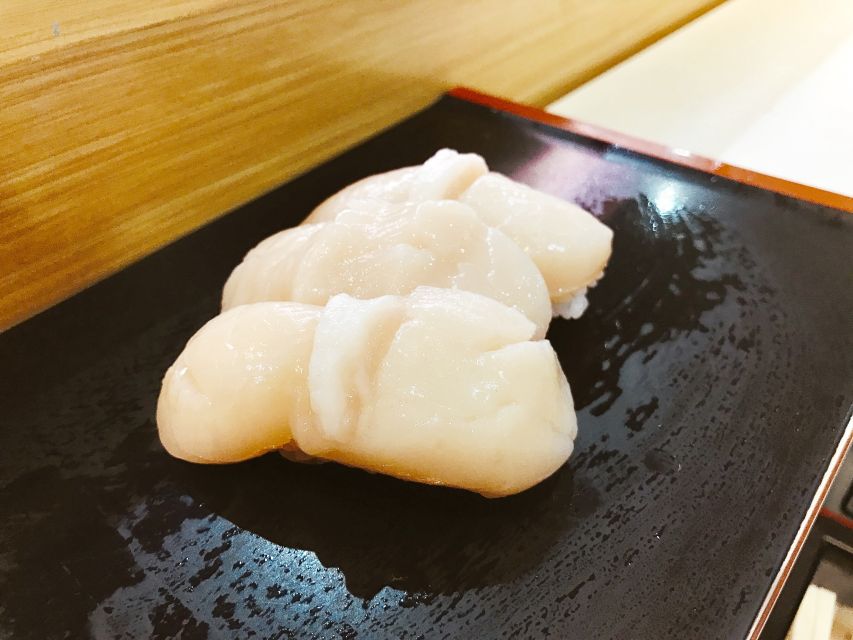
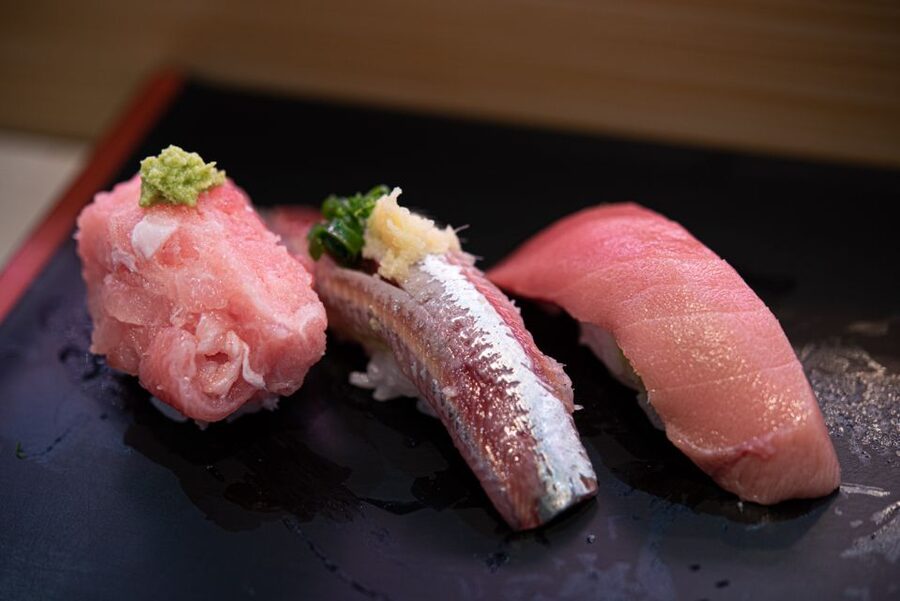
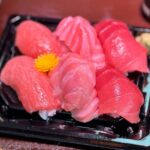
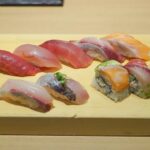
A big reason I like food tours like this is simple: they give context. In this case, you start with a standing sushi restaurant owned by a fish dealer. That detail is important, because it signals the emphasis is on sourcing and freshness, not just appearance.
What you’ll do here is more than eat. You’ll learn how to eat sushi properly. The tour explains that sushi used to be a quick kind of food in Japan, but now the “right way” is part of the experience. That means you’re likely to pay attention to order, temperature, and how to handle each piece without turning sushi into a messy soy sauce experiment.
You’ll also get fresh seafood you might not have tried before. This is where the tour can stretch your taste buds in a good way. Sushi menus in English can be oddly limiting, and even when you choose “something safe,” you might still miss the varieties that are normal for locals.
A quick practical note: standing sushi can mean short eating time and less seating. If you’re someone who prefers long sit-down meals, this is still manageable. It’s built into the tour flow, and the rest of the stops include other types of dining.
Soba and gyoza at a local spot that feels off the map
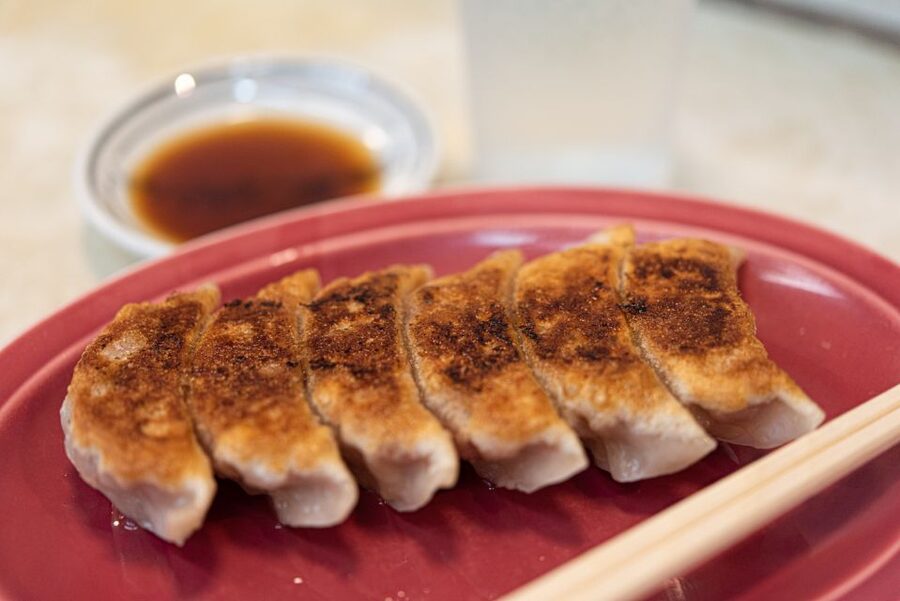
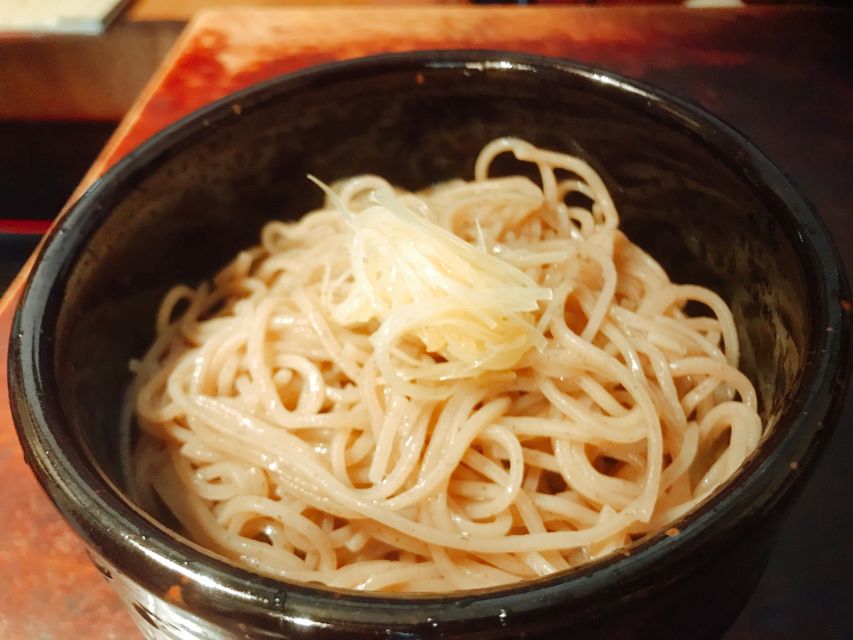
Next up is a family-owned soba restaurant where you enjoy fresh soba and gyoza at a local-style place that’s described as somewhere locals go. Soba is one of those foods that rewards attention. It’s not just noodles, it’s texture, temperature, and the way it’s served.
This stop matters because it adds balance to sushi. Sushi is about fish and rice, but soba is about grain character and comfort. Gyoza adds a savory, familiar crunch if you’re new to Japanese dumpling styles.
Also, in a short 150-minute tour, meal order matters. The sequence of sushi first, then soba and gyoza, helps you taste multiple Japanese staples without overthinking it. You’ll likely feel like you’re sampling a local lunch, not collecting random mini bites.
One consideration: if you have dietary restrictions, this type of tour can still be flexible, but the tour data doesn’t spell out ingredients or customization options. I recommend you confirm your needs directly with the operator when you book.
Over 100 years of rice crackers, plus the snack culture behind them
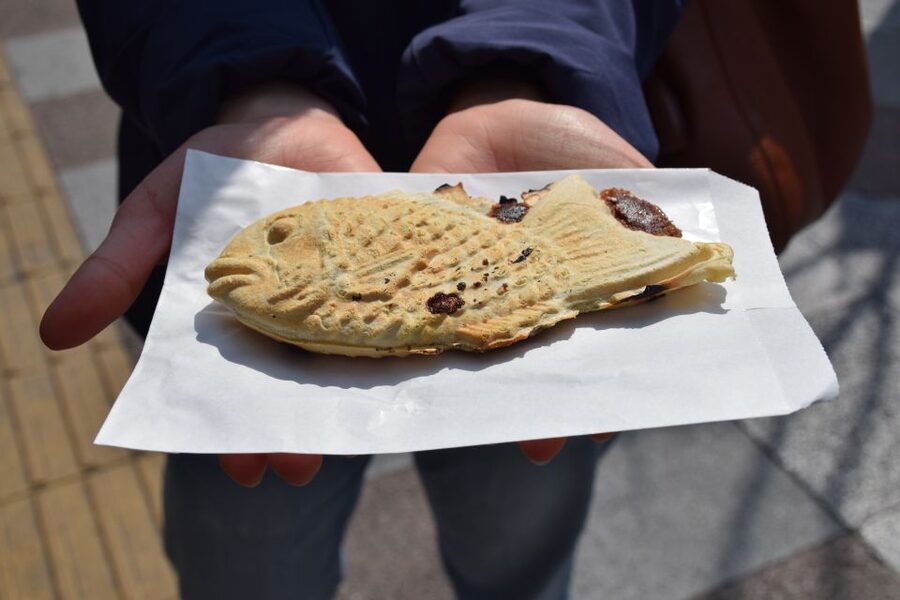
Japan’s snack culture is its own world, and this tour taps into it in a very practical way: you’ll stop at a local store known for handmade rice crackers, with over 100 years of history. This is the kind of detail that seems small until you taste it. Crunch, salt level, and the way the crackers keep their texture are all part of why long-running shops matter.
Why I think this is a smart stop: it trains you to look at food as craft. A snack you buy in a convenience store can be fine, but a handmade version from a long-standing maker often tastes less processed and more intentional.
Then you’ll try Japanese snacks that are described as a hidden gem story: many of the snack traditions started with a food stand about 50 years ago in Tokyo. Even without a long speech, that historical framing helps you understand what you’re eating. You’re tasting something that has survived changing tastes and competing foods.
If you’re the type who likes to buy small edible souvenirs, this section is also useful. It gives you a clearer sense of what to look for later, beyond the usual tourist counters.
More Tokyo tours and experiences for the shortlist

More than 4 food vendors, and why the variety is the point
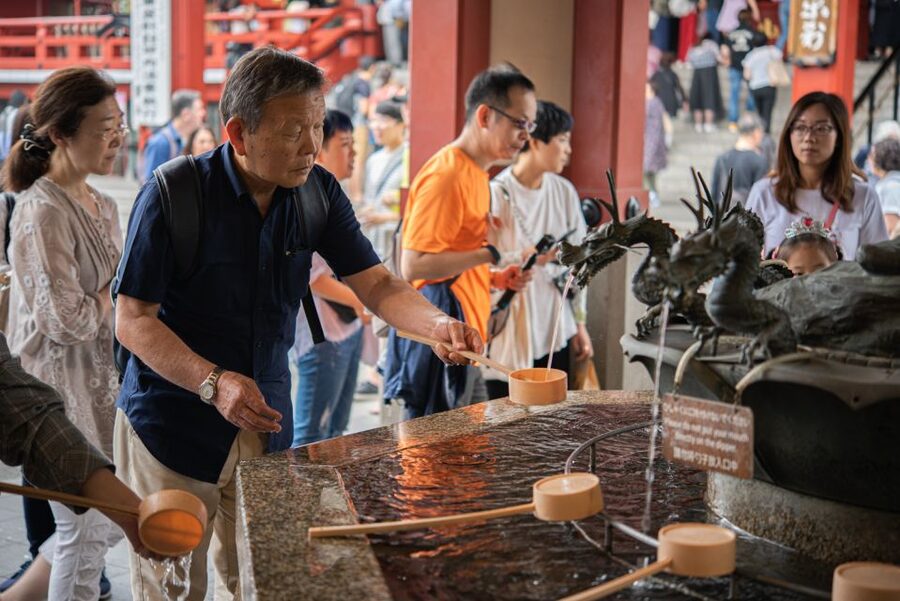
The tour highlights say you’ll visit more than 4 local food vendors, and the stops tie into histories that go beyond just “old buildings.” In practice, variety is what makes the experience worth doing on a short schedule.
Here’s what the mix accomplishes:
- Sushi gives you a technique lesson and a freshness benchmark
- Soba and gyoza give you comfort and a second major flavor style
- Rice crackers add a craft snack angle
- Other snack stops add breadth, including foods with origins in long-running street traditions
This is the difference between a “sampling walk” and a food hunt. A good food hunt trains your palate. You leave knowing what you liked, why you liked it, and what you’d try again on your own.
Sensoji Temple time that supports the meal story
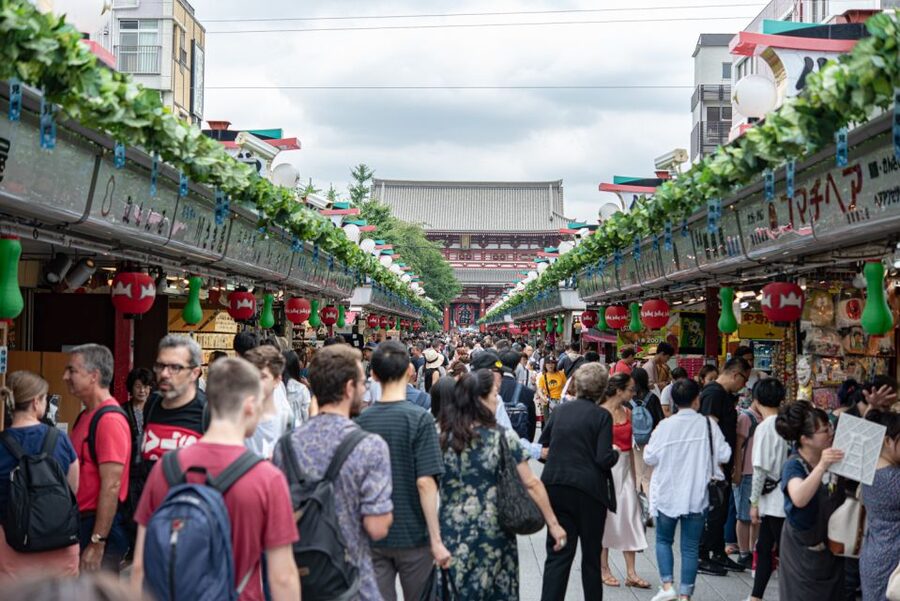
The tour includes Sensoji Temple, one of Tokyo’s largest temples, as part of the experience. But the key is that it doesn’t feel like you’re just shoehorned into a sightseeing stop.
In a tour shaped around eating and local culture, temple time helps connect the dots: why this area matters, why people historically gathered here, and why food culture and street life often grow alongside major landmarks. Even if you’ve seen Sensoji in photos, walking through the setting after food stops gives it a different rhythm. You’re not only looking, you’re thinking about daily life.
If you’re concerned about crowds, keep expectations realistic. Central Asakusa gets busy, especially around peak hours. This tour’s tight 150-minute window helps you get temple context without turning it into your entire morning or afternoon.
How the small group changes everything (in a good way)
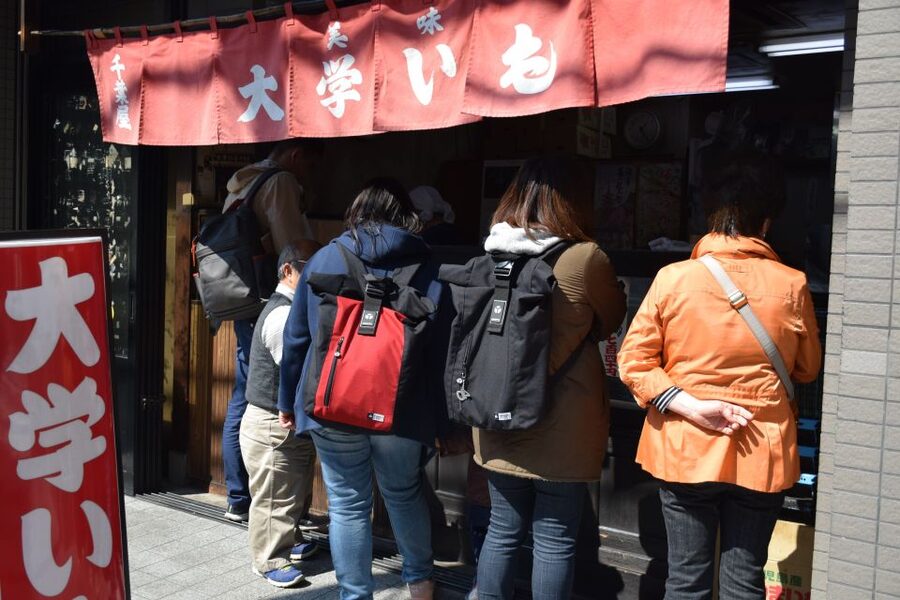
Small group tours are not automatically better, but 6 people is a sweet spot for food and questions. With fewer people, the guide can slow down when someone needs help, and you’re not stuck guessing what to ask.
The guide experience has been a big part of the praise, including English speaking clarity and patience. Several people mention guides like Max, Shino, Chi, and Leigh doing a great job explaining food culture and adjusting to different needs. That matters because Japanese food can feel confusing at first, especially if you don’t know local eating norms or menu language.
It also helps with the “proper sushi eating” part. If you’re learning something new, you want real guidance, not just a quick nod from across the counter.
Price and value: $76 for lunch-size tastings plus guidance
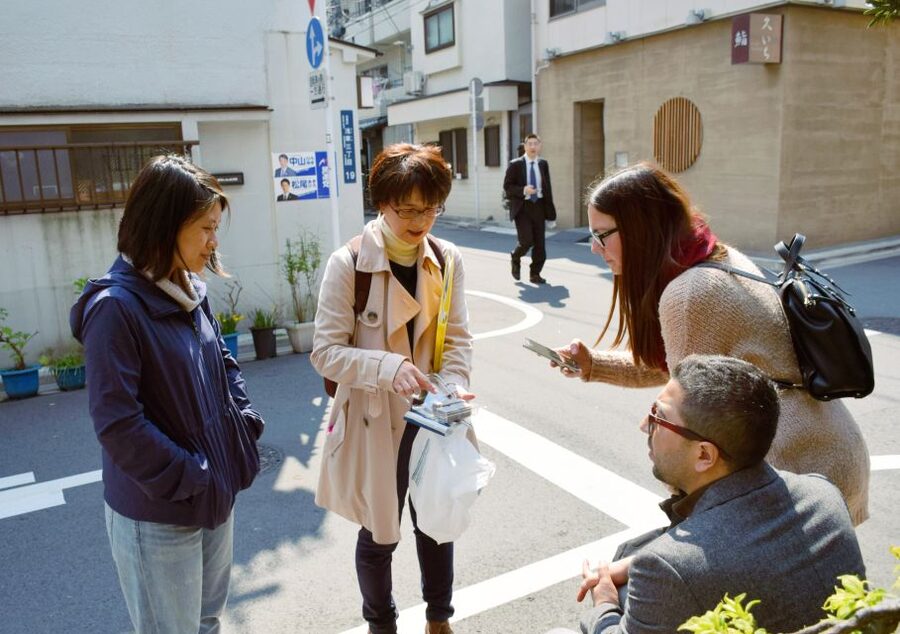
At $76 per person, the price is not budget level, but it also doesn’t try to be “private tour” expensive. The value is in two places: the included tastings and the guided cultural explanation.
You get full lunch size local food tastings and the guide fee is included. Transportation is not included, so you’ll still handle getting to the meeting point on your own. But once you’re there, you’re paying for access and direction: you’re not spending time researching which small shop actually sells the food you want, or figuring out how to order and eat appropriately.
If you’ve ever bought a few snacks in Tokyo and then realized you still need a real meal, this tour’s lunch-size format helps. It gives you enough food to feel satisfied, with a mix of styles that most people would not assemble correctly on their own in a short window.
And because the tour lasts 150 minutes, you’re not buying a huge time block. You can pair this with other Asakusa sights later.
Practical tips to get more from your Asakusa food hunt
A few things I’d do before you go:
- Wear comfortable shoes. The route includes steady walking, roughly 1 to 2 kilometers.
- Come with an appetite. This is a lunch-sized tastings tour, not a dessert crawl.
- Ask questions early. A big part of the value is learning eating styles, like how to eat sushi properly, and understanding what you’re tasting.
- If you’re visiting in hot weather, plan for warmth. One of the strongest pieces of feedback mentions rest and fluids being handled during a very hot day.
Also, about tipping: one review notes that tipping in Japan for guides is appreciated. That’s not required in every situation, but if you want to be thoughtful, have a small amount of cash ready as a thank-you.
Who this tour is best for, and who should consider another option
This tour is a strong fit for you if:
- You want food that locals actually eat, not only famous photo spots
- You like short tours that fit into a Tokyo schedule
- You want guidance on eating styles, especially sushi
- You prefer a small group experience with room to ask questions in English
It might be less ideal if:
- You hate standing sushi or prefer fully seated meals the whole time
- You have strict dietary needs and need ingredient-level certainty, since the details provided focus on the experience flow rather than menu specifics
- You want lots of free time for temple wandering, because the tour includes temple time but not a long independent walk
Should you book this Asakusa Food Hunt & Cultural Tour?
I’d book it if you’re aiming to do one smart food experience in Asakusa in a tight window. The strongest reasons are the hands-on sushi eating guidance, the variety across multiple local vendors, and the fact that it still ends with a meaningful temple stop.
It’s also a good “first Asakusa” tour. You get oriented without spending your whole day on logistics, and the small-group size keeps it from feeling rushed. If you’re traveling with kids or older family members, the feedback includes guides who can keep conversations going and adapt to different needs, which is a plus for multigenerational groups.
Final check: bring comfortable shoes and be ready for light to moderate walking. If you do that, $76 becomes easier to justify, because you’re buying a guided lunch plus cultural context, not just a handful of snacks.
FAQ
How long is the Asakusa food hunt tour?
The tour runs for 150 minutes.
What time does the tour operate?
It is scheduled as a 2-hour tour from 11:30 to 14:00.
Where do I meet the guide?
You meet at Hinatomaru Kaminarimon, 1 Chome-20-3 Asakusa, Taito City, Tokyo.
How large is the group?
The group is small, limited to 6 participants.
What language is the tour guide?
The live tour guide speaks English.
What food is included?
The tour includes full lunch size local food tastings.
Is transportation included?
Transportation is not included.
Is the tour cancelable?
Yes, you can cancel up to 24 hours in advance for a full refund.
More Food & Drink Experiences in Tokyo
More Tours in Tokyo





More Tour Reviews in Tokyo


Not for you? Here's more nearby things to do in Tokyo we have reviewed












Asakusa Tours, side by side.
 ★ 4.8Japanese Dance Cabaret Theater Asakusa-Kaguwa TicketFrom $492,270 reviews
 ★ 4.7Meiji Shrine, Asakusa, Skytree Bus Tour and CruiseFrom $1221,986 reviews
 ★ 4.9Roll and Authentic Sushi Making Class in AsakusaFrom $581,957 reviews
 ★ 4.8Asakusa Walking Tour with Sensoji Temple VisitFrom $221,583 reviews
 ★ 5.0Tokyo Asakusa Rickshaw TourFrom $421,375 reviews
 ★ 4.5Tokyo Panoramic 1 Day: Meiji Shrine, Asakusa, Odaiba and SKYTREE®From $851,222 reviews
 ★ 5.0Tokyo Go Kart: Asakusa, Skytree, and Akihabara **IDP MUST**From $99988 reviews
 ★ 4.7Asakusa, Skytree & Akhihabara Go-Kart City ExperienceFrom $96761 reviews
This tour also belongs to