
Review · KAMAKURA DAY TRIPS
Tokyo: Day Trip to Kamakura in Spanish – Spanish
Tokyo to Kamakura is the kind of shortcut you actually want. In one 8-hour day, you get temples, myths, a classic tram ride, and time in the shopping streets, with a guide who explains it all in Spanish.
What I especially like: the route is built to cover the big spiritual hits without feeling like a stampede, and the guides tend to be warm and hands-on with recommendations. The main thing to consider is simple: transportation and temple tickets are not included in the listed price, so budget extra up front.
Key highlights worth your time
- Hase-dera Temple by tram, on one of Japan’s older still-running tram routes
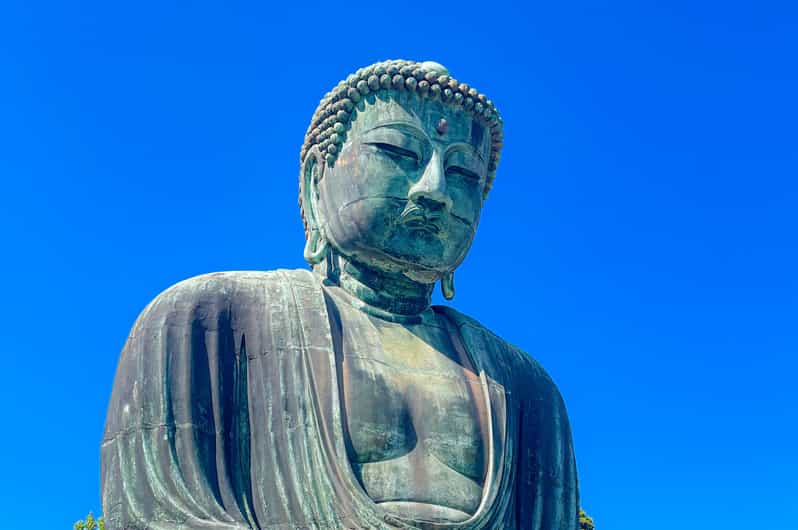
- Kotoku-in’s Great Buddha, a massive 13-meter bronze statue at 121 tons
- Kamakura shopping street time, where the pace slows and you can actually browse
- Friendly, personalized Spanish guides, with clear explanations and practical tips
- Environmentally friendly approach, plus you’ll be using public transport
- Meet and end at Tokyo Station, so the day-trip feels organized, not chaotic
Why Kamakura is a smart day trip from Tokyo
Kamakura is one of those places where the vibe shifts quickly. You start in fast, bright Tokyo, and within a short ride you’re walking through temple grounds, stone paths, and quieter streets lined with small shops.
This tour is appealing because it’s not just a “see famous stuff, then go home” plan. The day is designed around spiritual landmarks that are close enough to do efficiently, but spread out enough to give you moments to look around, take photos, and breathe.
Also, the Spanish format matters. If you’re studying the language or want to practice in a real setting, you get continuous context, not just a few random facts. And when the guide learned your pace, it tends to work well, including for families in the group.
More Tokyo tours and experiences for the shortlist



Tokyo Station meeting point and how the day stays easy
The tour starts at Tokyo Station, right in front of the station facade in Marunouchi Square (central exit). That’s a nice choice because Tokyo Station is easy to navigate, even if you’re arriving from another part of the city.
From there, you take a train to Kamakura, then continue by tram to Hase-dera. Later, you return by train back to Tokyo Station and finish at the same meeting spot. So you never end up stuck figuring out where to go next.
One practical note: this is a public-transport day. That’s usually a plus for cost and timing, but it does mean you should keep your morning flexible enough for normal crowding. In at least one experience, the waits for the next connection were short and the transport felt comfortable, with air conditioning on the parts that used buses, so the day likely feels smooth for most people.
Hase-dera Temple: legends, stairs, and a great first wow
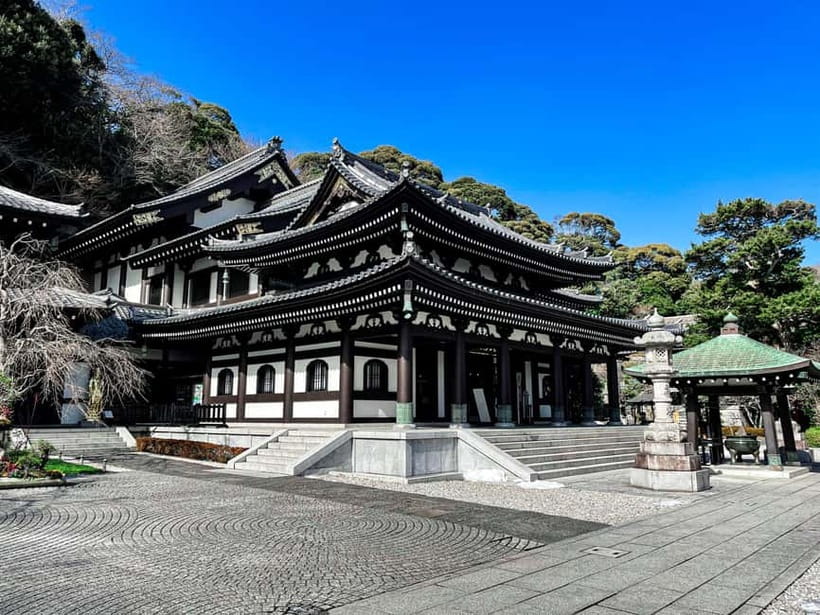
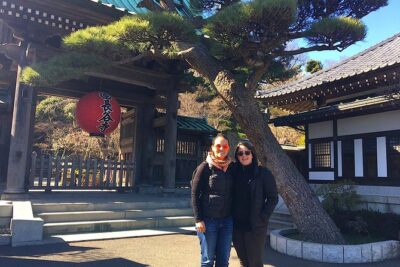
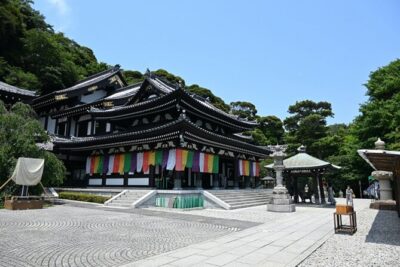
Hase-dera Temple is your first big stop in Kamakura. The tour goes there by tram, which is a fun warm-up before you enter the temple complex. Even if you’re not obsessed with temples, the combination of old-world atmosphere and moving through the area on a classic tram route helps you shift gears fast.
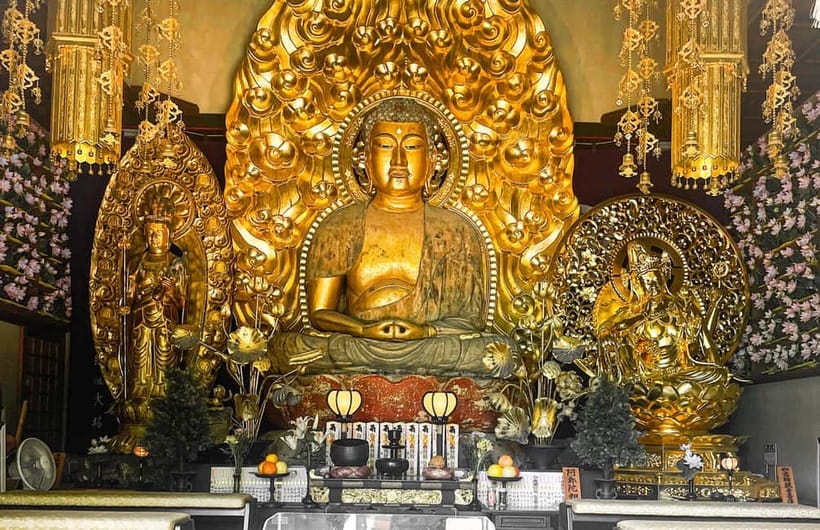
Once you arrive, you’ll explore Hase-dera through the lens of myths and legends. The temple is described as steeped in stories, and the more you look around, the more those legends make sense. That’s a big deal, because many temple visits can feel like a bunch of buildings unless someone gives you the “why” behind what you’re seeing.
A small practical tip: wear shoes you can walk in comfortably. Temple grounds and approach paths often involve steps and uneven sections. You’ll enjoy the visit more if your body is ready for that, and not just your camera.
Kotoku-in and the Great Buddha you can’t miss
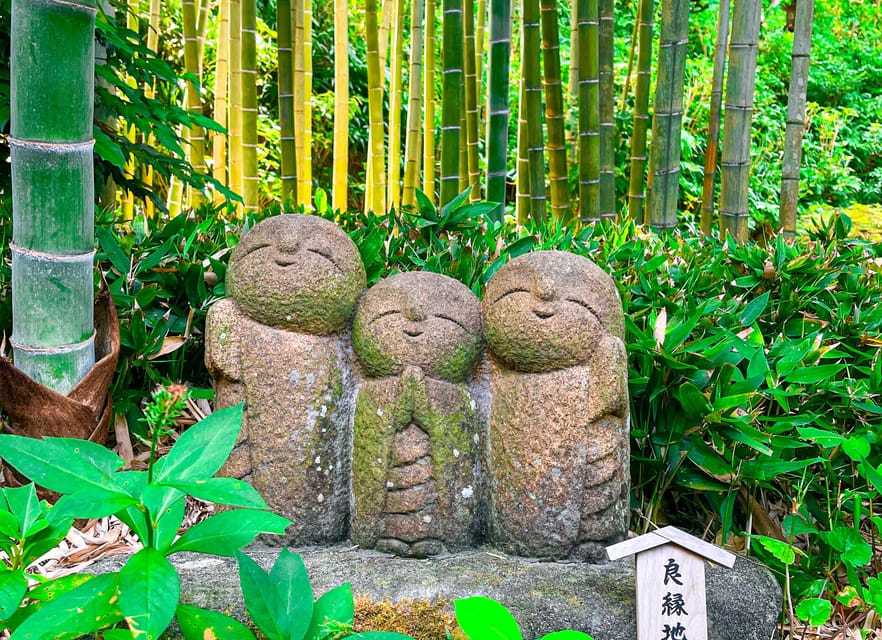
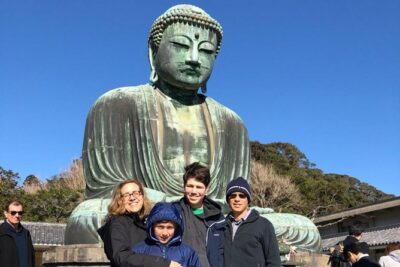
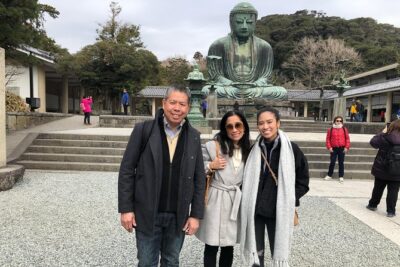
Next comes Kotoku-in Temple, home to Japan’s second largest bronze Buddha. The numbers are hard to picture until you see it: the Buddha measures 13 meters and weighs 121 tons.
This stop works well on a guided day trip because you’re not just standing near a statue. You get context about what you’re looking at and why it matters, which makes the scale feel real instead of abstract. When someone explains the significance clearly, the Buddha stops being “a photo” and starts being a landmark.
You’ll also do a walk between stops. That walking time is valuable because it breaks up the day. It’s where the neighborhood texture of Kamakura shows up, and it helps you avoid that feeling where you’re constantly rushing from one vehicle to the next.
If you’re sensitive to crowds, go with a calm pace here. Kamakura temples can attract visitors, especially in peak seasons. A guide helps you time what you look at, so you spend your energy on the good angles and not on getting stuck.
The shopping street, lunch break, and how to use the free time
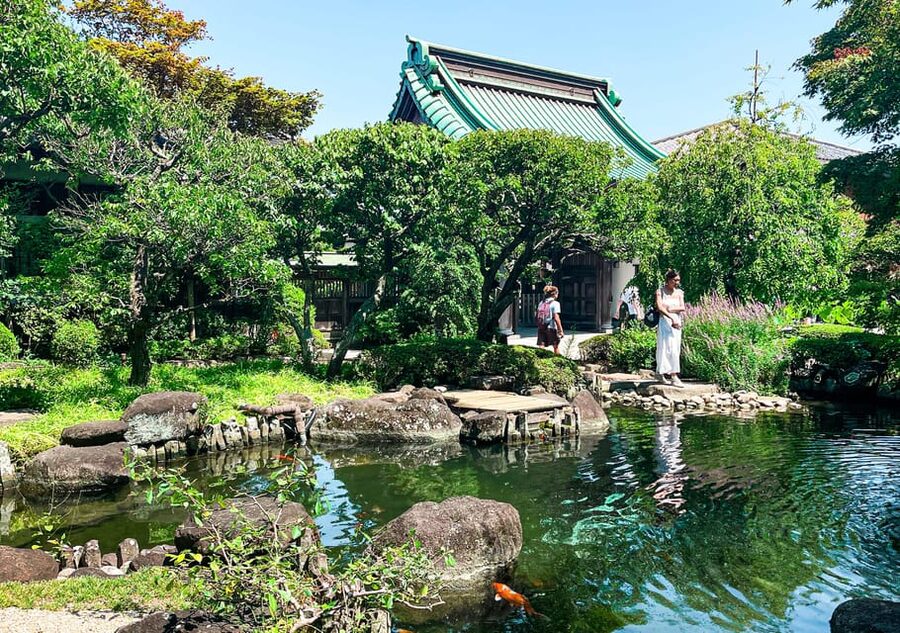
After the temples, you head to Kamakura’s main street, lined with shops and a distinct local atmosphere. This is where the day becomes more “choose your own adventure,” while still staying inside a guided structure.
The tour includes time for lunch and exploring shops before you go back to Tokyo. That balance is important. A temple-heavy itinerary can feel tiring if you don’t get a breather, and here you do.
How to get the most out of the shopping time:
- Plan to browse slowly for small souvenirs, snack stops, and local crafts, not just big-name stores.
- If you’re hungry, eat before you hit maximum “walk-and-look” mode. You’ll enjoy browsing more with a full stomach.
- If you want photos, take a few while the street has momentum, then later do a second pass for details.
Also, your guide’s recommendations can help a lot here. In past experiences, guides like Nerea and Paula were praised for their knowledge and patience, including adjusting to the group’s rhythm. That kind of care makes free time feel less like waiting and more like exploring with a safety net.



Spanish-guided experience: what good explanations feel like
This tour is offered in Spanish, and the quality of the guide is a huge part of why people give it such strong marks. The overall rating is 4.9 across 22 reviews, and many comments focus on guides being friendly, attentive, and clear.
Names that came up include Emi, Camila, Nikita, Nerea, Paula, and Ori.n. That’s a good sign that the tour tends to rely on real professionals, not just a scripted guide. One experience praised Camila for managing the excursion efficiently and giving explanations that felt relevant. Another praised Nerea for storytelling and adapting to the pace of kids in the group, which is not nothing. If a guide can handle energy levels, they’re usually better at reading a group and pacing the stops.
One consideration to keep in mind: at least one booking had a bit of language confusion early on, with the guide also using English in the end. If Spanish is your top priority, I’d still book it, but I’d also go in expecting that practical communication might include extra support to make sure nobody is lost.
Either way, the best part of a guided day in Spanish is how the background makes the sights connect. When you understand the myths tied to Hase-dera or the significance behind Kotoku-in’s Buddha, the visit becomes more meaningful. It stops being travel math and turns into story time you can walk through.
Price and value: what $86 covers, and what you should budget
The listed price is $86 per person, and the tour runs for about 8 hours. The included items are the Kamakura excursion in Spanish and the excursion duration.
Not included:
- Transportation (¥2,300)*
- Temple tickets (¥700)
- Drinks and food
- The day uses public transportation
Here’s the value angle. If the guide quality is strong, you’re effectively paying for organized routing, Spanish explanations, and time management. You’re not paying for private cars or a fancy driver, and that’s part of the appeal. You’re using public transport, which keeps the day realistic and usually cost-effective.
Still, don’t get surprised at the total. A simple budget estimate could look like:
- Your tour price: $86
- Add local transport and tickets: ¥2,300 + ¥700
- Add lunch and drinks: variable, based on what you choose on the street
If you’re the kind of traveler who enjoys paying for guidance (and wants less decision fatigue), this can feel like a fair trade. If you hate extra fees and prefer total upfront clarity, you might want to plan your own transport and skip the tour. But for most people, the guided flow through major sites plus shopping time is a solid use of one day.
Logistics that matter on the ground
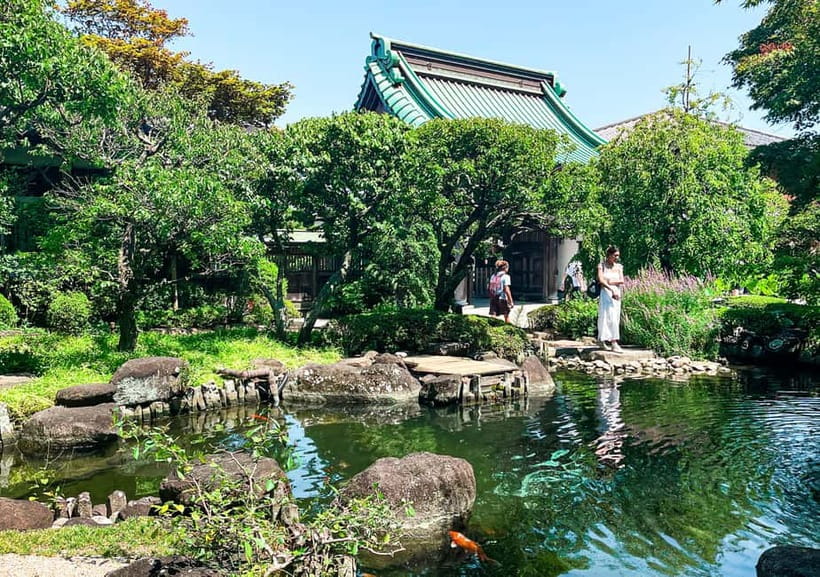
A few details make a real difference for comfort and ease.
Meet early, move light. The tour does not allow luggage or large bags. That’s common for city walking days, and it helps the group stay mobile on trains and around temple areas. Plan to travel with a smaller day bag only.
Not for some accessibility needs. The tour is not suitable for wheelchair users and not suitable for hearing-impaired people. If you rely on mobility supports or specific sensory accommodations, you’ll want to look for a different format.
Minors policy. Unaccompanied minors are not allowed. If you’re traveling with teens or kids, you’ll want to be sure the group rules fit your situation.
One more practical consideration: this is not a “stay seated and watch” kind of trip. You’ll be walking between stops and exploring temple grounds, so energy and footwear matter.
Who should book this Kamakura day trip in Spanish
I’d point you toward this tour if:
- You want a guided day trip from Tokyo focused on Kamakura’s temples and a classic shopping street
- You want the explanations in Spanish, not just English or a mix
- You like small structure with some free time, especially for lunch and browsing
- You value friendly, personalized guides who can give recommendations on the spot
I’d skip it or reconsider if:
- You need wheelchair-friendly routes
- You have hearing accessibility needs that aren’t supported here
- You’re traveling with large luggage
- You’re expecting a fully inclusive price with transport and tickets included
If your goal is to turn one day into a coherent story, this works. You’ll see Hase-dera first, then Kotoku-in, then you get the streets for lunch and wandering, then back to Tokyo. It’s a clean loop.
Should you book this tour?
Yes, if you want a Spanish-guided Kamakura day with clear temple context, a tram moment, and time to browse local shops without turning it into a solo planning puzzle. The guide quality seems to be the star here, with multiple praised names like Camila, Emi, Nikita, Nerea, and Paula, and with comments that focus on patience, relevance, and friendly help.
Book with a small reality check: budget for the ¥2,300 transportation and ¥700 temple tickets, and travel light since large bags are not allowed. If you’re okay with that, this is one of the more sensible ways to experience Kamakura in a single day from Tokyo.
FAQ
Where is the meeting point for the tour?
The meeting point is in front of the Tokyo Station facade, in Marunouchi Square (central exit). The tour ends back at the same meeting point.
How long is the excursion?
This is an 8-hour excursion.
Is the tour fully in Spanish?
The tour language is Spanish. In one case, there was some confusion and the guide also used English in the end, but Spanish is the stated language of the experience.
What’s included in the price?
The excursion to Kamakura in Spanish and the 8-hour excursion time are included.
What costs are not included?
Transportation (¥2,300), temple tickets (¥700), and drinks and food are not included.
Is the tour suitable for wheelchair users?
No, the tour is not suitable for wheelchair users.
More 1-Day Tours in Tokyo

More Tour Reviews in Tokyo
Not for you? Here's more nearby things to do in Tokyo we have reviewed












Kamakura Day Trips, side by side.
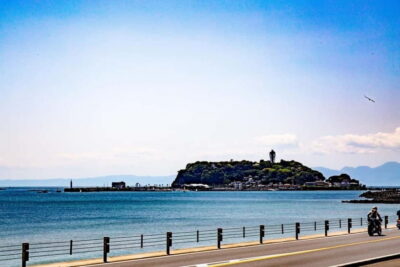 ★ 4.5Kamakura & Enoshima Day Trip including Temple TicketsFrom $581,375 reviews
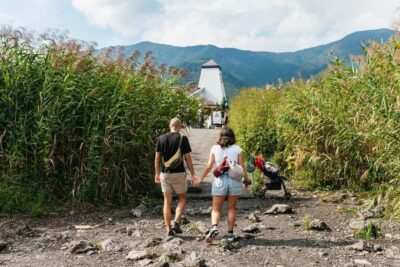 ★ 4.5Mt. Fuji, Kamakura, Big Buddha, & Lake Ashi Day TripFrom $49867 reviews
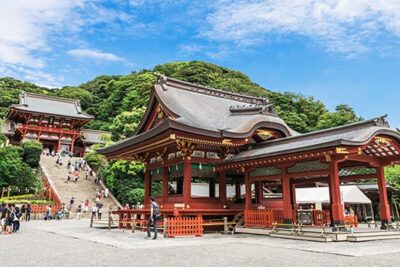 ★ 4.5From Tokyo: Kamakura & Enoshima 1-Day Bus TourFrom $66189 reviews
 ★ 5.0Kamakura Historical Walking Tour with the Great BuddhaFrom $98129 reviews
 ★ 5.0Kamakura Private Tour: Temples, Nature, and the Great BuddhaFrom $98121 reviews
 ★ 5.0Kamakura Walking Tour – The City of ShogunFrom $35100 reviews
 ★ 5.0Kamakura 8 hr Private Walking Tour with Licensed Guide from TokyoFrom $20180 reviews
 ★ 4.1Kamakura & Enoshima Day Tour with Pickup & Train RideFrom $1361 reviews
This tour also belongs to