
Review · MOUNT FUJI TOURS
Bullet Train and Mt. Fuji Famous Food Tour
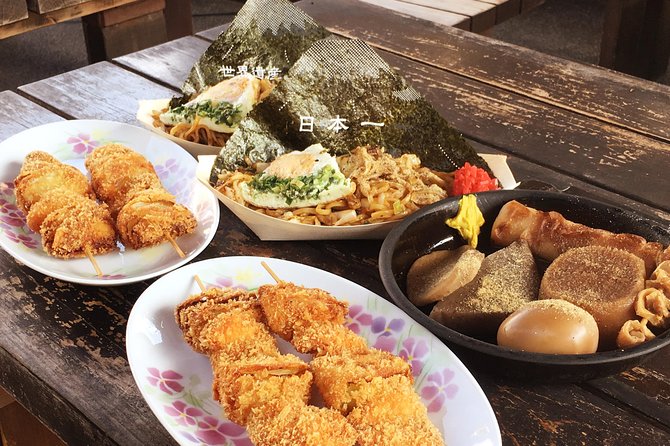
Mt. Fuji tastes better when you earn it. This all-day tour links Fujinomiya food stops with local culture and real views of the mountain, built around a smooth bullet train ride from Tokyo. I like that it is small, guided, and very focused on eating, not just sightseeing.
A key reason to do it is the mix of experiences packed into one route: you get sake and green tea tasting, plus a traditional wagashi sweet-making moment. One possible drawback to keep in mind is the Mt. Fuji views depend on weather, and the day can feel less spectacular if the peak is hidden.
You will also want to plan for an early start and some walking. The tour asks for strong physical fitness, and while it is family-friendly, the pace is not a lazy stroll. If that sounds fine, this is a high-value way to turn a Tokyo day into something distinctly Fuji-focused.
Key points you will care about
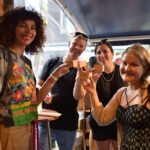
- Small group size (max 10) means less waiting and more time for questions and tastings
- 6 food stops in Fujinomiya, plus an included Japanese lunch from an 80-year-old restaurant
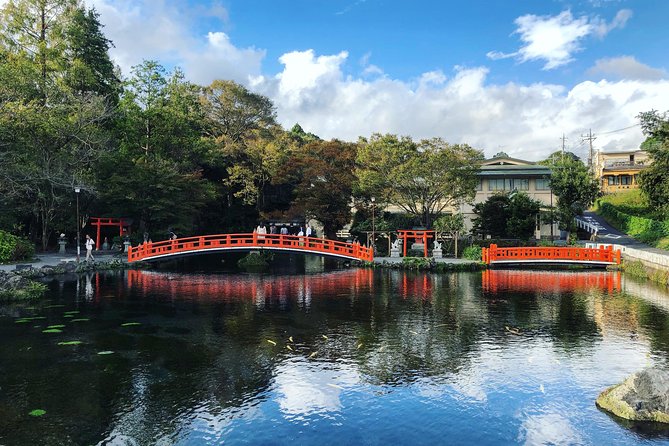
- Mt. Fuji World Heritage Centre + shrine/temple visits for cultural context and mountain views
- Sake, green tea, and wagashi make this more than a food sampler
- Round-trip bullet train from Tokyo is included, with a mobile ticket for easier day-of logistics
- Dietary support is available, including vegan, vegetarian, and gluten-free friendly options
Mt. Fuji Food Trail in Fujinomiya: what you’re really buying
This is not the typical Mt. Fuji day trip where you snap a few photos and rush back to Tokyo. You are paying for a guided food and drink route in Fujinomiya, one of the most practical bases for seeing the mountain’s lower slopes while still feeling like you stepped out of a big-city bubble.
The value here is in the sequencing. You start with Mt. Fuji context at the World Heritage Centre, move into Fujinomiya for tastings and lunch, then finish with shrine and temple stops that can deliver those classic Fuji sightlines when the weather behaves. It’s a full day, but it is built around the idea that food and place belong together.
You should also know the tour is designed to be approachable. It is family-friendly, you can bring kids with an adult, and dietary needs like vegan and gluten-free are supported. Alcohol is part of the plan, but there is a clear minimum drinking age of 21.
You can also read our reviews of more food & drink experiences in Tokyo

Bullet train logistics from Tokyo that make or break the day
The biggest practical win is the round-trip bullet train from Tokyo is included. That saves you from ticket hunting, platform stress, and the risk of picking the wrong train times. Your guide coordinates with the group and travels with you, so you are not left trying to translate schedules while hungry.
The tour starts at 8:30 am at the Apple MarunouchiMitsubishi Building in Chiyoda City. Expect a meet-up and then a morning train ride out to Fujinomiya. The itinerary also includes bento lunch and snacks on the train, which is great if you want momentum, but it can be a little early if you normally eat late.
Your ticket is mobile, which usually means less paper and less fuss on the day. And because the tour ends back at the same meeting point in Marunouchi, you are not scrambling to figure out how you get home after a long day.
World Heritage Centre: quick Fuji context without the info overload
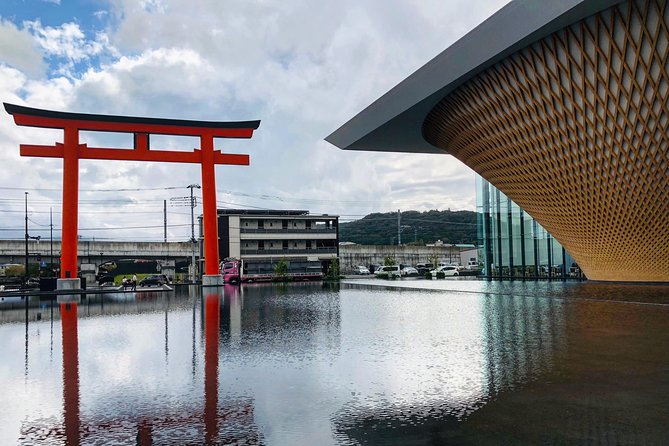
One stop you should appreciate is the Mt. Fuji World Heritage Centre at Shizuoka. Admission is included, and the time here is intentionally short, about 15 minutes. That means you get the why behind the mountain’s status and heritage without turning the trip into a lecture.
This quick start matters. Once you know the mountain is not just a photo backdrop but a recognized cultural landscape, the shrine and temple stops feel more purposeful. Even if your Fuji views are partly blocked that day, the cultural framing keeps the experience satisfying.
Fujinomiya tasting time: 6 stops, wagashi, sake, and green tea
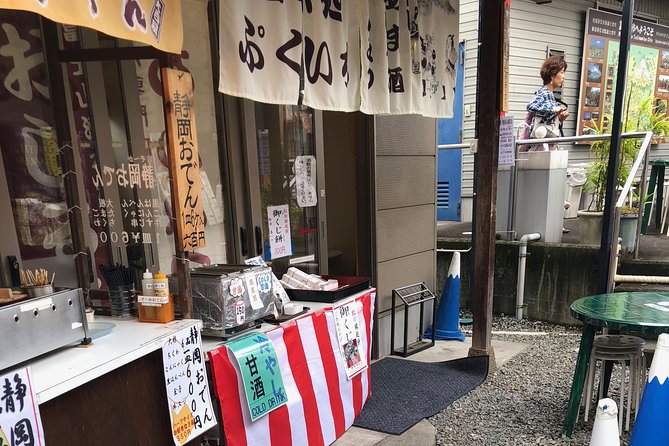
The heart of the tour happens in Fujinomiya. You get roughly 3 hours with a local guide, during which you visit 6 local shops and restaurants to sample regional specialties. This is the part you will most likely talk about later, because it has that hands-on, bite-by-bite feel.
Here is what makes the tasting block special:
- You are not just eating one dish. You are sampling a range of Fujinomiya favorites.
- The included lunch comes from a long-running spot, which tends to mean more local confidence in their menu.
- There is a sweet and drink component, not only savory food.
Expect sake tasting and local green tea during this segment. You also get a wagashi making experience, where you learn to shape a traditional Japanese sweet. Even if you are not a crafts person, it is usually fun because you are making something you can actually taste, not just watching.
One practical note: bento and snacks are included on the train, so you may want to avoid over-snacking beforehand at your hotel. In real life, that can lead to a full stomach right when the tastings begin. If that is you, show up hungry but do not assume you will be ravenous at 10 in the morning.
Lunch at an 80-year-old restaurant: why it’s more than a meal
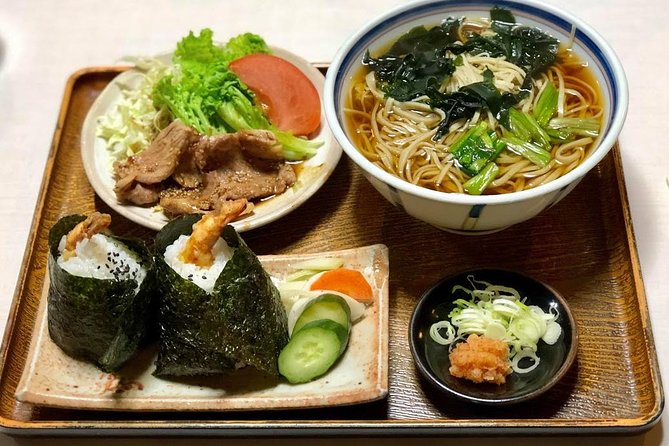
Lunch is one of the biggest “value” points on this tour, because it is not a random set menu. You will eat at a restaurant described as 80 years old that uses local ingredients. That matters because local ingredient sourcing is a big part of how Japanese regional food stays consistent across generations.
A meal like this also acts as a reset. After travel time, you get something substantial before the shrine and temple walking portion. In other words, the day is structured to keep energy up without forcing you to make food decisions yourself.
And because lunch is included, you avoid one of the most common budget leaks on day trips. Without that included meal, you would likely pay extra for food at whatever place happens to be closest when the group finishes the next stop.
More Tokyo tours and experiences for the shortlist



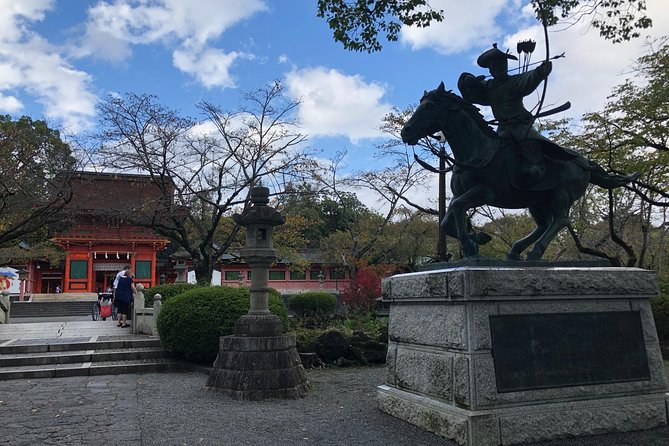
Sengen Taisha and Daisenji: where Fuji views can show up
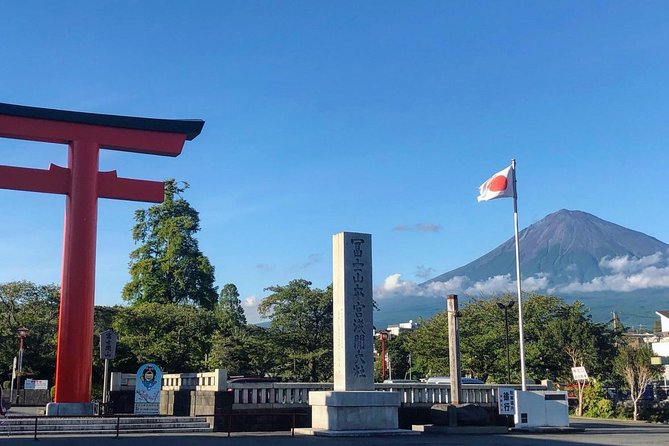
After the food stops, the route moves into spiritual and historical locations. The key named stops include Fujisan Honguu Sengen Taisha and Daisenji. This is where the tour leans into Mt. Fuji’s cultural meaning.
The practical reason to include these shrines and temples is that they are built for views and orientation. If the weather is clear, you are in the right place to catch spectacular mountain scenery. If it’s cloudy, you still get something worthwhile: atmosphere, history, and a sense of place that food alone cannot provide.
This is also where the tour’s physical fitness requirement starts to make sense. You should plan for some walking and time outdoors. Come prepared with comfortable shoes, and if the day is cold or damp, dress for real conditions rather than Tokyo indoor comfort.
In short: you are paying for a guided route to places that help you see the mountain properly. Not just see it, but understand where the views come from.
Fujitaro Honten and the last taste that closes the loop
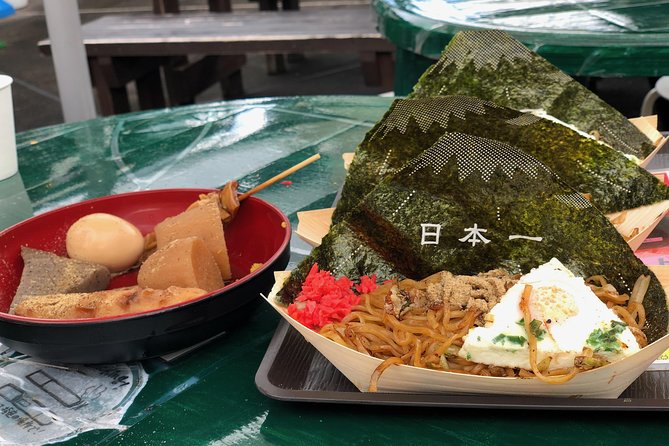
The itinerary ends at Fujitaro Honten. Even without getting too precious about what the final stop will be like, the point is clear: you finish with a local specialty, not a generic souvenir shuffle.
This kind of finishing stop works well because you end the day with something you can remember in a tangible way. It is the last moment to connect the food you ate with the local brand and shop culture that produced it.
Then you head back to Tokyo and return to the same Marunouchi meeting point. The structure feels tidy, which is what you want on a day trip that starts early.
Price and value: is $638 per person fair for this day?
At $638 per person, this is not a budget excursion. But it can be fair if you look at what is included and what it replaces.
You are getting:
- Round-trip bullet train from Tokyo (big cost and big hassle saver)
- A guide for the full structured day
- 6 food stops in Fujinomiya
- Lunch at an 80-year-old restaurant
- Sake and green tea tasting
- Wagashi making
- Admission included at the Mt. Fuji World Heritage Centre
- A max group size of 10 travelers
If you tried to copy this independently, the hardest parts would likely be timing, selecting the right small food spots, and coordinating food and culture in the correct order without wasting time. Tours like this reduce decision fatigue. You show up, you follow the plan, you eat well, and you leave with less logistical stress than you would planning alone.
Where the cost might feel steep is if you are not interested in the sake, the sweet-making, or the multiple tastings. This tour is built around eating and drinking, and even though it includes cultural stops, the main draw is food and beverage.
Who this tour suits best, and who should think twice
This is a great fit if you want a guided food day with a local guide and you like regional tasting menus. It is also a good choice if you want the Mt. Fuji experience without spending hours mapping trains and researching where to eat.
It suits:
- Foodies who want a guided route with multiple stops
- People who like sake and tea, and are 21 or older
- Couples or solo travelers who prefer small-group attention
- Families who want a single day that is both cultural and kid-friendly in spirit (with an adult)
You may want to think twice if:
- You hate early starts or long travel days
- You expect big, uninterrupted Mt. Fuji views regardless of clouds
- You want totally free time to wander on your own schedule
The good news is that the tour is flexible in the sense that substitutions can happen if restaurants or stops shift due to schedules, holidays, or weather. Since good weather is required for the experience as planned, that flexibility matters.
Quick planning tips so you enjoy every bite
A few small steps can make this tour feel effortless:
- Wear comfortable shoes and plan for a day that involves walking outdoors.
- If you are sensitive to alcohol tasting or you do not drink, you can still enjoy the tea and food components, but you should expect sake is part of the plan.
- Bring a light layer. Even in comfortable seasons, shrine and temple areas can feel cooler than Tokyo streets.
- If you travel with kids 10 and above, have the required passport information copy ready, since it is requested for them.
And remember the big one: the day is weather-dependent. If clouds roll in, do not treat it as a failure. The food, tea, wagashi, and cultural stops still carry the day.
Should you book this Mt. Fuji bullet train food and sake tour?
Book it if you want a single, well-structured day that combines Mt. Fuji culture with a genuinely food-forward route in Fujinomiya. The included bullet train, small group size, multiple tastings, wagashi making, and lunch at an 80-year-old restaurant create a lot of value for a day trip.
Skip it or choose something else if you mostly want a panoramic Mt. Fuji viewpoint and you strongly dislike weather uncertainty. Weather can affect what you see, and the tour still asks you to be active, not just sit and photograph.
If you are the type who loves eating your way through a place, this is the kind of trip you will remember, because the mountain is not just seen, it is tasted and explained through the region’s food traditions.
FAQ
How long is the Bullet Train and Mt. Fuji Famous Food Tour?
The tour runs for approximately 7 hours.
Where do I meet the guide, and where does the tour end?
You meet at the Apple MarunouchiMitsubishi Building, 2-chōme-5-2 Marunouchi, Chiyoda City, Tokyo. The tour ends at the same building in Marunouchi, with return travel to your starting city.
What time does the tour start?
The start time is 8:30 am.
What is included in the price?
The price includes a guided bullet train trip from Tokyo, return travel to your starting city, guided time with a local guide, food stops (6 regional tastings), sightseeing, and lunch. Admission is included at the Mt. Fuji World Heritage Centre.
Can I join if I have dietary restrictions?
Yes. The tour is described as vegan, vegetarian, pescetarian, and gluten-free friendly.
Do JR Pass holders get a discount?
Yes. The tour notes that those with JR Passes may receive a tour price reduction, and you should contact the provider directly before booking.
More Food & Drink Experiences in Tokyo
More Tours in Tokyo




More Tour Reviews in Tokyo


Not for you? Here's more nearby things to do in Tokyo we have reviewed












Mount Fuji Tours, side by side.
 ★ 5.0Mt Fuji and Hakone 1-Day Bus Tour Return by Bullet TrainFrom $16326,383 reviews
 ★ 4.0Mt Fuji & Hakone Cruise, Drum Show Bullet Train 1 Day from TokyoFrom $1497,413 reviews
 ★ 4.4Tokyo Mt Fuji 5th St & Hakone Cruise Bus Tour w/Bullet TrainFrom $1545,024 reviews
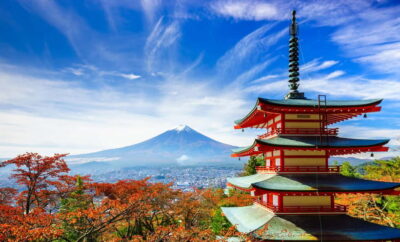 ★ 4.5From Tokyo: Mount Fuji Full-Day Sightseeing TripFrom $684,970 reviews
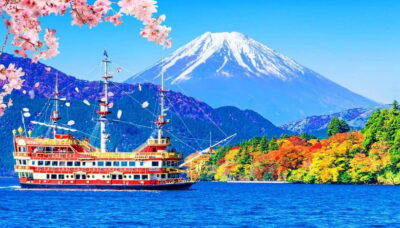 ★ 4.7Mt. Fuji Tour, Hakone Ropeway, Owakudani, Lake AshiFrom $544,002 reviews
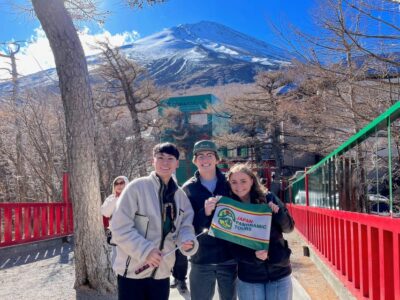 ★ 4.2Mt. Fuji 5th Station & Hakone Cruise 1-Day Bus TourFrom $1292,381 reviews
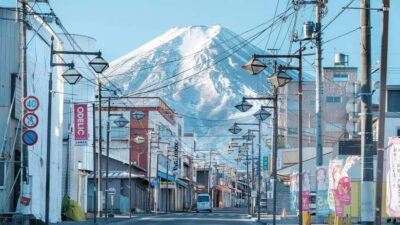 ★ 4.7Mt Fuji Top 5 Spots Day Tour: Arakurayama Park,Oshino HakkaiFrom $532,066 reviews
 ★ 5.0Private Tour to Mt. Fuji and Hakone (Fully Licenced Operator)From $4971,910 reviews
This tour also belongs to