

Review · AKIHABARA TOURS
Create Your Akihabara Tour! Anime, Games & Local Tips
Akihabara can overwhelm fast, so this private walking tour gives you a clean starting line through the Electric Town without random wandering. You get a guide focused on anime, manga, and games, and the route can shift to match what you care about most.
I like the human factor: Mune is friendly, attentive, and gives clear meeting instructions so you spend less time figuring things out. I also like that you get practical extras like Wi-Fi and Japanese manners help, not just a photo stop parade.
One possible drawback: it’s short, about 1 hour 40 minutes to 2 hours, and there’s no way to see everything Akihabara offers in one go. If you want a deep shopping spree or lots of gameplay time, you may still want extra solo time afterward.
Key points you should care about
- Private, interest-based pace instead of a rigid route
- Mune’s guided context at each stop, not just directions
- Radio Kaikan browsing for iconic anime merchandise and card stores
- GiGO game center time for claws, rhythm games, and fighting games
- Super Potato retro stores for classic consoles, vintage games, and arcade machines
- Kanda Shrine etiquette with an otaku-friendly twist and prayer guidance
Why this Akihabara tour feels easier than going solo
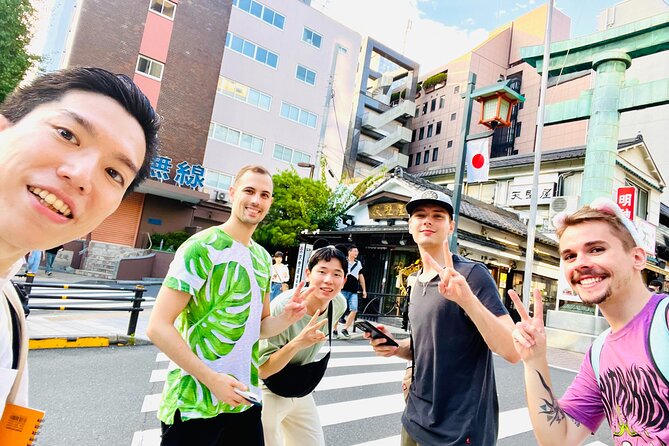
Akihabara is famous for tech, anime merch, and game culture, but that also means it can feel like too many choices at once. One shop looks like the next shop, and suddenly you’re lost, hungry, and tired without realizing how the day disappeared.
This tour is built to fix that problem with a simple formula: a private guide, a manageable walking plan, and a route that can be adjusted. You’re not trapped in a schedule that ignores what you actually want. If you’re more into classic games than current releases, or anime merch more than arcade action, the guide can steer the order and focus.
The other advantage is that Akihabara has its own “rules” and rhythms. Having someone who keeps you moving through the right corners, and explains what you’re seeing as you go, saves time and makes the whole area feel way more legible.
You can also read our reviews of more tours and experiences in Tokyo.



Meeting Mune and getting oriented fast
You start at atré Akihabara, a central, easy-to-recognize spot in Sotokanda. The tour ends back at the meeting point, so you don’t have to worry about figuring out how to get back at the end while you’re still buzzing from shopping and games.
The guide behind this experience is ASK Mune, and the vibe is personal. Mune is described as welcoming, kind, and extremely helpful, with especially clear communication before the tour and straightforward guidance at the meeting location. That matters in a neighborhood where it’s easy to show up, hesitate, and waste 20 minutes trying to confirm the exact spot.
The tour is also private, meaning it’s only your group. That gives you room to ask questions, pause for a purchase, or spend an extra few minutes reading product displays without slowing down a big group.
The itinerary, stop by stop: what you actually get at each place

Stop 1: Akihabara Radio Kaikan for iconic anime shopping
Radio Kaikan is one of Akihabara’s landmarks, and it earns that status because it’s basically engineered for anime fans. Each floor is packed with anime shops and card stores, so you can browse without feeling like you need a map.
What I like about this stop is that it’s great for both “quick look” and “serious shopping” styles. If you’re just testing the waters, you can wander floors and get a sense of what’s popular. If you’re hunting specific items, you have enough time to check more than one shelf and compare.
A practical tip: come ready to take your time with small-ticket items. This kind of shopping is easier when you can slow down and scan without feeling pressured to move on right away.
Stop 2: GiGO Akihabara 1st for arcade games you can try
Next is GiGO Akihabara 1st, a well-known game center where you’ll find claw machines and different game types, including rhythm and fighting games. This stop is less about shopping and more about jumping into the arcade atmosphere.
The key value here is guidance. The tour includes an explanation of how to play a game type in a way that works for visitors. Even if you’re not a hardcore gamer, a quick primer can turn “I don’t know how this works” into “okay, I get it, let’s try.”
Possible consideration: game centers can tempt you to spend more than you planned, because the fun is right there on the floor. If you have a strict shopping budget, decide ahead of time what you’re willing to test, even if it’s just one try.



Stop 3: Super Potato for retro gaming nostalgia
Then you head to Super Potato, a place built for retro gaming nostalgia. Expect classic consoles, vintage games, and even arcade machines from earlier eras.
This stop is perfect if you like the story behind games, not just the current stuff. You’ll get a sense of what “older” gaming culture feels like when it’s organized and displayed, not just scattered online. For many people, this is where the tour clicks emotionally, because it feels like a museum that lets you shop.
Practical angle: vintage items can vary widely in condition and pricing. If you’re not sure what’s worth your money, treat this as your learning stop. Look closely, compare what you see, and decide later if anything is a must-buy.
Stop 4: Kanda Shrine for a calm break with anime-friendly context
After the game and merch energy, the tour moves to Kanda Shrine (Kanda Myojin). This is a shift in mood, and that’s a good thing. Shrines and city walks mix well, because you need a breather between crowds and shopping.
The tour includes guidance on the proper way to pray, and it highlights an otaku-friendly twist to the shrine’s presence in popular media. That combo matters: you’re not just standing around for a photo. You’re doing the respectful basics with context, which makes the stop feel meaningful rather than random.
What I like here is that “Japanese manners” shows up in real life. The tour includes Japanese Manners 101, so even if you’ve visited shrines before, you can still pick up practical reminders about how to behave in the moment.
What the flexible itinerary really means in practice
The brochure-style promise is flexibility, but here’s what that means for you on the ground. Instead of sprinting from one location to the next regardless of your interests, your guide can adjust emphasis and pacing.
If you’re heavy on anime merch, you can spend more time on the Radio Kaikan floors and move through the arcade side with less pressure. If you’re heavy on games, you can focus more on the arcade stop and use Super Potato as the nostalgia counterbalance.
This flexibility also helps with decision fatigue. Akihabara can create a loop where you keep switching interests every five minutes. A guide gives you a line to follow so you don’t end the tour with nothing purchased, no games tried, and a head full of indecision.
Value check: is $91.31 per person a smart deal?

At $91.31 per person, the price is not “cheap,” but it can be good value if you compare it to what you’d spend on your own time plus missed opportunities.
Here’s why the cost can make sense:
- You’re paying for a guide who knows this area and helps you move efficiently.
- Your time is bounded, so you get multiple major stops in a single block of about 2 hours.
- You get included extras like Wi-Fi and Japanese Manners 101, plus admission for each stop listed is marked free.
- It’s private, so you’re not paying for a big-group script that may not match what you want.
Where value depends on you: if you already know Akihabara well, and you enjoy aimless browsing on your own, this might feel like “paying for someone to walk you around.” But if you want structure, context, and a friendly nudge to try games and shop confidently, this is the kind of tour that saves energy.
Who should book this (and who might not need it)
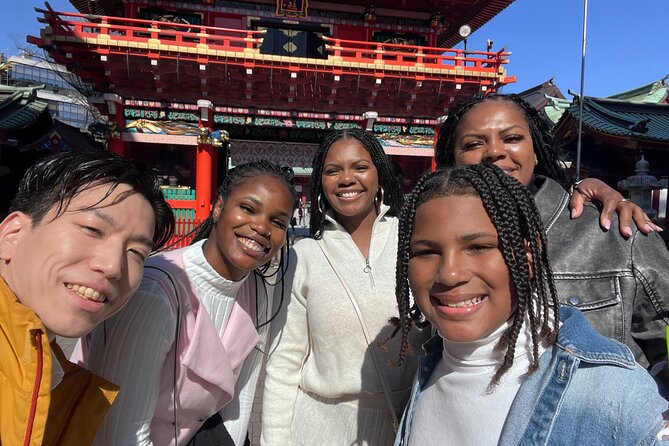
This tour fits best if you’re:
- An anime, manga, or gaming fan who wants a guided “best of” path
- Someone who wants to avoid rigid itineraries but still cover key spots
- Planning a birthday or themed outing and want something that feels special without stress
- You like learning what you’re looking at, not just where to stand for a picture
You might skip it if you:
- Already have a full Akihabara plan and know exactly which shops and game halls you want
- Want a longer, slower deep shopping session with lots of gameplay time
- Prefer fully independent exploration with no guidance at all
Practical tips so you get the most out of the 2 hours
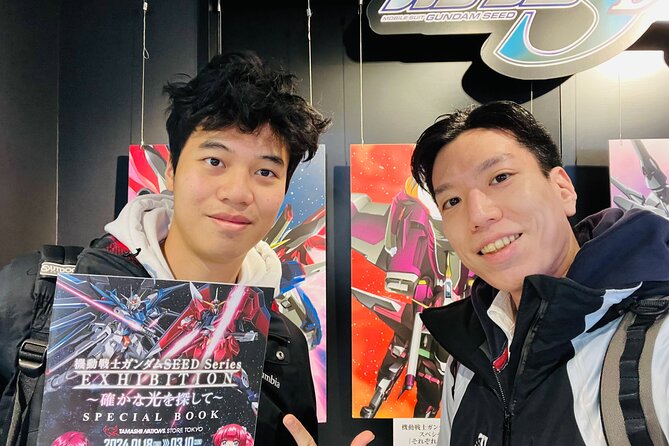
Comfort matters. You’ll be walking around a busy area, so wear shoes you can stand in without thinking about it.
Bring a payment plan. Arcade games and retro shops can be tempting. Even if you don’t know what you want yet, set a target budget so you’re not surprised.
Use the included Wi-Fi as a tool, not a distraction. If you want to compare items, translate store info, or confirm something you find interesting, it’s there.
Also, take advantage of the guide’s attention. Private tours work best when you ask questions in the moment, like what an item is, how certain game setups work, or why a shrine detail matters.
Should you book Create Your Akihabara Tour! Anime, Games & Local Tips?
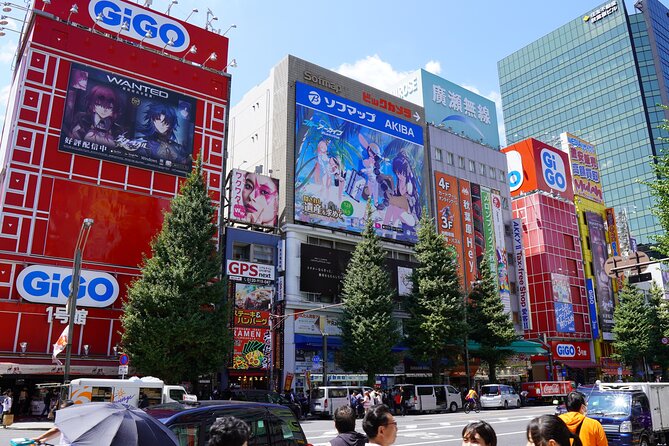
I’d book it if you want a smooth, fan-focused route through Akihabara with a guide who keeps things moving and explains what you’re seeing. The biggest reason is the match between your interests and the stops: Radio Kaikan for merch, GiGO for arcade fun, Super Potato for retro gaming culture, and Kanda Shrine for respectful context.
I’d think twice if you already live and breathe Akihabara and can build your own perfect circuit. Because it’s only about 2 hours with four main stops, you’ll likely want extra time in your favorite shops after the tour finishes anyway.
If you want your first Akihabara visit to feel confident, not chaotic, this is a strong pick.
FAQ
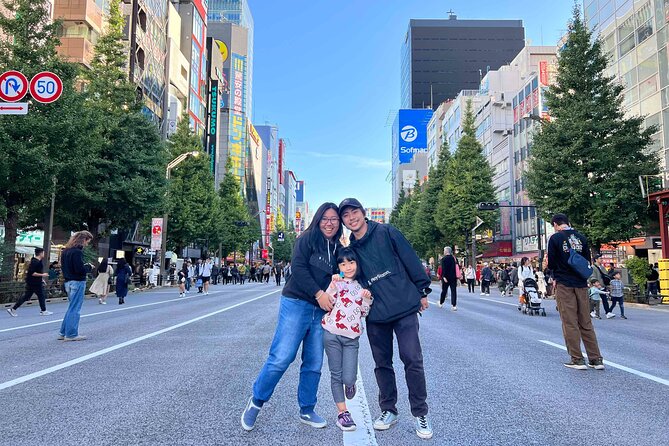
How long is the tour?
The tour lasts about 1 hour 40 minutes to 2 hours.
What is the price per person?
The price is $91.31 per person.
Is this a private tour?
Yes. It is a private tour/activity, so only your group participates.
What are the main stops on the tour?
The tour includes Akihabara Radio Kaikan, GiGO Akihabara 1st, Super Potato, and Kanda Shrine (Kanda Myojin).
What is included in the tour price?
Included are a passionate local guide who loves Akihabara, Japanese Manners 101, a flexible itinerary tailored to your interests, and Wi-Fi.
Is food or transportation included?
No. Food and drinks, and transportation costs are not included.
Do I get a mobile ticket?
Yes. The tour uses a mobile ticket.
Where do I meet, and where does it end?
You meet at atré Akihabara 11-chōme-17-6 Sotokanda, Chiyoda City, Tokyo 101-0021, Japan. The activity ends back at the meeting point.
What is the cancellation policy?
Free cancellation is available up to 24 hours in advance of the experience for a full refund. Canceling less than 24 hours before the start time is not refunded.
More Tours in Tokyo


More Tour Reviews in Tokyo
Not for you? Here's more nearby things to do in Tokyo we have reviewed












Akihabara Tours, side by side.
 ★ 5.0Official Street Go-Kart Tour – AkihabaraFrom $611,578 reviews
 ★ 5.0Tokyo Go Kart: Asakusa, Skytree, and Akihabara **IDP MUST**From $99988 reviews
 ★ 5.0Akihabara Anime & Game Adventure Walking Tour (Group or Private)From $90404 reviews
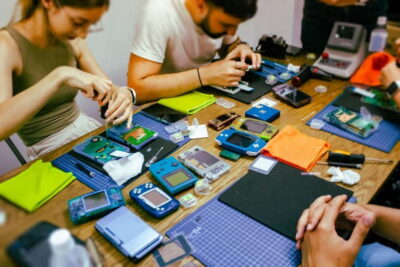 ★ 5.0Gameboy Mod Workshop at AkihabaraFrom $360253 reviews
 ★ 5.0Akihabara Tailor-made Private Tour for Anime FansFrom $132142 reviews
 ★ 5.0Original Street Kart Experience from AkihabaraFrom $51111 reviews
 ★ 5.0Ramen Making from Scratch +Akihabara Tour –Tokyo Cooking ClassFrom $123107 reviews
 ★ 5.0Tokyo’s Must-Sees: 5-hour Tsukiji, Akihabara & Asakusa TourFrom $10188 reviews
This tour also belongs to