
Review · TOKYO CITY TOURS
Creative Japanese Cooking in a Beautiful Tokyo Home with Makiko
Tokyo cooking feels personal here. This 3-hour experience with Makiko blends a local market walkthrough with a hands-on lesson in a real Tokyo home near Komazawa Olympic Park. I love the market skills you pick up, and I love that Makiko teaches practical Japanese cooking techniques that go beyond a recipe card. One possible drawback to plan for is that this is not a commercial studio class, so you’ll be stepping into someone’s everyday home, including a shy cat that usually hides upstairs.
You’ll be met by Makiko at Komazawa-Daigaku station, and there’s pickup from Sakurashinmachi station on the Tokyu Denentoshi Line. After the supermarket stops, you cook for about 1.5 to 2 hours, then sit down and eat the meal you helped prepare at her dining table. The experience is private and personalized, so if you have dietary restrictions, you’ll need to share them ahead of time.
Key Things That Make This Tour Work So Well
- A neighborhood supermarket tour that teaches ingredient habits, not just shopping locations
- Fish and vegetable shopping tips tied to what Japanese families actually cook at home
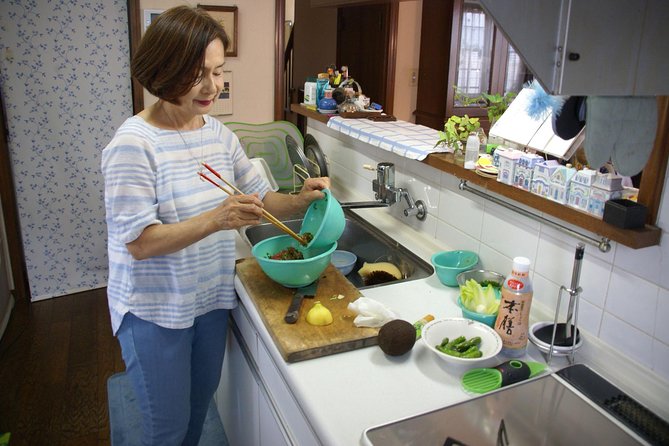
- A private, home-kitchen cooking lesson with detailed process and real-world advice
- Seasonal menus meaning your dishes reflect what’s fresh and typical right now
- A meal together so the cooking lesson ends with something you can enjoy immediately
A Tokyo Home Kitchen Beats the One-Size-Fits-All Class
Most cooking classes in big cities teach steps, but not why the steps work. Here, the value is the full loop, shop first, cook next, and then eat at the table. That flow helps you connect ingredients to technique, like how you choose produce or what to watch for while preparing a dish.
I also like the home setting because it makes the lesson feel more normal and less staged. You’re not just following instructions, you’re getting context about daily Japanese cooking habits. And because it’s private, Makiko can adjust to what your group wants to learn and the seasonal menu.
The tradeoff is scale. This is designed as a visit into a Tokyo home, not a big teaching venue, so don’t expect a flashy, commercial classroom setup. You’re there to learn from a local and share the experience in a smaller, more personal way.
You can also read our reviews of more cooking classes in Tokyo


Getting Oriented: Komazawa Meet-Up and the Route Into Local Life
Your day starts with Makiko greeting you at Komazawa-Daigaku station. There’s also pickup from Sakurashinmachi station on the Tokyu Denentoshi Line, so you’ll want to confirm which station you’re using when your confirmation comes through.
From the start, the emphasis is on local rhythm. You’re not dropped into a scripted tasting lineup, you’re guided to the places where ingredients show up in real meals. It’s also a smart time to go, because supermarkets and small shops are part of daily life, not a tourist performance.
A practical note: the end of the activity is back at the meeting point. So you’re not stuck figuring out how to get home after class, which is a relief when you’re already planning an evening in Tokyo.
The Supermarket Walk: How to Shop Like Makiko
The supermarket portion is a private tour with Makiko, and it’s meant to show you how Japanese cooks shop. You’ll see how locals choose ingredients for everyday cooking, including basics you might not notice as a visitor. The experience is also explicitly focused on Japanese ingredients that are typically used at home.
You’ll likely spend time around areas tied to the kind of meal you’ll cook later, including fish and vegetable shops. That pairing matters, because it helps you understand why the dish uses particular ingredients. When the menu is seasonal, it also teaches you how Japanese cooking adapts rather than clings to a fixed list.
One especially helpful angle from real experiences in this style of tour is how the route can include specific counter shops. For example, Makiko’s path may include butcher-style selection for meat, along with fruit and vegetable stands, and sometimes even a sweet shop stop depending on the menu. If you’re the type who always wonders what to buy and where to buy it, this portion answers that directly.
You’ll also have a chance to ask questions while you’re shopping. If you’re not sure what ingredient does in a Japanese recipe, this is the moment to ask. Makiko can explain the cooking process in detail and point out differences you won’t get from reading an ingredient list.
Back in the Home Kitchen: What the Cooking Lesson Teaches
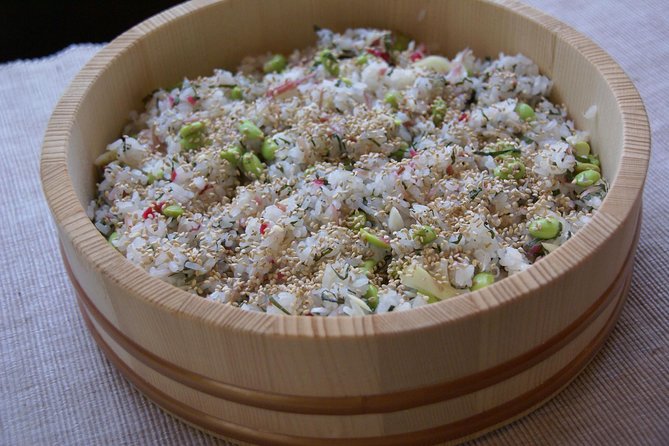
After the shopping portion, you head to Makiko’s home in a neighborhood near Komazawa Olympic Park. The hands-on cooking lesson lasts about 1.5 to 2 hours, depending on the number of people in your group. That timing is long enough for real practice, not just a quick demo, and it usually gives you time to learn more than one step.
Makiko will explain the cooking process in detail, with tips that may not appear in recipe books. That’s where the lesson becomes practical. You’re not only learning what to do, you’re learning what to watch for, like texture, timing, and how ingredients behave during cooking.
Because the menu changes with the season, you’ll cook dishes that fit the current ingredient line-up. That seasonal approach is a quiet but big deal for home cooking. It trains your instincts to choose what’s best right now, which is how local cooks keep meals fresh without relying on imported or hard-to-find items.
If you have allergies, dietary restrictions, or specific cooking preferences, you should advise Makiko at the time of booking. This tour is designed as a personalized experience, so sharing needs early helps avoid surprises later.
The Meal at the Table: Why the Eating Part Matters
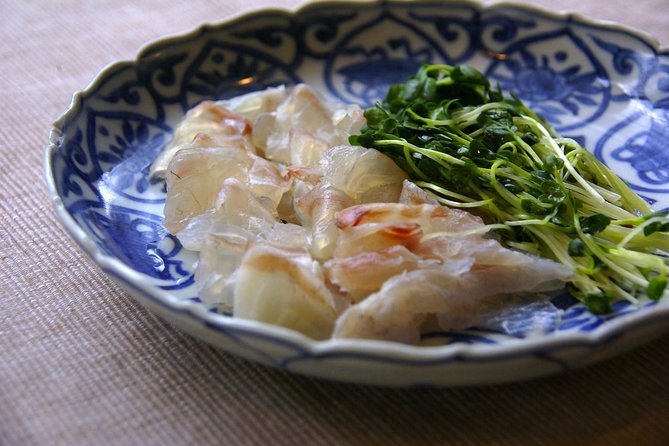
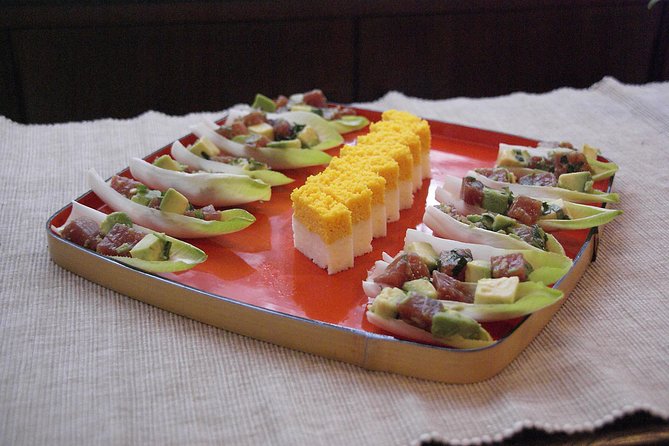
When the dishes are cooked, you sit down together at Makiko’s dining table and enjoy the feast you helped prepare. This is one of those details that sounds simple, but it changes how much you remember.
Eating what you just made locks in the lesson. You can connect flavor, aroma, and texture to the steps you did earlier. You also get a natural chance to ask follow-up questions while you’re enjoying the food.
Makiko’s expertise is part of the appeal here. She’s an expert on Japanese cuisine, so the conversation can cover ingredient roles, regional preferences, or what to try next time you shop for similar items back home. It turns the class into a cultural chat, not just a cooking session.
And yes, you’ll be in a home environment. One additional detail to keep in mind is that there’s a cat in the house that is shy and quiet. It usually hides upstairs when guests are in the home. If you’re sensitive to animals, consider that before booking.






Menu Variations by Season: How to Think About What You’ll Cook
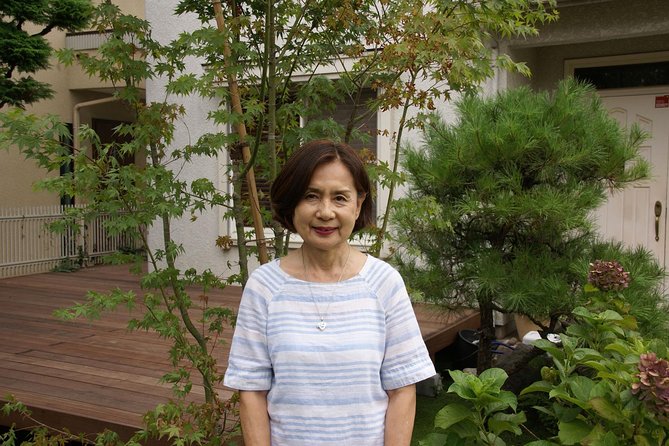
The menu items vary depending on the season, which is stated clearly for this experience. That means you can’t assume you’ll cook the exact same dishes as someone who booked at a different time of year. But the upside is you’re getting cooking tied to what’s fresh and typical right now.
Seasonal menus also keep the tour from becoming repeatable in a way that feels generic. Even if you’ve made Japanese dishes before, you’ll likely learn how an ingredient swap changes technique or outcomes. It’s also a good way to understand how home cooks plan meals without obsessing over complicated sourcing.
If you want certain dishes, the best move is to share your preferences when booking so Makiko can tailor the plan. The experience is private, personalized, and not a commercial class, so that kind of request has a better chance of working here than in a strict group schedule.
Price and Value: Is $89 Worth It for a Tokyo Evening?
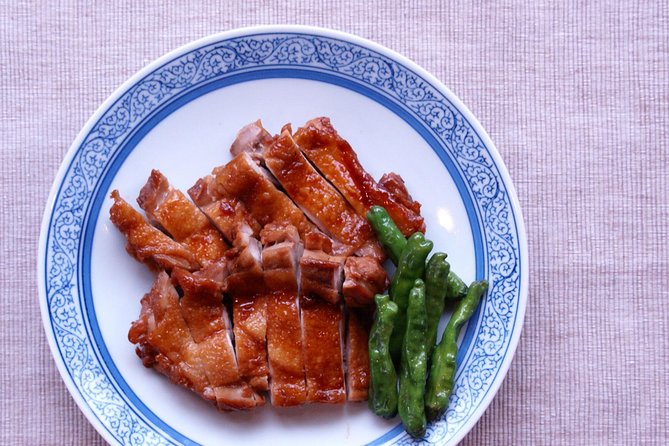
At $89 per person for about 3 hours, you’re paying for a mix of things that add up: a private supermarket tour, a hands-on cooking class, and the meal you cook. There’s also pickup from Sakurashinmachi station on the Tokyu Denentoshi Line, and you get a host who can answer questions as you shop and cook.
If you compare this to a ticketed cooking class that offers only a demonstration or doesn’t include an ingredient shopping segment, the market tour is the value booster. Shopping in Tokyo with a local changes what you can recreate later. You learn what to buy, how to select it, and how it links to the food you’re making that evening.
The private home setting matters too. Even within Tokyo, a true home-kitchen lesson is harder to find than studio-style classes. And because this is presented as a visit into a Tokyo home, you’re more likely to leave with practical habits you can use on your next grocery run.
One note on logistics value: hotel pickup and drop-off is not included. So you’ll want to plan your own transit to the meeting point and station pickup. If you’re staying near a train line, it’s usually manageable, but it can be a small friction point if you’re far from central Setagaya.
When This Tour Fits Best (And When to Choose Cooking Class Only)
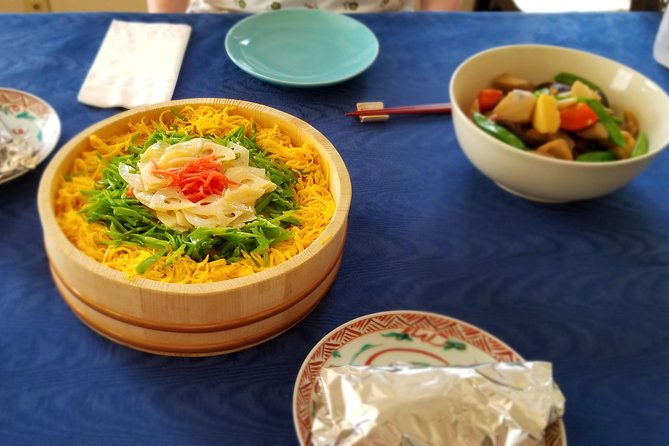
This is a great fit if you want more than recipe instructions. If you care about ingredient shopping habits, you’ll get real value from the local supermarket tour. If you like asking questions while you cook, Makiko’s home kitchen structure is designed for conversation and explanation.
It also works well if you want a more grounded cultural experience than a restaurant meal. You’re seeing how locals live and eat, and you’re taking part in the steps that get Japanese food from store to table.
If you’re mainly there for the cooking itself and you already feel confident about ingredients, the tour offers a Cooking Class Only option. That’s a useful alternative if you’d rather skip the shopping route and focus your time on the meal and technique.
Choose the full experience if your goal is to come away with shopping confidence. Choose Cooking Class Only if you’re time-limited or want less movement between stops.
A Few Smart Tips Before You Go
This tour asks you to show up with some flexibility. The menu may vary by season, and the cooking time depends on the number of people in your group. So think of it as a “learn Japanese home cooking the local way” evening, not a guaranteed dish-by-dish checklist.
Also, plan for the home visit. It’s not a commercial setting, and there’s a cat upstairs that may be hiding while you’re there. Being calm and respectful helps everyone enjoy the evening.
Finally, if you have dietary requirements, send them at booking. The tour explicitly asks you to advise restrictions and preferences ahead of time, and that’s the only way to make sure your meal fits your needs.
Should You Book This Tokyo Cooking Experience?
I’d book this if you want the full arc, shop with a Tokyo native, cook with hands-on coaching, then eat at the table. For the money, the private market tour plus a home-kitchen lesson plus your meal is strong value, especially if you’re the type who wants repeatable skills after you return home.
I’d skip or consider Cooking Class Only if you dislike the idea of being in a local home setting or you prefer a stricter, classroom-style format. It’s also worth double-checking your plan for getting to and from the station pickup and meeting point since hotel pickup and drop-off are not included.
If you’re ready for a smaller, personal evening and you like learning how people actually cook, Makiko’s home kitchen is a smart, practical way to spend a Tokyo afternoon or night.
More Cooking Classes in Tokyo
More Tour Reviews in Tokyo
Not for you? Here's more nearby things to do in Tokyo we have reviewed












Tokyo City Tours, side by side.
 ★ 5.01-Day Tokyo Bus TourFrom $12914,250 reviews
 ★ 4.5TOKYO SKYTREE® Admission ticketFrom $1311,192 reviews
 ★ 4.6teamLab Planets TOKYO Digital Art Museum Entry TicketFrom $259,779 reviews
 ★ 4.0Mt Fuji & Hakone Cruise, Drum Show Bullet Train 1 Day from TokyoFrom $1497,413 reviews
 ★ 5.0Shinjuku Food Tour (13 Dishes at 4 Local Eateries)From $866,603 reviews
 ★ 4.4Tokyo Mt Fuji 5th St & Hakone Cruise Bus Tour w/Bullet TrainFrom $1545,024 reviews
 ★ 5.0Flagship 2-Hours Official Street Go-Kart Tour – Tokyo Bay ShopFrom $644,974 reviews
 ★ 4.5From Tokyo: Mount Fuji Full-Day Sightseeing TripFrom $684,970 reviews
This tour also belongs to