
Review · NIKKO DAY TRIPS
From Tokyo: Nikko UNESCO Heritage Private Guided Tour
Nikko looks best when you can slow down, and this private day trip does that for you. I like the door-to-door pickup from central Tokyo, because it turns a long day into a simple one. I also like that the itinerary is customizable, so you can tilt toward temples and heritage or toward nature and quiet stops. One thing to keep in mind is that it is a full 8-hour day with a lot of driving, so you will want comfortable shoes and a good mindset for a packed sightseeing route.
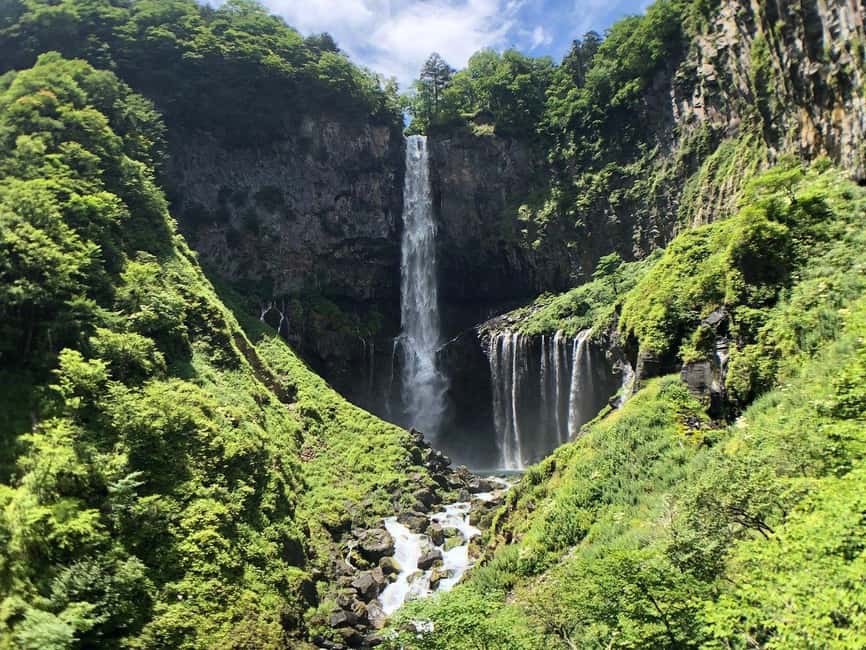
The core of the day is classic Nikko, built around UNESCO sites like Shinkyo Bridge and the Toshogu Shrine complex. You get guided context at each major stop, not just photo stops, and that makes the details easier to remember. On the food side, the highlight is lunch at Ryuzu no Chaya, a teahouse with views of Ryuzu Falls and famous for yuba dishes.
The other big appeal is the quieter Nikko moments. You may add onsen village time in Kinugawa or Yunishigawa, plus secret forest walks with cedar-lined trails and hidden shrines. If you prefer lots of pure free time with no structure, a private guided plan might feel a bit more scheduled than you want, but you do have some flexibility built in.
Key highlights worth planning for
- Hotel pickup and drop-off in central Tokyo keeps the trip stress-light and reduces navigation hassle.
- Ryuzu no Chaya lunch pairs yuba specialties with a scenic pause by Ryuzu Falls.
- Secret forest walks focus on calmer cedar trails and hidden shrines, not just famous landmarks.
- Flexible itinerary lets your guide shape the day around your interests.
- UNESCO stops with guided time at Shinkyo Bridge and Toshogu Shrine help you understand what you are seeing.
- Onsen village possibility in Kinugawa or Yunishigawa adds local atmosphere beyond shrines and waterfalls.
A private Tokyo to Nikko day that runs on your schedule
This is an 8-hour private tour designed to get you out of Tokyo and into Nikko without the typical self-planning friction. You start in Tokyo and return to Tokyo, with hotel pickup and drop-off for accommodations in central Tokyo (the 23 wards area). That matters because Nikko day trips can turn into a logistics puzzle if you are juggling trains, transfers, and timing.
Your transport is a modern, air-conditioned private car or van. That is a big practical win if your group includes people who do not want to lug bags around or squeeze into crowded public transit. It also helps you stay comfortable during the long drive, which is usually the part of the day that determines whether you feel relaxed or rushed.
The tour is private, so you are not sharing your day with strangers. It also supports up to 6 people per group, which is great if you are traveling with family or a small circle of friends. And yes, it is wheelchair accessible, so the day is set up with accessibility in mind.
You can also read our reviews of more guided tours in Tokyo
Why Nikko UNESCO sites work well in 1 day
Nikko is one of those places where the famous spots are worth it, but the best experience comes when you understand what the sites represent. This tour is built around UNESCO-era landmarks and the surrounding nature that makes the area feel distinct from Tokyo.
You do not just pass by the headline attractions. You get guided time at key stops, including Shinkyo Bridge and the Toshogu Shrine area. That guided time gives you context so you are not just collecting pictures. You are learning the story behind the architecture, the sacred layout, and why people keep returning to this valley.
At the same time, the day is not only monuments and steps. The itinerary also gives you time for falls, lakes, and quieter walking segments. That balance is what makes the trip feel like a real Nikko day rather than a shrine checklist.
Shinkyo Bridge to Toshogu Shrine: iconic views with guided context
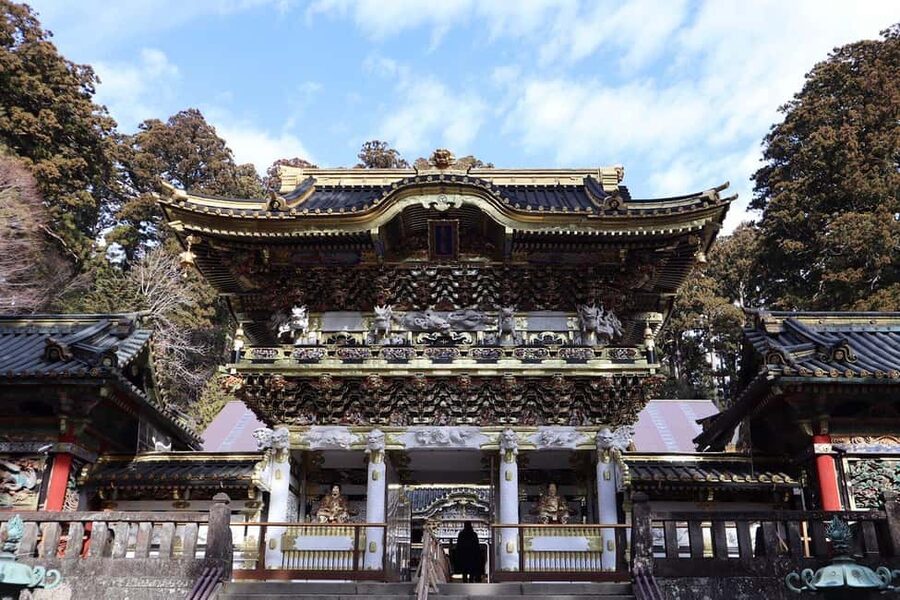
Your morning begins with Shinkyo Bridge, with about 1 hour for the visit and guided tour. Even if you think you already know what Shinkyo looks like from photos, seeing it in person changes the scale. The bridge is a focal point, and the guided time helps you notice details you might otherwise miss.
Right after that, the plan moves to Nikko Toshogu for another hour of guided touring with photo stops. Toshogu is the kind of place where everything can look ornate, so the value of a guide is turning visual overload into something you can actually take in. You get the chance to slow down for photos, while still having a structure that prevents the day from feeling chaotic.
A small drawback to consider: both of these early stops start establishing the visual theme of the day, and they can feel busy if you arrive expecting long, quiet wandering. If you want a more reflective pace, ask your guide for calmer viewpoints or shorter photo bursts rather than trying to do everything at once.
Ryuzu Falls and yuba lunch at Ryuzu no Chaya
Then comes the payoff: Ryuzu Falls. You get a photo stop and guided time, plus a generous lunch block and free time. The schedule gives you about 2 hours at this section of the day, which is a smart move. It lets lunch be more than a quick meal, and it gives you room to enjoy the waterfall area without constantly checking the clock.
Lunch is at Ryuzu no Chaya, with special yuba dishes. Yuba is one of those foods that feels very local, and having it during a scenic stop is what makes this lunch memorable instead of just convenient. A teahouse meal by the falls also means you are eating in the same setting that makes Nikko famous, which helps the whole day feel connected.
What I like about this part of the itinerary is the pacing. After shrine-heavy time, you shift to nature and food. You also have breathing room to decide how long you stay by the falls, which is helpful if your group includes different energy levels.
Kanmangafuchi Abyss and Jiunji Hondo Temple in practical walking time
Next up is the Kanmangafuchi Abyss and Jiunji Hondo Temple, again with a guided tour plus photo time. This section works well for people who want something a bit different from the bright, gold-toned shrine aesthetics earlier in the day.
The abyss stop is one of those Nikko moments that feels visually dramatic without needing to be complicated. The guided time helps you make sense of the place so it does not become just a dramatic view from a single spot. You get time to move around and take in the temple setting as well, rather than only standing at the edge and leaving.
A consideration here: depending on the season and conditions, walking and photo positioning can take longer than you think. Keep your schedule mindset flexible, especially if someone in your group wants a lot of photos.
You can also read our reviews of more private tours in Tokyo
Rinnoji Temple: a shorter stop that keeps your day from dragging
Your itinerary includes Nikkozan Rinnoji Temple with about 30 minutes for photo stop and guided tour. This shorter timing is a quiet win. After several longer sections, you get enough time for context and photos, but the day stays moving.
This kind of stop is ideal if you want a sense of place without feeling trapped in slow crowds for hours. It also helps create a natural rhythm, so by the time you reach the lakes and falls later, you still have energy.
Secret forest walks: cedar trails, hidden shrines, and possible wildlife sightings
One of the more interesting parts of this experience is the secret stop, which includes a photo stop, visit, and about 1 hour of guided time. The highlight description also points to secret forest walks, with peaceful cedar-lined trails and hidden shrines. That is where Nikko starts to feel less like a theme park of landmarks and more like a lived-in mountain region.
From the reviews, guides have also pointed out wildlife during forest time. In one example, the guide Sarfraz helped spot snow monkeys and other animals during the day. Another guide, Cheema, pointed out monkeys and deer in the forest as well. I cannot promise wildlife every day, but the fact that guides look for it tells you they are paying attention to more than just the famous postcard stops.
If you prefer quiet nature moments, this is the part to lean into. If you are the type who wants maximum famous landmarks, you can still enjoy it, but you might want to ask your guide how much time you can spend versus how much time they plan to keep for the big sights.
Lake Chūzenji viewpoints and the run up to Kegon Falls
As the day moves toward Lake Chūzenji, you get another photo stop and about 1 hour of guided time. Lake Chūzenji helps diversify the day. After shrine architecture and waterfall viewpoints, the lake gives you open space and a slower visual tempo.
Then you head to Kegon Falls with a photo stop and guided tour time. Kegon Falls is one of those Nikko attractions that people talk about because it is a true spectacle. With guided time, you also get help choosing viewpoints and understanding what you are looking at instead of only rushing through.
If you are traveling in winter, ice and slippery footing can turn a scenic moment into a tricky one. The tour is designed to include walking and viewing time, so bring a careful pace and keep traction in mind. Comfortable shoes matter more than you think on these days.
Onsen village life in Kinugawa or Yunishigawa, if your plan includes it
The tour highlights mention an onsen village visit, either Kinugawa Onsen or Yunishigawa Onsen. Because the itinerary is customizable, this is something you can often shape based on what you want from the day.
This is a great fit if you want a more old-school Japan feel beyond shrines and waterfalls. Village streets can slow the day down, and even a short stroll can help you see how the area lives around tourism and hot spring culture. It is also a nice balance if your group includes non-museum people who still want something memorable.
One practical note: the day is already packed with major Nikko sites. So if you prioritize onsen village time, you may want to ask your guide which stops can be shortened or adjusted without cutting the heart of the day.
Guides who adapt, from Sarfraz to Cheema
In a private tour, the guide is not a minor factor. It is the engine. The reviews give clear signals about what matters: punctuality, calm communication, and flexibility.
Sarfraz, for example, was praised for accommodating special requests and for keeping the day comfortable. In one case, he even handled a request for a calm stop for a business call using provided wifi. That kind of adaptability is rare. It means your day is not just pre-scripted.
Cheema was also praised for being on time, staying in contact during the day, and spotting animals in the forest area, including monkeys and deer. That is the difference between a driver who follows a route and a guide who actively reads the environment and the group.
The tour is offered with English and Japanese speaking guides. If you want clarity on what you are seeing, guided time at each stop is built into the schedule. And if you prefer a lighter touch, the reports emphasize that the guidance can be informative without feeling overpowering.
Price and value: when $376 per group actually feels fair
The price is $376 per group, up to 6 people, for an 8-hour private tour. On paper, private travel can sound expensive. In practice, the value shows up in three places.
First, you get hotel pickup and drop-off plus round-trip transport in a private, air-conditioned vehicle. That removes a lot of friction that you would otherwise spend time managing.
Second, you get an English-speaking professional guide with local expertise, plus guided time at major UNESCO sites. For many people, the guide is the difference between seeing sights and actually understanding what you are looking at.
Third, lunch is included at Ryuzu no Chaya, with yuba specialties. Food and drinks are not an afterthought here. You also get bottled water and tea and coffee during the tour.
So when does this make the most sense? If you are traveling as a group of two to six, the per-person value usually looks much more reasonable, especially compared to paying for separate transport and adding a paid guide later. If you are just one person, it can still be worth it for the convenience and the private pacing, but you will feel the cost more. Either way, you are paying for a day with reduced hassle and a structured plan.
Practical tips so your Nikko day feels easy
This tour is built for comfortable movement, but you still do real sightseeing. Wear comfortable shoes because you will be walking at multiple stops. Also plan for a full day rhythm, with photo time, guided time, and natural breaks.
You will be asked to be ready at your pickup at least 10 minutes early. On a day where you want to arrive calmly and not start stressed, that little buffer matters.
If accessibility is a concern, the tour is listed as wheelchair accessible. Bring up any specific needs with the provider before you go, so your guide can plan pacing and stop durations.
Should you book this Nikko UNESCO private guided tour?
Book it if you want a structured Nikko day without the stress of planning and timing. The mix of UNESCO stops, Ryuzu Falls lunch at Ryuzu no Chaya with yuba, and the chance for secret forest walks gives you variety in one trip. The private format also helps if your group includes people with different energy levels, because your guide can adjust the day within the customizable plan.
You might think twice if you love slow, unguided wandering and would rather spend half a day in one place. This itinerary is meant to cover many of Nikko’s top areas in 8 hours. It is efficient, and that efficiency is part of the value.
If you do book, I would pick your priorities before the morning starts. Decide what matters most to you: Toshogu and Shinkyo, the waterfall focus, or the calmer forest and potential onsen village time. Then your private guide can shape the day so it matches your idea of a great Nikko day.
FAQ
How long is the Nikko UNESCO private guided tour from Tokyo?
The tour lasts 8 hours.
Is hotel pickup and drop-off included in central Tokyo?
Yes. If your accommodation is in central Tokyo (23 wards), the tour includes hotel pickup and drop-off.
What are some of the main stops on the itinerary?
The day includes Shinkyo Bridge, Nikko Toshogu, Ryuzu Falls (with lunch), Kanmangafuchi Abyss and Jiunji Hondo Temple, Nikkozan Rinnoji Temple, a secret stop for forest walks, Lake Chūzenji, and Kegon Falls.
Is lunch included, and what do you eat?
Yes. Lunch is included at Ryuzu no Chaya, with special yuba dishes.
What language is the guide, and is it a private group?
The guide provides English and Japanese. It is a private group, with pricing for a group up to 6 people.
Does the tour include transportation and refreshments?
Yes. You get transportation in a modern, air-conditioned private vehicle. Bottled water, tea, and coffee are provided during the tour.
What is the cancellation policy?
The tour offers free cancellation up to 24 hours in advance for a full refund.
More Guided Tours in Tokyo
More Tours in Tokyo




More Tour Reviews in Tokyo


Not for you? Here's more nearby things to do in Tokyo we have reviewed












Nikko Day Trips, side by side.
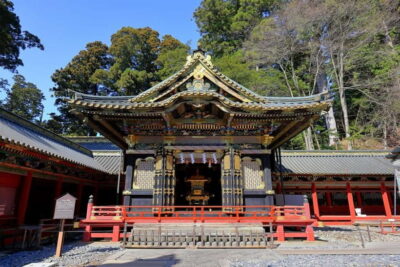 ★ 4.6Nikko: Kegon Falls, Lake Chuzenji & Toshogu TempleFrom $891,577 reviews
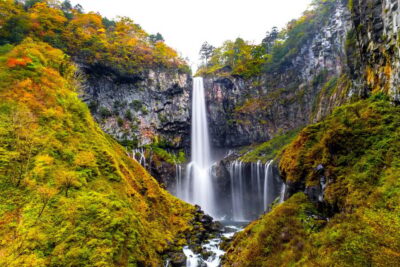 ★ 4.5Nikko Toshogu Shrine and Kegon Waterfall TourFrom $841,266 reviews
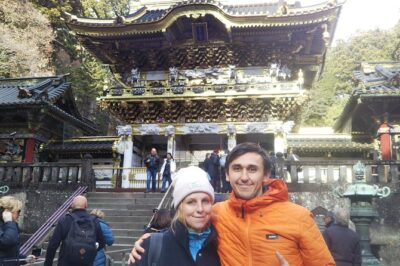 ★ 5.0Nikko Full-Day Private Tour with Government-Licensed GuideFrom $155259 reviews
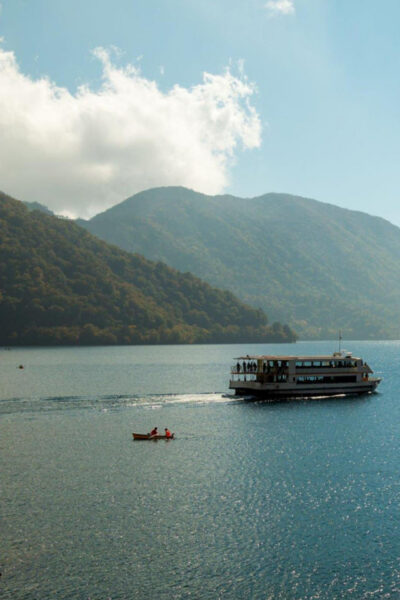 ★ 4.9From Tokyo: Nikko World Heritage Site Private Full-Day TripFrom $483243 reviews
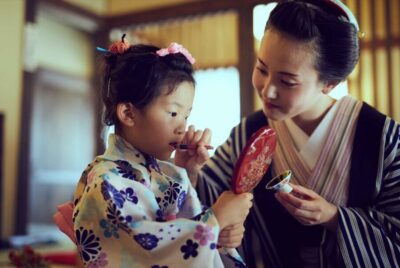 ★ 4.3Nikko: Edo Wonderland Edomura Cultural Theme Park TicketFrom $35205 reviews
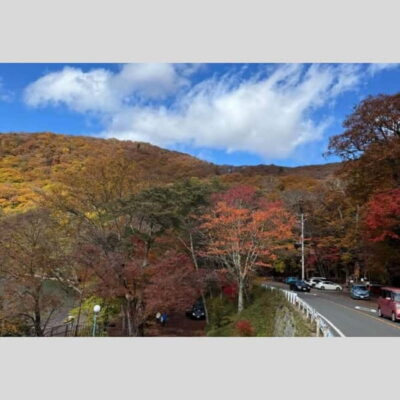 ★ 4.8Nikko World Heritage Private Day Trip Hotel Pick-upFrom $390145 reviews
From Tokyo: Nikko World Heritage Sight Full Day Private TourFrom $362127 reviews
★ 4.8Nikko World Heritage Private Day Trip Hotel Pick-upFrom $390145 reviews
From Tokyo: Nikko World Heritage Sight Full Day Private TourFrom $362127 reviews
 ★ 4.9Nikko – Beautiful Full-Day Personal and Private TourFrom $364119 reviews
This tour also belongs to