
Review · HAKONE DAY TRIPS
Hakone Full-Day Private Tour(Tokyo DEP.) with Government-Licensed Guide
Hakone can feel like a puzzle until someone solves it. This full-day private tour hires a government-licensed English guide to take you from Tokyo into the Hakone hot-spring country with custom stop choices.
I like the freedom to pick about 3-4 sights instead of being herded through a fixed loop, and I like that the plan includes the hard part, getting you from place to place using Japan’s train and local connections.
One consideration: the guide service is included, but meals, entrance fees, and most transport costs are not, so you’ll need to budget on top of the tour price.
The guide-powered highlights you should care about
- Government-licensed English guide plus local know-how that helps you avoid transit stress.
- Pick 3-4 Hakone sights from a long menu, so you can match weather and your interests.
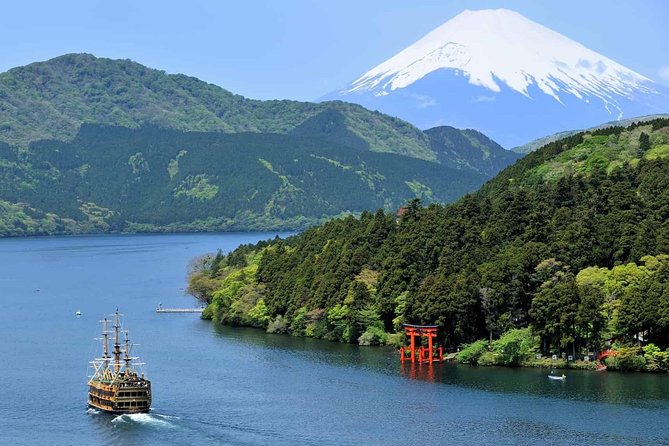
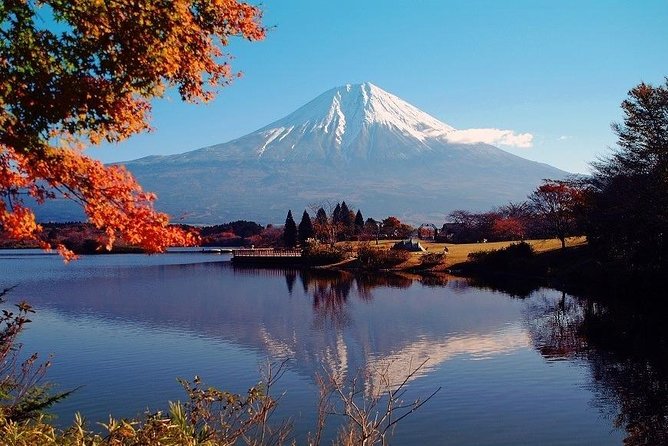
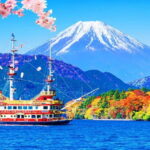
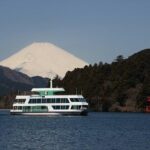
- Mount Fuji spotting is a real goal here, especially around Lake Ashi, with big, open views.
- Volcano and hot-spring area access, including Owakudani options that add drama and steam.
- Art museum choices from classic indoor galleries to the famous outdoor stained glass staircase at Hakone Open-Air Museum.
- Walking-based day with on-foot pickup and lots of hopping between stations, so comfy shoes matter.
The big advantage: you’re paying for logistics, not just sightseeing
Hakone is gorgeous, but it’s also spread out. You can absolutely do it on your own, yet you’ll spend energy figuring out which train line, which cable car, which transfer, and which ticket makes sense. This private day trip pays for the guide brains that do that math for you.
The best part is how the tour is designed around choice. Instead of a rigid schedule where you have to love every stop, you choose about 3-4 sights from a menu. That makes it easier to build a day around what you actually want: Fuji views, volcano steam, art stops, Zen calm, or a mix.
And in the praise this service has earned, the names Michio, Yoshi, Taka, and Nobu show up as examples of guides who are praised for being organized and practical. Even if you get a different guide, the expectation is the same: clear routing, smart timing, and explanations that help you enjoy places faster instead of guessing.
You can also read our reviews of more guided tours in Tokyo


Price and value: what’s included, what’s on you, and why it can still be worth it
The tour is listed at $279.17 per person for about 10 hours, and it’s private. That matters because you’re not splitting a guide with strangers, so your time stays focused on your chosen stops.
Here’s the honest breakdown based on what’s provided:
- Included: licensed local English speaking guide, customizable itinerary of about 3-4 sites, and meeting within a designated Tokyo area on foot.
- Not included: round-trip Tokyo to Hakone train ticket (about 5,000 JPY for yourself), transportation fees within the day, entrance fees, lunch, and personal expenses.
- Not included: private vehicle (this is transit-based).
- Not included: Hakone Freepass.
So is it good value? For a day trip that would otherwise require real planning, yes. You’re paying to compress decision-making and transportation into one guided plan. The savings show up in your time and reduced stress, especially if you don’t read Japanese signage well or you’d rather not spend your day solving ticket puzzles.
If you are the kind of person who enjoys planning routes and buying every ticket yourself, you might not need a private guide. But if you want Hakone to feel smooth, efficient, and confidence-building, the math often works.
Getting to Hakone from Tokyo without turning your day into a transit chore
The tour runs about 10 hours, and you’ll meet your guide at your Tokyo hotel or at a port or airport pickup point, with pickup described as on foot within a designated Tokyo area. Then your guide handles the train and local connections you’ll use to reach Hakone and move around inside the region.
This kind of day trip is easiest when you treat it like a schedule with flexibility, not like a sightseeing checklist. Hakone has multiple transport modes that connect in a chain: rail, cable, and walking stretches between stations and viewpoints. The guide experience shows up in the details like sequencing, timing, and making sure you’re not doubling back.
One more practical point: the itinerary you see is a menu, and you choose about 3-4 stops. That keeps you from spending half your day in transit and gives you time to actually enjoy the places.
Choosing your 3-4 Hakone sights: how to build a day that fits your mood
Since the tour is customizable, I’d pick stops by theme. Here are solid ways to decide.
If you want classic Fuji views and calm scenery
- Lake Ashi (Ashinoko)
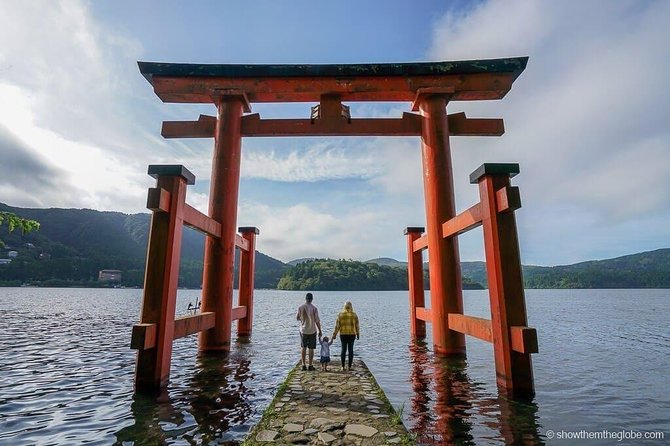
- Hakone Shrine
- Optional add: Hakone Ropeway for sweeping aerial views
This combo keeps things visual and iconic, with an easy pacing.
You can also read our reviews of more private tours in Tokyo

If you want volcano drama and hot-spring energy
- Owaku-dani Valley
- Optional add: Owakudani Nature Research Trail (reservation required)
This gives you the steam, the black eggs, and close-up geothermal activity.
If you want art and easy wandering
- Pick from Hakone Open-Air Museum, Pola Museum of Art, Okada Museum of Art, and others
- Add a quieter temple like Choanji Temple or a park break like Gora Park
This works well if you prefer indoor space or slow walking.
If you like quirky museums and small moments
- Dollhouse Museum Hakone
- Hakone Venetian Glass Museum (Hakone Glass no Mori)
- Optional: Narukawa Art Museum for nihonga-style painting
This is a fun option when you want something different from the usual temple and viewpoint lineup.
Lake Ashi, Hakone Shrine, and the Hakone Ropeway: the Fuji postcard plan
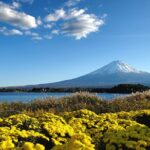
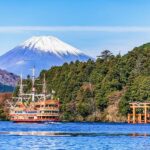
If the sky cooperates, this area is where Hakone delivers those postcard views. Lake Ashinoko sits in the caldera of Mount Hakone, after the last eruption about 3,000 years ago. It’s the kind of place that instantly tells you you’re in a volcanic landscape without needing a textbook.
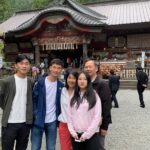
Next is Hakone Shrine (Hakone-jinja), a tranquil worship site with roots stretching back more than 12 centuries. What I appreciate about stopping here is that it’s not just a photo spot. The setting is quiet, and it breaks up the more mechanical feeling of ropeways and train stations.
Then consider the Hakone Ropeway, which connects Sounzan Station and Togendai Station as part of the broader Hakone Round Course. This is one of those transport links that’s actually a sightseeing experience. The payoff is the view you get while riding, and you also use it as a smart routing tool to move between areas.
Time-wise, these are efficient picks: short stops that fit well into a 3-4 sight day.
Owaku-dani Valley and the Owakudani trail: steam, sulfur, and your caution check
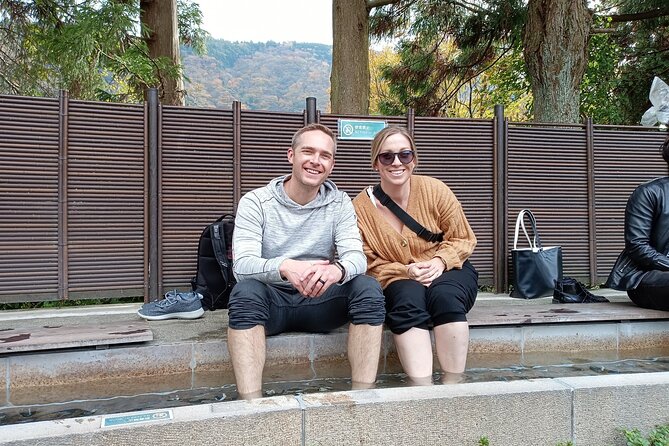
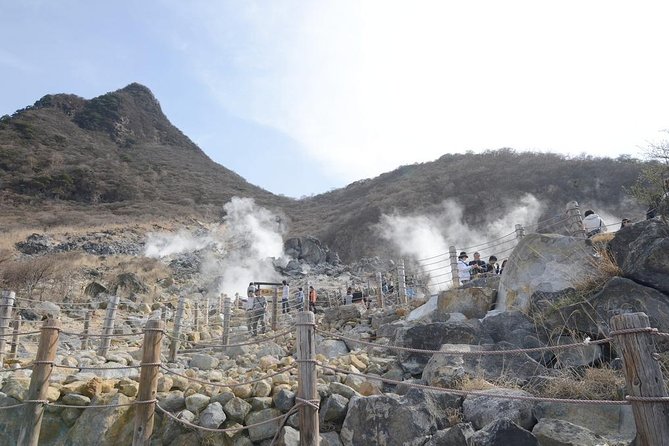
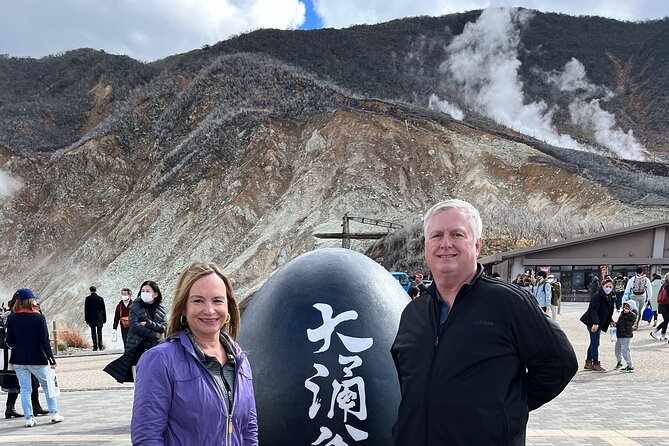
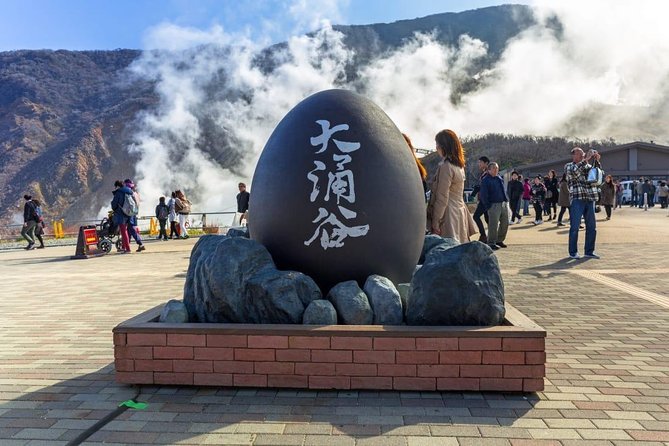
Owaku-dani Valley is where Hakone feels most alive. It’s an active volcanic area tied to the hot springs of the region. You’ll see the geothermal activity and feel that you’re standing in the real engine room behind Hakone’s hot spring culture.
The “what to do” here includes trying the famous black boiled eggs that are said to bring long life. Even if you skip the eggs, the setting is memorable in its own right.
There’s also Owakudani Nature Research Trail, a special walking trail through the active volcanic area. One important detail: advance reservation is required, and there’s an 800 yen entrance fee. That’s exactly the kind of added step your guide can help you manage, but it also means you should treat this as a must-plan item if you want to include it.
Practical consideration: volcanic areas can be busy and can have weather conditions that change quickly. If fog rolls in, you may still get the geothermal sights, but don’t expect dramatic visibility every minute.
Art in Hakone: choosing between outdoor magic and tidy indoor museums
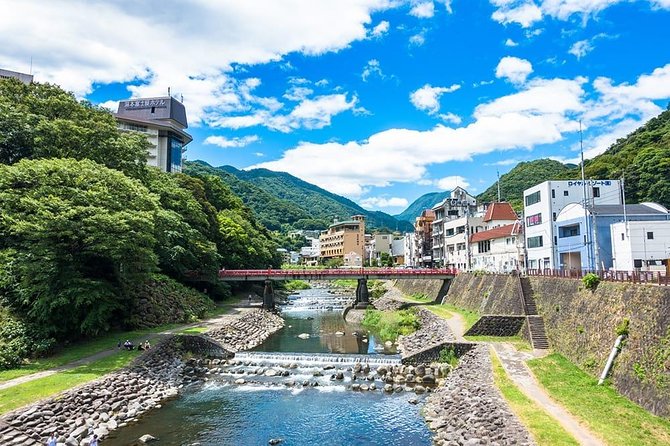
Hakone is seriously good for art, even if you’re not an art fanatic. The key is that the museums here don’t all feel the same, so you can match your energy level.
Hakone Open-Air Museum: the big-ticket stop
One of the headline options is The Hakone Open-Air Museum, with a key feature mentioned as a stained glass staircase. It’s one of those places where you get both art and physical space, and the time block is generous at about 2 hours. If you only pick one museum, this is the kind of stop many people choose for a reason.
Pola Museum of Art and Okada Museum of Art: calmer indoor focus
Pola Museum of Art and Okada Museum of Art are included as options at about 30 minutes each. Pola was opened in 2002 to display a private art collection, and Okada Museum of Art focuses on works spanning from antiquity to modern pieces. If you want something lighter or you’re pairing art with a temple and a viewpoint, these fit neatly into a 3-4 stop day.
Hakone Museum of Art and other smaller add-ons
Hakone Museum of Art is another option, located in Gora and founded in 1952. There are also other short stops that can fill time without overwhelming you, like Narukawa Art Museum, focused on nihonga, Japanese-style painting.
My advice: if you pick an outdoor museum like Hakone Open-Air, keep the rest of your art choices shorter. That way you don’t spend the whole day inside and end up missing Hakone’s scenery.
Sengokuhara, Choanji Temple, and Gora Park: the calm between the big sights
Hakone isn’t only steam and museums. It also has quiet corners where the pacing slows.
Sengokuhara is a field famous for long pampas grass, especially beautiful in fall. Even if you’re not there in peak season, the idea here is a more open, airy break between heavier stops.
Choanji Temple is a Soto Zen temple established in 1356, in the Sengokuhara area. It’s described as an atmospheric, quiet spot at the base of a hill. This is a great choice if you want a pause that feels like a reset, especially after Owakudani.
For a more relaxed, scenic break, Gora Park is a western-style landscape park on the slope above Gora Station. The idea is simple: take a breather and enjoy views while you reset your legs.
These stops aren’t just filler. They make the day feel balanced, not like a rushed rotation of ticketed attractions.
Wetlands, dolls, glass, and nihonga: pick the quirky stops that match you
If you like the slightly unusual side of Japan, Hakone has options that feel different from the standard temple viewpoint routine.
- Hakone Shisseikaen is a botanical garden focused on wetlands, founded in 1976 to preserve species. It’s listed as a short stop, about 30 minutes, which makes it easy to include without blowing up your schedule.
- Dollhouse Museum Hakone runs about 1 hour. It’s a charming choice for miniature lovers, and it’s also a good way to add variety when your other stops lean scenic or geothermal.
- Hakone Venetian Glass Museum (Hakone Glass no Mori) includes Italian-styled buildings and shops, plus a strollable garden around a canal-like pond. It’s listed as 30 minutes.
- Narukawa Art Museum is a short 10-minute option focusing on nihonga paintings. Even if it’s a quick visit, it can add a distinct Japanese art flavor.
The guide’s role here is important. In a private day trip, you can swap these in or out depending on your mood and the weather.
Small timing tips that make or break a Hakone day
Because this is a walking-based private day trip, your comfort matters more than usual. Pick shoes you can trust for station transfers and uneven ground near viewpoints.
Also, plan for a day where weather can change your results. Mount Fuji views are a stated goal of the area around Lake Ashi, but visibility is never guaranteed. This is exactly why you should choose your stops with backup options in mind: if Fuji is hidden, you can still enjoy shrines, art, and geothermal scenes.
One more tip based on how Hakone works: aim for fewer, better stops. This tour’s design, about 3-4 sites, is meant to prevent the classic mistake of cramming in too much and feeling tired instead of inspired.
Finally, the tour’s booking trend shows it gets reserved a fair amount ahead of time, with an average booking window around 71 days. If you have a narrow travel window, book early.
Who this tour suits best
This is ideal for you if:
- You want a private, government-licensed English guide and don’t want to spend your day decoding transit.
- You like choice. Selecting 3-4 stops means you can build a day around Fuji views, art, or volcanic sights.
- You’re traveling in a small group where private routing is worth the cost.
It might be less ideal if:
- You’re perfectly comfortable building Hakone routes yourself, buying every ticket, and tolerating a complex day plan.
- You expect entrance fees and transport to be fully covered, because they are not.
Should you book? My practical take
I’d book this Hakone private day trip if you want Hakone to feel like a well-run day instead of a scramble. The price is not cheap, but the value shows up in the included guide time plus the custom stop selection that prevents wasted sightseeing.
If you plan carefully, it can be a memorable way to experience Lake Ashi, Hakone’s shrine atmosphere, and the volcano energy of Owakudani, with art stops as the flexible bonus.
If you’re traveling on a tight budget or you love self-guided planning, you might not need it. But if you want Japan to do what it does best, smooth infrastructure guided by someone who knows the connections, this is the kind of day trip that can pay off fast.
FAQ
How long is the Hakone full-day private tour?
It runs about 10 hours.
Where do I meet the guide in Tokyo?
You meet your guide at a port, airport, or your Tokyo hotel. Pickup is described as on foot within a designated Tokyo area.
Is this tour private or shared?
This is a private tour/activity, and only your group participates.
What language is the guide?
The tour includes a licensed local English speaking guide.
Can I choose which Hakone stops to visit?
Yes. You can customize your itinerary by choosing around 3-4 Hakone sights from the list of available stops.
What does the tour price include, and what does it not include?
The guide service is included, including the customizable tour and guide support. Not included are the round-trip Tokyo to Hakone train ticket for you (about 5,000 JPY), transportation fees, entrance fees, lunch, and other personal expenses. A private vehicle is also not included.
Do I need a reservation for the Owakudani Nature Research Trail?
Yes. Advance reservation is required, and there is an 800 yen entrance fee.
FAQ
Can I cancel for a full refund?
You can cancel up to 24 hours in advance for a full refund, based on the experience’s local time.
More Guided Tours in Tokyo


More Tours in Tokyo


More Tour Reviews in Tokyo

Not for you? Here's more nearby things to do in Tokyo we have reviewed



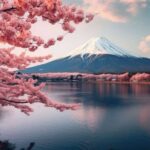


Hakone Day Trips, side by side.
 ★ 5.0Mt Fuji and Hakone 1-Day Bus Tour Return by Bullet TrainFrom $16326,383 reviews
 ★ 4.0Mt Fuji & Hakone Cruise, Drum Show Bullet Train 1 Day from TokyoFrom $1497,413 reviews
 ★ 4.4Tokyo Mt Fuji 5th St & Hakone Cruise Bus Tour w/Bullet TrainFrom $1545,024 reviews
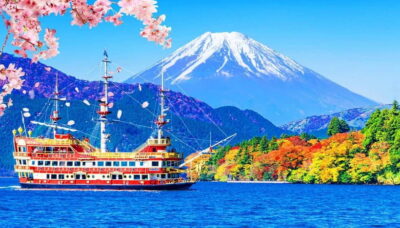 ★ 4.7Mt. Fuji Tour, Hakone Ropeway, Owakudani, Lake AshiFrom $544,002 reviews
 ★ 4.2Mt. Fuji 5th Station & Hakone Cruise 1-Day Bus TourFrom $1292,381 reviews
 ★ 5.0Private Tour to Mt. Fuji and Hakone (Fully Licenced Operator)From $4971,910 reviews
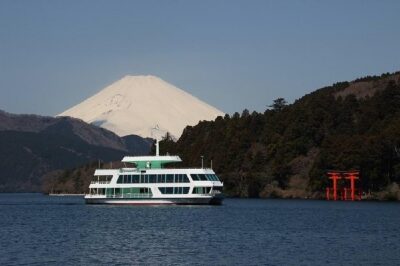 ★ 4.0Mt Fuji & Hakone Cruise, Drum Show Bus 1 Day from TokyoFrom $1221,287 reviews
 ★ 4.2From Tokyo: Mt. Fuji & Hakone Tour w/ Return by Bullet TrainFrom $1171,278 reviews
This tour also belongs to