
Review · ASAKUSA TOURS
Kimono and Tea Ceremony in Asakusa Private Food Tour With Guide
Tokyo in kimono feels like stepping into a film.
This small-group tour pairs kimono styling with a real tea ceremony, plus tastings as you explore Asakusa. I like that it stays compact, and I like that it’s built around food, not just photos.
I especially love two things: you get help choosing a kimono (and the obi), and you spend real time eating your way through Asakusa with guide Adam. One consideration is the format is tight, so if you want a long, slow day, this 4-hour plan might feel a bit scheduled.
Key reasons this Asakusa kimono-and-tea tour makes sense
- Eight-person cap keeps the attention on you, not on a crowd.
- Guide Adam adds context and Japan living details, not just directions.
- Tea ceremony plus tastings mean you leave fed, not just photographed.
- Asakusa icons are part of the route, with time at Sensō-ji and the Nakamise approach.
- A5 Wagyu experience is a serious upgrade compared with typical snack-only tours.
Why Asakusa in kimono hits different at 11:00 am
Asakusa is one of those Tokyo areas where people often rush, snap photos, and call it done. This tour makes it slower, more intentional, and frankly more fun because you change how you move through the streets. When you’re dressed in a kimono with the obi and traditional footwear, you naturally slow down and look more closely.
The timing also helps. Starting at 11:00 am gives you a practical midday window, and the tour is only about 4 hours total. That means you get the Asakusa experience without stealing your entire afternoon from the rest of Tokyo.
You can also read our reviews of more food & drink experiences in Tokyo

Getting dressed with the obi and wooden sandals
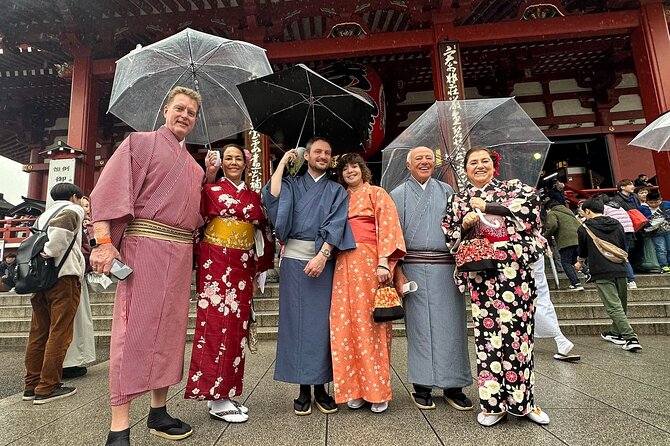
The big attraction here is the transformation part. You’ll get help dressing in either a traditional or modern kimono style, and you’ll complete the look with the obi sash and wooden sandals. This isn’t something you have to stress about on your own, which matters in Tokyo where dressing can be a small skill test if you’re learning from scratch.
Also, the tour is designed so the clothing isn’t just costume. You’re guided through Asakusa while wearing it, so the kimono becomes part of the experience rather than a pre-tour photo stop. The result is what you want from this kind of activity: you look like you belong in the scene, and you get photos that feel earned.
One practical reality: wooden sandals can feel unusual if you’re not used to them. Plan to take it easy on steps and crowds. If you’re expecting flip-flop comfort, you might be disappointed.
Meet guide Adam, then walk with a plan
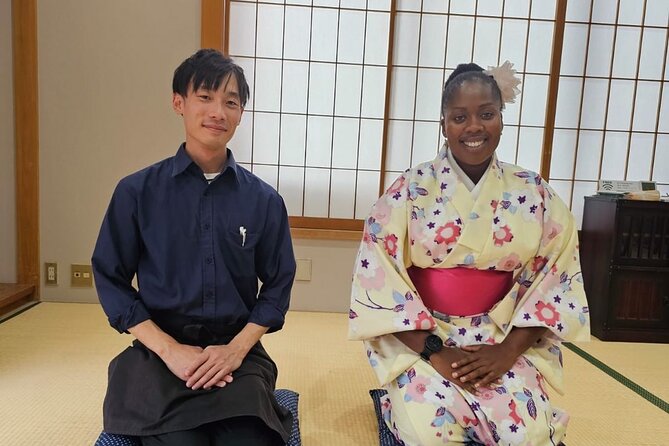
A key part of the magic is the guide. In the reviews tied to this experience, Adam gets consistently positive notes for being informative and genuinely fun. You’re not just following a script. You get background on what you’re seeing, and you also hear small, real-life details about living in Japan and how everyday culture works.
And because the group is capped at 8 people, the pacing stays human. In a larger tour, you often spend half your time waiting. In this format, you can ask questions, get advice, and keep moving.
Sensō-ji Temple: free admission, big atmosphere
Your route includes time at Sensō-ji, Tokyo’s oldest temple and one of Asakusa’s key landmarks. The schedule gives you about 1 hour here, and admission is free, so you’re not paying extra just to see it.
What I like about this stop is that it’s not only about the main hall. You’re there as part of a walking day, so you get a sense of how the temple sits inside the neighborhood. Wearing a kimono makes the contrast more striking, because the scene feels both traditional and unmistakably Tokyo.
What to watch for: Asakusa can get busy around temple areas, and you’ll be on foot in a small group. If you tend to get overwhelmed by crowds, arrive with patience and keep your expectations flexible. You’ll still get what you came for, but you’ll move with the flow.
Nakamise Shopping Street: snacks, souvenirs, and time to browse
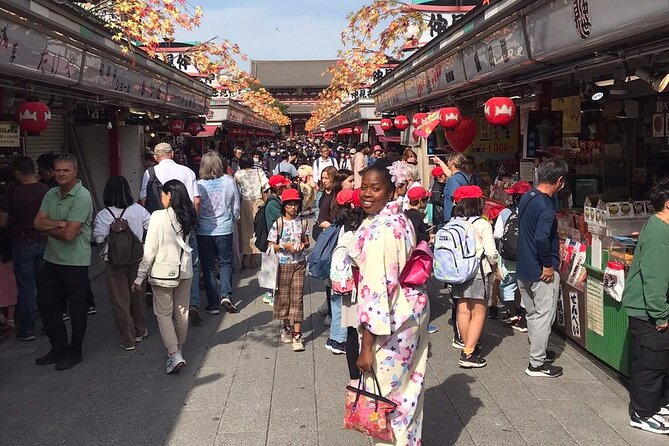
Next comes Nakamise, the famous shopping street leading toward Sensō-ji. You’ll have about 2 hours here, which is long enough to actually enjoy it. The shop-lined approach is only about 250 meters, but it takes time because there’s food, sweets, and classic souvenirs everywhere.
This is where the tour stops feeling like a checklist. It becomes a chance to taste and wander at the right pace. The experience includes ice cream and local desserts, which fits Nakamise perfectly. You’re already in a place built for small bites, so the included treats don’t feel random.
Also, having time here helps you avoid the common Tokyo problem: you see a street for 10 minutes and you miss half the stands. With a 2-hour window, you can choose what you want without feeling rushed.
More Tokyo tours and experiences for the shortlist



Kaminarimon gate time: the lantern photo moment
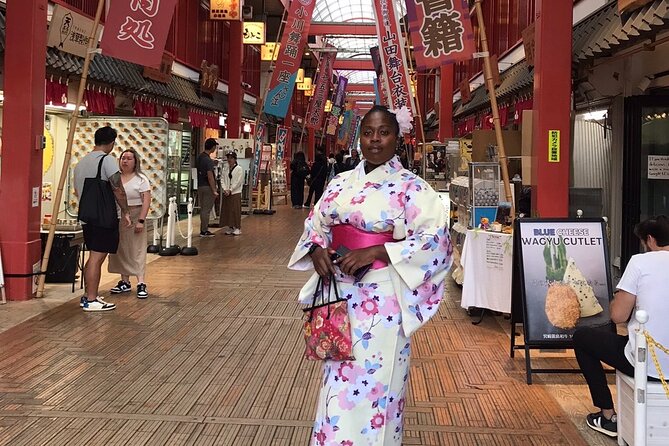
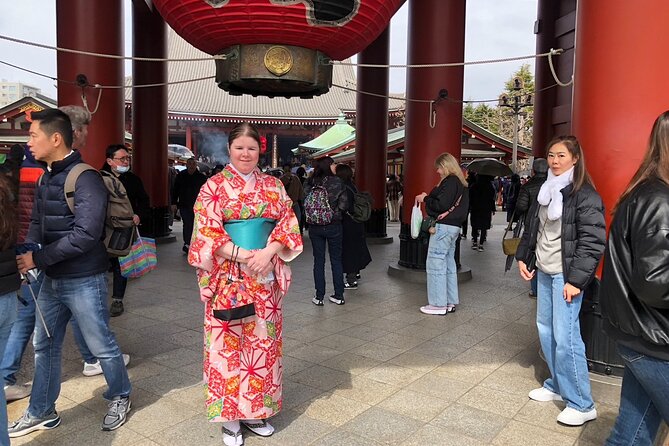
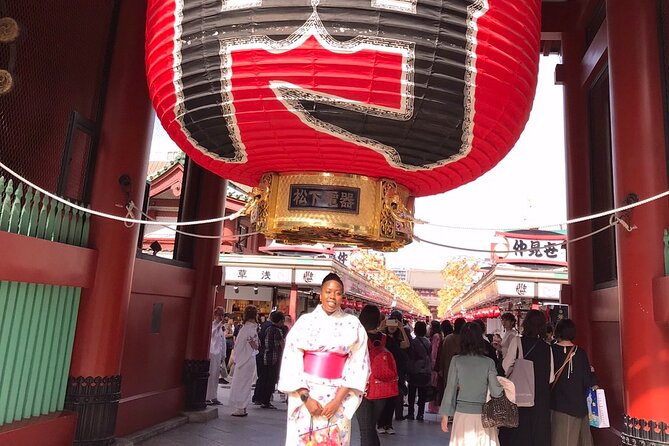
You’ll also spend around 1 hour around Kaminarimon, the big outer gate at Sensō-ji with its towering lantern. It’s a spot almost everyone recognizes, and it works well for a kimono day because the gate and lantern are instantly cinematic.
Admission for these sightseeing stops is listed as free, so you’re not paying to stand in the landmark location. The main point is the experience: you get time to take photos and to feel where the temple complex begins. When you’re dressed for it, the gate photographs better, but more importantly, your route feels more coherent as you move through the area.
Tip for photos: wear the kimono proudly, but keep your head up and your footing steady. Those sandals are cute, but they don’t forgive careless steps.
Tea ceremony: the included ritual you should not rush
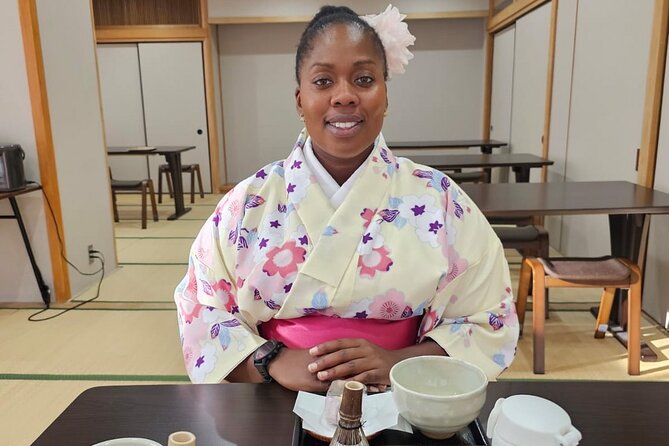
The tour includes the tea ceremony experience, and that’s the heart of the cultural component. You’re not just walking past tea culture, you’re doing it. This matters because the tea ceremony is more than a beverage. It’s a structured moment with etiquette and attention, and it changes how you experience the surrounding area.
I like that the tour doesn’t make tea feel like a side quest. You get your kimono look, your walking time, and then you hit the ceremony, which gives the day a satisfying rhythm. You also receive 2 soft drinks and water, so you’re not stuck only on tea for refreshments.
During your ceremony, you’ll also get plenty of photo opportunities tied to the new look. That combination is why this tour is worth considering even if you’re not a hardcore tea person.
A5 Wagyu beef and sweet stops: food that anchors the day
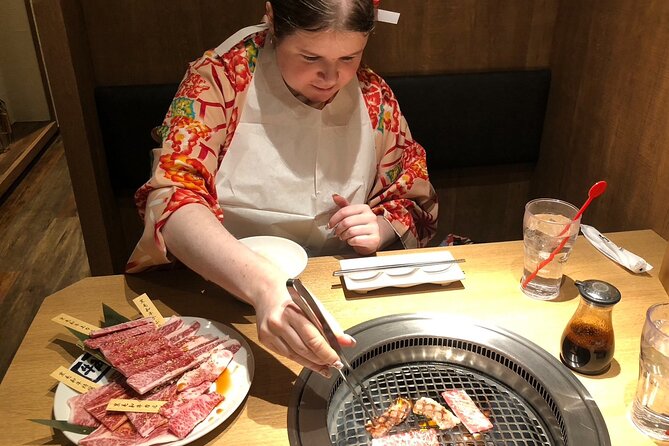
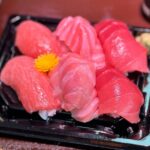
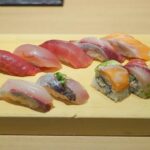
If you’re choosing a food tour, the food has to be the anchor. This one includes an A5 Wagyu beef experience, which is a notable inclusion in a tour that also covers temple streets. It’s a real upgrade compared to tours that mostly rely on small snacks and call it a meal.
You also get ice cream and local desserts, plus other Japanese treats and inclusions like the soft drinks and water. This is the kind of lineup that keeps hunger from becoming a distraction. You’re tasting as you go, and the day stays comfortable.
And because you’re in a guided group, you’re less likely to waste time hunting for the right bite. Your energy stays on the experience, not on comparing menus in a sea of choices.
What’s actually included, and what costs extra
Here’s how the inclusions stack up based on what’s listed. You should expect:
- Tea ceremony experience
- Kimono experience with obi, plus wooden sandals
- Culture walking tour
- 2 soft drinks and water
- A5 Wagyu beef experience
- Ice cream and local desserts
- Mobile ticket
Not included:
- Alcoholic drinks (you can buy them on-site), age 18+
- Hotel pick-up or drop-off
Extras you might add:
- Hairstyling or overnight kimono rental is available for an additional cost
My practical take: if you want the full kimono look, hairstyling can be a worthwhile add-on because it completes the presentation. But if you’re traveling light and trying to keep costs down, you can still have a great day with the included dressing.
Price and value: why $290 might feel high, but also fair
At $290 per person, this isn’t a budget activity. Tokyo can make things feel expensive fast, though, and this tour includes multiple categories of cost at once: kimono dressing help, a guided walking route, a structured tea ceremony, and premium food.
The value logic is simple. You’re paying for:
- A guide and a small 8-person group format
- Traditional clothing support (kimono, obi, wooden sandals)
- A tea ceremony experience that’s harder to replicate on your own
- A serious food inclusion: A5 Wagyu
- Multiple included tastings (soft drinks, ice cream, local desserts)
If you compare it to piecemeal planning, the price starts to make sense. Renting kimono by itself is often not cheap, and adding a guided food plan plus tea can easily push you toward similar totals.
Where it might not be worth it is if you don’t care about kimono, don’t want a tea ceremony, or you’d rather spend your money on a different neighborhood. In that case, $290 could feel like you’re paying for an aesthetic moment more than a practical day.
Practical expectations for the 4-hour half-day
This is a half-day experience, designed to leave you free for other plans after. You start at 11:00 am and return to the meeting point by the end, so you’re not stuck figuring out transportation for the rest of the day.
The meeting point is the Asakusa Culture Tourist Information Center (2-chōme-18-9 Kaminarimon, Taito City, Tokyo 111-0034). It’s listed as near public transportation, which is helpful in Tokyo where stations can be a short walk but not always obvious.
A few things to keep in mind:
- Wear comfortable clothing under the kimono process, since you’ll be dressed on-site.
- Expect walking and narrow street energy around temple and shopping areas.
- If you hate surprises, tell your guide your comfort level with pace and crowd time.
Who this tour is best for
This tour fits best if you want an Asakusa day that feels intentional and traditional, without the hassle of planning every step. I’d especially recommend it if you:
- Want the kimono experience but don’t want to figure out how it works on your own
- Like food tours where tastings are included, not just suggested
- Enjoy cultural activities like a tea ceremony and want it as a real part of the day
It’s less ideal if you want lots of downtime, have mobility limits that make sandals and walking hard, or you’re mainly focused on other Tokyo neighborhoods.
Should you book the Kimono and Tea Ceremony tour in Asakusa?
If you’re debating, I’d book when you want a focused, high-touch Tokyo morning that blends style, ritual, and food. The combination of kimono dressing help, a structured tea ceremony, and included tastings including A5 Wagyu is exactly the kind of setup that’s hard to replicate cheaply.
I’d skip or reconsider if you’re trying to keep Tokyo costs ultra-tight, or if you don’t care about tea ceremonies or traditional clothing. Also, if you dislike structured schedules, note that this is a 4-hour plan with set sightseeing time.
For the right traveler, this is a memorable Asakusa hit, and the guide experience, including Adam’s storytelling and flexibility, is a big part of why it works.
FAQ
How long is the kimono and tea ceremony tour in Asakusa?
It runs about 4 hours and starts at 11:00 am.
What size group is this tour?
The tour has a maximum of 8 travelers.
Where do I meet the guide?
You meet at the Asakusa Culture Tourist Information Center at 2-chōme-18-9 Kaminarimon, Taito City, Tokyo 111-0034, Japan.
Is the tea ceremony included?
Yes. The tour includes the tea ceremony experience.
What food and drinks are included?
You get 2 soft drinks & water, plus ice cream, local desserts, and an A5 Wagyu beef experience.
Are alcoholic drinks included?
Alcoholic drinks are not included. They are available to purchase, and the age requirement is 18 years old and above.
Can I add hairstyling or overnight kimono rental?
Yes. Hairstyling or overnight kimono rental is available for an extra cost.
Is the tour accessible, or is it limited to certain travelers?
The tour info says most travelers can participate and it is near public transportation.
What is the cancellation policy?
You can cancel for a full refund if you cancel up to 24 hours in advance of the experience start time.
More Food & Drink Experiences in Tokyo
More Tours in Tokyo





More Tour Reviews in Tokyo


Not for you? Here's more nearby things to do in Tokyo we have reviewed












Asakusa Tours, side by side.
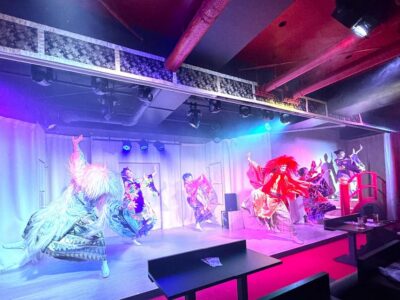 ★ 4.8Japanese Dance Cabaret Theater Asakusa-Kaguwa TicketFrom $492,270 reviews
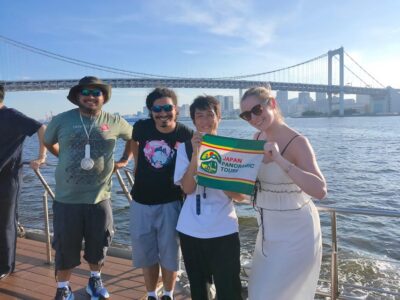 ★ 4.7Meiji Shrine, Asakusa, Skytree Bus Tour and CruiseFrom $1221,986 reviews
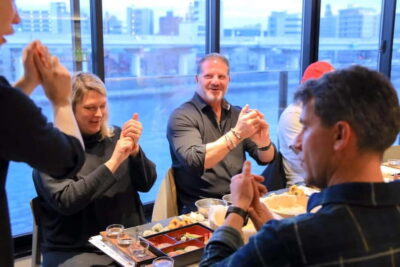 ★ 4.9Roll and Authentic Sushi Making Class in AsakusaFrom $581,957 reviews
 ★ 4.8Asakusa Walking Tour with Sensoji Temple VisitFrom $221,583 reviews
 ★ 5.0Tokyo Asakusa Rickshaw TourFrom $421,375 reviews
 ★ 4.5Tokyo Panoramic 1 Day: Meiji Shrine, Asakusa, Odaiba and SKYTREE®From $851,222 reviews
 ★ 5.0Tokyo Go Kart: Asakusa, Skytree, and Akihabara **IDP MUST**From $99988 reviews
 ★ 4.7Asakusa, Skytree & Akhihabara Go-Kart City ExperienceFrom $96761 reviews
This tour also belongs to