
Review · MOUNT FUJI TOURS
Mount Fuji Full Day Customize Private Tour with English Guide
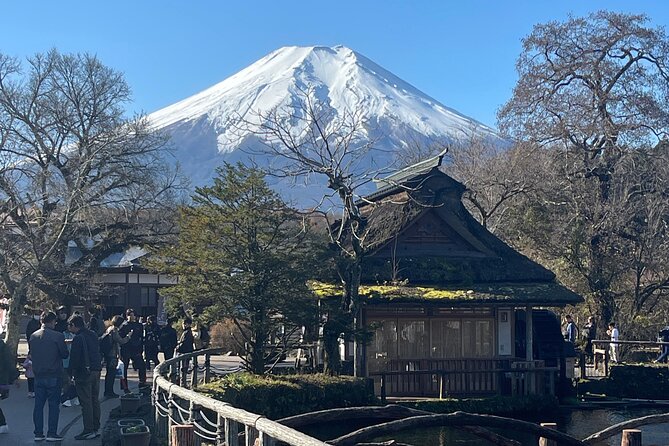
Mount Fuji looks like a postcard, then you stand there and it still shocks you. This private day trip is built for maximum views with hotel pickup, a tight route through the Fuji area, and just your party in the car. You’ll hit the big sights like Fuji 5th Station, Lake Kawaguchiko, Oshino Hakkai, and the Chureito Pagoda area in one long, efficient day.
I especially like the flexibility, because the itinerary is suggested but can be adjusted to your pace. I also like that you get an English-speaking driver plus WiFi on board, which makes it easier to plan photo stops on the fly. The main drawback to consider is that this can feel more like a private car service than a full guided walking tour, so if you want deep commentary, you should set that expectation early.
Key points before you go
- Private group up to 3 means less waiting and more control over timing
- Hotel pickup and drop-off saves you from juggling trains for a long day
- Fuji 5th Station plus multiple lakes and shrines gives you variety in one loop
- Several stops are listed as free (so your main extra cost is the 5th Station fee)
- A clear-weather day matters, since cloud cover can steal the view
- Driver quality is the deciding factor, especially if you want more than driving and routing
Why a private Mount Fuji day works so well from Tokyo
A Mount Fuji day can go sideways fast if you rely on public transit and group tours. Distances in this region are real, and most of the famous spots are spread out. With a private vehicle, you lose less time to transfers, and you can spend more time actually seeing things.
This trip is also practical for first-timers. It strings together the classic Fuji highlights, then throws in a couple of special stops that give the day texture, like Oshino Hakkai’s ponds and the Narusawa Ice Cave. You’ll get a wide slice of the region without having to plan every turn yourself.
The private setup is the biggest value play here. When it’s just your group, you’re not trapped in someone else’s pace, and you can say yes or no to a stop if the timing or weather isn’t cooperating.
You can also read our reviews of more guided tours in Tokyo

Price and logistics: what the $360 per group gets you
The price is $360 per group, up to 3 people, for about 10 hours. That means you’re really paying for three things at once: the driver, the car, and the time saved from coordinating transit on your own.
What’s included:
- Air-conditioned vehicle
- Private transportation
- English Speaking Driver
- Hotel pick-up and drop off
- WiFi on board
What’s not included:
- Lunch
- Mount Fuji 5th Station admission fee, listed at ¥2,100 per person
In value terms, the best way to think about it is simple. If you’re comparing against trains plus taxis plus the hassle of keeping your bearings, the private car starts to look fair quickly. And if you’re traveling with two people, splitting the group price makes it even more reasonable.
One more logistics note: this uses a mobile ticket, which is handy for keeping everything in one place. It’s a day trip where small friction matters, so anything that reduces hassle helps.
A realistic route: Fuji 5th Station to Gotemba, all in one day
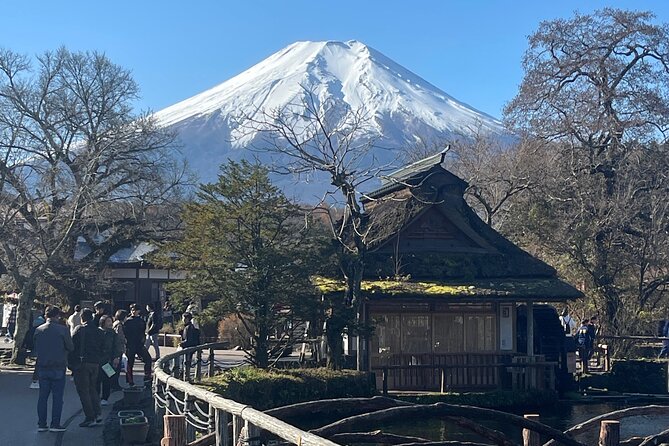
Your day is paced in a loop that hits the famous viewpoints and the scenic stops around Mount Fuji. The route typically starts at Mount Fuji 5th Station, then moves through Lake Kawaguchiko, Oshino Hakkai, Oishi Park, and multiple shrine and pagoda stops. It continues to Narusawa Ice Cave, then ends with Gotemba Premium Outlets for a relaxed finish.
Most stops are scheduled for about 1 hour, except Gotemba Premium Outlets at 2 hours. That tells you the goal is not deep museum-level time at each site. It’s sampling the highlights, getting your photos, walking the key areas, and moving before the crowds and weather shift.
Because this is a full day, you’ll want to travel light and plan for walking surfaces that can be uneven in temple areas and around outdoor viewpoints. If you’re the kind of traveler who hates rushing, this might feel packed, but the structure does keep it efficient.
Fuji 5th Station: the Edo-era gateway to higher views
Stop 1: Mount Fuji 5th Station (Fujinomiya 5th Station) runs about 1 hour. This is a historic site dating back to the Edo period, originally used as a resting place for travelers headed toward the summit. Even if you do not climb the mountain, this stop gives you that high-mountain feeling more than any city viewpoint.
One important cost detail: the 5th Station entrance fee is not included and is listed at ¥2,100 per person. So budget for that up front.
Practical tip: this is a great place to set your photo priorities early. If clouds roll in later, it’s harder to recreate that first “wow” moment.
Lake Kawaguchiko: calm water, classic Fuji angles
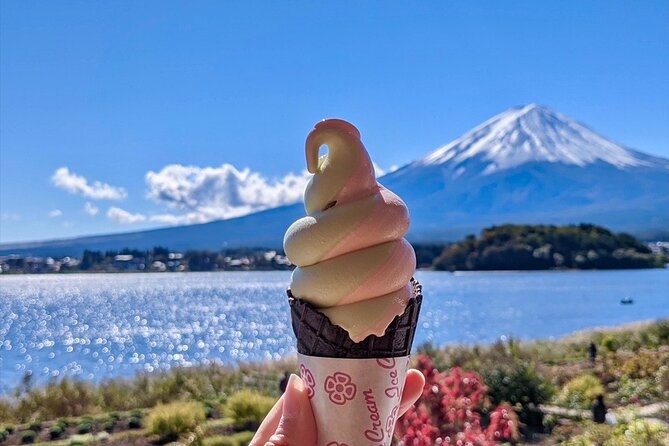
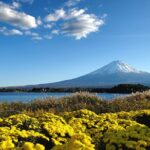
Stop 2: Lake Kawaguchiko is about 1 hour and is listed as free. Lake Kawaguchiko is one of the five lakes around Mount Fuji, and its story stretches back thousands of years, including agricultural development and later tourism.
Why this stop matters: if you want iconic Fuji framing, this is where your day often delivers. The lake setting gives a calmer, more reflective look than the roadside viewpoints. It also helps break up the temples and caves so your brain gets a fresh kind of scenery.
If the weather is good, you’ll probably spend more time here without feeling rushed. If the day is hazy, treat it like a scenery warm-up and keep moving with the day plan intact.
You can also read our reviews of more private tours in Tokyo
Oshino Hakkai ponds: a small walking loop with big atmosphere
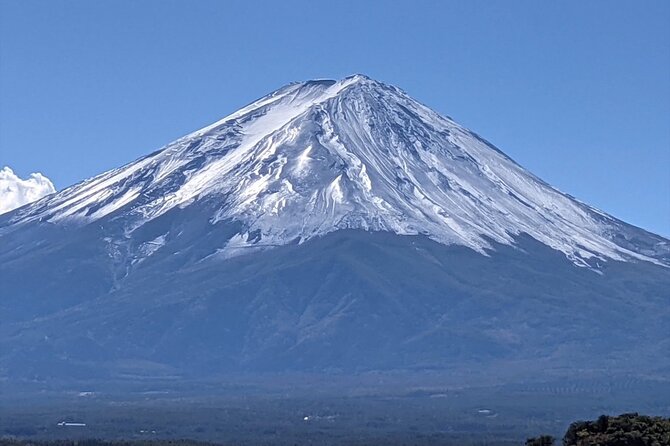
Stop 3: Oshino Hakkai is about 1 hour and listed as free. Oshino Hakkai, meaning eight seas, refers to eight pools of water. Walkways and bridges take you around and over the ponds, creating an easy, scenic circuit.
This stop tends to feel different from the rest of the day. Instead of chasing a single dramatic view, you’re strolling a quieter environment, which is a nice shift after higher altitude or busier areas.
If you’re short on time, focus on the loop paths that connect the pools. You can always slow down for photos if visibility is strong.
Oishi Park: a quick nature break with Fuji in the frame
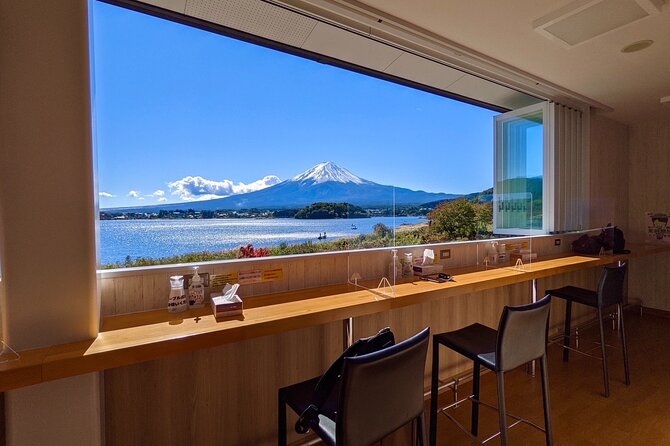
Stop 4: Oishi Park is about 1 hour and listed as free. It’s on the north side of Lake Kawaguchiko in Yamanashi Prefecture, and it’s known as a popular spot for Fuji views.
Think of Oishi Park as a visual reset. You get open space compared with the tighter pond paths and shrine grounds. It’s also a good place to check cloud direction, because you can often sense when the mountain is about to be clearer or wrapped up.
If the day is already trending toward clouds, you might treat Oishi Park as your “final look” zone and keep your energy for the pagoda and shrine stops ahead.
Kitaguchi Hongu Fuji Sengen Jinja: shrine stop with serious old roots
Stop 5: Kitaguchi Hongu Fuji Sengen Jinja is about 1 hour and listed as free. The shrine is said to have been established in 100 CE, tied to the legendary Prince Yamato Takeru and the Yamato dynasty. Even if you do not know the story before you arrive, the setting helps you understand why Mount Fuji has long attracted devotion.
Why it works on a day trip: you’re seeing the cultural engine behind the mountain, not just the scenery. This stop makes the day feel more grounded than a photo sprint alone.
Practical note: shrine grounds can involve small climbs and walking on uneven paths. If you want to move quickly, stay focused on the main areas around the shrine.
Chureito Pagoda: the Fuji photo icon you can still enjoy
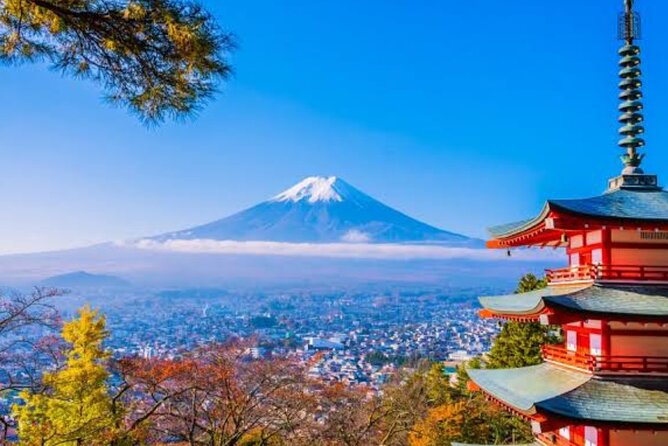
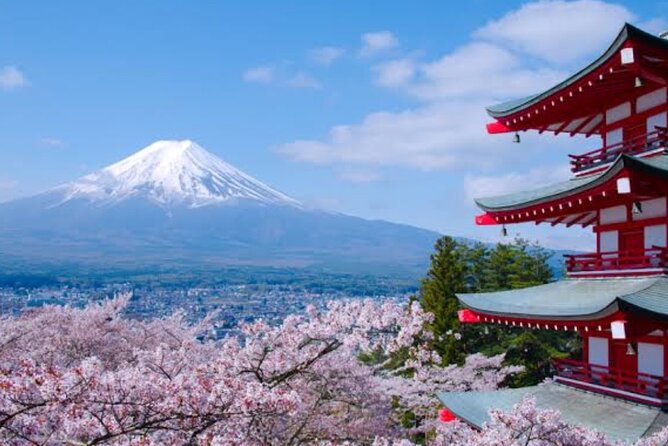
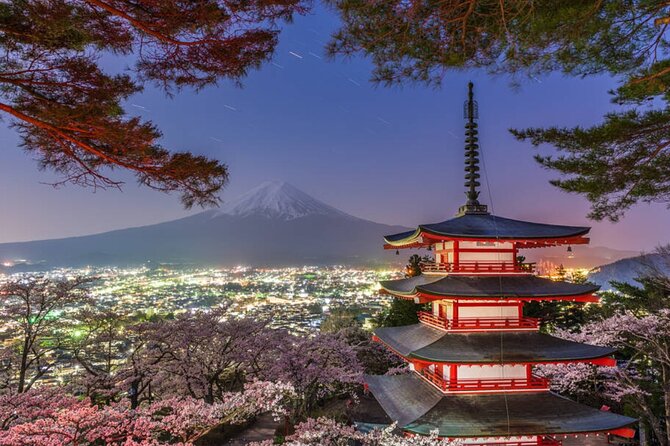
Stop 6: Chureito Pagoda is about 1 hour and listed as free. The pagoda is a five storied structure overlooking Fujiyoshida City, with Mount Fuji often visible in the distance. It’s part of Arakura Sengen Shrine, and it’s known for that classic composition people chase with cameras.
This is the stop where you should slow down just enough to get the framing right. If you arrive during a good weather window, you can get those classic results without turning it into a stress test.
If you’re traveling with people who care about photos, this is your anchor stop. If your group is more casual, aim for a quick walk through the surrounding viewpoint area, then move on.
Arakurayama Sengen Park: where a shrine outlasts the park
Stop 7: Arakurayama Sengen Park is about 1 hour and listed as free. The famous public park opened in 1959, but the Arakura Fuji Sengen Shrine here has much older roots, founded in 705.
This stop pairs well with Chureito Pagoda because they belong to the same broader viewpoint story. You get the iconic pagoda view, then you can wander into the wider park area where the shrine’s presence feels more immersive than a single photo spot.
If you like walking for 20 to 30 minutes at a comfortable pace, this is a good use of time. If you prefer minimal footwork, focus on the main viewpoint paths and keep your energy for the next stop.
Narusawa Ice Cave: lava rock, cool air, and a natural monument label
Stop 8: Narusawa Ice Cave is about 1 hour and listed as free. It’s a lava cave east of the Aokigahara Forest. The cave was formed around 1,150 years ago and was designated a Natural Monument in 1929 by Japan’s Ministry of Education.
Why this stop is worth it on a Fuji day: it breaks the pattern. After lakes and shrines, you get something geological and sensory, with a cave atmosphere that feels different from open-air viewpoints.
Practical tip: even on warm days, caves can feel cooler. Bring a light layer if you run cold.
Gotemba Premium Outlets: the easy ending after the hiking and walking
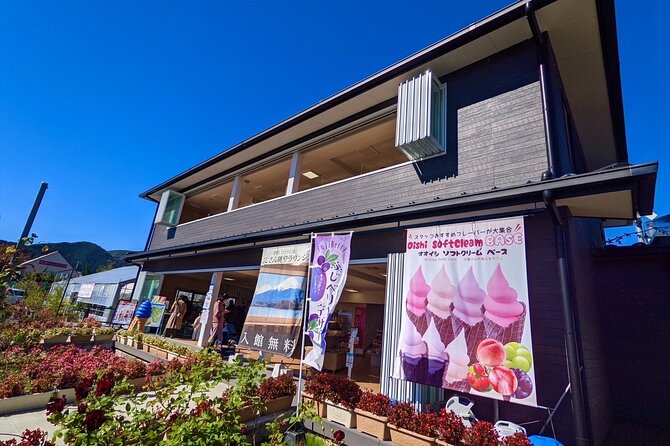
Stop 9: Gotemba Premium Outlets is about 2 hours and listed as free (outlets do not typically charge an entry fee). This is a relaxed time slot after the earlier sightseeing pace, so you can grab snacks, browse, or just reset.
The area has its own long background, including early settlement roots dating back about 2,000 years in the Shizuoka region. For most people though, this is simply the practical wrap-up: an air-conditioned option if the weather turns, and a place to buy small items before you head back.
English driver, but know what you’re buying: guided context versus car service
This trip includes an English Speaking Driver, and that matters. Still, the experience you get can vary depending on how much the driver chooses to explain at each stop versus focusing on driving and timing.
From the strongest service examples, what people praised most was clear communication and good timing. Some named drivers like Hassy and Rana were described as friendly, accommodating, and helpful, including guiding timing so you reach major areas before it gets too busy and before clouds roll in.
Here’s the practical takeaway for you. If you want more than directions, message your priorities in advance. Ask for quick background at each stop, photo timing guidance, and confirmation of whether the plan includes time to walk viewpoints, not just stop-and-go photos.
If your ideal day is a calm car-and-walking schedule with light commentary, this can fit perfectly. If you want a full guided experience with deep storytelling and structured interpretation, you should confirm how the driver supports the itinerary.
What to ask your driver before you start (so the day feels right)
Before pickup, I’d ask these questions in plain terms. They take two minutes to clarify and can prevent disappointment later.
- Can we adjust the order of stops based on weather and crowds?
- How flexible is the time at each place if we’re enjoying one area more than expected?
- Will you share short English explanations at each stop, or is it mostly driving and logistics?
- Which stop is the most time-sensitive for Fuji views today?
- Can we add or remove the outlet time if we want more walking time around the mountain sights?
This is where private travel becomes great. The route is suggested, but your group’s preferences are the real goal.
Weather reality check: this trip depends on the sky
This experience requires good weather. If poor conditions cause a cancellation, you’ll be offered a different date or a full refund.
So you should treat the forecast as part of the planning. Even a great itinerary can feel underwhelming if Mount Fuji is hidden. When skies cooperate, the entire day clicks into place, and you’ll feel like you got the full payoff.
My advice: go with the expectation that you’re chasing a weather-dependent moment. Then let the driver help you make smart timing calls for the stops with the most mountain visibility.
Who this Mount Fuji private tour suits best
I’d put this in the sweet spot for travelers who want:
- A smooth, private day from Tokyo without transit stress
- A “greatest hits” loop for first-time Mount Fuji visitors
- A small group setup (up to 3) where you can move at your pace
- Convenient logistics like hotel pickup, WiFi, and a mobile ticket
If you’re traveling with family members who want a mix of outdoor viewpoints and low-effort walking loops, this can work well. And if you care more about seeing the sites than standing in long lines, the schedule is built for that.
On the flip side, if you’re the type who expects a professional guide with a consistent narrative and lots of walking interpretation, you should confirm what your driver will do during stops. This is private transportation plus an English-speaking driver, not automatically a full scripted guide experience.
Should you book this private Mount Fuji day?
Book it if you want an efficient, private Mount Fuji day that lets you focus on the sights, not the transit puzzle. The value math can work nicely, especially with two or three people sharing the group price, and the route hits the region’s best-known stops without making you over-plan.
Skip or rethink if your number-one priority is a heavy-duty, walking-focused guided tour with deep storytelling at every site. This can still be enjoyable, but you should align your expectations about what the driver will explain.
If you do book, your biggest “success lever” is planning for weather and communicating your stop priorities before pickup. Do that, and this turns into one of those Japan days you remember long after the photos fade.
FAQ
How long is the Mount Fuji full day private tour?
The tour duration is about 10 hours.
How many people can be in a group?
This is a private experience for your group, with up to 3 people per group.
Is hotel pickup and drop-off included?
Yes. Hotel pickup and drop-off are included.
What is included in the price, and what costs extra?
Included are private transportation in an air-conditioned vehicle, an English speaking driver, hotel pickup and drop-off, and WiFi on board. Lunch is not included, and Mount Fuji 5th Station admission is not included.
How much is the Mount Fuji 5th Station entrance fee?
The entrance fee for Mount Fuji 5th Station is listed as ¥2,100 per person.
Are the other stops free to enter?
Several stops are listed as free on the itinerary, including Lake Kawaguchiko, Oshino Hakkai, Oishi Park, Kitaguchi Hongu Fuji Sengen Jinja, Chureito Pagoda, Arakurayama Sengen Park, Narusawa Ice Cave, and Gotemba Premium Outlets.
What are the cancellation rules if weather is bad?
There is free cancellation up to 24 hours in advance for a full refund. The experience requires good weather, and if it is canceled due to poor weather, you will be offered a different date or a full refund.
More Guided Tours in Tokyo

More Tours in Tokyo





More Tour Reviews in Tokyo


Not for you? Here's more nearby things to do in Tokyo we have reviewed












Mount Fuji Tours, side by side.
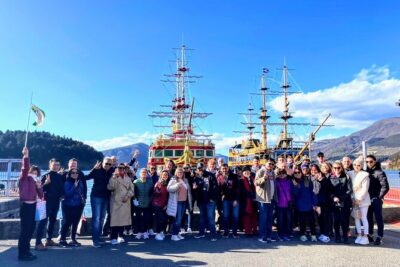 ★ 5.0Mt Fuji and Hakone 1-Day Bus Tour Return by Bullet TrainFrom $16326,383 reviews
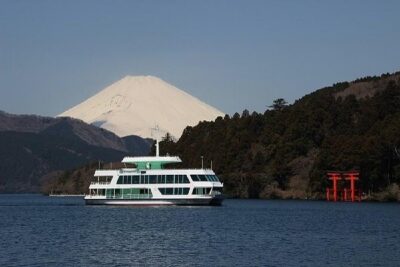 ★ 4.0Mt Fuji & Hakone Cruise, Drum Show Bullet Train 1 Day from TokyoFrom $1497,413 reviews
 ★ 4.4Tokyo Mt Fuji 5th St & Hakone Cruise Bus Tour w/Bullet TrainFrom $1545,024 reviews
 ★ 4.5From Tokyo: Mount Fuji Full-Day Sightseeing TripFrom $684,970 reviews
 ★ 4.7Mt. Fuji Tour, Hakone Ropeway, Owakudani, Lake AshiFrom $544,002 reviews
 ★ 4.2Mt. Fuji 5th Station & Hakone Cruise 1-Day Bus TourFrom $1292,381 reviews
 ★ 4.7Mt Fuji Top 5 Spots Day Tour: Arakurayama Park,Oshino HakkaiFrom $532,066 reviews
 ★ 5.0Private Tour to Mt. Fuji and Hakone (Fully Licenced Operator)From $4971,910 reviews