
Review · NIKKO DAY TRIPS
Nikko Private SightSeeing Day Tour With Guide (From Tokyo)
Nikko can feel like a whole different world. This private day tour replaces Tokyo hassle with a guided run through the UNESCO sights, plus mountain scenery that looks like it belongs on a postcard. You also get a set rhythm to the day, so you spend time seeing instead of figuring out transit.
I love the private car setup, especially the included bottled water and on-board Wi-Fi. I also like that the route hits both religion and nature with stops that are known for big visual payoffs, like Nikko Tosho-gu and Kegon Falls.
One drawback to plan around: several major sites have extra entrance fees, and lunch is on you, plus you will want some cash for on-site payments.
Key takeaways before you go
- Private transfer from Tokyo keeps the day smooth, with the ride time built into the 10-hour schedule
- Real variety in one day: lookout views, a high lake, a famous waterfall, and top shrines and temples
- Wi-Fi and bottled water included, plus air-conditioned comfort in the vehicle
- Entrance fees are extra, with major costs at Akechidaira and Nikko Tosho-gu
- Guides can make the history click, especially at Tosho-gu, Rinno-ji, and the imperial villa
Why Nikko feels easier with a private Tokyo handhold
Nikko is one of those places where you want your time to count. With a private tour, you dodge the public-transport juggling and the stress of coordinating connections, especially if you are aiming to cover a lot in one day.
I also like the practical touches included with this tour. You get an air-conditioned vehicle, parking fees handled, and bottled water waiting for you during the day. On-board Wi-Fi can be a lifesaver for maps, messaging, and just keeping your day organized.
If you have language questions, the setup is also built for an easier experience. This tour is led by an English-speaking guide-driver team in the groups that get mentioned most often, including guides such as Khan, Moon, Imran, Zeeshan, and Faz Khan. In practice, that kind of guide helps you understand what you are looking at, not just where you stand.
You can also read our reviews of more guided tours in Tokyo
Price and value: what $751.19 per group really buys
The price is listed as $751.19 per group, for up to 5 people. That matters, because you are not paying per person for transportation and guiding. If you have a small group, the private-car part becomes much more reasonable.
What is included in the package:
- Bottled water
- Wi-Fi on board
- Air-conditioned vehicle
- Private transportation
- Fuel surcharge
- Parking fees
What you should budget separately:
- Entrance fees for several stops
- Lunch (there are lunch options at Kegon Falls and Lake Chuzenji, but it is not included)
Here is the entrance-fee reality check based on the stated prices. If you plan to do all the paid sites:
- Akechidaira Observation Area: ¥1,000 per person
- Nikko Tamozawa Imperial Villa Memorial Park: ¥600 per person
- Rinno-ji Temple: ¥500 per person
- Nikko Tosho-gu: ¥1,600 per person
- Kegon Falls: ¥570 per person
Lake Chuzenji and Shinkyo Bridge are listed as free stops.
So the “headline price” plus entrance fees still ends up being a smart value if you hate rushing, you want a guide, and you are traveling with family or friends who make a 5-person group work. Also note: the tour is commonly booked about 66 days in advance, so if your dates are firm, don’t wait too long.
The 10-hour rhythm: pacing your day without feeling rushed
This is a 10-hour tour, and the schedule includes travel and pickup time. Expect the Tokyo to Nikko drive to be roughly two hours each way based on what gets highlighted in the experience, though traffic can always play a role.
A helpful way to think about the pacing is that the itinerary alternates between:
- A major view or outdoor stop (Akechidaira, Lake Chuzenji, Kegon Falls)
- Cultural stops where the guide’s context really matters (Tamozawa Imperial Villa, Rinno-ji, Nikko Tosho-gu)
- A quick, photogenic finale (Shinkyo Bridge)
One practical tip: try not to schedule anything immediately after your return window to Tokyo. Road conditions can be unpredictable, and the tour day is long enough that you will want a buffer.
Also, plan for cash. One note that shows up in guidance for this route is that some stops may only accept cash, so carry enough for entrance fees and any small purchases.
Stop 1, Akechidaira Observation Area: the panorama that sets the mood
Your day starts with a viewpoint that is designed to orient you fast. The Akechidaira Observation Area stop lasts about 30 minutes. It is not included in the main package, with an entrance fee listed at ¥1,000 per person.
This is the kind of stop that works even if you are tired from the ride. The reason is simple: you can see across to Lake Chuzenji, Kegon Falls, and Mount Nantai. Seeing those landmarks from above gives you context before you get closer, so later photos and walks feel more meaningful.
Trade-off to consider: this is an paid add-on. If you only want the “top temples” and nothing else, you might question whether you need it. But if you like big views, it is a strong start.
Stop 2, Lake Chuzenji: a free hour at Japan’s high lake
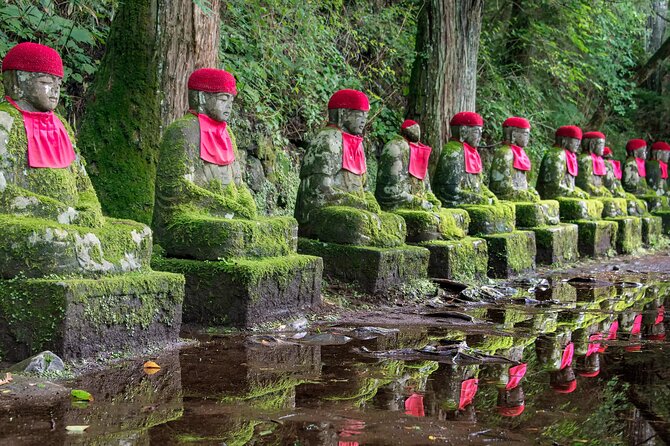
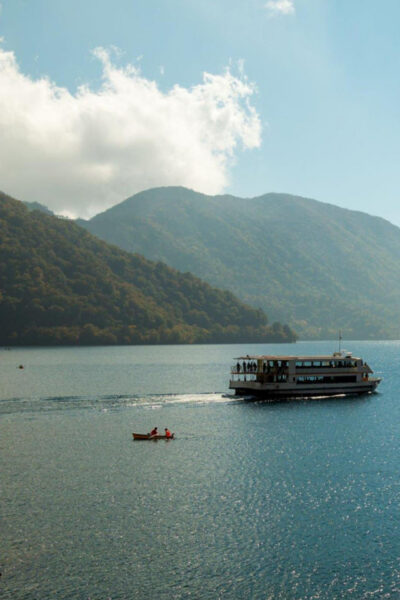
Next comes Lake Chuzenji, a roughly 1-hour stop. The good news is that it is listed as free, so it costs you nothing extra beyond the tour price.
At 1,269 meters altitude, Chuzenji is described as Japan’s highest natural lake. Even if you do not get the “perfect photo angle,” a lakeside stop like this is a needed breath in a day packed with architecture and religious sites. It also gives you an easier place to step out, stretch, and reset before the waterfall and temples.
If you want lunch, this is one of the areas where lunch options are available. Since lunch is not included, you control what you eat and how long you pause.
You can also read our reviews of more private tours in Tokyo
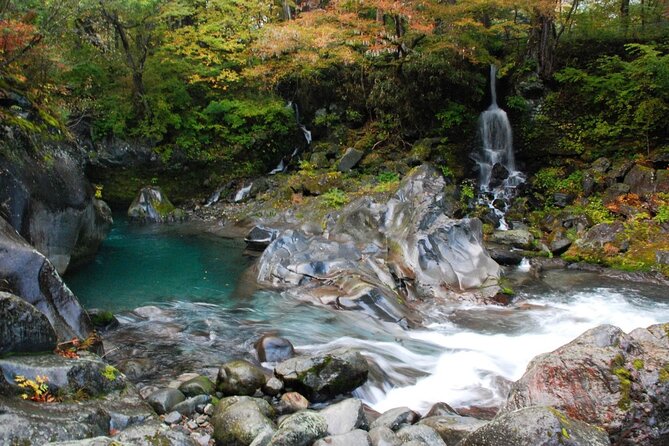
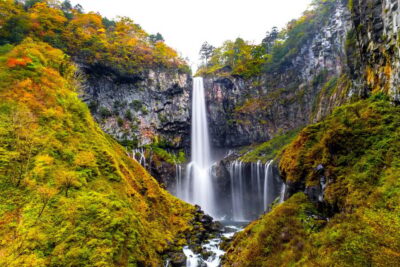
Stop 3, Kegon Falls: nearly 100 meters of waterfall drama
Kegon Falls is next, with about 30 minutes on the timetable. Entrance is not included, and the fee listed is ¥570 per person.
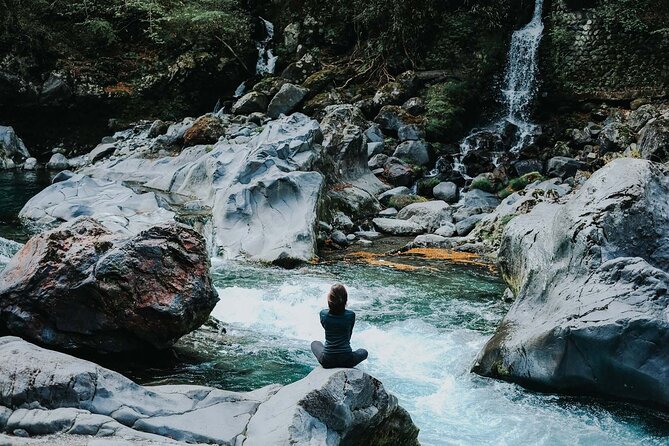
Kegon Falls is ranked among Japan’s three most beautiful waterfalls in the information provided. It is described as almost 100 meters tall, and it is the most famous waterfall in Nikko. That combination, plus the short time slot, is why this stop tends to be a highlight for first-timers.
The downside is also predictable: 30 minutes is not a long time if you want to wander slowly or stop for lots of photos from multiple angles. If waterfall time is your priority, be ready to move quickly once you arrive.
Stop 4, Nikko Tamozawa Imperial Villa Memorial Park: Edo and Meiji in one big wood building
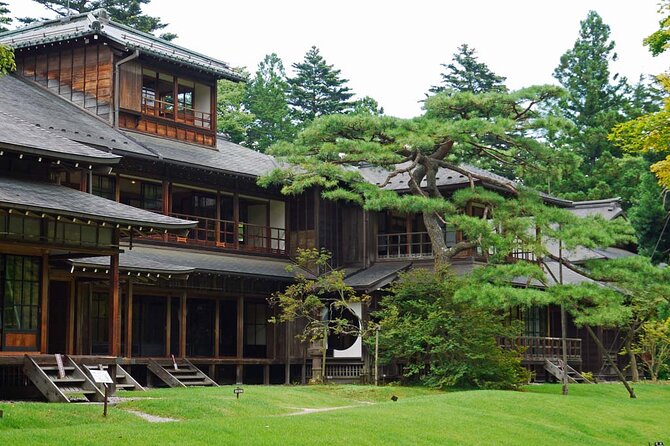
Then you shift from nature to a piece of living history. The Nikko Tamozawa Imperial Villa Memorial Park stop runs about 30 minutes, and there is an entrance fee listed at ¥600 per person.
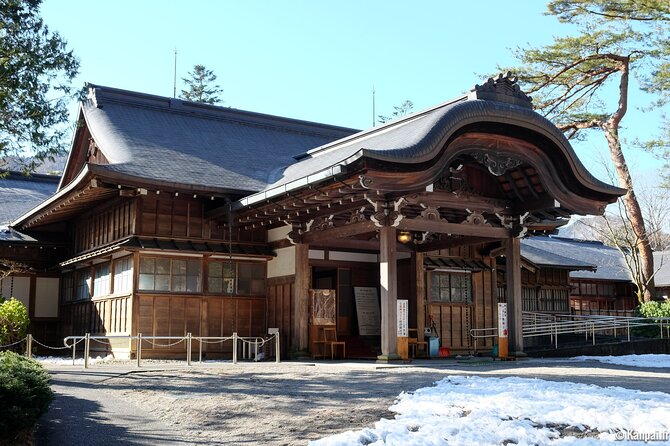
This villa is described as a blend of traditional Edo and early Meiji period architecture. It has 106 rooms, and it is noted as one of the biggest wooden structures in Japan. That matters because it is not a small museum stop. You are looking at scale.
What you will probably enjoy here is the way the building reflects the shift in Japanese taste and power. You will see “old Japan” and “modernizing Japan” in the same overall place, which makes it more than a quick restroom break between temples.
Trade-off: like many cultural sites, it can feel like a slower stop compared with the waterfall and shrine photo moments. If your group is temple-first, you might want to lean on the guide to tell you what to notice in the architecture.
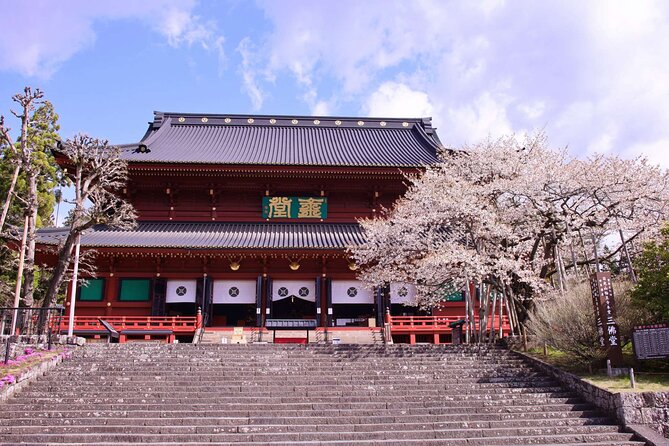
Stop 5, Rinno-ji Temple: cedar shade and three gilded Buddhas
Rinno-ji Temple comes after the villa, with about 30 minutes. Entrance is listed as not included, with ¥500 per person for adults.
Rinno-ji is described as Nikko’s most important temple, surrounded by towering cedar trees and lush forest. The standout sight at Rinno-ji is the set of three gilded Buddha statues. Even if you do not memorize every name, that focus helps you understand what you should look for.
This stop works well in the itinerary because it changes the mood. You go from wood architecture to a temple space shaped by forest shade, then you move again into shrine splendor later.
One consideration: if your interest is mostly scenery and not religious art, this may feel more like a “see what makes it important” stop than a personal favorite. A guide who can translate the symbols into plain meaning helps a lot.
Stop 6, Nikko Tosho-gu: the Tokugawa memorial you can’t miss
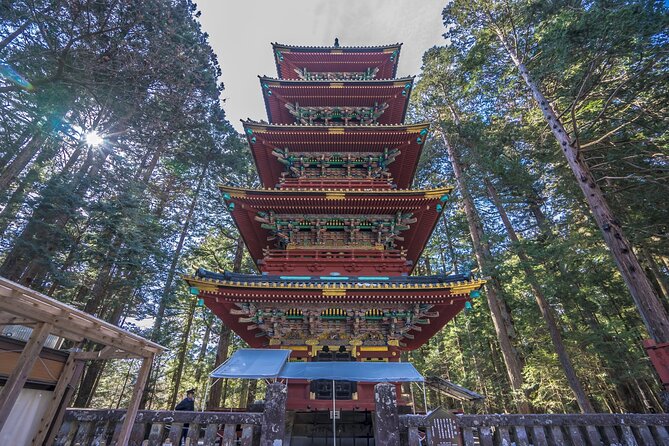
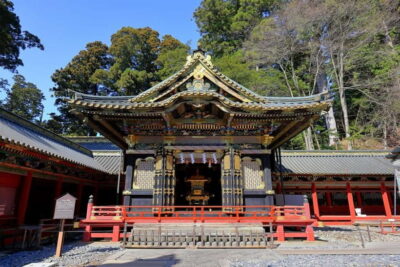
This is the centerpiece stop, at Nikko Tosho-gu, with about 45 minutes scheduled. Entrance is not included, with a listed fee of ¥1,600 per person.
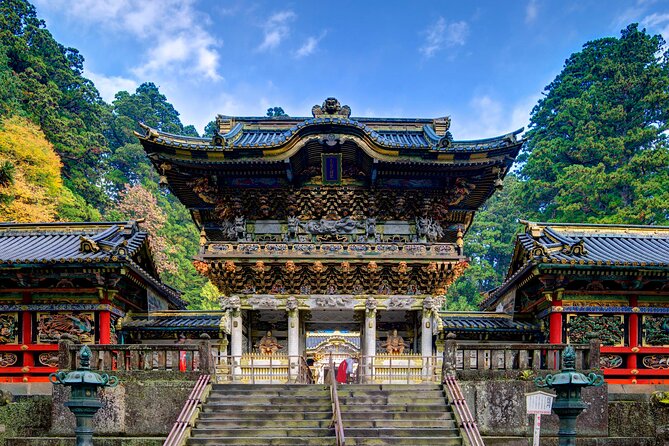
Tosho-gu is described as a magnificent memorial to Tokugawa Ieyasu. Among its structures, the five-storied pagoda is singled out as the most conspicuous because of its height. That one detail is useful because it helps you orient quickly once you arrive.
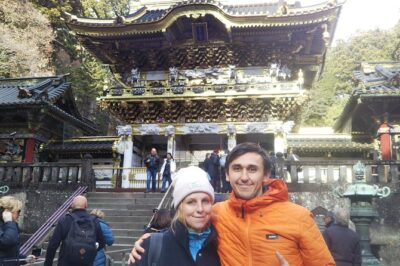
This is also the place where a good guide can turn “pretty buildings” into “now I get why this matters.” In the groups served by English-speaking guides such as Imran or Moon, the experience is often described as information-forward, with the guide explaining what you are seeing and how Tokugawa power was made visible through art and space.
The downside is cost. Tosho-gu is the most expensive paid entrance on the list. If you are trying to keep expenses tight, this is still the stop most likely to justify itself because it is the tour’s main cultural anchor.
Stop 7, Shinkyo Bridge: the sacred bridge finale
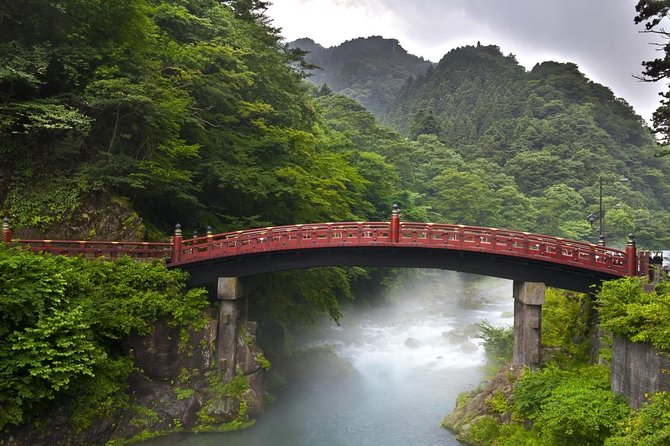
You wrap up with Shinkyo Bridge, scheduled for about 30 minutes. This one is listed as free, and it is described as the Sacred Bridge at Nikko, the entrance to Futarasan Shrine.
It is also ranked as one of Japan’s three finest bridges in the information provided. Even if you only have a short window, this kind of classic spot is made for photos and a final calm moment after Tosho-gu.
This finale is a good choice for energy management. You can enjoy the bridge and surrounding area without committing to another paid major attraction.
Lunch, timing, and the small logistics that make or break the day
Lunch is not included, but the tour notes lunch options at Kegon Falls and Lake Chuzenji. That is practical because it places your food break around scenic stops, not between them.
In practice, I suggest you choose something quick and filling. This day is long, and you do not want a slow meal to steal time from Tosho-gu or the viewpoints.
You should also be ready for cash at certain points. A common tip for this route is to bring cash because some stops may only accept it. With entrance fees and any snacks, it prevents stress when you want to keep moving.
Finally, because traffic can change your return, keep your evening plans flexible. If you schedule something right after, you risk turning a relaxed trip into a sprint.
The guide factor: why names matter here
One of the most praised parts of this kind of private Nikko day is how the guide handles the flow. When a guide and driver run the day together, timing gets smarter. You spend less time asking where to go next and more time understanding what you see.
In the real-world examples shared with this tour, guides such as Khan, Moon, Imran, Zeeshan, and Faz Khan are noted for being helpful, friendly, and good at explaining history and culture. That’s exactly what you want at Tosho-gu and Rinno-ji, where symbolism can feel abstract without a translator.
Also, safe driving and comfort matter on a long Tokyo-to-Nikko day. A smooth, careful ride reduces fatigue, and the included air-conditioned vehicle helps when you are out and about for hours.
Should you book this Nikko private tour from Tokyo?
Book it if you want a high-value day without transit headaches. This is especially worth it when:
- You have a small group of up to 5 people
- You care about both nature and top cultural sites
- You want a guide to connect the dots at Tosho-gu, Rinno-ji, and the imperial villa
- You prefer private comfort over crowd navigation
Skip it or rethink it if:
- Your budget is tight once you add entrance fees
- You only want one or two sites and would rather keep the day lighter
- You are allergic to carrying cash for on-site payments
If you fall in the first group, this tour is a strong way to see Nikko in one long, well-paced day, from Akechidaira’s sweeping first view to Shinkyo Bridge as your calm ending.
More Guided Tours in Tokyo
More Tours in Tokyo





More Tour Reviews in Tokyo


Not for you? Here's more nearby things to do in Tokyo we have reviewed












Nikko Day Trips, side by side.
 ★ 4.6Nikko: Kegon Falls, Lake Chuzenji & Toshogu TempleFrom $891,577 reviews
 ★ 4.5Nikko Toshogu Shrine and Kegon Waterfall TourFrom $841,266 reviews
 ★ 5.0Nikko Full-Day Private Tour with Government-Licensed GuideFrom $155259 reviews
 ★ 4.9From Tokyo: Nikko World Heritage Site Private Full-Day TripFrom $483243 reviews
 ★ 4.3Nikko: Edo Wonderland Edomura Cultural Theme Park TicketFrom $35205 reviews
 ★ 4.8Nikko World Heritage Private Day Trip Hotel Pick-upFrom $390145 reviews
From Tokyo: Nikko World Heritage Sight Full Day Private TourFrom $362127 reviews
★ 4.8Nikko World Heritage Private Day Trip Hotel Pick-upFrom $390145 reviews
From Tokyo: Nikko World Heritage Sight Full Day Private TourFrom $362127 reviews
 ★ 4.9Nikko – Beautiful Full-Day Personal and Private TourFrom $364119 reviews
This tour also belongs to