
Review · NIKKO DAY TRIPS
Nikko Private Tour from Tokyo with Licensed Guide and Vehicle
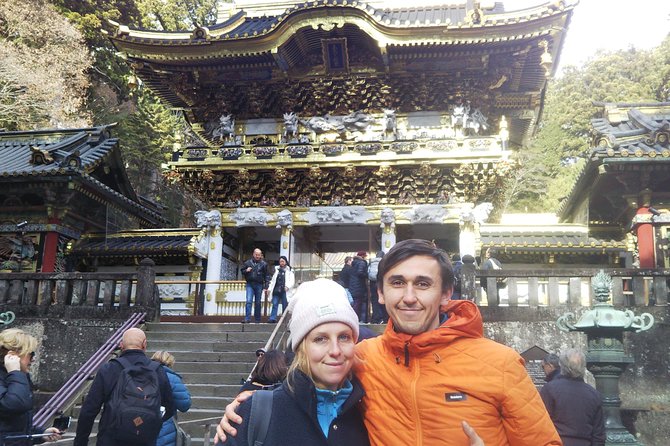
Nikko is easier when you skip the planning. This private day trip from Tokyo lets you ride in comfort with a licensed local guide and build your own Nikko route around shrines, nature, and quiet viewpoints. It is the kind of trip where you spend your energy on seeing, not figuring out buses.
What I like most is the door-to-door pickup around Tokyo’s 23 wards, plus the fact that you are not stuck with a rigid group pace. I also love that it is a private format for up to 4, so your guide can adjust the day based on what you care about, whether that is Toshogu and Rinnoji or waterfalls and lakes.
One consideration: this is priced for a private vehicle and guide, so it may feel expensive if you only want a quick photo stop or you are traveling solo. Also, the guide handles the English side, while the driver does not necessarily need to be fluent, so if language precision matters for you, message ahead and confirm expectations.
Key things that make this Nikko tour work
- 3 to 4 Nikko sites chosen your way: You pick from a well-rounded list, so the day fits your interests instead of forcing a checklist.
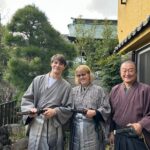
- Licensed local English speaking guide: Guides like Yoshi and Yumi were praised for making the places click with context, not just directions.
- Private vehicle pickup in Tokyo’s 23 wards: You avoid transfers and long station hassles.
- Hits both UNESCO temples and nature highlights: Toshogu and Rinnoji sit alongside Kegon Falls and Lake Chuzenji.
- Weather and road realities are part of the plan: One winter-day experience included preparation for steep seasonal conditions.
- Akechidaira ropeway has a long closure window: From Jan 16, 2026 to Aug 31, 2027, ropeway plans need adjustment.
Why Nikko feels more relaxed with a private day from Tokyo
Nikko can be a bit of a production on your own. You are combining road travel, timed access to temple areas, and then changing elevations once you get into the hills. A private format smooths the whole thing out.
The big win is that you get picked up in Tokyo’s 23 wards. That matters because it is usually the first step where DIY trips slow down. Instead of hunting for the right connection, you start the day already in motion with your guide.
Then there is the pacing. Nikko sites can involve short walks, waiting in lines, and getting your bearings around sacred spaces. With a private guide, you can move in a way that makes sense for your group, not someone else’s itinerary.
You can also read our reviews of more guided tours in Tokyo
Price and value: when $1,418.77 per group makes sense
This tour costs $1,418.77 per group, up to 4 people, for about 10 hours. That means the value depends on how you split the day.
If you have a family or a small group, the math improves quickly. You are essentially paying for a private vehicle and a licensed guide for the whole day, not per-person transport. And you are not just buying rides. You are buying fewer wasted hours and a guide who can explain what you are seeing as you go.
If you are traveling solo, it can feel steep compared with public transit options. Also, one negative review mentioned a value concern and communication frustrations. I would treat that as a reminder to set expectations early: confirm the guide’s English comfort level if you need highly fluent explanations, and remember the driver may focus on driving rather than interpretation.
Finally, entrance fees and lunch are not included. That is normal for this style of tour, but it does mean you should plan a budget for tickets and a meal break of your choosing.
How the 10-hour format shapes your Nikko day plan
The tour is set up to let you choose 3 to 4 sites from a larger list. The time allocation on-site is typically short per stop, often around 30 minutes, with a few quicker scenic breaks.
A useful way to think about your timing is this: you want one “anchor” stop for temples, plus one or two nature moments, and optionally one history or viewpoint stop. That keeps the day balanced without turning it into a nonstop marathon of brief photo angles.
Here is how the listed stops tend to behave in practice:
- Temple and shrine stops often work well at around 30 minutes each, enough time to understand the context and still take photos.
- Waterfall and overlook moments can be brief, like Kegon Falls at about 3 minutes, which is great for a quick payoff stop but not ideal if you want a long hike.
- Some stops feel more like scenic passing points, like the Irohazaka route, where you might mainly want views from the road area rather than a long stay.
Toshogu, Rinnoji, and the Tokugawa shrine cluster you can actually savor
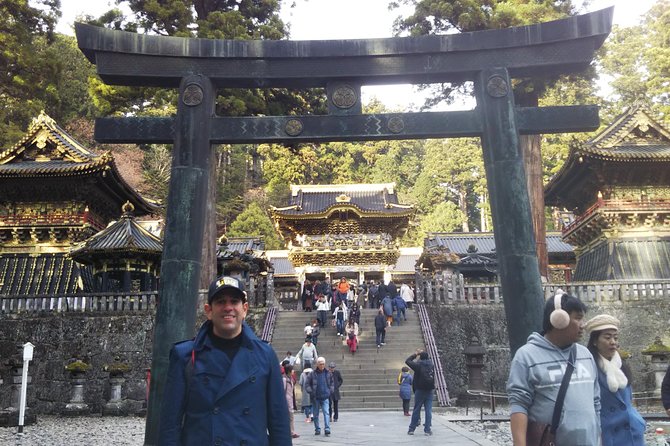
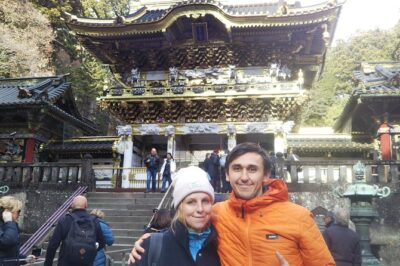
If you only choose one “temples” portion, pick the Nikko Tosho-gu area. This is the final resting place of Tokugawa Ieyasu, founder of the Tokugawa Shogunate, plus nearby shrines and temple spaces. The guide help matters here because Toshogu is more than a visual stop. You are visiting a major story point in Japanese history, and having a licensed guide explain the connections makes your photos feel like they mean something.
From the same broader temple zone, you can also slot in Rin’nōji Taiyū-in, the mausoleum of Iemitsu, the third Tokugawa shogun and Ieyasu’s grandson. It is described as lavish and structured in a layout and architectural feel that resembles Toshogu. Again, a guide can help you notice what is similar and what changes, instead of you just moving between buildings.
Rinno-ji Temple is another strong choice if your group likes a Buddhist context. It was founded by Shodo Shonin, the monk who introduced Buddhism to Nikko in the 8th century. That timeline anchor is a big part of why Rinnoji can feel different from the Tokugawa-focused areas.
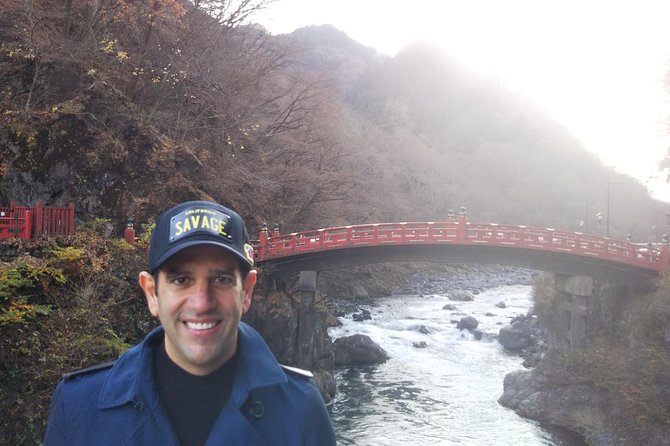
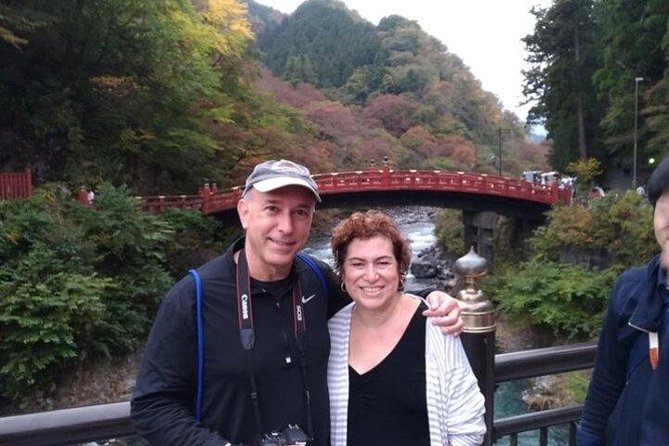
A very photogenic add-on near this zone is Shinkyo Bridge, the sacred bridge at the entrance to Nikko’s shrines and temples. It is ranked as one of Japan’s three finest bridges, so it tends to reward a quick pause with strong scenic impact.
Practical note: if you want a day that feels “worth it” even when you are moving efficiently, choose at least one temple stop and one bridge or nearby shrine stop from this cluster. It gives your day a spine.
Waterfalls and Lake Chuzenji: the natural Nikko payoff
Nikko’s nature stops are not random. They connect to a clear water story, and they work well for breaks between temple areas.
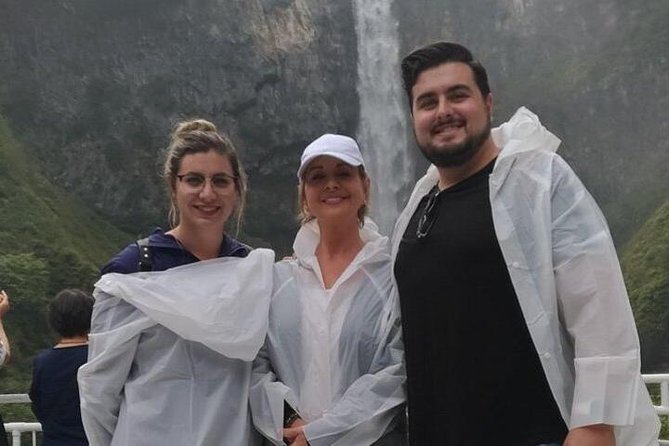
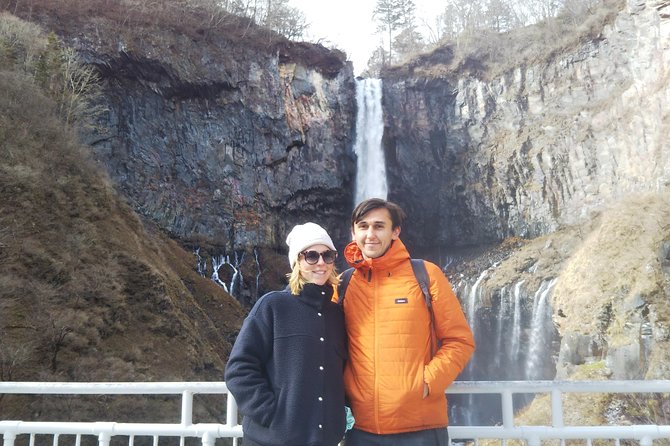
Start with Kegon Falls. It is described as the most famous of Nikko’s 48 waterfalls. Water from Lake Chuzenji drops 97 meters straight down to the rocks below. That vertical drop is the whole point, and with a guide you can time it so you are not stuck waiting while the best views happen.
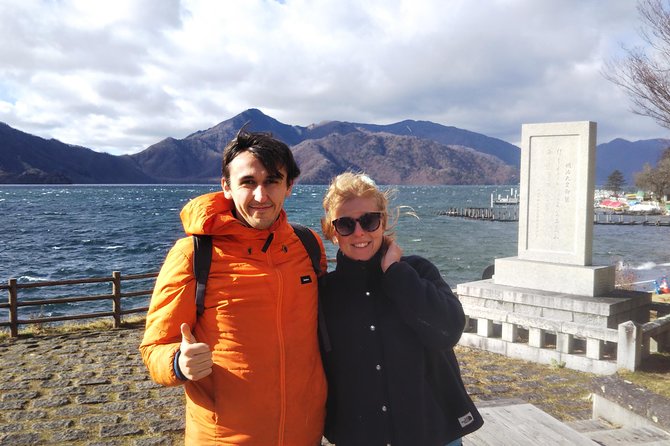
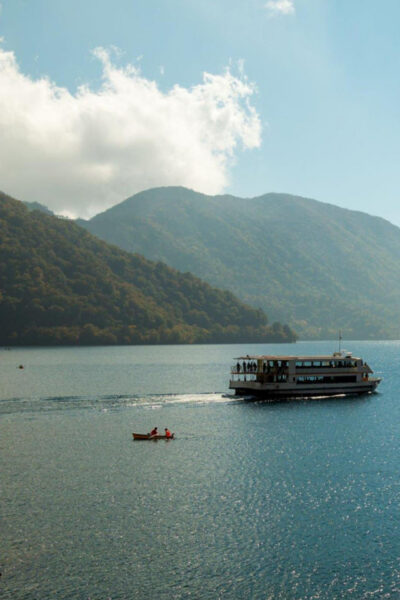
If you want to slow down after the waterfall, add Lake Chuzenji. It is the largest lake in Tochigi and framed by 25 kilometers of nature. The area used to be a popular summer resort for foreigners in the late 19th and early 20th centuries, and the old resort vibe is part of the reason it feels different from a purely “wild” lake moment.
A quick word about what makes the waterfall-and-lake pairing great: one stop gives you motion and drama, the other gives you breathing room. Even if your day is tight, that contrast makes the whole experience feel more complete.
You can also read our reviews of more private tours in Tokyo
Irohazaka and Senjogahara: short scenic stops with story behind them
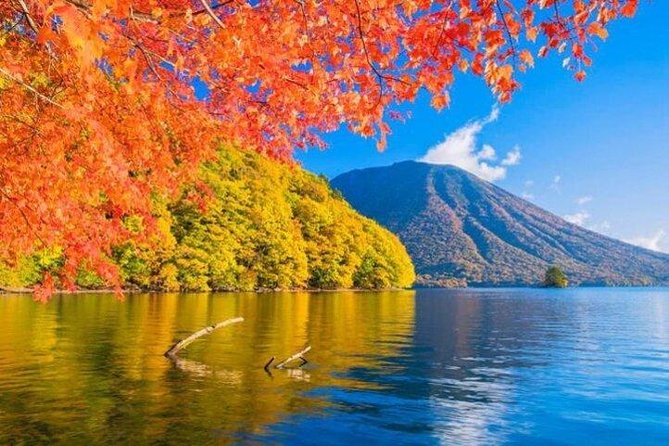
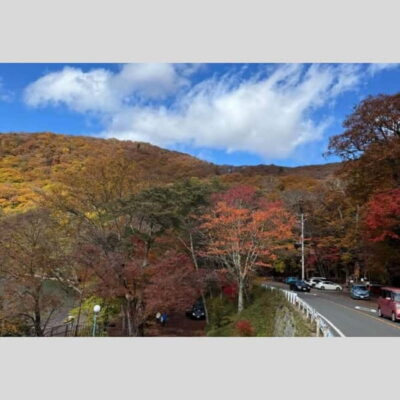
The Irohazaka route is a pair of winding roads connecting lower elevations near Nikko to the mountainous higher regions. It has also been featured in the anime Initial D, so if you are a fan, it can turn an ordinary roadside view into a more memorable one.
This is one of those stops where your expectations should match the time. The listed duration is around 3 minutes. You are not planning a full walk. You are using it as a visual palate cleanser and a way to break up the temple or waterfall stretch.
Senjogahara Field is another quick but interesting stop. The name refers to a mythical battlefield where legends say the gods of Mount Nantai and Mount Akagi fought to claim neighboring lakes. Even if you only get a short visit, your guide can help you place this into the broader Nikko theme of nature, spirituality, and local legend.
If you are the kind of traveler who loves little story details, these shorter stops are a good match. If you hate quick stops and want longer time on fewer sites, you might prefer using your 3 to 4 slots on longer temple and lake moments.
Kanmangafuchi Abyss and Kirifuri Waterfall for that “Nikko in motion” feeling
Kanmangafuchi Abyss is a gorge formed by an eruption of nearby Mount Nantai. It is only a few hundred meters long and can be enjoyed from a riverside walking trail. This makes it a pleasant option if you want a nature stop that includes a short stroll rather than only a stationary viewpoint.
Kirifuri Waterfall is a different kind of dramatic. It is described as a two-tiered waterfall, about 75 meters high, located below the Kirifuri Highlands a few kilometers northeast of the temples and shrines of Nikko. If Kegon Falls feels like your big headline moment, Kirifuri can be your second act, especially for groups that want more waterfall variety.
Also, because your itinerary is flexible, these work well as “swap-friendly” options. If the day’s weather feels thick around one site, you can often choose another nature stop that still delivers views.
Tamozawa Imperial Villa, Kanaya Hotel History House, and the University of Tokyo garden
Not every Nikko moment needs to be sacred or wild. If you like architecture, parks, and historical context, these stops can turn your day into more of a whole-region portrait.
Nikko Tamozawa Imperial Villa Memorial Park is an option if you want a blend of Edo and early Meiji period architecture. The villa was erected in Nikko in 1899, using parts of a residence. The listed time is about 30 minutes, which is just enough to see the layout and get the story without turning it into an all-day museum detour.
Kanaya Hotel History House is another history-focused choice. It served as the predecessor of the celebrated Kanaya Hotel. If you are curious how foreign visitors and tourism shaped Nikko in the late 1800s and early 1900s, this stop can give you another layer beyond shrines.
For a calmer pause, Nikko Botanical Garden is an excellent add-on. It is owned and maintained by the University of Tokyo, and it is described as a branch of the university’s main research garden, Koishikawa Botanical Garden. That matters because it signals a cared-for research environment, not just a decorative park.
Shinkyo Bridge and the theme of entrances, sacred thresholds
One detail I appreciate with Nikko is how many experiences revolve around thresholds. Shinkyo Bridge is technically connected to Futarasan Shrine, and it serves as an entrance to Nikko’s shrines and temples. In other words, it is not just a pretty structure. It is a transition moment.
Futarasan Shrine itself is older than its more famous neighbor, founded in 782 by Shodo Shonin, the monk tied to early Buddhist introduction to Nikko. If your day is temple-heavy, adding Futarasan gives you a sense of older roots before you shift back into the Tokugawa-era story.
If you like photos that feel like travel memories rather than quick snapshots, Shinkyo Bridge is a good use of one of your 3 to 4 slots.
Akechidaira Plateau ropeway closure: plan dates with care
Akechidaira Observation Area is listed with a ropeway, and the ropeway has a closure window for maintenance. The dates are Jan 16, 2026 through Aug 31, 2027.
So if you are traveling during that range and you were hoping for the ropeway access, assume you will not be using it. This matters because Akechidaira is positioned near the top of the Irohazaka slope, and the views over the winding road and mountains are a big part of why people want to go. If the ropeway is down, you will need to rely on the other listed stops for your viewpoint needs.
The guide experience: what “licensed and local” adds in real life
A private guide is not just a translator. It changes how you move through Nikko.
In past experiences with guides such as Yoshi, Steve, Koba, Karen, Ikuko, and Yumi, the consistent theme was that they made the sites more meaningful. Yoshi’s day in snow and cloud cover was described as still memorable, and that is exactly what you want from a guide. The scenery changes, but the value does not have to.
Karen was praised for organizing a nature-focused half-day and communicating well, which is useful if you want a plan that feels smooth from pickup to drop-off. Yumi was praised for tailoring the itinerary to interests, and Ikuko was praised for flexibility plus stories and anecdotes, which is the kind of detail that turns a set of famous locations into something personal.
If you care about English explanations, it is worth being direct before the day starts. The tour design calls for a licensed local English speaking guide, and in one case a response clarified that the driver does not need to speak fluent English because the guide fulfills the role. Still, if you need a very specific level of language support, confirm what you can expect.
Also remember the car seat note: there are limited car seats and booster seats, and rear-facing car seats are not available. If that matters for you, contact the provider ahead of time.
Weather, snow, and steep-road reality in Nikko
Nikko weather can change your day fast. One winter experience included snow in early April, with rain in Tokyo. The point is not that your trip will be the same, it is that conditions can shift between city and mountains.
A helpful example included winter tires. At the entrance to Irohazaka, police were checking whether visitors had winter tires, but the driver had prepared them, and the group was not stopped. That is the kind of practical readiness you benefit from when you have a local driver behind the wheel.
Even if your own day is not snowy, it is smart to dress in layers. Temple and nature areas can feel colder at elevation, and waterfalls can bring extra cool air.
What I recommend you choose, depending on your travel style
If you love temples and want context, start your selection with Nikko Tosho-gu and add either Taiyū-in (Iemitsu) or Rinno-ji. Then pair it with Shinkyo Bridge if you want that iconic entrance moment.
If your heart is in nature and viewpoints, build around Kegon Falls and Lake Chuzenji. Add either Kirifuri Waterfall for a second waterfall or Kanmangafuchi Abyss for a short nature walk.
If you want a balanced day that feels like more than a photo run, consider mixing one temple stop (Tosho-gu or Rinnoji), one nature headline (Kegon Falls or Kirifuri), and one scenic legend stop (Irohazaka or Senjogahara). That combination tends to feel like Nikko, not like a generic day trip.
And if you are a history or architecture fan, consider swapping one nature slot for Tamozawa Imperial Villa or the Kanaya Hotel History House, then adding the Botanical Garden for a calmer finish.
Should you book this Nikko private tour?
Book it if you want a low-stress Nikko day with pickup from Tokyo’s 23 wards, and you value a guide who can explain what you are seeing as you move. It is a strong fit for couples and families up to 4 who want to mix UNESCO temple visits with waterfall and lake scenery, without surrendering control to a group schedule.
Skip or rethink it if you are traveling solo on a tight budget, or if you need ultra-precise fluent English explanations and want strong assurance on that point. Also, if ropeway access at Akechidaira is a must for your dates, check the closure window first so you are not disappointed.
If you do book, my best tip is simple: choose your 3 to 4 stops so the day has a clear spine, one temple anchor, one big nature payoff, and one shorter scenic or history stop. That is how you get a Nikko day that feels full, not rushed.
FAQ
How many places will we visit in Nikko?
You customize the day with a choice of 3 to 4 sites from the available stops. The exact combination is up to your group.
What is included in the tour price?
The tour includes a licensed local English speaking guide, a private vehicle, a customizable tour of your selected 3 to 4 sites, and pickup in Tokyo.
Are entrance fees included for Nikko attractions?
No. Entrance fees and admission tickets are not included, and lunch is also not included.
Do we get picked up around Tokyo, or only from one station?
Pickup is offered from anywhere in Tokyo’s 23 wards.
Is the Akechidaira ropeway available?
The ropeway is closed for maintenance from January 16, 2026 until August 31, 2027.
Are car seats available for children?
There are only a limited number of car seats and booster seats. Rear-facing car seats are not available, so you need to contact the provider directly if you require them.
More Guided Tours in Tokyo

More Tours in Tokyo

More Tour Reviews in Tokyo
Not for you? Here's more nearby things to do in Tokyo we have reviewed


Nikko Day Trips, side by side.
 ★ 4.6Nikko: Kegon Falls, Lake Chuzenji & Toshogu TempleFrom $891,577 reviews
 ★ 4.5Nikko Toshogu Shrine and Kegon Waterfall TourFrom $841,266 reviews
 ★ 5.0Nikko Full-Day Private Tour with Government-Licensed GuideFrom $155259 reviews
 ★ 4.9From Tokyo: Nikko World Heritage Site Private Full-Day TripFrom $483243 reviews
 ★ 4.3Nikko: Edo Wonderland Edomura Cultural Theme Park TicketFrom $35205 reviews
 ★ 4.8Nikko World Heritage Private Day Trip Hotel Pick-upFrom $390145 reviews
From Tokyo: Nikko World Heritage Sight Full Day Private TourFrom $362127 reviews
★ 4.8Nikko World Heritage Private Day Trip Hotel Pick-upFrom $390145 reviews
From Tokyo: Nikko World Heritage Sight Full Day Private TourFrom $362127 reviews
 ★ 4.9Nikko – Beautiful Full-Day Personal and Private TourFrom $364119 reviews
This tour also belongs to