
Review · TOKYO CITY TOURS
Private Gluten-Free Japanese Cooking Class in Tokyo Japan
Tokyo tastes different with celiac in mind. This private class at Morimi’s Home Kitchen turns gluten-free Japanese cooking from guesswork into a simple system, starting with how to check labels for wheat ingredients.
I also like the way the food stays practical, not weird. You can choose a basic, tofu, or sushi course, then cook and eat classic dishes like onigiri, miso soup, and shiraae.
One consideration: this is very kitchen-focused, so it is not a sightseeing or street-food crawl. If you want Tokyo views all day, you will need to pair this with other plans.
Key highlights
- Label-checking tips for common hidden wheat ingredients in Japanese staples
- Three full-course options that match different comfort levels and preferences
- Hand-on cooking of dishes like karaage, agedashi tofu, temari sushi, and oshi-sushi
- Optional seasonal sweets like strawberry daifuku or chestnut yokan
- Lunch included, plus you get recipes to repeat at home
- Private group experience in a home kitchen setting near Meidaimae Station
Gluten-free Japanese cooking, with fewer surprises
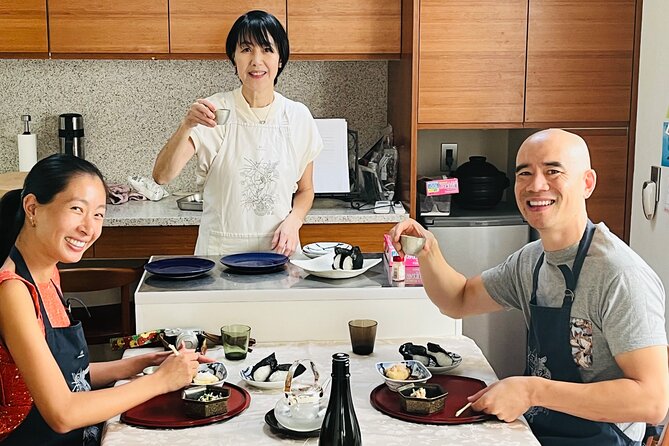
Japanese food is naturally built around rice, fish, vegetables, tofu, and seaweed. That is good news if you avoid gluten. But the tricky part is the seasoning and processing. Many staples you see every day can quietly contain wheat, especially in items like soy sauce, miso, and mirin. Even breaded or fried foods (think tempura-style coatings) and processed items like fish cakes or noodles can be problems.
What I like here is the focus on how you check. You learn to read ingredient labels the right way, so you can spot wheat-derived ingredients before you cook. That skill matters more than any one recipe, because Japanese cooking habits show up everywhere in the real world, not just in a class.
You can also read our reviews of more private tours in Tokyo
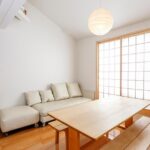
Morimi’s Home Kitchen: where the class happens and how it flows
The session meets near Meidaimae Station in Setagaya City, at Matsubara 2 Chome-45. The activity starts at 11:00 am and runs about 3 hours. The tour ends back at the meeting point, so you do not need to plan a complicated after-class route.
Pickup is offered, which is a big deal in Tokyo. Even when you are comfortable with trains, cooking classes can be easier when you reduce the stress of timing. Also, this is a private tour, meaning only your group participates. That keeps the pace comfortable and gives you room to ask ingredient questions without feeling rushed.
Morimi’s English gets praise for being clear and careful, and she comes across as welcoming and genuinely warm. Even if you are nervous about your cooking skills, the tone is not intimidating. The class is built for learning, not performance.
Choosing your course: basic, tofu, or sushi
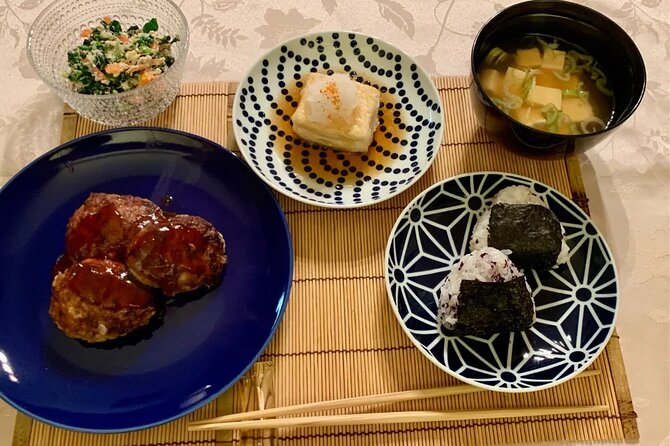
You get to pick one of three gluten-free courses, and each one is built around a theme. You cook several dishes, then you eat what you make. The best part is that every menu teaches you a different set of gluten-free “workarounds” for Japanese flavors and textures.
The Basic course: classic comfort, rice-forward
If you want a wide sample of Japanese home cooking, this is the easiest entry point. The Basic course includes two onigiri, chicken karaage, dashimaki tamago (rolled Japanese omelet), shiraae (tofu and vegetable salad), kinpira (stir-fried potatoes and carrots), and miso soup.
Why it works: it teaches how gluten-free can still taste deeply Japanese. You get rice handling (onigiri), umami-rich soup (miso soup), and everyday sides like kinpira. Karaage adds a more challenging texture, so you learn how to approach fried chicken ingredients carefully.
Potential drawback: karaage is popular, but it is also one of the dishes where you need to be extra alert to the exact breading or coating method. The class setup should help, but it is still a more “label-heavy” dish than something like miso soup.
The Tofu course: a meatless Japanese lineup with variety
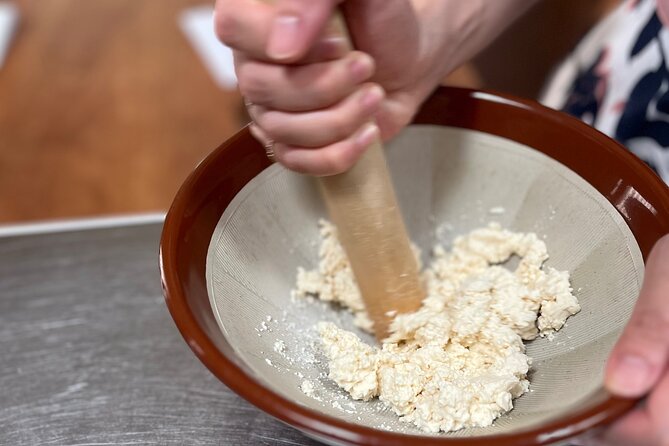
The Tofu course is for you if you want big flavor from tofu and gentle, balanced Japanese sides. It includes two onigiri, tofu hamburger steak, shiraae, agedashi tofu (deep-fried tofu in broth), and either tofu miso soup or clear soup. You also get oboro-tofu, which is freshly made soft tofu.
Why it works: tofu in Japan is not just a substitute. It is a real ingredient with multiple textures, from soft and creamy to firmer and crisped. You learn how to keep that variety while staying gluten-free.
A practical bonus: dishes like shiraae and oboro-tofu teach you how to build flavor with Japanese-style seasonings without losing your dietary goal. You also get a broth component, so you see how savory liquids fit into a gluten-free menu.
You can also read our reviews of more cooking classes in Tokyo

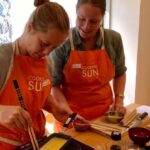
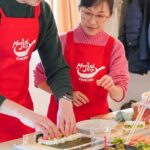
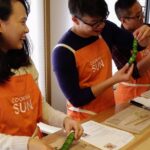
The Sushi course: temari and pressed sushi, gluten-free style
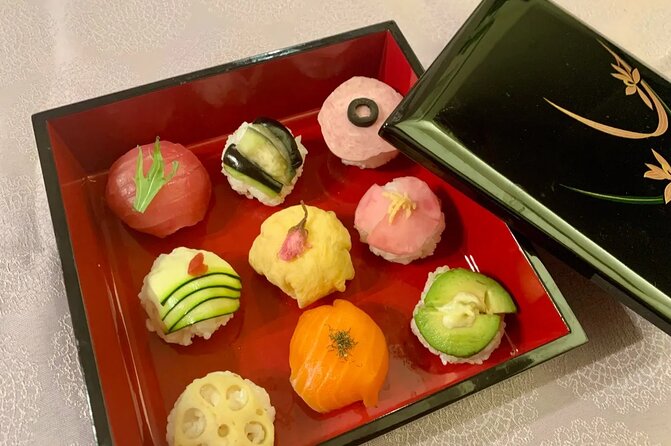
The Sushi course focuses on form and technique. You cook six pieces of temari-ball sushi and oshi-sushi (pressed sushi). It also includes tofu miso soup or clear soup.
Why it works: sushi sounds simple, but it teaches method. Temari sushi is about neat shaping and getting rice seasoned just right. Oshi-sushi introduces a more structured approach where consistency matters. For gluten-free eaters, this menu can also be a confidence builder because sushi ingredients are usually straightforward compared to breaded or heavily processed items.
Consideration: if you are someone who hates working with rice texture or takes time to shape food neatly, the sushi class may require a bit more patience. That said, the private setting helps. You can move at a learning pace.
Optional Japanese sweets by season
If you have room after lunch, you can add seasonal sweets. The options include:
- Spring: strawberry daifuku (mochi with sweet red bean paste and strawberry)
- Summer: chilled sweet red bean soup with shiratama dumplings
- Autumn: chestnut yokan (sweet bean jelly)
- Winter: shiratama zenzai (sweet red bean soup with rice flour dumplings)
These sweets are not random add-ons. They help you see gluten-free Japanese desserts in a real context, including mochi-style textures and bean-based flavors that are common across Japan.
Ingredient label checking: the real skill you take home
This is where the class earns its value. Japanese cuisine can be gluten-free-friendly, but only if you handle seasonings and prepared products carefully.
The overview is clear about the main trouble spots:
- Seasonings can contain wheat-derived ingredients, including soy sauce, miso, and mirin
- Coatings and fried foods can be a hidden issue, especially when batter or breading is involved
- Processed items like fish cakes and noodles may contain wheat
In the kitchen, you do not just learn theory. You get tips for building gluten-free menus with traditional Japanese ingredients, and you put those ideas into practice while cooking.
What I would watch for when you go: pay close attention to how the instructor explains ingredient substitutions and what to look for on labels. The goal is not to avoid all packaged products. It is to make informed choices so you can cook at home without turning every meal into a stress test.
Also, rice-centered menus help you focus on what Japan does well. You spend your energy learning technique, not fighting the basics.
Lunch, tasting, and the “repeat at home” factor
The class includes lunch. In other words, you do not just cook and walk away. You eat what you made, which helps you judge flavor and texture in real time. That is valuable for gluten-free cooks, because you get quick feedback on whether a sauce is too bland, whether a coating still feels safe, or whether a broth tastes balanced.
One more practical win: you should expect to take away recipes. Getting recipes matters because cooking skills fade without a written path. With a recipe sheet, you can recreate dishes and also re-check ingredients when you shop later.
If you are cooking for a whole family, this kind of class is especially handy. It turns gluten-free cooking into a shared project. Instead of one person eating “special meals,” you build a menu everyone can sit down to.
Price and value at $84.54 for a private 3-hour class
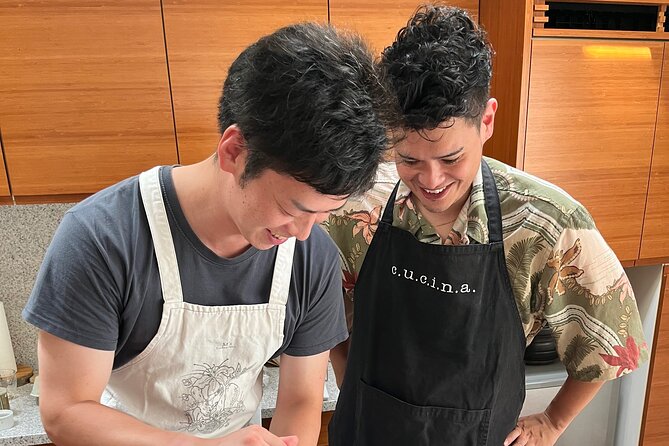
At $84.54 per person for about 3 hours, the price may feel like a lot at first glance. But it is a private, hands-on experience with lunch included. You are paying for kitchen time, guidance, and the personalized attention that comes with a home setting.
Here is how I think about value:
- You are not just tasting Japanese food, you are learning gluten-free methods and label checks.
- You are getting a full menu experience, not a snack-sized demo.
- Private group format usually means more time for questions, especially important for celiac-level attention to ingredients.
It is also booked fairly ahead of time, about 70 days in advance on average. That is a signal that this is a popular class for people who want a real solution, not a vague gluten-free talk.
If you compare this to paying for multiple meals plus ingredient research on your own, the class can be cost-effective. The real payoff is the confidence you build, plus the recipes.
FAQ
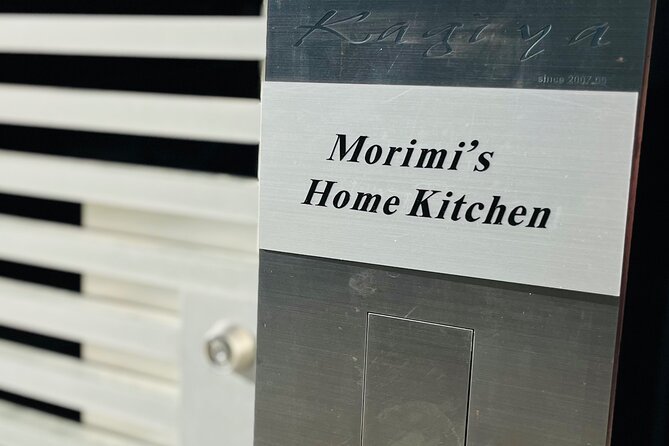
Where is the meeting point for this Tokyo class?
You start near Meidaimae Station, and the meeting location is listed as 2 Chome-45 Matsubara, Setagaya City, Tokyo 156-0043, Japan.
What time does the class start, and how long is it?
The start time is 11:00 am, and the duration is about 3 hours.
Is lunch included?
Yes. Lunch is included.
What kind of pickup is available?
Pickup is offered, and the activity is near public transportation.
Are there multiple menu options?
Yes, there are three gluten-free course options: Basic course, Tofu course, and Sushi course.
Does the class include optional Japanese sweets?
Yes. You can choose optional sweets, and the option depends on the season (strawberry daifuku, chilled red bean soup with shiratama, chestnut yokan, or shiratama zenzai).
Is this a private experience?
Yes. This is a private tour/activity. Only your group participates.
Can I cancel for a refund?
You can cancel for a full refund if you cancel at least 24 hours before the experience’s start time. If you cancel less than 24 hours before, the amount paid is not refunded.
Should you book this private gluten-free Japanese class?
I would book it if you want Japanese food that feels safe to cook, not just safe to eat out. The combination of ingredient label tips, hands-on cooking, and lunch, plus recipes to repeat later, makes it a smart choice for anyone who takes gluten-free seriously.
Choose the Basic course if you want a broad intro to Japanese home cooking. Pick Tofu if you want variety from one main ingredient. Go Sushi if you want a technique-focused class with clean, rice-forward results.
If you are the type who hates kitchen work or expects major sightseeing, this may not be your style. But if your goal is to learn how to build gluten-free Japanese meals with confidence, this is the kind of Tokyo experience that pays off far beyond the 3 hours.
More Cooking Classes in Tokyo
More Private Tours in Tokyo

More Tour Reviews in Tokyo






Not for you? Here's more nearby things to do in Tokyo we have reviewed












Tokyo City Tours, side by side.
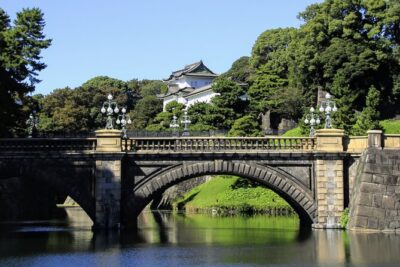 ★ 5.01-Day Tokyo Bus TourFrom $12914,250 reviews
 ★ 4.5TOKYO SKYTREE® Admission ticketFrom $1311,192 reviews
 ★ 4.6teamLab Planets TOKYO Digital Art Museum Entry TicketFrom $259,779 reviews
 ★ 4.0Mt Fuji & Hakone Cruise, Drum Show Bullet Train 1 Day from TokyoFrom $1497,413 reviews
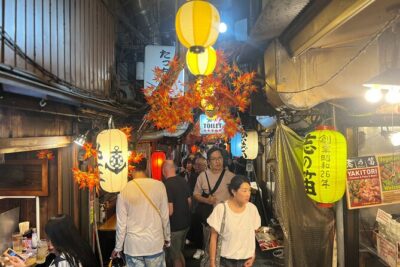 ★ 5.0Shinjuku Food Tour (13 Dishes at 4 Local Eateries)From $866,603 reviews
 ★ 4.4Tokyo Mt Fuji 5th St & Hakone Cruise Bus Tour w/Bullet TrainFrom $1545,024 reviews
 ★ 5.0Flagship 2-Hours Official Street Go-Kart Tour – Tokyo Bay ShopFrom $644,974 reviews
 ★ 4.5From Tokyo: Mount Fuji Full-Day Sightseeing TripFrom $684,970 reviews
This tour also belongs to