
Review · SHIBUYA TOURS
Shibuya All You Can Eat Best Food Tour The Original One in Tokyo
Shibuya eats on a guided mission. This Shibuya All You Can Eat Best Food Tour focuses on easy, high-traffic Tokyo landmarks plus side streets most people miss, with a maximum of 10 people and a guide who ties the food to daily life. Expect a 4-hour walk through places like Shibuya 109, Nonbei Yokocho, Shibuya Crossing, and MEGA Don Quijote, with Shibuya street energy doing the heavy lifting.
I like that the 4 to 5 food stops come with both variety and context, not just a random string of restaurants. I also appreciate that soft drinks and water are included, with desserts part of the plan. One possible drawback: this is not a free-for-all buffet style experience with unlimited alcohol, and the value depends on you being open to trying unfamiliar items and following the guide’s pacing.
Key takeaways before you go
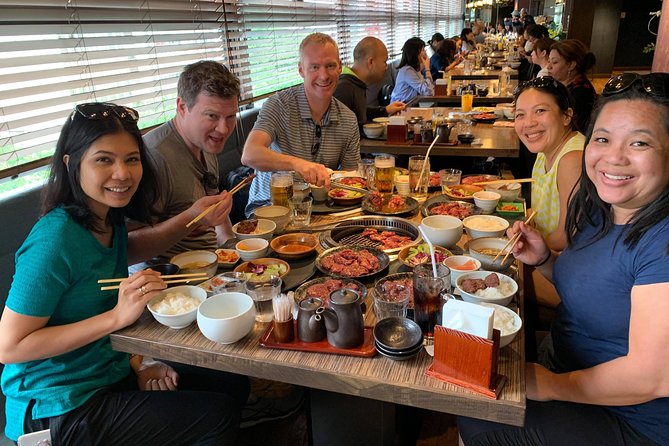
- Small group (max 10) means you can actually ask questions and not feel like a human zipper between tables
- 4 to 5 food stops plus desserts, with soft drinks and water included
- Shibuya 109, Nonbei Yokocho, and Shibuya Crossing are mixed with quieter back-lane moments
- Busiest-crossing photo time is built in, so you do not have to hunt it down later
- Guide-led culture notes help you understand what you are eating and why it fits local routines
- Alcohol is optional extra, so budget accordingly if you want drinks
Starting at Hachiko, then Shibuya 109’s food-scene rhythm
The tour starts at the Hachiko Statue area in Shibuya, and it ends back there. That matters because Shibuya can feel like a video game map, and having a real meeting point keeps your night calm.
From there, you spend time around Shibuya 109, a building complex where you will see local crowds flowing past food options and izakaya-style spots. Even if you are not shopping, this is a good first stop because it sets the tone: Tokyo food culture is not just sit-down meals. It is street-level snacks, quick bites, and easy in-and-out drinking culture.
The good part for you is pacing. This is a walk, not a bus tour, so you are naturally moving from one “food moment” to the next. Another plus is that entry is free at this stop, so your money stays where it should, in the included tastings. The only consideration is that Shibuya 109 is popular, so if you hate crowds, you might prefer earbuds and a calm mindset, especially near the peak foot traffic windows.
You can also read our reviews of more food & drink experiences in Tokyo

Nonbei Yokocho: the alley where locals actually hang out
Nonbei Yokocho is the kind of narrow lane you can walk past in daylight and never notice, but at night it becomes its own world. The tour frames it as a hidden pis alley where you learn how Japanese people spend their evenings, which is a great match for a food tour. You do not just see “cool places,” you get a small lesson on why they work.
This stop is shorter, about 30 minutes, but it is often where the tour feels most Tokyo. Think tiny bars, close conversations, and a less polished feel than the big attractions. It is the setting where food makes sense because the atmosphere is built around small portions and lingering.
The practical thing: if you are the type who likes to take photos, you will find plenty of angles here, but keep your movement smooth. Narrow alleys are not where you want to stop dead in the walkway while you reorganize your bag.
Shibuya Crossing: photo time with context, not chaos-only
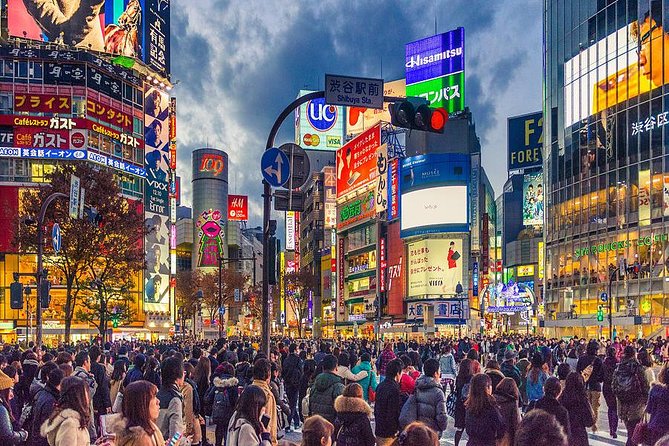
Yes, Shibuya Crossing is famous, and yes, it is crowded. But the tour’s timing gives it a purpose. You get a dedicated block of about 15 minutes, plus a quick note that more than 2,000 people cross every single minute. That number alone helps the scene click into place: this is not just tourism theater, it is urban choreography.
For you, the value is twofold. First, you avoid wasting time later trying to figure out where the best crossing views are. Second, the stop is brief enough that it does not hijack your appetite for the rest of the tasting plan.
Drawback to consider: if you are expecting a calm, low-people moment, you will be disappointed. This is still Shibuya. The best strategy is simple, know what photo you want in advance, take it quickly, and then get moving toward the next eating stop.
MEGA Don Quijote: the 24-hour shop stop that feeds the senses
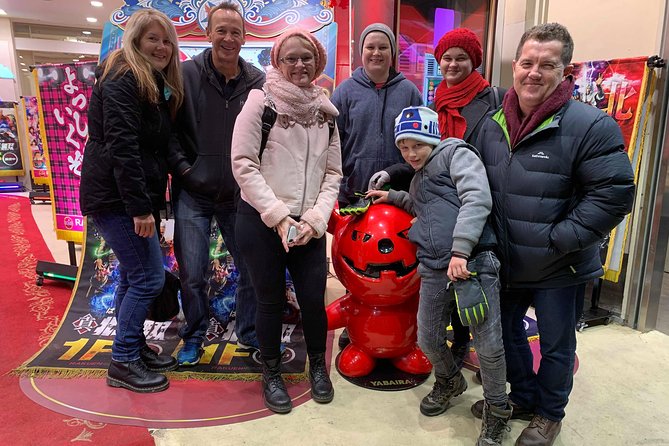
MEGA Don Quijote is the last landmark listed, and it is a fun one because it blends practical Tokyo shopping with the food world. You have about 30 minutes here, including time to wander. The tour highlights that it is open 24 hours and sells everything, from sweets and cosmetics to food and even electronics.
Even though this is not a restaurant stop, it can be useful for your trip in real life. You can see snack options you might not find at home, and it is also a place where you can grab a small treat to carry you through the evening after the tour ends.
If you want to go for a souvenir, this is a sensible time to do it. If you do not, you can treat it like a “Tokyo texture stop,” the kind that helps you understand why Japanese convenience shopping is part of daily life, not a separate activity.
A small caution: it is busy, and it is easy to get sidetracked. If you have dietary restrictions, it helps to have your plan ready before you wander inside.
The food plan: what you are likely to taste across 4 to 5 stops
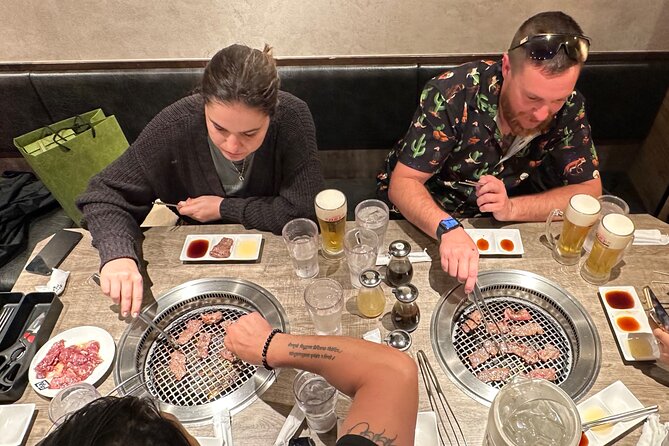
This tour includes food across 4 to 5 stops, plus desserts. The lineup is built around classic Japanese flavors you can actually picture on a menu, even if you have never tried them in Japan:
- Sushi
- Yakitori
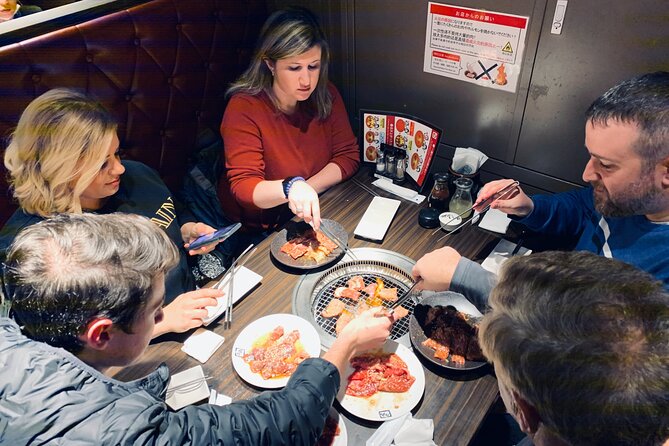
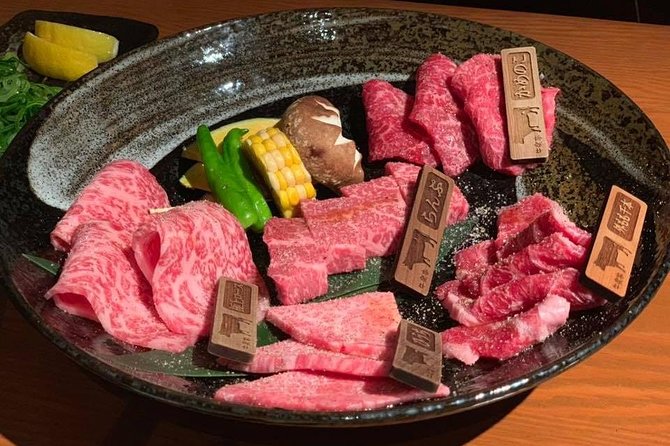
- Yakiniku
- Takoyaki
- Desserts
Soft drinks and water are included. Alcohol is available to purchase, but it is not part of the included package.
What that means for value: you are paying for guidance and access, not just calories. Tokyo has a lot of food, but it also has plenty of places where the menu is intimidating if you do not know how ordering works. A guide helps you get from place to place, and it also helps you understand what you are eating, how it is typically enjoyed, and how to react when something looks different than the photos back home.
One real-world nuance from guides: some lead with stories and small etiquette reminders, and that can make your meals feel less awkward. In previous tours, guides like Kato and Hamada were praised for being warm and communicative before and after the tour, which usually translates to fewer mental loops for you while you are trying to figure out what to eat.
If you are a serious eater, you will likely be happy. Many people come away saying they are full by the end, with enough variety to try items they would skip on their own.
More Tokyo tours and experiences for the shortlist


Why guides make or break this tour in Shibuya
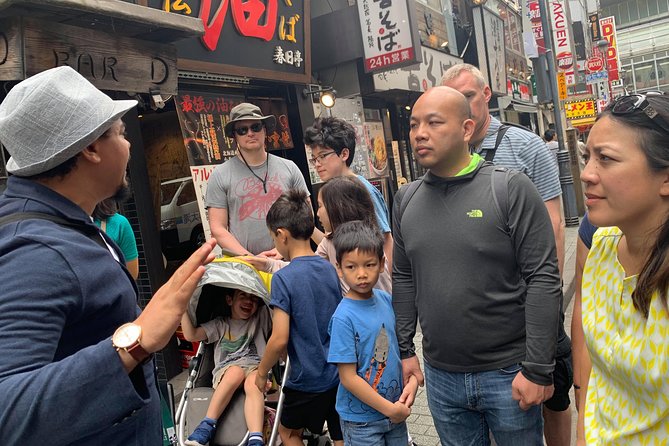
This is a small-group walking experience, so the guide’s style matters. That is not just a “nice to have.” In practice, it affects how efficiently you move, how comfortable you feel ordering, and how much you learn while you eat.
Across the guide roster mentioned in experiences, several names show up with strong positive feedback. People talked about Kato as warm and passionate about food and culture. Amber and Ryu were noted for being friendly and patient, with food variety and good pacing. Samir was praised for being attentive, and Tanaka for being friendly and well organized. You also see highlights for Suzuki, Islam, and Adam, where people described the tour as both food-focused and helpful for understanding Shibuya’s layout.
There are also occasional red flags worth respecting. A small number of experiences mention issues like an awkward start, a guide who was only okay, or confusion about what was served. One person even felt the tour was not worth the price for their expectations. That does not mean the tour usually fails, but it does mean you should go in with the right mindset: be ready for guide-directed ordering and the specific foods that are planned.
My advice: if you are picky about cuisine themes, double-check your expectations. This is designed around Japanese classics, but any single stop can vary in how it is presented. If your goal is only one type of food, this might not satisfy you.
Price and value: is $205 fair for a 4-hour Shibuya food tour?
At $205 per person, this is not a cheap night in Tokyo. The value case is built on three things you actually get:
- Time-saving routing in one of the hardest neighborhoods to navigate
- 4 to 5 food stops, plus desserts, plus soft drinks and water
- A guide who helps you understand the food you are eating and the culture around it
If you compare that to the cost of doing the same meals on your own, the math often depends on how confident you feel ordering in Japan and how much time you want to spend searching for the right spots. Shibuya is full of restaurants, but finding the ones that fit a tasting plan is harder than it looks.
So I would frame the price like this: you are buying guidance and access, not just a meal. If you are the kind of traveler who likes to wander, you might feel the price is steep. If you want a structured Shibuya night where you avoid decision fatigue and eat variety, the cost starts to make sense.
How to make the most of your Shibuya all-you-can-eat style night
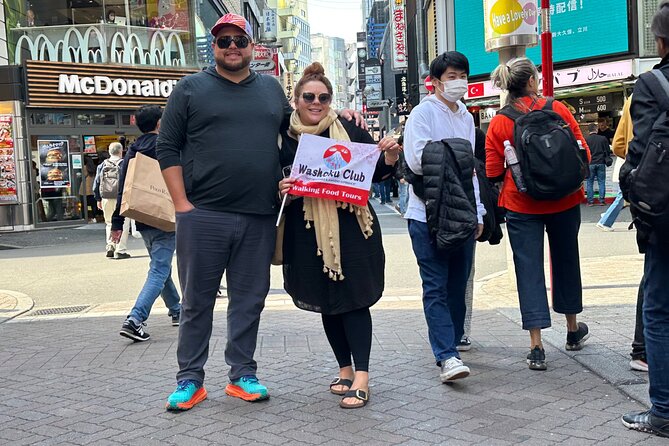
You can boost your experience with a few simple habits.
First, come hungry. Even when the plan is structured, you are eating across multiple stops with desserts at the end. People consistently leave full, which is exactly what you want from this format.
Second, plan for comfort. This is a walking tour with busy, public areas like Shibuya Crossing and crowded shopping streets. Wear shoes you can walk in for hours, not just for photos.
Third, be ready to try things even if they seem new. The tour’s strength is variety, so if you only want safe, familiar choices, you will feel restricted.
Fourth, if you have questions about ordering or what something is, ask. Guides like Amber and Hamada were praised for being patient and making people comfortable, and that is usually when you get the most cultural context.
Finally, if you want alcohol, remember it is not included. You can still have a fun drink, but you should treat it as an add-on to the base price.
Who should book, and who might want a different kind of Tokyo meal plan
This tour is a strong fit if you want:
- A first-timer friendly Shibuya intro that still feels off the main tourist stream
- A structured way to try sushi, yakitori, yakiniku, takoyaki, and desserts without menu stress
- A night out where the guide also explains what you are seeing, like alley life in Nonbei Yokocho
It might be less ideal if:
- You want a quiet, low-crowd experience
- You only want one specific type of food
- You expect unlimited alcohol or a strict buffet format
- You hate following a set route even if it is well organized
Should you book this Shibuya food tour?
If you are excited by variety, like eating your way through a neighborhood, and you want a guide to handle the ordering and pacing, this is an easy “yes” for most people. The strongest reason to book is the combination of small-group movement plus multiple included tastings in Shibuya’s most memorable food zones.
If you are sensitive to price, picky about cuisine, or you dislike crowds at places like Shibuya Crossing, you might feel frustrated. In that case, you could still build a great Shibuya night on your own, but you will lose the time-saving structure and the culture notes.
In short: it is built for travelers who want a guided Shibuya food night that feels like Tokyo, not like a checklist.
FAQ
How long is the Shibuya food tour?
It runs for about 4 hours.
What is the group size?
The tour is a small-group experience with a maximum of 10 travelers.
What food and drinks are included?
The tour includes 4 to 5 food stops chosen by your guide, plus desserts. You also get 2 soft drinks and water.
Where does the tour start and end?
The meeting point is the Hachiko Statue area in Shibuya. The activity ends back at the same meeting point.
Is alcohol included?
Alcoholic beverages are available to purchase, but they are not included in the tour price.
Is free cancellation available?
Yes, you can cancel for a full refund up to 24 hours in advance.
More Food & Drink Experiences in Tokyo
More Tours in Tokyo



More Tour Reviews in Tokyo


Not for you? Here's more nearby things to do in Tokyo we have reviewed

Shibuya Tours, side by side.
 ★ 5.0Official Street Go-Kart in ShibuyaFrom $763,435 reviews
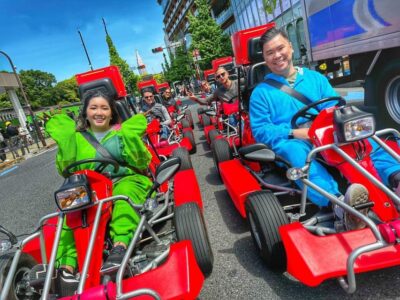 ★ 4.9Street Kart Experience in ShibuyaFrom $741,484 reviews
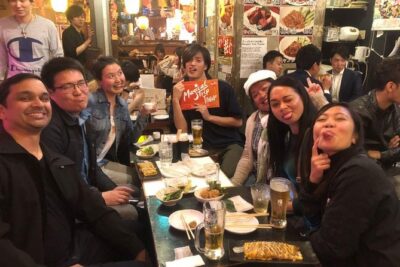 ★ 5.0Shibuya Meltdown Nightlife Tour: All-You-Can-Drink Bar HoppingFrom $1061,058 reviews
 ★ 5.0Shibuya Official Street Go-Kart in Shibuya AnnexFrom $69972 reviews
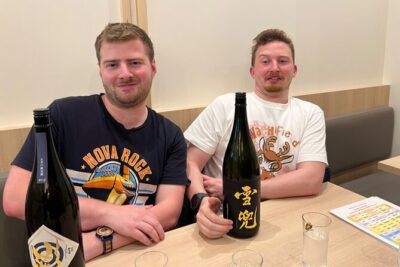 ★ 5.0Shibuya Food Tour (13 dishes and 4 Eateries)From $77770 reviews
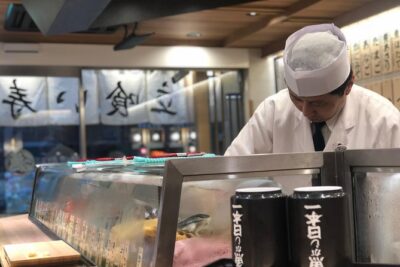 ★ 5.0Best of Shibuya Food TourFrom $217612 reviews
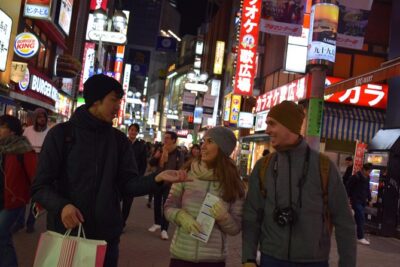 ★ 4.8Shibuya Highlights Walking TourFrom $19601 reviews
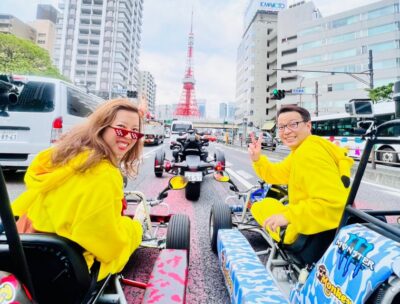 ★ 4.7Premium Go-Kart Tour with Tower & Shibuya CrossingFrom $116528 reviews
This tour also belongs to