
Review · SHINJUKU TOURS
Shinjuku Tokyo: Authentic Japanese Home-Style Culinary Class
Tokyo cooks different. In a small studio near Shinjuku, you pick a menu and learn how Japanese home meals really come together, not just how they look on menus.
I especially like the hands-on focus, you’ll chop, mix, pan-fry, roll, and plate, then sit down to eat the results right away. The instructors, including Kana, Kayo, and Lulu (plus others like Kayo, Miyuki, Chieko, Mika, and more), keep things friendly and in English, so you can actually follow the why behind each step.
One thing to plan for: menu choice can depend on what other groups are in the class that day, so you may not always get your first pick. Also, the exact kitchen studio address is sent after booking, and like any central-city setup, getting the right entrance can take a minute.
Key takeaways
- Shinjuku location with a straightforward, kitchen-studio meeting point in central Tokyo
- Pick one of several popular menus, then cook multiple dishes yourself
- Real home-style technique, from teppan-style okonomiyaki to hand-rolled sushi
- Dietary support is built in, including vegetarian or vegan options when discussed in advance
- English instruction with lots of Q and A time during cooking
- You leave with take-home help, since many participants report receiving photos and recipe guidance
Shinjuku, Central Tokyo, and a Real Kitchen Setup
A cooking class in Tokyo is only as good as the kitchen. This one is set up like a working studio, not a demo stage. The meeting point is a kitchen studio in or around Shinjuku, and you get the exact address after you book. That matters because Shinjuku is big, and you want to land at the correct building and entrance.
What makes the location feel right for planning is timing. You’re not committing to a half day of transit across the city. You’re also in the middle of where most visitors already are, which makes it easier to pair with dinner plans afterward, or do the class as your main Tokyo activity for the day.
More Tokyo tours and experiences for the shortlist



Menus You Choose, and How Flexibility Actually Works
Before you go, you select one of four main menus. You can also request a custom option (the class notes that you can discuss and decide together for special requests). All menus are well-known Japanese home-style staples, so you’re not learning something obscure you’ll never cook again.
Here’s the practical part. Ingredients are prepared ahead of time, but menu selection may be limited if another group is attending the same class session. That means if you have dietary restrictions or a must-do dish, I recommend you lock in your preferred menu early and message questions right away after booking. If your first choice is unavailable, you can still end up with a great meal, but it helps to go in with Plan B mentally.
The 150-Minute Flow: Cook, Eat, and Still Have Time to Ask Questions
The class runs about 150 minutes total. That’s the sweet spot for Tokyo cooking classes. Long enough that you’ll do real work, short enough that it doesn’t eat an entire day.
In practice, the rhythm looks like this:
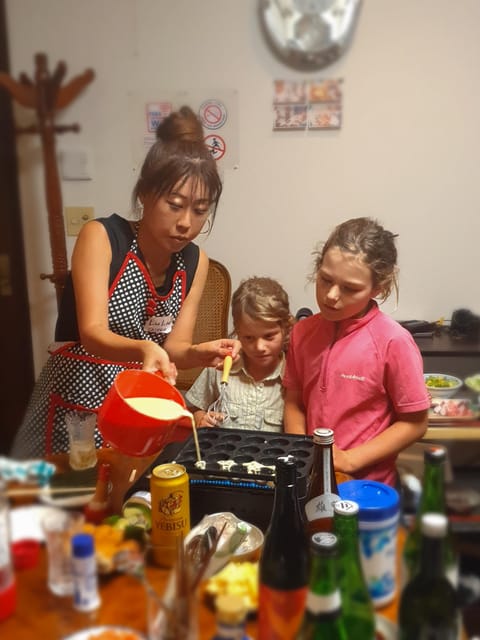
- You start with prep and technique walkthroughs from your English-speaking instructor.
- Then you cook your menu dishes together in the studio.
- Finally, you eat what you made as a shared meal.
A big value here is that you’re not stuck watching. Multiple reviews mention interactive teaching and patient guidance, and you’ll get ample chance to ask how ingredients work, not just what to do next. If you cook at home, you’ll likely enjoy the step-by-step approach that makes the dishes repeatable.
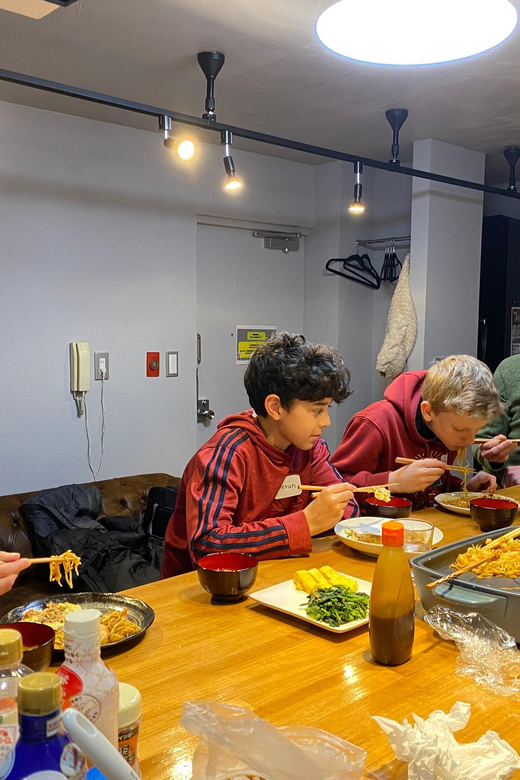
Menu A: Okonomiyaki and Yakisoba, the Teppan Skills Behind the Flavor
Menu A pairs two crowd-pleasers that feel very Japanese in texture and sauce.
You’ll make:
- Okonomiyaki, a savory batter with chopped cabbage and other ingredients, cooked on a teppan-style hot surface. It’s finished with sauces and toppings.
- Yakisoba, stir-fried ramen noodles, usually paired with seafood or pork and vegetables, finished with a sweet-savory sauce.
The technique is the point. Okonomiyaki isn’t just mixing batter and hoping. You learn how cabbage and batter behave on heat, how the cooking surface changes texture, and how the final sauce and toppings balance everything. Yakisoba teaches you timing, how to keep noodles from turning gummy, and how to combine the right mix of savory ingredients with that thicker, glossy sauce.
If you want a menu that feels like a Japanese festival meal but still tastes like home cooking, this is a strong choice.
Menu B: Gyoza and Takoyaki, Crisp Dumplings and Osaka-Style Fun
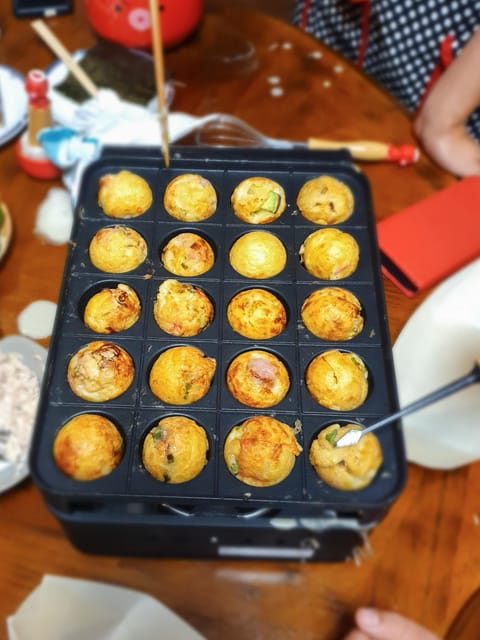
Menu B is for anyone who likes crispy edges and snack energy.
You’ll make:
- Gyoza, pan-fried and crispy, with that satisfying browned bottom.
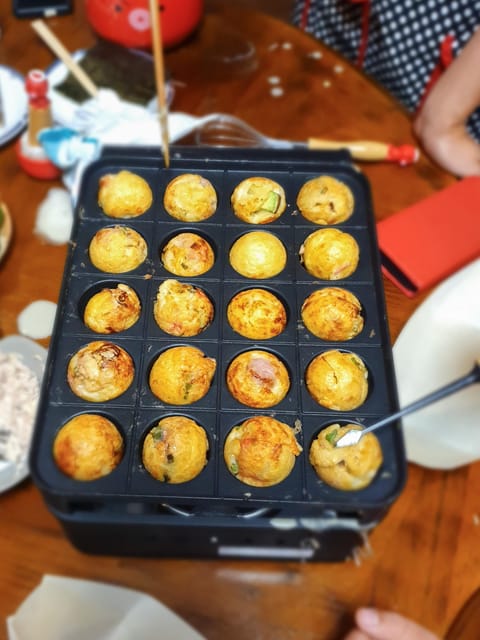
- Takoyaki, the famous Osaka-style octopus dumpling balls, often tied to summer festivals.
This menu stands out because it’s hands-on in a way many cooking classes are not. Gyoza is technique heavy: heat control, folding and shaping, and the moment when the pan-fry is done right. Takoyaki adds another skill layer: portioning batter, turning dumplings, and getting those little golden spheres that hold together.
The value for you is confidence. Once you see the process in a real kitchen setup, you’re more likely to recreate it at home instead of giving up after one messy try.






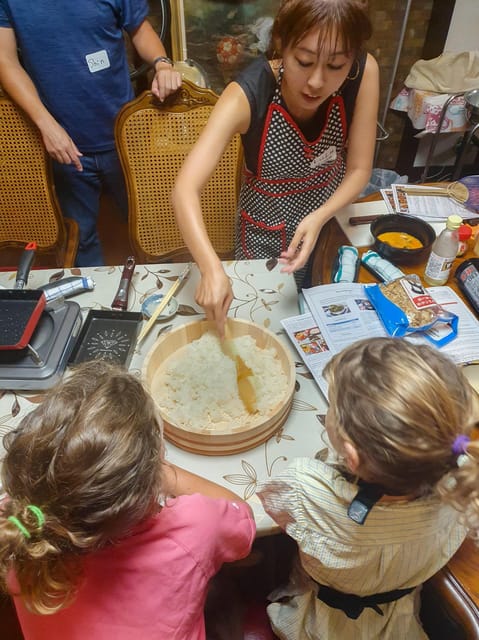
Menu C: Rolled Sushi and Teriyaki, DIY Rolls Without the Mystery
Menu C is a great option if you want something that feels more special, but still achievable.
You’ll make:
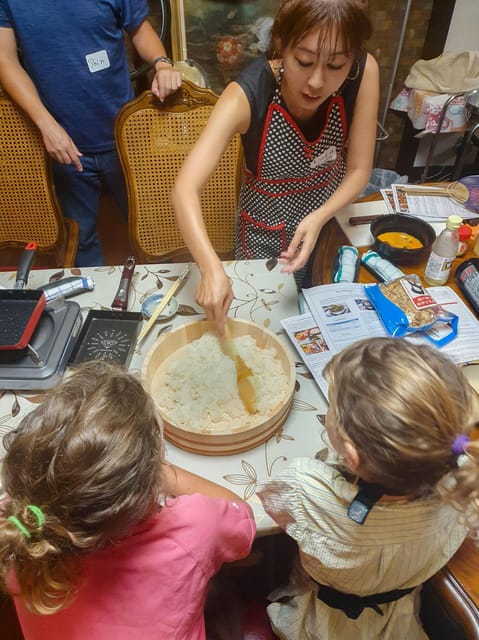
- Rolled sushi, where you roll and chop your own pieces instead of relying on store-bought sushi.
- A teriyaki set with either yellowtail fish or chicken teriyaki, plus miso soup.
There are two practical lessons packed into this menu. First, you learn how rolling works when you’re actually doing it with guidance. Second, you see how teriyaki fits into a meal with soup, rather than being a standalone dish.
If you’ve ever tried to roll sushi at home and thought, I get the idea, but why did it fall apart, this menu directly targets that gap. It’s also a satisfying option for mixed groups, since sushi is familiar but the process feels new.
Menu D: The Gozen Set, Learning How Japanese Meals Get Balanced
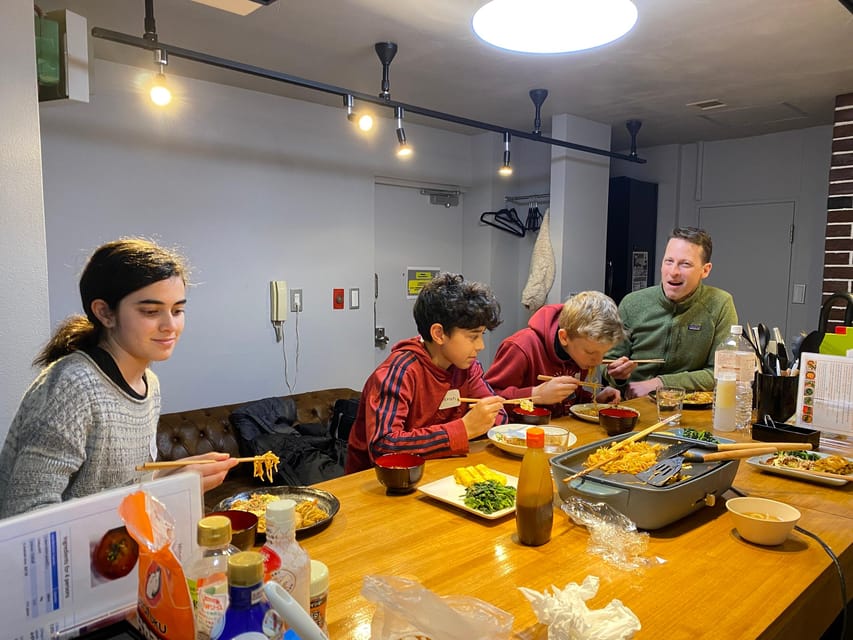
Menu D is for people who want the most rounded meal style, not just one popular snack.
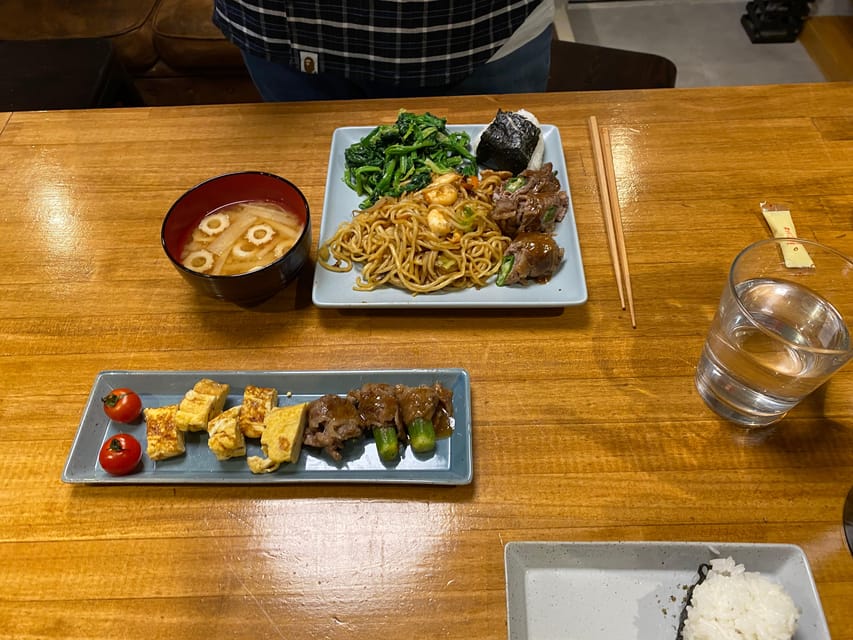
You’ll make a traditional gozen set with a little of everything, such as:
- a meat plate,
- a fish plate,
- a side dish,
- miso soup,
- and an onigiri rice ball.
The educational value here is meal balance. Home-style Japanese cooking often means you get different textures and flavors in one sitting: savory, warm, and something simple like rice, plus soup to round it out. Onigiri also gives you a practical skill you can use at home for quick lunches.
If you’re the type who likes to understand why meals are built the way they are, gozen is a smart pick.
Dietary Needs: Vegetarian, Vegan, and Allergy Conversations That Matter
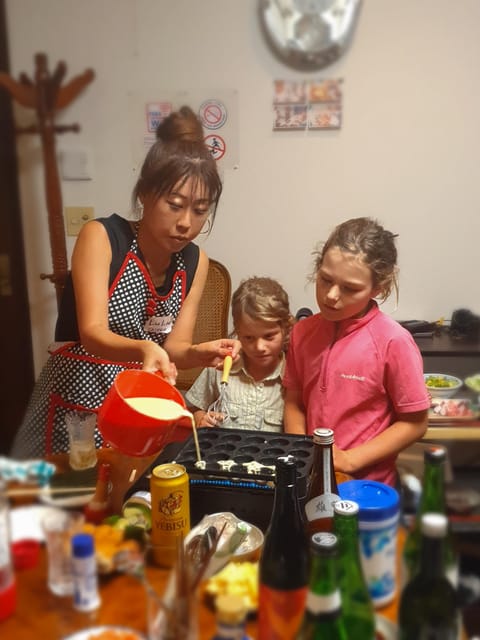
This class is designed to accommodate dietary preferences, and that’s not just a marketing line. The menus are flexible depending on what you request, and you’re encouraged to let the hosts know about food allergies in advance so they can discuss menu options.
If you’re vegetarian or vegan, you’ll still have a path forward, but your best results come from communicating early. The class notes that dietary options are accommodated when discussed in advance, and reviews include examples of instructors working around allergies and making adjustments like chicken teriyaki in a gozen meal.
My advice: send clear details about what you can and cannot eat, including allergies. Then choose the menu that best matches your goals, not just what looks easiest.
Meet the Instructors: English-Led Teaching with Lots of Patience
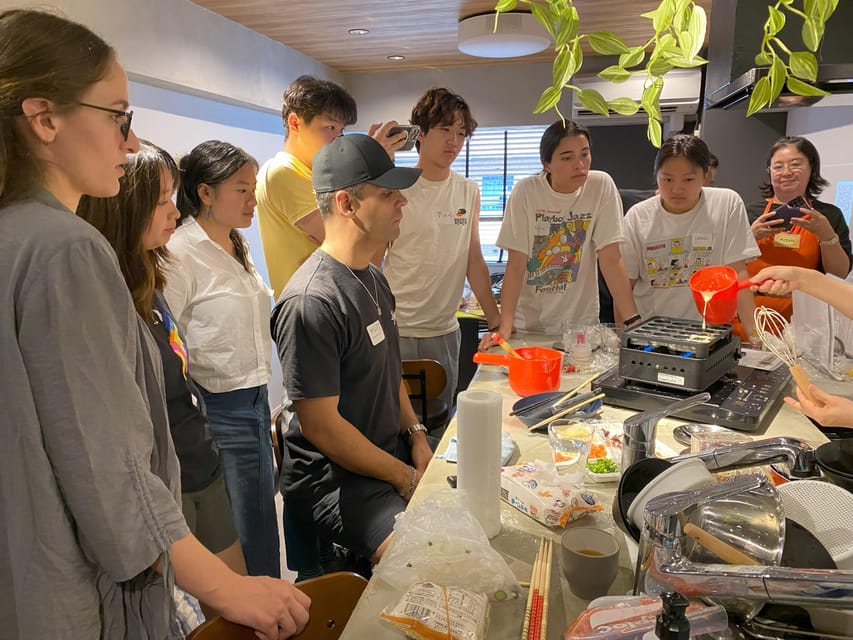
What consistently shows up in feedback is the teaching style. Hosts like Kana, Kayo, Miyuki, Mika, Lulu, and Chieko are repeatedly described as friendly, attentive, and patient, with English instruction that helps you keep up.
This matters because technique is easier when you can understand the steps and the reasoning. Several reviews also mention instructors sharing cultural background on ingredients and dishes, not only kitchen mechanics. That turns the class into more than a single meal. You start to recognize how Japanese flavors are put together and why certain ingredients show up again and again.
Also, you may get extra take-home support. Many participants report receiving photos and recipe guidance at the end, which is exactly what you want if you plan to cook again at home.
What You Pay $88 For, and Why It Feels Like Good Value
At $88 per person for about 150 minutes, you’re paying for more than food. You’re paying for:
- instructor-led technique,
- cooking tools,
- ingredients,
- drinking water,
- and the fees and taxes.
That’s a big difference from buying ingredients yourself. In Tokyo, a lot of cooking experiences also feel expensive because you’re paying for a short demo. Here, you’re cooking multiple dishes, then eating what you made. Reviews also mention participants leaving full, sometimes for much of the rest of the day, which tells you the portioning and meal satisfaction aren’t an afterthought.
What’s not included is private transportation, so plan to handle your commute using whatever you normally use in Tokyo. The class itself is well-located for getting there from Shinjuku.
Practical Logistics Near Shinjuku: Finding the Studio and Showing Up Ready
This is one of those Tokyo experiences where the address matters. The booking message gives the exact location, and you’re told to wait for that message.
One caution from real experiences: a few people had trouble getting the right entrance and needed to call for access, which can make you late. So I’d do this:
- Confirm the address details the moment they arrive.
- Give yourself extra time after you arrive in the area.
- If you’re using GPS, double-check that it leads you to an actual door you can enter.
For timing, remember the class is 150 minutes. If you’re running late, you’ll feel it because cooking work has a flow. You don’t want to show up when the group is already moving into active cooking.
Who This Cooking Class Is Best For
This class fits well if you:
- want a hands-on meal instead of watching someone else cook,
- are visiting Tokyo and want one practical skill to take home,
- like Japanese comfort food staples like okonomiyaki, gyoza, takoyaki, sushi, teriyaki, and gozen,
- travel with friends or family and want something social but structured,
- need dietary preferences handled, especially vegetarian or vegan plans and allergy communication.
It can also work for kids and multigenerational groups, since reviews include families and even teens who enjoyed the interactive format. If you’re cooking-focused, you’ll likely enjoy the technique explanations and the chance to ask follow-up questions.
Should You Book This Shinjuku Home-Style Culinary Class?
I think you should book if your ideal Tokyo day includes a real kitchen workout plus a sit-down meal you helped create. The menu options are familiar enough to feel satisfying, but the process is hands-on enough that you’ll learn new technique, not just eat.
Book this class instead of a lighter food tour if you care about repeatable cooking skills. The strongest reasons to choose it are the interactive teaching, the English support, and the way the menus cover both everyday home cooking and festival-style favorites.
The main reason to hesitate is menu choice uncertainty when other groups are attending the same session. If that matters, message early, be flexible, and keep your expectations focused on learning and eating, not on getting one exact dish every time.
If you want a cozy, practical, Japanese cooking experience near Shinjuku where you leave with both food and skills, this is a solid pick.
FAQ
How long is the cooking class?
The experience takes about 150 minutes, including cooking everything and enjoying the meal together.
How much does the class cost?
The price is $88 per person.
Where does the class meet?
You meet at a kitchen studio in or around Shinjuku, Tokyo. The exact address is shared after booking.
What menu options are available?
There are four menu options to choose from: an okonomiyaki and yakisoba set, a gyoza and takoyaki set, a rolled sushi and teriyaki set, and a traditional gozen set. There is also an option to request a menu, with discussion to decide.
Can the class accommodate vegetarian or vegan diets?
Yes, it is designed to accommodate dietary preferences, including vegetarians or vegans, as discussed in advance.
What if I have a food allergy?
If you have food allergies, you should let the host know in advance. They can discuss the menu and available options with you.
What language is instruction provided in?
The instructor speaks English.
What is included in the price?
Included are all fees and taxes, cooking tools, ingredients, and drinking water.
Is transportation included?
Private transportation is not included. You’ll need to arrange how you get to the studio on your own.
More Workshops & Classes in Tokyo

More Tour Reviews in Tokyo
Not for you? Here's more nearby things to do in Tokyo we have reviewed












Shinjuku Tours, side by side.
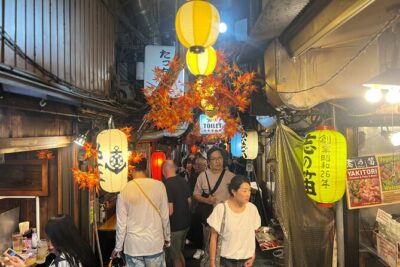 ★ 5.0Shinjuku Food Tour (13 Dishes at 4 Local Eateries)From $866,603 reviews
 ★ 5.0Tokyo Bar Hopping Tour in Shinjuku (All-You-Can-Drink + Dinner)From $1063,587 reviews
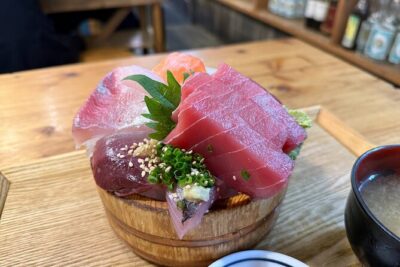 ★ 4.9Shinjuku Food Tour (15 Dishes and 4 Eateries)From $852,033 reviews
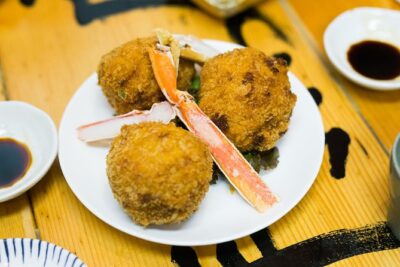 ★ 5.0Best of Shinjuku: Izakaya Food Tour (4 Stops, 14+ Tastings)From $921,863 reviews
 ★ 4.9Shinjuku Local Bar and Izakaya Guided Walking TourFrom $341,794 reviews
 ★ 5.0Tokyo Shinjuku Chopsticks Making ClassFrom $201,763 reviews
 ★ 5.0Tokyo Shinjuku Sumo Show & Experience with PhotoFrom $791,750 reviews
 ★ 5.0Tokyo Night Foodie Tour in Shinjuku – Seasonal Sushi, Wagyu BeefFrom $1111,161 reviews
This tour also belongs to