
Review · TOKYO CITY TOURS
Tokyo 6hr Private Guided Tour & Japanese Sweets Making Experience
Six hours, one guide, less guessing. This private Tokyo outing pairs famous sights with clear explanations, then sends you to make wagashi by hand in Asakusa. You get undivided attention, so you can ask questions as you go.
I love the customized feel. Instead of trying to cram in everything, you choose about 2-3 sites from the options, plus the sweets workshop. I also love that the wagashi part is practical, hands-on Japanese food culture, not just a photo stop.
The main tradeoff: you cannot visit every location on the sample list, and some gardens have entry fees that are not included.
Key highlights to know before you go
- Private, your group sets the pace, with time for questions instead of a rushed script
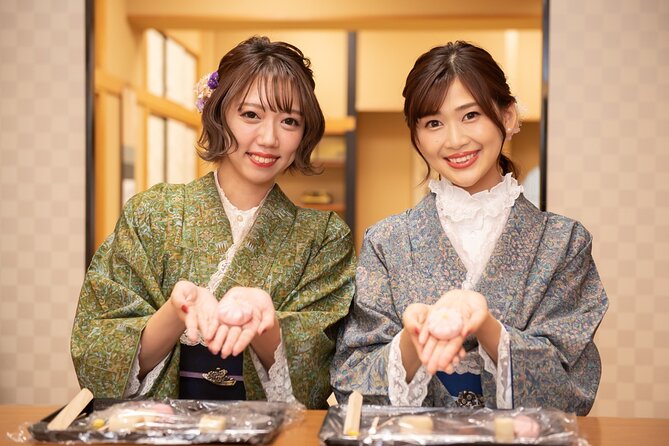
- Asakusa wagashi workshop, you make Japanese sweets by hand
- Pick 2-3 stops from shrines, markets, gardens, and pop-culture areas
- Guide support for real Tokyo logistics, including train know-how from past guides like Ted
- Most shrine stops cost nothing, but several gardens are paid entries
- Meet on foot in Tokyo, with pickup offered and a mobile ticket for easier day-of flow
Why this 6-hour private Tokyo format works
Tokyo can be overwhelming. Lines, station confusion, and “wait, where do we go next?” moments add up fast. This tour’s private structure is built to reduce that stress. You meet the guide on foot, and pickup is offered, so you spend more time looking around and less time figuring out the next move.
The sweet spot here is the pacing. In about six hours, you get a mix of classic Tokyo (shrines and temple areas), calmer pauses (gardens), and pop-culture contrast (Akihabara and Harajuku-adjacent streets). The wagashi workshop gives you a tactile payoff that makes the day feel more meaningful than another checklist walk.
One more practical win: many of the major shrine and temple stops are listed as admission ticket free. That helps your budget, because the big costs tend to come from the paid gardens and any food you choose to buy.
You can also read our reviews of more guided tours in Tokyo
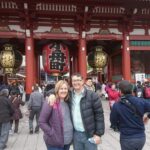
Asakusa wagashi making: the best reason to book
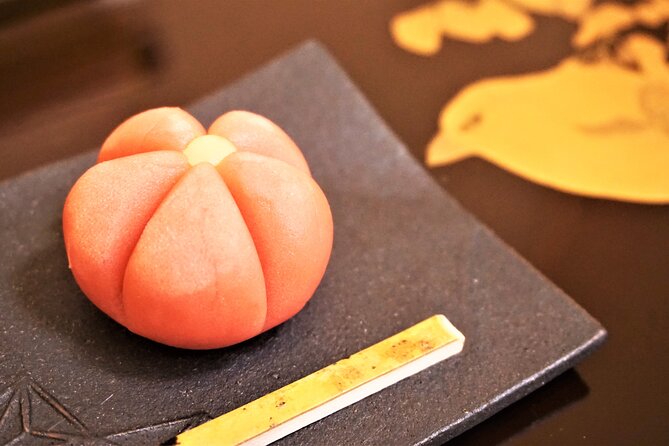
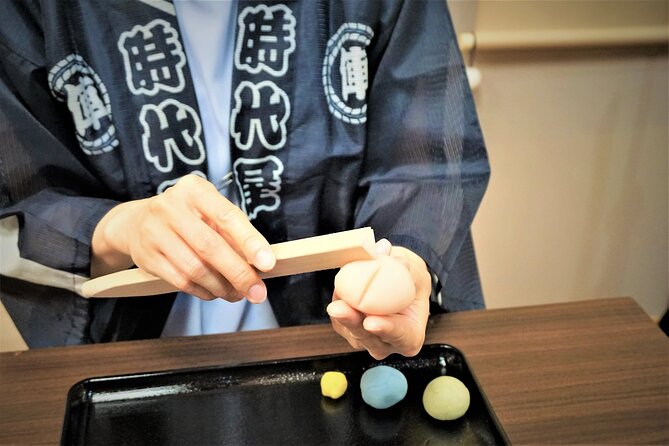
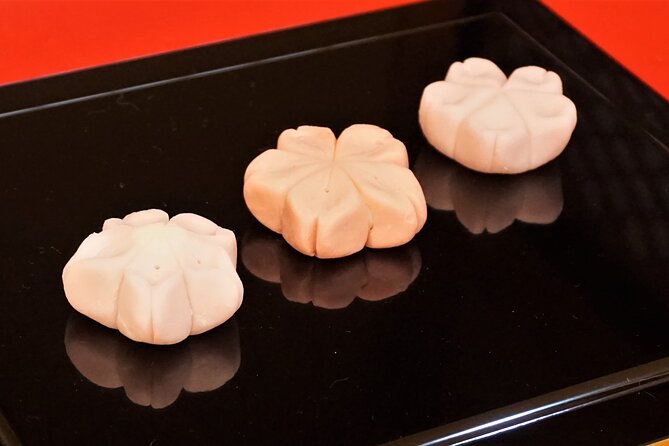
The wagashi workshop in Asakusa is the heart of the experience. “Wagashi” are traditional Japanese sweets, and making them by hand is where the cultural learning turns into something you can actually remember. You are not just tasting at the end, you are shaping, handling, and learning the basics through the process.
This matters because it changes how you look at Tokyo. When you later pass storefronts and sweets displays, you’ll recognize that these are not random treats. They are tied to seasonal tastes, regional habits, and careful presentation. Even if you only catch the fundamentals, the experience gives you a lens for what you’re seeing.
Also, this workshop adds a buffer to the day. Walking Tokyo for hours can get repetitive. The moment you switch from streets to a hands-on food activity, the rhythm of the tour resets.
Jidaiya and the Asakusa warm-up: old-city Tokyo with context
Your day can start at Jidaiya, a cultural experience stop positioned as an alternative to typical Asakusa sightseeing. If you want more authenticity than just the obvious photo route, this is the kind of place that can reframe the area for you. Even with limited time, it’s a useful way to shift from “tour mode” to “story mode.”
Then you move into Asakusa, Tokyo’s shitamachi, the low-city atmosphere where older everyday Tokyo is part of the vibe. This is where you get the sense of neighborhoods still living their own rhythm, not just performing for visitors.
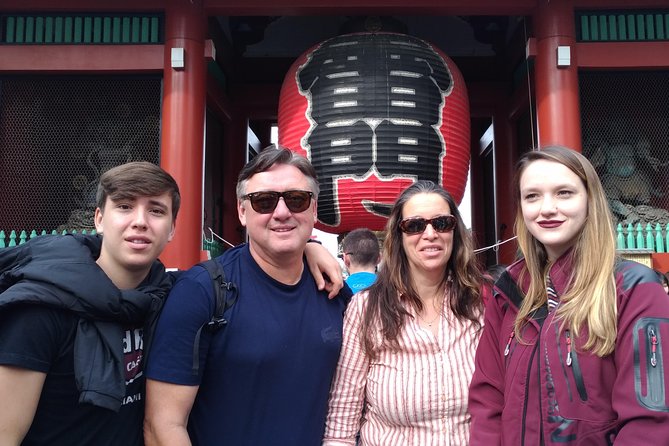
The star nearby is Senso-ji Temple (Asakusa Kannon Temple). It’s described as one of Tokyo’s most colorful and popular temples. That popularity is great, because the energy is real. The downside is also real: it can feel crowded. If you hate crowds, keep your expectations flexible and focus on details like the temple setting and the patterns of visitor behavior your guide points out.
Tsukiji Fish Market: food culture, local support, smart expectations
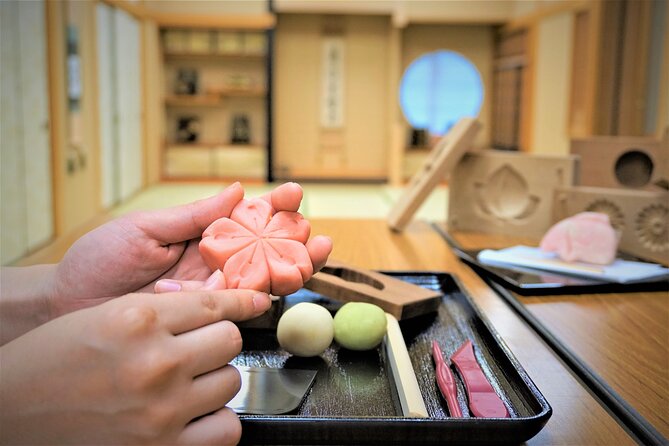
A classic Tokyo stop on the list is Tsukiji, the old fish market of Japan. It’s presented as a place where locals and tourists come for unique foods, not just seafood sightseeing. This is a good choice if you want your tour to include something more sensory than temples and gardens.
A useful tip baked into the experience description: purchase something while you are here to support local businesses. Even a small snack can make the visit feel less like you’re passing through and more like you’re participating.
The practical consideration is time and crowd energy. Markets attract people, and Tsukiji can be busy. A private guide helps here by keeping you moving with purpose, and by suggesting what to look for rather than forcing you to wander blindly.
Meiji Jingu and Imperial Palace grounds: sacred calm next to major transit
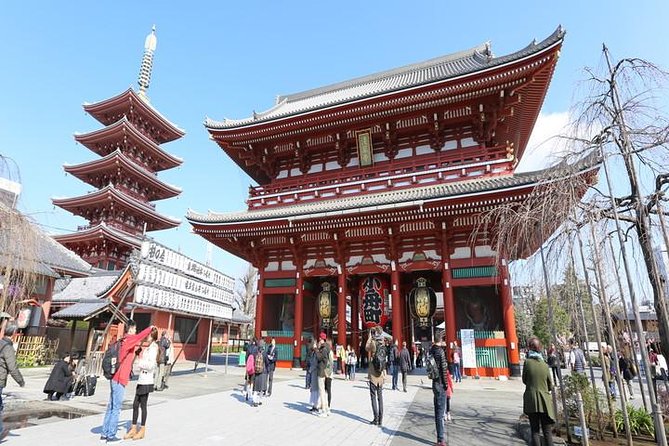
If you want a contrast from the bustle, Meiji Jingu is a strong pick. It’s dedicated to the deified spirits of Emperor Meiji and his consort, Empress Shoken. The description also notes it’s located near the busy Harajuku area on the JR Yamanote Line. That contrast is the point: you step from one of Tokyo’s high-traffic zones into a shrine setting built for quiet and reflection.
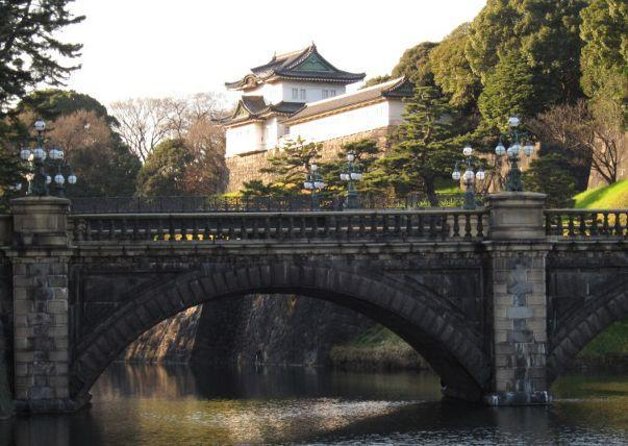
Next, the tour can include the Imperial Palace area, but with an important note: the experience does not include access inside the Imperial Palace. You’ll still benefit from the setting, since it’s on the former site of Edo Castle, surrounded by moats and massive stone walls. Think of it as viewing the palace grounds from the outside, with the focus on atmosphere and city history context.
These two stops are a nice pairing because they teach you how Tokyo handles meaning. Big institutions still sit right alongside everyday transit life, and your guide can help you notice what that means in how people behave around them.
You can also read our reviews of more private tours in Tokyo

Paid-entry gardens: Shinjuku Gyoen, Koishikawa Korakuen, Hamarikyu, Rikugien
Tokyo has plenty of green space, but not all of it works the same way for a short day. This tour includes several major gardens, each with a distinct personality, and several of them list entry as not included.
Here’s what each offers if you choose them:
Shinjuku Gyoen National Garden
This is described as one of Tokyo’s largest and most popular parks. You get spacious lawns, meandering walking paths, and tranquil scenery. It’s a great “slow down” stop, but because it’s popular, plan to expect some crowd presence. Budget for the entry fee since it’s not included.
Koishikawa Korakuen Garden
This is one of Tokyo’s oldest and best Japanese gardens, built in the early Edo Period. If you’re a detail person, older gardens often reward careful looking. The listing notes the garden’s origin in a residence linked to the Mito branch of the Tokugawa family. Entry is not included here either.
Hamarikyu Gardens
Hama Rikyu is alongside Tokyo Bay and includes seawater ponds that change level with the tides, plus a teahouse on an island. That tidal detail is a memorable hook because it makes the garden feel tied to the geography, not just planted greenery. Entry is also not included.
Rikugien Garden
Rikugien is often considered Tokyo’s most beautiful Japanese landscape garden, built around 1700 for a Tokugawa shogun. The name meaning is included as “six poems garden,” which tells you the design is tied to poetry culture, not just aesthetics. Entry is not included.
Because paid gardens are a real budget variable, I like how the tour lets you choose. If you only pick one paid garden, you still get the quiet break, and you protect your money for the other parts you care about most.
Akihabara, Takeshita Street, and Shinjuku Golden Gai: Tokyo nightlife and shopping energy
If you want variety, the tour menu includes three areas that feel completely different from temples and gardens.
Akihabara is the electronics-shopping district. It’s described as famous for many electronics shops, plus it has gained recognition as a center of Japanese subculture. This is a good stop if you want to see modern Tokyo identity in physical form, with storefront energy and dense shopping streets.
Takeshita Street in Harajuku is known for extreme teenage cultures and fashion styles. The location is between Shinjuku and Shibuya on the Yamanote Line. If you like street fashion and people-watching, this can be a fun counterweight to the more formal sites earlier in the day.
Shinjuku Golden Gai is near Kabukicho and includes that famous visual of Godzilla looming over the area. The description also mentions it’s full of a downtown city atmosphere, plus Donkihote nearby for gifts. This stop works best if you want a quick taste of Tokyo’s character after dark, even during daylight hours.
A realistic note: these districts are not about silence or contemplation. They are about sensory experience, shopping, and neighborhoods that move fast. A private guide is useful here because you can decide how long you want to stay and when you want to pivot.
Price and value: what $172 gets you in real terms
At $172 per person for about six hours, you’re paying for a private guide and a hands-on workshop. The value equation depends on what you choose.
Good value signs:
- Wagashi making is included, so you’re not paying extra for the workshop experience itself.
- Most shrines and temple stops are listed as admission ticket free, which reduces add-on costs.
- You get licensed local guide time, which matters most for understanding what you’re looking at and how to behave in each place.
Where your wallet needs attention:
- Several gardens are listed as not included, so you may add those entry fees depending on your selections.
- Transportation is not included as private transport. The tour notes a possible 24-hour Metro Pass cost for adults at 800 yen and children at 400 yen. Even if you don’t use it, it’s a reminder to budget for transit.
- You cannot see every location on the big list. The tour is built around selecting about 2-3 sites that fit your interests.
If you book as a small group, the mention of group discounts is also worth checking. Private tours often get more reasonable per person as you add travelers.
How the guide experience can make or break the day
This is where the best part of the tour shines: the guide is not just a walking map. Past guide profiles connected to this kind of experience show a focus on customization and communication.
For example, Takako is described as someone who customized a tour and brought a friendly, professional style with humor. Sachi is described as creating a personalized itinerary that exceeded expectations, with strong sharing of local customs and culture. Ted is praised for helping people understand the Tokyo train system and how to get around. Emiko is described as explaining history and customs and even starting with an overview from a rooftop opposite the shrine.
You don’t need those exact guides, but you do want the same skill set. Ask your guide what you should do before you enter a shrine, how to read the space around you, and what kind of behavior matters. With a private format, those questions lead to better moments, not just answers.
Who this tour is best for
This tour is a strong fit if:
- You want a private guided day rather than a group bus experience.
- You care about Japanese culture beyond the postcard version, especially through hands-on food.
- You want flexibility, since you choose 2-3 sites rather than trying to do everything.
- You like a mix of old Tokyo, nature breaks, and modern neighborhoods.
It’s less ideal if:
- You want to see the entire list of places. You won’t.
- You get grumpy with crowds, because popular temple areas and big districts like Harajuku and Akihabara can be lively.
- You’re traveling with a child. The tour is only for 12 and over.
One more practical note: the experience allows service animals, and it’s near public transportation, so it’s designed to be manageable in a city that runs on trains and walking.
Should you book this Tokyo private tour and wagashi making?
I’d book it if you want Tokyo to feel like it has a guide behind the scenes. The combo of a private walking day plus Asakusa wagashi making is a smart pairing. You get a story to go with the sights, and you end with something you made, not just something you watched.
I’d skip it or choose a lighter set of stops if your priority is hitting maximum locations. Because you only get about 2-3 site choices and some paid gardens can add cost, you’ll want to pick intentionally. If you tell your guide what you love, this tour’s value starts to make sense fast.
If you want my best advice for booking decisions: choose one “culture anchor” stop (temple or shrine), one “reset” stop (a garden), and let wagashi be the day’s centerpiece. That mix keeps the day balanced and memorable.
FAQ
How long is the Tokyo private guided tour?
The duration is about 6 hours.
Is this a private tour?
Yes. It is private, and only your group participates.
What does the price include?
It includes a licensed local guide, meet up in Tokyo on foot, the wagashi making experience, and a customizable tour of 2-3 sites from the options.
Is pickup offered?
Pickup is offered.
Does the tour include private transportation?
No. Private transportation is not included.
Are admissions included for all stops?
No. Many shrine and temple stops are listed as admission ticket free, but some gardens are marked as admission ticket not included.
Can I visit every place listed in the options?
No. You can not visit all the places on the list, and you also can not combine tour groups.
Is there a transit pass cost I should plan for?
Transportation fees are not included. The description lists a 24-hour Metro Pass adult cost of 800 yen and child cost of 400 yen.
What age is the tour for?
The tour is only for those 12 and over and is not for young children or babies.
Can I cancel for free?
Yes. You can cancel up to 24 hours in advance for a full refund.
More Guided Tours in Tokyo

More Tours in Tokyo






More Tour Reviews in Tokyo


Not for you? Here's more nearby things to do in Tokyo we have reviewed












Tokyo City Tours, side by side.
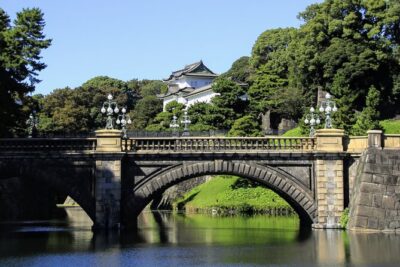 ★ 5.01-Day Tokyo Bus TourFrom $12914,250 reviews
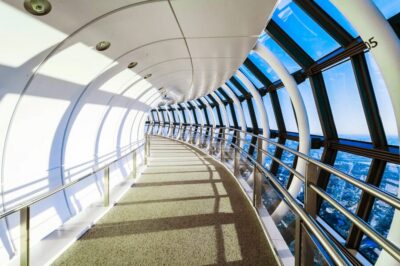 ★ 4.5TOKYO SKYTREE® Admission ticketFrom $1311,192 reviews
 ★ 4.6teamLab Planets TOKYO Digital Art Museum Entry TicketFrom $259,779 reviews
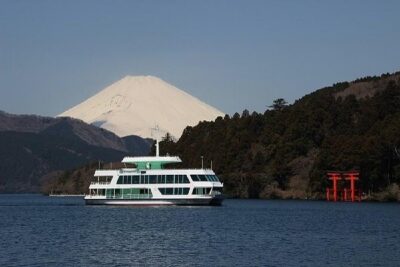 ★ 4.0Mt Fuji & Hakone Cruise, Drum Show Bullet Train 1 Day from TokyoFrom $1497,413 reviews
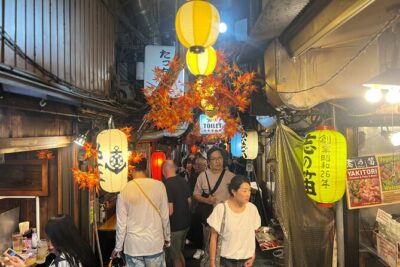 ★ 5.0Shinjuku Food Tour (13 Dishes at 4 Local Eateries)From $866,603 reviews
 ★ 4.4Tokyo Mt Fuji 5th St & Hakone Cruise Bus Tour w/Bullet TrainFrom $1545,024 reviews
 ★ 5.0Flagship 2-Hours Official Street Go-Kart Tour – Tokyo Bay ShopFrom $644,974 reviews
 ★ 4.5From Tokyo: Mount Fuji Full-Day Sightseeing TripFrom $684,970 reviews
This tour also belongs to