
Review · TOKYO FOOD TOURS
Tokyo: Authentic Food Tour in Ginza and Shimbashi
Ginza’s food feels easier with a guide. I like how you get secret restaurant picks in a place better known for shopping, and I also like the small-group pacing that keeps things relaxed while you eat. One catch to plan for, this tour is not suitable for wheelchair users, since it is built around walking.
You’ll start near Ginza Station and move through three adjacent areas, Ginza, Yurakucho, and Shimbashi. The idea is simple: taste Japanese food the way locals do, and learn enough about Japanese food culture to navigate on your own afterward.
I also like that the tour is led by an English-speaking guide, with many guests praising guides like Doren, Reo, Ryota, and Yota for being funny, passionate, and helpful about ordering and choosing. Expect a lot of walking and standing, but you should come away with a clear sense of what to seek out next in Tokyo.
Key Things to Know Before You Go
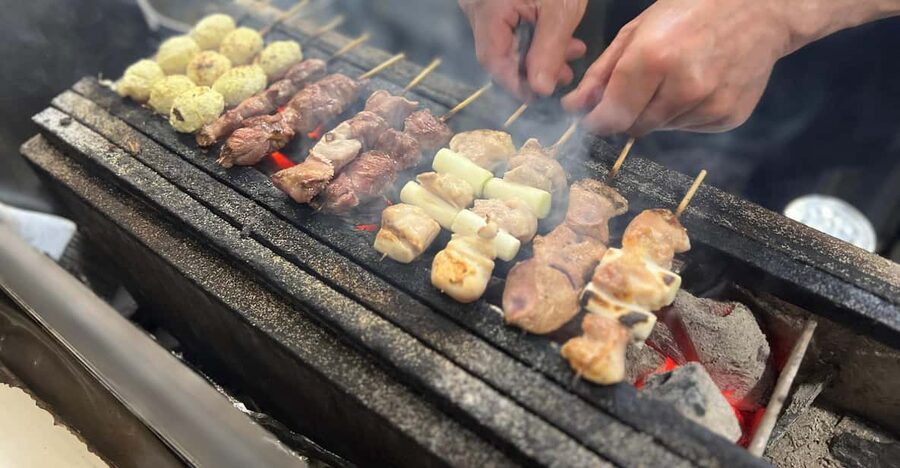
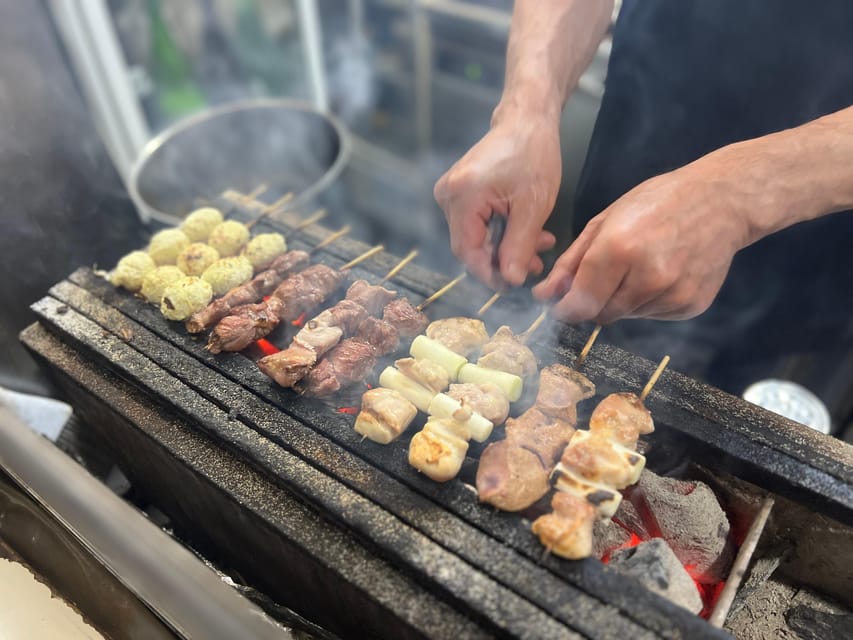
- Secret local restaurants in Ginza that many first-timers skip
- Three areas in 3 hours: Ginza, Yurakucho, and Shimbashi
- English live guide with food culture tips you can reuse later
- Small group up to 10 people, so questions are easy
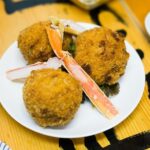
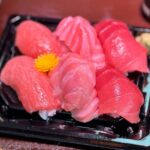
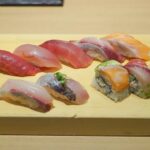
- Traditional desserts plus savory regional foods across the stops
- Not for wheelchair users, since the format is on foot
Why Ginza, Yurakucho, and Shimbashi Works for 3 Hours
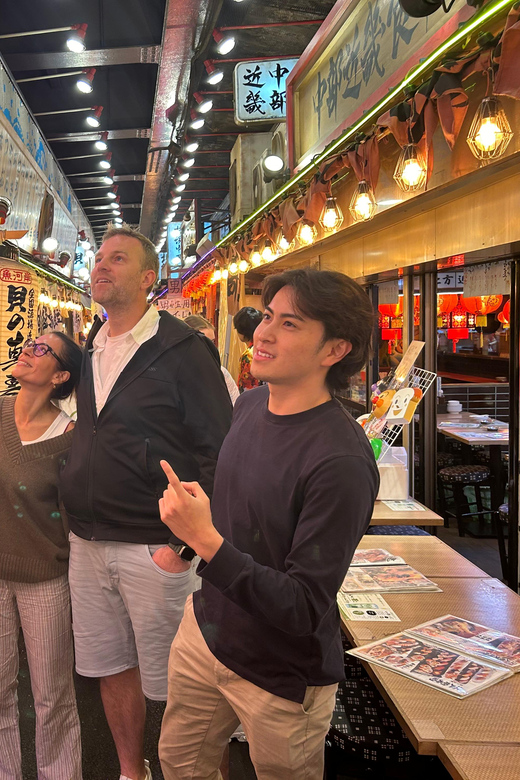
If you only know Ginza as a shopping district, this tour is your reality check, in a good way. Ginza has plenty of luxury storefronts, but it also has side streets where locals quietly eat and drink. That contrast is the point, you get the shopping-famous neighborhood and the everyday food rhythm in the same outing.
Then the route slides east and down into Yurakucho and Shimbashi, which feel more like Tokyo’s lived-in food zones. It is not random wandering. You are moving through areas that complement each other, so you can taste different flavors without the logistics of hopping across the city.
Three food stops also match the time window. You get enough time at each stop to actually eat, not just sample one bite and rush onward. The walking legs are short, so your stomach stays in “enjoy it” mode rather than “regret it” mode.
You can also read our reviews of more food & drink experiences in Tokyo

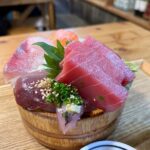
Meeting at Tokyu Plaza Ginza: Start Point, Timing, and First Steps
You meet at Tokyu Plaza Ginza, in front of the BOSS store. It is located at the ground level if you come up through Ginza Station exits C2 or C3, where you will see the BOSS signage outside.
If you like having a backup, the provided coordinates are 35.672245025634766, 139.7624053955078. That is handy for checking your phone map before you go, especially in a station maze like Ginza.
This starting point matters more than it sounds. Ginza Station is huge, and getting the first handoff right saves time. Once you meet your guide, the evening becomes easy, you follow the group, and you focus on eating and learning rather than figuring out where to go next.
Ginza Food Stop: Eating Local in a Shopping-First Neighborhood
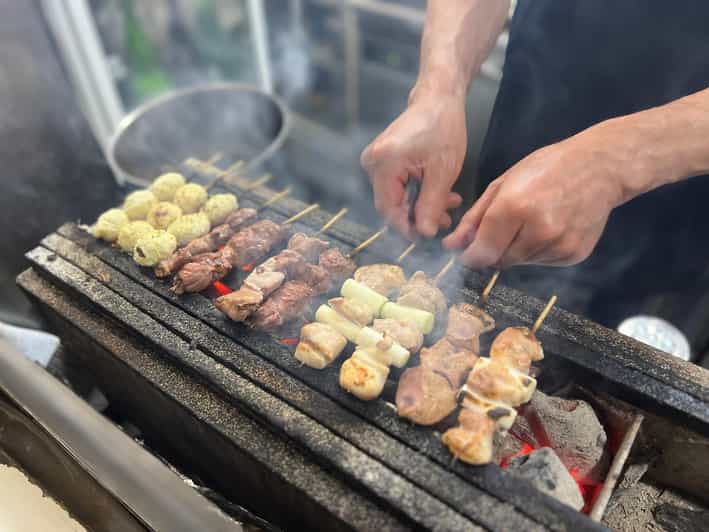
Ginza is a funny place to eat, because you might walk past gleaming department stores and still find everyday restaurants tucked nearby. Your first main stop is in Ginza itself for about 50 minutes, which gives you time to settle in and enjoy what the guide chose.
This is where you learn the tour’s real value: how locals choose places and what to order in a neighborhood that can intimidate visitors. Even if you can read the menu, you might not know which dishes are “regulars order this” items. A good guide bridges that gap fast.
You should also be prepared for the food to feel more “Tokyo” than “tourist Tokyo.” Instead of chasing famous brand names, you get food that fits the neighborhood and the mood. The tour also includes traditional desserts somewhere across the route, and Ginza is often a strong candidate for that sweet course feel.
Potential drawback here: if you are expecting a quiet, scenic countryside type of walking tour, this is not that. Ginza can feel busy. The tradeoff is that you get access to restaurants you would not normally find while you are just window-shopping.
Yurakucho Food Stop: Another Side of the Same Tokyo Palette
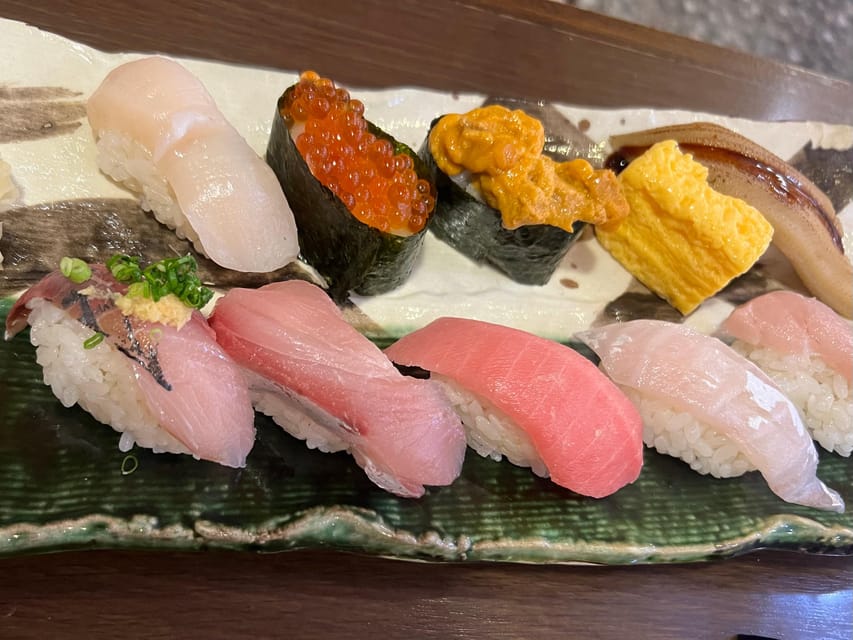
After a short stroll, you move to Yurakucho for another 50 minutes of eating. Yurakucho is a smart pivot because it changes the atmosphere without changing the overall area too much. The tour keeps the total walking time manageable, while still giving you a noticeable shift in the food setting.
This segment tends to be where the tour starts feeling less like “a list” and more like a guided evening with direction. Your guide can share how Japanese food culture works in practice, not just theory. That can include simple decisions like what to try first, what pairs well, and how to understand what the restaurant is known for.
I also like that the guide helps you plan your future Tokyo meals. That is a big deal when you have limited time. After you taste and learn in Yurakucho, you will have a better sense of how to repeat the experience elsewhere, even outside the tour route.
One more thing to expect: Yurakucho can feel more relaxed than the flashier streets of central Ginza. You might notice more of the “after-work” energy around meal times. That is part of the charm, you are seeing Tokyo’s eating culture as it actually happens.
Shinbashi Food Stop: Finishing in a Classic Evening Mood
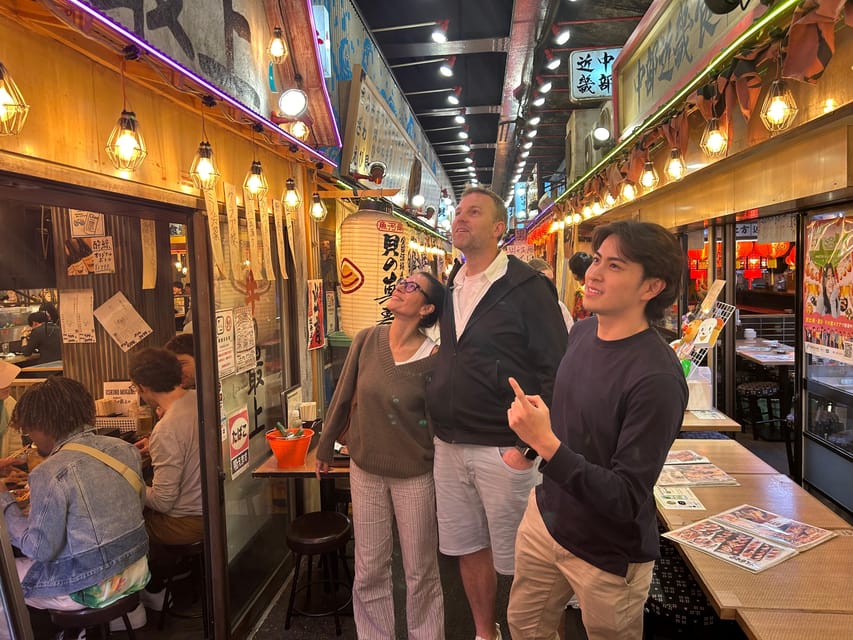
The final major stop is Shinbashi for about 50 minutes, and it is a great choice for a food tour finale. Shinbashi has a long-standing reputation as a place where people go for drinks and food after the day winds down, and the neighborhood has that classic Tokyo evening rhythm.
By the time you reach Shinbashi, you already have two different food settings in your head. That makes the last stop more than a third meal. You get a sense of how different parts of the city share the same core values, quality, variety, and comfort, while still keeping their own personality.
This stop is also the best time to ask your guide what to do next. You will be full, but in a useful way. The guide has likely already told you what to look for when ordering, and now you can connect it to your next plans, like what areas to revisit for a similar feel.
Possible drawback: if you are very sensitive to noise, Shinbashi and nearby zones can feel lively. The good news is that your guide keeps the group moving and helps you find the right places to slow down and eat.
More Tokyo tours and experiences for the shortlist

The Guides, the Pace, and What You Actually Learn
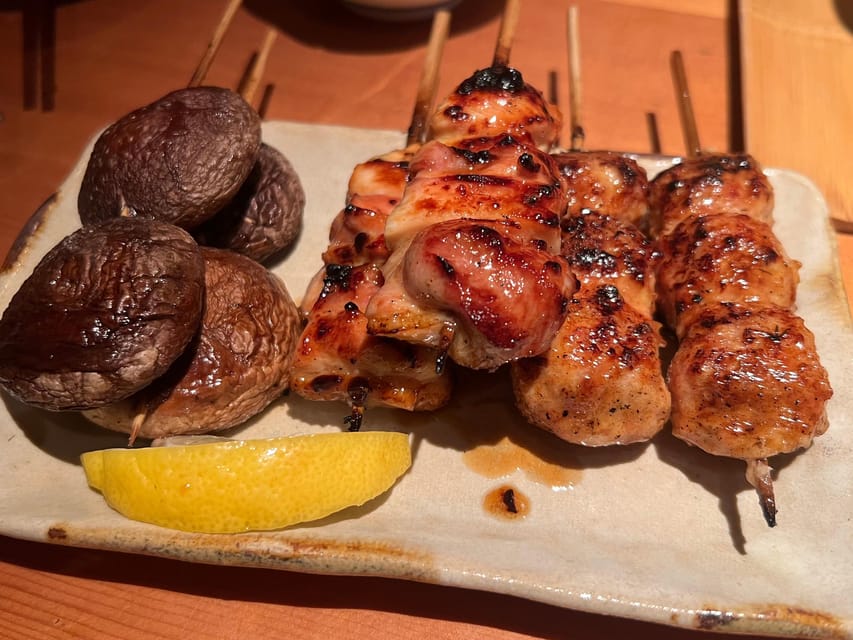
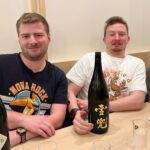
The tour’s biggest strength is the guide. Multiple guests praised guides including Doren, Reo, Ryota, and Yota for being passionate, considerate, funny, and great at explaining Japanese way-of-life details tied to food. That matters because Japan’s food culture often works through habits, not explanations.
You are not just eating. You are also learning how to navigate. That can mean helpful advice on ordering, choosing dishes, and understanding what kind of place you are walking into. It can also mean learning the broader cultural cues, like how people treat meals as part of their daily routine, not a single big event.
The pace helps too. The itinerary includes short on-foot stretches between areas, so you are not spending half your time walking across the city. Most of your 3 hours goes to eating, not logistics, and that is a big reason the tour works for people who want real food without turning the day into a transit marathon.
Small groups limited to 10 people also improve the experience. You can ask questions, and your guide can adjust the flow if your group has dietary needs, preferences, or just curiosity that needs answers now, not later.
If you want a practical takeaway, treat the tour as a training run. After Shinbashi, you will know what to look for, what to ask about, and how to spot the kind of restaurant that fits your taste.
Price and Value: Is $146 Fair for 3 Hours?
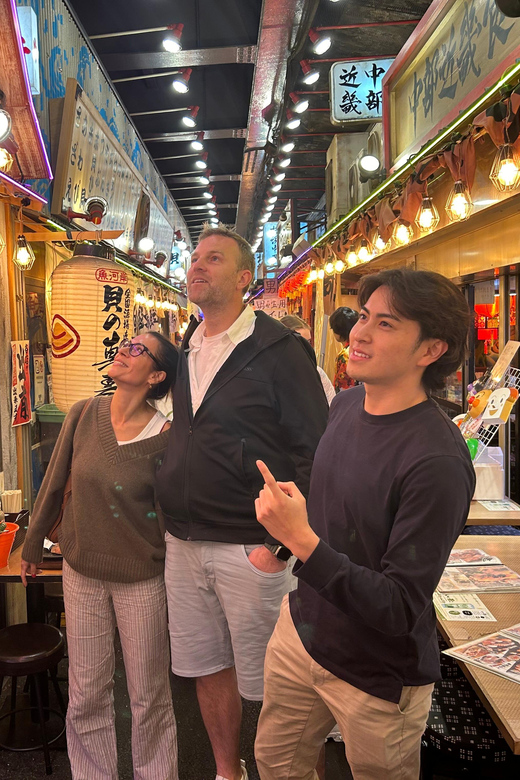
At $146 per person for a 3-hour outing, you should think of this as a guided tasting experience, not a cheap “grab bites” deal. The value comes from three things you cannot easily replicate on your own: the restaurant access, the cultural guidance, and the efficiency of three neighborhoods in one evening.
First, restaurant access. In Ginza, Yurakucho, and Shinbashi, the most rewarding places are often the ones you would walk past without a local pointer. Paying for a guide here can save time and help you avoid dead ends.
Second, cultural guidance. Food tours that only hand you random items are forgettable. This one is framed around understanding Japanese food culture and getting planning advice for your itinerary. Even small tips, like what to expect from a dish or how locals think about ordering, can change how you eat for the rest of your trip.
Third, the time and structure. Three 50-minute food blocks spread across three zones means you are not stuck in one neighborhood too long. You also avoid the “one dish per stop” problem that leaves you hungry.
Bottom line: if you enjoy guided eating and want to reduce guesswork in Tokyo, the price is in the reasonable zone. If you prefer totally independent eating and already know which restaurants you want, you might feel it is pricier than you need.
Who This Tour Suits Best (And Who Might Not)
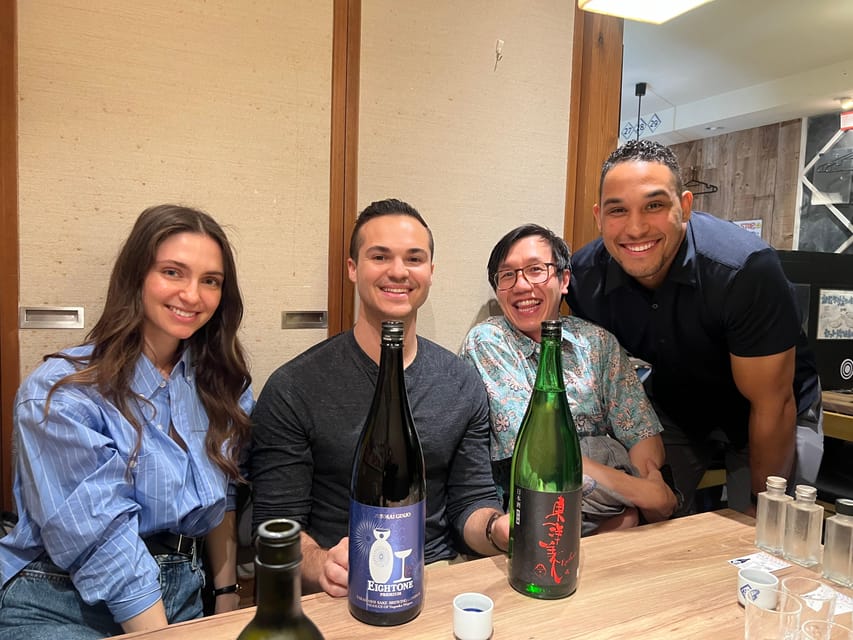
This tour fits you if you want a guided way to try authentic Japanese foods in central Tokyo without feeling lost. It is especially good for first-timers who want Ginza and nearby areas, but also want the local eating side, not just the department store side.
It also suits you if you like conversation. The guide time is built in, and guests often highlight that the guides are fun to talk with, not just a walking audio guide. If you want to understand the why behind choices, you will likely appreciate the culture explanations.
It is not a fit if you need wheelchair access, since it is designed around walking. It may also be tough if you have a very low tolerance for crowds or standing, since Ginza and Shinbashi can be busy.
One more scenario to consider: the group is small, and it can end up very small if not all spots are filled. That can turn it into a more private-feeling meal outing, which some people enjoy a lot.
Should You Book This Ginza and Shimbashi Food Tour?
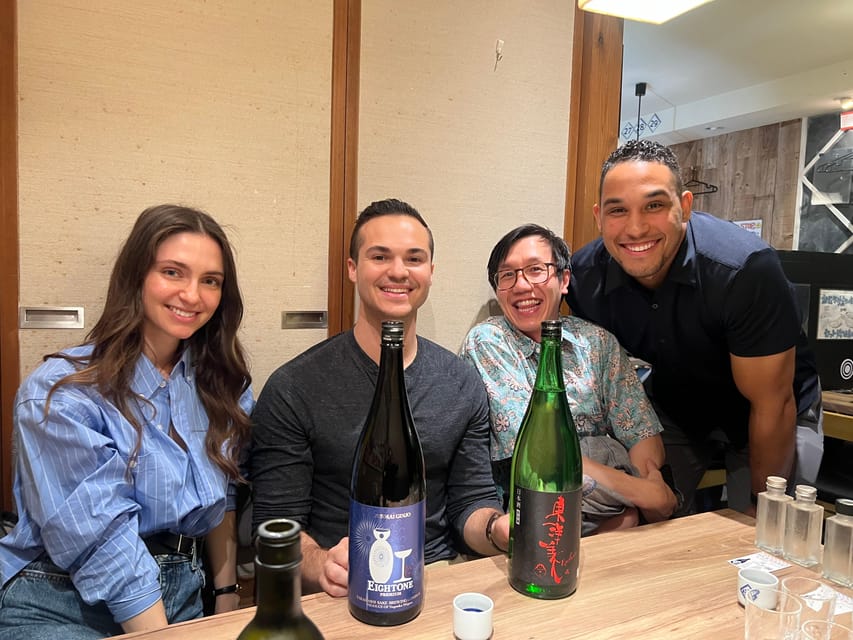
I would book it if your goal is clear: eat well, learn fast, and avoid hunting for the right places on your own. The combination of Ginza, Yurakucho, and Shinbashi in one 3-hour walk is efficient. The English live guide, plus the strong reputation for helpful and entertaining guidance, makes it a smart way to spend an evening.
Skip it if you hate walking around busy central neighborhoods or if you have no interest in food culture talk. Also skip it if mobility access is a concern.
If you do book, go with a flexible mindset. Let the guide pick the dishes, ask questions, and treat the desserts as part of the plan, not an afterthought. You are paying for direction, and when you lean into that, you usually leave Tokyo feeling like you know the city’s food logic, not just its food names.
FAQ
Where is the meeting point?
The meeting point is Tokyu Plaza Ginza, in front of the BOSS store. If you come up to the ground from Ginza Station exit C2 or C3, you should see the BOSS store there.
How long is the tour, and what areas does it cover?
The tour lasts 3 hours. You spend time eating in Ginza, Yurakucho, and Shimbashi.
Is the tour guided in English?
Yes. The tour includes a live English-speaking guide.
What is the group size?
It is a small group, limited to 10 participants.
Is this tour suitable for wheelchair users?
No. It is listed as not suitable for wheelchair users.
How much does it cost?
The price is $146 per person.
Can I cancel for a refund, and can I pay later?
You can cancel up to 24 hours in advance for a full refund. It also offers reserve now and pay later, so you can book and pay nothing today.
More Food & Drink Experiences in Tokyo
More Tours in Tokyo




More Tour Reviews in Tokyo


Not for you? Here's more nearby things to do in Tokyo we have reviewed












Tokyo Food Tours, side by side.
 ★ 5.0Shinjuku Food Tour (13 Dishes at 4 Local Eateries)From $866,603 reviews
 ★ 5.0Tokyo Bar Hopping Tour in Shinjuku (All-You-Can-Drink + Dinner)From $1063,587 reviews
 ★ 4.9Shinjuku Food Tour (15 Dishes and 4 Eateries)From $852,033 reviews
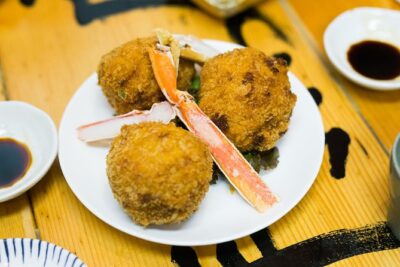 ★ 5.0Best of Shinjuku: Izakaya Food Tour (4 Stops, 14+ Tastings)From $921,863 reviews
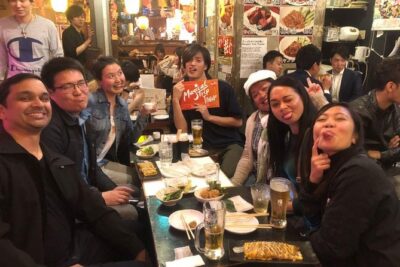 ★ 5.0Shibuya Meltdown Nightlife Tour: All-You-Can-Drink Bar HoppingFrom $1061,058 reviews
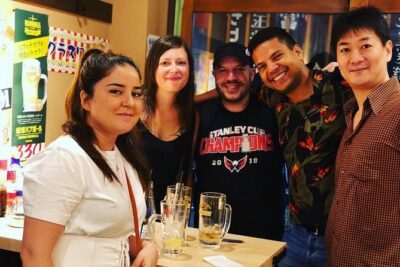 ★ 5.0Eat and Drink Like a Local: Tokyo Ueno Food Tour-Taverns&RamenFrom $95957 reviews
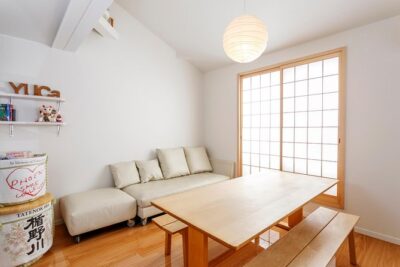 ★ 5.0Ramen & Gyoza Cooking Class in Tokyo with Local Supermarket VisitFrom $122823 reviews
 ★ 5.0Shibuya Food Tour (13 dishes and 4 Eateries)From $77770 reviews
This tour also belongs to