
Review · TOKYO CITY TOURS
Tokyo Deep Inside Cycle Tour~3 Hours E Bike Tour around Tokyo
Tokyo on wheels, with history you can actually see. This 3-hour Tokyo e-bike tour strings together classic Edo-era sights and modern neighborhoods without the stress of getting lost. I like how guides keep it moving and talk just enough history to make places click, plus you get a real break with traditional taiyaki. One thing to consider first, if you are short, the tour does not allow riders under 145 cm.
You’ll roll past Tokyo Station, Kanda’s shrine and book district, then swing toward Akihabara and the Imperial Palace area. Two big wins for me are the easy riding for most skill levels and the way you cover a lot of ground compared with walking. The one drawback is that you need good weather to run as an e-bike tour, and rain can switch you to a limited walking route.
Tokyo Deep Inside Cycle Tour at a Glance
- Easy e-bike riding designed for all experience levels, so you spend more time sightseeing than wrestling with a bike.
- Small group setup with a maximum of 4 people, which usually means a steadier pace and more personal attention.
- Edo to today storytelling across places like Kanda Shrine, Yasukuni Shrine, and the former Edo Castle grounds.
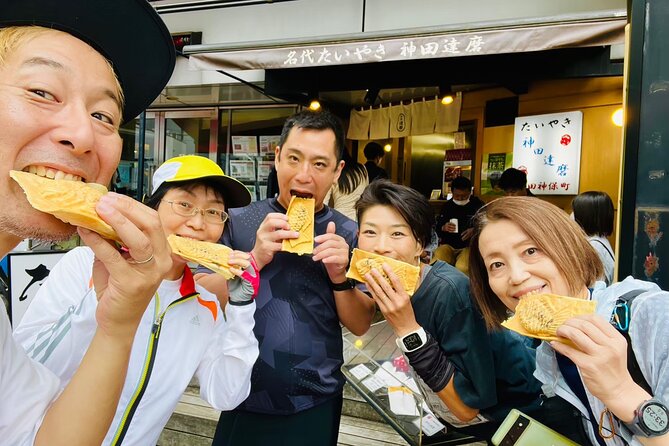
- Taiyaki snack break with a choice of anko or cream, included to keep energy up.
- Central Tokyo route starting near Tokyo Station and ending at Marunouchi, so you can plan the rest of your day easily.
- Insurance and helmet included, which matters when you are mixing bike lanes with city traffic.
Why Tokyo on an E-Bike Works Better Than Solo Planning
Tokyo is big, and your “must sees” can turn into a 12-stop subway puzzle. An e-bike tour solves a lot of that. You get the freedom to move through neighborhoods that are not just a straight line on transit, and you still have a guide to keep the route sensible.
This tour is built for active sight-seeing without the punishment of all-day walking. The e-bikes are easy for riders of all experience levels, so you do not have to be a confident cyclist to enjoy the day. And because the guide plans stops around the story of old Edo turning into modern Tokyo, you get context instead of a list of landmarks.
The vibe is practical, not fancy. You stop for short photo moments, learn what to look for, and keep rolling. If your knees or legs need a break, the e-bike helps you cover more without feeling like you have been doing forced cardio.
One more value point: the price includes the bike, helmet, a snack, and bicycle insurance. At $83.23 per person for about 3 hours, that bundle can be easier than figuring out rentals plus route planning plus what to do with helmets.
Getting Set Up in Marunouchi, Then Rolling at 1:00 pm
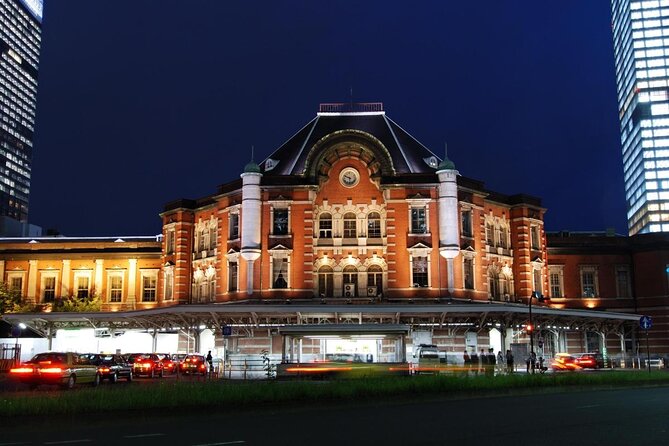
Your tour starts at JTB Marunouchi Store in Marunouchi, near Tokyo Station. The meeting point is about a minute walk from the Marunouchi South Exit of JR Tokyo Station, and it is directly connected to the Tokyo Station Marunouchi Line and Nijubashimae Station on the Chiyoda Line. That location matters because it makes the start stress-free if you are already using rail to get around.
The start time is 1:00 pm and the tour ends back at the Marunouchi Building area. That is convenient because you can usually grab lunch earlier in the day, or shift dinner plans to after the tour without traveling far.
Once you arrive, the basics are handled for you: you get the e-bike, a helmet, and a clear setup process. In the reviews, people repeatedly highlight how guides stay safety-focused and keep the pace comfortable. Even if you are an older rider or recovering from an injury, the tone is patient and cautious, not rushed.
Also, plan to bring your own drinks. Bottled water is not included, so if you know you drink more on warm days, pack accordingly.
You can also read our reviews of more cycling tours in Tokyo
Stop-by-Stop: Tokyo Station, Kanda Bridge, and the Edo Origins
The ride begins right in front of Tokyo Central Railway Station, with the sense of how dramatic this part of the city became. The area that once felt open and rural has turned into the major Tokyo hub you see today. It’s a strong first stop because it sets up the theme: Tokyo reinventing itself again and again.
From there, you move to the remains of the Kanda Bridge Gate’s stone wall. This is where the tour starts connecting geography to history. You get Edo-town context along the Nihonbashi River area and learn how festivals and even the origin of the town’s name tie into how the neighborhood formed.
Next comes Kanda Matsuya, where the story shifts from big-city change to everyday street culture. You ride through narrow alleys and see how parts of Kanda still feel like they chose to preserve what came before. For me, this stop is the sweet spot: it is easy to reach on transit, but much harder to experience at street level without a guide.
These early stops also do something useful for first-timers in Tokyo: they help you get your bearings fast. When the guide explains what you’re looking at, the neighborhoods stop feeling like random stops on a map and start feeling like connected chapters.
Potential drawback to keep in mind: the stops are mostly short. If you love lingering in museums or taking long rests, plan on using the photos and the ride time, not expecting extended sit-down breaks at every location.
Akihabara and Kanda Shrine, With a Snack Break That Feels Like a Reset
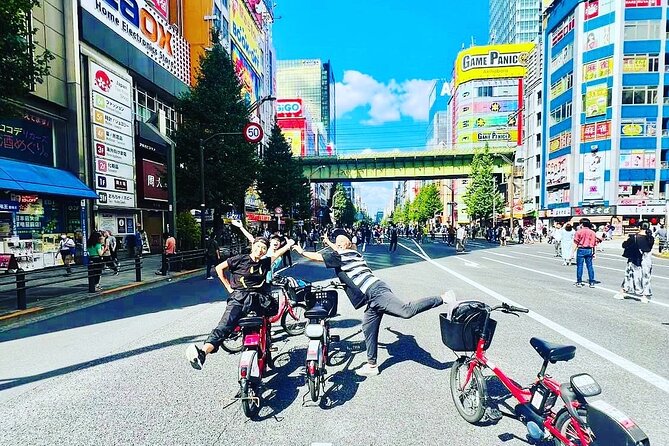
Akihabara can be noisy in the best way, but the tour frames it with history instead of just neon energy. You learn how it grew from postwar conditions and how the area became known for changing flexibly with the times. It’s a neat reminder that Akihabara is not only tech and games, it also has a human story about how the neighborhood adapted.
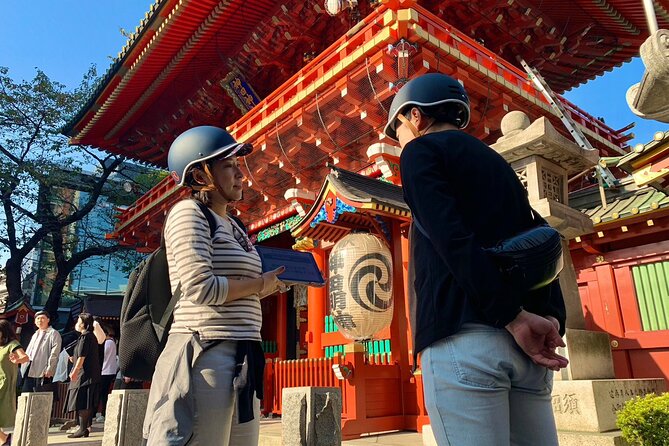
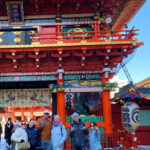
Then you head to Kanda Shrine (Kanda Myojin). The guide explains the shrine’s role in Edo-era culture and touches on the Kanda Festival, plus you have a chance to browse a souvenir shop nearby. If you like understanding the meaning behind a place before you walk through it, this stop delivers.
After all the walking and sightseeing cues, you get a real energy moment at Kanda Daruma. This is where the included snack break happens. You try taiyaki, choosing either anko or cream. It might sound like a small inclusion, but it’s practical: sugar and carbs help after a few stops, and it also gives you something very Japanese to tie to the route.
If you have dietary needs, note that the tour data only specifies taiyaki flavors (anko or cream). So if you have allergies or strict restrictions, it is worth checking with the provider before booking.
Ochanomizu, Jinbocho, and Yasukuni Shrine Under a Huge Torii
As the route continues, you pass Hijiribashi Bridge, with a view toward Ochanomizu Station. The tour uses that viewpoint to talk about Ochanomizu’s history as a student area. It’s a quick stop, but it gives you a mental map of why this part of town has always felt busy with learning and daily life.
From there, you glide through Kanda Jinbocho, an antiquarian bookstore district. This is the kind of neighborhood that feels like it belongs to writers and readers, not just tourists. Even if you do not browse every shop, riding past and seeing the street layout makes it easier to understand why this area is known for secondhand books.
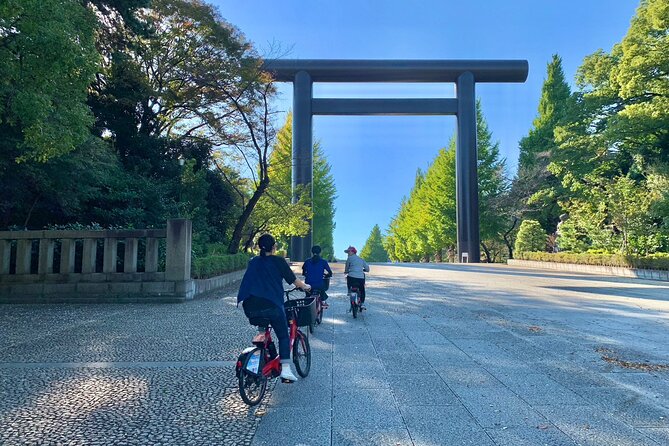
Then comes Yasukuni Shrine, and the experience has a clear visual anchor. You bike under a torii gate, one of the larger ones in Japan, and you move through the shrine grounds with time for a restroom break. The guide’s pacing matters here. You get the spiritual space without feeling like you are rushing through it for photos.
One practical note: riding through shrine approaches and busy streets can feel intense if you hate close traffic. The e-bike helps with control, but you still want to follow the guide’s instructions closely and stay aware.
Edo Castle Ground to the Imperial Palace Perimeter, Plus Art in Marunouchi
The route shifts toward the former Edo Castle area. You ride through Kitanomaru Park, connected to the Edo Castle’s Kitanomaru, and you visit buildings in the area such as Nippon Budokan. This is a smart transition because it moves you from neighborhoods to the scale of former political power.
Then you reach the Imperial Palace area. Here the tour focuses on the transformation from the Edo Castle site to what became the Imperial Palace, and it explains how Japan stopped using the old samurai styling, like the chonmage tradition. It’s a good example of history that helps you interpret what you are seeing now.
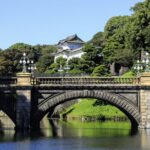
Next is Sakuradamon Gate, the largest gate in the Imperial Palace perimeter. You pass through and enjoy scenery around the outer perimeter. The stop is short, but it gives you a clear sense of how grand and structured this space is, even from outside.
Finally, you return the e-bikes at Marunouchi Building and walk inside to view an art exhibit. The theme given is Time and Memory. That ending works well because it gives your brain a softer landing after street-level city riding and shrine history.
If you like your tours to end with a “reward moment,” this art stop can be it. If you are not into museum-style exhibits, you can still treat it as a quick breather before heading out for dinner.
More Tokyo tours and experiences for the shortlist

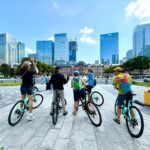
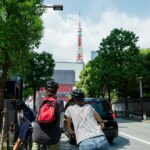
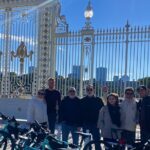
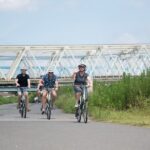
Pace, Safety, and What the Small Group Changes
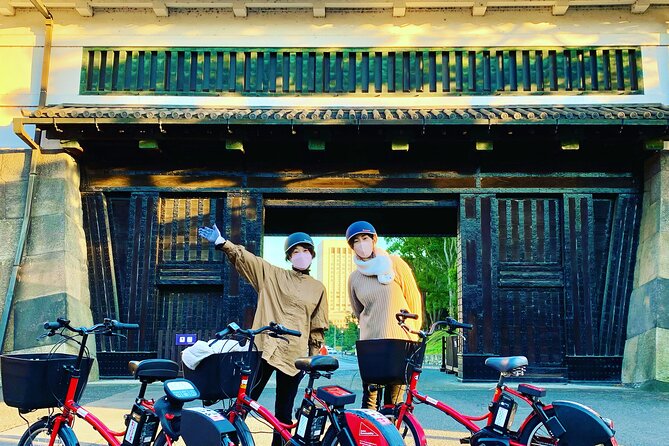
This tour runs as a small-group experience with a maximum of 4 people. It is designed to be a shared tour, but if you book 4 people, it becomes a private tour automatically. That matters because it often means the guide can manage pace better than big groups.
In the reviews, people strongly praised how guides handle safety and pacing. For example, one 60-year-old rider with a knee replacement reported feeling safe and not limited by the ride. That lines up with what you should expect from a tour that targets many experience levels.
The guide also adjusts pace if someone in another group is not accustomed to cycling, including children. That means you may not get a fast, adrenaline-driven ride. You get a steady sightseeing pace, which is what most people want for a first Tokyo cycle tour.
What You Should Bring and How to Ride Comfortably
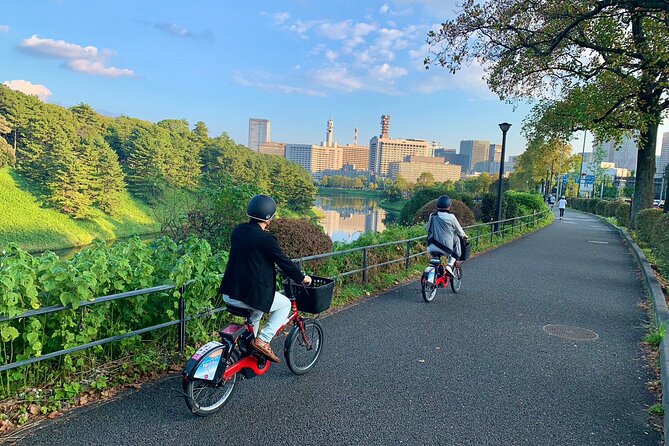
Because bottled water is not included, I suggest you bring a small drink or plan to buy one nearby before or after the tour. Wear comfortable shoes, and treat the helmet as part of the deal, not optional.
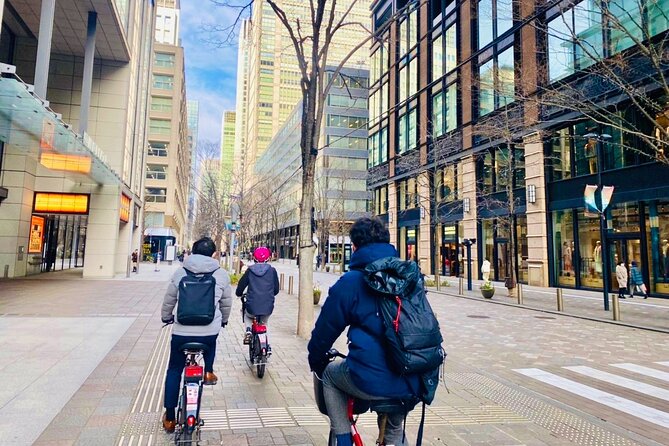
For the ride itself, go into it ready to focus for short stretches. You will be in an urban environment where you should expect pedestrians, signals, and occasional tight turns. The e-bike reduces effort, but it does not remove the need for attention.
Height matters. Riders under 145 cm are not allowed. If you are close to that number, check with the provider so you do not end up disappointed at the start.
One small but important point: you need to arrive on time. If you are late without prior notice, the tour may be canceled and the day-of charge is non-refundable. So give yourself a little extra buffer around Marunouchi Station.
Value Check: Is $83.23 Worth It for 3 Hours?
For many visitors, the real question is not the price, it is what you get for the money. In this case, you get a timed 3-hour route, guided interpretation, e-bike use, helmet, a taiyaki snack, and included bicycle accident insurance. You also get help avoiding navigation headaches, which can easily eat up a big chunk of your time in Tokyo.
If you already know you will be walking a lot during your trip, this tour can be a relief. One review noted that their ride added up to about 6.8 miles, over 10 km, and they were glad to take a break from 15,000 steps a day. Even if your exact distance differs, the goal is clear: cover more than walking, but without the same strain.
If you are a hardcore cyclist who wants speed and long routes, you might find the sightseeing pace slower than you would like. But for first-timers who want a guided thread through central Tokyo, it is a solid match.
Should You Book This Tokyo E-Bike Tour?
Book it if you want a guided tour that blends Edo-era context with real modern Tokyo neighborhoods like Akihabara and Marunouchi. It is also a good pick if you want to move around the city but your legs would rather not do endless walking.
Skip it if you hate riding in traffic-adjacent areas, or if you expect to need frequent long breaks. Also pay attention to the weather dependency. If your schedule is tight and rain is likely, confirm what options you will have for a rain day or alternate route.
FAQ
How long is the Tokyo Deep Inside Cycle Tour?
The tour is about 3 hours.
How much does it cost, and what is included?
The price is $83.23 per person. It includes bicycle use, a helmet, taiyaki snacks, and a bicycle insurance fee.
Is the e-bike tour suitable for beginners?
Yes. The tour is described as easy for riders of all experience levels, with a guide leading you so you are not navigating on your own.
Where do I meet the guide, and when does it start?
You meet at JTB Marunouchi Store near Marunouchi, Tokyo Station, and the start time is 1:00 pm.
Can I ride if I am under 145 cm tall?
No. Riders under 145 cm in height are not allowed.
Is bottled water provided?
No. You are asked to bring your own beverages if you need them.
What happens if it rains or if I need to cancel?
The tour requires good weather. If it cannot be held due to rain, you can choose a Rain Day Limited Walking Route or get a refund, and if it is canceled due to poor weather, you will be offered a different date or a full refund. You can cancel for a full refund up to 24 hours in advance, and cancellations within 24 hours are not refunded.
More Cycling Tours in Tokyo
More Tours in Tokyo
More Tour Reviews in Tokyo

Not for you? Here's more nearby things to do in Tokyo we have reviewed



Tokyo City Tours, side by side.
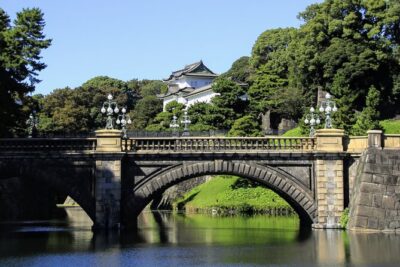 ★ 5.01-Day Tokyo Bus TourFrom $12914,250 reviews
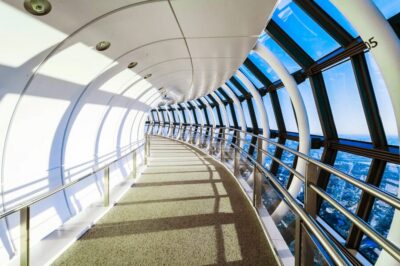 ★ 4.5TOKYO SKYTREE® Admission ticketFrom $1311,192 reviews
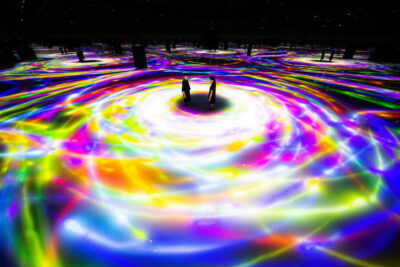 ★ 4.6teamLab Planets TOKYO Digital Art Museum Entry TicketFrom $259,779 reviews
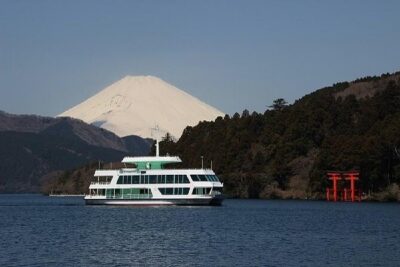 ★ 4.0Mt Fuji & Hakone Cruise, Drum Show Bullet Train 1 Day from TokyoFrom $1497,413 reviews
 ★ 5.0Shinjuku Food Tour (13 Dishes at 4 Local Eateries)From $866,603 reviews
 ★ 4.4Tokyo Mt Fuji 5th St & Hakone Cruise Bus Tour w/Bullet TrainFrom $1545,024 reviews
 ★ 5.0Flagship 2-Hours Official Street Go-Kart Tour – Tokyo Bay ShopFrom $644,974 reviews
 ★ 4.5From Tokyo: Mount Fuji Full-Day Sightseeing TripFrom $684,970 reviews
This tour also belongs to