
Review · TOKYO FOOD TOURS
Tokyo Food Tour: The Past, Present and Future 11+ Tastings
Tokyo food can feel like time travel. This 5.5 to 6.5 hour tour strings 11+ tastings into a clear story across Nihonbashi, Tokyo Station, and Akihabara, from classic ingredients to modern crowd habits. It also includes a shrine visit, plus an optional private setup or a small group capped at 8.
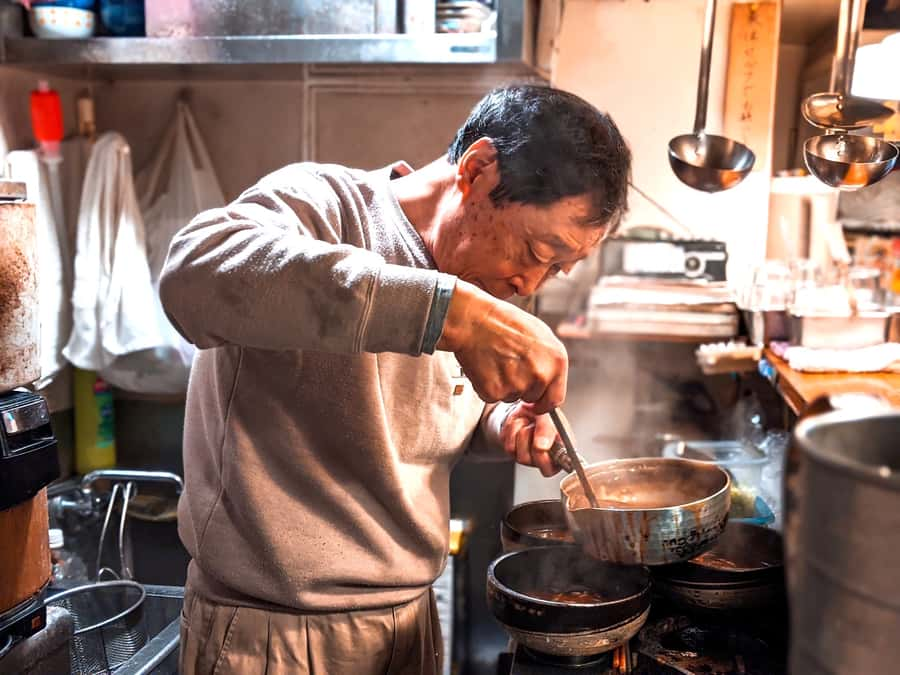
I especially like the way the tour connects food to place and era, not just to flavor. Your stops run from traditional staples like dashi, kombu tsukudani, and amazake to contemporary “salaryman” meals under the railway tracks.
One consideration: this is not an easy, sit-and-snack outing. You’ll walk about 6.5 km on a moderate pace, deal with stairs in subway stations, and it is not suitable for vegans or vegetarians.
Key things I’d circle before you go
- 11+ tastings built around the past, present, and future so you taste changes in Tokyo, not just random items.
- Three areas with different food identities, from Nihonbashi to Tokyo Station and onward to Akihabara.
- Classic Japanese ingredients and drinks show up early, including kelp-based favorites and a sweet fermented rice drink.
- Salaryman-style dining under railway tracks in Ginza and Yurakucho, plus a Japanese alcoholic drink called a Sour.
- Food tied to daily culture at Tokyo Station, including gift-giving and a Fruits Sando stop.
- A modern lens on tradition in Akihabara, where marketing targets younger generations with techy style.
Tokyo’s Food Road Map, Not Just a List of Snacks
What makes this tour work is its structure. You are not just chasing individual foods. You move through Tokyo in a way that makes sense: historical foundation, industrial-era habits, and then the “tomorrow” angle of Akihabara.
If you like learning while eating, you’ll appreciate how the guide frames each tasting in context. For example, the tour starts with key flavor building blocks like dashi and ingredients such as katsuobushi and kelp, which show up in countless dishes beyond what you sample here. That early grounding makes later stops easier to understand, even if you have never studied Japanese cuisine before.
Also, the pacing is designed for a half-day. In about 5.5 hours, you get multiple guided meals and snack stops without needing to plan your own route across the city. You do still earn the views with walking, though, so pack accordingly.
You can also read our reviews of more food & drink experiences in Tokyo

Price and Logistics: What You Pay For (and What You Don’t)
At $164 per person, you are paying for time, guidance, and a concentrated food plan. This price includes 11+ food tastings plus 1 alcoholic drink, and it runs about 5.5 to 6.5 hours depending on the starting time.
Two practical notes matter for your day:
- You will need to buy your own subway tickets. There are two short subway rides during the tour.
- Pickup is optional. Unless you book a private tour with hotel meet up, there is no hotel pickup or drop-off.
Group size is kept small. You can join a small group with a maximum of 8 people, or book a private tour for your group.
Meeting Point Reality Check: Find the Bench, Not the Street
Meet up at Nihonbashi Subway Station Exit B12. The key detail is where you stand: when you come out of Exit B12, you will be inside a shopping mall. Your meeting point is the bench on the right on the basement level. Do not head up to street level.
If you arrive by taxi, the instructions point you to Coredo Nihonbashi. Take the elevator down near the entrance, and look for the bench where the guide will be.
This matters because Nihonbashi can feel like a maze underground. If you arrive a few minutes early and do not rush, you’ll save yourself the stress.
Nihonbashi: The Ingredient Foundation Behind Japanese Flavor
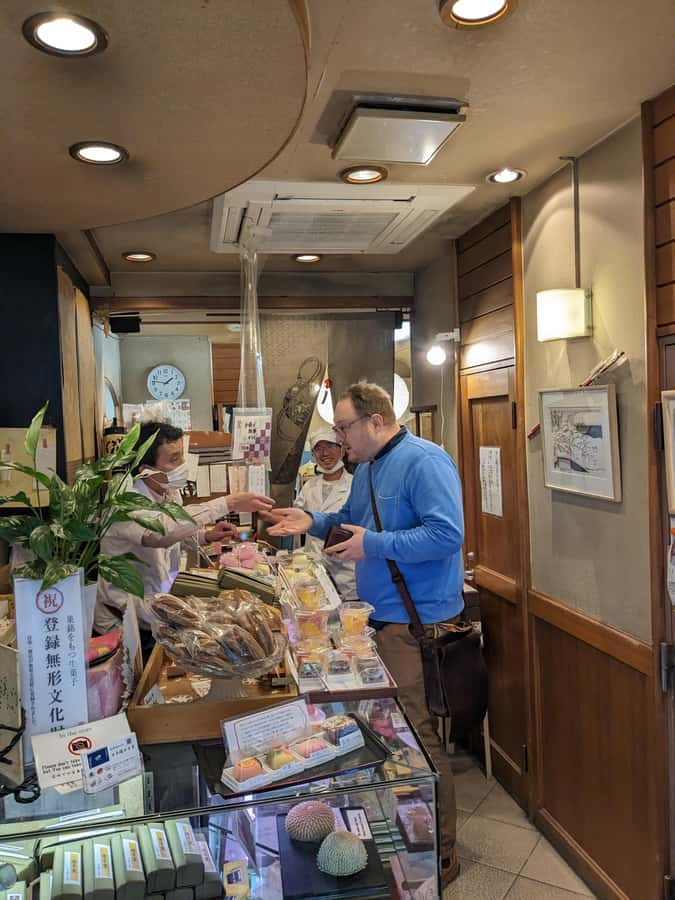
Your first stretch is in Nihonbashi, where the focus is on the roots of Japanese taste. The guided portion is about 105 minutes, and it’s where you learn the “why” behind flavors you might have seen in restaurants but never understood.
Expect tastings tied to traditional ingredient logic, especially:
- Dashi basics, including the roles of katsuobushi and kelp
- Kombu tsukudani, simmered kelp you’ll recognize as comforting, savory, and sweet-leaning
- Amazake, a healthy fermented rice drink
- Imo kenpi, sweet potato chips
- Daifuku mochi, glutinous rice with sweet filling
A nice touch here is that some shops are described as dating back over a century. That helps you understand why these foods are not just “snacks,” they are part of daily food culture.
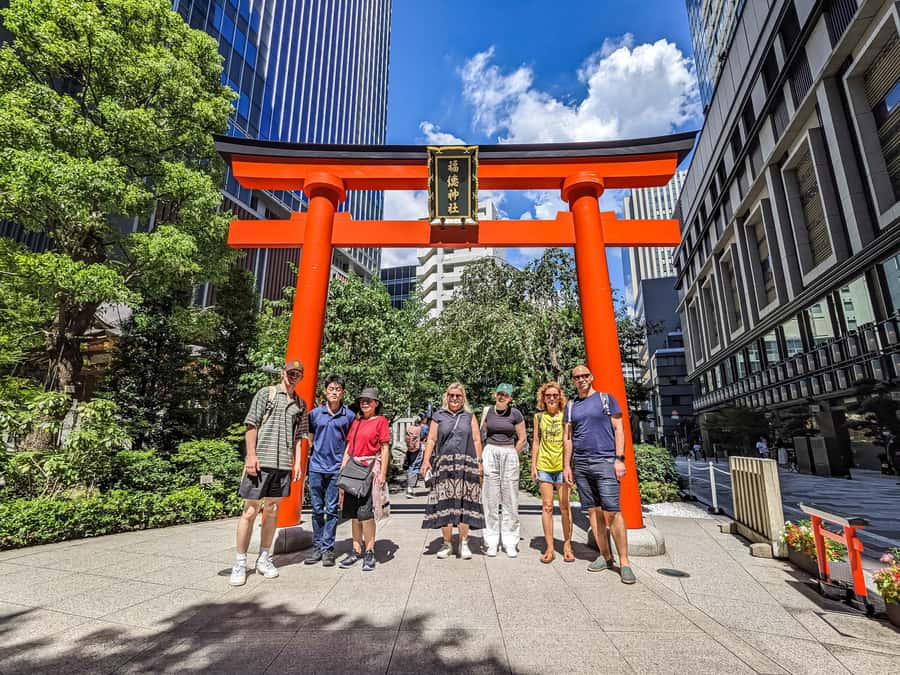
You’ll also get a culturally immersive moment with a shrine visit somewhere during this portion. Even if you are not religious, it adds meaning to the food story by reminding you that eating and ritual often share the same calendar and neighborhood habits.
Possible drawback to note: this part can set a strong pace. You will be walking and sampling right away, so eat a light breakfast if you are the type who gets full fast.
Ginza and Yurakucho Under the Tracks: Salarymen Know What Works
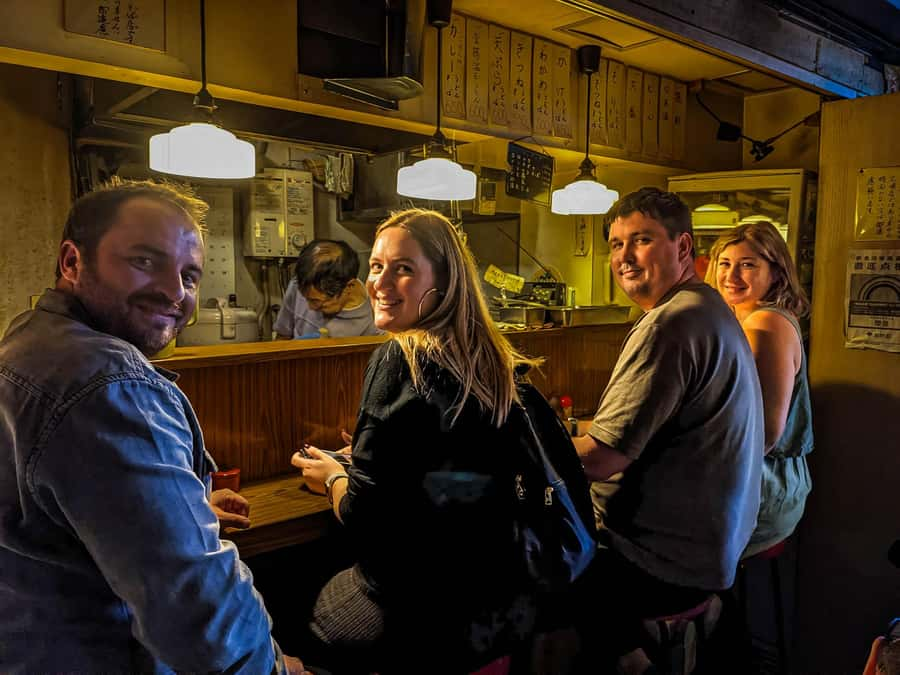
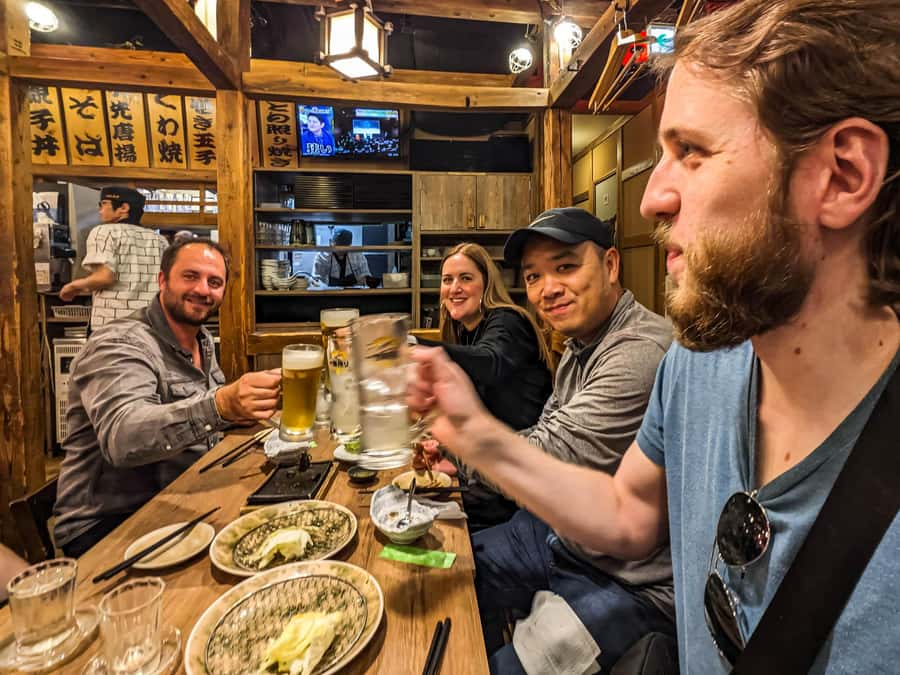
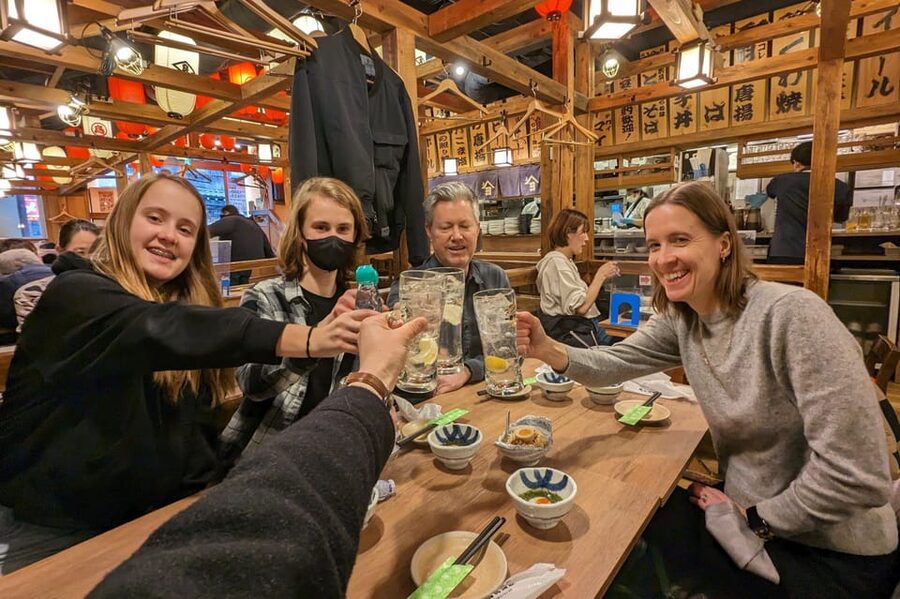
Next you shift into the present-day Tokyo vibe in Ginza and Yurakucho. This is where the tour leans into everyday meals: the kinds of places and dishes you’d expect to see favored by Japan’s white-collar workers, the salarymen.
You’ll spend about 1 hour in this area, with a lineup that’s designed to feel like a typical night out and a quick lunch combo:
- Beer as part of the included drink plan
- Street food and lunch-style tasting
- An alcoholic option called a Sour, which is identified as an exclusive Japanese drink on this tour
- Chicken dishes, described as common here
- Curry udon, a noodle soup that fits the post-war industrial-era palate
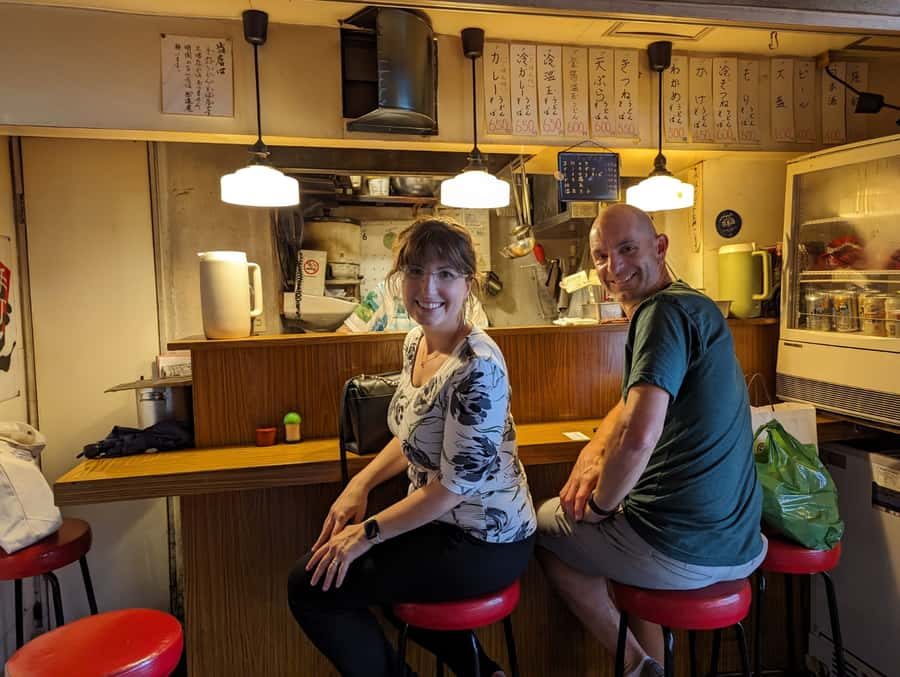
The under-railway setting is an important detail. It signals “Tokyo everyday,” not tourist-only dining rooms. When you eat in spaces like this, the food tastes better because the atmosphere feels real: quick, practical, and social.
Here’s how to get more from this stop: if you usually order safe foods, use this as your “try mode.” The tour is already doing the ordering logic for you, so lean into it.
More Tokyo tours and experiences for the shortlist


Tokyo Station: Gift Culture and a Fruits Sando Stop
Tokyo Station is not just a transport hub. It’s a place where food culture, timing, and shopping overlap. You get about 1 hour here, and the tour frames it around gift-giving culture.
The star tasting in this segment is a Fruits Sando: Japanese milk bread filled with fresh fruits and whipped cream. This kind of item looks simple, but it reflects how Tokyo food often turns into portable pleasure, perfect for travel days or bringing home something that feels special.
You’ll also connect the story of food to Japan’s iconic bullet trains. The point is not to memorize train facts. It’s to see how food becomes part of movement in Japan, from what people buy for themselves to what they give as a thoughtful gesture when they return.
One thing I appreciate about this stop is variety. After savory foundations in Nihonbashi and casual meals in Ginza and Yurakucho, a sweet, station-style bite feels like a natural reset.
Akihabara: Traditional Snacks Repackaged for the Future
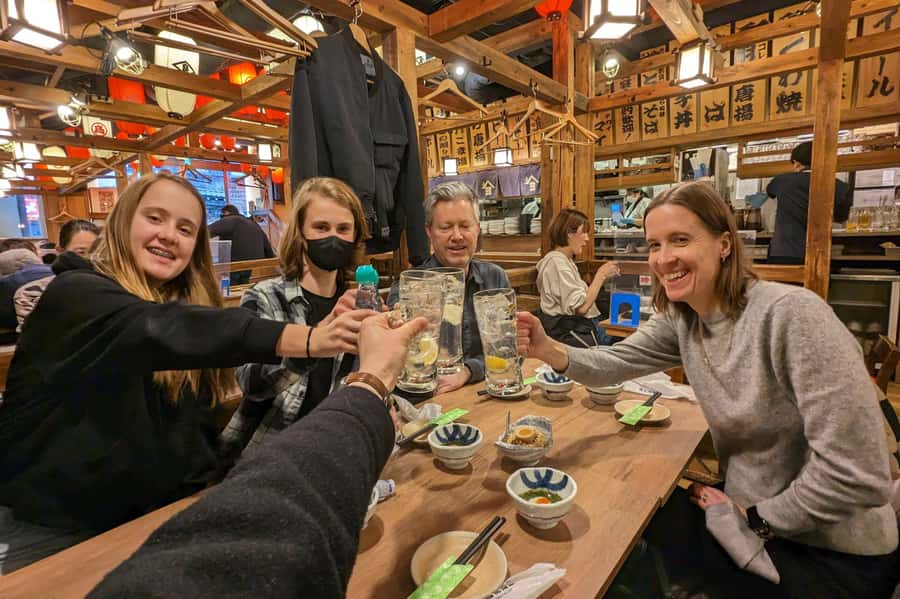
After a short subway ride, you land in Akihabara, the electronics and anime world where technology and youth culture set the tone. The tour wraps this theme in about 1 hour, ending at Akihabara Station.
Instead of switching to brand-new flavors only, this stop shows how old snacks get sold in new ways. You’ll taste dessert and local snacks, with an emphasis on innovative marketing strategies that attract younger generations.
The food story here is visual and social. Akihabara is a setting where people try new identities, and snacks often become part of that loop. You’ll also discuss how the district helps introduce ideas and subcultures through tech-driven creativity.
If you enjoy pop culture, this is where the tour feels playful. If pop culture is not your thing, it can still be valuable because the stop teaches how marketing changes what people notice, buy, and share.
What 11+ Tastings Feels Like During the Meal
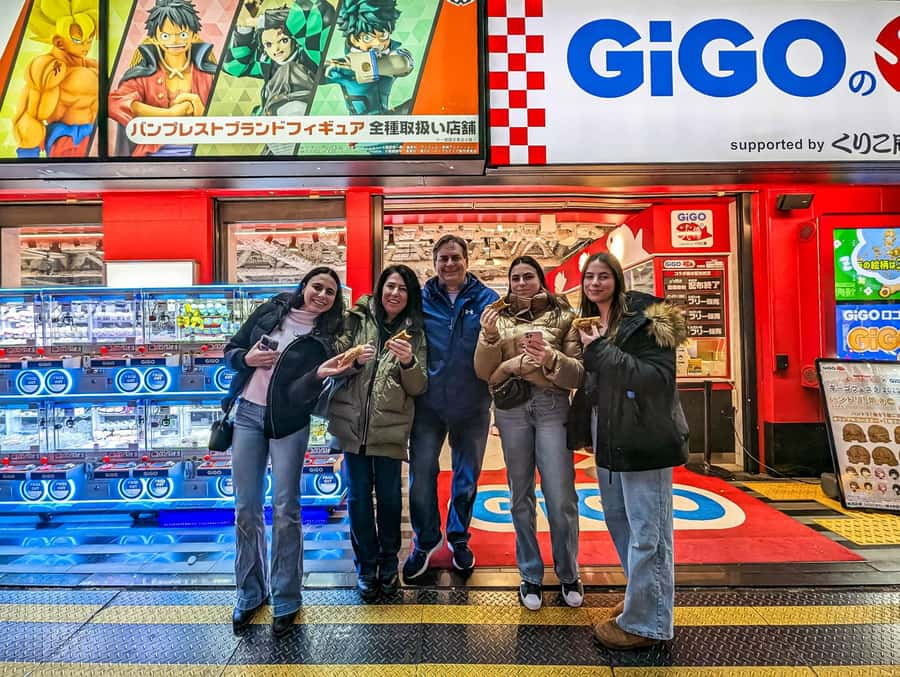
This tour is built for people who want more than one bite, but not a full day-long food crawl. The included 11+ tastings mean you’ll sample across different categories: savory snacks, sweet bites, drinks, and at least one meal-style segment.
You’ll also get 1 alcoholic drink included, with options described as beer and a Japanese Sour. If you do not drink alcohol, you might want to plan your pace and confirm with your guide how they handle the included drink, since only one drink is listed.
Dietary notes matter. The tour is explicitly not suitable for vegans and not suitable for vegetarians. Plan around that. Even if you can eat some non-vegan items, it’s still a good idea to be cautious about hidden ingredients.
Walking Distance, Stairs, and Rain or Shine
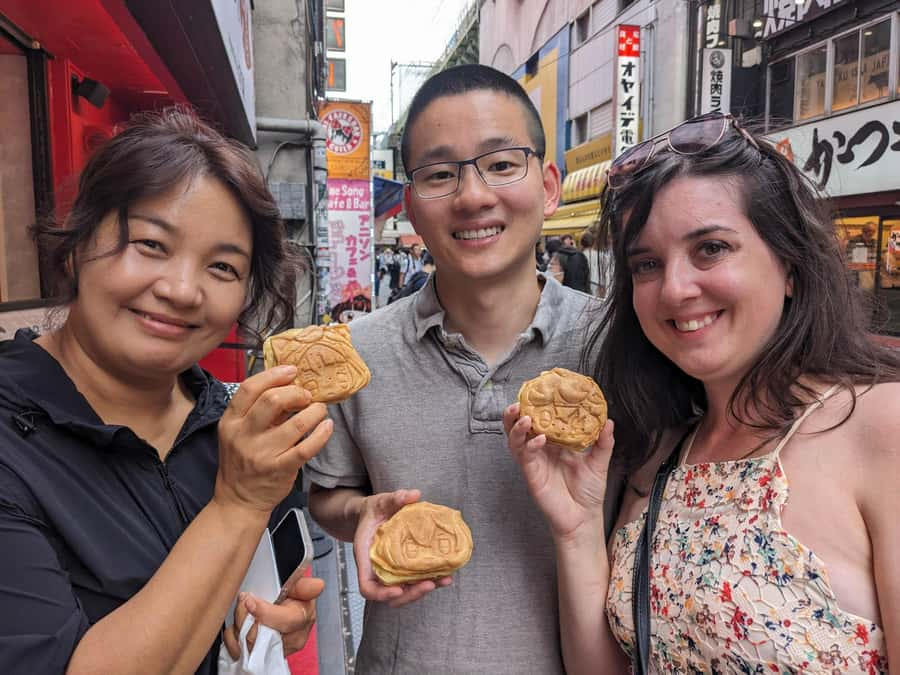
This tour runs rain or shine, and it’s not wheelchair friendly. You should expect:
- About 6.5 km of walking total
- A moderate walking pace
- Many stairs at subway stations
- A plan that keeps you moving between districts
What to bring is practical and specific:
- Comfortable shoes
- A towel
- Comfortable clothes
- A reusable water bottle
I also suggest bringing a small umbrella or light rain layer if you travel in seasonally rainy months, since the tour does not pause for weather.
The Kind of Guide You Want on This Tour
A big reason food tours work or fall flat is the guide. In the feedback tied to this experience, guide names such as Paiva and Miko come up. Paiva is described as pleasant with lots of Japan and culture context, and Miko is praised for connecting the past, present, and future history of food.
Even if your guide is different, the format depends on storytelling. You’ll get the most from this tour if you ask simple questions as you go, like what you should notice in the texture or why an ingredient matters.
Who Should Book This Tokyo Past, Present, Future Tour
This experience is best for you if:
- You want a structured food walk across multiple neighborhoods
- You like learning why dishes are built the way they are
- You enjoy a mix of savory, sweet, and drink stops
- You are comfortable walking for most of the half-day
It may not be the right fit if:
- You need fully vegan or vegetarian options (the tour is not suitable)
- You cannot manage stairs or long walking days
- You want minimal transit effort, because you will handle two subway rides on your own
For families, the private option exists, and small-group limits help keep the experience manageable. For solo travelers, the small group cap at 8 is a plus if you like meeting other food-minded people.
Should You Book It?
If your ideal Tokyo day is part eating, part neighborhood hopping with a story, I think this tour is a strong choice. The value is in how the tastings are connected, from early flavor foundations in Nihonbashi to station culture at Tokyo Station, ending with the youth-and-tech angle of Akihabara.
Book it if you:
- Can handle moderate walking and stairs
- Eat non-vegetarian foods
- Want a guided route that saves you from planning everything yourself
Skip it or look for a different option if you need wheelchair-friendly access, or if you need vegan or vegetarian dining. For everyone else, this is an efficient way to experience Tokyo food as a living timeline, not a checklist.
FAQ
How many food tastings are included?
The tour includes 11+ food tastings, plus 1 alcoholic drink.
Does the tour include subway rides?
You do not get subway tickets included. The tour uses two short subway rides, and you will need to purchase your own ticket.
How long is the tour?
The duration is 5.5 to 6.5 hours. Starting times vary, so you’ll need to check availability for the exact schedule.
Where do I meet the guide?
Meet at Nihonbashi Subway Station Exit B12. Stay on the basement level in the shopping mall, and look for the bench on the right.
Is the tour suitable for vegans or vegetarians?
No. This tour is listed as not suitable for vegans and not suitable for vegetarians.
How much walking is involved, and is it wheelchair friendly?
Expect about 6.5 km of walking with a moderate pace, plus stairs in subway stations. It is not suitable for wheelchair users and is not wheelchair friendly.
More Food & Drink Experiences in Tokyo
More Tours in Tokyo





More Tour Reviews in Tokyo


Not for you? Here's more nearby things to do in Tokyo we have reviewed












Tokyo Food Tours, side by side.
 ★ 5.0Shinjuku Food Tour (13 Dishes at 4 Local Eateries)From $866,603 reviews
 ★ 5.0Tokyo Bar Hopping Tour in Shinjuku (All-You-Can-Drink + Dinner)From $1063,587 reviews
 ★ 4.9Shinjuku Food Tour (15 Dishes and 4 Eateries)From $852,033 reviews
 ★ 5.0Best of Shinjuku: Izakaya Food Tour (4 Stops, 14+ Tastings)From $921,863 reviews
 ★ 5.0Shibuya Meltdown Nightlife Tour: All-You-Can-Drink Bar HoppingFrom $1061,058 reviews
 ★ 5.0Eat and Drink Like a Local: Tokyo Ueno Food Tour-Taverns&RamenFrom $95957 reviews
 ★ 5.0Ramen & Gyoza Cooking Class in Tokyo with Local Supermarket VisitFrom $122823 reviews
 ★ 5.0Shibuya Food Tour (13 dishes and 4 Eateries)From $77770 reviews
This tour also belongs to