
Review · TOKYO CITY TOURS
Tokyo full day private tour with Guide
Tokyo can feel like information overload, fast. This private day tour helps you hit the big classics with luxury door-to-door comfort, plus a plan you can adjust as you go. I like that you get real time with top sights such as Tsukiji Fish Market and Senso-ji, not just a quick photo stop. I also like the soft comfort touches, like complimentary coffee, tea, and bottled drinks. One possible drawback to keep in mind is that the experience quality depends heavily on your assigned guide, and there is at least one report where the service turned into more of a transfer than an actual guided walk.
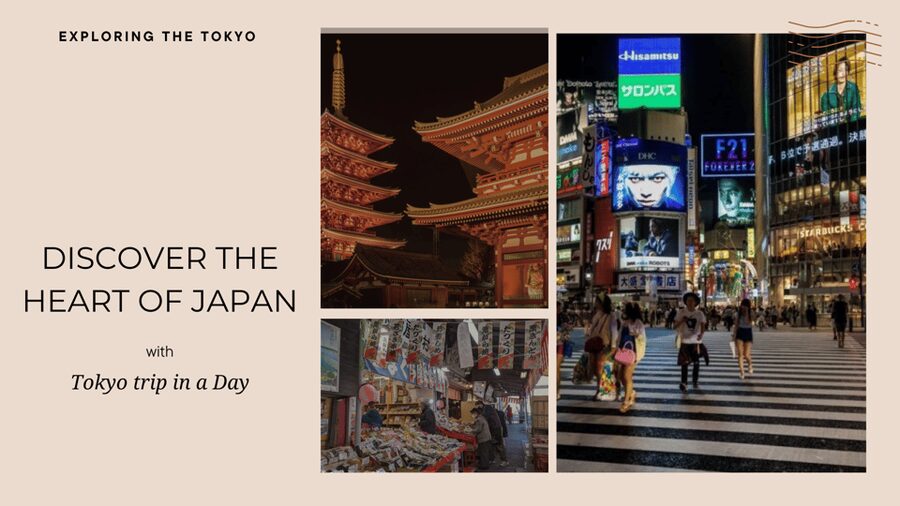
You’ll spend the day moving between different neighborhoods, from Asakusa to Shibuya and out toward Odaiba. The upside is that your route is packed with variety, food, temples, viewpoints, and modern Tokyo energy, all while you avoid the friction of figuring out transit and directions. The tradeoff is simple: this is a lot to do in one day, so you’ll want comfortable shoes and a game plan for pacing.
Key highlights to know before you go
- Private door-to-door pickup in luxury Toyota vehicles like Vellfire, Crown, or Land Cruiser, with air conditioning
- Tsukiji Fish Market guided time so you know where to go and what you can sample or look for
- Senso-ji plus a second Asakusa walk that lets you see the temple area with both structure and free roaming time
- Tokyo’s modern-and-traditional mix: Meiji Jingu forest, Shibuya Crossing, Odaiba bay area, and big towers
- Tembo Deck and Tembo Gallery know-how at Tokyo Skytree, including the curved connection between levels
- Guide-led flexibility, meaning you can shape the day more than a fixed group tour
Luxury pickup and what your day feels like
This is the kind of Tokyo tour where the logistics are handled for you. You’re picked up in Tokyo and dropped back at the end of the day, using a private vehicle and an experienced English-speaking chauffeur. The vehicles are described as luxury models such as Toyota Vellfire and Crown, and also Land Cruiser, all with air conditioning and the kind of comfort that makes a long day feel doable.
For me, the big value is not the car itself, it’s what the car gives you: time. Tokyo neighborhoods are close on a map, but the real cost is the constant switching, walking to stations, then walking again at the other end. Here, you keep your energy for the sights, not for transit puzzles.
There is also a small comfort bonus baked into the day, complimentary free coffee, tea, and bottled drinks. That sounds minor until you’re halfway through the day with a low-energy moment. In a schedule this full, those basics help you keep moving.
You can also read our reviews of more guided tours in Tokyo
Tsukiji Fish Market: food town energy with a guide’s direction
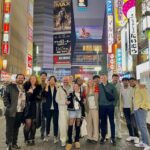
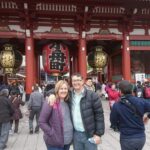
Tsukiji Fish Market is one of those places that can overwhelm you if you walk in with only curiosity. The market is described as Japan’s food town, with traditional cuisine side by side with newer culinary trends. You’ll see retail and wholesale streets lined with eateries and shops, and there are lots of ways to engage beyond just looking.
On this tour, you get guided time, around an hour, focused on visiting the market. Practically, that means you spend less time guessing and more time doing. A good guide can steer you toward what’s worth your attention, help you navigate the flow of the area, and keep you from wandering in circles.
What you can do at Tsukiji depends on what’s happening that day, but the market is commonly set up so you can:
- browse stalls for ingredients chosen with expertise
- buy items and eat along the way
- explore activities that teach you about fish preparation, like cutting fish
Even if you don’t join any hands-on activity, you’ll leave with a better sense of why Tsukiji has such a reputation. It’s not only about seafood, it’s about the food culture, the craft, and the sheer variety packed into a dense, working environment.
One caution: market areas can be crowded and active. This tour doesn’t eliminate that, so keep your expectations realistic. You’re not going to stroll like you’re in a museum. You’re going to move with the crowd.
Senso-ji in two passes: structure first, then your own pace
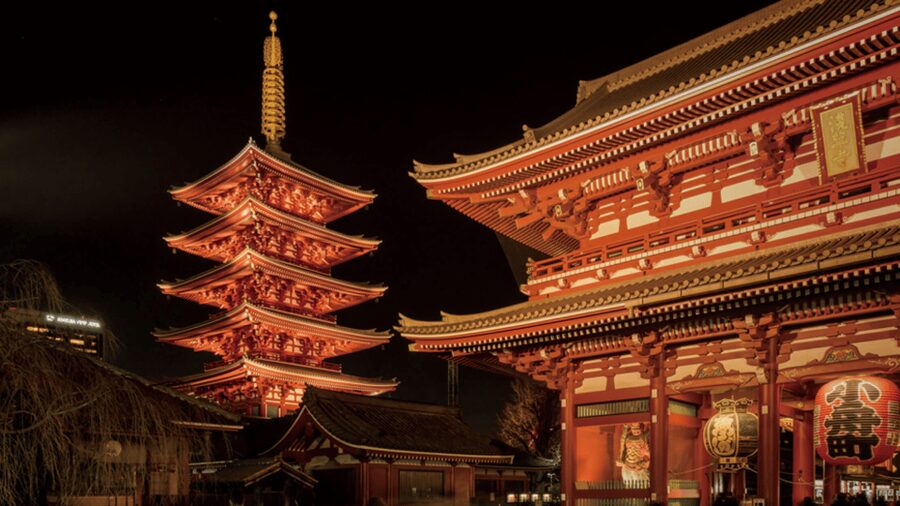
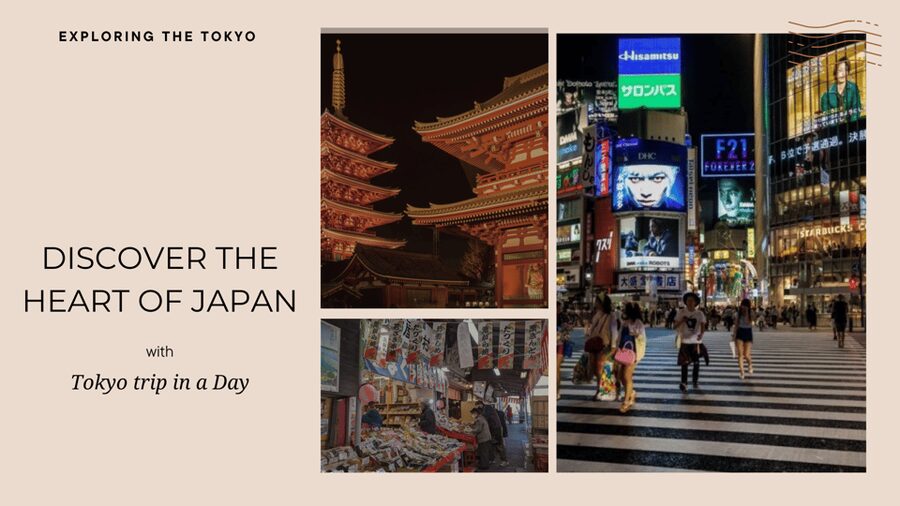
Senso-ji is in Asakusa and devoted to Kannon, the Buddhist goddess of mercy. It’s described as one of Tokyo’s oldest temples, and the grounds mix architecture, places of worship, Japanese garden elements, and traditional marketplace areas. You also get gate views and statues of gods watching over entrances, which adds a sense of storytelling as you walk.
Here’s why I like the way this day uses Senso-ji: it shows up twice. The first visit is guided, about 105 minutes, which is ideal for getting the context. When you understand the themes and symbolism, the temple stops feeling like scenery and starts feeling like a living cultural space.
The second Senso-ji stop is more of a sightseeing walk, about an hour. That’s smart because you can return with a calmer eye after the orientation. Instead of trying to absorb everything in one go, you get a first pass to learn how to look, then a second pass to slow down.
If you’re a photographer, this also helps. You’ll get multiple angles and lighting changes without needing to rush back later on your own.
The only drawback I see with a two-pass temple plan is crowd management. Asakusa gets busy, and two visits mean you’ll deal with crowds twice. Still, the trade is that you’ll understand the place better, not just snap a few pictures and leave.
Tokyo Imperial Palace and East Gardens: a calmer kind of sightseeing
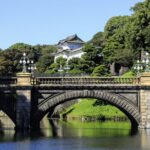
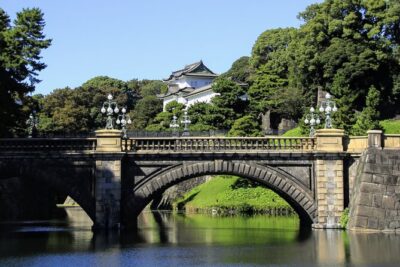
Tokyo Imperial Palace is the formal residence area for the Emperor, and the Imperial Palace complex is described as the base for the succeeding emperors through 1868 to the present. The tour includes an hour visit to the palace area, then later includes Imperial Palace East Gardens for another hour.
That structure matters. When you visit only one palace area, it’s easy to miss what feels different between the broader complex and the specific public gardens. East Gardens are described as being accessible to the general public, which makes it the better option for most visitors. Gardens give you breathing room, shade, and walking space in a city that otherwise feels nonstop.
In practical terms, I’d treat this as your midday reset. Use the time to slow your pace, refill water, and take a breath before the day switches into Shinto, then modern Tokyo viewpoints, then bay area sights.
If you prefer history to be interactive, the palace and garden setting can still work well, but it depends on your guide’s approach. If your guide is strong, you’ll get more meaning from what you’re seeing. If not, you may mostly enjoy the atmosphere rather than the deeper context.
Meiji Jingu: stepping into a 70-hectare green pocket
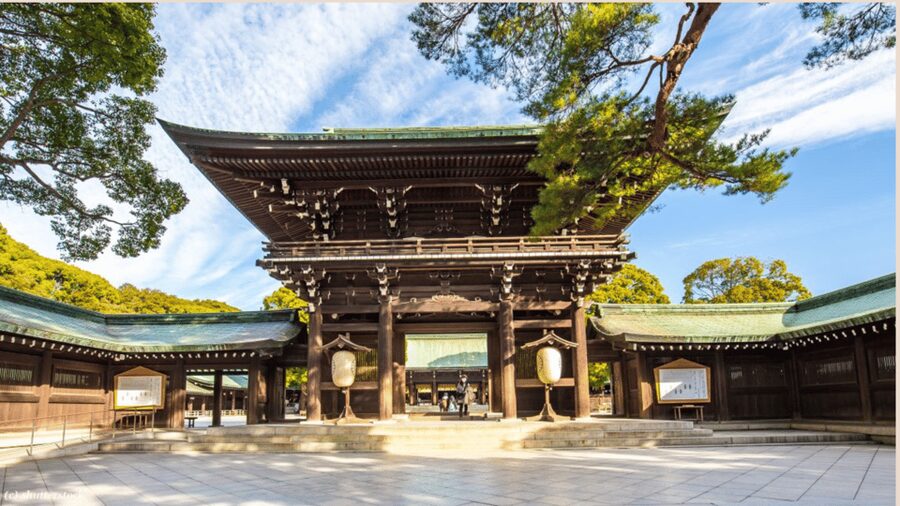
Meiji Jingu is a Shinto shrine in the middle of Tokyo, surrounded by a massive forest area described as about 70 hectares. The moment you enter that district, the tour description says you forget you’re in a busy metropolis. That’s not a promise of silence, but it is a description of the feeling: trees, shade, and a slower pace compared with the streets outside the shrine grounds.
The shrine was founded in 1920 to honor the virtues of Emperor Meiji and Empress Shoken, who guided Japan’s modernization. And while Meiji Jingu is open daily, hours can shift with the seasons.
On this tour, Meiji Shrine is about an hour, giving you enough time for a thoughtful walk. You won’t need to sprint. This is the right place on a packed day to walk at human speed, read a bit if there are signs in front of you, and let the setting do the work.
One practical note: shrine grounds still involve walking. If you plan on doing both Meiji Jingu and two major viewpoint stops later, pace yourself earlier so your legs don’t revolt by late afternoon.
You can also read our reviews of more private tours in Tokyo
Shibuya Crossing: modern Tokyo energy you can actually experience
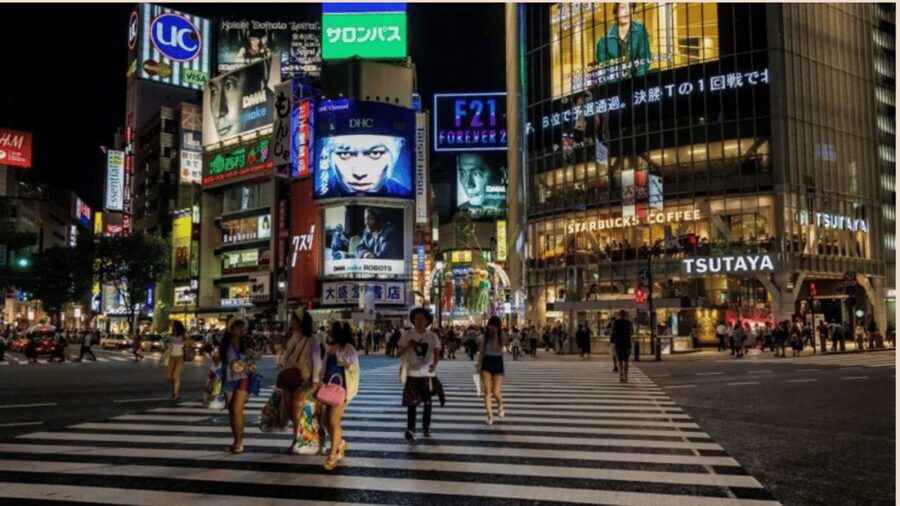
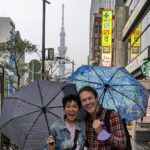
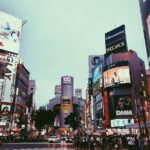
After you’ve moved through temples and palace gardens, Shibuya Crossing brings you back to pure modern Tokyo. The crossing is described as a man-made scramble junction just outside Shibuya Station, where bustle spreads in all directions. There are lights and advertisements, and three enormous television screens mounted on buildings face the intersection.
On the tour, Shibuya Crossing is guided for about one hour. That hour is useful because it helps you plan where to stand for the best views and how to time your crossing so you’re not stuck waiting with everyone else. You get to experience the famous crossing as a real moment, not just a distant view from a railing.
I like that this stop isn’t framed as sightseeing only. It’s a chance to feel Tokyo’s pace and scale, especially after the calmer earlier stops.
If you’re sensitive to crowds, Shibuya Crossing can be intense. The good news is that a private tour format means you can control how long you stay in the densest area. You’re not stuck in a group line for hours.
Odaiba: the bay-side break and the Edo-era backstory
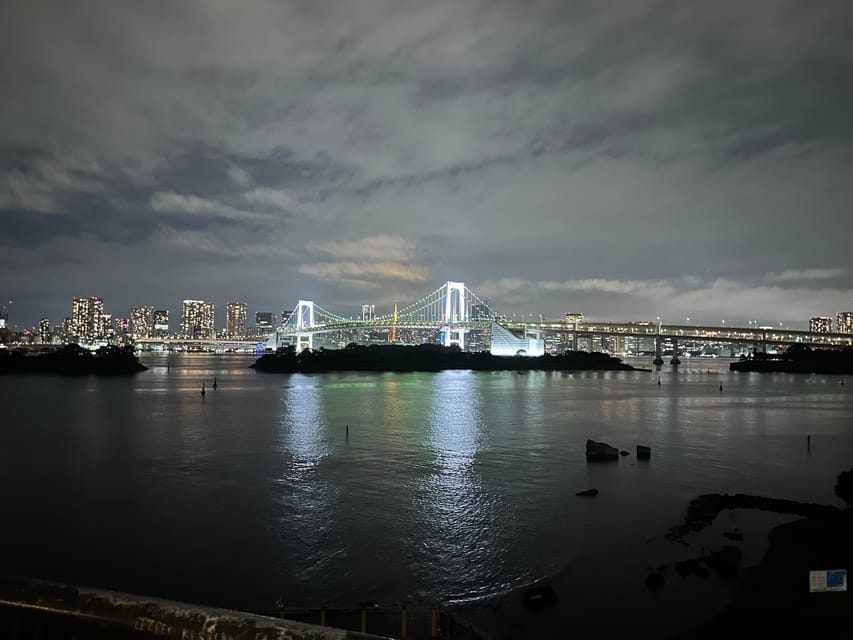
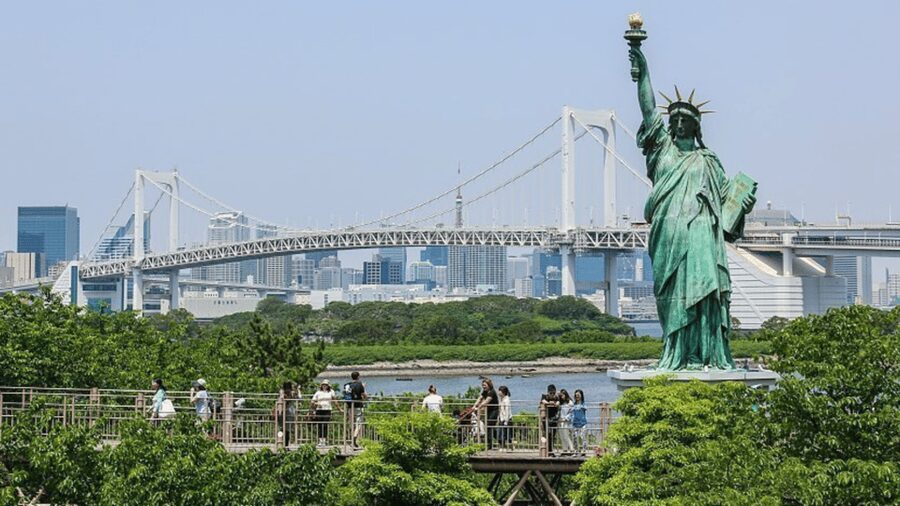
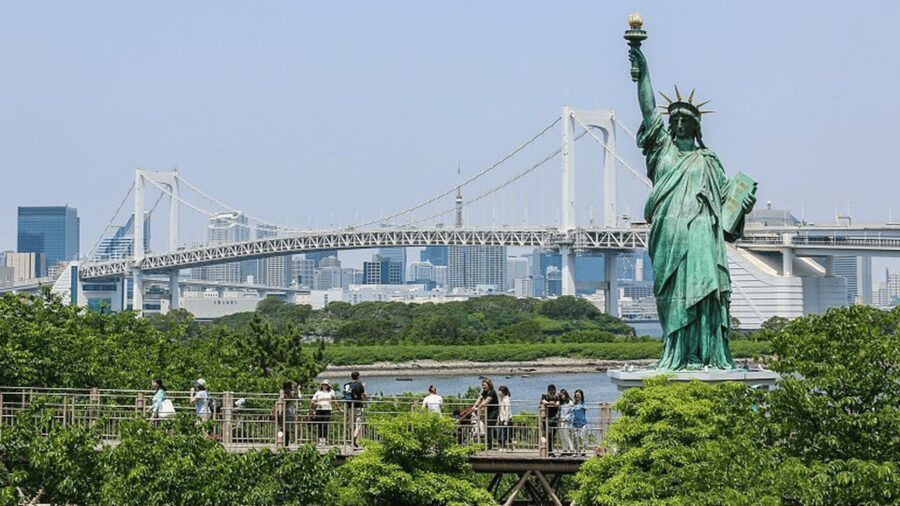
Odaiba is on a man-made island in Tokyo Bay and described as a retail and leisure center. The history angle is worth paying attention to because it changes how you see the area. Odaiba was originally known as a group of small artificial fort islands, with daiba literally meaning fort. They were constructed in the late Edo period from 1603 to 1868 to defend Tokyo from maritime attacks, especially after Commodore Perry’s gunboat diplomacy.
On this tour, Odaiba is a two-hour visit. That is long enough to browse stores, take a breather, and enjoy the bay air. It also works as a transition zone. After temple and shrine areas, your brain often appreciates a different type of atmosphere.
For practical planning, think of Odaiba as your time to slow down without fully stopping. You can browse, snack, and take photos, then head back for the big skyline viewpoints.
The drawback is that Odaiba can feel more like modern Tokyo entertainment than classic sightseeing. If you want strictly traditional sights all day, this part might feel less meaningful. If you want the full Tokyo mix, it’s a strong choice.
Tokyo Skytree and Tokyo Tower: viewpoints with a logic to the order
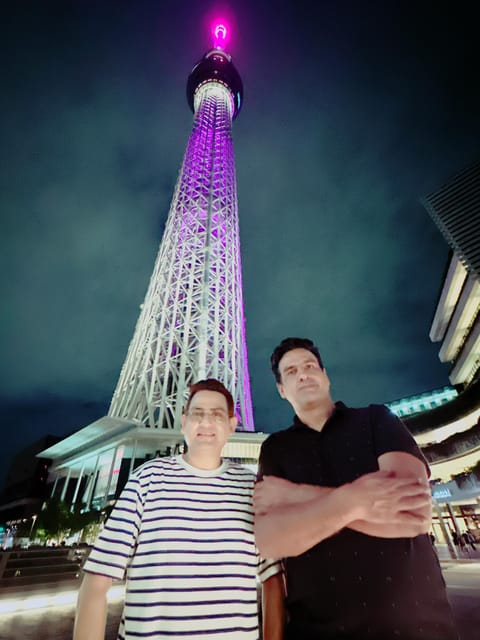
Tokyo Skytree is described as a communications and broadcasting tower. When it opened on May 22, 2012, it was the second tallest building in the world behind Burj Khalifa in Dubai, standing at 2,080 feet or 634 meters. Two observation decks are open to the public: Tembo Deck and Tembo Gallery, also called Galleria.
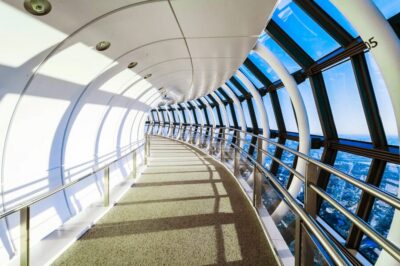
The Tembo Gallery detail is especially useful if you care about how you’ll move inside the structure. It’s divided into two levels connected by a curved circular ramp. So even if lines form, your experience is shaped by the building flow rather than only by the view at the top.
On this tour, Tokyo Skytree is visited for about an hour with sightseeing and walking. The goal of an hour is clear: get the skyline without turning your day into a queue marathon.
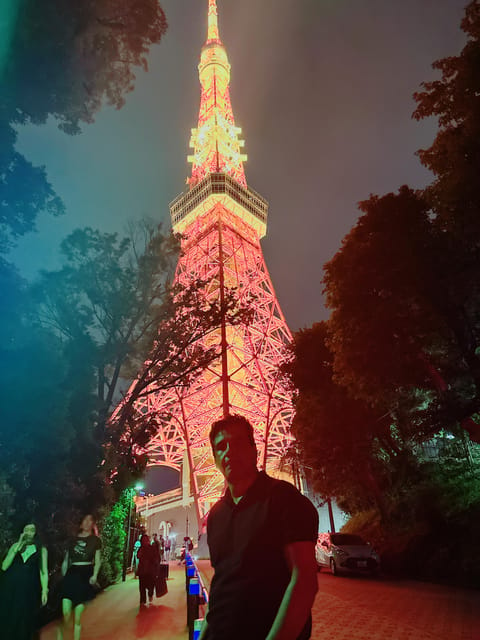
Later, you also visit Tokyo Tower for about an hour for sightseeing. This creates a satisfying comparison. Skytree often feels more futuristic due to height and design, while Tokyo Tower is a classic visual reference point in its own way.
What you should watch for is timing. Two major viewpoint stops means you’re spending a meaningful chunk of your day on observation decks and skyline walking. If you’re sensitive to heights or motion, it’s worth considering how much time you really want at each.
Tour guide quality, customization, and the one risk to watch
This experience is marketed as a private tour with a live guide, and it lists multiple languages such as English, Hindi, Japanese, Urdu, Punjabi, Spanish, Vietnamese, and Bengali. It also emphasizes flexible itinerary customization, meaning you can adjust the flow to match what you care about that day.
And that’s where the big lesson comes in. A private tour can be excellent when your guide is truly guiding. One of the strongest signals from past experiences is praise for an excellent guide, where the day felt properly explained and well paced.
But there is also a warning sign. In at least one case, the service was described as not really being guided, more like a private transfer. The person arrived on time, was friendly, but did not provide explanations, and didn’t answer basic questions about the sites. There was also a complaint about not getting out of the vehicle at stops due to alleged parking issues, with the result that the guest had to read information on their own.
Here’s how to protect yourself without overthinking it:
- Ask the guide about what they’ll focus on at Tsukiji and Senso-ji, history, food culture, or practical tips.
- If your guide seems vague, it’s okay to request more explanation and ask specific questions right away.
- Use your customization time to lock in what you need most. If you came for cultural meaning, make that clear early.
A private format is supposed to reduce friction. Your best defense is to clarify expectations in the first hour.
Price and value for a private Tokyo day
The price is listed as $329 per group, up to 2 people. That means the value depends less on whether you like Tokyo Tower photos and more on how you compare it to alternatives.
Here’s the value math you can think about:
- You’re paying for private door-to-door transport, a luxury vehicle, and a full day schedule.
- You’re also paying for guided time at major stops like Tsukiji and Senso-ji.
- You get included convenience items like air conditioning and complimentary coffee, tea, and bottled drinks.
If you were to do this day on your own, you’d likely spend time figuring transit and the best walking routes, especially when you’re mixing Tsukiji, Asakusa, Imperial Palace areas, Meiji Jingu, Shibuya, Odaiba, and two skyline stops. Even if you’re comfortable using transit, the schedule becomes harder.
For two people, private tours often feel easier to justify because you’re not paying per person plus additional guide charges. Still, if you’re traveling solo, the per person cost can feel sharper. This is why the group size matters here.
My practical advice: treat this price as payment for time, comfort, and guided interpretation. If you’re the type who enjoys planning and independent pacing, you may find you do fine on your own. If you want a smooth, teacher-led day with minimal logistics work, this price can start to look fair quickly.
Who this tour suits best
This tour fits best if you want a classic Tokyo highlights day but you don’t want the stress of planning transit and matching opening times. It also fits you if you like a mix of food culture, temples, big city energy, and skyline views.
It’s also a good match for people who appreciate a structured day with built in walking time and a private vehicle waiting for you. You’ll appreciate the door-to-door pickup and drop-off if your hotel is not right next to the main rail hubs.
If you travel with someone who gets tired easily, the private transport and planned stops help. If you’re older, the tour notes it is not suitable for people over 95 years, which is worth respecting.
Should you book this private Tokyo full-day tour?
I’d book it if you want a smooth, high-comfort day and you care about having someone explain what you’re seeing at key sites like Tsukiji and Senso-ji. The pricing can feel reasonable for up to two people because you’re buying time, comfort, and guided attention, not just rides.
I would hesitate if you already know you dislike guided tours, or if you’re the kind of traveler who prefers making your own route with zero structure. Also, since there are reports of the experience being more like a transfer than a true guided walk, do one simple thing before you commit: confirm that your guide will be leading explanations at the stops you care about most.
In short, this is a strong choice for a first-time Tokyo visitor who wants variety and convenience, as long as you choose it with your expectations clear.
FAQ
How long is the Tokyo private tour?
It runs for about 9 hours, and availability can show starting times.
What’s included in the price for up to 2 people?
The tour includes a private vehicle with driver, hotel pickup and drop-off, luxury transportation with air conditioning, and guided visits to major stops such as Tsukiji Fish Market and Senso-ji, plus other attractions listed in the tour.
Which languages are available for the live tour guide?
The live tour guide language options include English, Hindi, Japanese, Urdu, Punjabi, Spanish, Vietnamese, and Bengali.
Do you visit Tsukiji Fish Market, Senso-ji Temple, and Tokyo viewpoints?
Yes. The tour includes visits to Tsukiji Fish Market, Senso-ji Temple, Tokyo Skytree, and Tokyo Tower, along with other stops like Meiji Shrine and Shibuya Crossing.
Is there complimentary food or drinks included?
Yes. Free coffee, tea, and bottled drinks are included.
Is the tour customizable?
Yes. The itinerary includes flexible customization.
What is the cancellation policy?
Free cancellation is offered up to 24 hours in advance for a full refund.
More Guided Tours in Tokyo
More Tours in Tokyo


More Tour Reviews in Tokyo

Not for you? Here's more nearby things to do in Tokyo we have reviewed



Tokyo City Tours, side by side.
 ★ 5.01-Day Tokyo Bus TourFrom $12914,250 reviews
 ★ 4.5TOKYO SKYTREE® Admission ticketFrom $1311,192 reviews
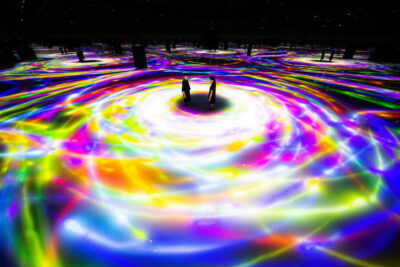 ★ 4.6teamLab Planets TOKYO Digital Art Museum Entry TicketFrom $259,779 reviews
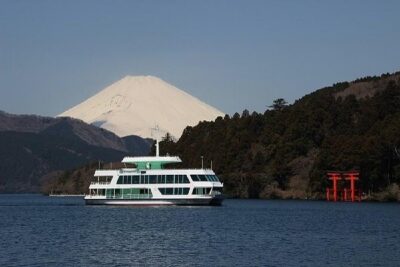 ★ 4.0Mt Fuji & Hakone Cruise, Drum Show Bullet Train 1 Day from TokyoFrom $1497,413 reviews
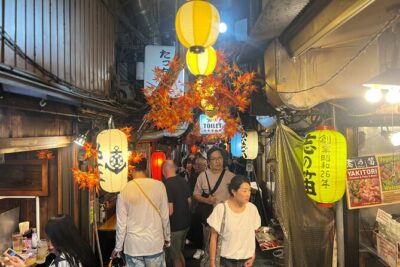 ★ 5.0Shinjuku Food Tour (13 Dishes at 4 Local Eateries)From $866,603 reviews
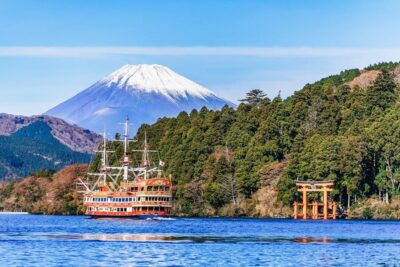 ★ 4.4Tokyo Mt Fuji 5th St & Hakone Cruise Bus Tour w/Bullet TrainFrom $1545,024 reviews
 ★ 5.0Flagship 2-Hours Official Street Go-Kart Tour – Tokyo Bay ShopFrom $644,974 reviews
 ★ 4.5From Tokyo: Mount Fuji Full-Day Sightseeing TripFrom $684,970 reviews