
Review · TOKYO CITY TOURS
Tokyo: Hama-rikyu Gardens tour with Japanese Tea & Sweets
A garden walk ends with matcha. That pairing is the hook here, with a guide-led look at Hama-rikyu Gardens and an in-garden tea break. You’ll spend 90 minutes moving at an easy pace, learning why the Edo-period design still feels calming today.
I really like the way this tour connects garden features to Japanese design thinking. The focus on Karesansui (the dry rock-garden style) and the Kaiyushiki circular garden gives your photos more meaning than just pretty scenery. I also like that you get a true tea-room pause, with matcha green tea and Japanese sweets included while you look out at the grounds.
One consideration: it is a walking tour inside a garden, so you should plan on some uneven paths and a bit of standing. If you prefer long, slow rests, bring realistic expectations for a short 30-minute guided walk.
Key highlights I’d prioritize before you go
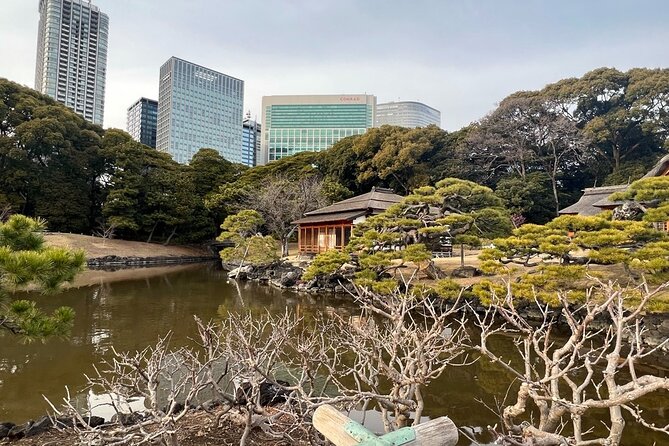
- Edo-period garden setting with design details explained in plain English
- Karesansui dry rock-garden focus, so you know what you are actually looking at
- Kaiyushiki circular garden viewing style, built for watching from specific angles
- Matcha green tea plus Japanese sweets included in the price
- Small group up to 4 people, which makes questions and photo stops easier
- English live guide helps you connect history to what you see
Why Hama-rikyu fits neatly into a Tokyo afternoon
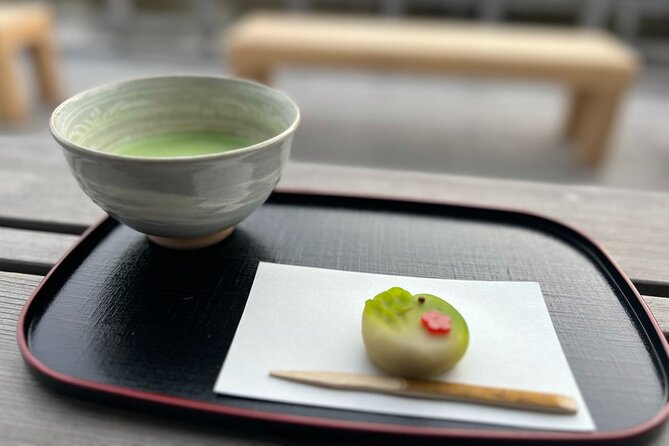
Hama-rikyu Gardens is one of those Tokyo places that feels quietly “away,” even though the city is right there. The big value is that you get the garden plus context, not just a self-guided shuffle. With 90 minutes total, it is long enough to learn the basics and enjoy the view, but short enough to work into a sightseeing day.
This is also a good garden choice if you are not trying to become a full-time expert on Japanese gardening. The tour format keeps things practical: you walk through the key sections with a guide, then you slow down in the tea room. The result is a rhythm that makes the garden feel less like a checklist and more like an experience.
More Tokyo tours and experiences for the shortlist



The 30-minute guided stroll: Karesansui and Kaiyushiki in real time
You start with a guided walk focused on the heart of the property. The garden is rooted in the Edo period, which matters because you are not just looking at plants, you are looking at a design system. Your guide walks you through what makes Hama-rikyu special and how the sections were meant to be viewed.
Karesansui, the dry rock-garden style
Karesansui can look simple at first glance, but that is why a guide helps. You get to see the dry rock-garden concept as intentional composition, not random stone placement. I like this part because it trains your eye. Instead of just photographing rocks and patterns, you start noticing the way balance and negative space create mood.
If you enjoy calm, structured visuals, this is the section to spend a little extra time on. Take a minute to step back and look at the arrangement from different angles. The guide’s explanation is there to help you interpret what you see.
Kaiyushiki, the circular garden design
Then comes Kaiyushiki, a circular garden style that changes how you perceive the space as you move. This part is especially good for people who like gardens but get lost in them. When a design is built around circular viewing, it gives you a natural path of attention. You are not wandering blindly.
Your best move here is to slow down during the viewing moments. Circular designs can be subtle. The guide’s pacing is useful, because it cues you to pause at the spots where the garden’s character shows up most clearly.
Seasonal changes you can actually notice
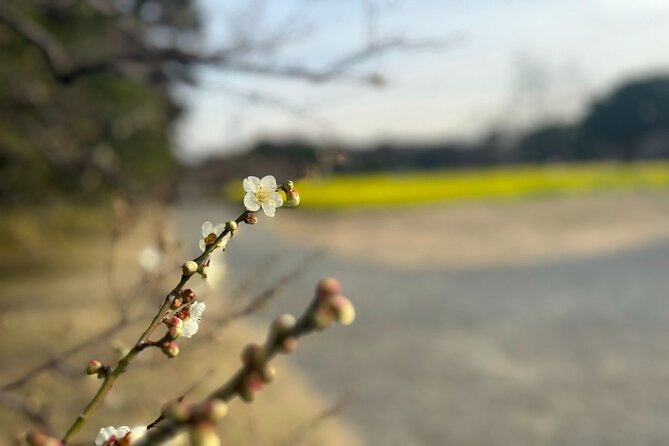
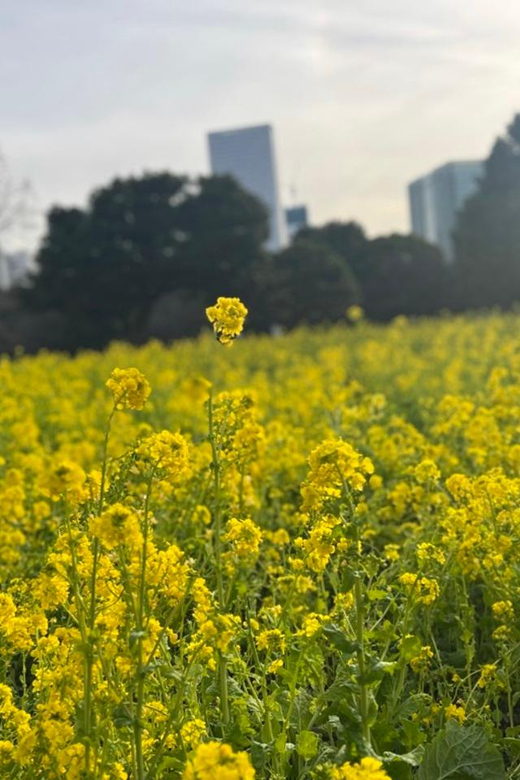
Hama-rikyu’s plant beauty changes with the seasons, and that matters even if you are only visiting for a short time. One review mentioned spring flowers and how much that can change the feel of the garden. Even without knowing a specific season, you can expect the garden to feel different depending on when you come.
Practical tip: if you care about blossoms, check what time of year you are traveling. Then, bring patience. Gardens do not perform on demand. They reveal themselves when the season is right.






Tea ceremony time: matcha green tea and Japanese sweets in a garden tea room
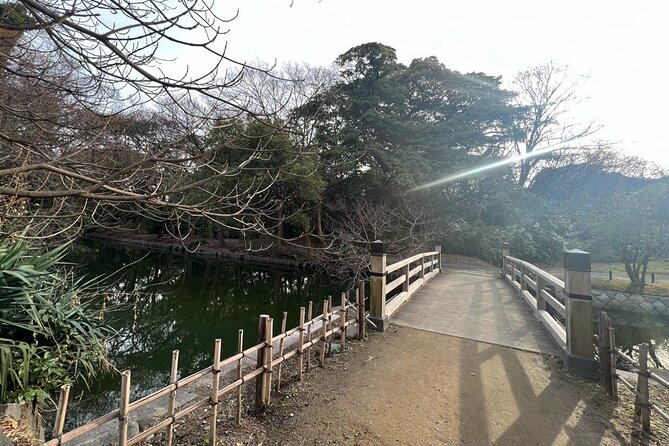
After the guided walk, you get a full one-hour tea ceremony experience inside the garden. This is not a rushed drink stop. It is the tour’s reset button.
You will have matcha green tea and Japanese sweets included. Reviews highlight that the matcha and the sweets can be unforgettable, and one mention specifically called out wagashi. That fits what you want from a garden tea moment: something light, seasonal-feeling, and paired with a view that helps your brain slow down.
Here is what I find practical about pairing tea with the garden: the flavors give you a different kind of attention. During the walk, you process shapes and design. At the tea room, you focus on taste and calm. That contrast makes the garden stick in your memory.
Also, this is a very shoot-friendly time. You get a settled setting for photos, not just quick snapshots while walking. If you want pictures that look thoughtful rather than touristy, this tea-room hour is where you can do it.
What you gain from a small group limited to 4
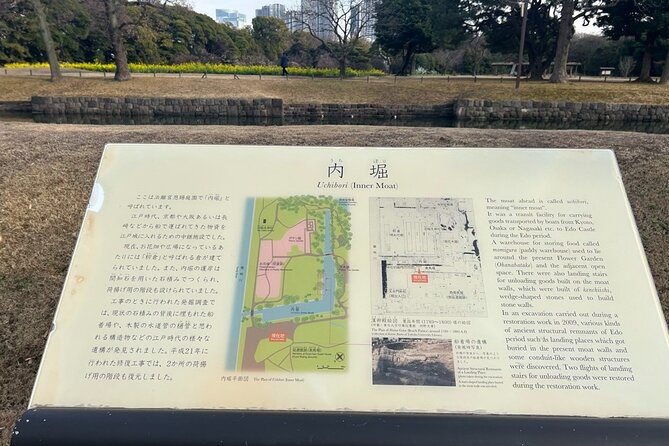
A small group of up to 4 participants changes the whole feel of a history-plus-garden tour. With fewer people, it is easier for the guide to slow down when someone asks a question, and easier for you to take photos without constantly playing leapfrog.
I also appreciate the human side here. Reviews mention guides by name, including Ayaku, Hiro, and Mr. Ito. While your guide could be different, the common thread is that the guide puts energy into explaining the garden’s background and design choices in English. That kind of energy matters in a place like this, where details are real but easy to miss without guidance.
If you like tours where you are not shouting over a crowd, this one is built for that.
Where you meet and where you finish at Shiodome Station
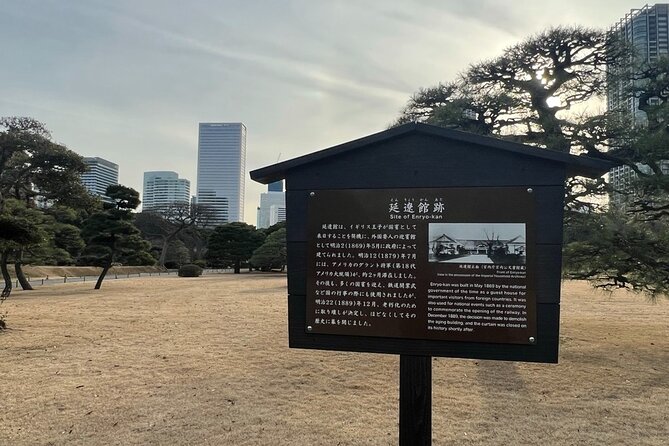
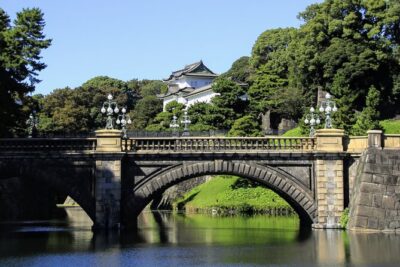
This tour uses two different starting points. Depending on the option you book, you may meet at Otemon Bridge (大手門橋). The garden portion happens in Hama-rikyū Gardens, and you finish at one of two drop-off locations: Shiodome Station (汐留駅).
Why this matters: Shiodome Station is a convenient end point for linking to other parts of your Tokyo day. If you are planning dinner nearby or want to continue sightseeing without backtracking, having a rail-station finish is a practical win.
Also, since the meeting point can vary, double-check your confirmation details the day before. On the day, show up with a little buffer so you do not end up stressing before the tea part.
Walking comfort: shoes and pacing for a garden route
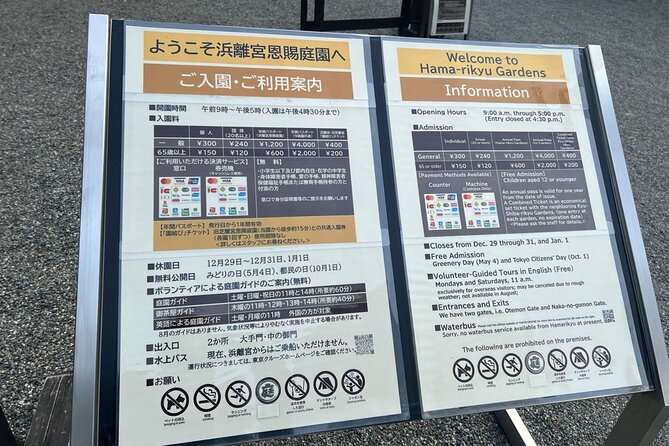
The tour recommends comfortable walking shoes for a walking route in a garden. That is exactly what you should expect, even if the time is short.
Your best approach: wear shoes you can walk in for the total time without worrying about slipping or soreness. If you tend to get tired from standing, plan to take advantage of the tea-room hour as your main rest.
And because the guided portion is only 30 minutes, do not treat it like a long hike. Think of it as a focused orientation, followed by a calmer second act.
Price and value: is $85 fair for what you get?
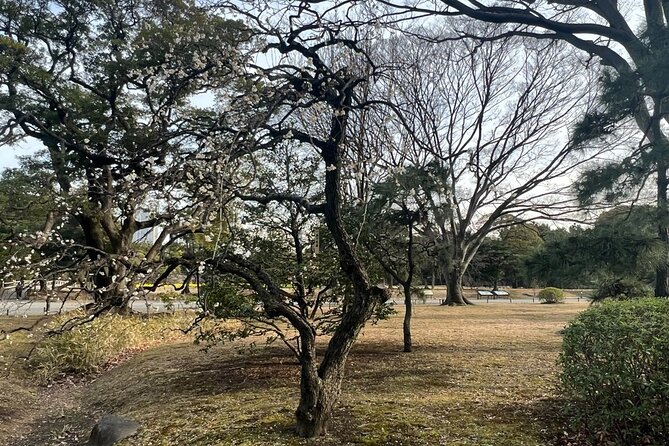
At $85 per person for 90 minutes, this tour is not a budget impulse buy. But it also is not just paying for entry into a nice garden.
You are paying for:
- A live English guide who explains the Edo-period history and design features
- A structured garden walk focused on specific highlights
- An included tea ceremony with matcha green tea and Japanese sweets
- A small group experience limited to 4 people
In other words, you are buying time with interpretation, plus a scheduled tea break, not just sightseeing. If you would normally spend money on a guided cultural stop and then separately pay for matcha and sweets, the bundle starts to make sense.
The real value question is how you like to travel. If you enjoy understanding what you see, the guide portion justifies a lot of the price. If you prefer totally independent wandering and you already know garden basics, you might find better value in a self-guided visit. For most people, though, the included tea plus small-group pacing makes this a fair deal.
Who this tour suits best, and who should skip it
This fits you well if:
- You want a guided cultural stop without a long commitment
- You care about garden design details, not only the pretty look
- You want matcha as part of the experience, not a random drink later
- You like small-group tours where the guide can slow down and answer questions
You might want to skip or swap plans if:
- You do not enjoy walking in a garden setting, even with short durations
- You are strictly cost-minimizing and would rather pay only for self-guided entry
- You dislike tea or sweets, since they are included and part of the tour structure
Final call: should you book the Hama-rikyu Gardens and tea tour?
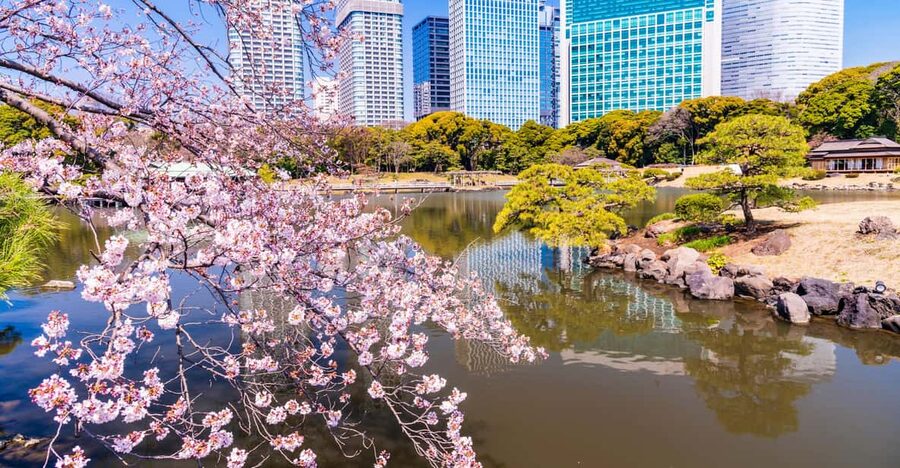
I think you should book this tour if you want a smooth, meaningful Tokyo garden stop that does not eat your whole day. The combination of an Edo-period guided walk, clear focus on Karesansui and Kaiyushiki, and an included hour of matcha and Japanese sweets gives you both information and relaxation.
If your travel style is more “walk and figure it out,” you could get by independently. But if you want to leave with a better understanding of what you saw, and you want the matcha tea moment to feel intentional, this is a strong choice.
FAQ
How long is the Hama-rikyu Gardens tour with Japanese tea and sweets?
The tour duration is 90 minutes total.
How much does it cost?
The price is $85 per person.
Is matcha green tea and tea sweets included?
Yes. Matcha green tea and Japanese sweets are included in the tour fee.
What language is the tour guide?
The live tour guide is available in English.
How large is the group?
The group is small, limited to 4 participants.
Where do I meet for the tour?
The meeting point can vary depending on the option booked. One option is 大手門橋 (Otemon Bridge).
Where is the tour drop-off?
Drop-off locations include Shiodome Station (汐留駅), depending on the option booked.
What happens during the tour?
You get a guided garden tour (30 minutes), then a tea ceremony in the garden (1 hour).
Can I cancel for a refund?
Yes, you can cancel up to 24 hours in advance for a full refund.
More Dessert Tours in Tokyo


More Tours in Tokyo


More Tour Reviews in Tokyo
Not for you? Here's more nearby things to do in Tokyo we have reviewed












Tokyo City Tours, side by side.
 ★ 5.01-Day Tokyo Bus TourFrom $12914,250 reviews
 ★ 4.5TOKYO SKYTREE® Admission ticketFrom $1311,192 reviews
 ★ 4.6teamLab Planets TOKYO Digital Art Museum Entry TicketFrom $259,779 reviews
 ★ 4.0Mt Fuji & Hakone Cruise, Drum Show Bullet Train 1 Day from TokyoFrom $1497,413 reviews
 ★ 5.0Shinjuku Food Tour (13 Dishes at 4 Local Eateries)From $866,603 reviews
 ★ 4.4Tokyo Mt Fuji 5th St & Hakone Cruise Bus Tour w/Bullet TrainFrom $1545,024 reviews
 ★ 5.0Flagship 2-Hours Official Street Go-Kart Tour – Tokyo Bay ShopFrom $644,974 reviews
 ★ 4.5From Tokyo: Mount Fuji Full-Day Sightseeing TripFrom $684,970 reviews
This tour also belongs to