
Tokyo’s history is walkable, right now. This tour works because you’re not stuck in a museum, you move through Imperial Palace East Gardens while the Edo Castle layout comes back to life. I love the mix of sturdy stone remnants and calm garden paths, and I like that the guide explains how the shogunate era connects to today. One possible drawback: you are in a real, active imperial site area, so the tour focuses on the East Gardens and key gates rather than a full palace walkthrough.
If you’re the type who likes understanding what you are looking at, you’ll enjoy how the route strings together gates, moats, and garden design into a single story. I also appreciate that the guides here get called out for being clear and inclusive, including Tony’s loud, easy-to-follow explanations for a deaf group, Jim’s fun, grounded way of answering questions, and Bell’s attention to making sure everyone felt included. Plan for short photo stops plus walking, and wear comfortable shoes, because it is a city stroll, not a sit-down lecture.
Key Highlights You Can Actually Use
- Edo Castle stone ruins laid out where you can see the scale, not just read about it.
- Ninomaru Garden for seasonal flowers and quiet ponds that make the imperial grounds feel restful.
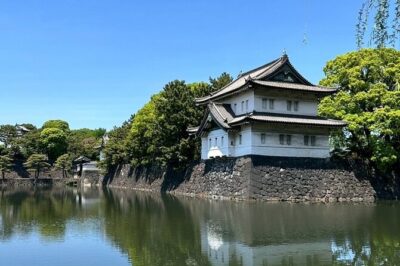
- Original-feeling gates and moats from the samurai era, with context you can picture.
- Sakurada-mon Gate stop that ties architecture to real political change.
- English live guide who keeps explanations clear and answers questions in an easy way.
- About 90 minutes total, so you can fit it between other Tokyo plans without losing a whole day.
Walking the Imperial Palace East Gardens With Edo Castle in Your Head
The best part of this tour is the pacing. You spend your time where you can look, stop, and connect the dots. The Imperial Palace East Gardens are peaceful on their own, but the added value is that you’re seeing them as the former Edo Castle stronghold. That shift changes the whole experience, because every stone edge and gate position starts to feel strategic, not decorative.
You’ll walk through the kind of space Japan does well: controlled, intentional, and very human at walking speed. Instead of rushing past big sights, you get pauses to look from the right angles, then hear what those structures meant. It’s a great format for travelers who want culture with enough structure to make it make sense, even if you’re not a hardcore history buff.
You can also read our reviews of more historical tours in Tokyo
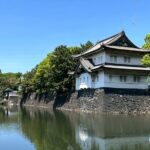
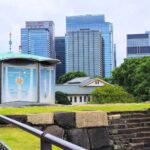

Tokyo Imperial Palace Photo Stop: What You’re Looking For
The tour begins near the East Gardens at Starbucks by Kokyo Gaien Wadakura Fountain Park, right in the area where you can quickly orient yourself. From there, the first stop is a Tokyo Imperial Palace photo moment plus a short guided segment, about 15 minutes.
Here’s how I’d approach this part: don’t just take a picture and move on. Use the time to set your mental map. The guide’s job is to help you understand what you’re seeing in plain terms, like how the site functioned through different eras. Even if the grounds are calm right now, the framing matters, because Edo Castle was about defense, control, and movement.
Edo Castle Stone Ruins: The Most Moving Part of the Whole Route
After the initial orientation, you shift into the heart of what makes this tour feel special: the stone ruins of Edo Castle. You’ll walk through areas where remnants show the weight of the past. You can often spot the difference between something that is reconstructed for beauty and something that still carries the original logic of fortification, and that contrast is what makes the walk stick in your mind.
This section is also where the tour description emphasizes moats, castle walls, and stone gates. You are not just looking at isolated sights. You’re seeing how they connect, so the space reads like a system. When the guide points out how these features worked together, the layout stops being abstract.
One detail I really like in this style of tour is the invitation to picture daily life. You get to stand in places tied to major structures, like the foundation of the old keep, then imagine what it meant for shoguns and feudal lords to control the city. Even if you’re not from Japan, you can grasp power and protection instantly when you stand where they stood.
Ninomaru Garden: Calm Paths, Seasonal Color, and Quiet Ponds
The biggest time block on the tour is spent in Imperial Palace East Gardens, about 45 minutes, and a key portion of that is Ninomaru Garden. This is the soft side of the story. The stone and gates give you context, but the garden is where you feel the “why” of Japanese design: controlled nature, visual balance, and a sense of pause in the middle of Tokyo.
The garden is known for seasonal flowers and tranquil ponds. That matters because it means you’re not locked into one look. Depending on when you visit, the color and mood can change, but the overall feeling stays grounded and serene. It’s a refreshing break after the more tactical talk about castle defenses and samurai era structures.
If you like photography, this is also the portion that makes your pictures feel more personal. Stone ruins can look dramatic, but garden ponds and pathways tend to give you images with atmosphere. Even with short stops, you can still frame something that looks like it belongs in your memory, not just your camera roll.
Sakurada-mon Gate: Seeing Architecture as Politics
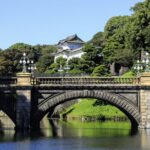
Next comes Sakurada-mon Gate. You’ll have another photo stop and guided time here, about 20 minutes. This is the kind of stop that benefits from a good guide, because a gate is never just a gate. In this case, it’s a visible link between eras, and the tour ties it to the bigger political transition from the Tokugawa shogunate to imperial rule.
I like this part because it helps you connect what you’re seeing to why it matters historically. It’s one thing to hear a timeline in a lecture. It’s another to stand near a structure and realize it was part of how people controlled access, movement, and security. The tour keeps that connection practical, so you walk away understanding the “shape” of change, not just dates.




How the Guide Makes or Breaks This Tour
This tour leans heavily on the guide, and the strongest praise centers on delivery and inclusion. Tony is specifically mentioned for speaking clearly and loudly so a deaf group could follow the history while walking through the gates. Jim is praised for explaining Japanese history in a way that also connects to the present, and for keeping things light and fun while still answering questions. Bell receives compliments for thoughtful attention to making sure everyone in the group felt included.
That tells me the tour isn’t only about facts. It’s about communication style. If you care about hearing things clearly in English, and you like when explanations connect to the real world rather than staying locked in the past, this format is a good match.
Also, the pacing is built to allow questions. You’re not racing through stops with no time to ask what you’re wondering. That’s a big deal when a topic like the Tokugawa shogunate is unfamiliar, because the best learning often happens right where your confusion shows up.
Price and Value: Why $22 Can Be a Good Deal Here
At $22 per person for about 90 minutes, the value is pretty strong if you care about having context rather than just passing by sights. You are paying for three things:
- A live English guided walk through multiple key points.
- Admission to the Imperial Palace East Garden, so you’re not managing that on your own.
- Explanations that turn stone gates and garden design into something you can actually interpret.
In Tokyo, standalone attractions can cost more than this once you add entry fees and the time you spend getting your bearings. Here, the tour keeps you moving through a tight geographic area, which helps you maximize time. If you already have your own plan to explore the palace grounds, the tour can still be worth it because you’re buying interpretation, not just access.
That said, if you prefer to wander completely independently with zero structure, you might feel this is more guided than you need. But if you want the place to make sense fast, the cost-to-time ratio is quite reasonable.
What the Timing Feels Like on the Ground
The schedule is short enough to fit easily into a Tokyo day, but structured enough that you do not feel lost. Expect:
- A quick meet near the East Gardens Starbucks area.
- A brief Tokyo Imperial Palace photo stop with guided context.
- A longer stretch through Imperial Palace East Gardens, including the garden portion.
- A final stop at Sakurada-mon Gate, with a photo opportunity and a wrap of key connections.
The stops are described in chunks, like 15 minutes, then 45 minutes, then 20 minutes. In practice, that means you get focused attention at each point instead of one long explanation that gets repetitive. It also means you can still do other sightseeing nearby before or after without your day collapsing.
Practical Tips That Improve Your Experience
A few small choices can make this tour more comfortable and more rewarding.
Wear comfortable shoes. You’re walking a lot more than you might think once you count the time between gates and garden paths.
Bring a camera, but also bring your patience for photo stops. The tour includes photo moments, yet the route still has guided movement. If you try to treat each stop like a full photo session, you may feel rushed.
Go in with one mindset: connect architecture to purpose. When you hear about Edo Castle defenses, listen for how the guide frames moats, gates, and walls as parts of a system. When you shift to Ninomaru Garden, switch gears to design and mood. That mental toggle is what makes the whole 90 minutes feel satisfying.
If you’re sensitive to noise levels or need clear voice delivery, the strong comments about Tony’s clear volume are a good sign. Still, it’s worth knowing that outdoor guided tours always depend on ambient city sounds.
Who This Tour Is Best For
This experience is a strong pick if you:
- Like walking tours that explain what you’re seeing, not tours that only point.
- Want Edo period context without committing to a full-day deep dive plan.
- Prefer a compact itinerary in central Tokyo with both structures and gardens.
It’s also a good option for travelers who value accessibility. The tour is listed as wheelchair accessible, and that matters for planning a smoother sightseeing day.
If you’re traveling with someone who thinks history is boring, this tour can be easier to sell because it mixes gates, stone ruins, and the calming look of ponds and seasonal flowers. It’s history with scenery and breathing room.
Should You Book This Imperial Palace East Gardens and Edo Castle Tour?
I’d book it if you want your Tokyo sightseeing to come with clear interpretation in English and a route that makes the Imperial Palace area feel purposeful, not just scenic. $22 for about 90 minutes is a sensible deal when admission is included and you’re getting guided context through multiple key points like Edo Castle ruins and Ninomaru Garden.
Skip it only if you strongly prefer solo wandering with no structured explanation, or if you are hoping for extensive access beyond the East Gardens and key gates. This tour is built for walking, looking, and learning in that specific slice of the palace grounds.
If you want Tokyo to feel a little less fast and a little more understandable, this one has the right balance.
More Historical Tours in Tokyo


More Tours in Tokyo


More Tour Reviews in Tokyo
Not for you? Here's more nearby things to do in Tokyo we have reviewed








Imperial Palace Tours, side by side.
 ★ 5.0Imperial Palace and Shogun Historical Walking TourFrom $222,251 reviews
 ★ 4.9Imperial Palace Japanese History Walking TourFrom $32987 reviews
 ★ 4.9Imperial Palace and Shogun Walking TourFrom $16935 reviews
 ★ 5.0Imperial Palace East Garden and Edo Castle Walking Tour in TokyoFrom $25510 reviews
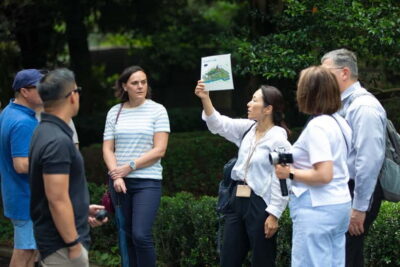 ★ 4.8Imperial Palace East Gardens Walking TourFrom $19353 reviews
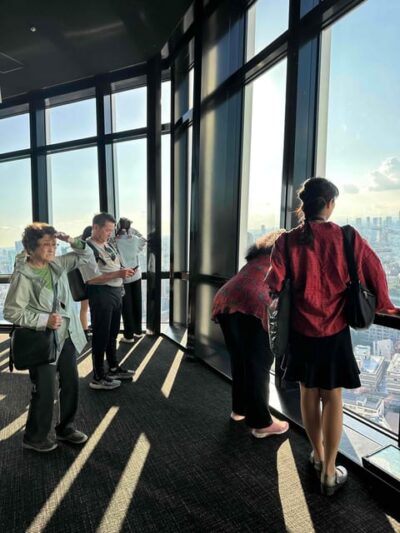 ★ 4.5Imperial Palace, Sensō-ji Temple, & Tokyo Tower TourFrom $40339 reviews
 ★ 5.0Tokyo Castle, Imperial Palace, Shogun & Garden Walking TourFrom $31211 reviews
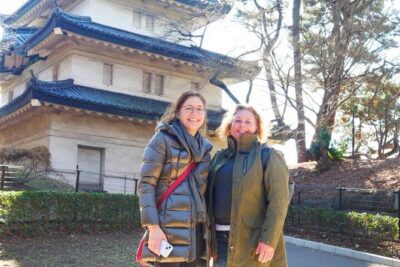 ★ 4.7Edo Castle & East Garden of the Imperial Palace TourFrom $42112 reviews
This tour also belongs to